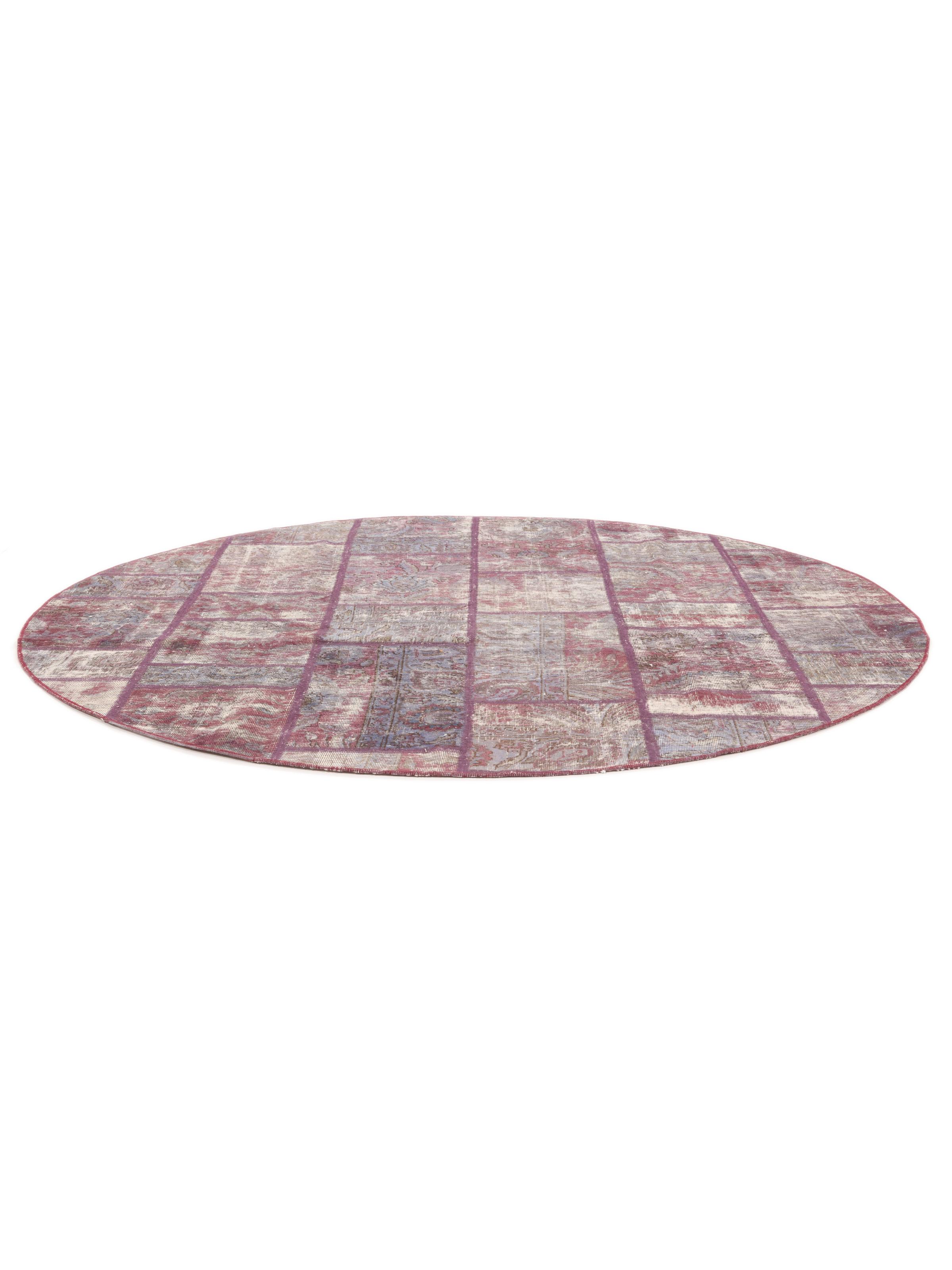
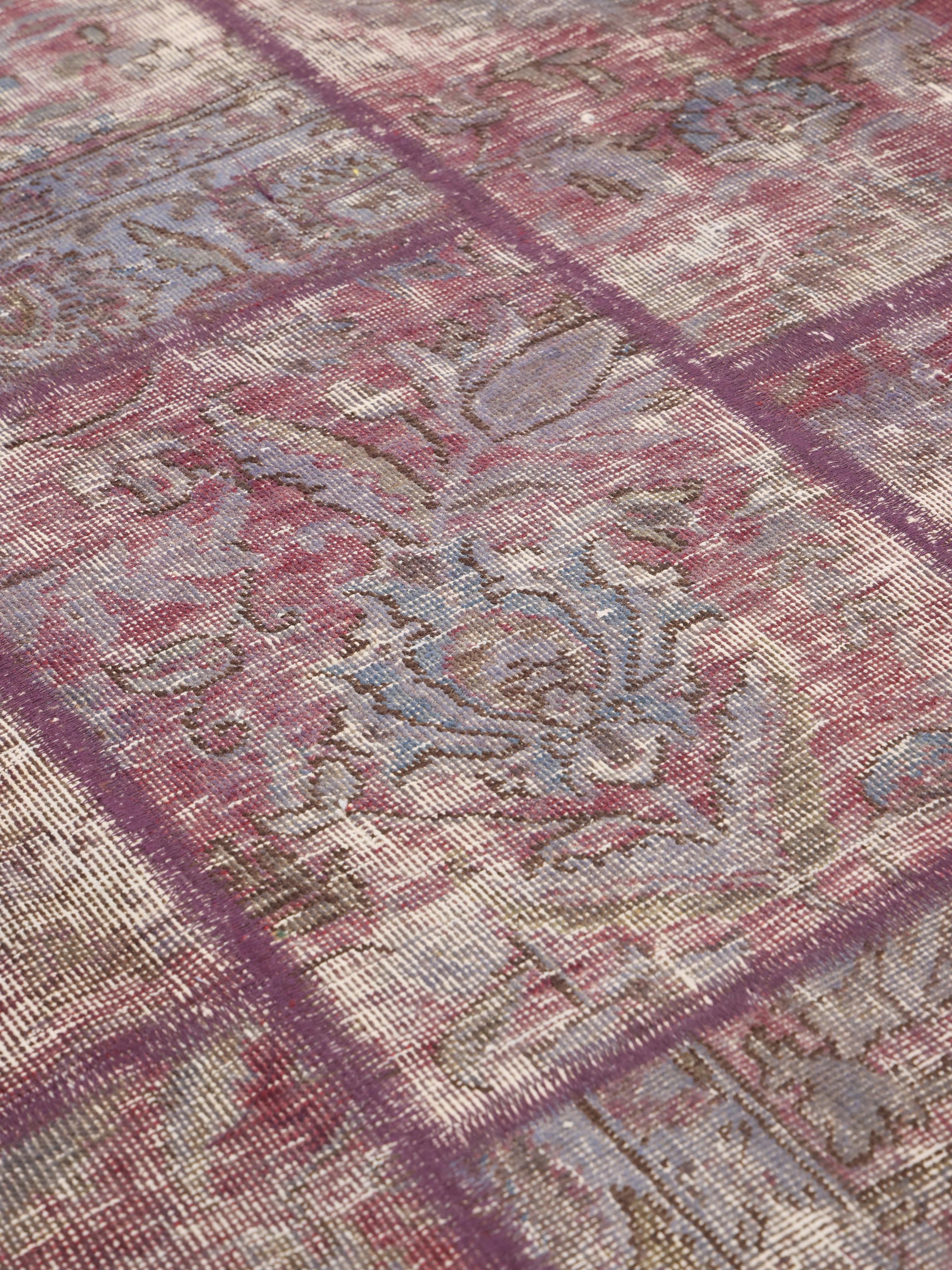
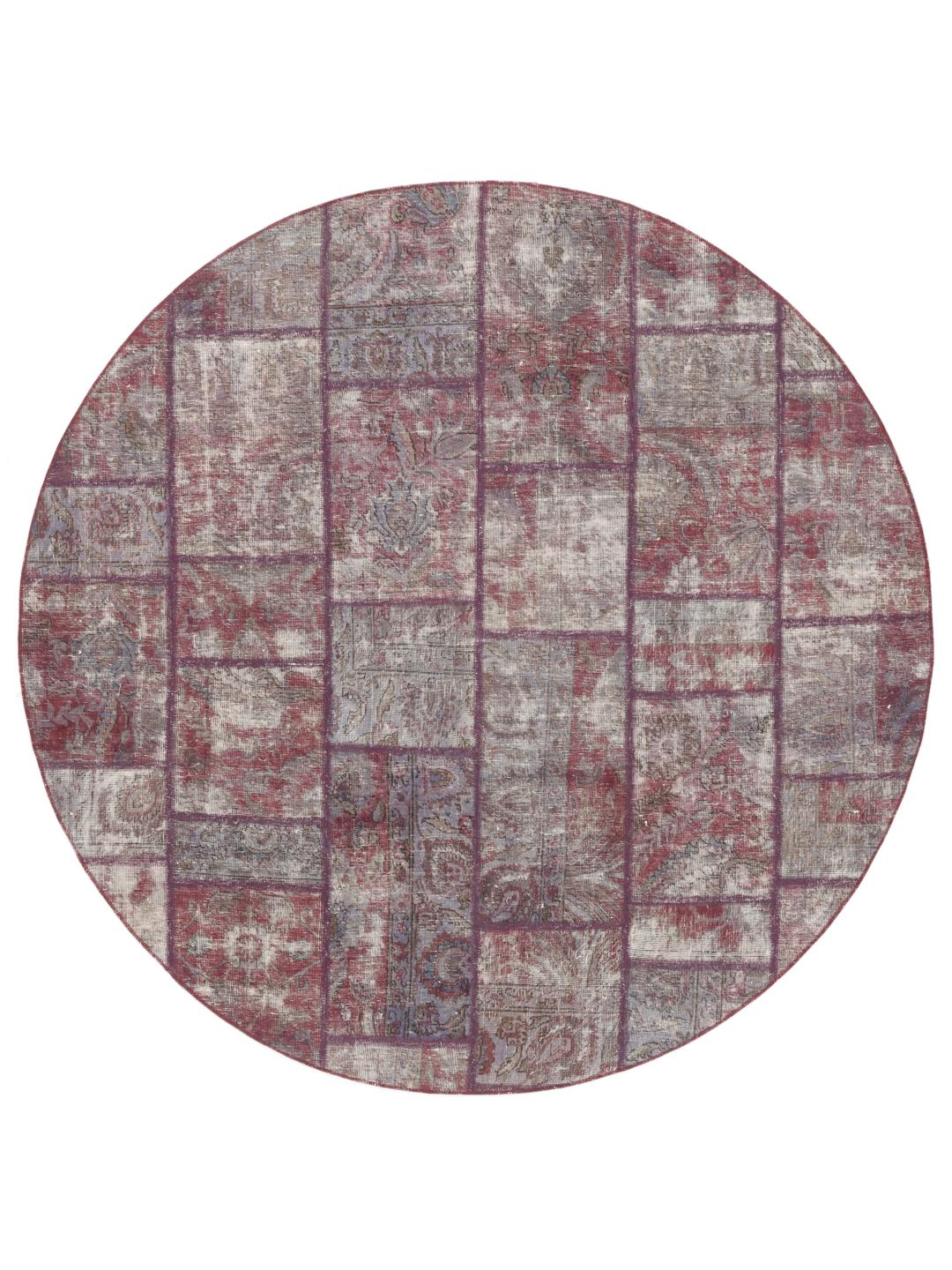
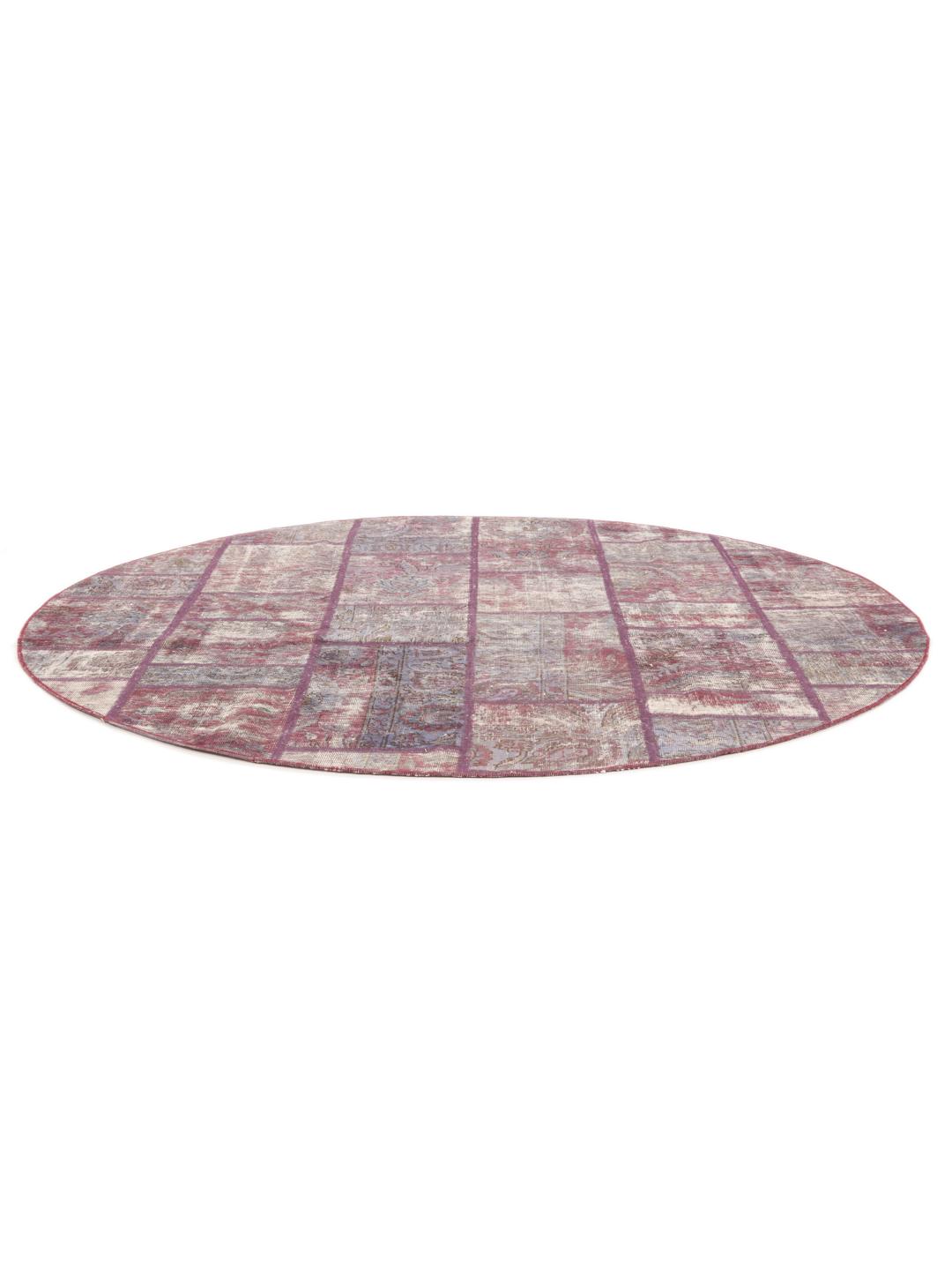
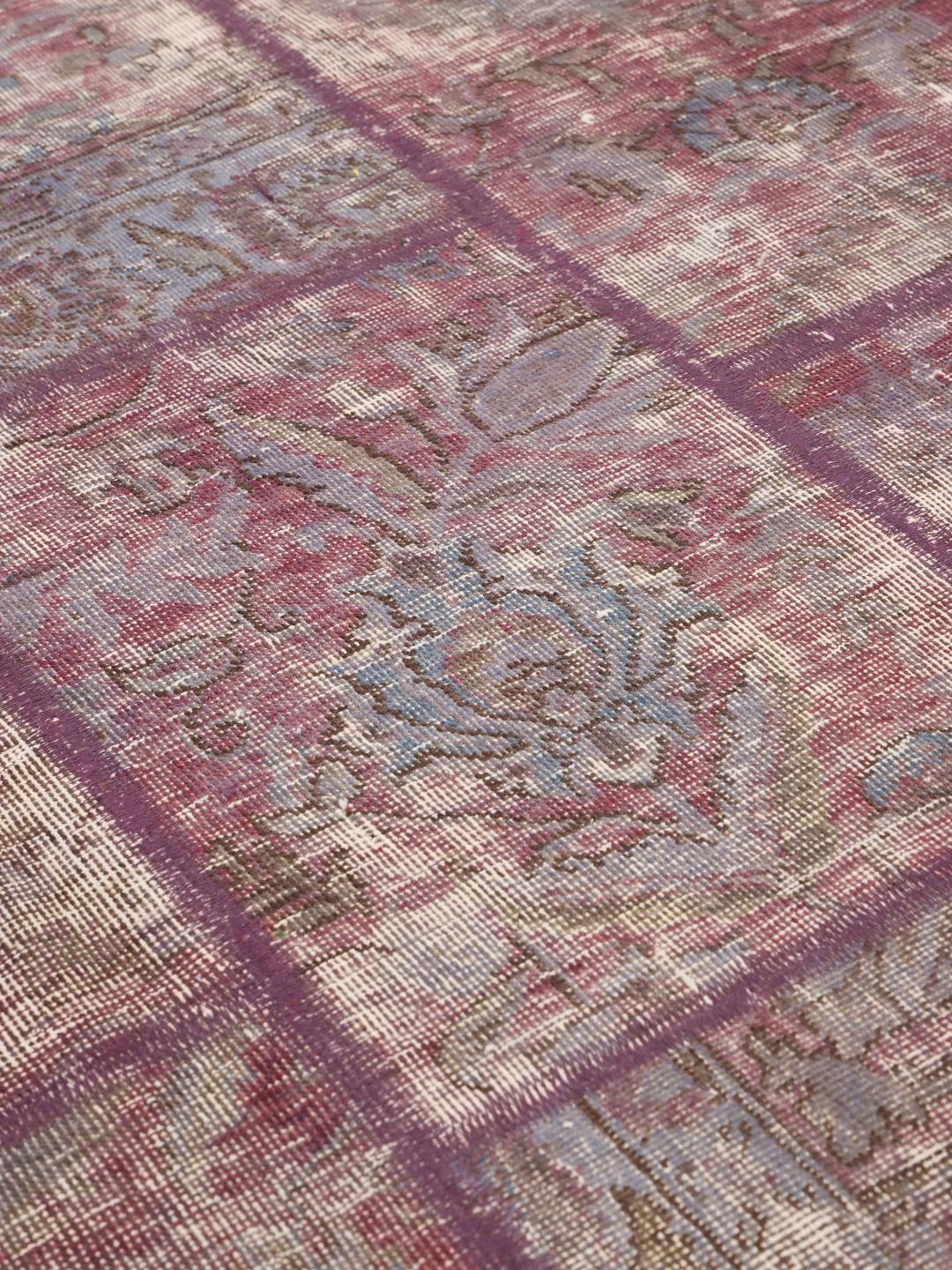
The tradition of creating patchwork rugs is a fascinating evolution within the textile history of the Middle East. It emerged as a resourceful and creative response to the aging of fine, hand-knotted rugs. Rather than letting beautiful, worn-out carpets disappear, artisans began to carefully salvage the intact portions, giving these fragments a second life through a new, modern lens.
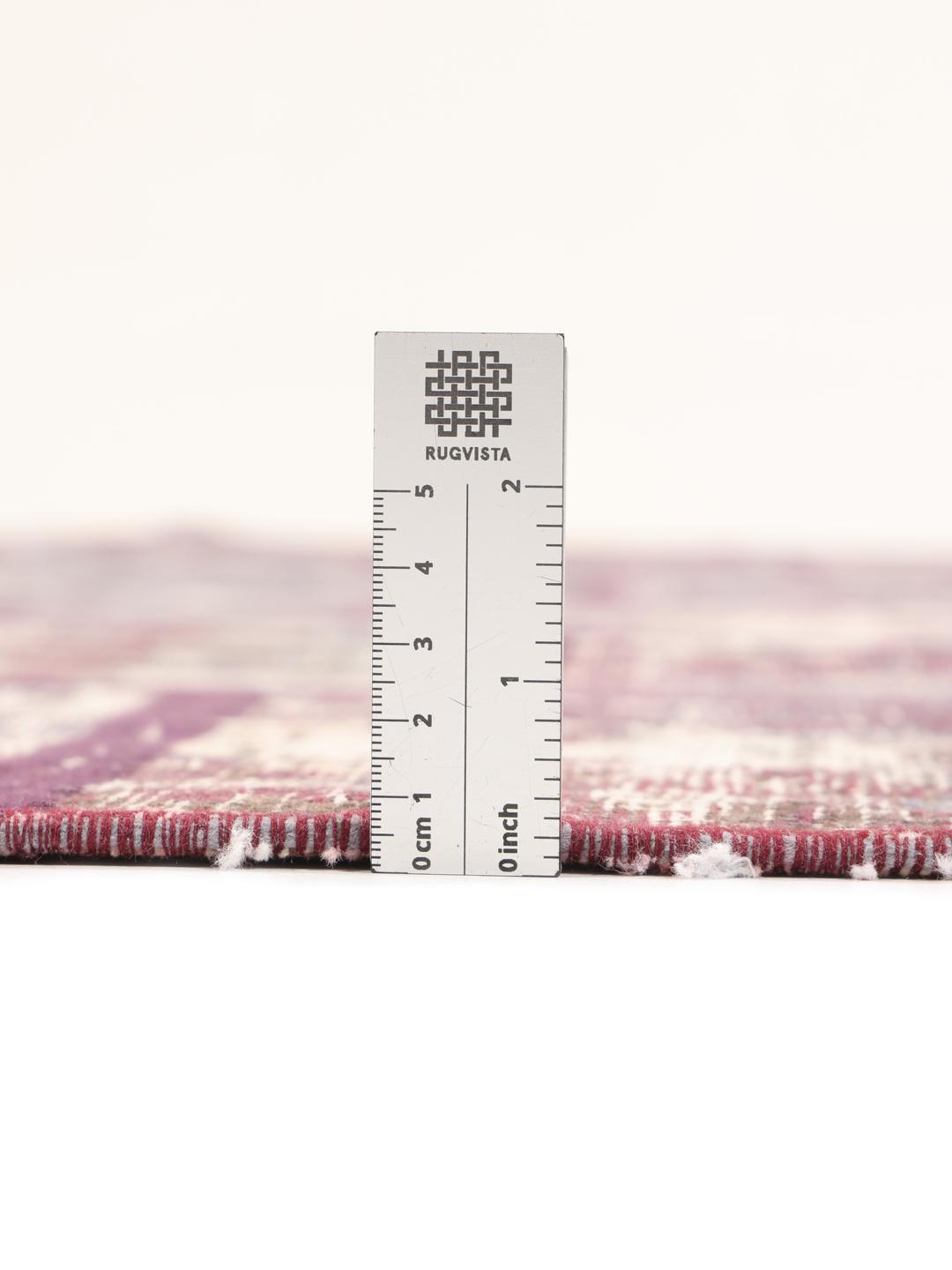
The technique involves a deep understanding of the original weaving styles, as the artisans must evaluate the density and pile of each patch to ensure a uniform feel across the entire surface. This requires immense expertise, as the goal is to balance the varying ages and wear patterns of the wool to create a harmonious, stable, and visually balanced rug that feels as good as it looks.
Design-wise, these rugs act as a mosaic of regional motifs. You will often find remnants of floral, geometric, and medallion patterns from various Middle Eastern regions, all brought together in a way that feels intentional and artistic. The resulting aesthetic is one of layered complexity, where the history of multiple original rugs is compressed into a single, contemporary format.
Collecting a patchwork rug is an act of preserving history. It acknowledges that the beauty of a rug lies not just in its initial creation, but in its ability to adapt and endure. For the collector, these rugs represent a bridge between the ancient craft of hand-knotting and the modern desire for unique, sustainable, and highly personal home decor.