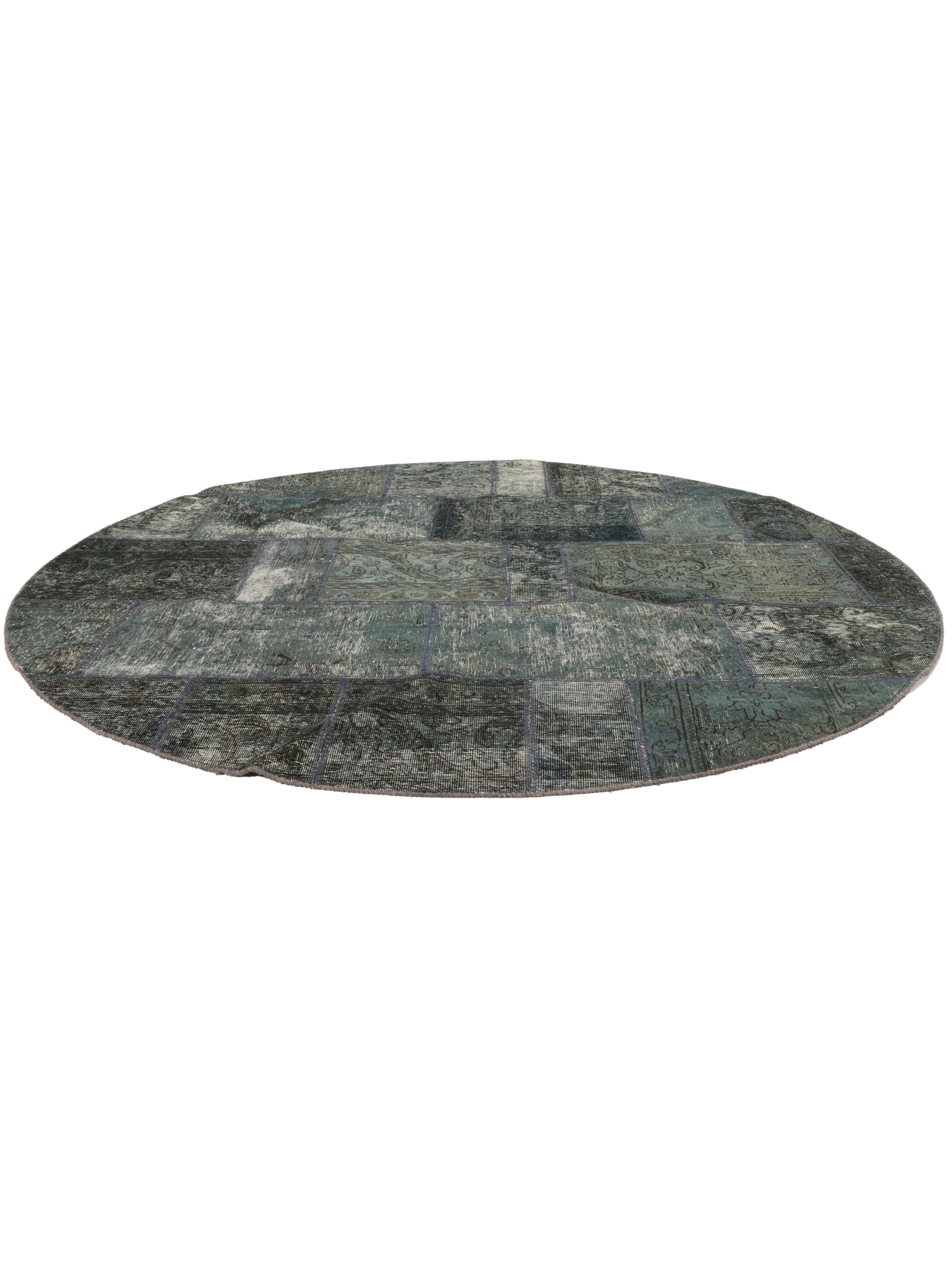
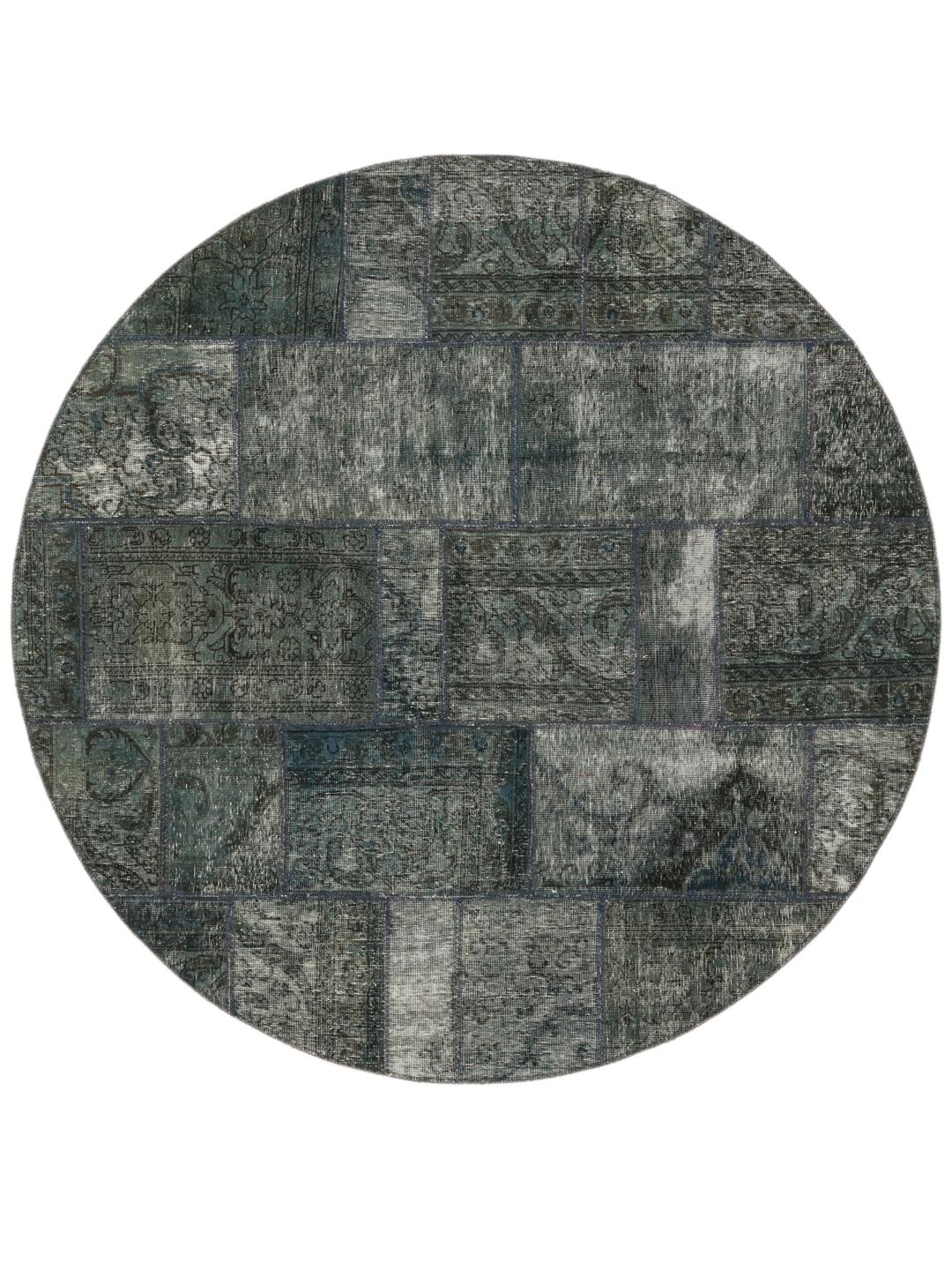
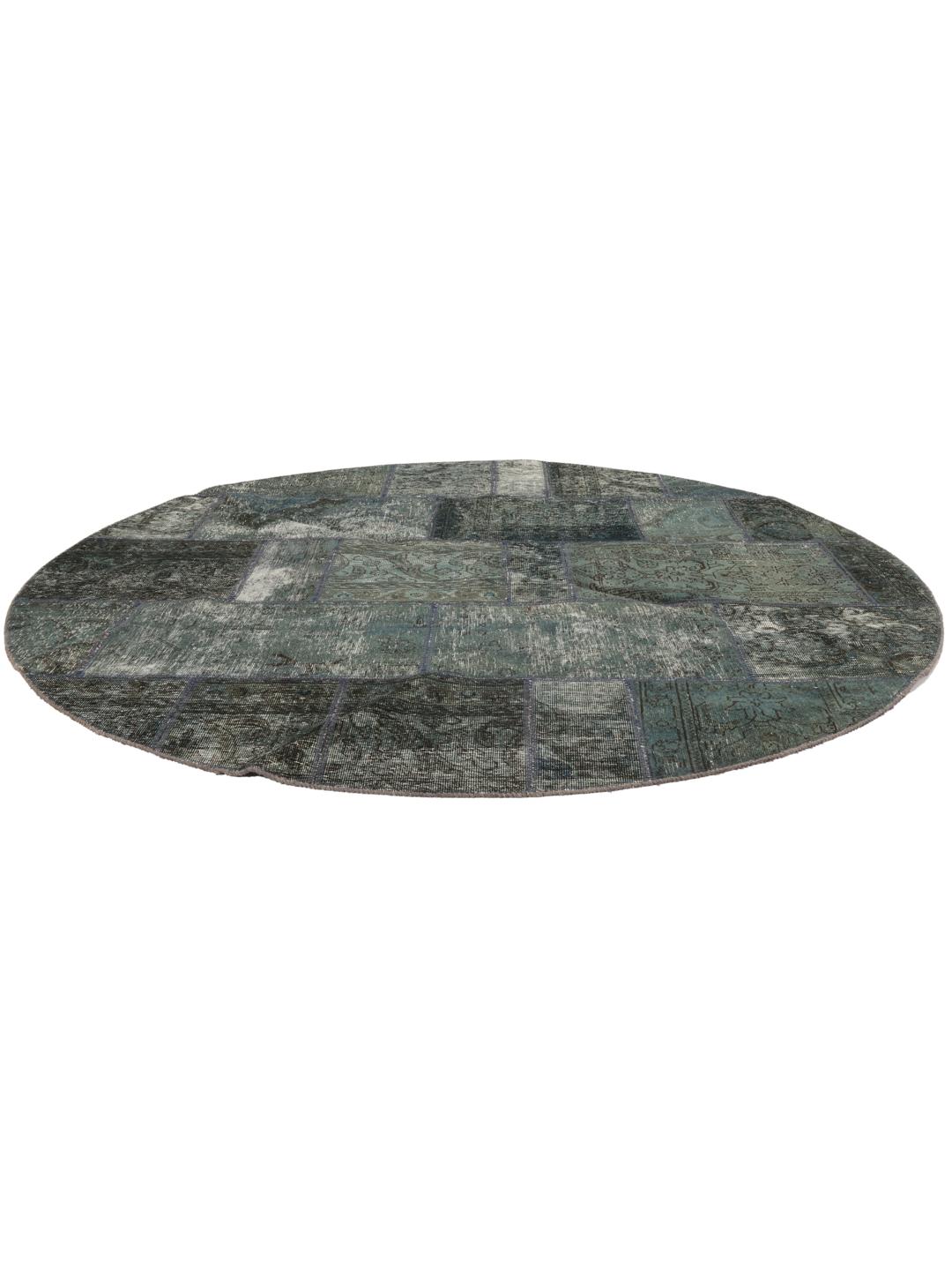
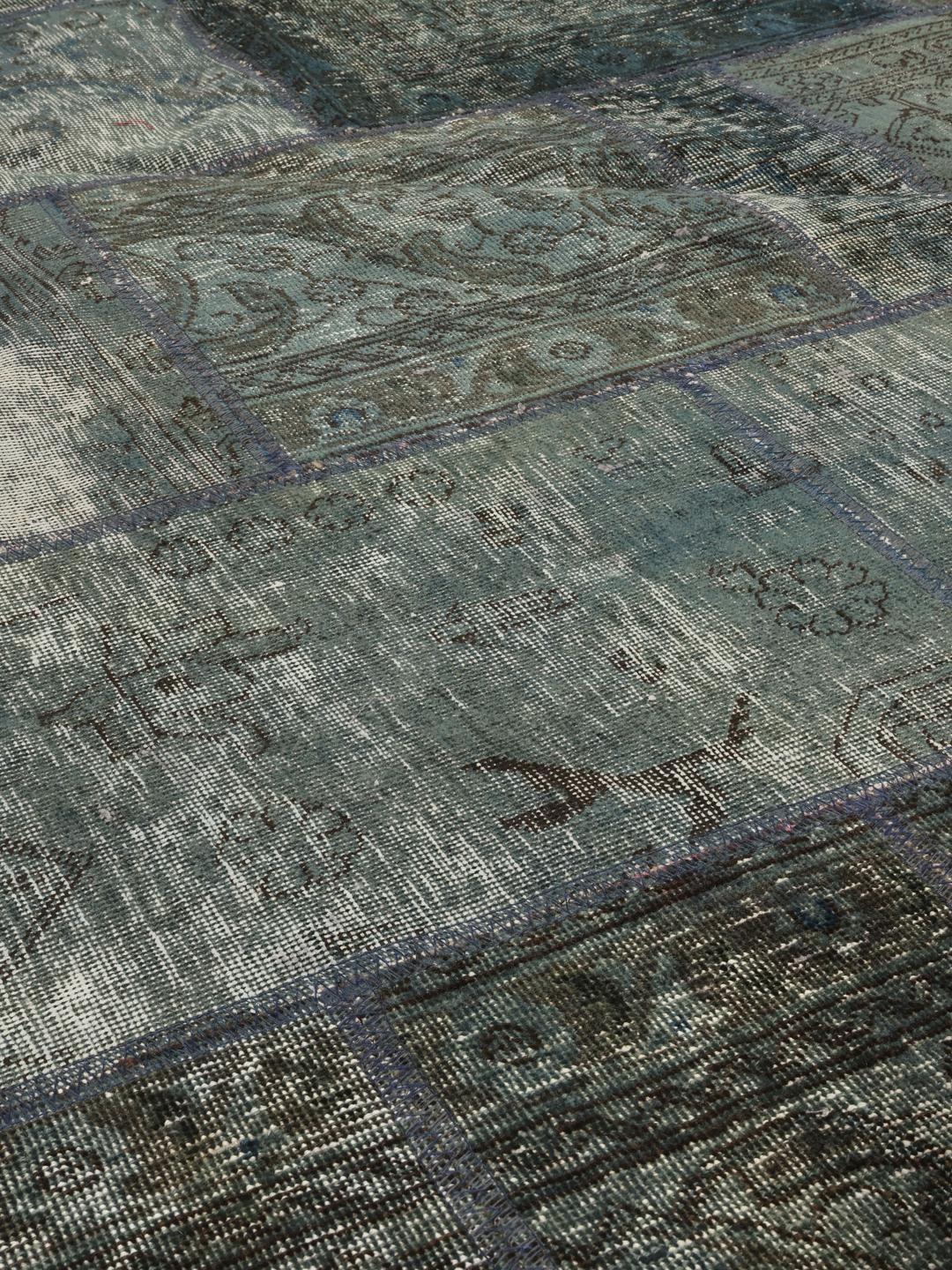
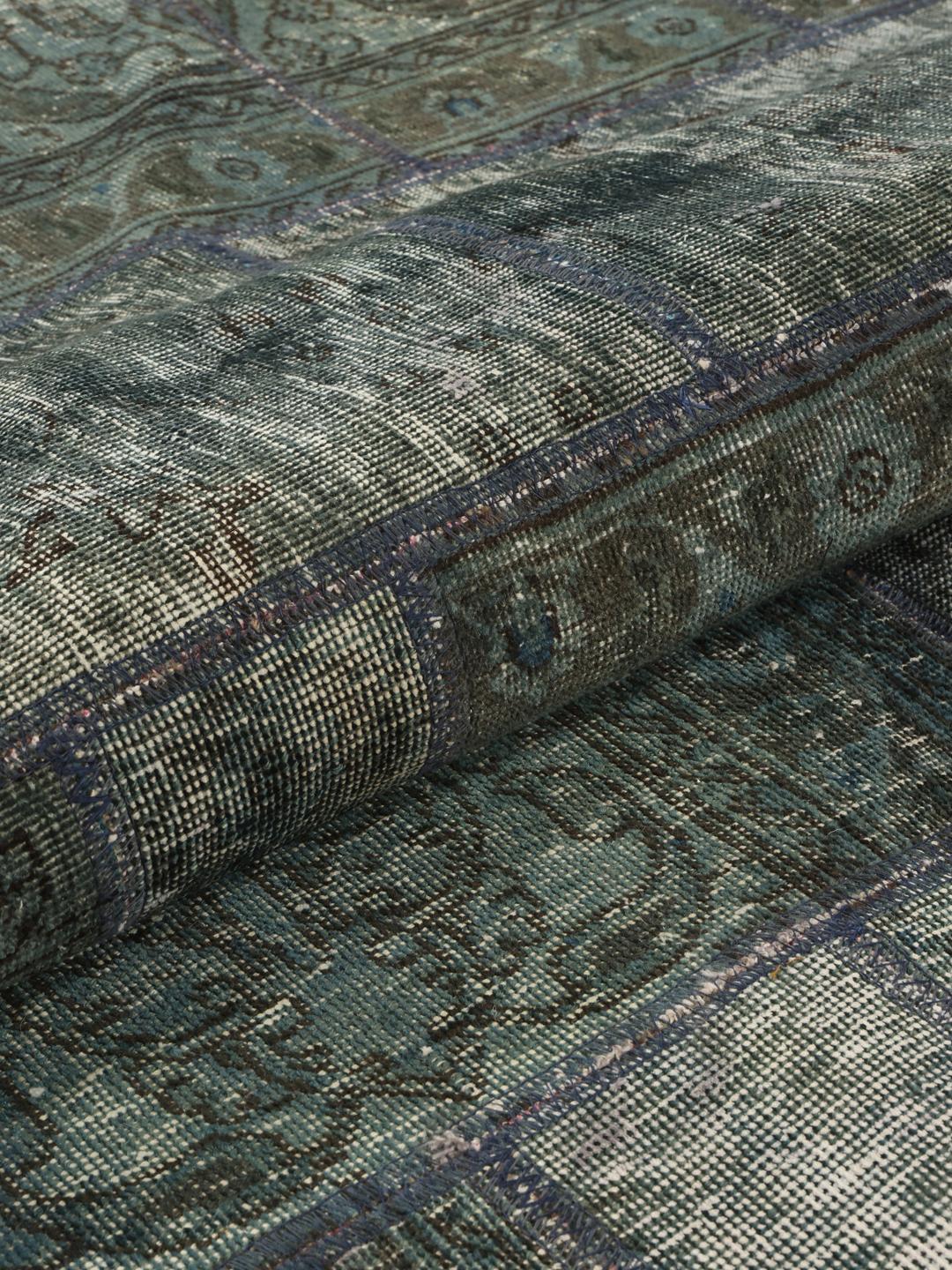
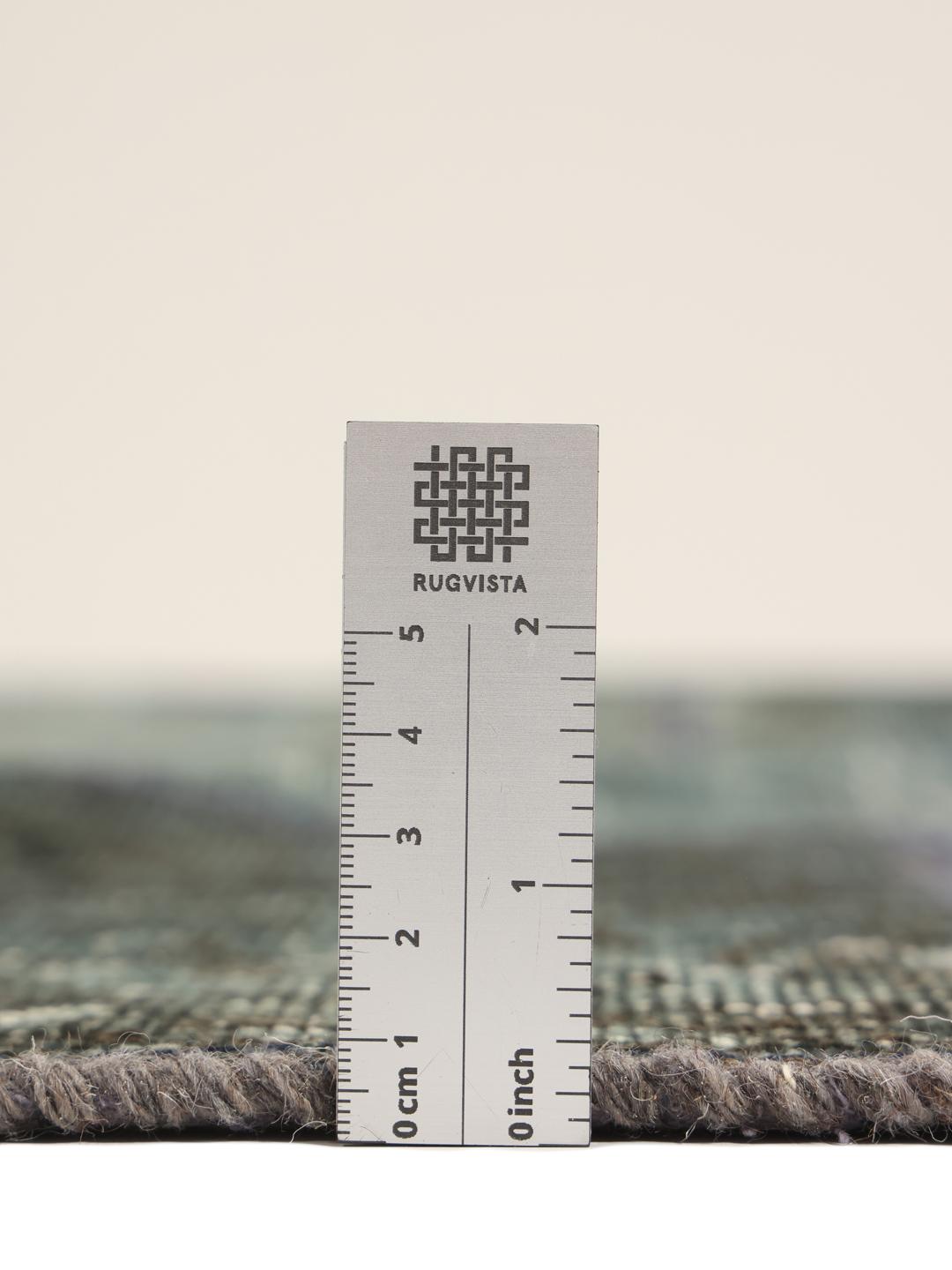
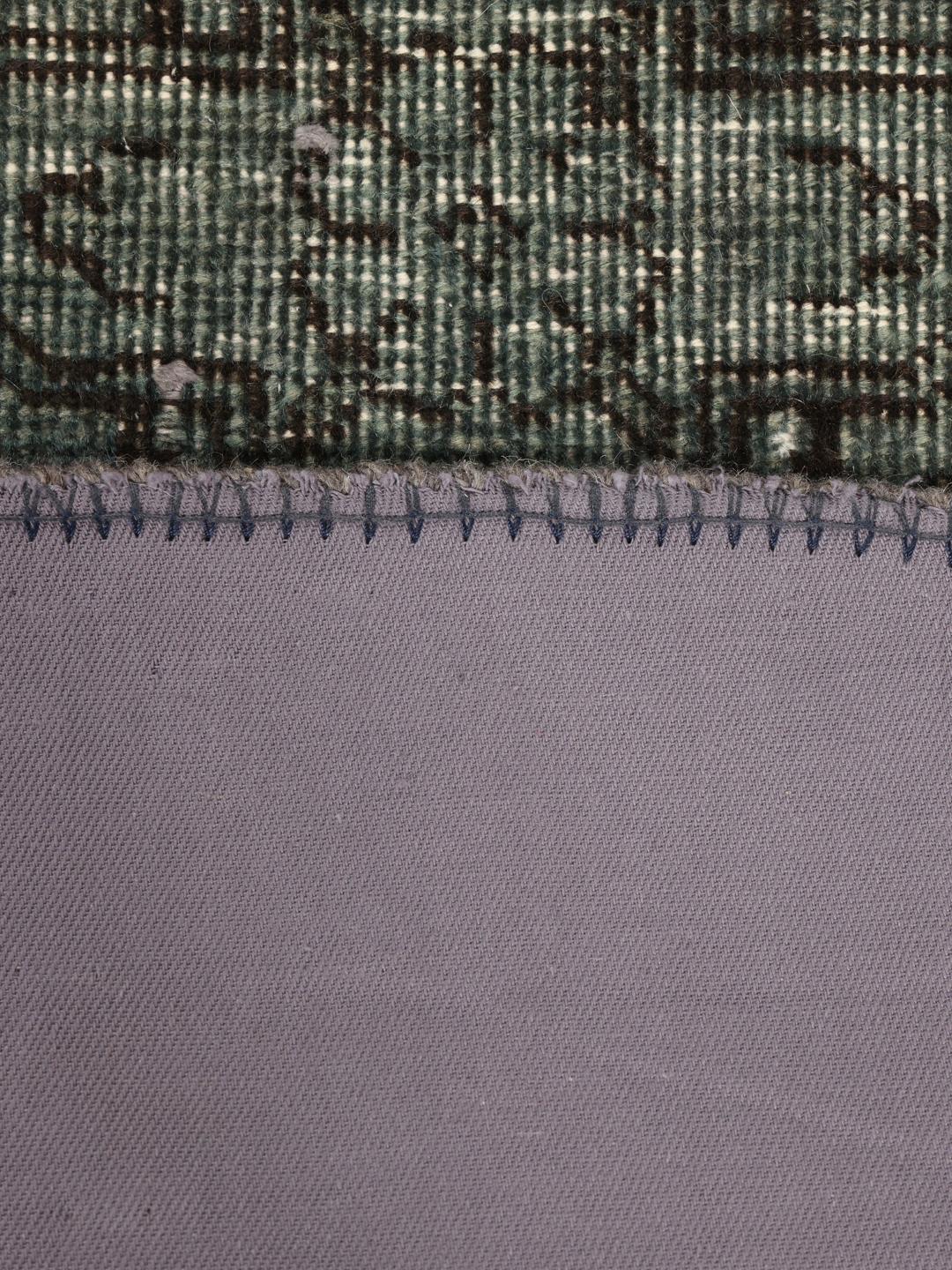
Patchwork rugs represent a fascinating evolution in the history of Middle Eastern textile arts. This tradition was born out of a deep-seated respect for craftsmanship, where fragments of older, worn-out hand-knotted rugs are salvaged and repurposed rather than discarded. By carefully selecting pieces that still hold their structural integrity and aesthetic beauty, artisans transform remnants of history into new, functional floor coverings that celebrate the legacy of their origins.
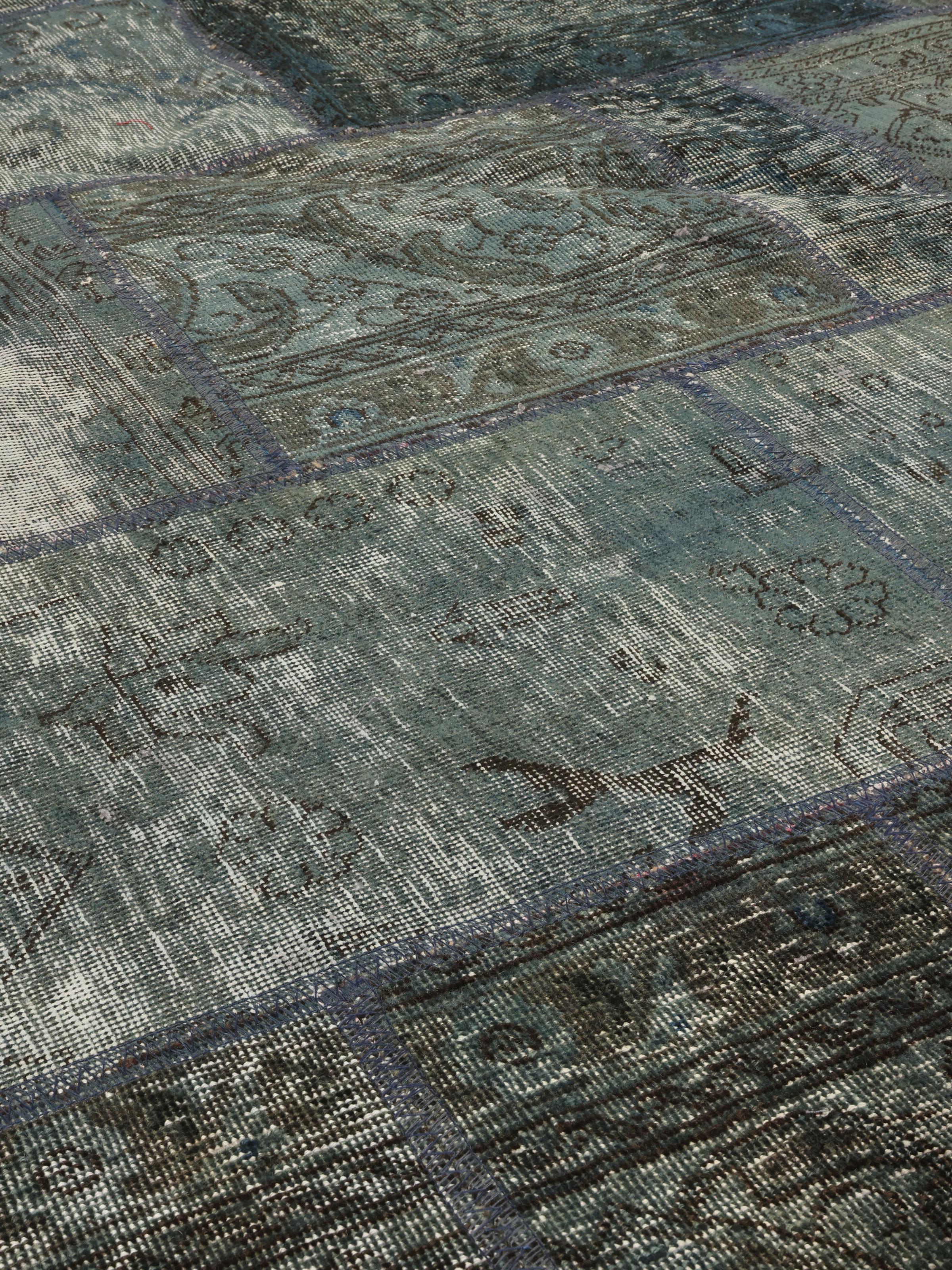
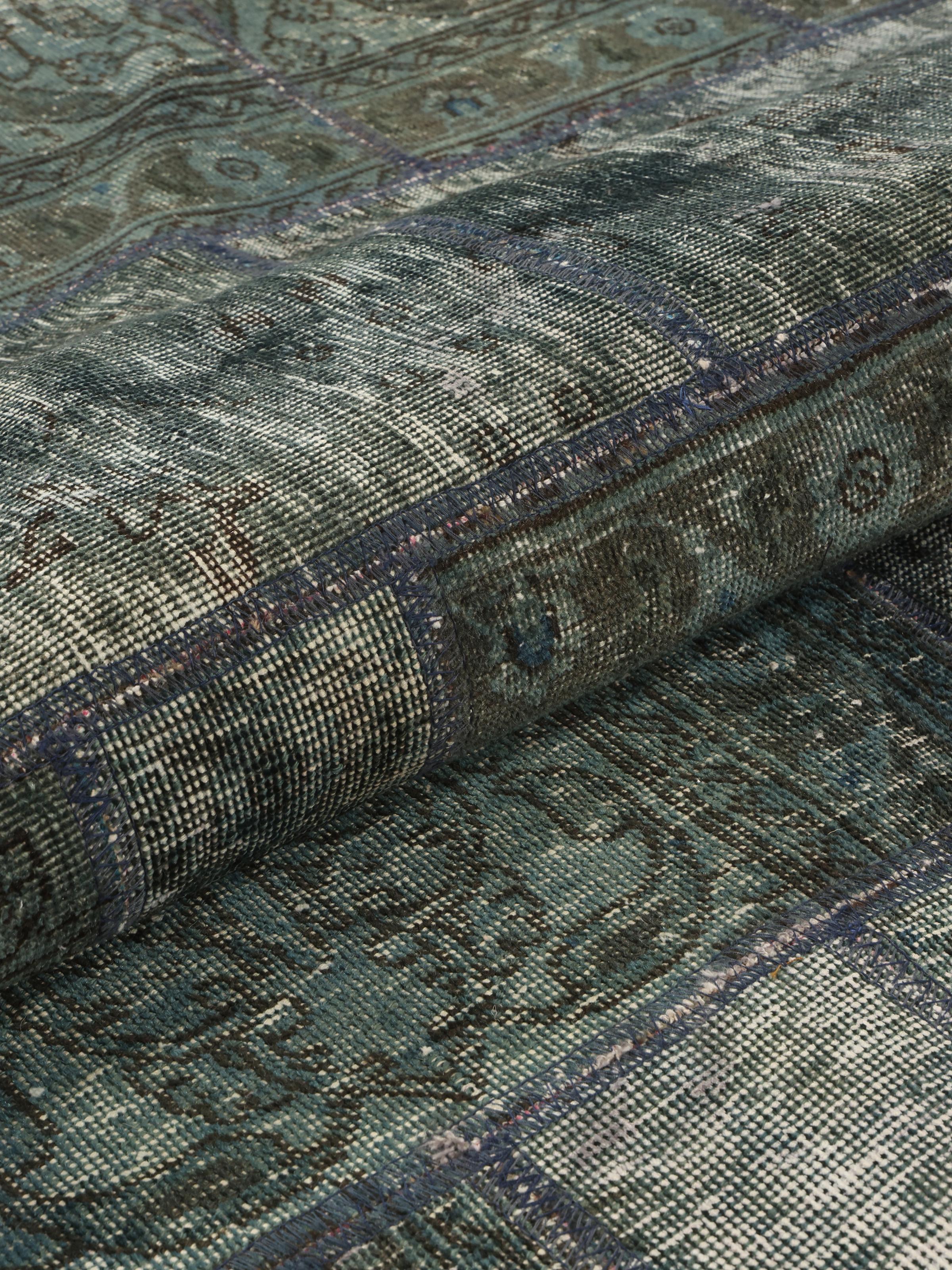
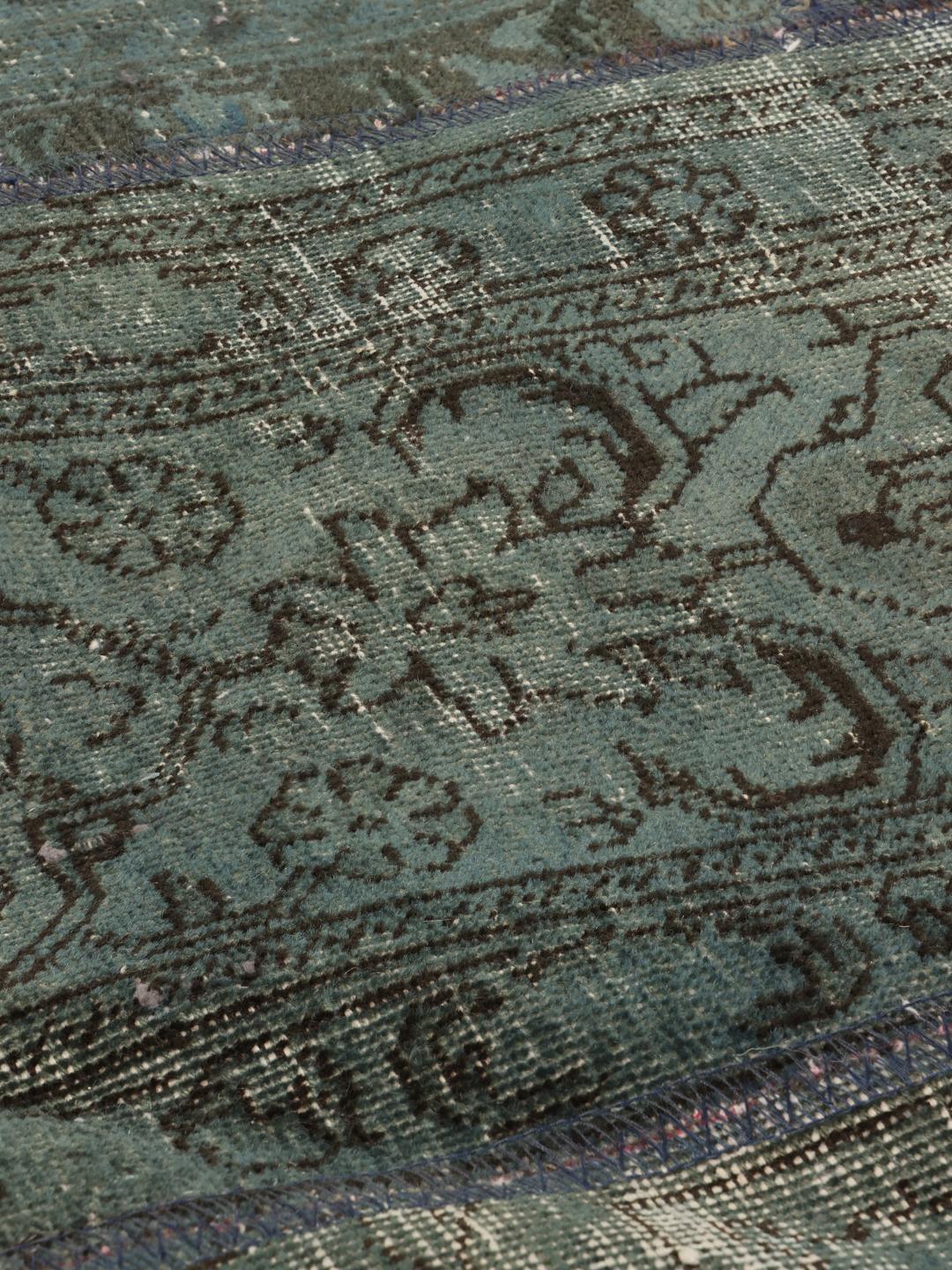
The term 'hand-knotted' refers to the foundational technique where individual strands of Wool are tied by hand onto a base of cotton. This method is the gold standard in rug-making, as it allows for intricate patterns and a dense, resilient pile. In the context of a patchwork piece, this means that every single fragment is itself a product of hundreds of hours of work, creating a multi-layered history within a single, modern design.
Visually, these rugs are defined by their eclectic yet balanced appearance. They often feature an array of geometric, floral, and medallion motifs that have been pieced together to create a new, cohesive design language. The deep, rich colour palettes are often the result of natural dyes that have mellowed beautifully over time, giving the rug an authentic, lived-in character that new rugs simply cannot replicate.
Owning a patchwork rug is an investment in cultural heritage. Each piece acts as a tangible record of regional weaving traditions, preserved through the careful hands of modern artisans. Collectors value these rugs not only for their striking visual appeal but also for the sustainable spirit of their creation. They represent a bridge between generations, offering a way to display the richness of Middle Eastern design in a form that feels perfectly at home in a modern living space.