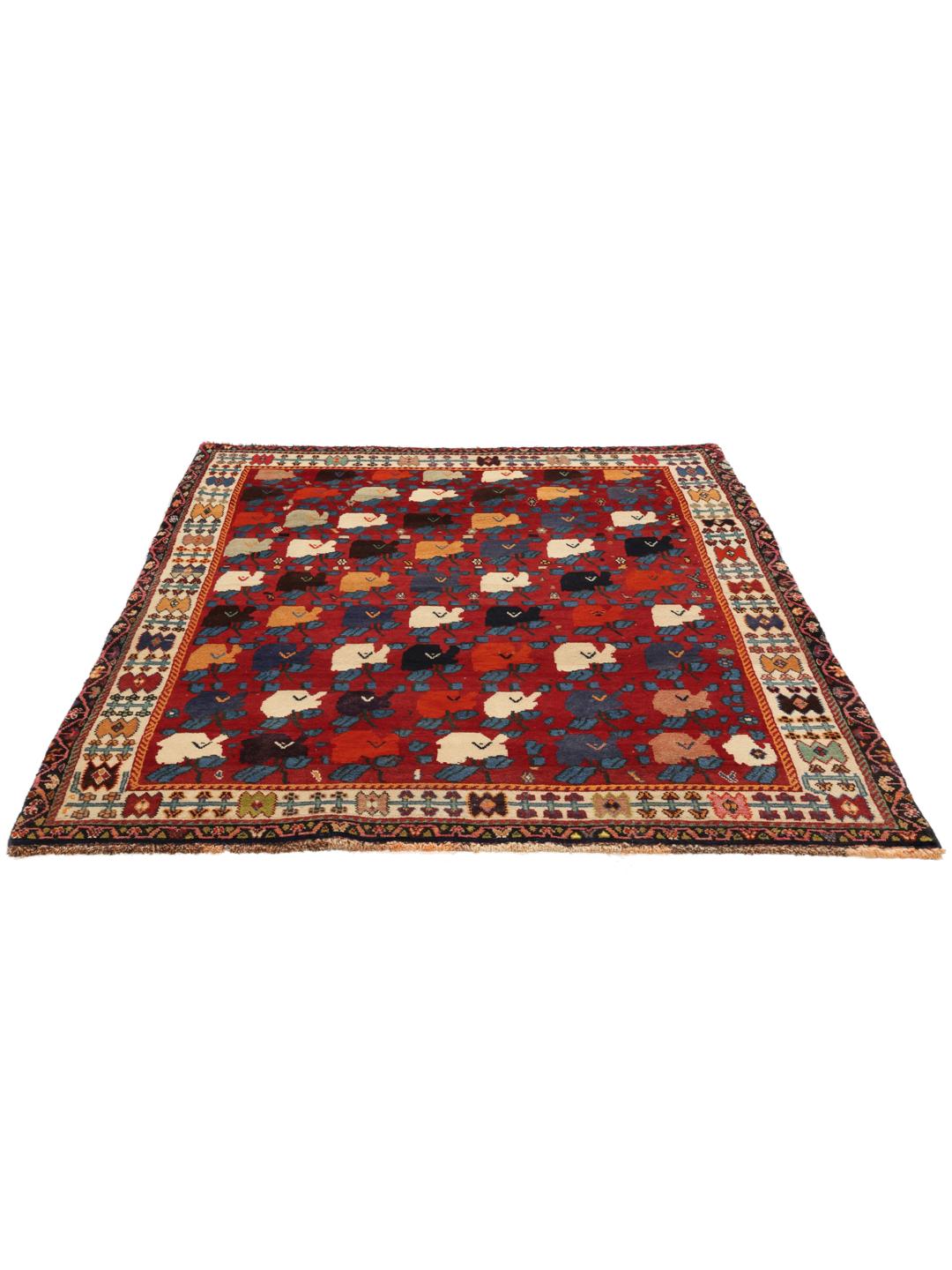
The Ghashghai people are a nomadic tribal confederation with a storied history in the Middle East. For centuries, they have migrated across the rugged landscapes, carrying their weaving traditions with them as a fundamental part of their cultural identity. These rugs are deeply connected to the natural environment, often reflecting the colours and motifs found in the mountainous regions they call home.
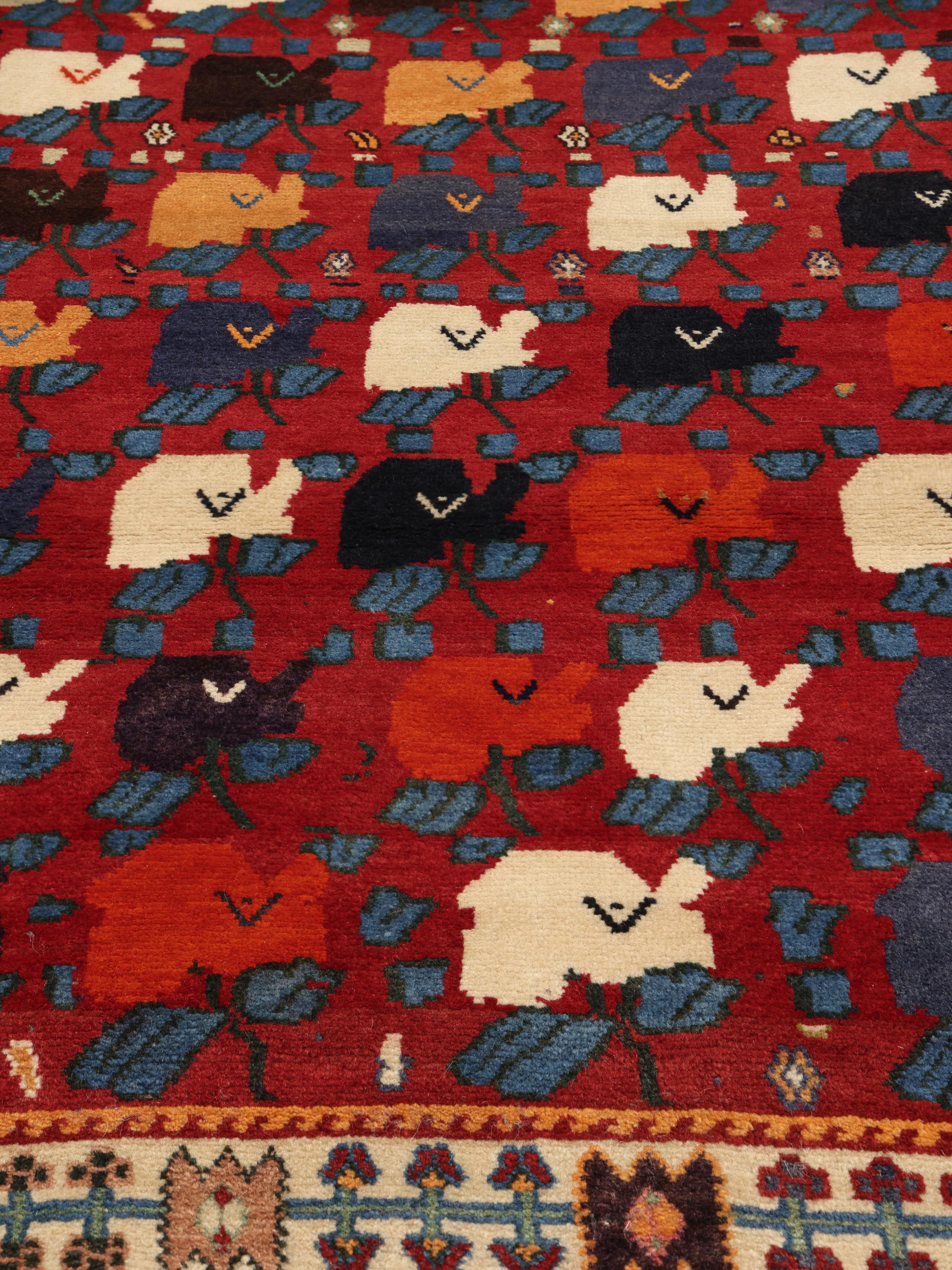
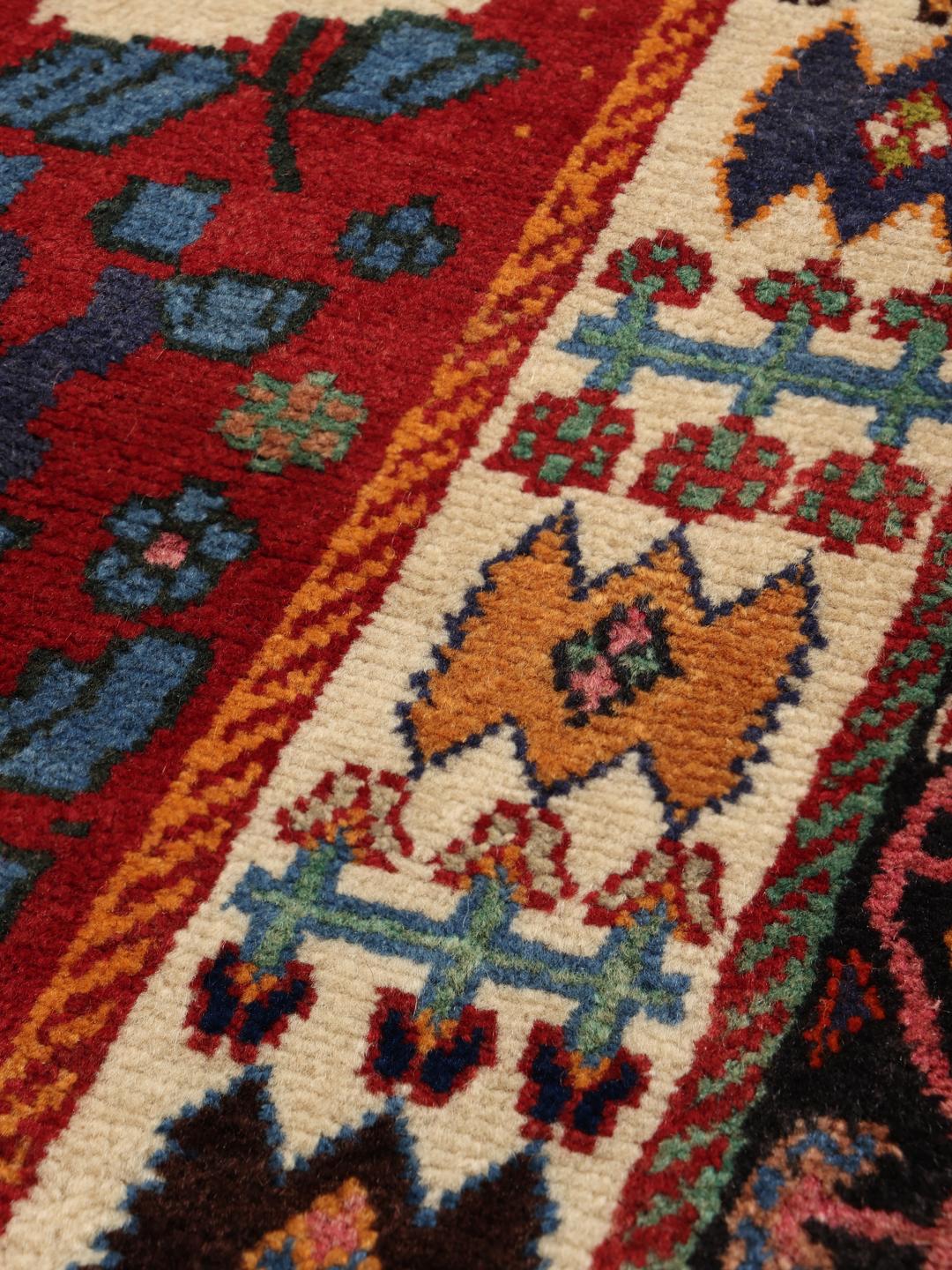
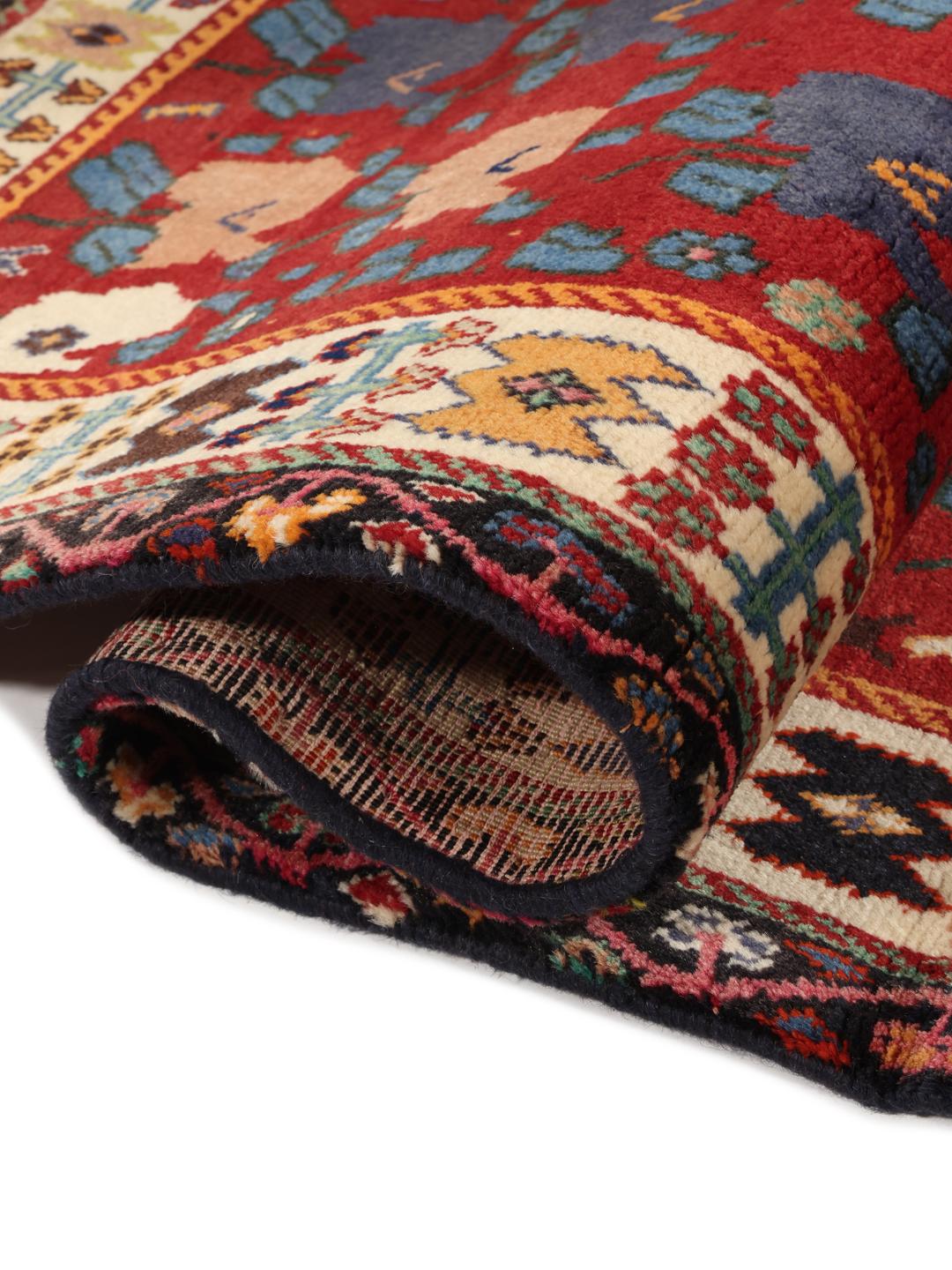
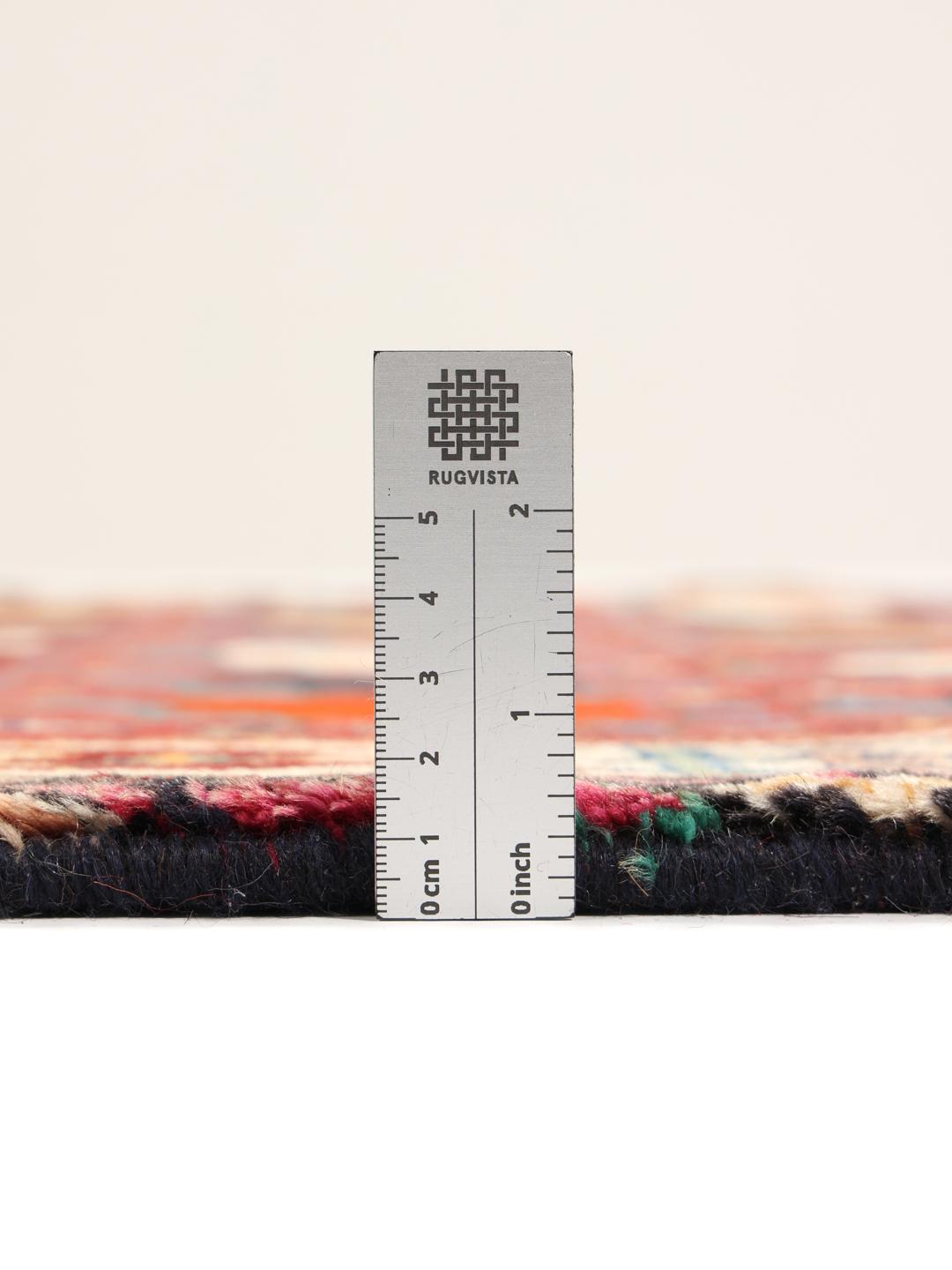
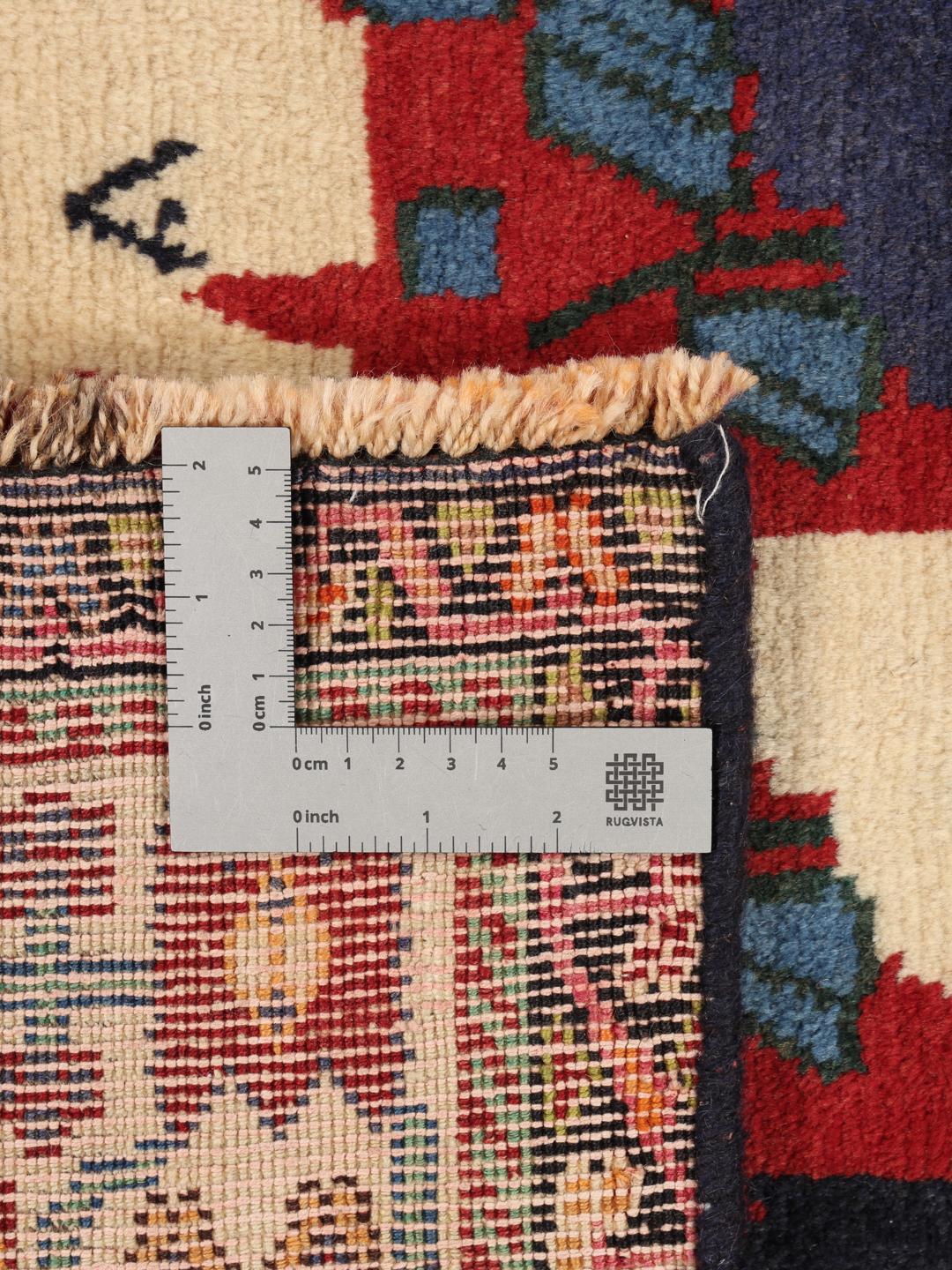
Technically, the quality of these rugs is defined by their dense, hand-knotted construction. This method allows for a high degree of control over the intricate patterns, ensuring that the finished product is both visually complex and physically robust. The use of wool, which is often sourced locally, provides the necessary strength and lustre that makes these pieces so highly sought after by those who appreciate traditional craft.
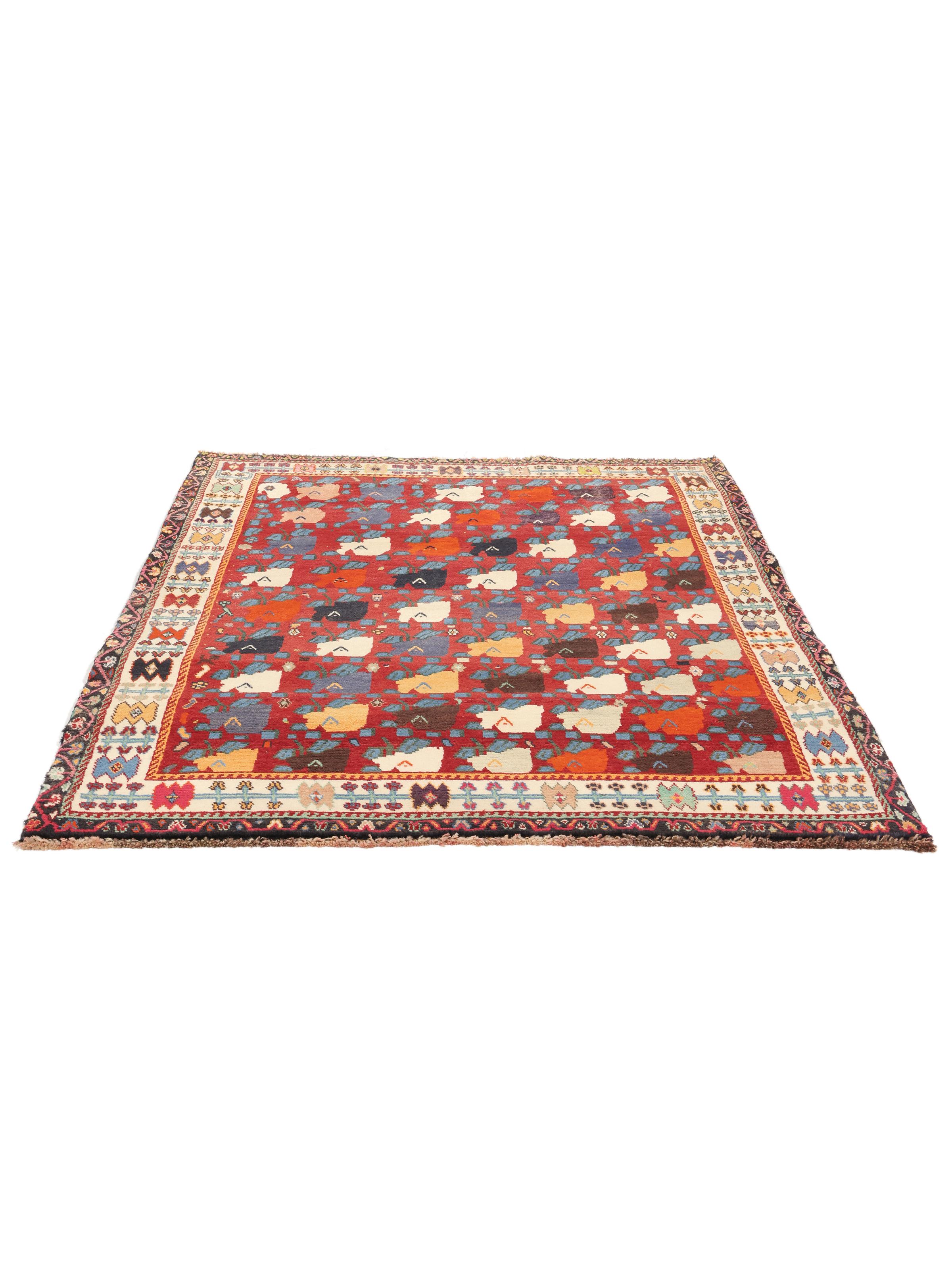
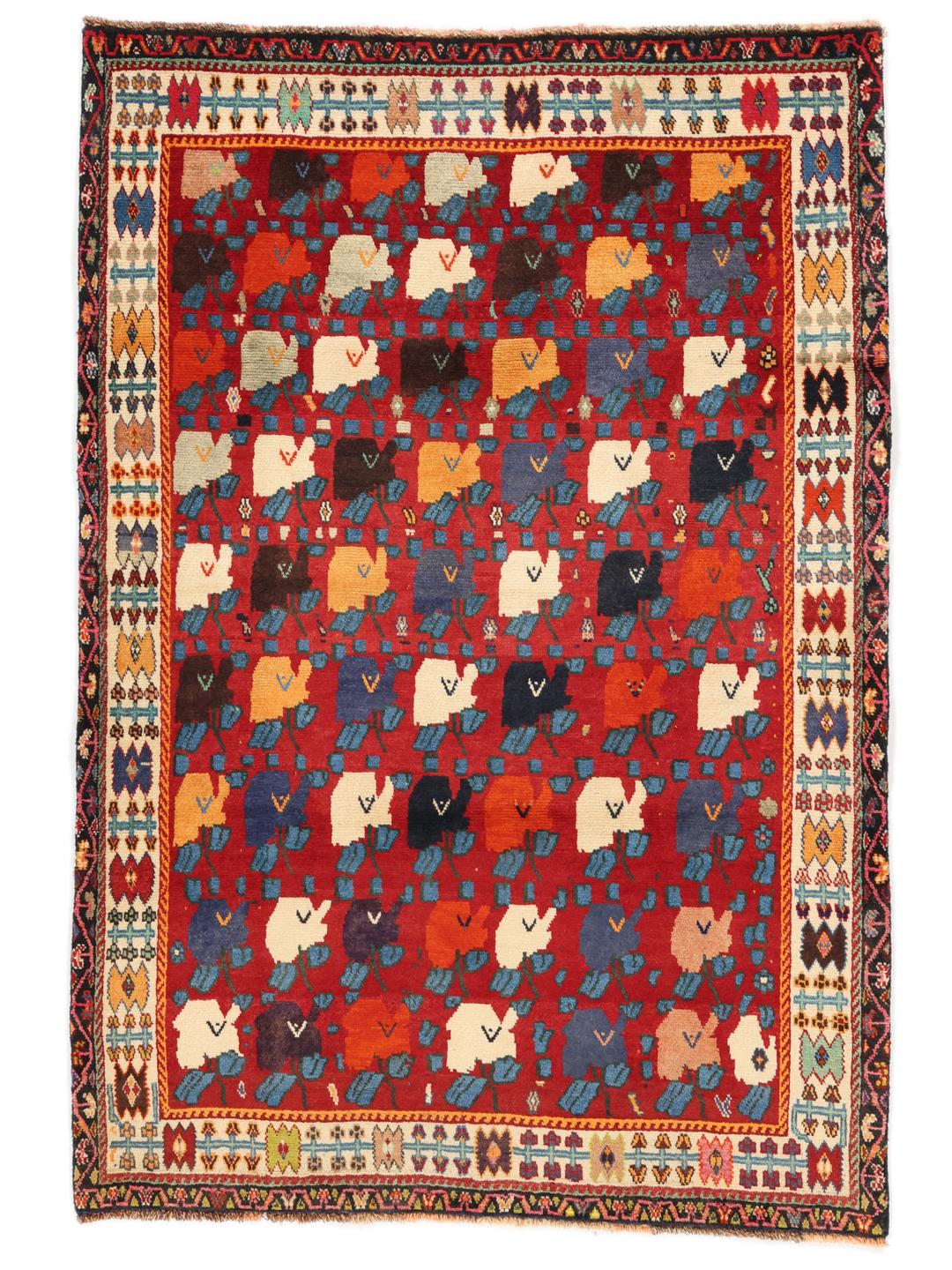
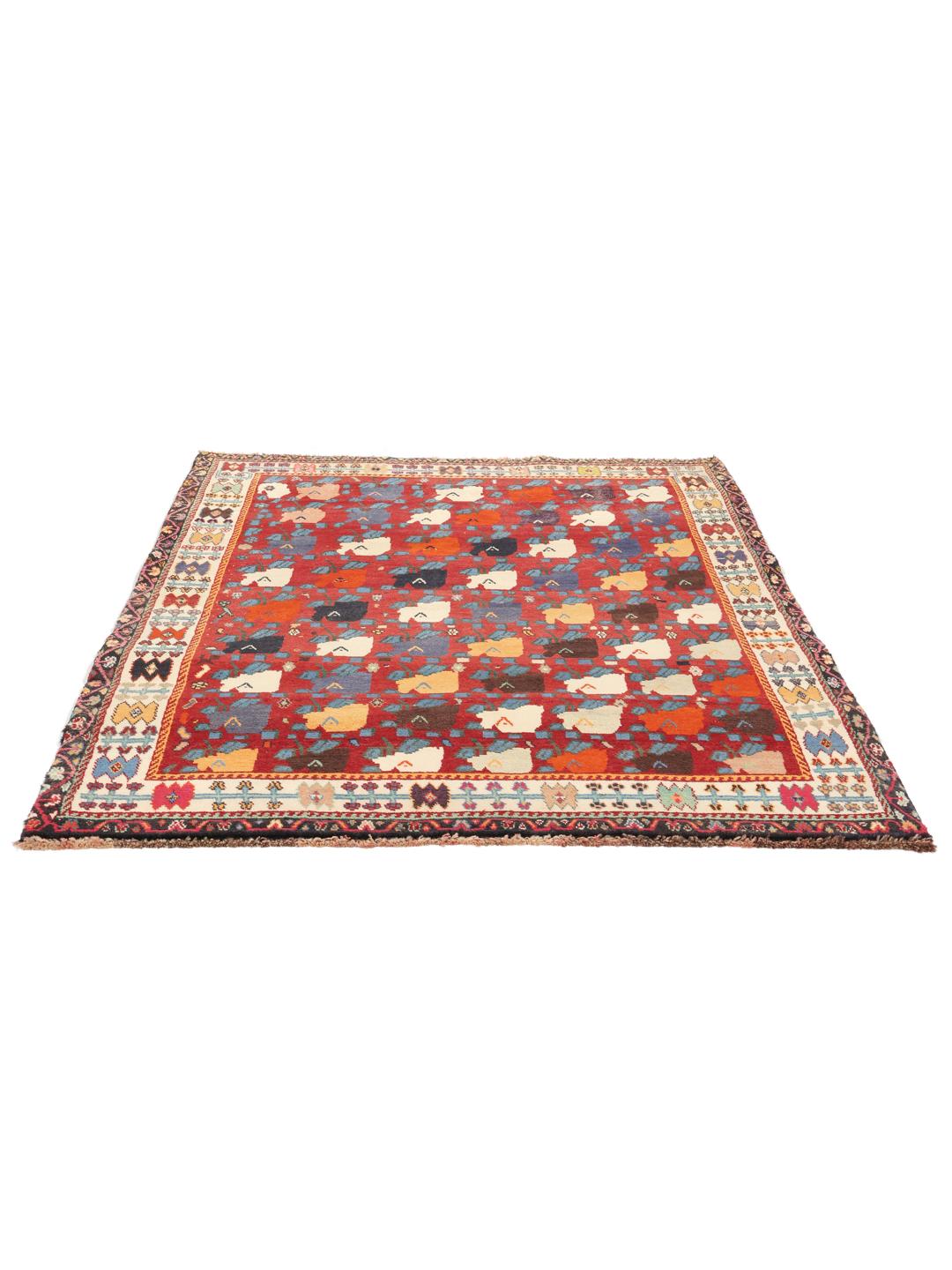
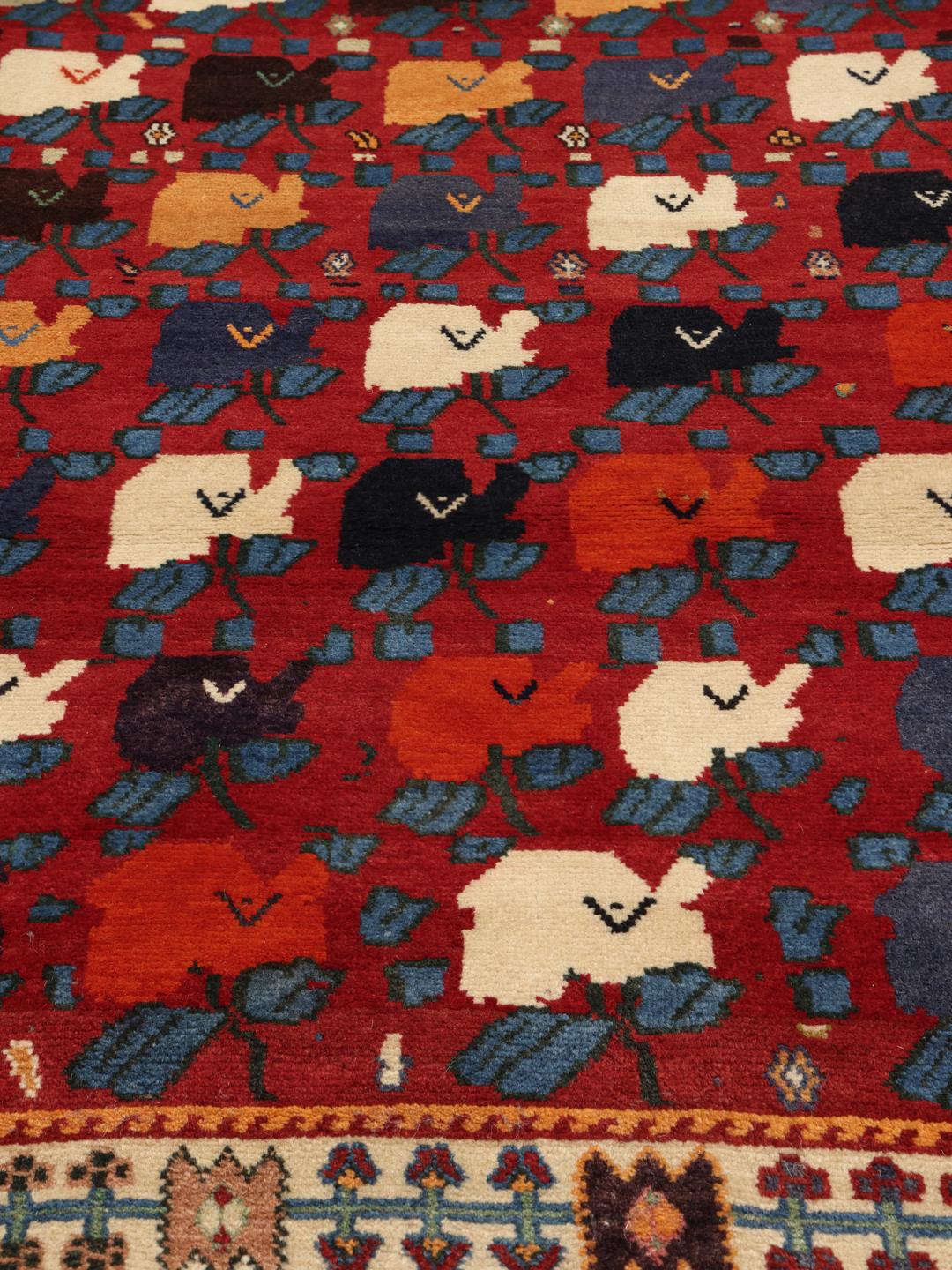
Signature design elements of this style include geometric and stylized floral motifs, often arranged in rows or around a central medallion. These designs are not random; they are part of a visual language that has evolved over generations. The use of a vibrant red field, as seen here, is a hallmark of the tradition, symbolising vitality and warmth. The borders are equally significant, often featuring intricate geometric patterns that mirror the complexity of the central field.
Today, these rugs are valued not only for their aesthetic beauty but for their cultural significance. Owning a Ghashghai rug is an opportunity to possess a piece of tribal history, a testament to the skill and artistry of nomadic weavers. They are collected by those who value the human element in their home decor, representing a bridge between ancient traditions and modern living.