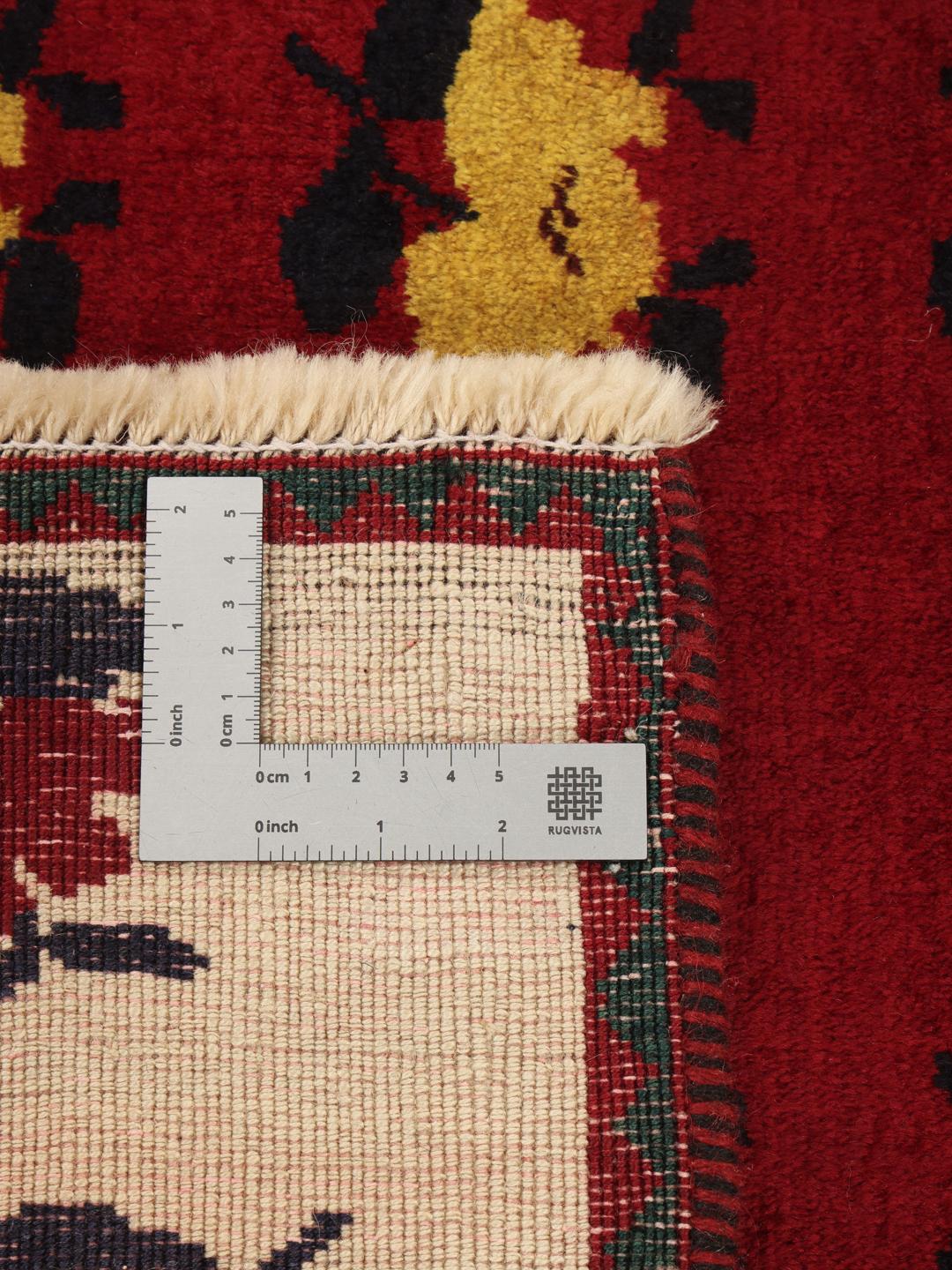
The Qashqai people are a nomadic confederation from the Middle Eastern region, historically known for their vibrant and expressive weaving traditions. These rugs have long been a core part of their cultural identity, created to be both functional for tent life and beautiful as an expression of their heritage. The nomadic lifestyle meant that weavers had to be highly skilled, often working from memory to create complex geometric and floral patterns that tell the story of their environment.
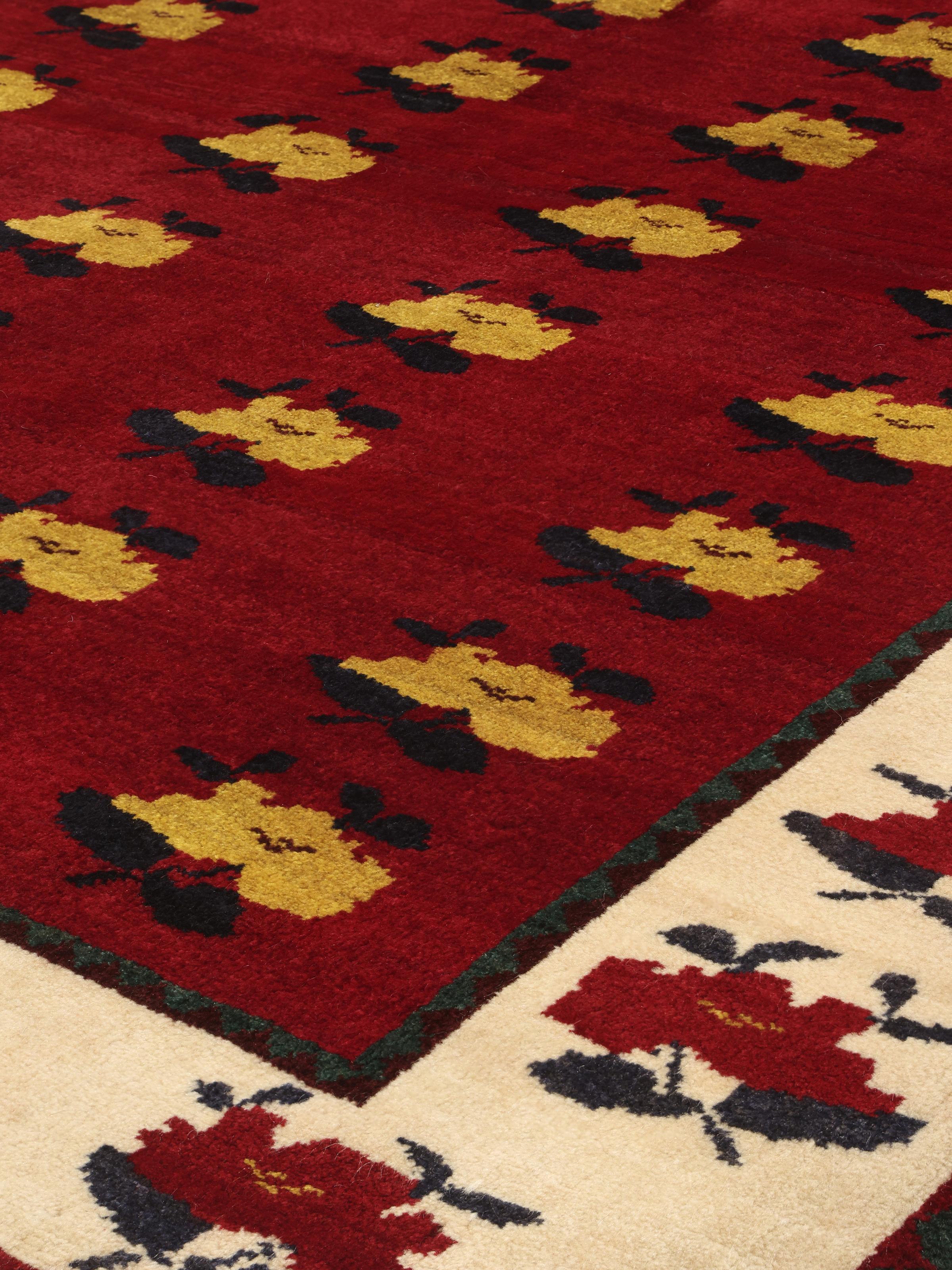
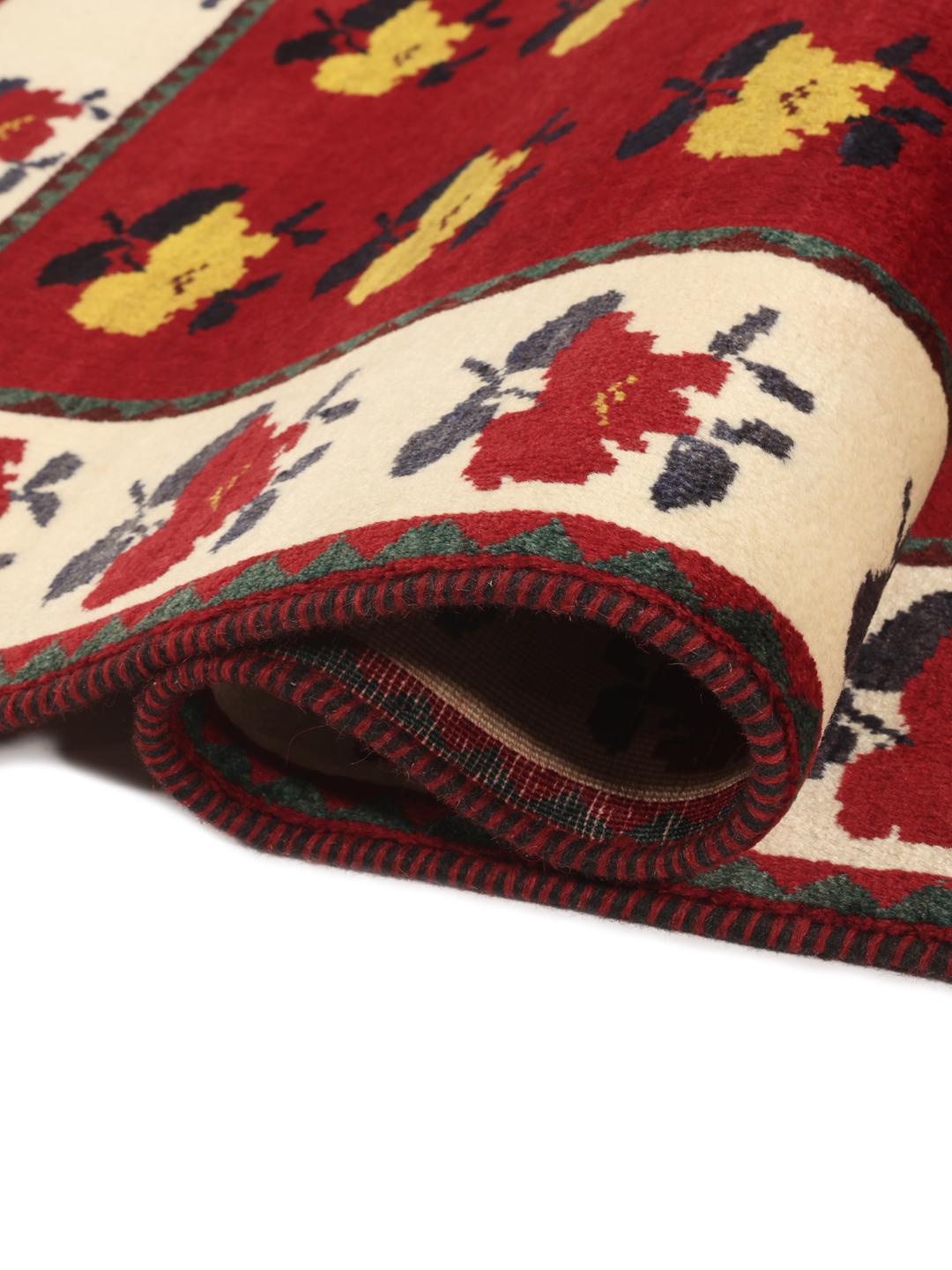
The terminology used to describe these rugs often reflects their construction and the specific tribal influences that define their aesthetic. Hand-knotted construction is the hallmark of the Qashqai tradition, where the use of local wool and natural dyes creates a product with a distinct sheen and depth. The quality of the wool is essential, as it must be durable enough for nomadic living while remaining soft enough to provide comfort, resulting in a pile that ages gracefully over time.
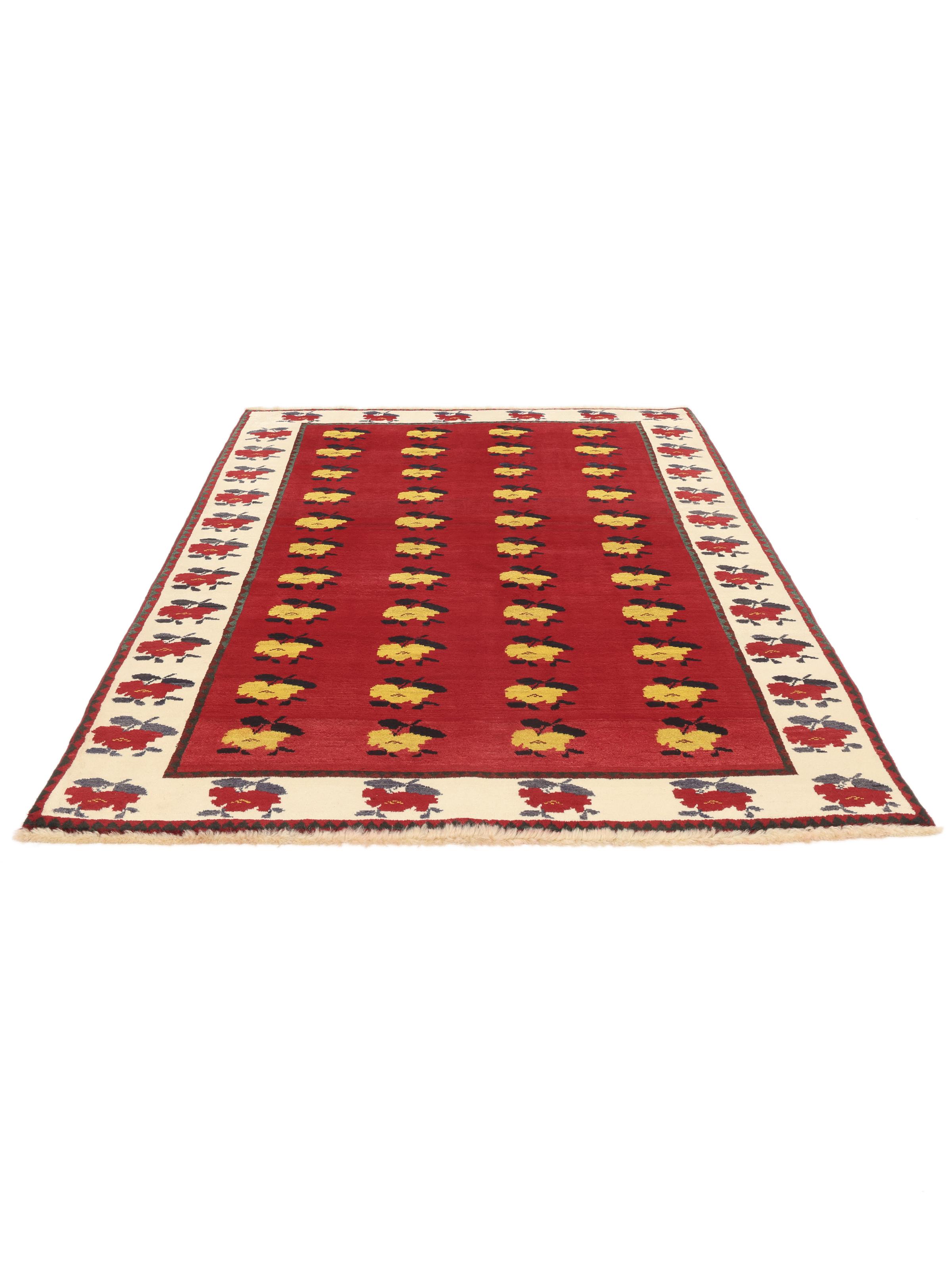
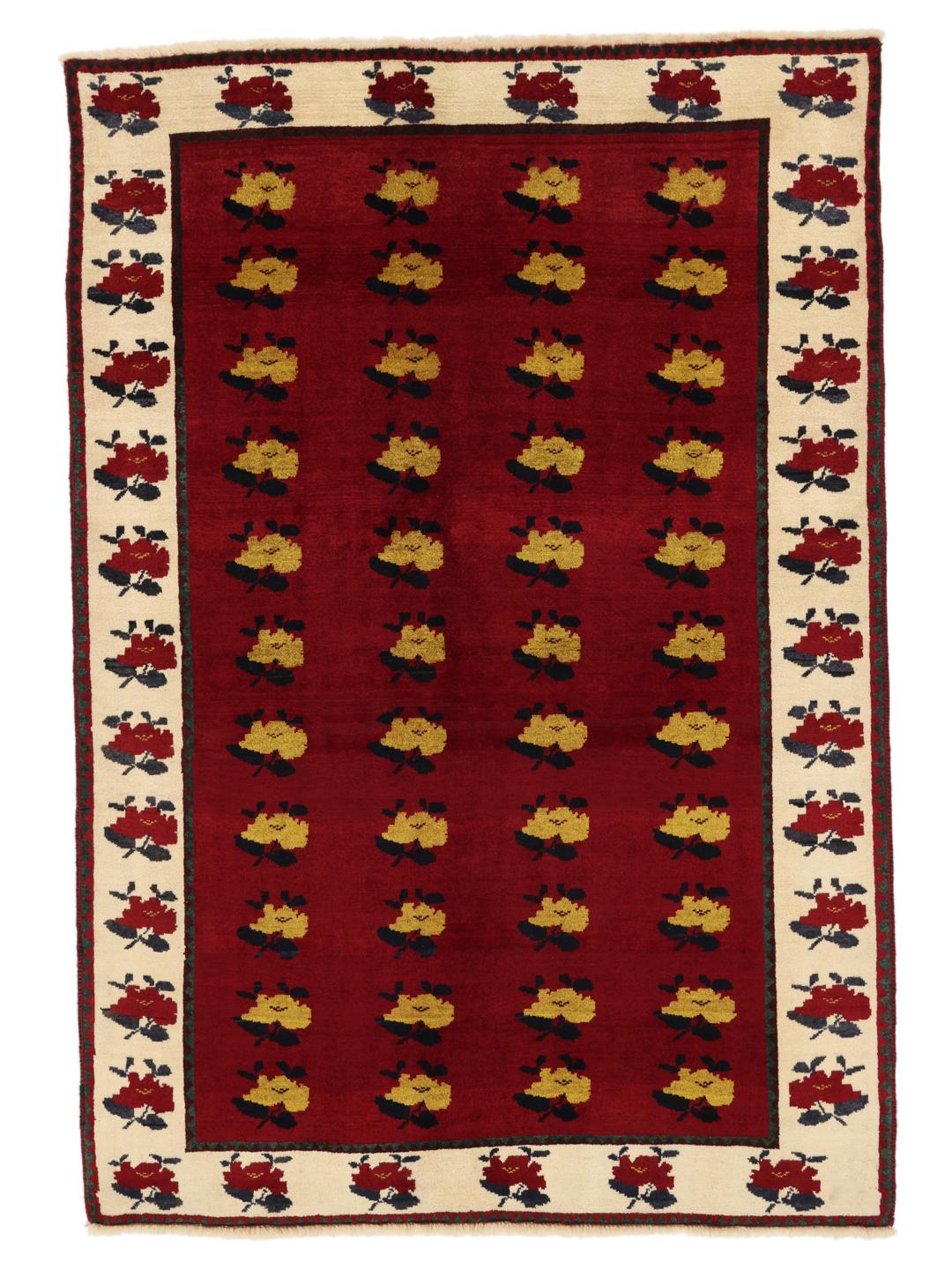
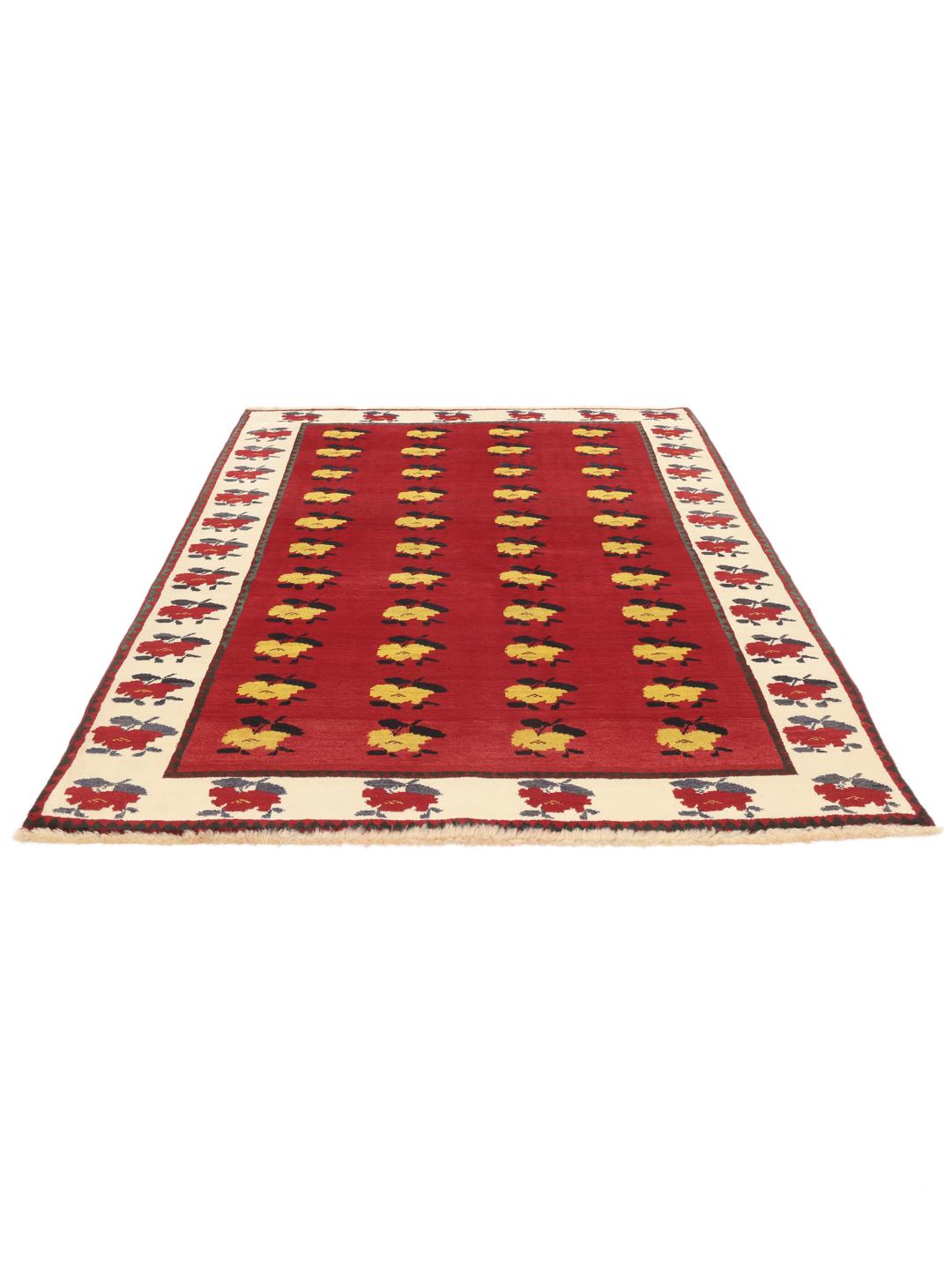
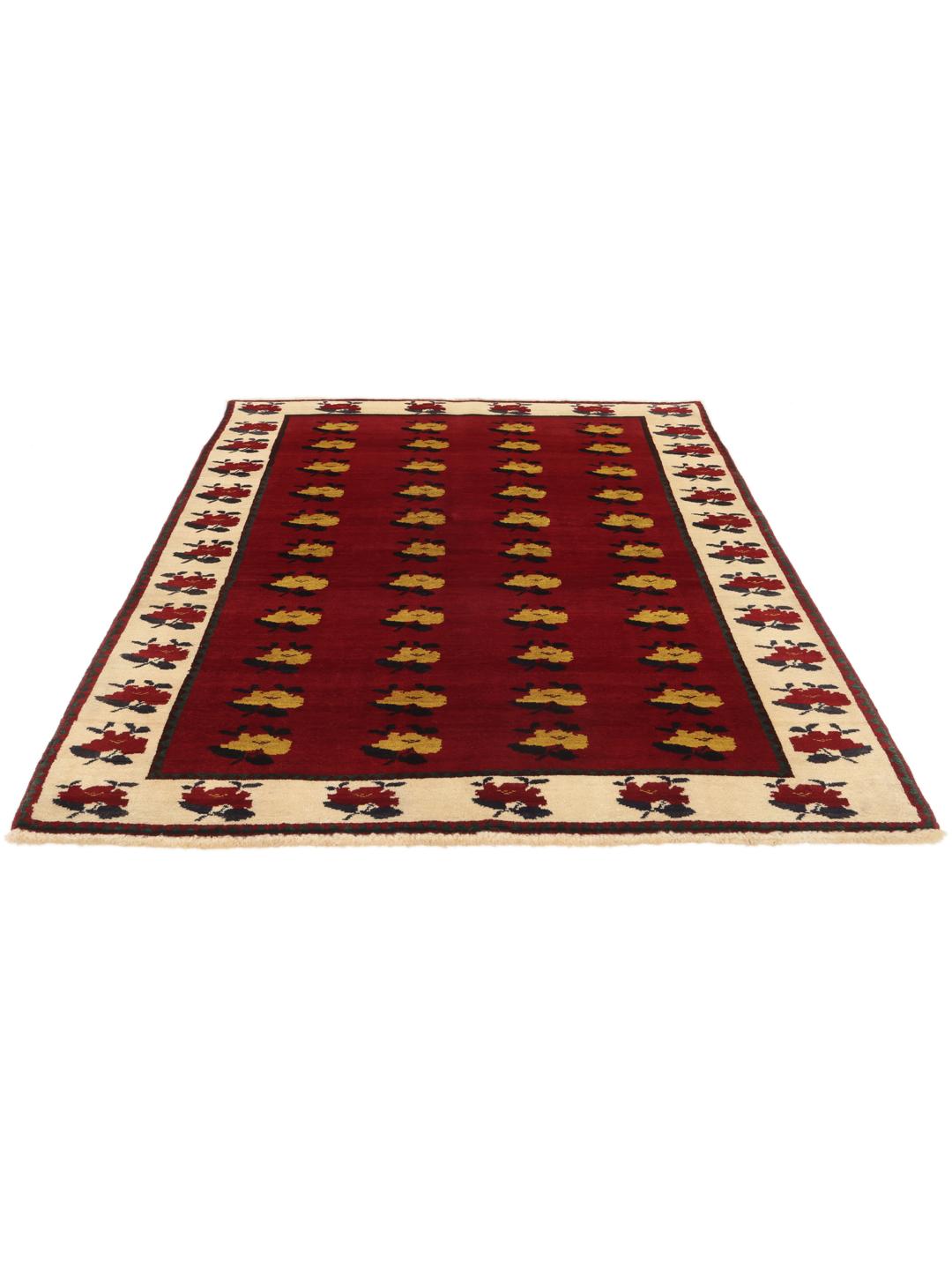
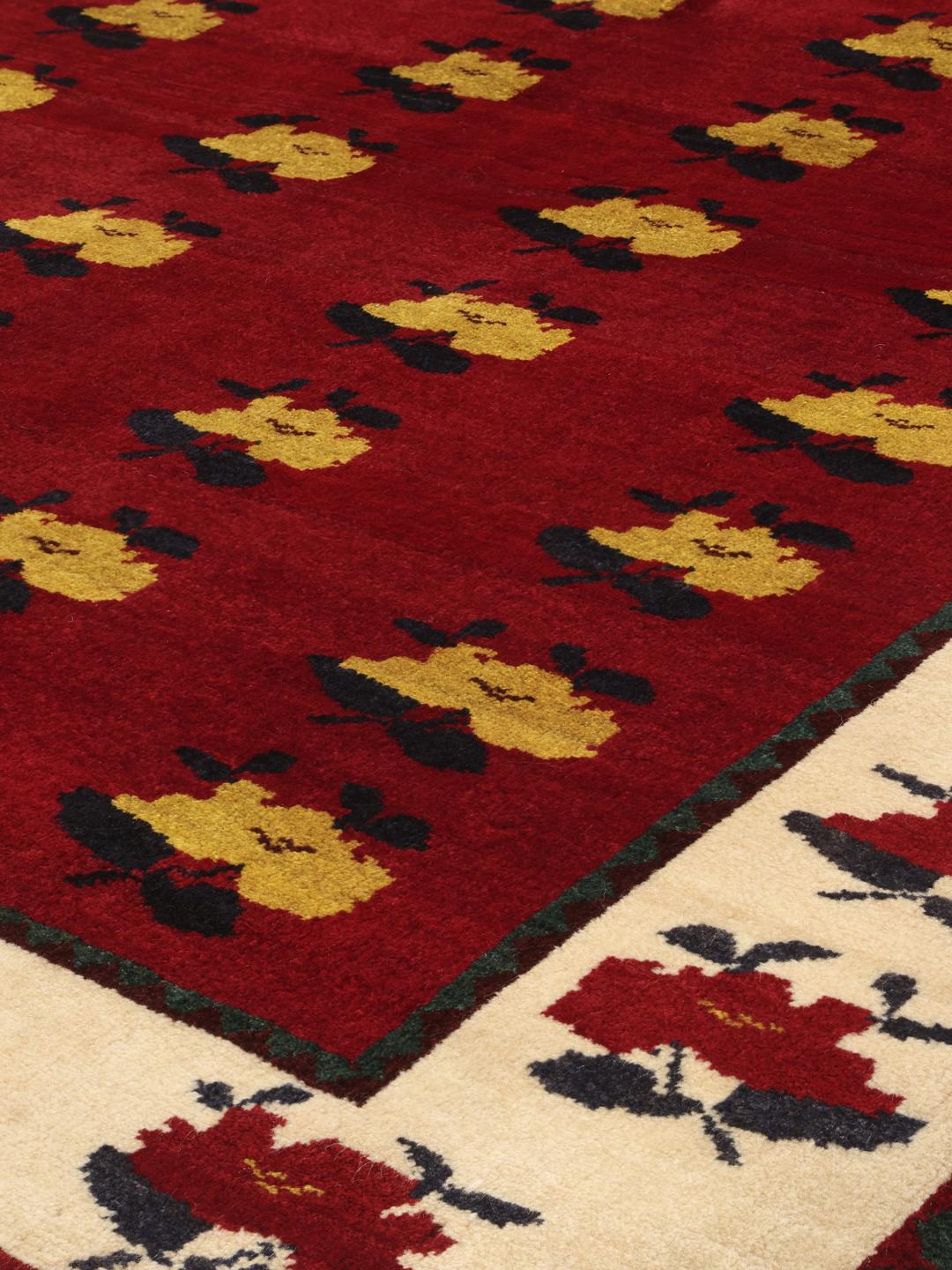
Visually, Qashqai rugs are easily recognised by their bold use of colour and stylized floral or geometric medallions. While many traditions follow rigid, court-designed patterns, these pieces often feature a more spontaneous and artistic approach, with motifs that can vary slightly across the field. The use of a deep red field combined with contrasting borders is a classic signature, often incorporating stylized blossoms or tribal symbols that have been passed down through generations of families.
Collectors value these rugs for their authenticity and the skill required to produce them. Owning a Qashqai piece is a way to connect with a storied history of nomadic artistry, where every rug serves as a testament to the artisan's vision and the enduring nature of their craft. These are not merely decorative items but cultural artifacts that carry the spirit and resilience of the people who created them, making them highly prized in homes around the world.