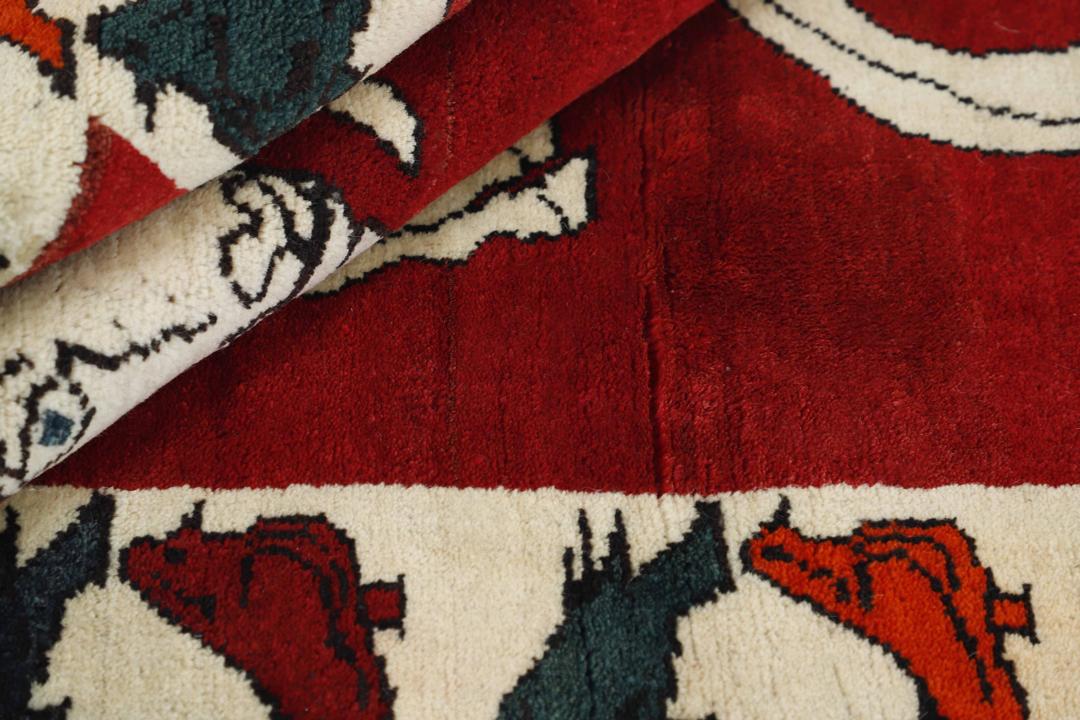
Qashqai rugs originate from the nomadic tribes of the Middle East, a culture defined by its migration across diverse landscapes. These rugs were historically woven by tribal women on portable horizontal looms, allowing them to create functional art while travelling. The designs are deeply rooted in the daily lives, beliefs, and natural environment of the weavers, resulting in patterns that often act as a visual diary of their nomadic heritage.
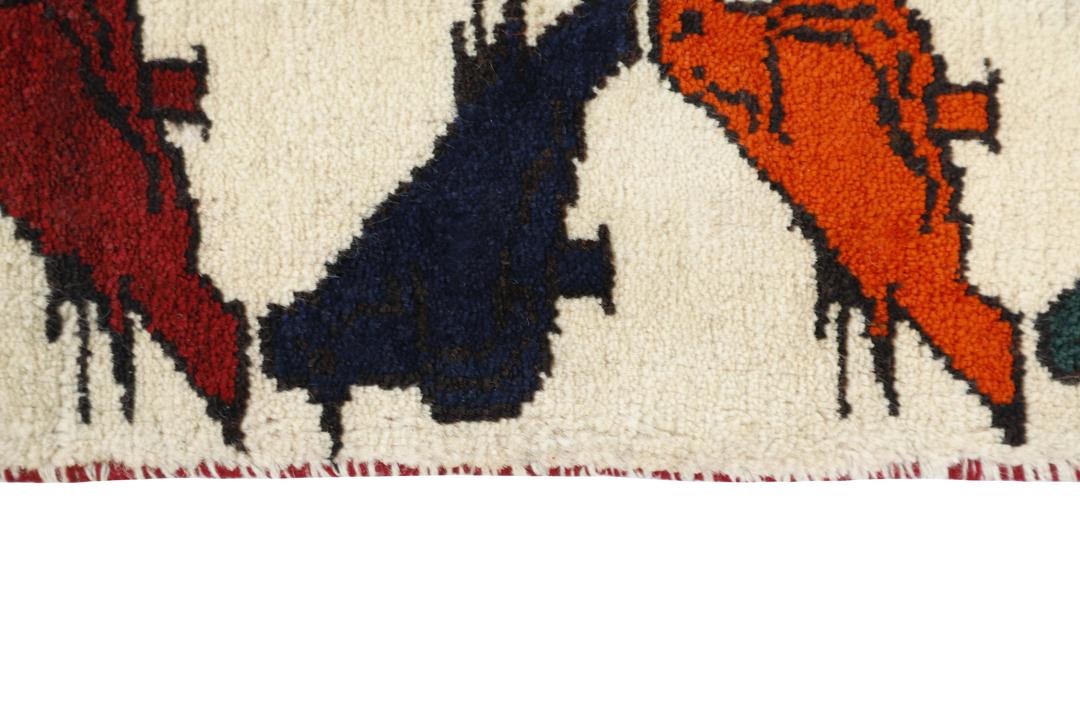
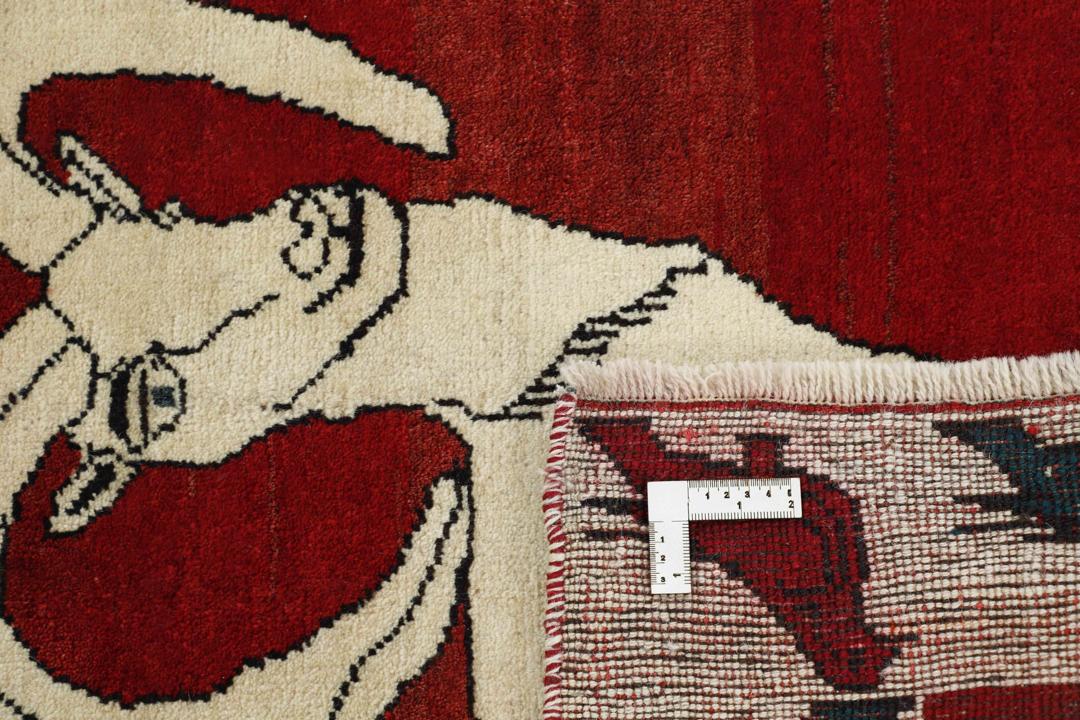
The term 'hand-knotted' refers to the traditional method where individual strands of wool are tied around the warp and weft threads to create the pile. This technique is what gives these rugs their exceptional durability and texture. For the owner, this means the rug is not just a decorative item but a sturdy piece that can withstand decades of use while maintaining its rich appearance and soft feel.
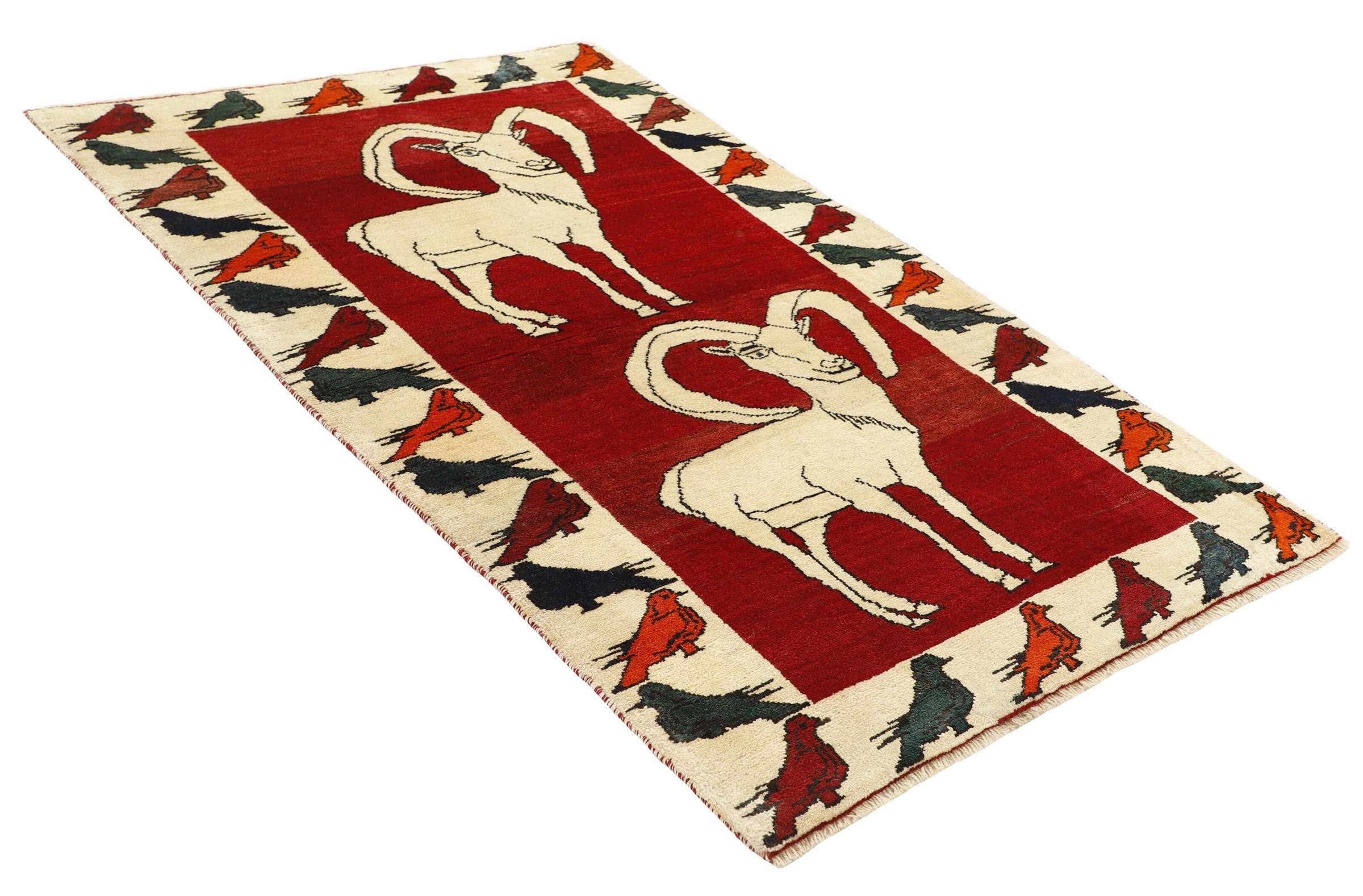
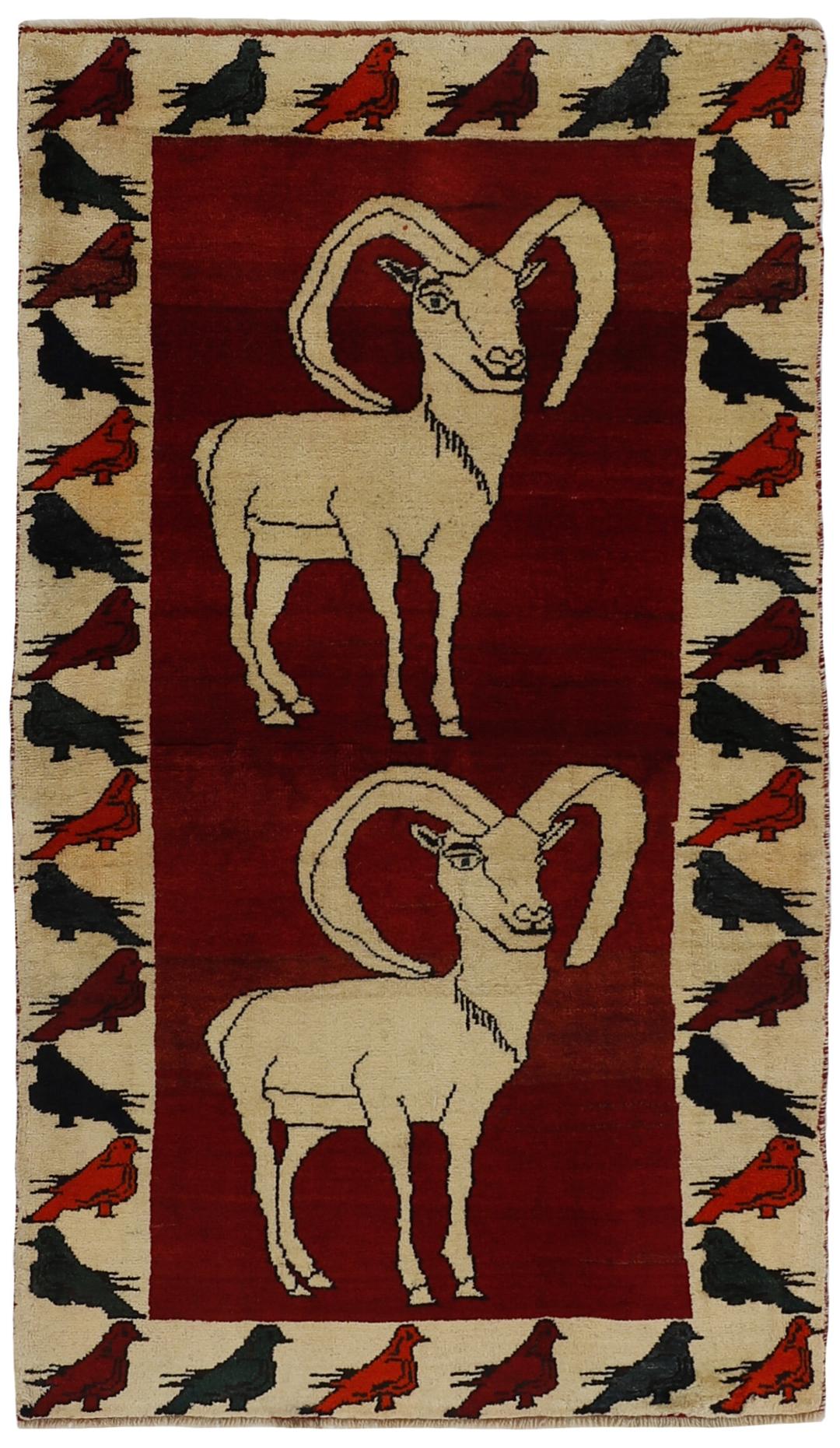
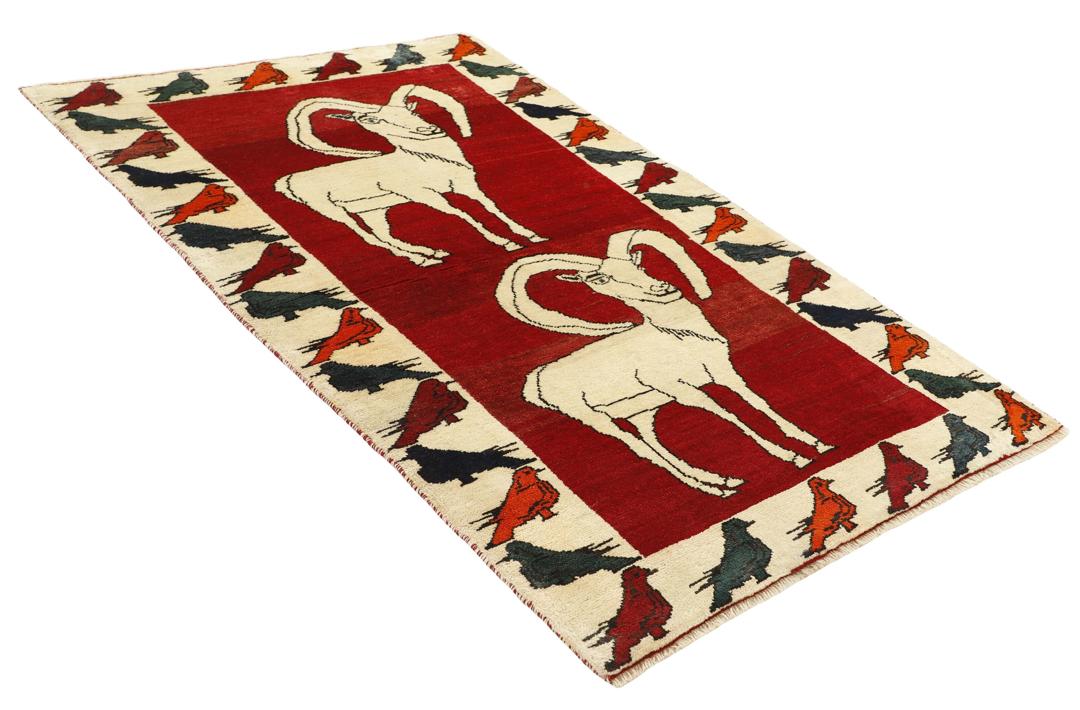
Signature design elements in Qashqai rugs often include geometric interpretations of nature, such as the ram, which symbolises strength and prosperity, and various bird motifs representing freedom. The use of a central field filled with these symbolic figures, surrounded by detailed borders, is a hallmark of the style. The striking use of deep red, often derived from natural madder root dyes, provides a bold background that highlights the intricate, lighter-coloured figures.
Collectors value Qashqai rugs for their authentic connection to a disappearing way of life and the immense skill required to produce them. Owning a piece like this means preserving a slice of cultural history. It is a testament to the artisan's ability to translate complex tribal symbolism into a cohesive, beautiful object, making it a highly sought-after addition for those who appreciate heritage and human-centred craft.