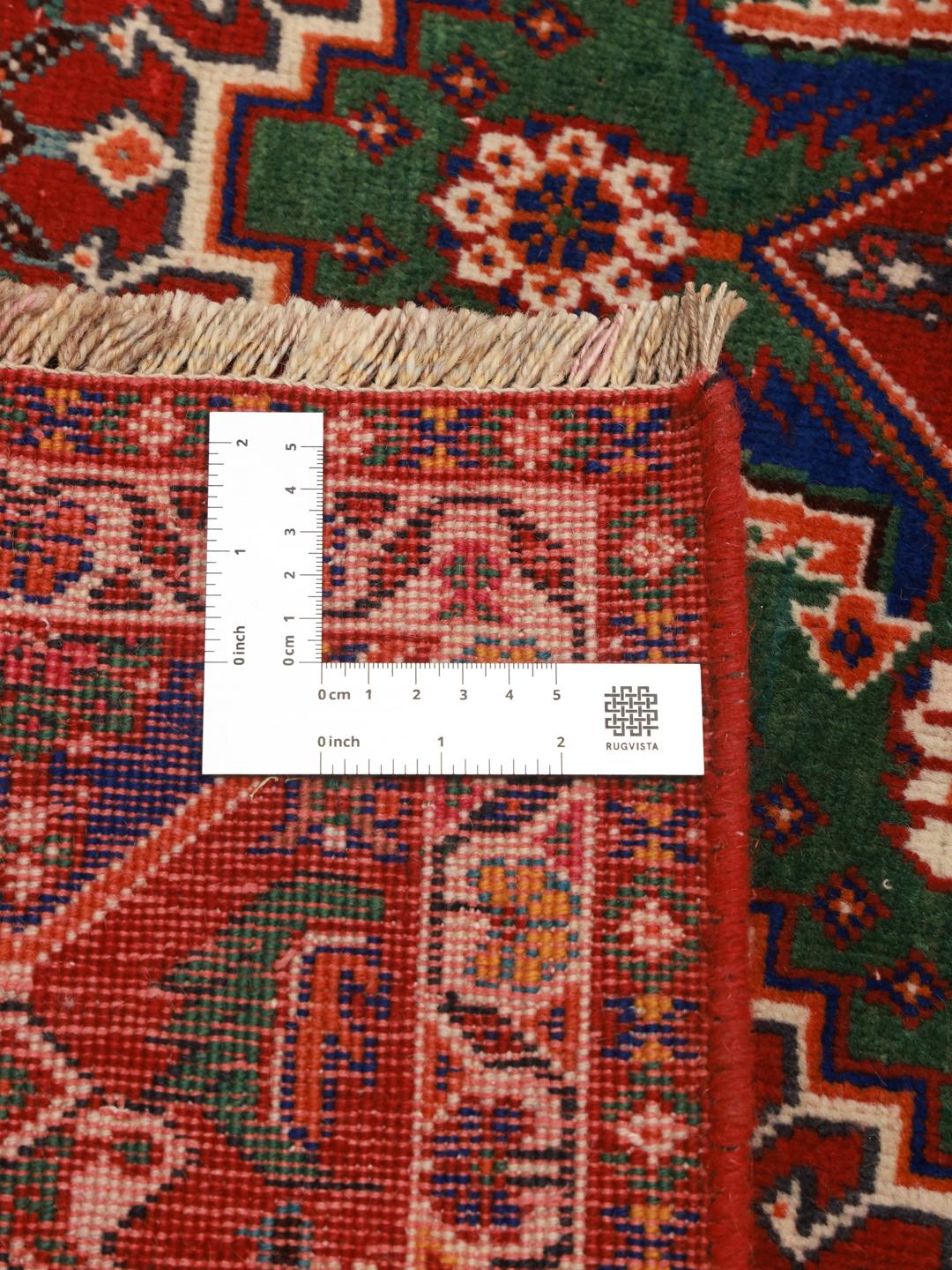
The Ghashghai rugs are deeply rooted in the nomadic traditions of the Middle Eastern tribes who have travelled the region for centuries. These rugs were originally created as functional items for nomadic life, serving as floor coverings, tent dividers, and storage bags, which explains their incredible durability and practical design.
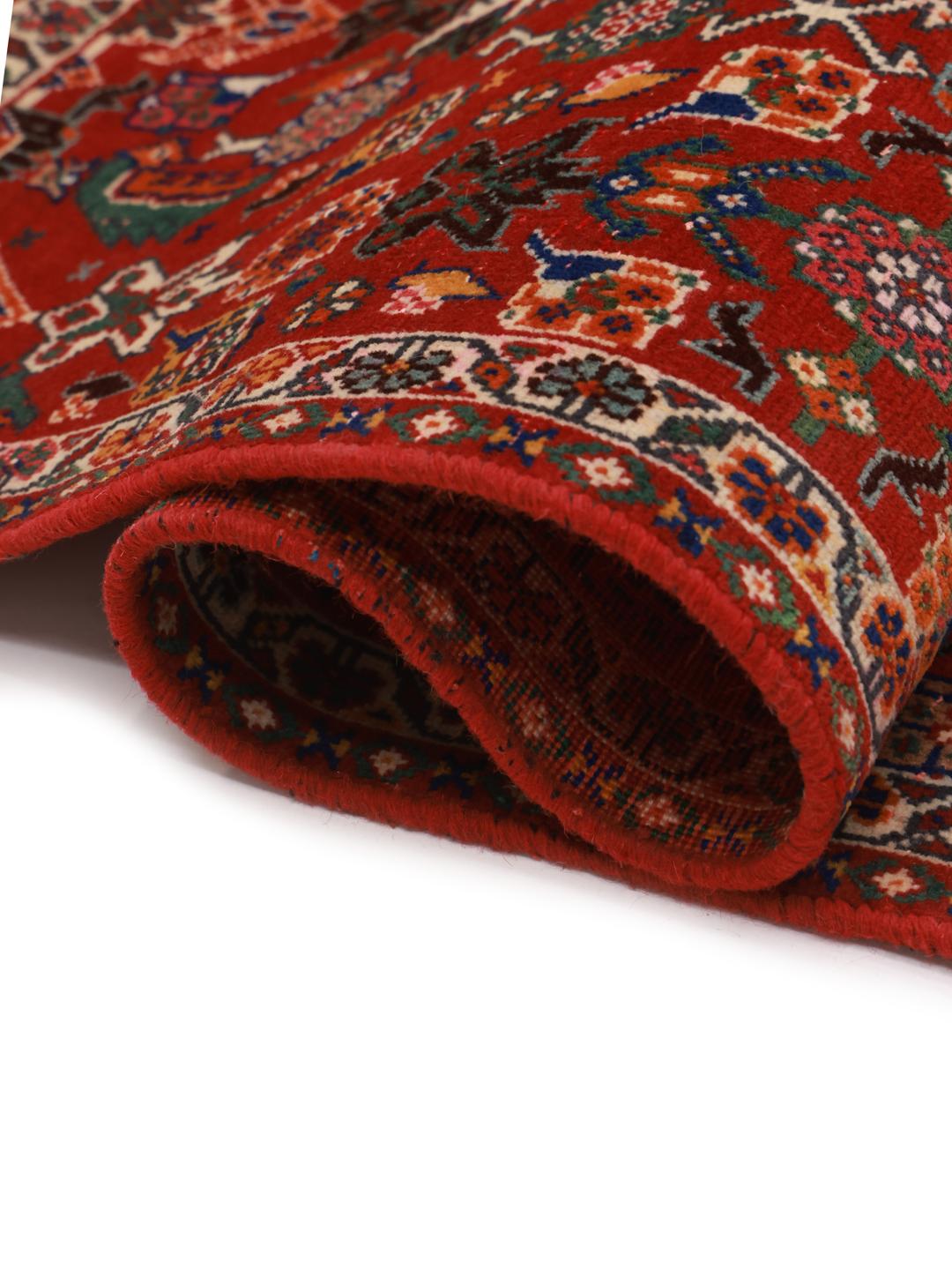
The term Ghashghai refers to the confederation of tribes who have preserved these weaving techniques through generations. The quality of these rugs is defined by their foundation and the way the wool is prepared, often using hand-spun fibres that retain their natural lanolin, giving the finished rug a subtle, resilient sheen that improves over time.
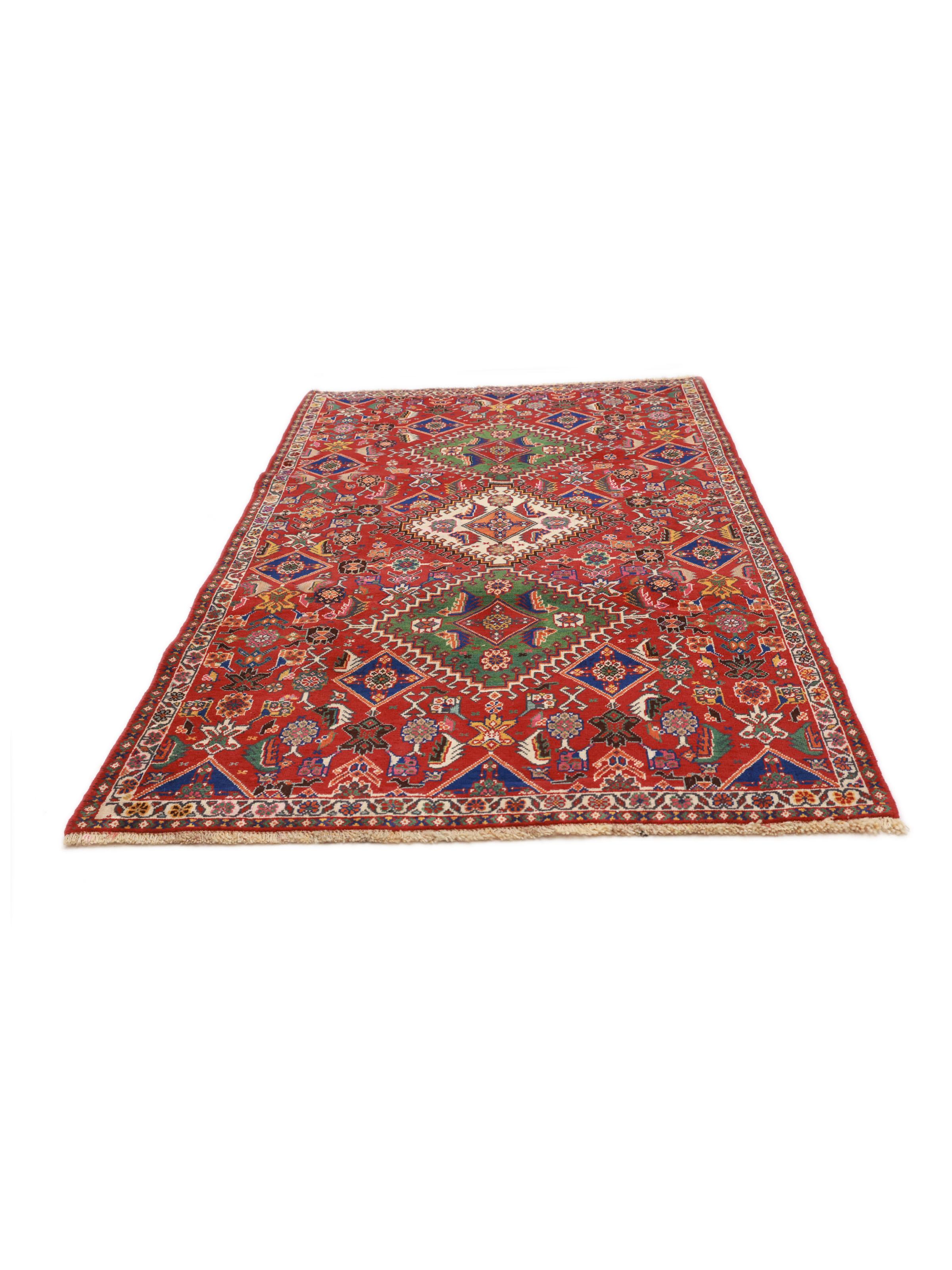
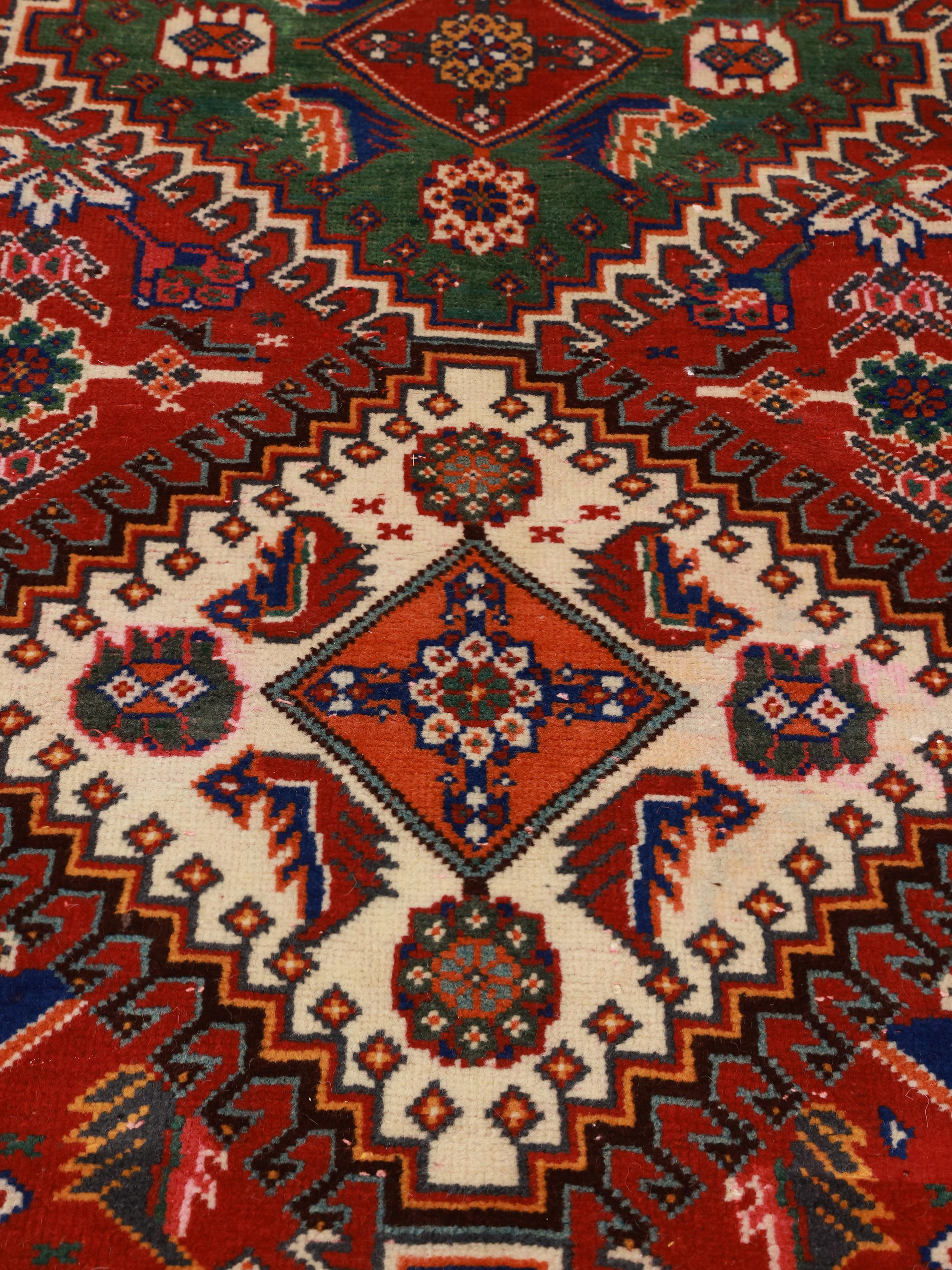
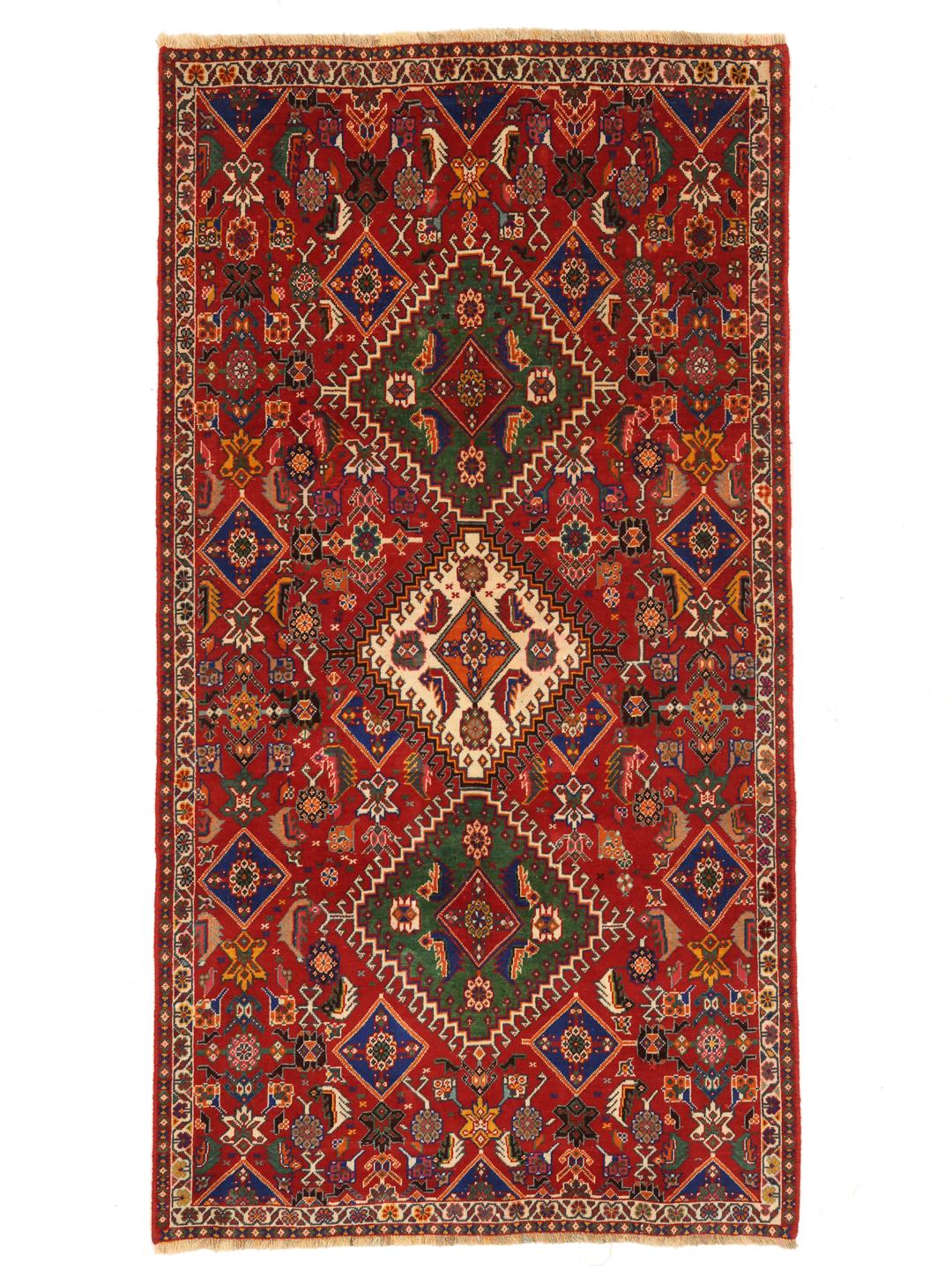
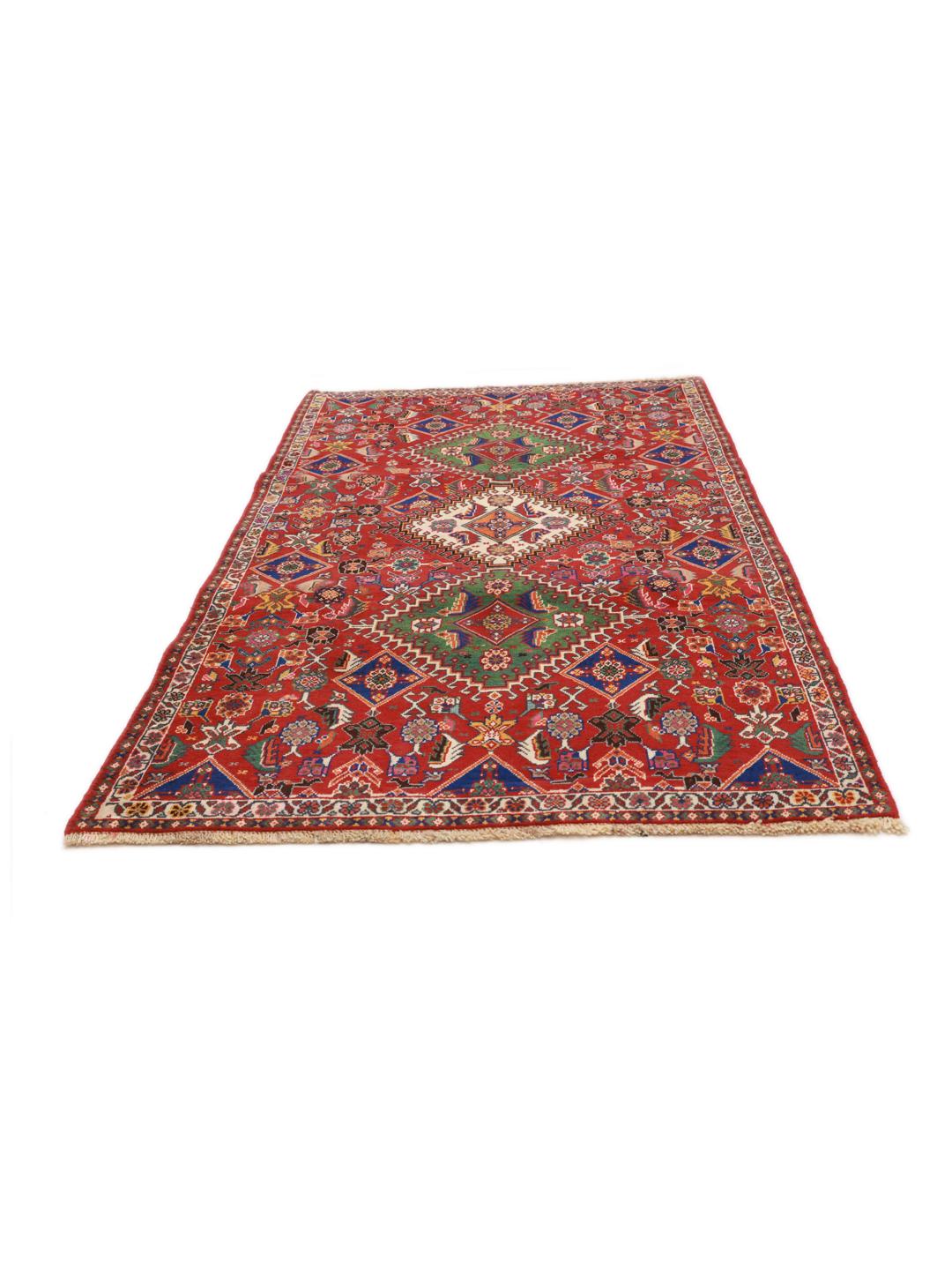
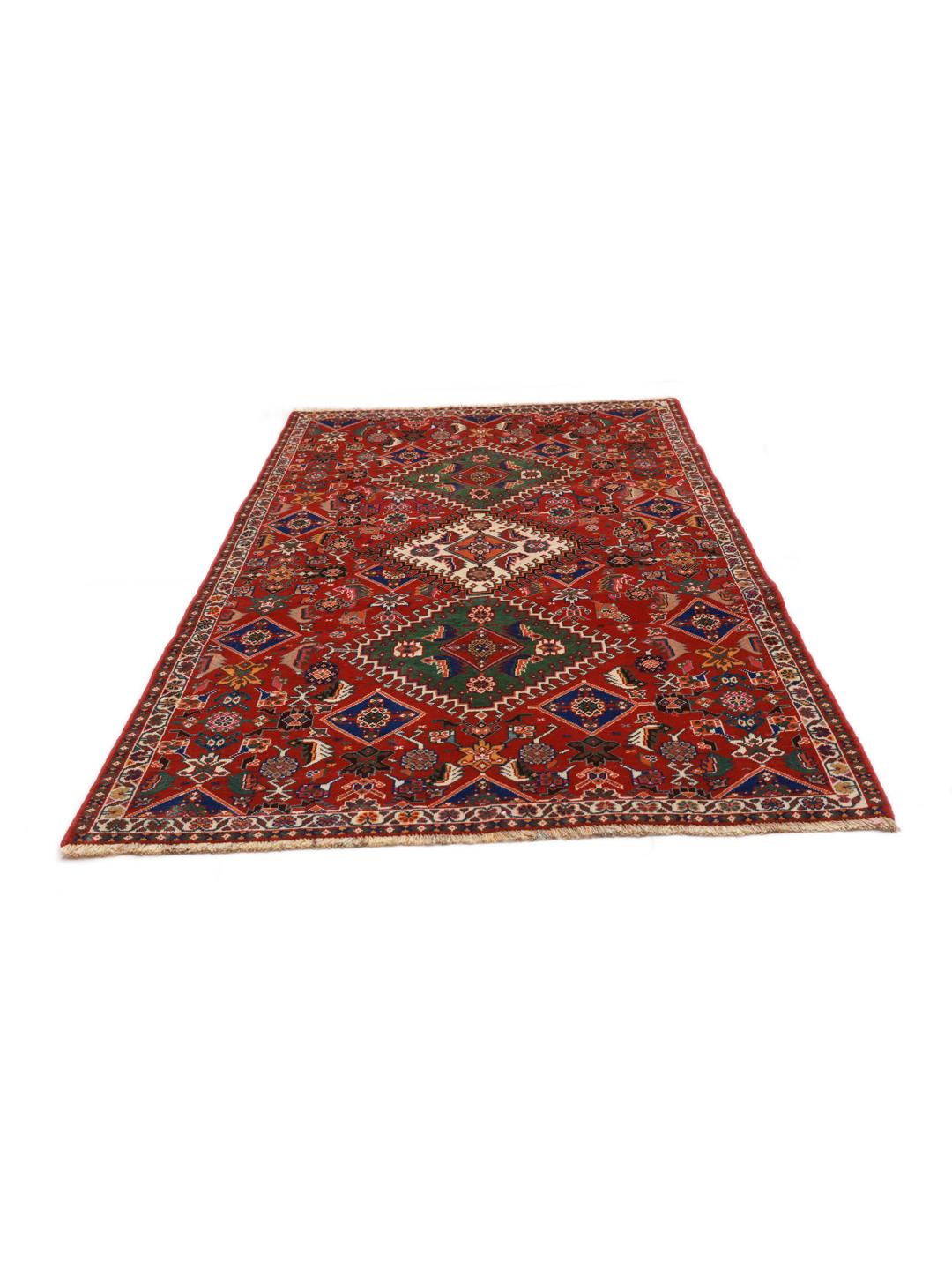
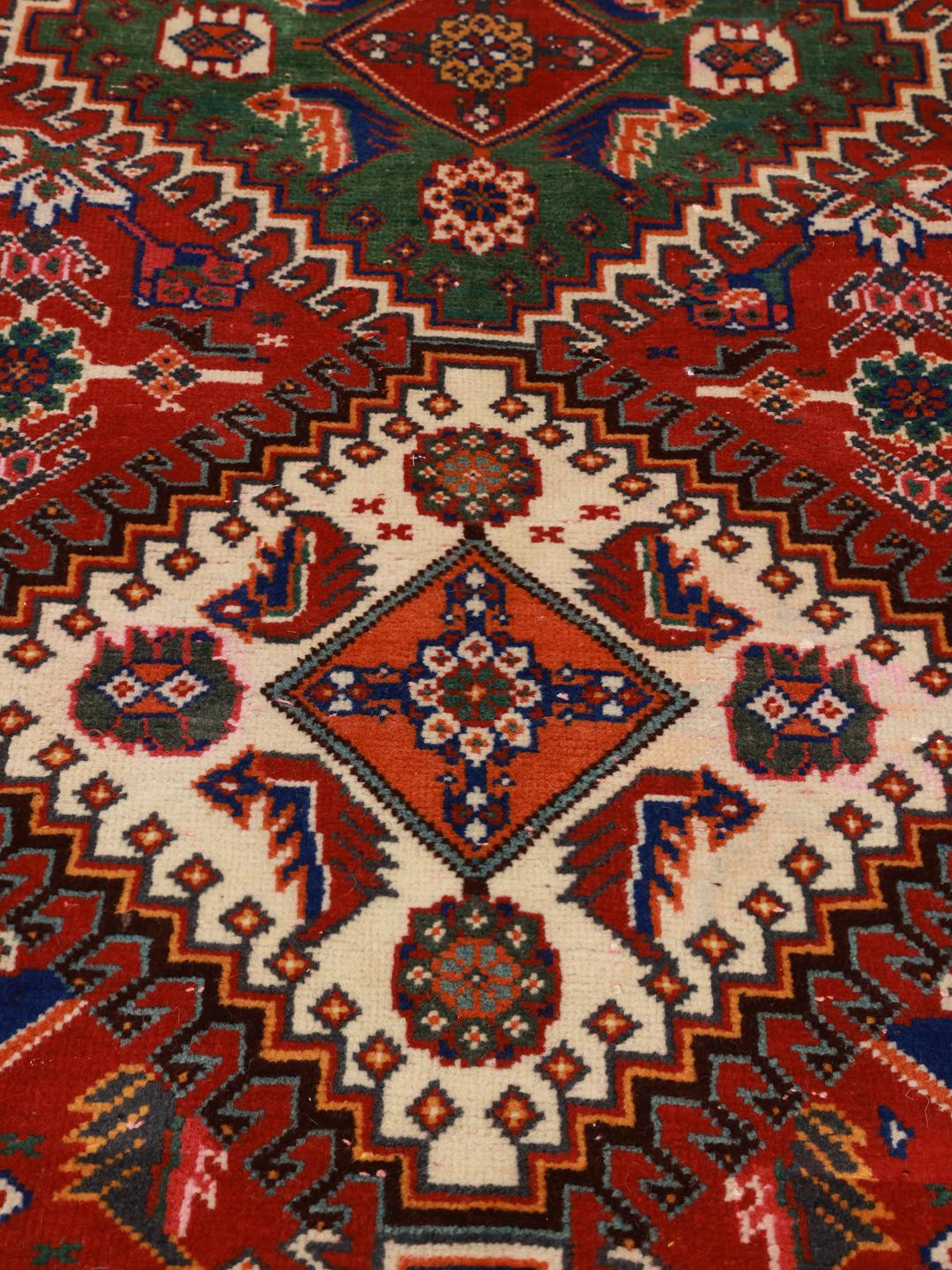
Visually, these rugs are celebrated for their bold geometric language. You will often see repeating diamond medallions, stylised floral elements, and hooked motifs that tell the story of the weaver's environment and cultural identity. The use of a deep red field, as seen here, is a hallmark of the tradition, often contrasted with vibrant blues and earthy tones to create a balanced, energetic composition.
Owning a Ghashghai is essentially owning a piece of living history. These rugs are highly valued by collectors because they represent a genuine connection to a way of life that values skill, memory, and the slow, deliberate craft of the hand. They are not merely floor coverings, but artefacts of human expression that carry the weight and beauty of their nomadic origins.