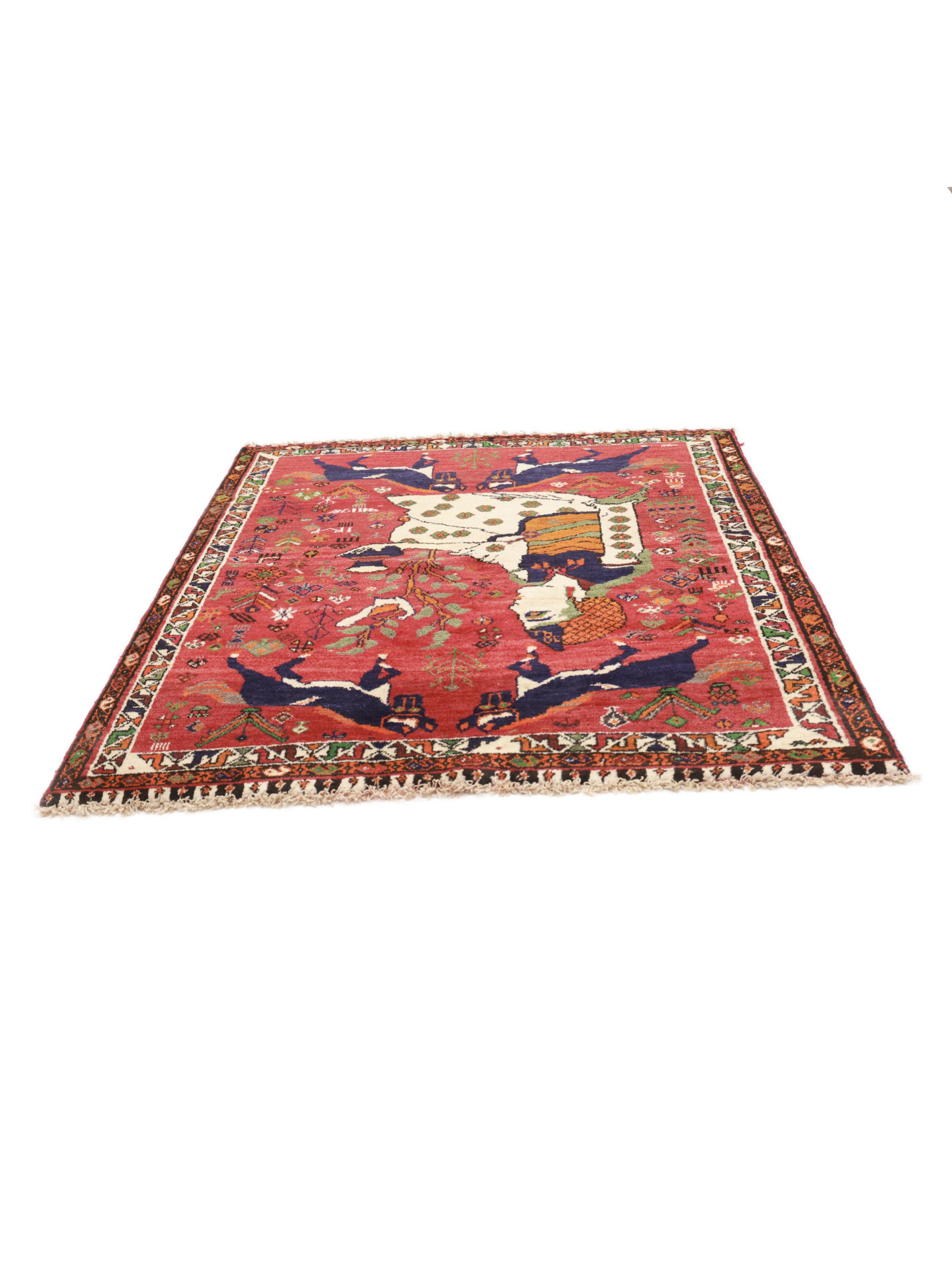
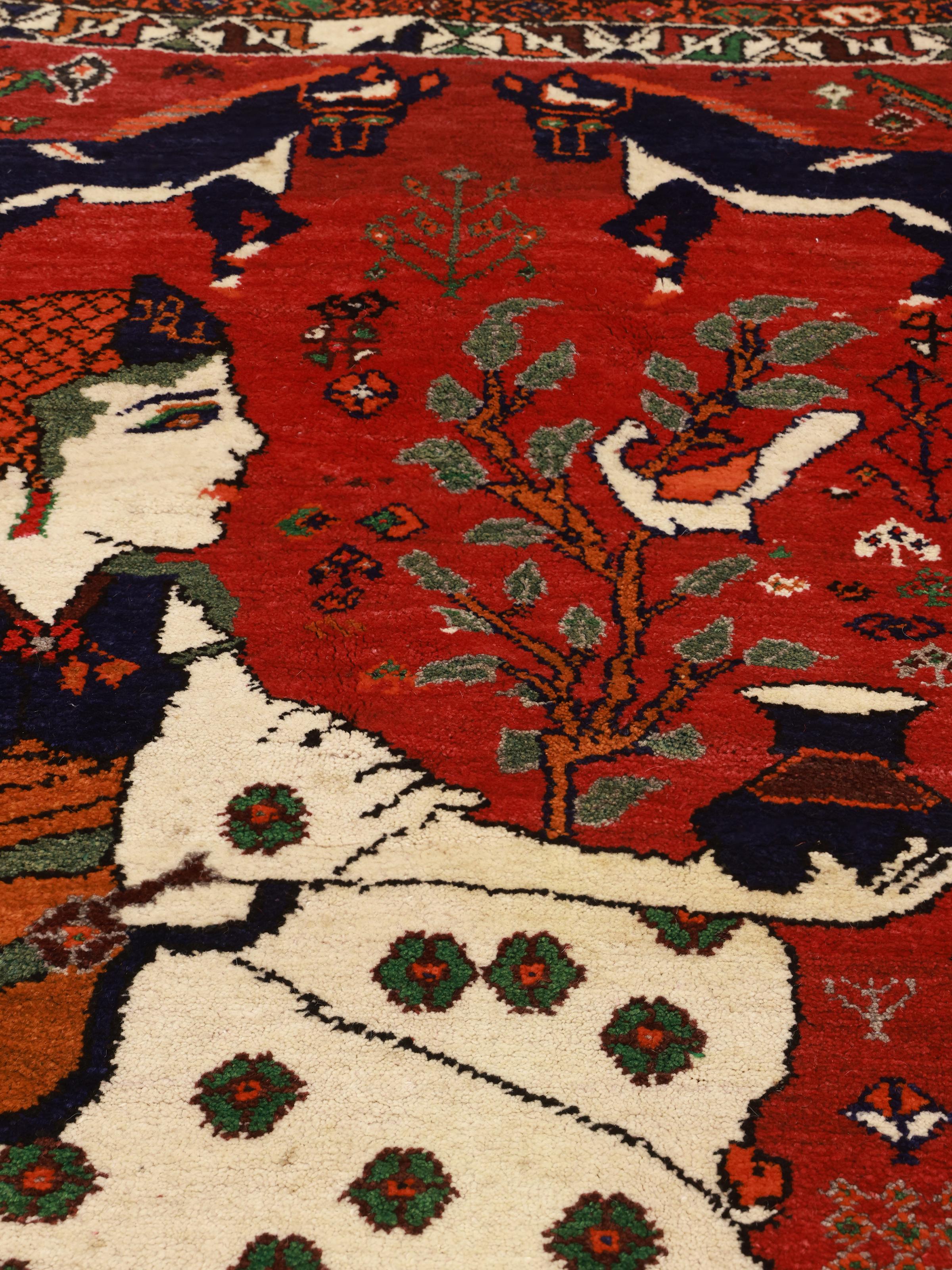
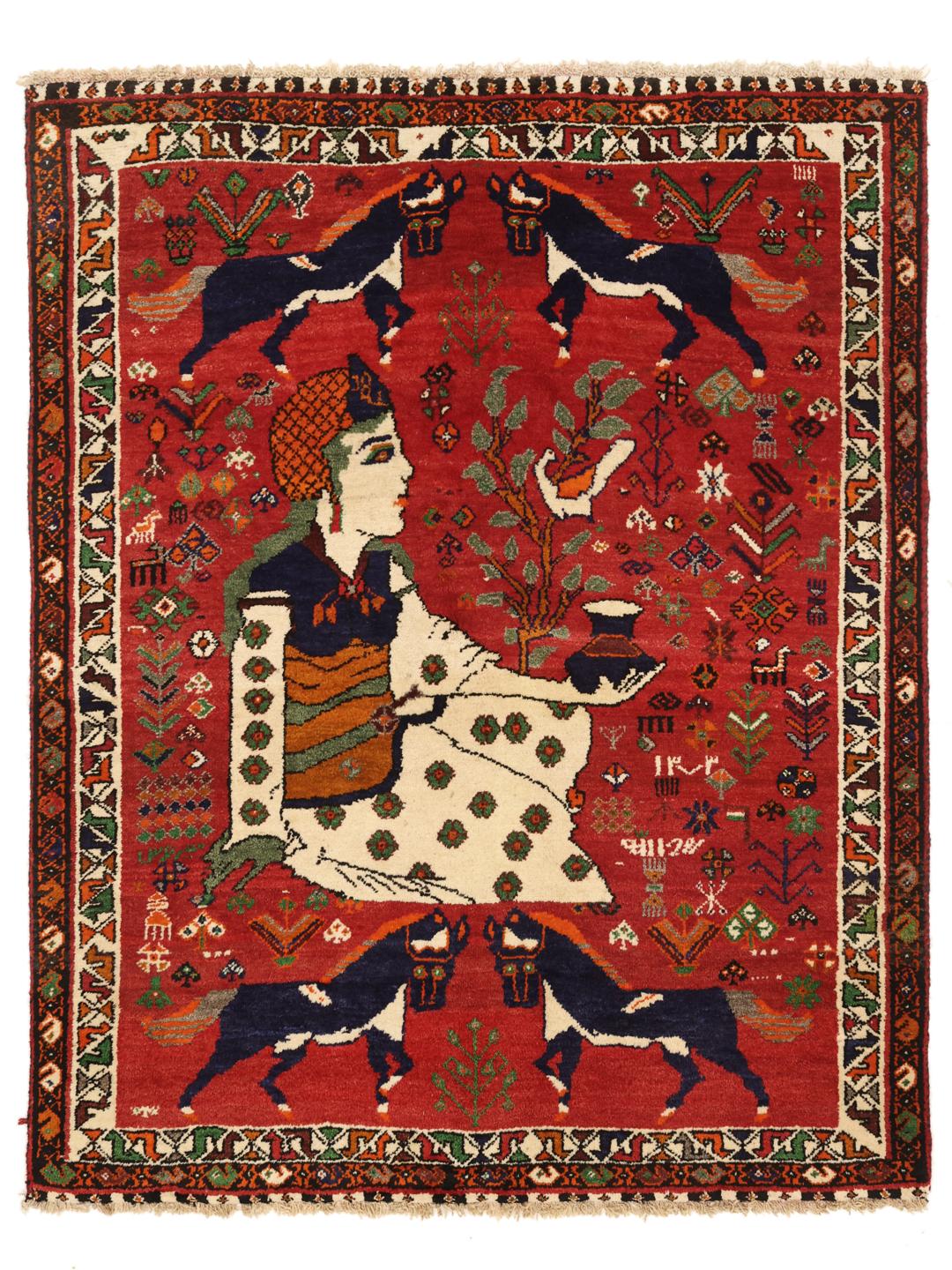
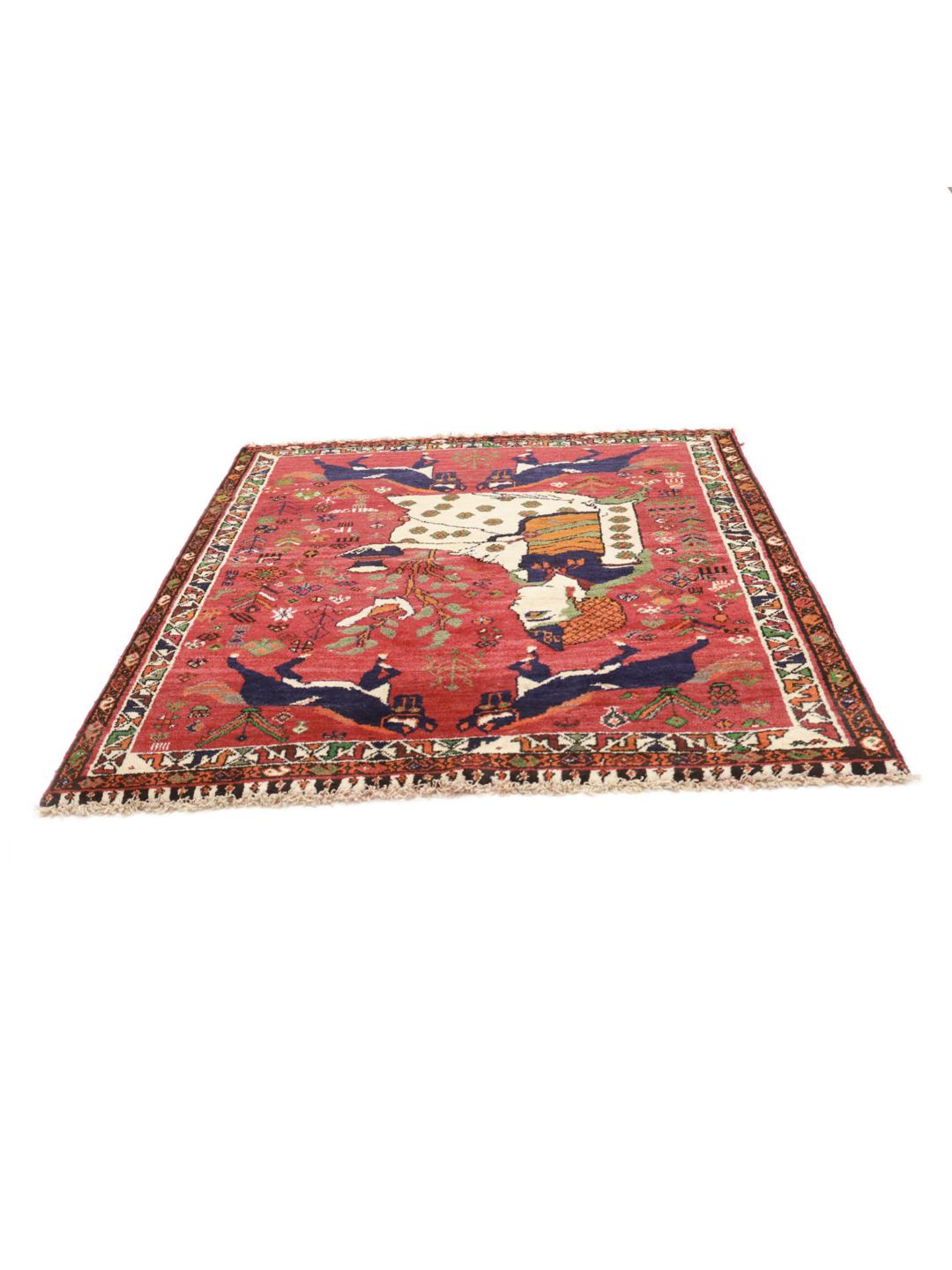
The Ghashghai people are a nomadic confederation from the Middle East, known for their deep-rooted weaving traditions that have been passed down through generations. Historically, these rugs were created to meet the needs of a migratory lifestyle, serving as practical, durable, and highly portable floor coverings that also functioned as expressions of cultural identity.
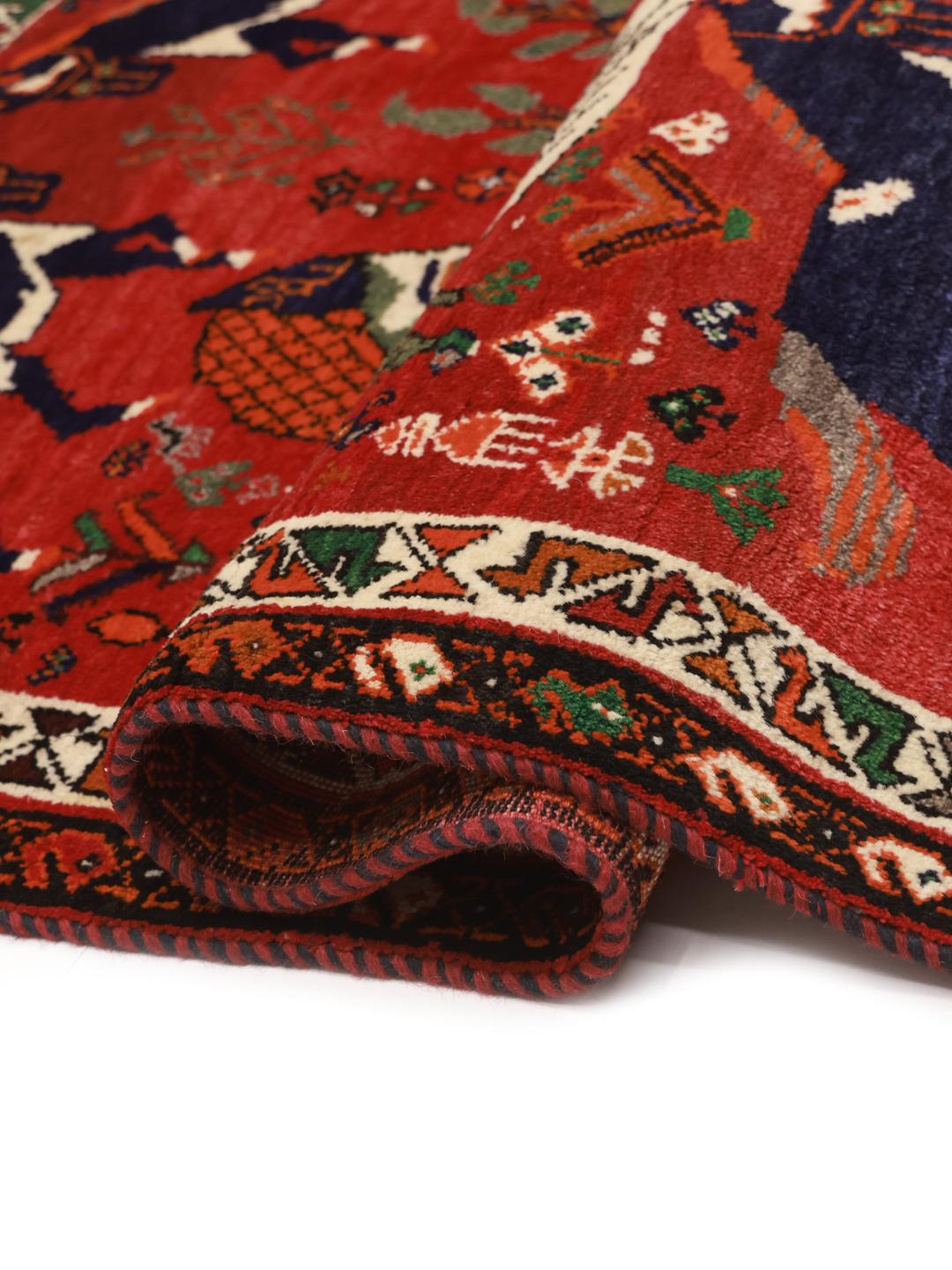
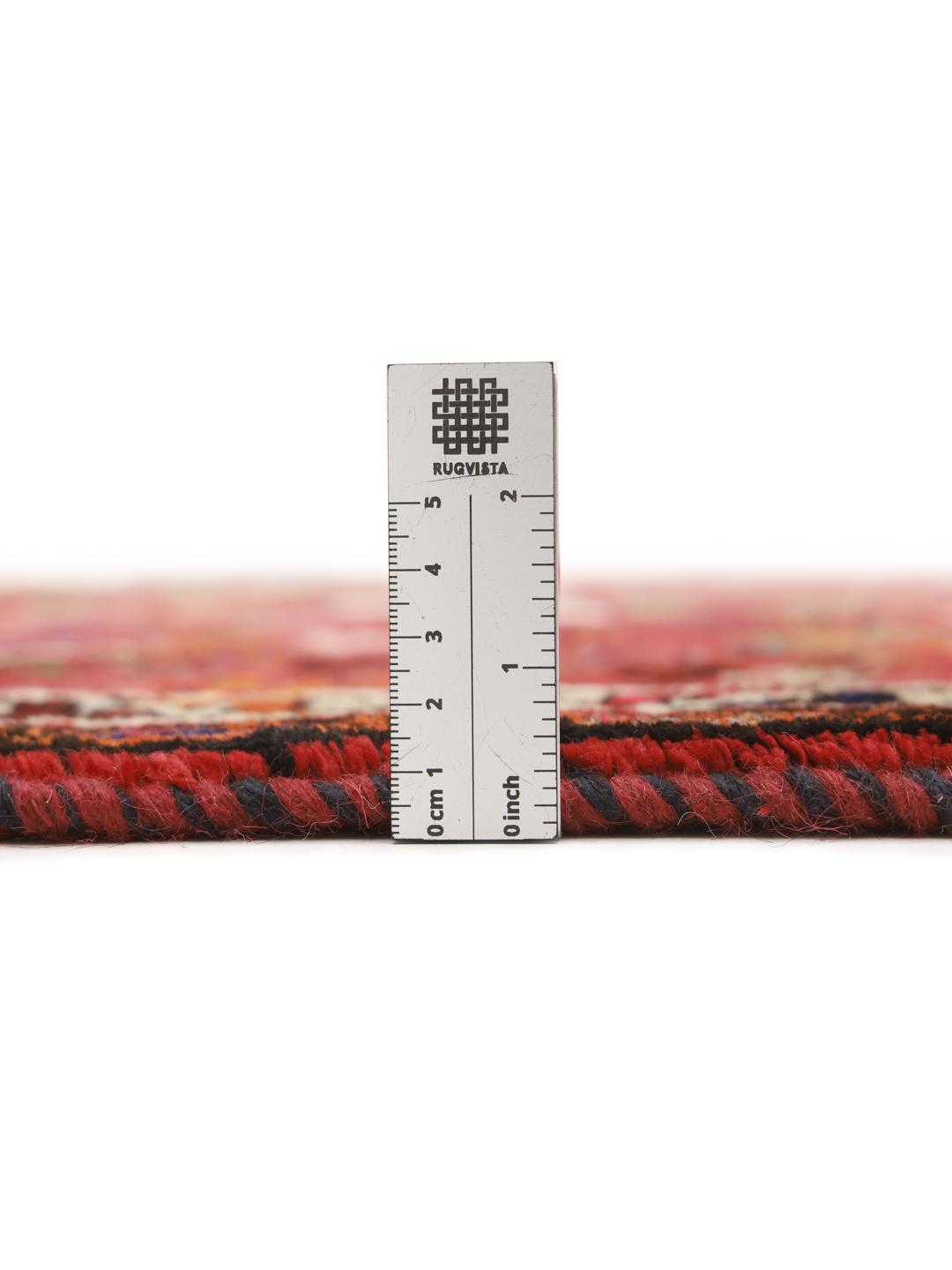
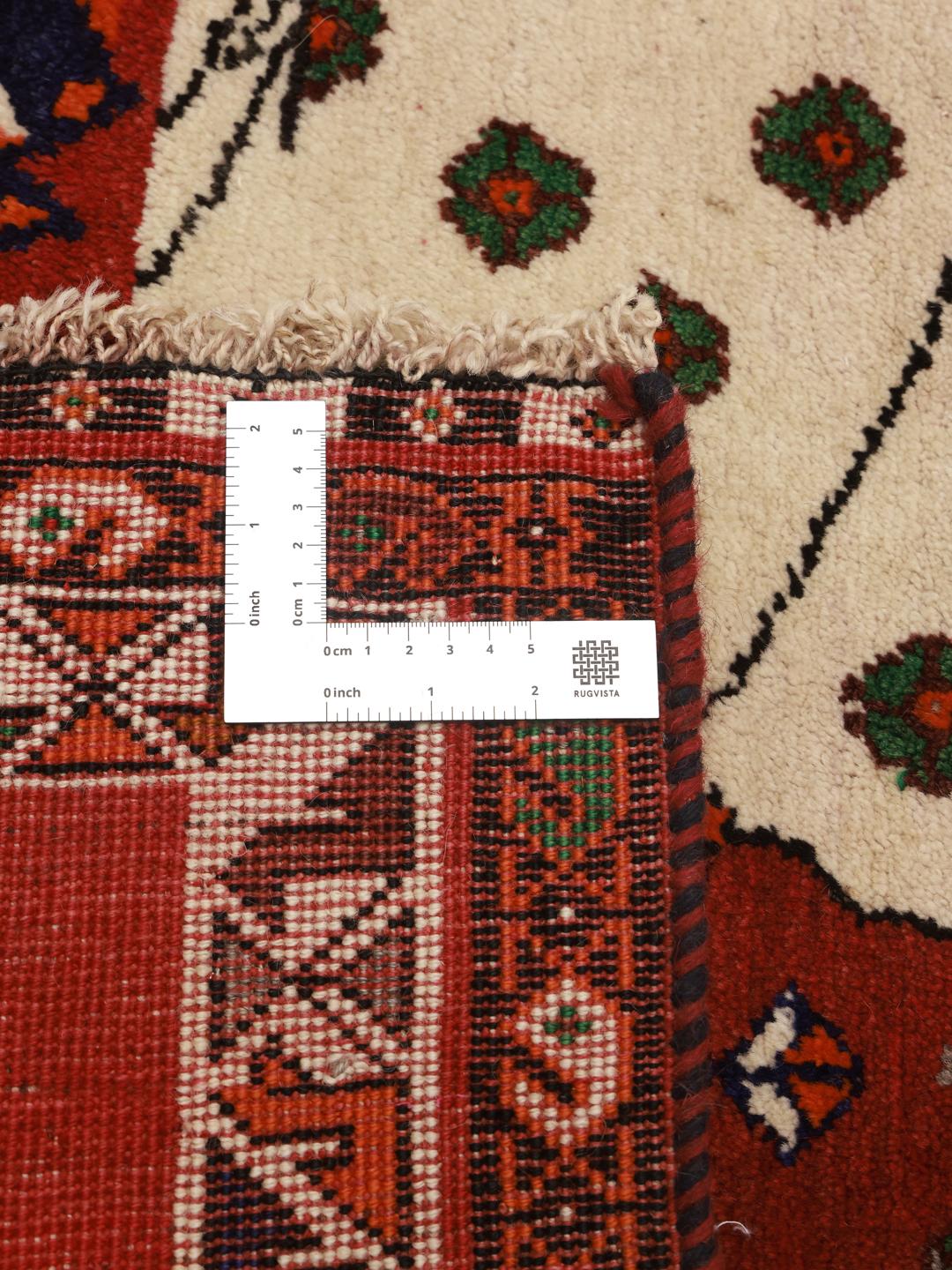
The craft of these rugs is defined by their foundation and the deliberate nature of their construction. The use of Wool for both the pile and the foundation is a hallmark of this tradition, selected for its natural durability and ability to hold vibrant, long-lasting dyes derived from local plants and minerals.
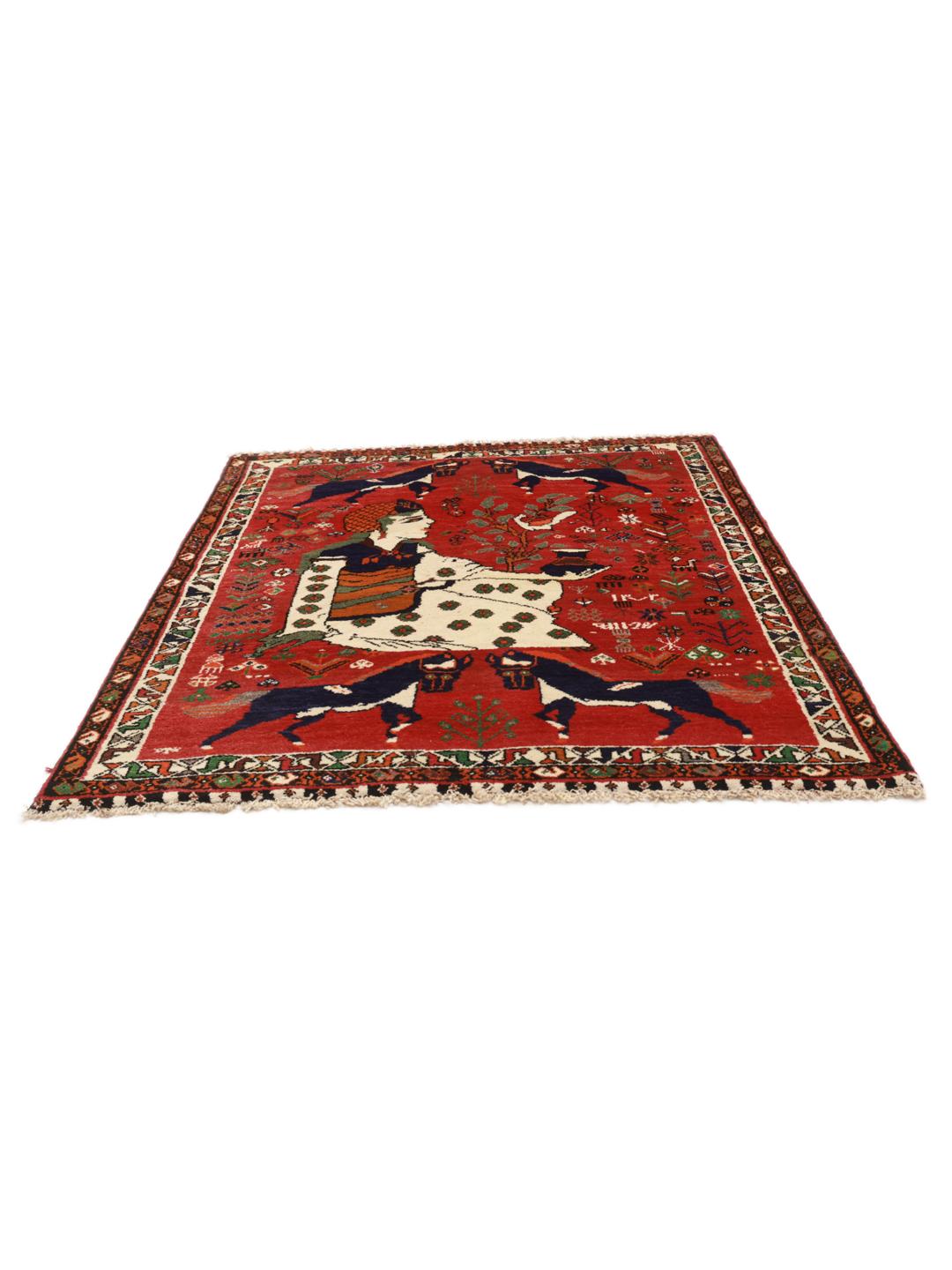
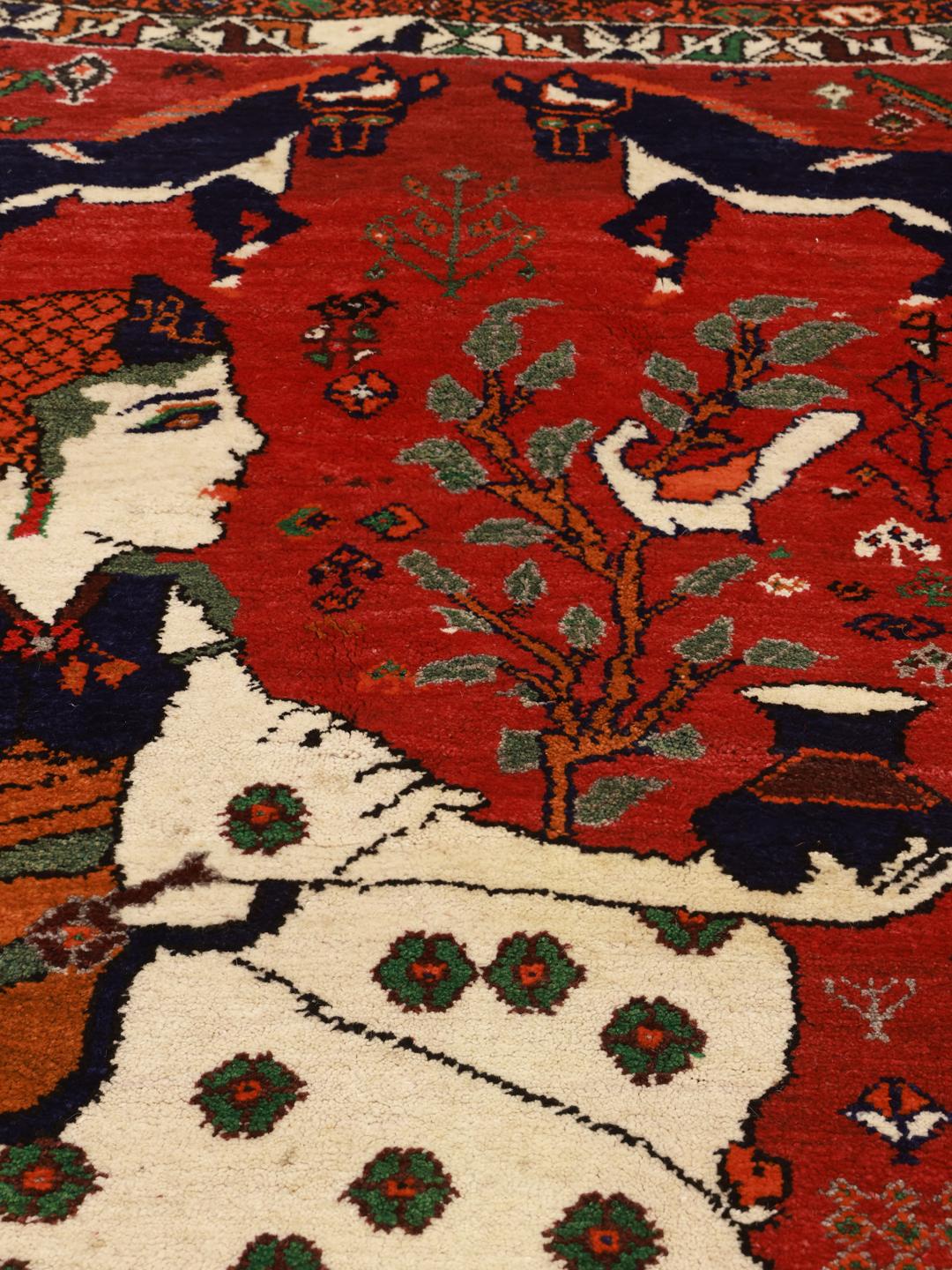
Visually, these rugs are celebrated for their bold, spontaneous designs. While many incorporate geometric patterns, the inclusion of pictorial motifs like the figures and animals seen here reflects a more artistic, narrative-driven approach. These symbols often represent the environment, folklore, and aspirations of the weaver, turning every rug into a unique visual record of the maker's world.
Collecting these rugs is an investment in cultural heritage. They are valued not just for their aesthetic appeal, but for the human story embedded in every knot. Owning such a piece is an opportunity to preserve a vanishing art form and bring a sense of history and genuine craft into a modern home.