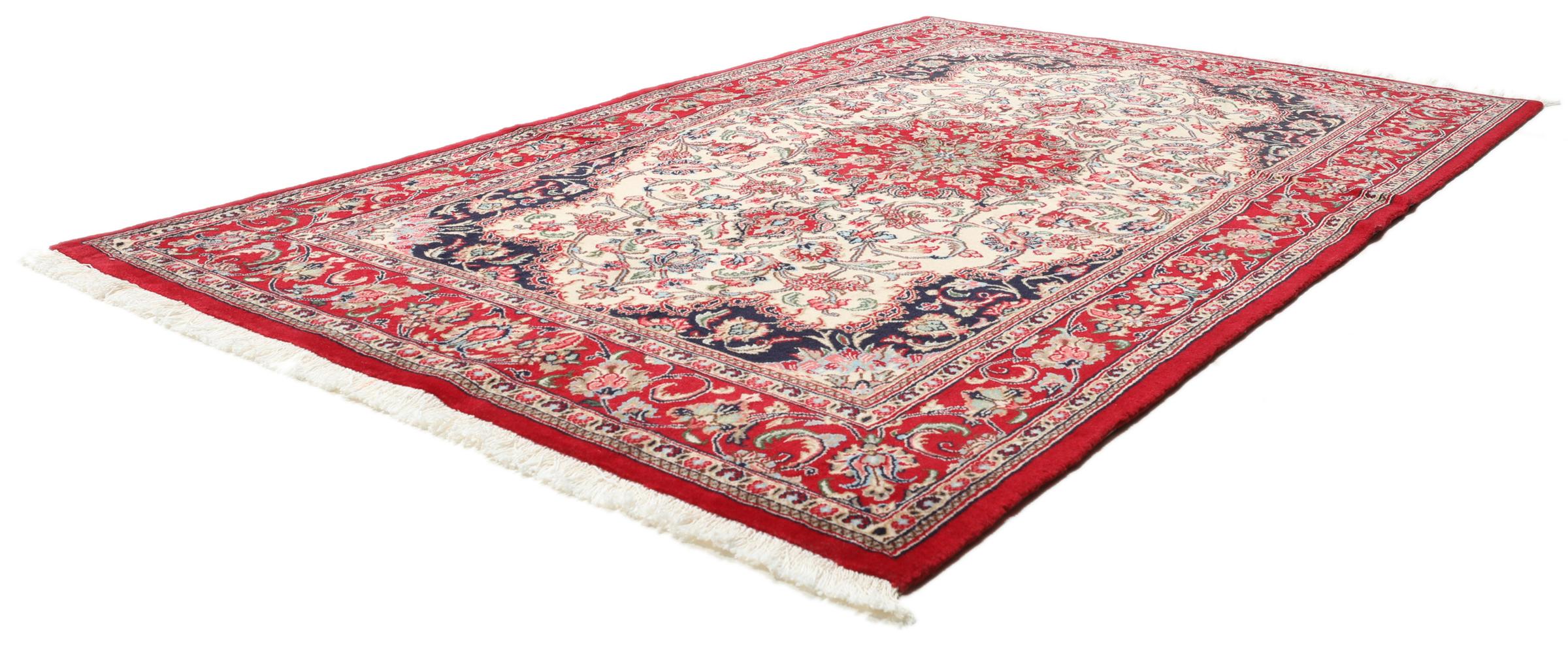
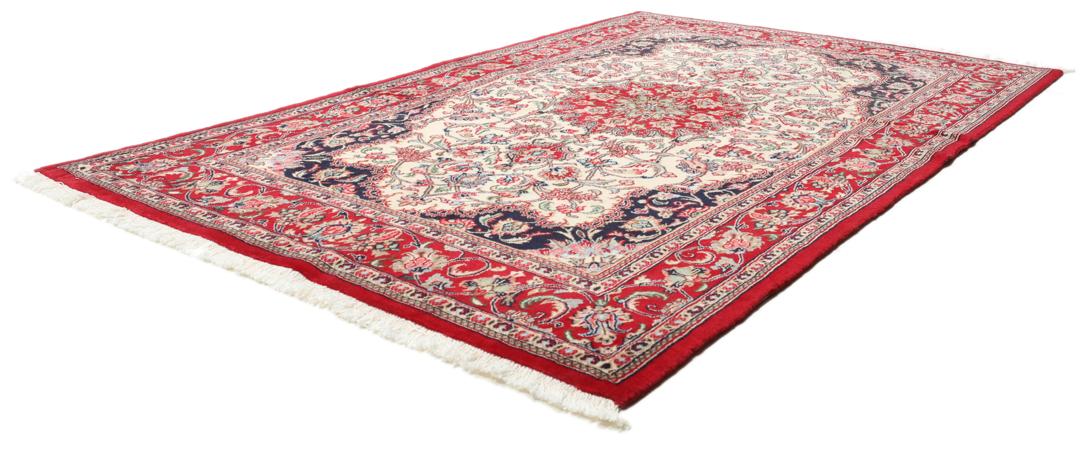
The Sarouk rug tradition originates from the village of the same name in the central region of the Middle East, a place renowned for its long history of weaving excellence. Historically, these rugs were celebrated for their exceptional wool quality and their ability to withstand the harsh climate of the high plateaus. Over time, the style evolved to incorporate more elaborate floral designs, influenced by the tastes of international markets while maintaining its regional soul.
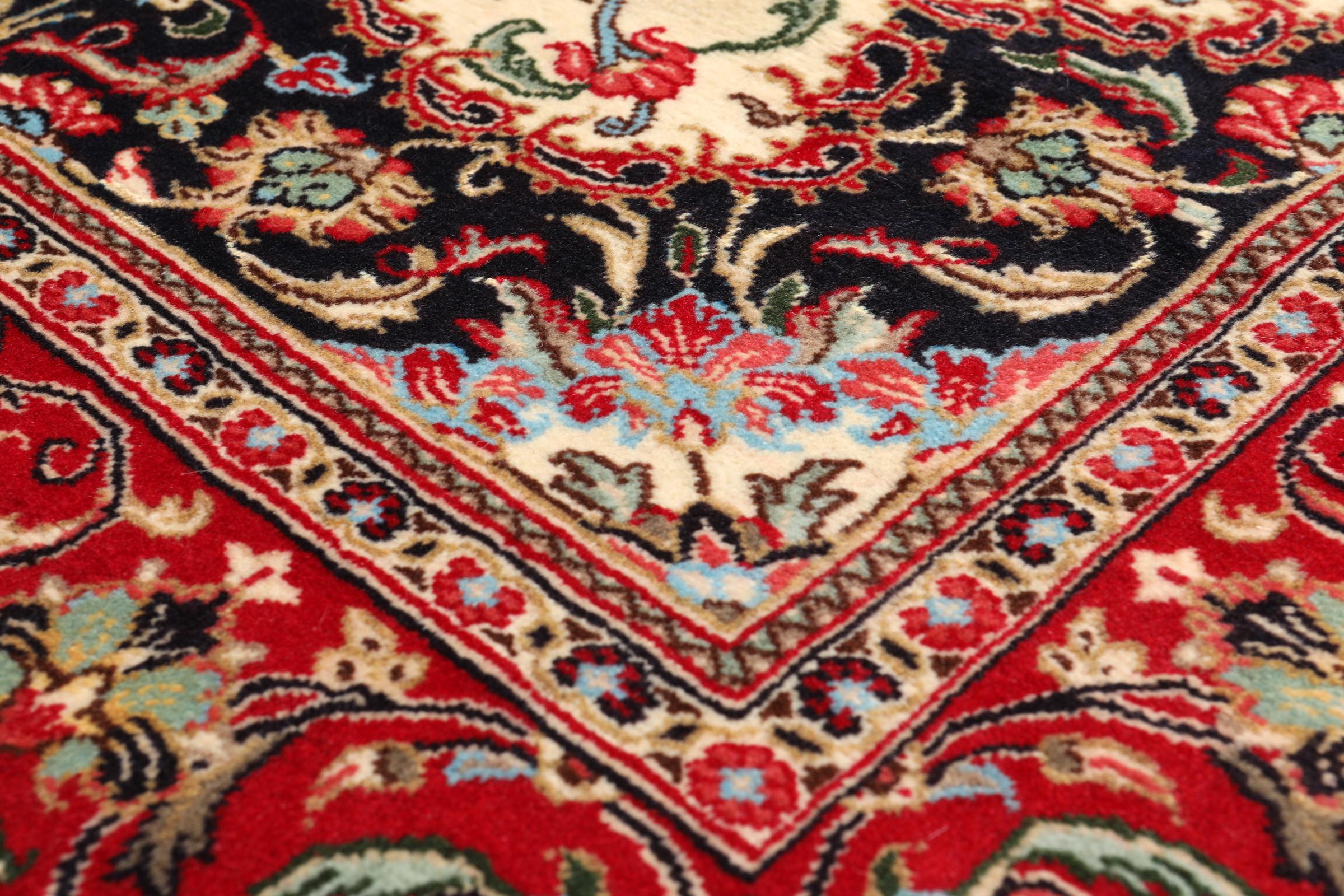
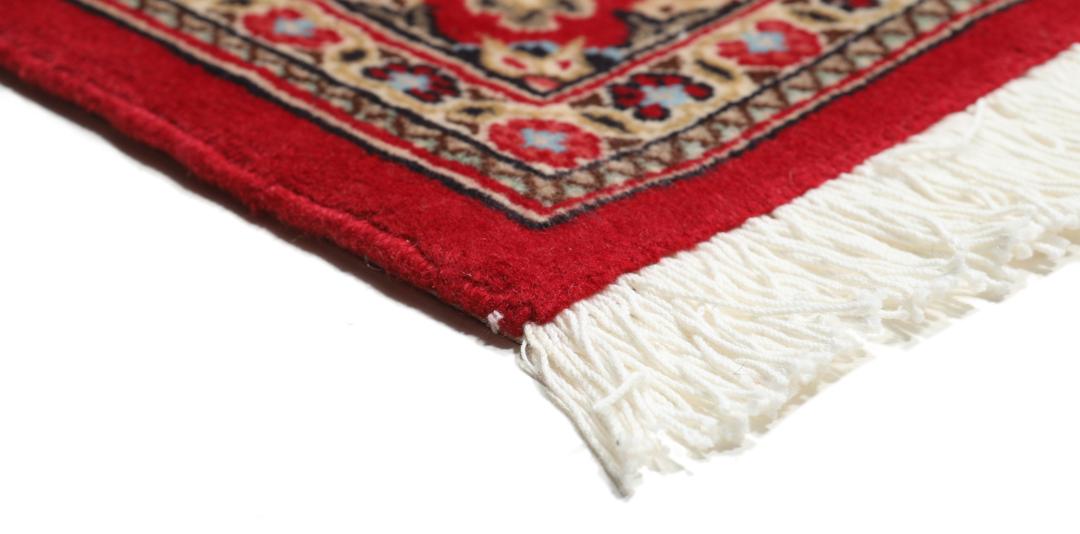
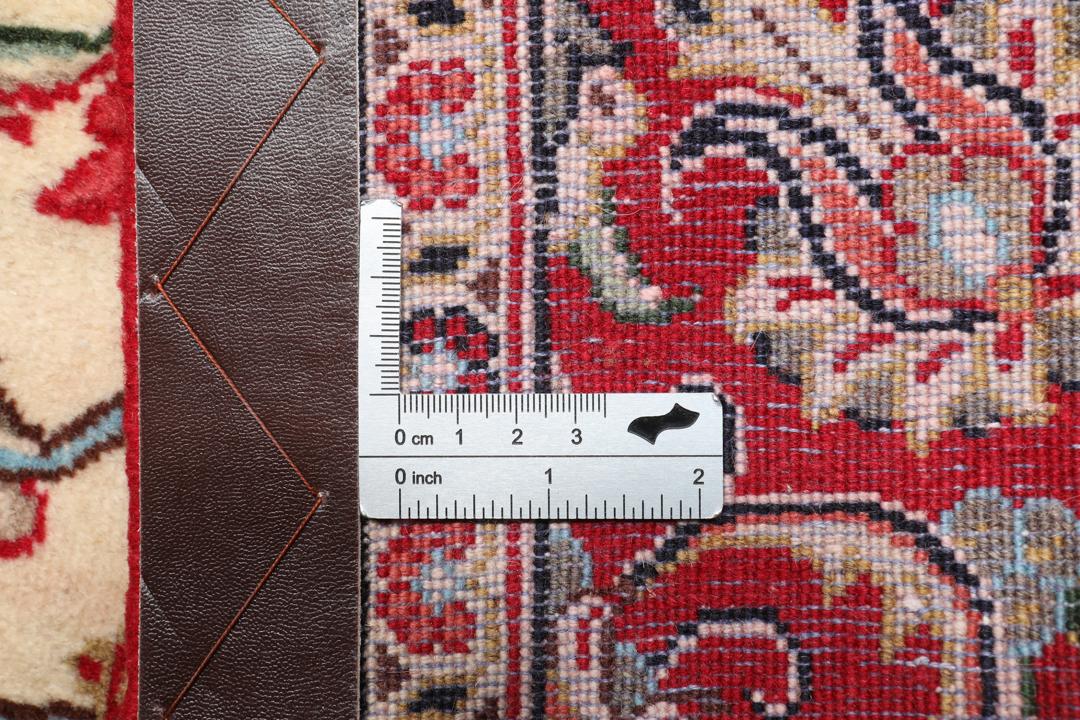
Sarouk rugs are famously known for their 'Sarouk-style' construction, which often features a dense, heavy foundation. This technical foundation is what allows for the rich, multi-layered floral designs that have become the hallmark of the region. The use of high-quality materials ensures that the pile remains resilient, providing a lustrous finish that catches the light and emphasises the depth of the woven motifs.
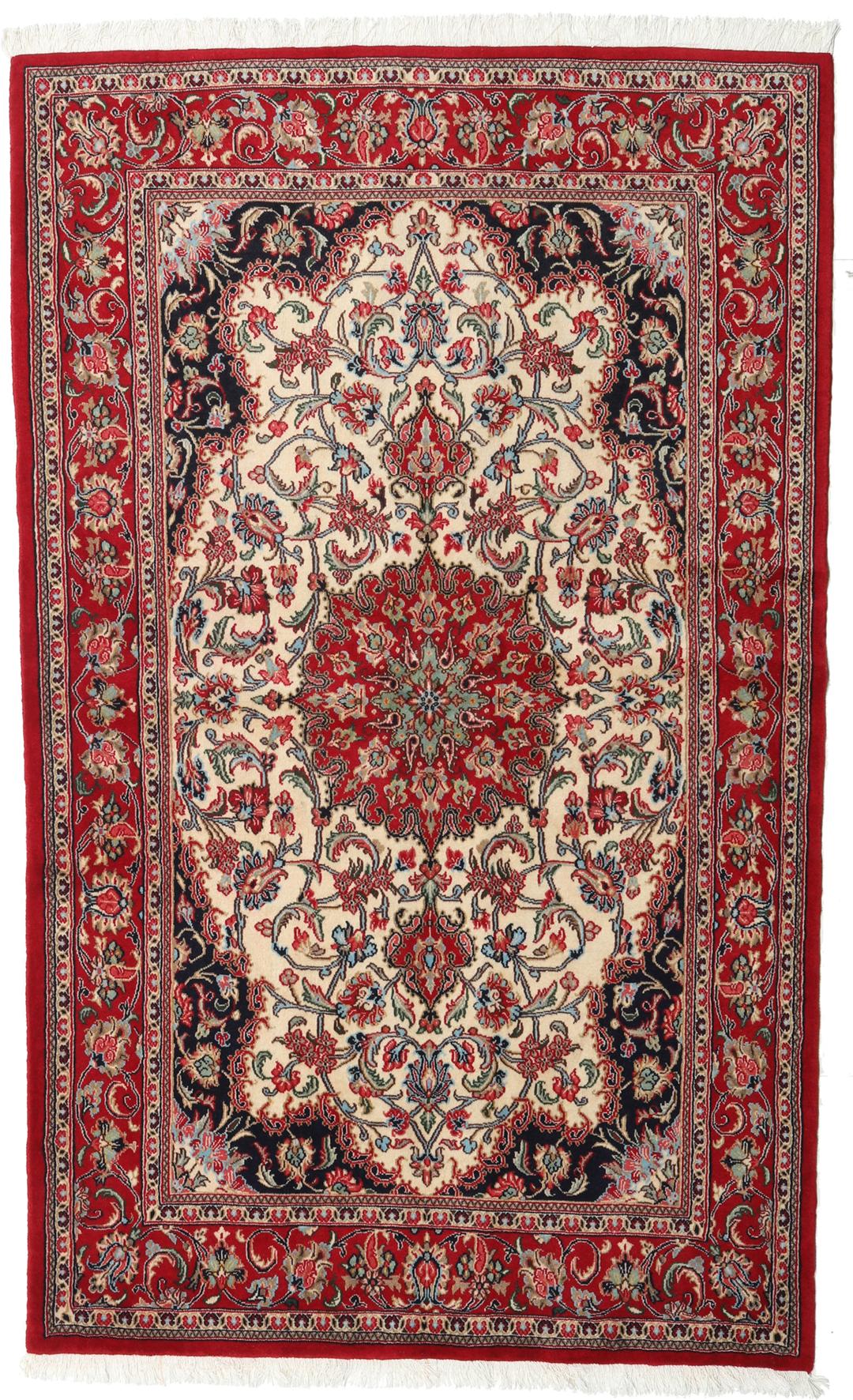
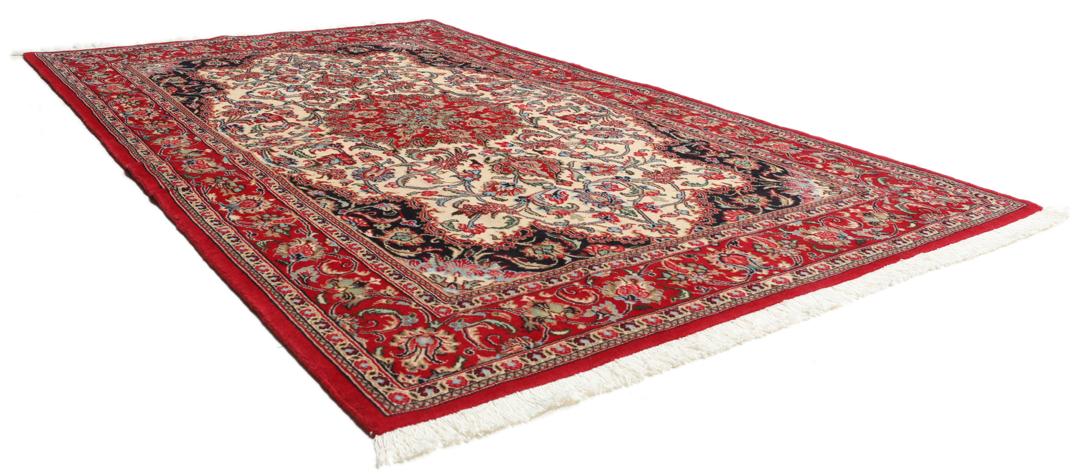
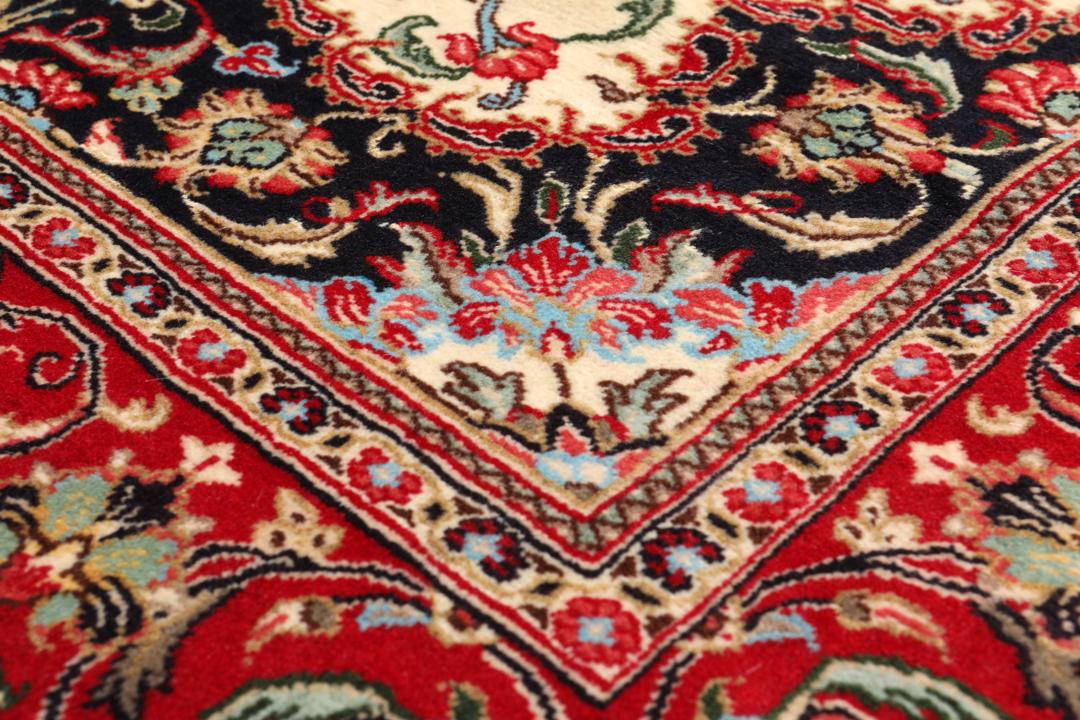
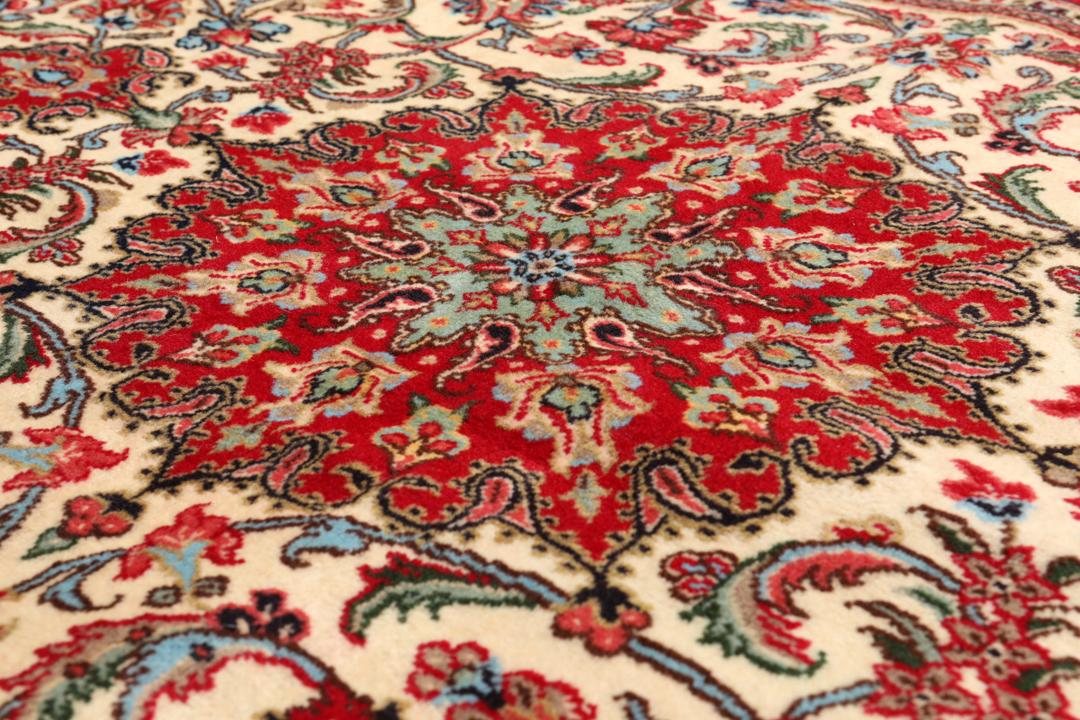
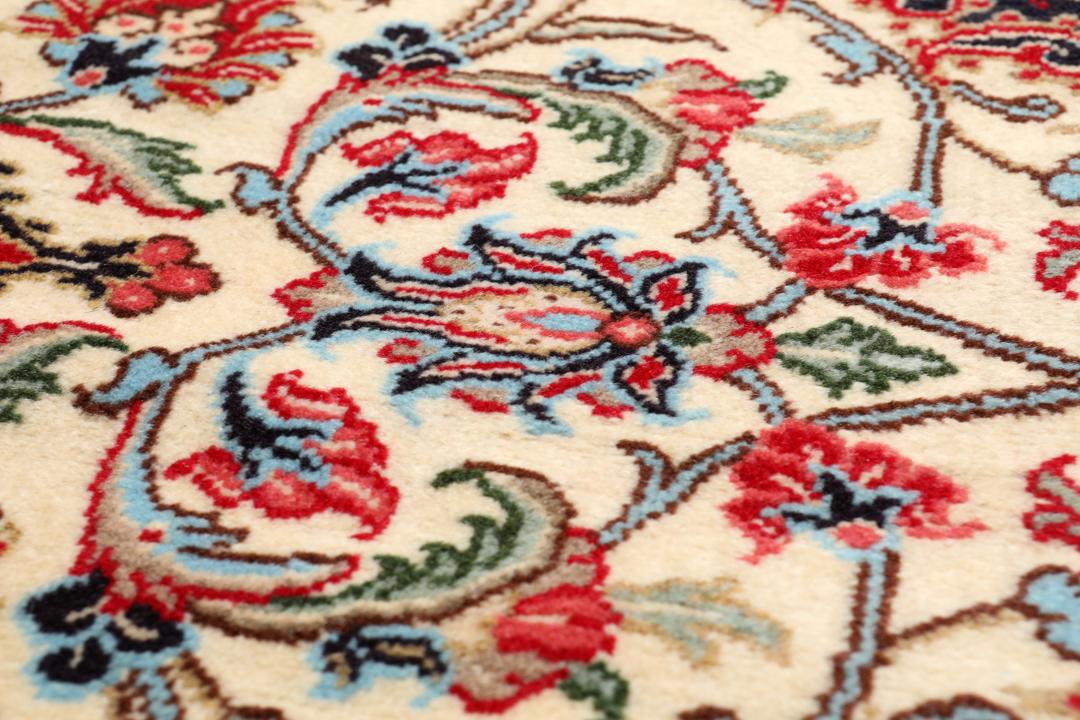
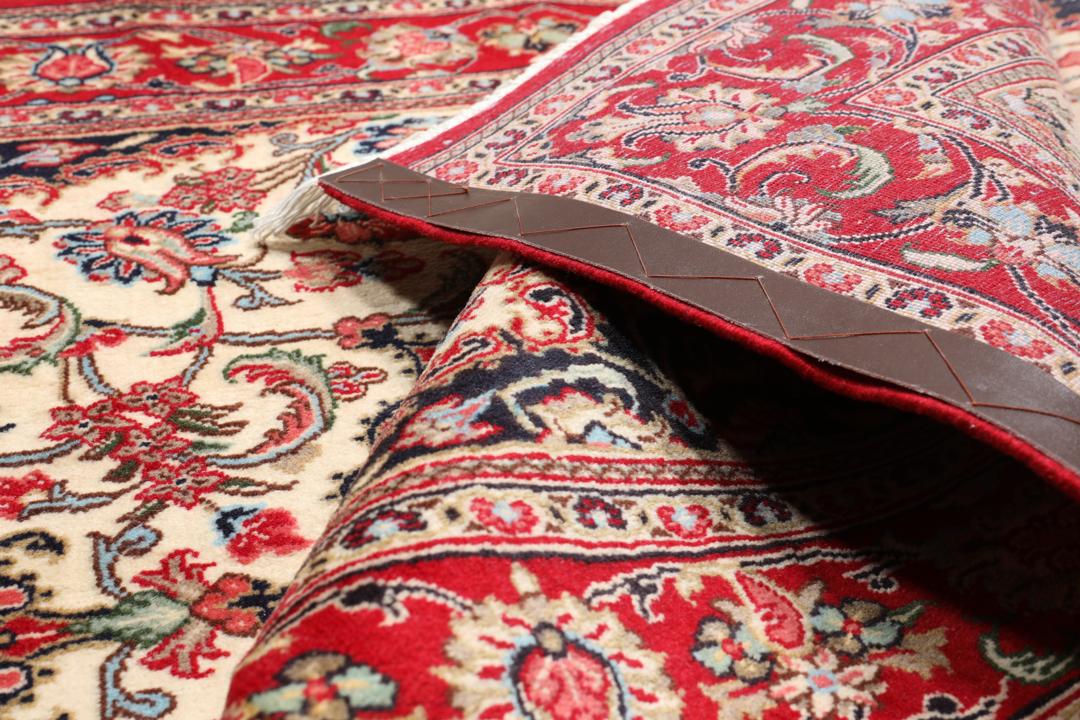
The design language of a Sarouk typically revolves around a central medallion surrounded by a sea of delicate, interconnected floral sprays, vines, and palmettes. The borders are often formal and wide, serving as a frame for the more organic, flowing patterns of the field. While traditional palettes often favour deep reds and blues, each piece carries its own unique character, often reflecting the specific preferences of the master weaver who created it.
Collecting a Sarouk is an act of preserving a heritage that spans centuries. These rugs are highly valued for their durability and their ability to improve with age, often developing a beautiful patina that only enhances their aesthetic appeal. Owning one is a mark of appreciation for the skill and cultural narrative embedded in every knot, a connection to a craft that has been passed down through generations.