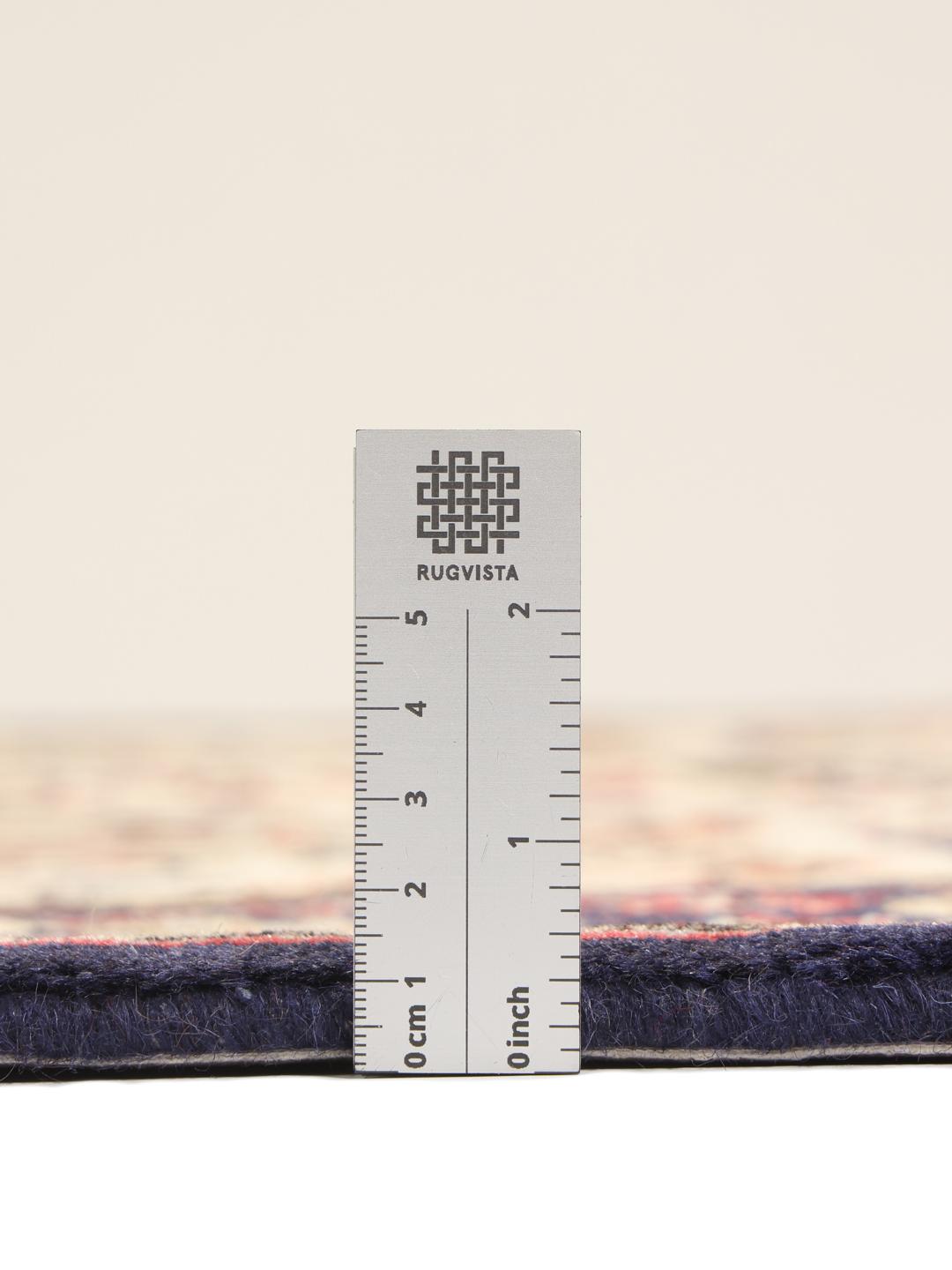
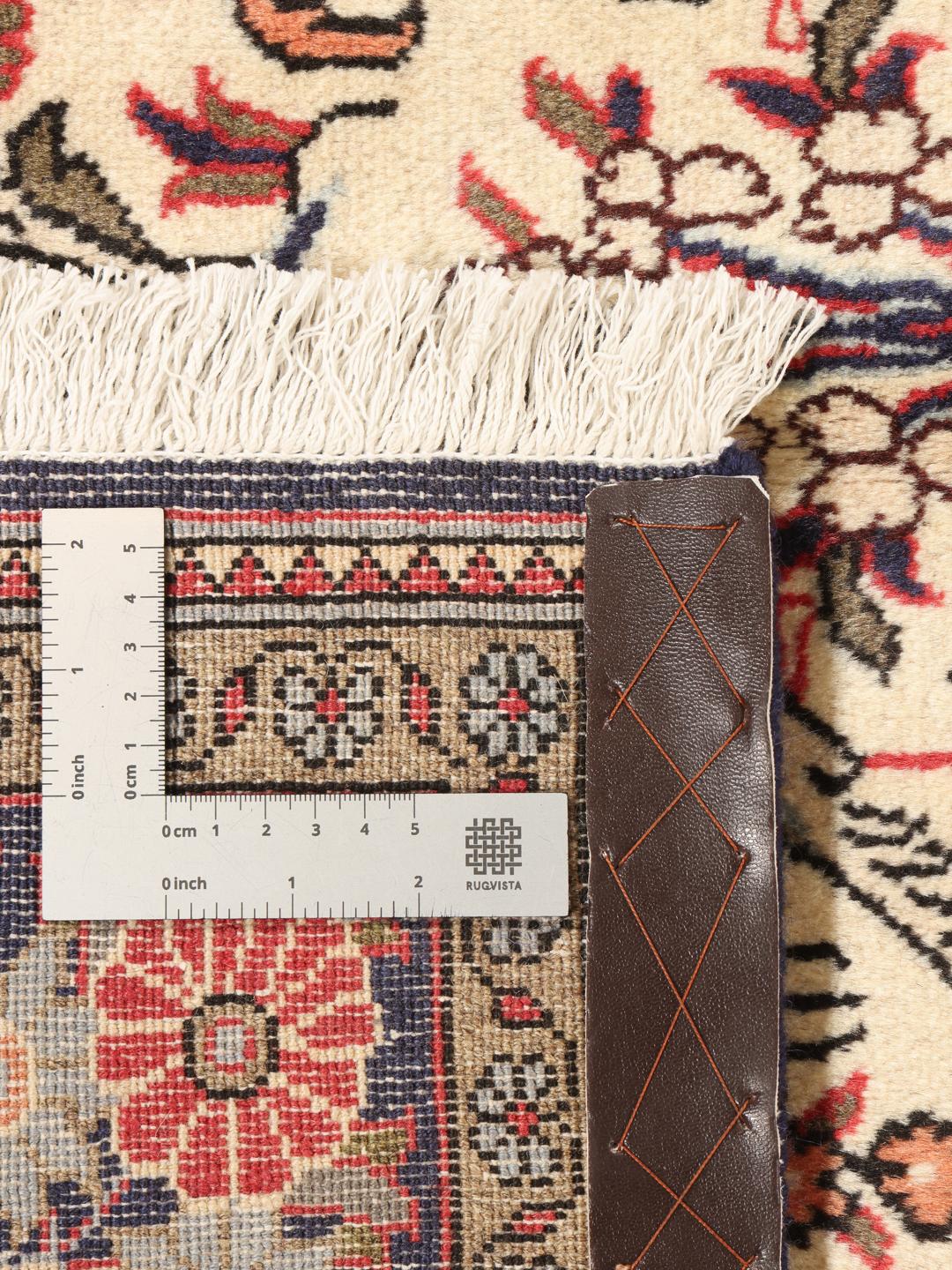
The Sarouk tradition originates from the village of the same name in the Arak region of the Middle East. Historically, this area became a central hub for rug production during the late 19th and early 20th centuries, when weavers began creating pieces specifically for international markets. These rugs quickly gained a reputation for their exceptional durability and the high quality of the wool used in their construction.
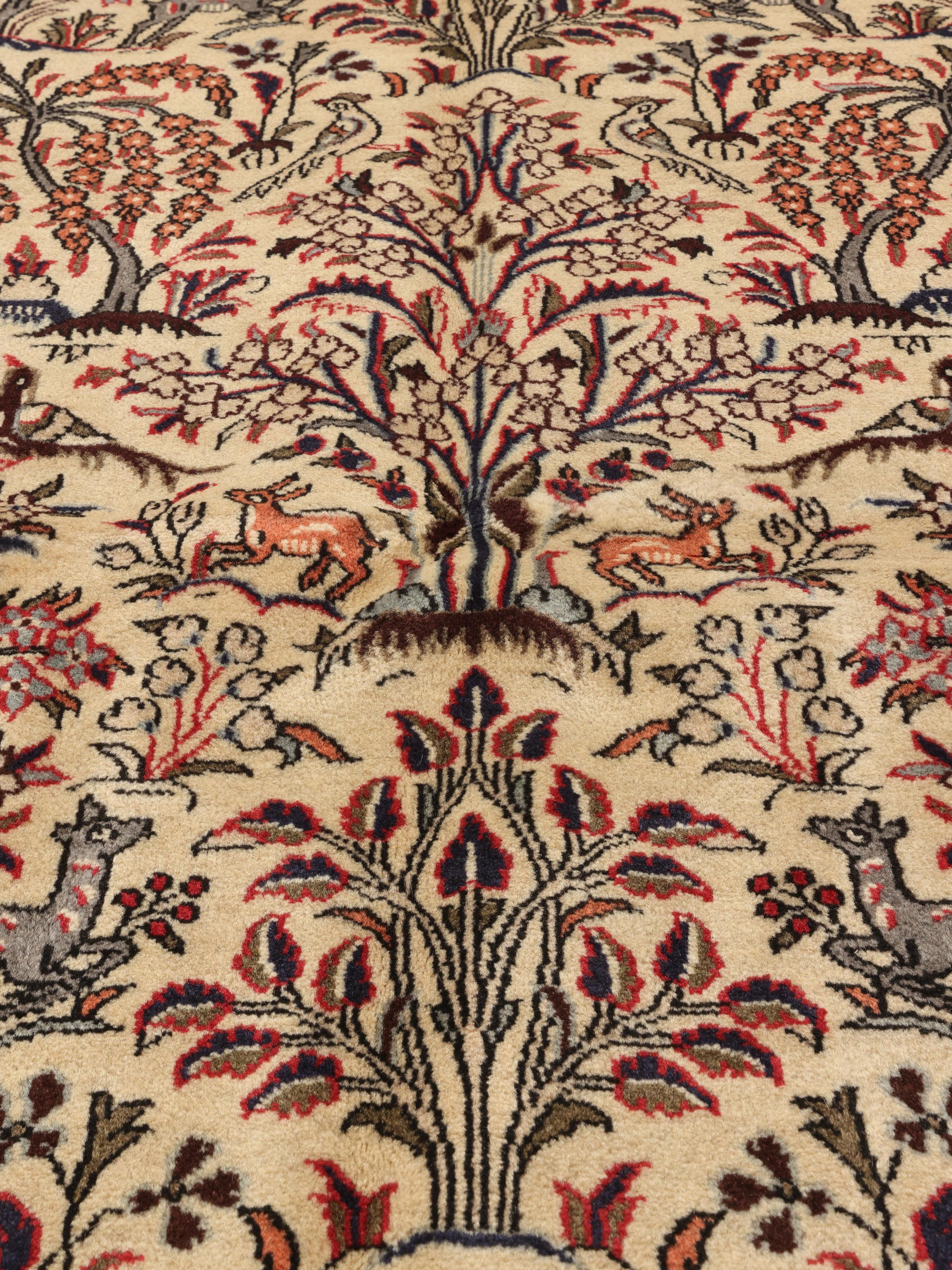
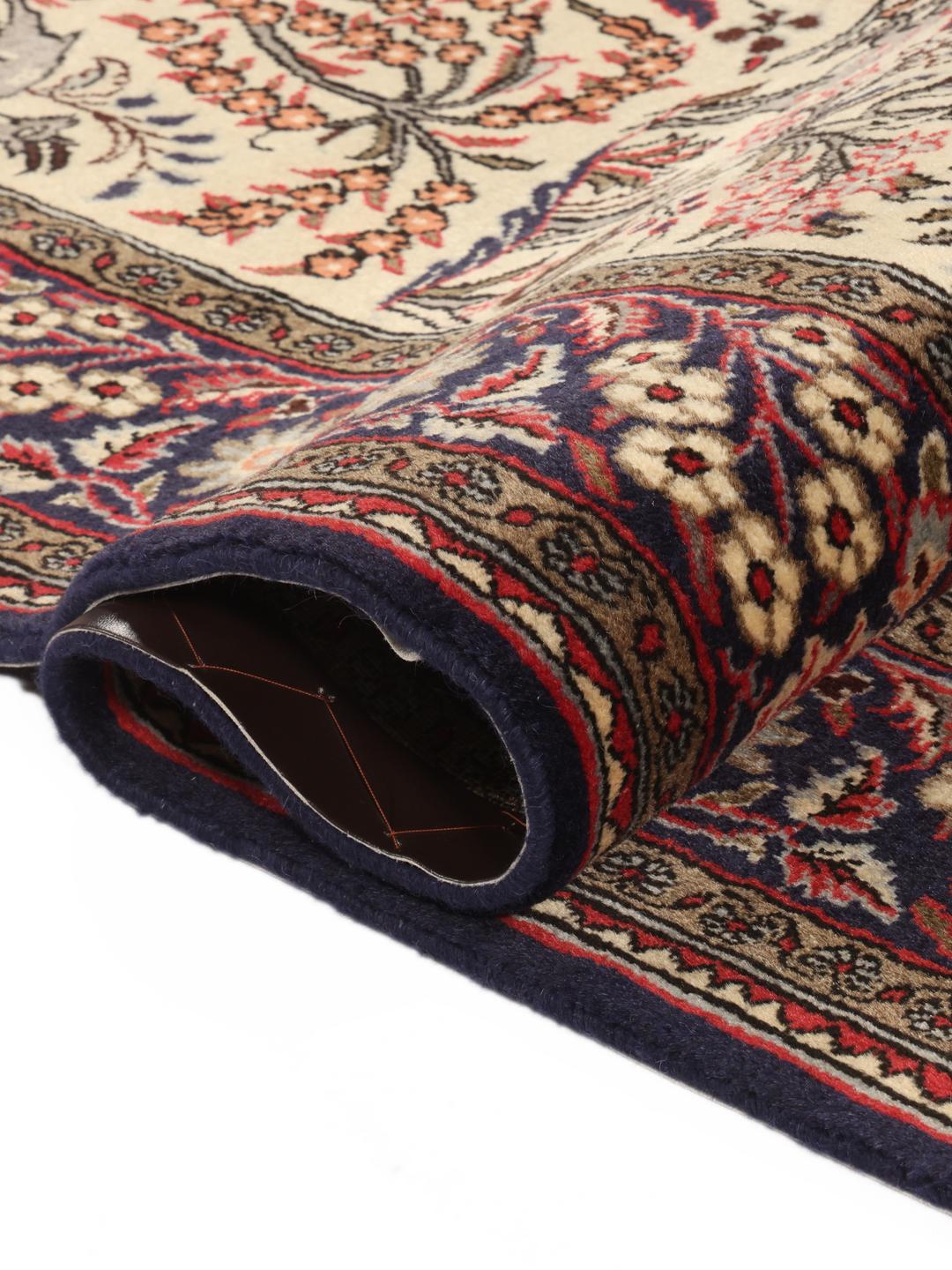
Technical mastery is at the heart of the Sarouk style. The use of a dense pile and sturdy foundation allows for intricate, curvilinear patterns that require significant skill to execute. The term 'Kork' refers to a high-quality, soft wool harvested from the neck area of sheep, which adds an extra layer of lustre and softness to the finished piece compared to standard wool weaves.
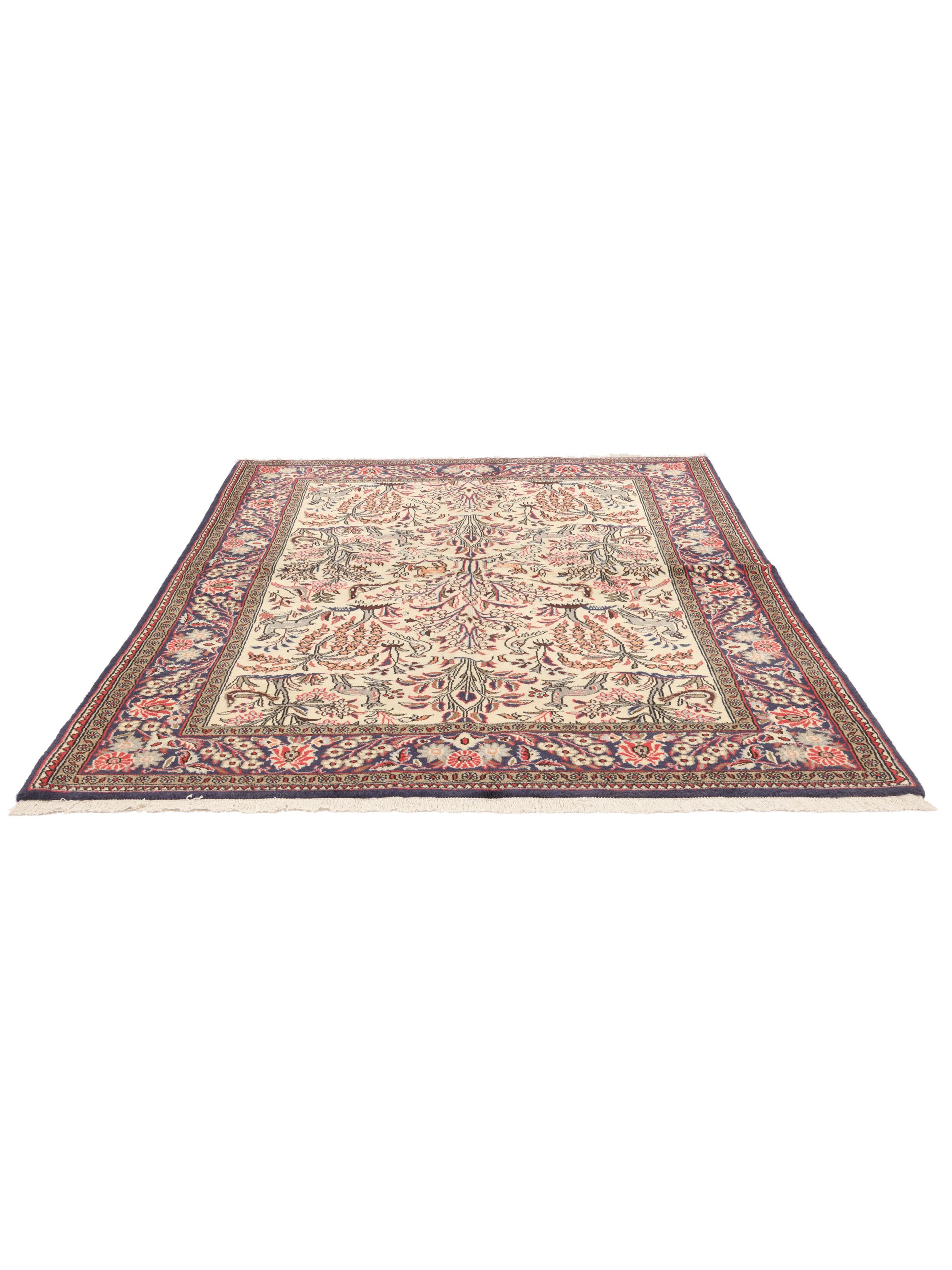
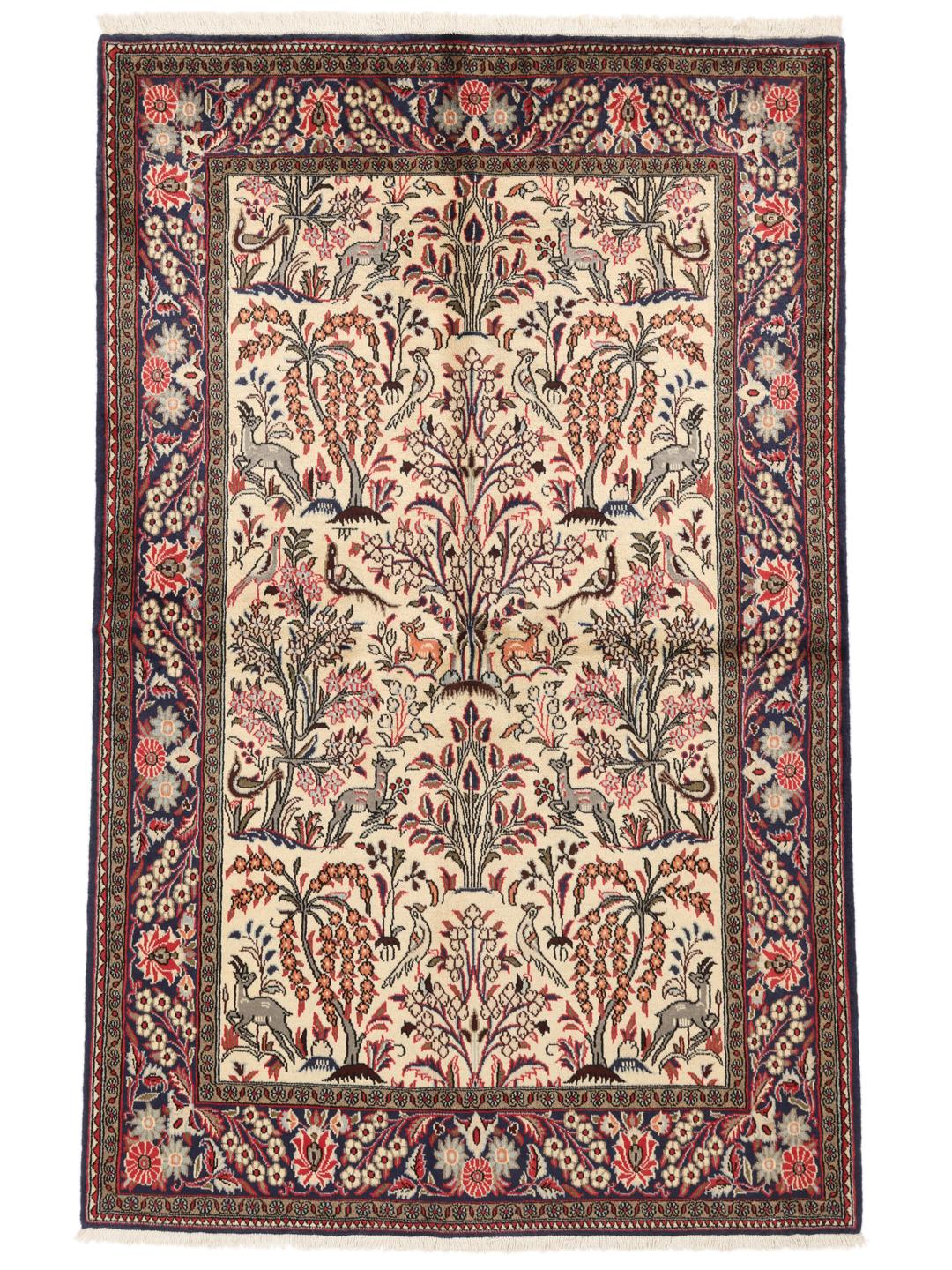
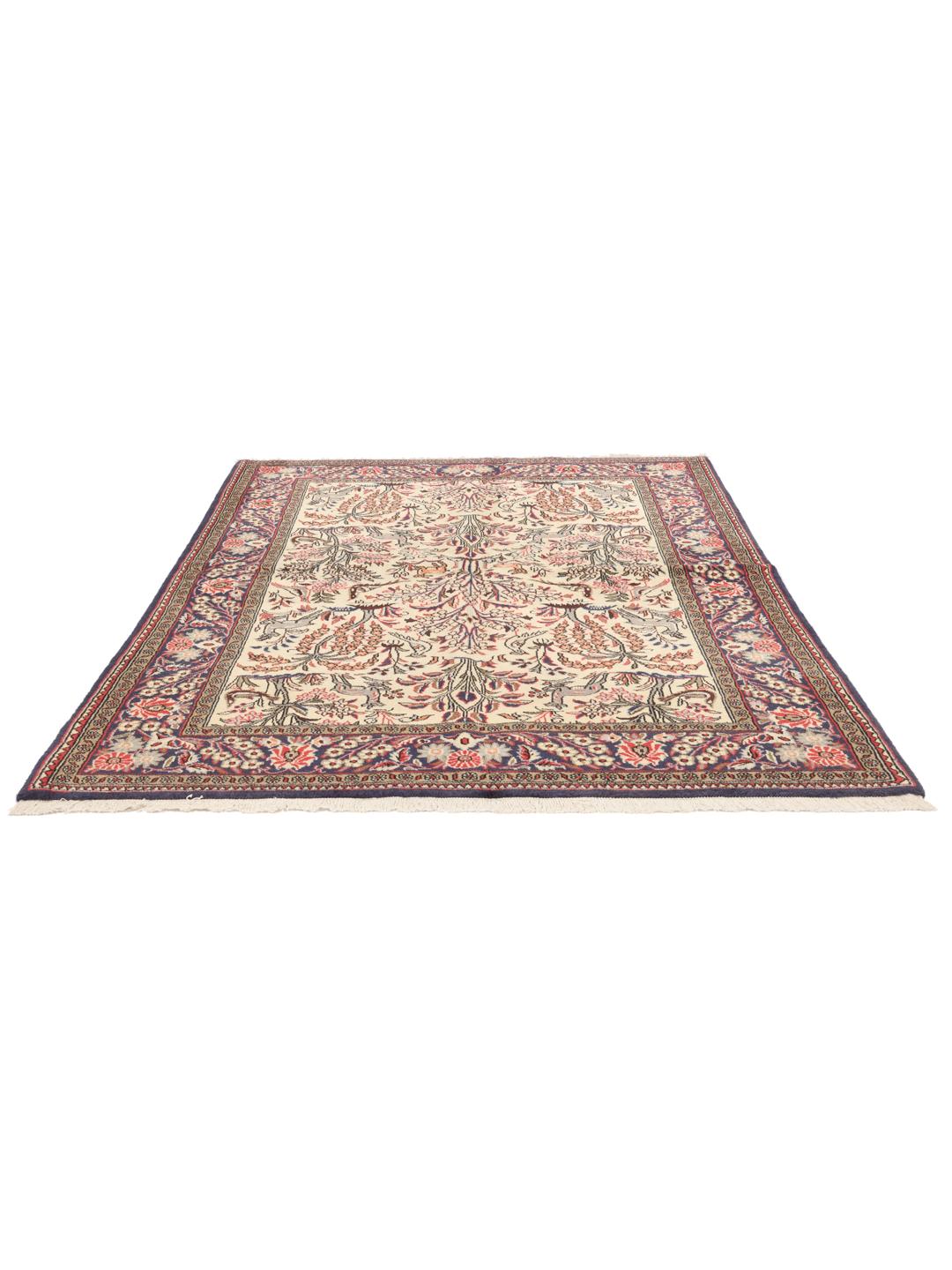
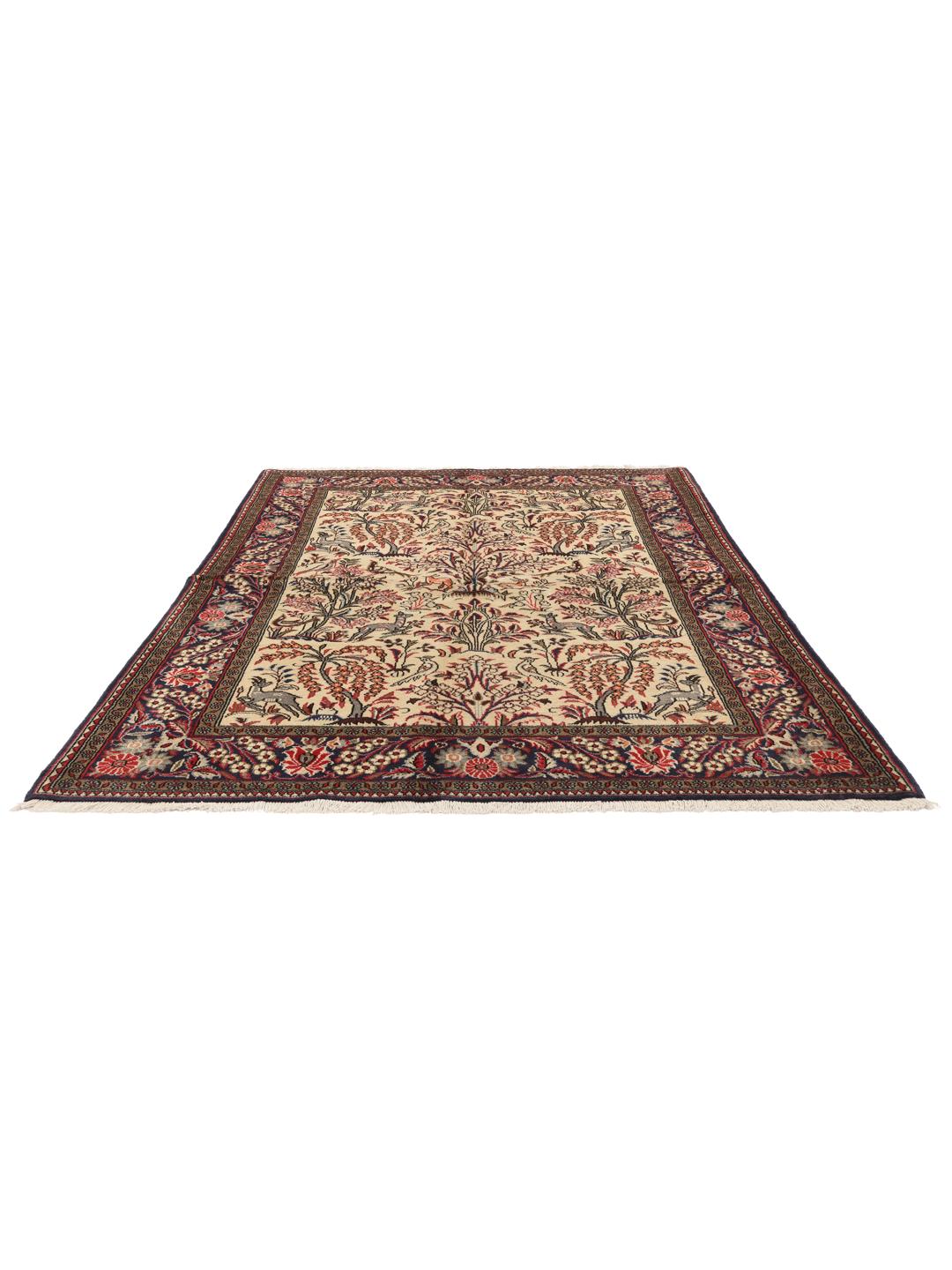
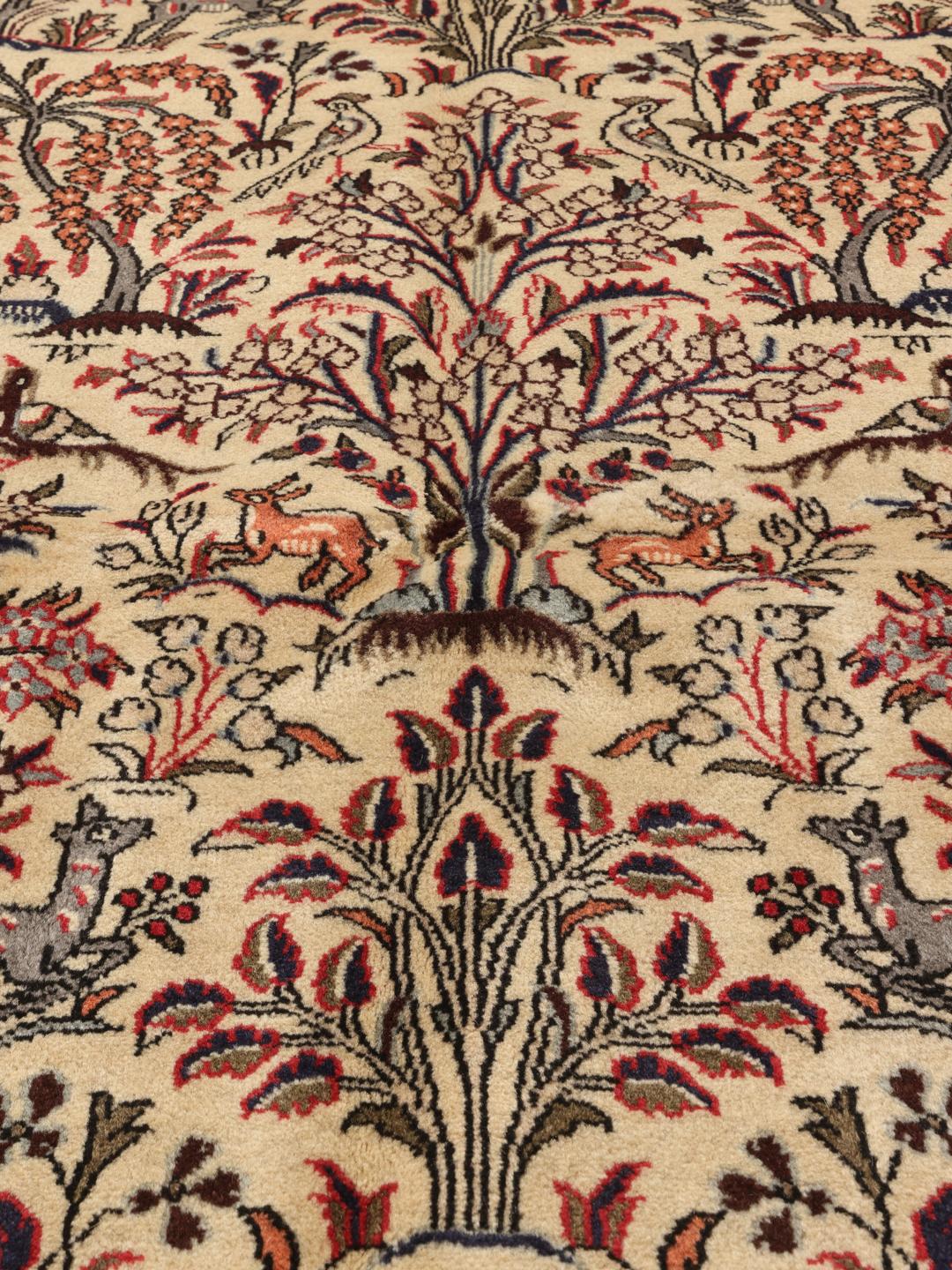
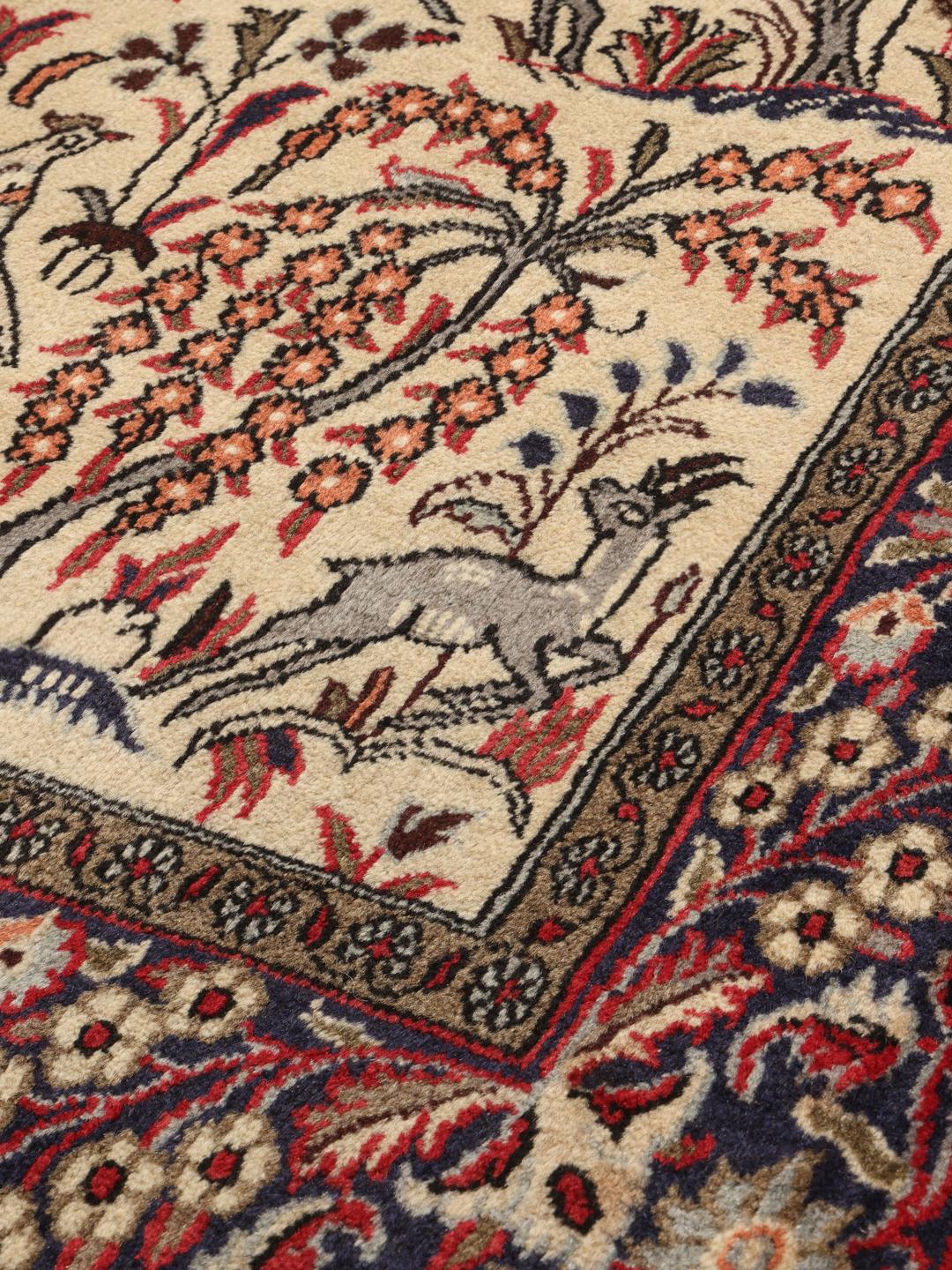
Visually, Sarouk rugs are famous for their elegant floral motifs, often featuring a central medallion or, as seen here, a flowing garden design filled with trees, birds, and animals. The borders are typically formal and well-proportioned, framing the field to create a sense of balance. This particular rug captures the essence of the 'tree of life' motif, a classic design element that has been cherished in Middle Eastern weaving for generations.
Collectors value these rugs for their ability to blend historical design with lasting utility. Owning a piece from this tradition is an investment in cultural heritage, representing a lineage of craft that has been passed down through families for centuries. It remains a favoured choice for those who appreciate the intersection of artistic storytelling and functional, long-lasting home design.