The Sarouk rug tradition finds its roots in the village of the same name, located in the central region of the Middle East. Historically, these rugs were highly sought after for their robust construction and the use of high-quality wool, which allowed for intricate floral and medallion designs to be rendered with clarity and longevity. The region gained international acclaim in the early 20th century, becoming a hallmark of fine weaving.
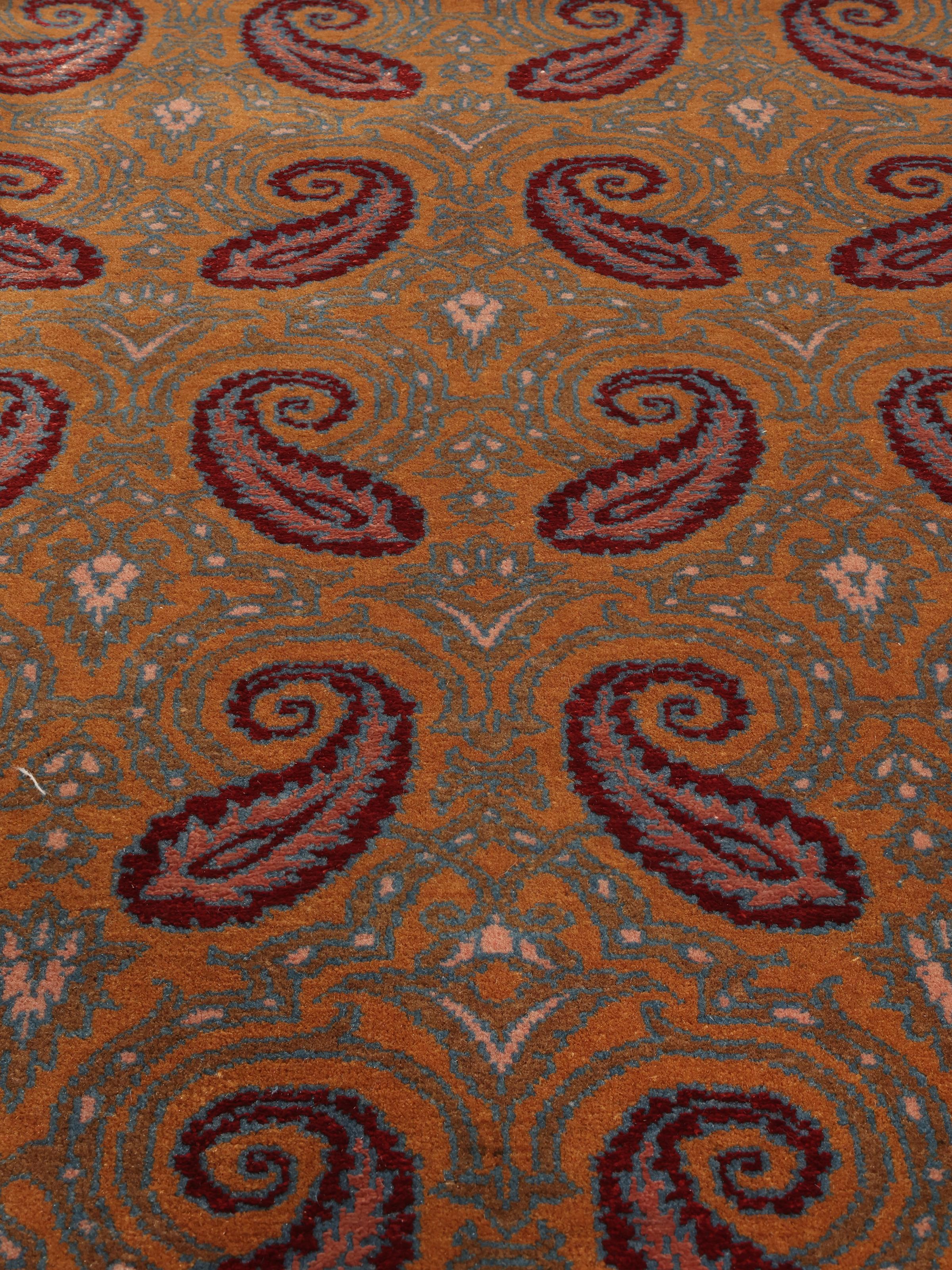
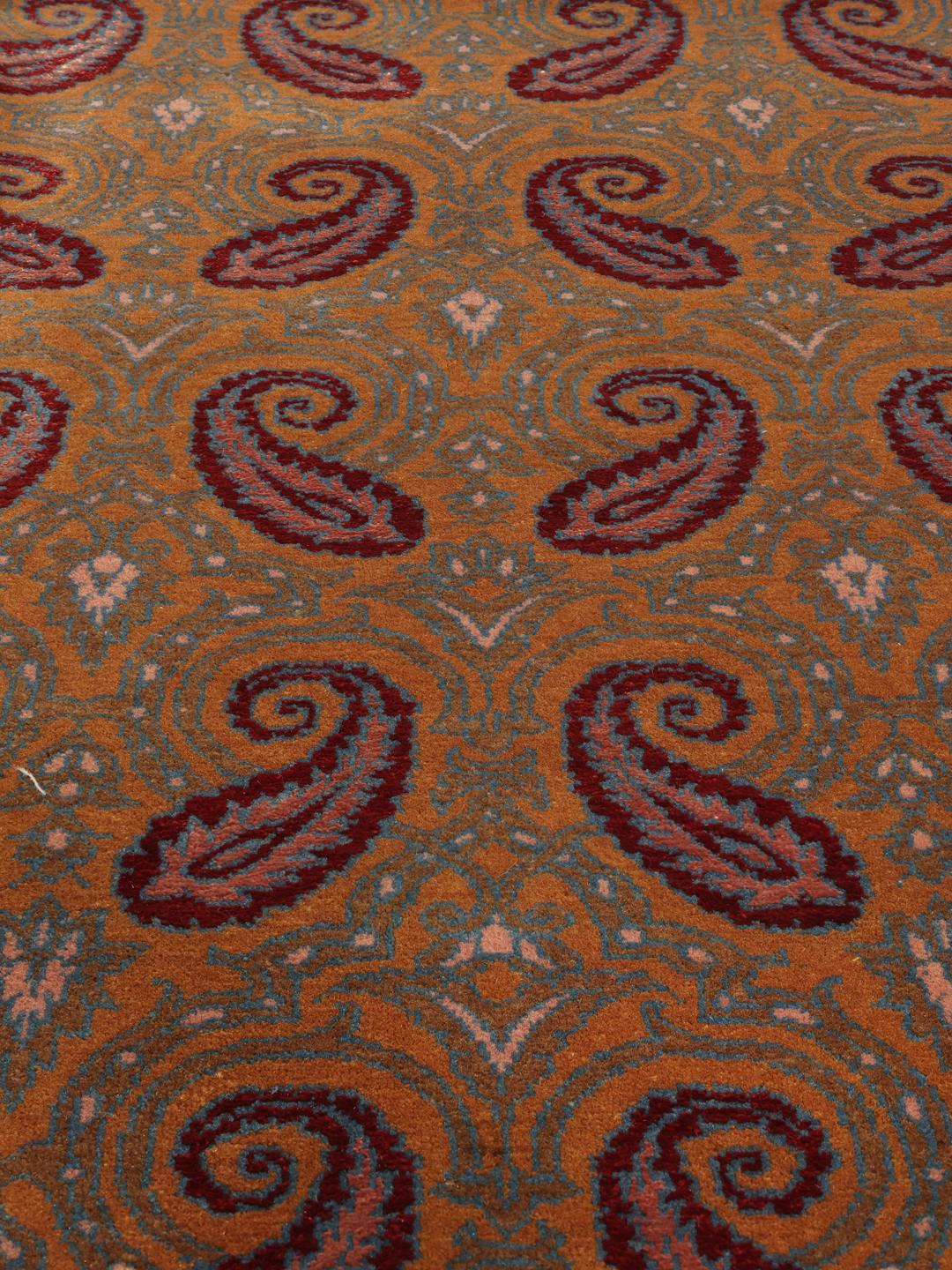
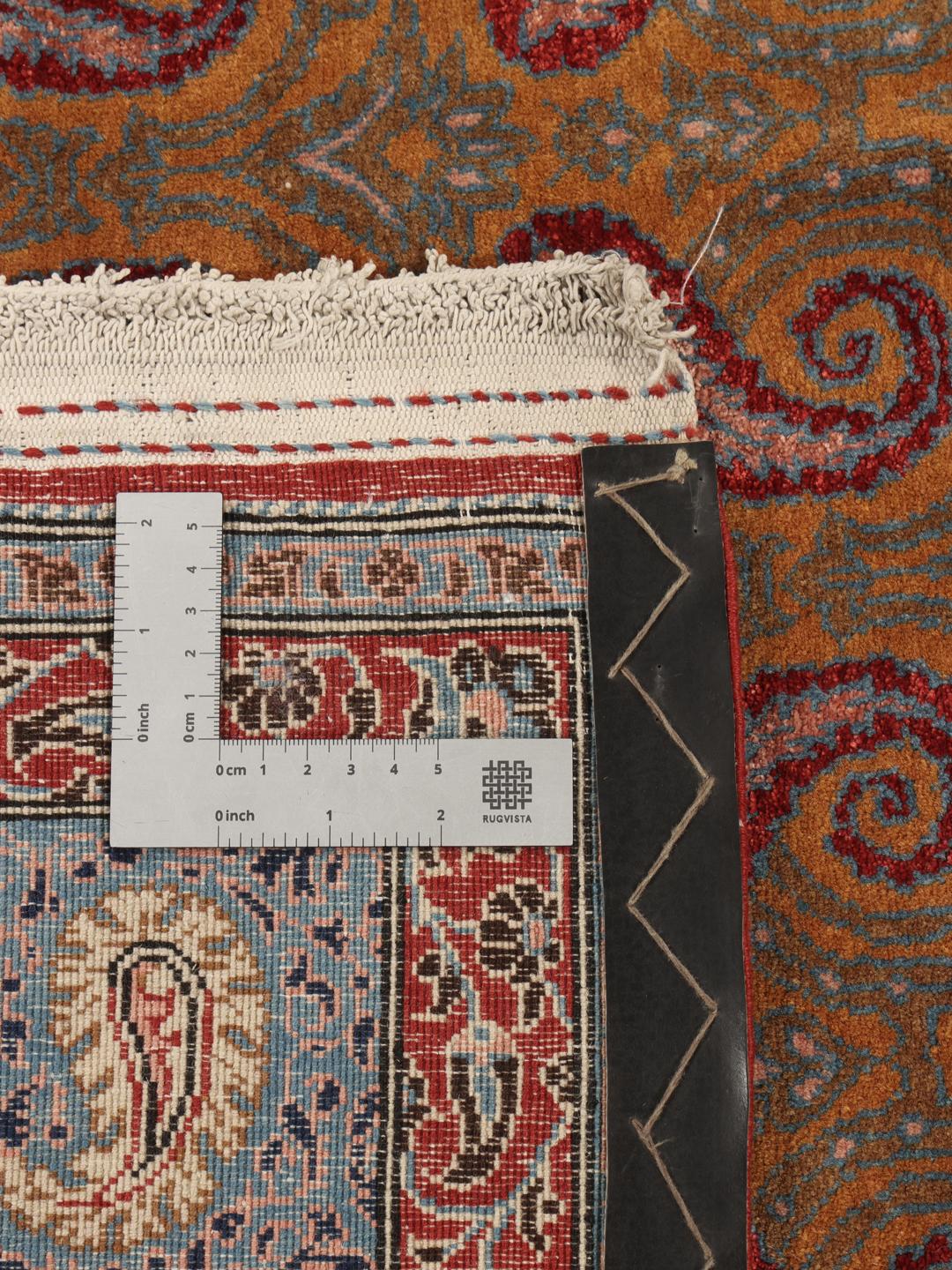
A key technical aspect of these rugs is the use of a dense knotting technique, which provides the foundation for their legendary durability. This density allows for a more complex and detailed design, as the individual knots are small enough to allow the weaver to create curves and fine lines that appear soft and organic. This creates a surface that is both visually rich and incredibly resilient to wear.
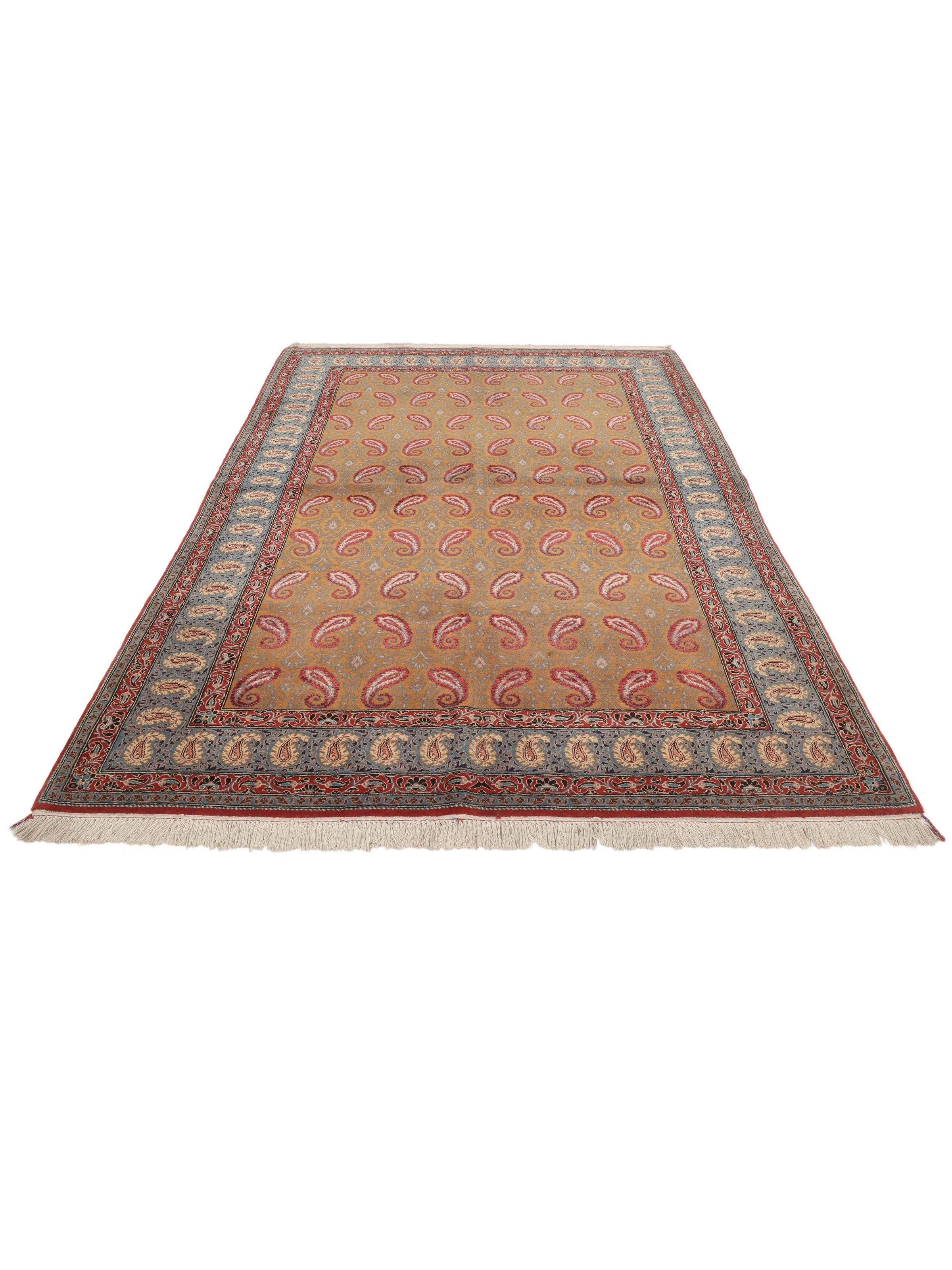
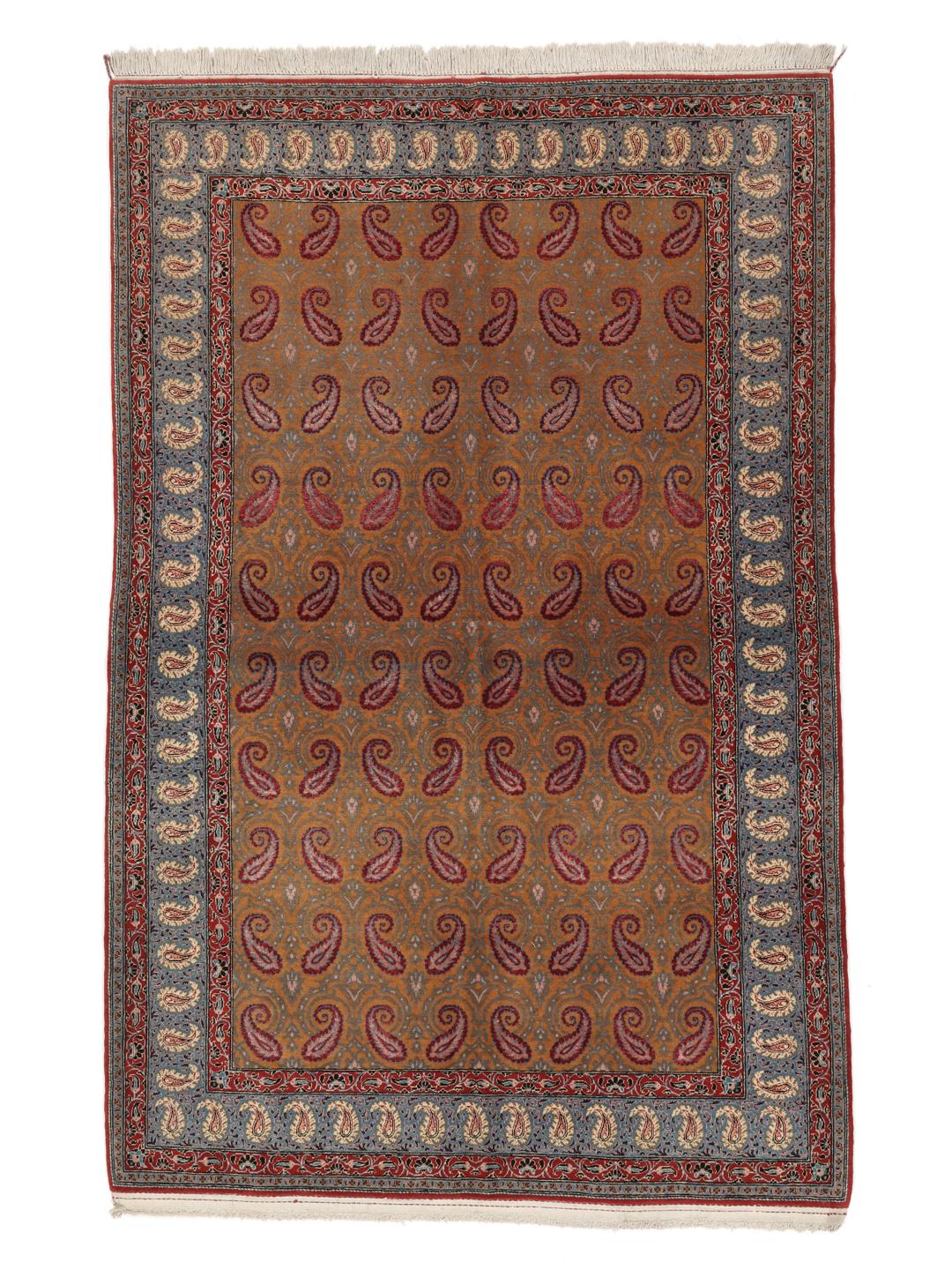
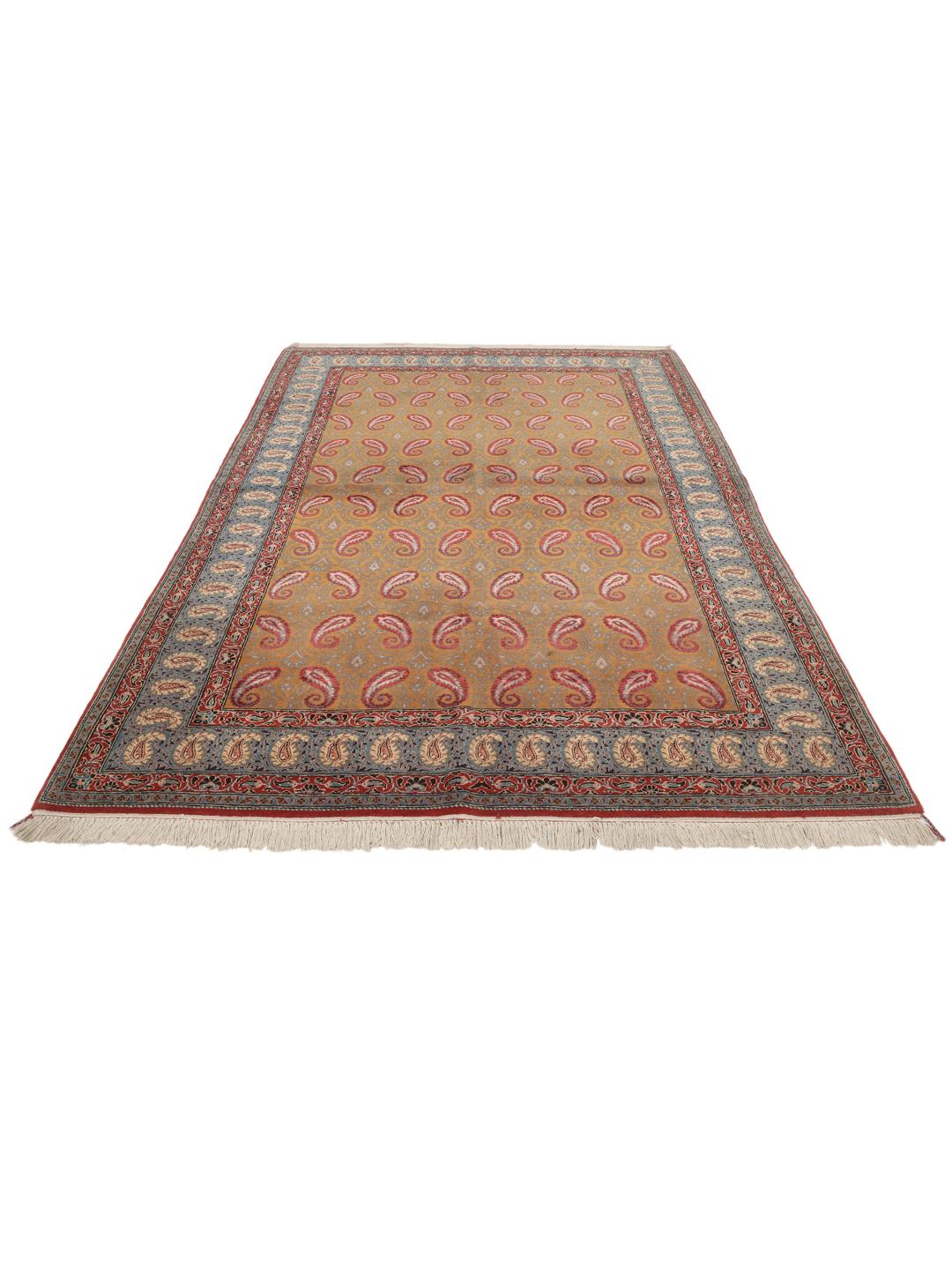
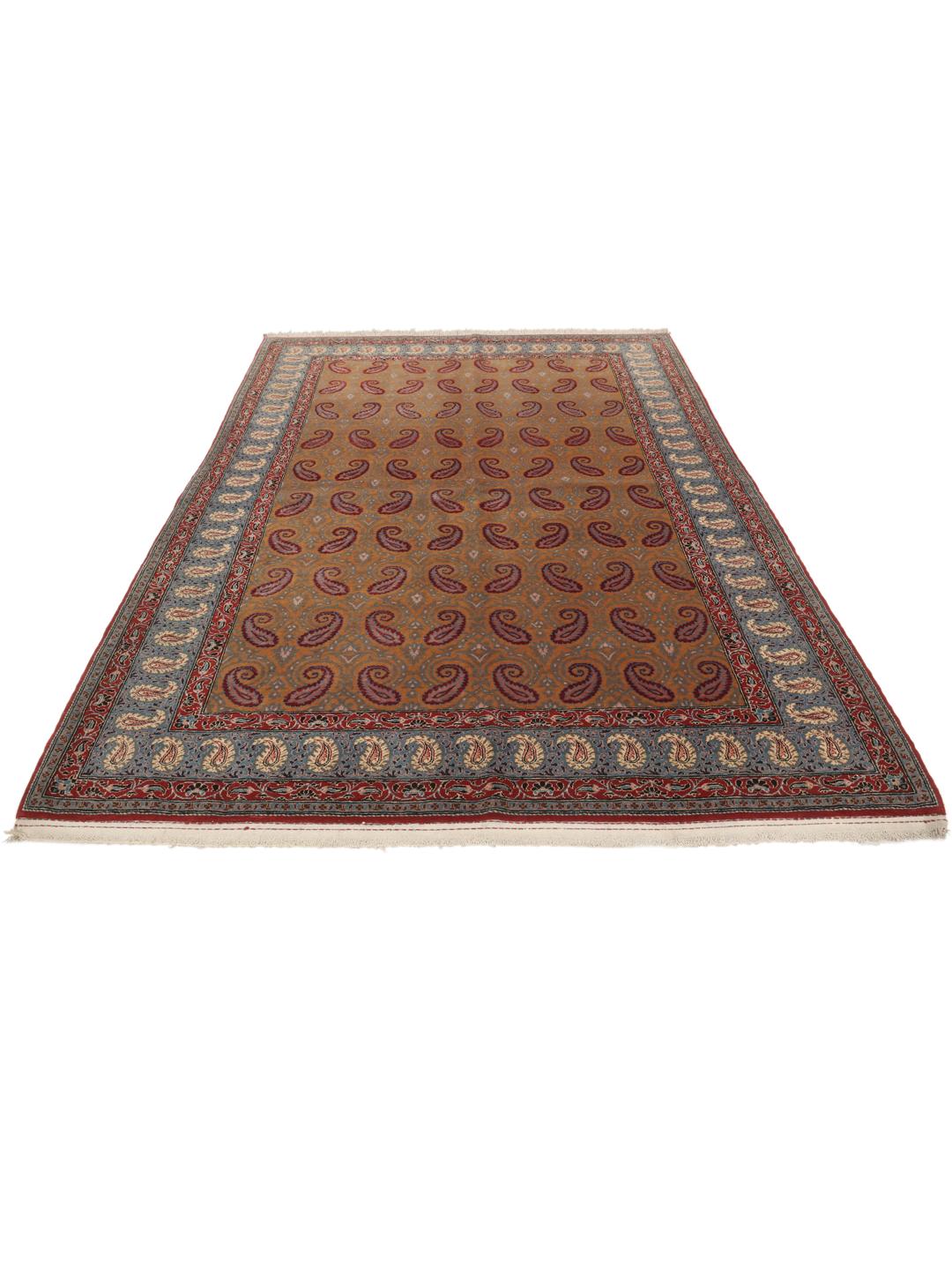
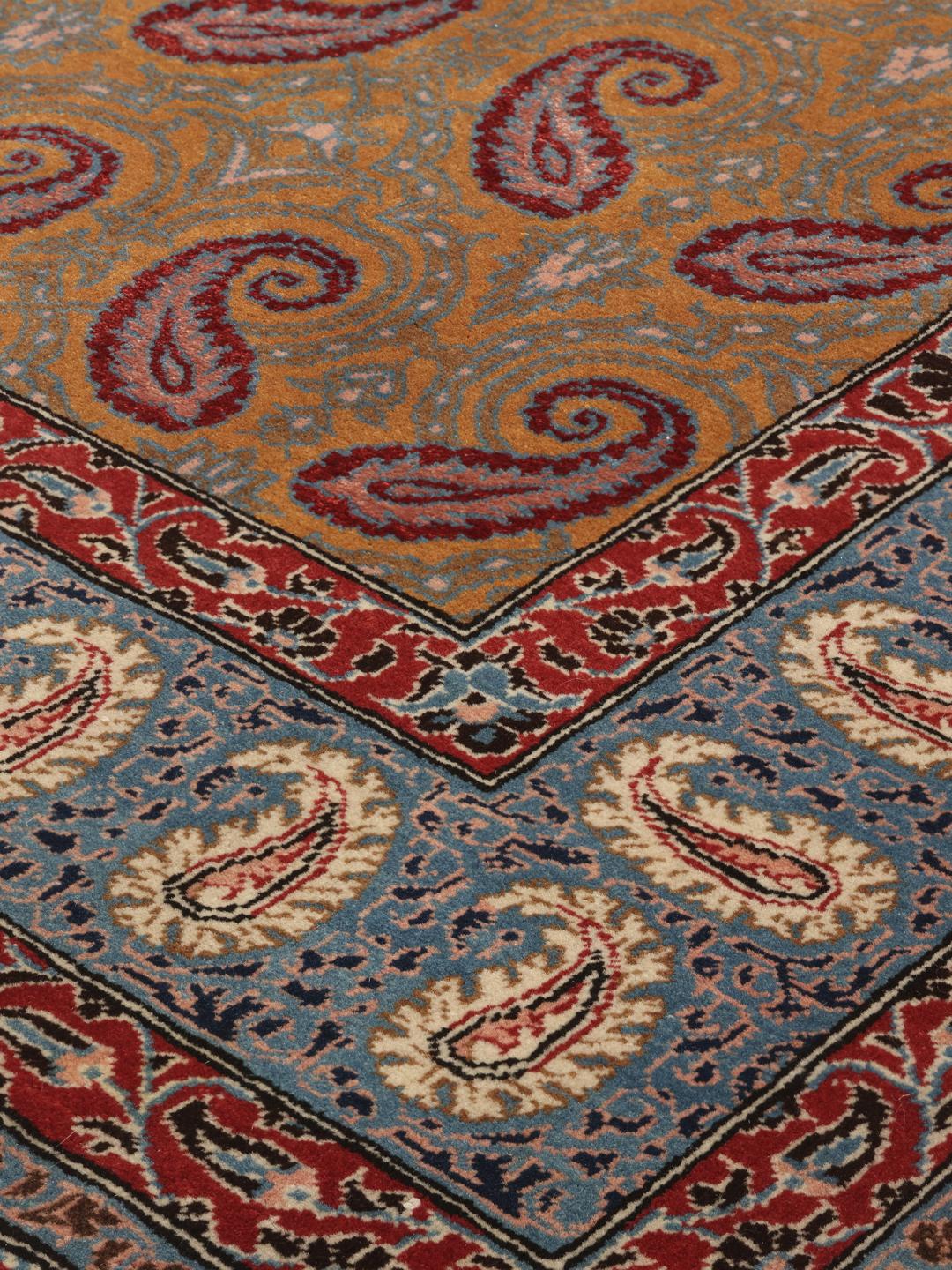
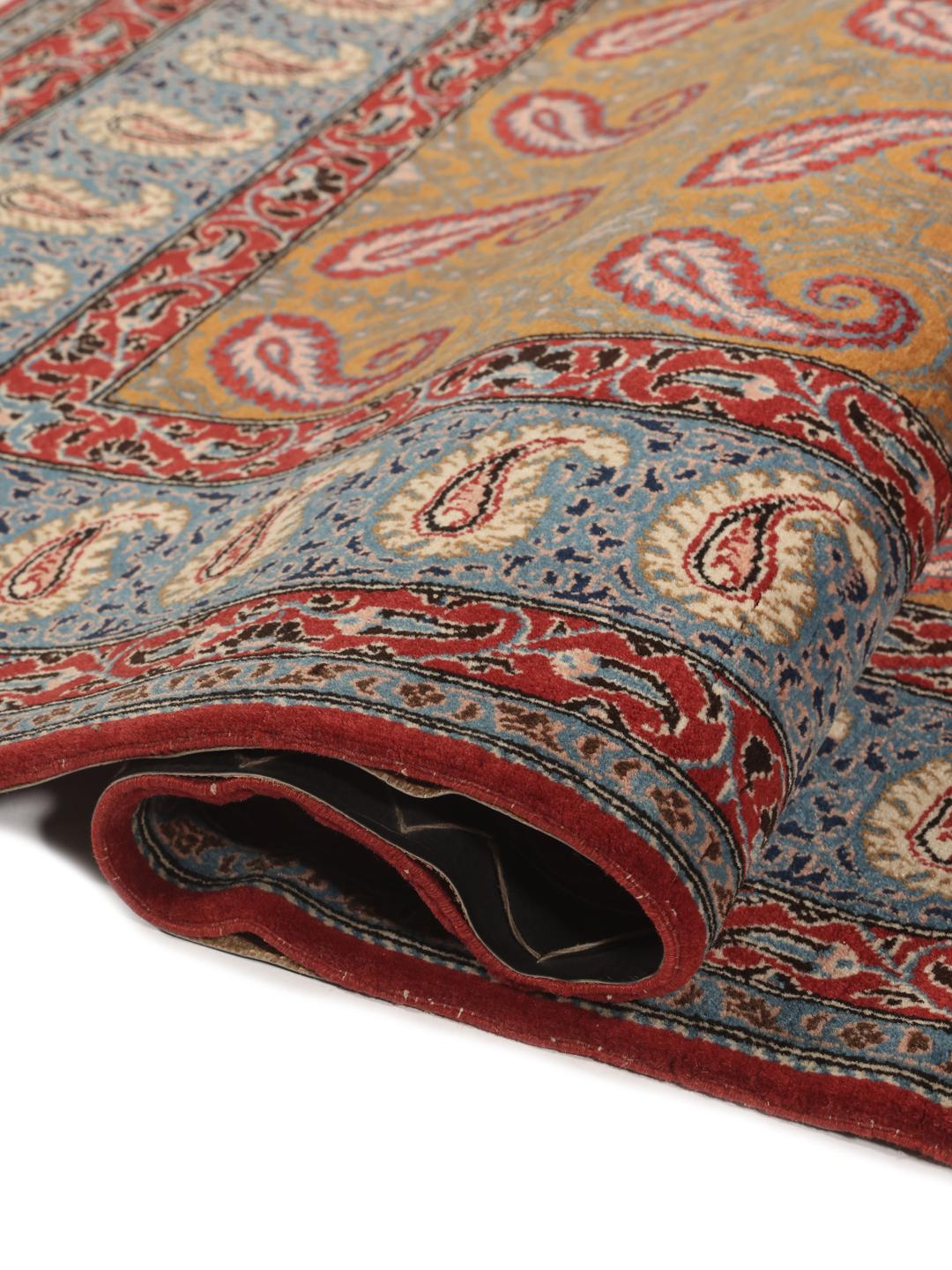
The visual language of a Sarouk is often defined by a central medallion or a sophisticated all-over floral pattern, typically set against a rich, saturated field. You will often find elegant paisley or boteh motifs, as seen in this piece, which add a sense of movement and grace to the composition. The borders are usually formal and well-proportioned, framing the field to create a balanced and harmonious look that fits perfectly in traditional settings.
Collecting these rugs is an investment in cultural heritage and human skill. Because they were created in a tradition that prioritises both aesthetic beauty and practical use, they have long been valued by collectors who appreciate the history woven into every thread. Owning one allows you to participate in a centuries-old craft that honours the connection between the maker and the home.