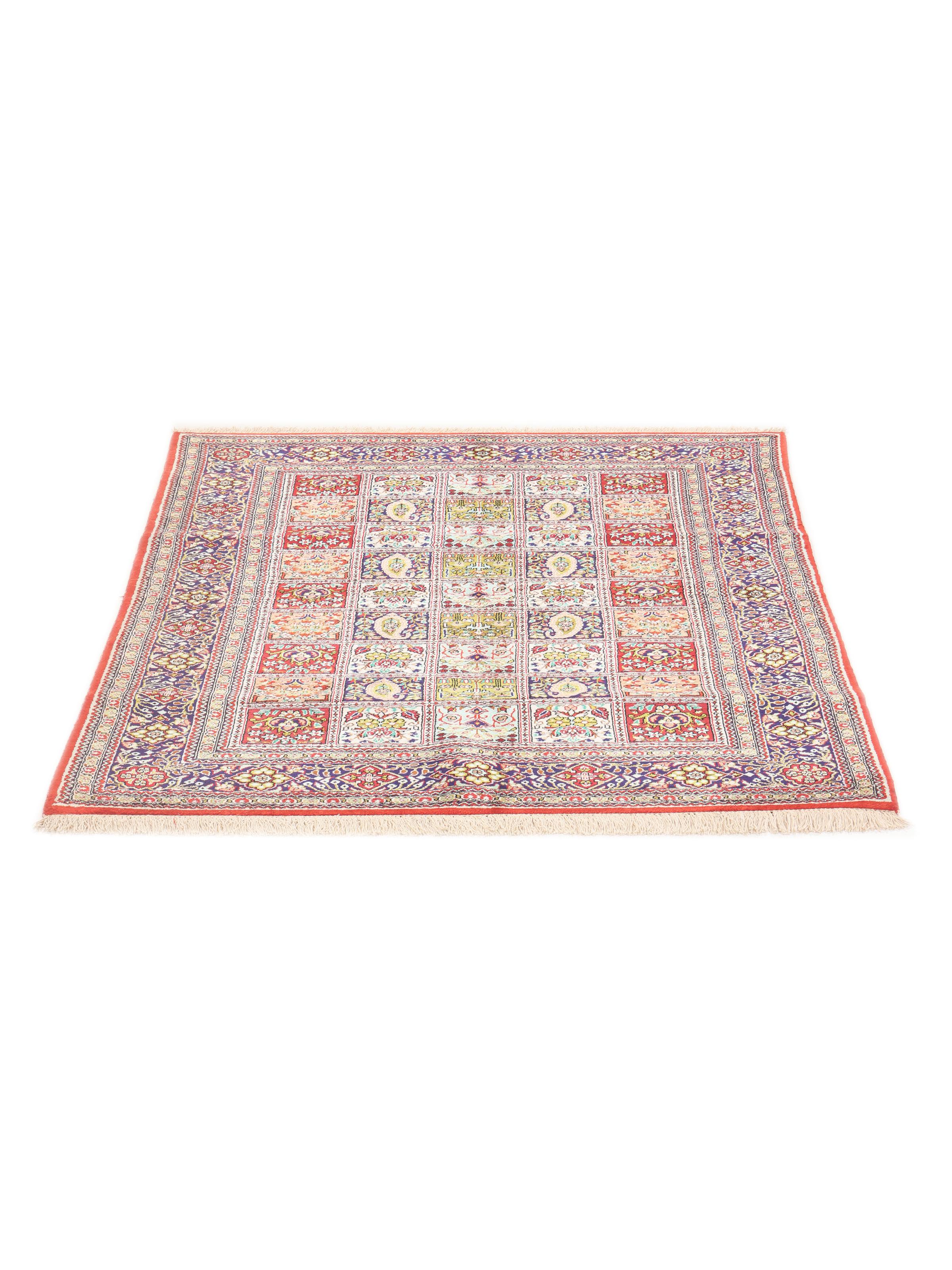
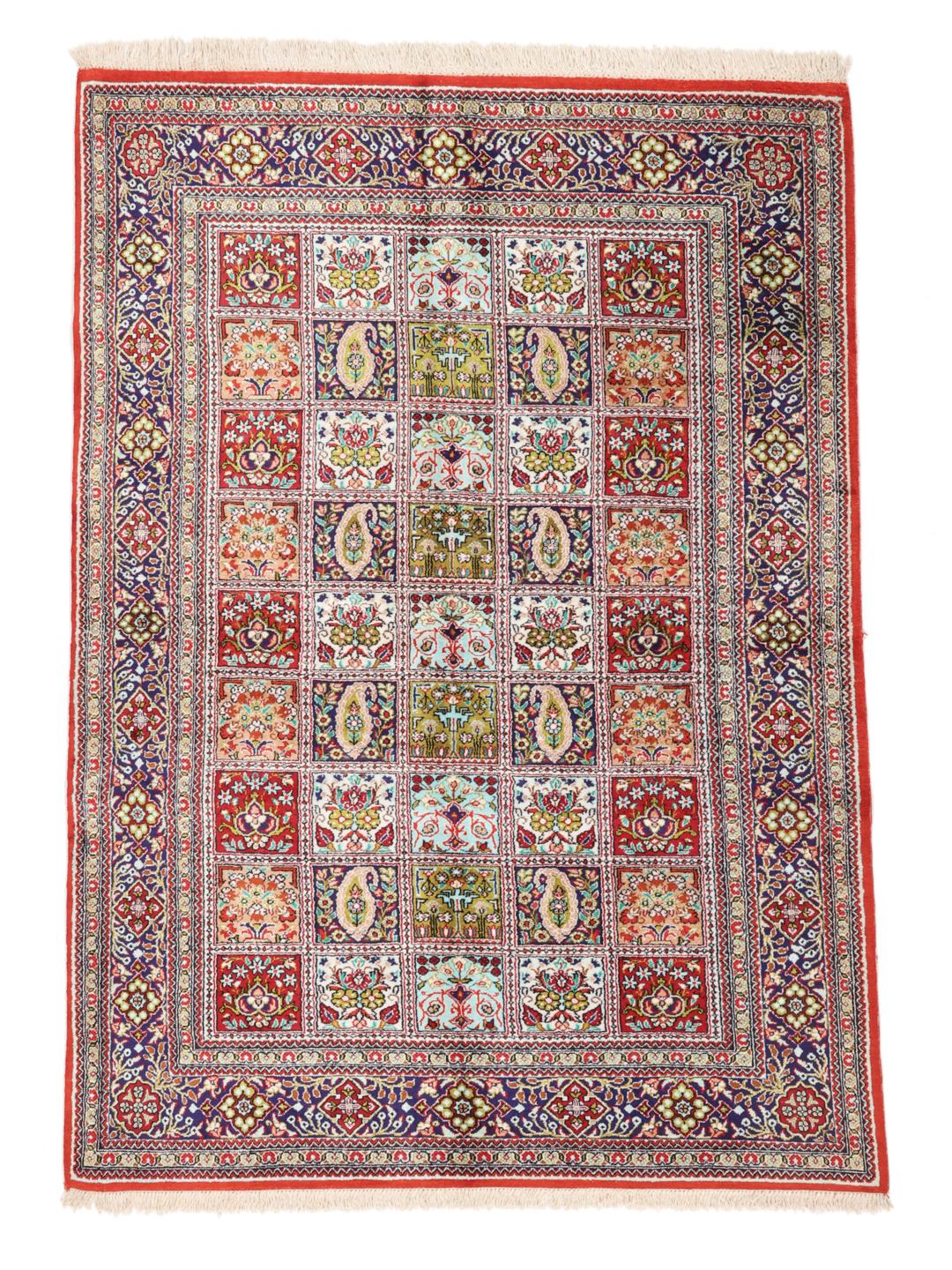
Qum, located in the heart of the Middle East, is world-renowned for producing some of the finest silk rugs in existence. While the city has a long history of religious and cultural significance, it became a major hub for rug production relatively recently in the 20th century. Freed from the constraints of older, more rigid regional traditions, Qum weavers became famous for their experimental and highly detailed designs, often drawing inspiration from diverse historical motifs.
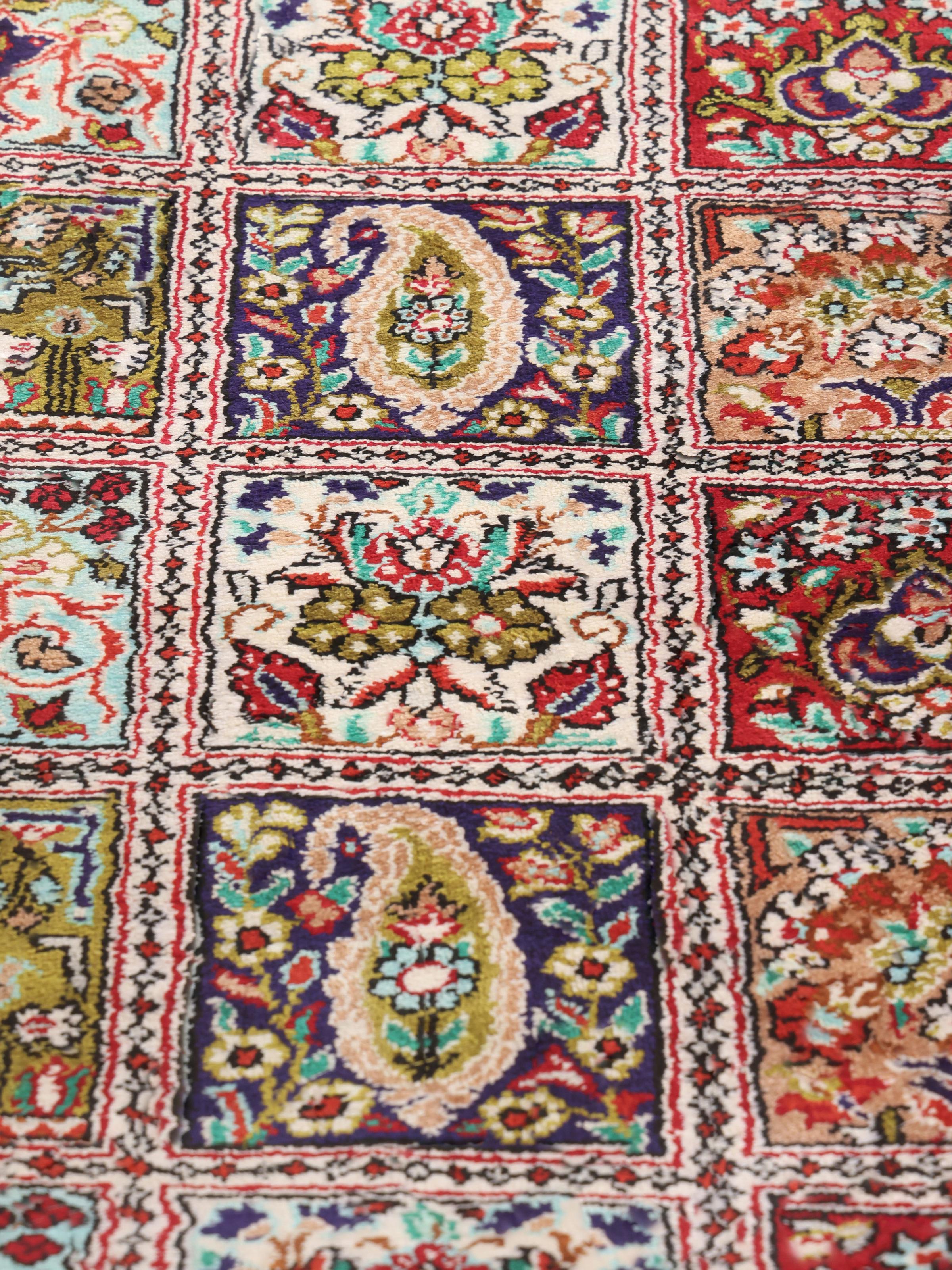
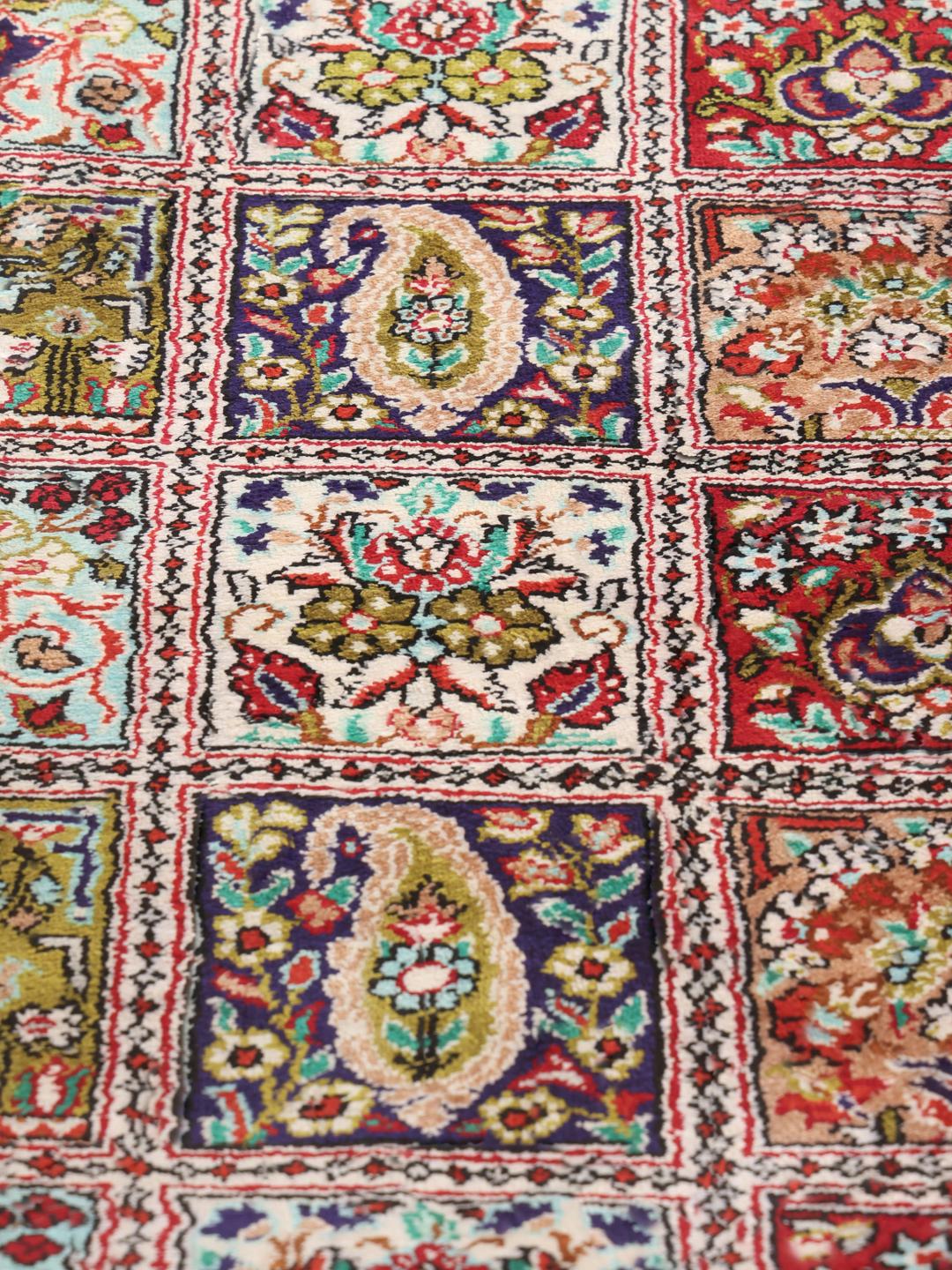
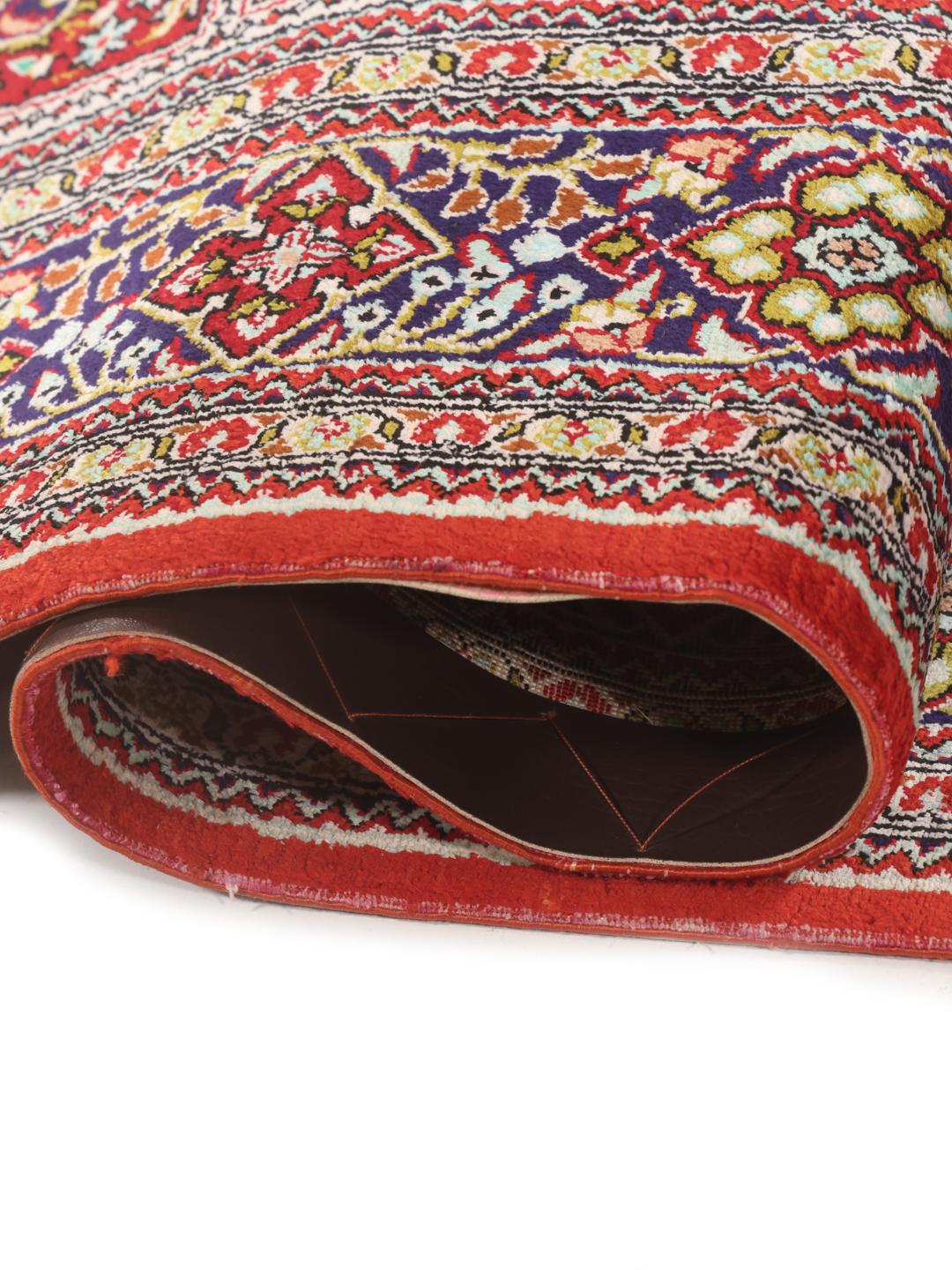
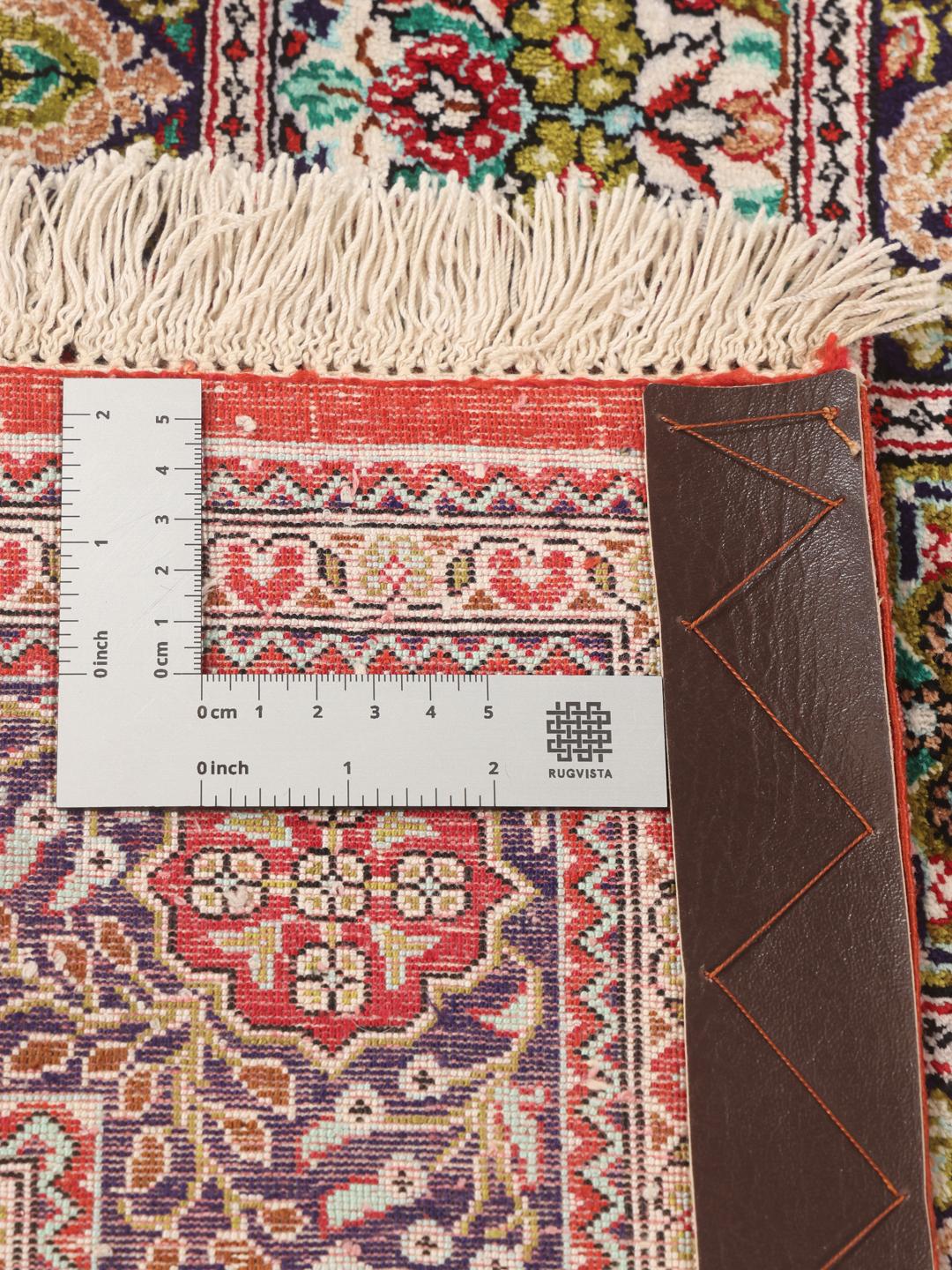
The term 'silk' in this context refers to the use of high-quality, natural filaments that provide a distinctive sheen and unmatched softness. The fine nature of these fibres allows for a much higher knot density than wool, which is the secret behind the incredibly sharp, painterly quality of the patterns. This technical precision is what makes Qum rugs so highly sought after by collectors who value both the tactile experience and the visual complexity of the work.
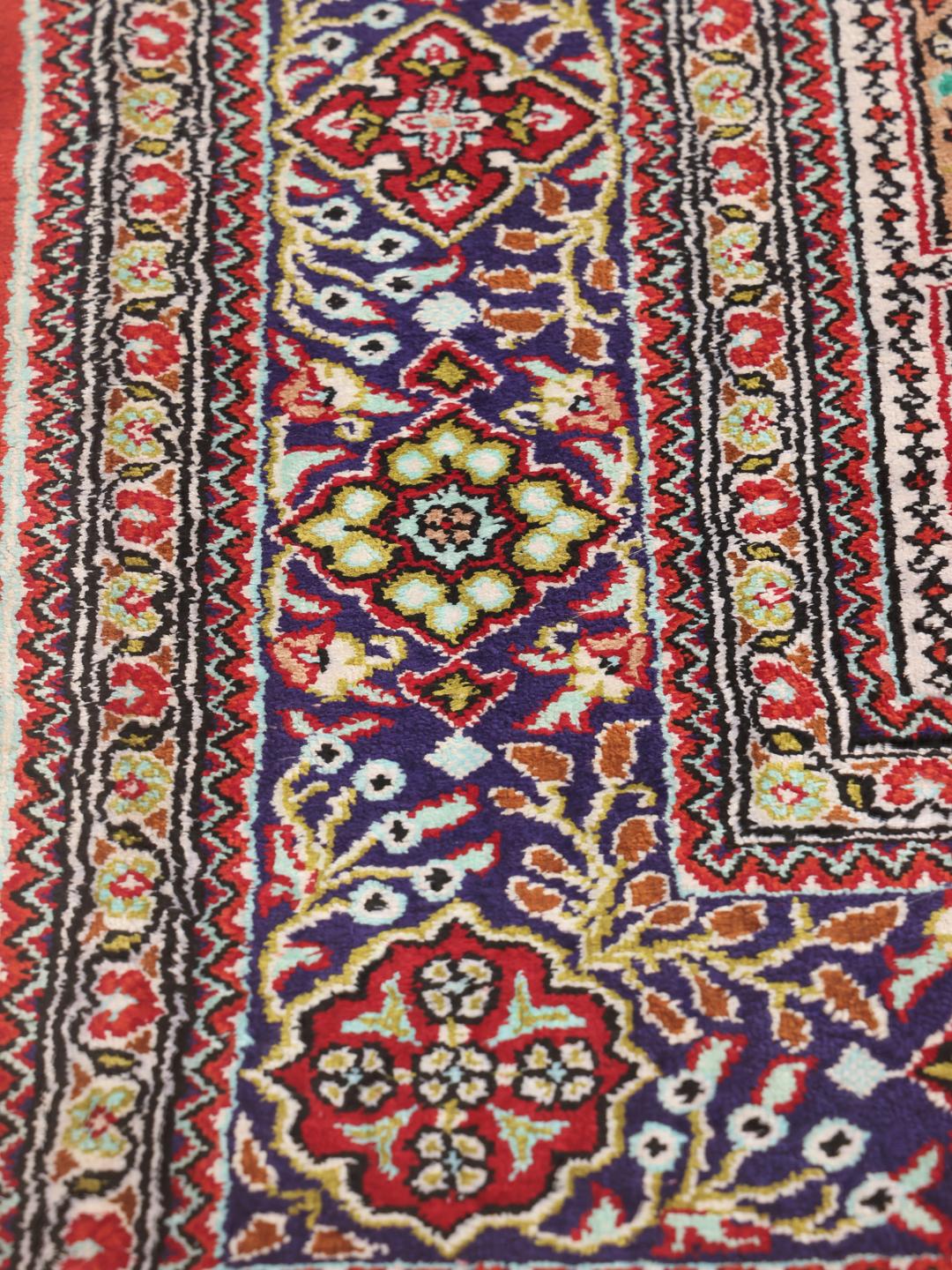
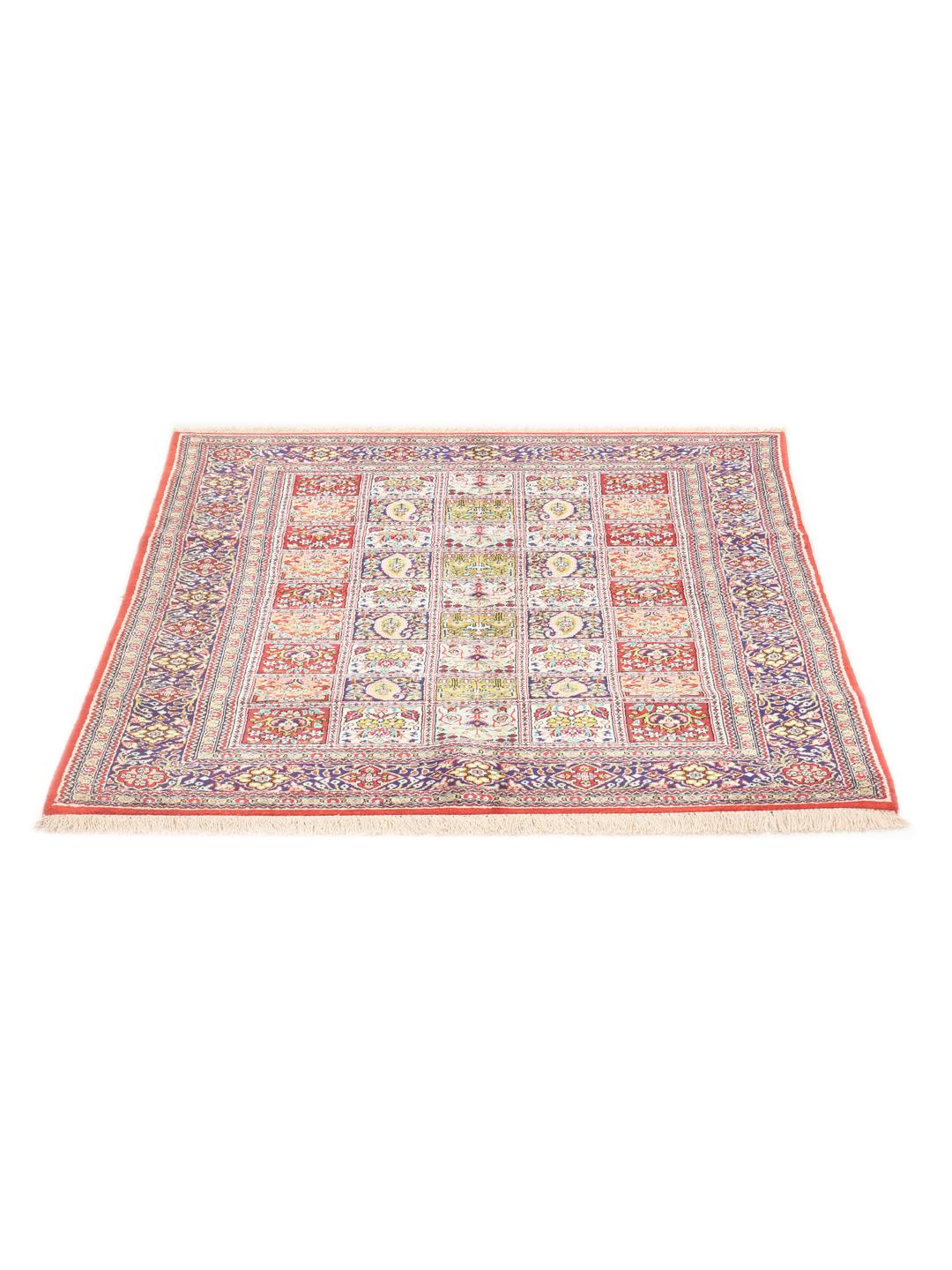
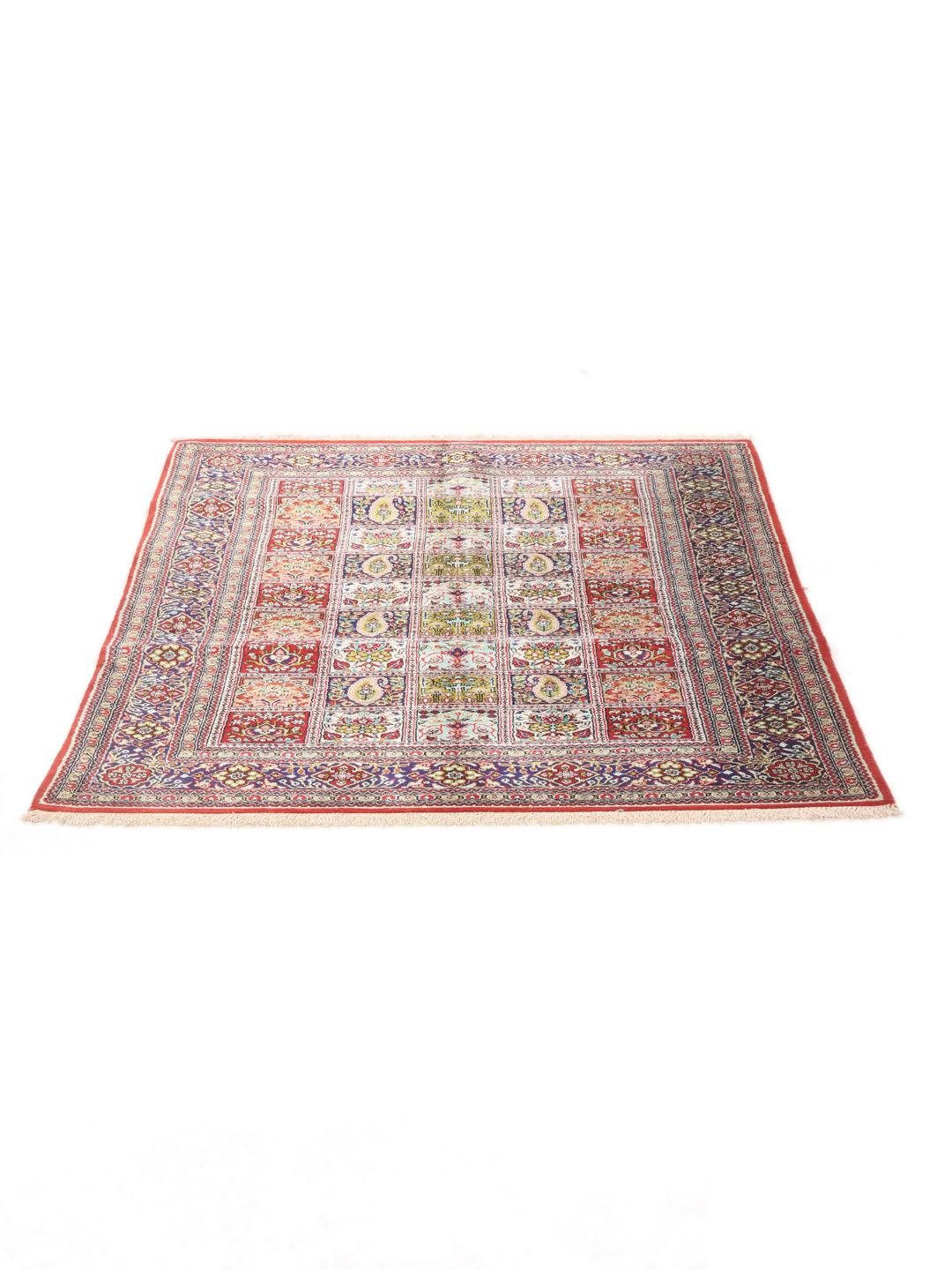
Visually, Qum rugs are known for their sophisticated use of space and colour. They often feature intricate floral patterns, garden scenes, or complex medallion designs that are executed with extraordinary detail. The borders are typically narrow and ornate, designed to frame the central field without overwhelming it. The use of vibrant, harmonious colours is a signature of this tradition, often reflecting the natural beauty of the region's historical gardens.
Owning a Qum silk rug is considered a mark of refined taste and an appreciation for the pinnacle of textile art. These pieces are not merely decorative items but are recognised as significant cultural contributions that carry the legacy of skilled artisans forward. Because each piece is unique and reflects the vision of the weaver, collecting a Qum rug is a way to preserve a living craft tradition that continues to evolve today.