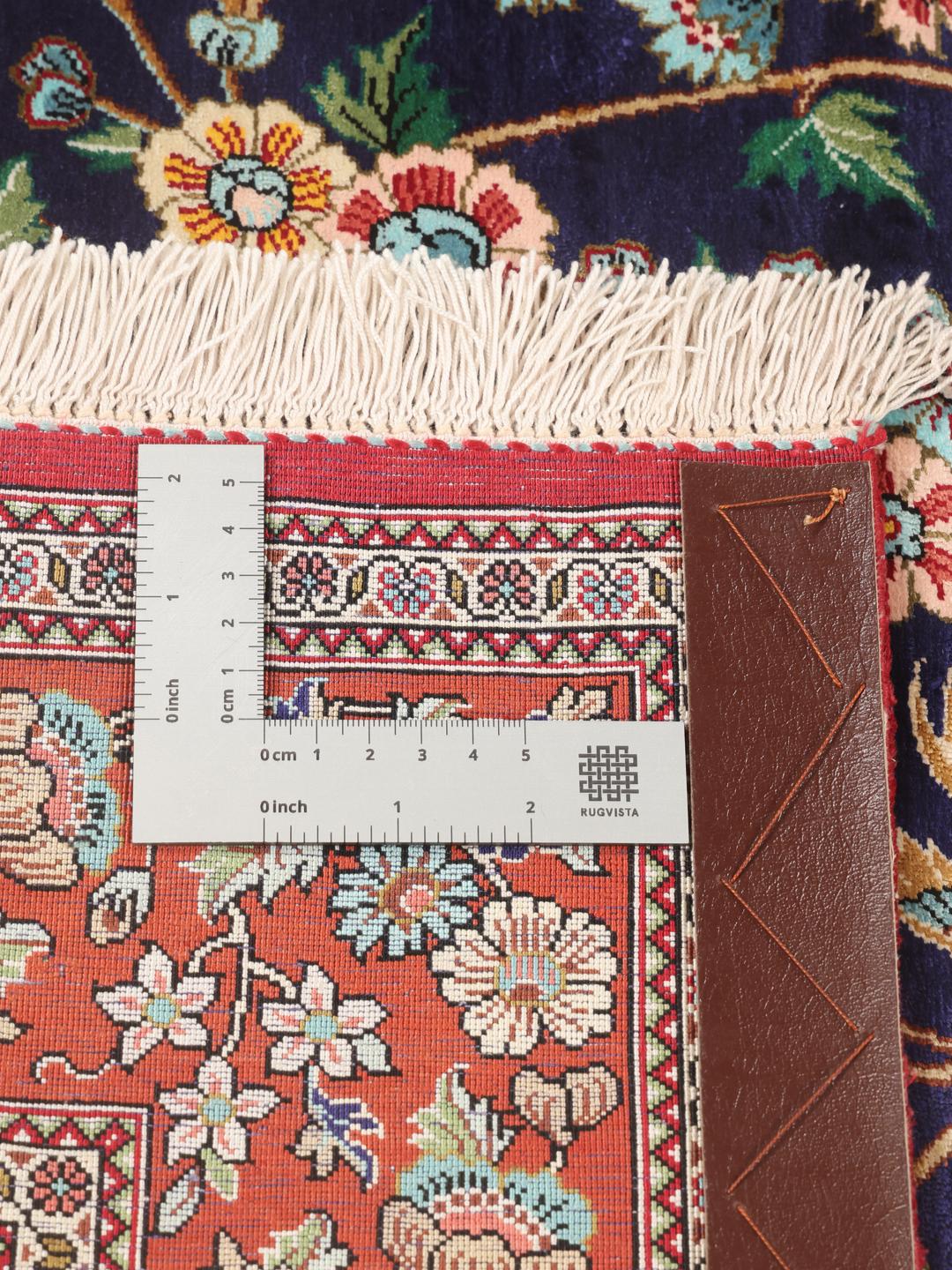
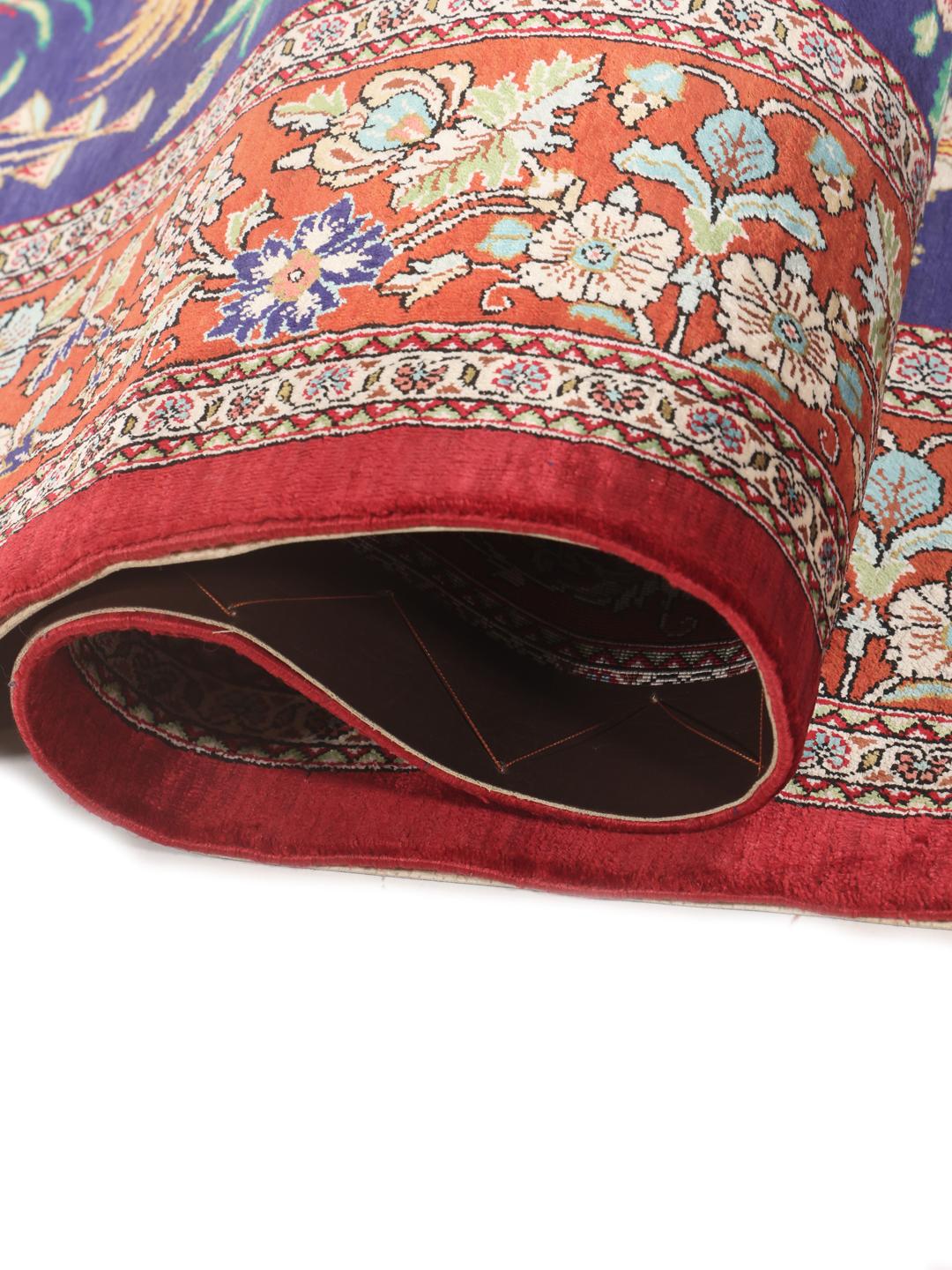
Ghom, or Qum, rugs originate from the holy city of the same name in the Middle East. While this region does not have the ancient weaving history of other areas, it rose to prominence in the early 20th century as a center for high-end silk production. Weavers in Ghom famously adapted traditional designs from other regions, refining them with their own unique sense of colour and detail to create a style that is now globally recognised for its refinement.
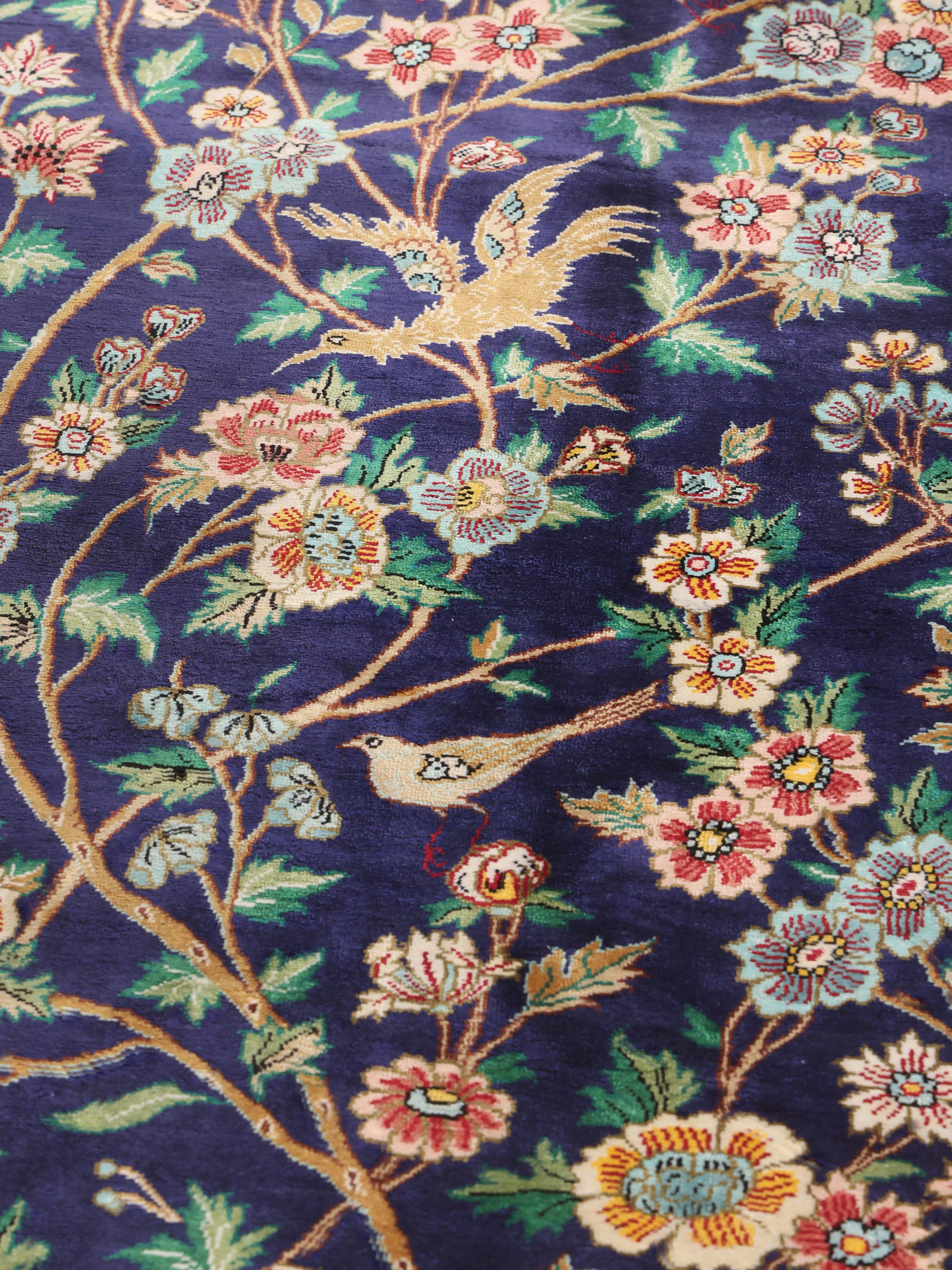
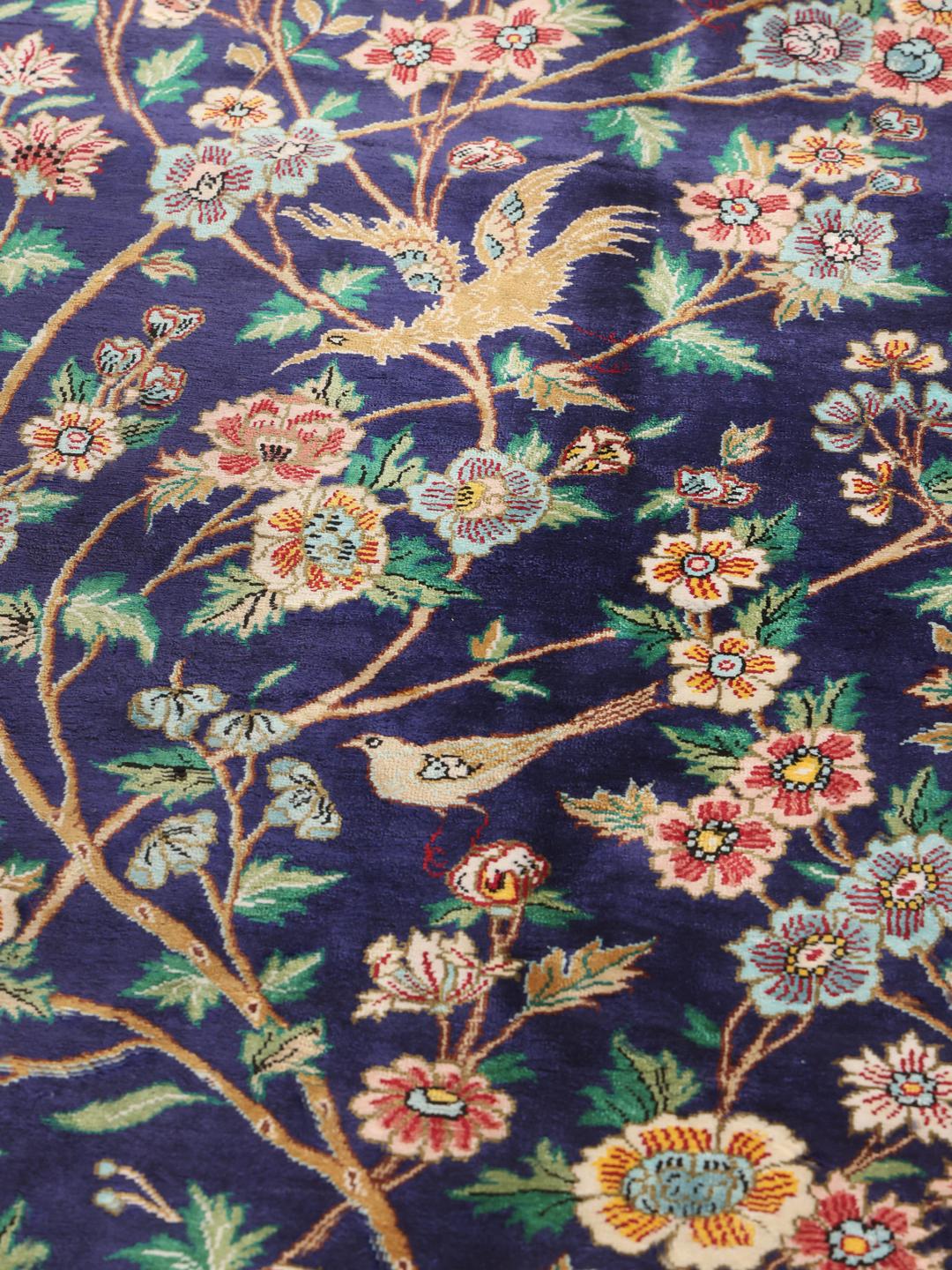
The term silk refers to the primary material used for the pile, warp, and weft, which is the hallmark of the finest Ghom rugs. Silk is a natural fibre prized for its incredible strength, fineness, and ability to hold vibrant dyes. In a hand-knotted context, using silk throughout the foundation and pile allows for a much higher knot density and a thinner, more flexible rug that can accommodate extremely complex, painterly designs.
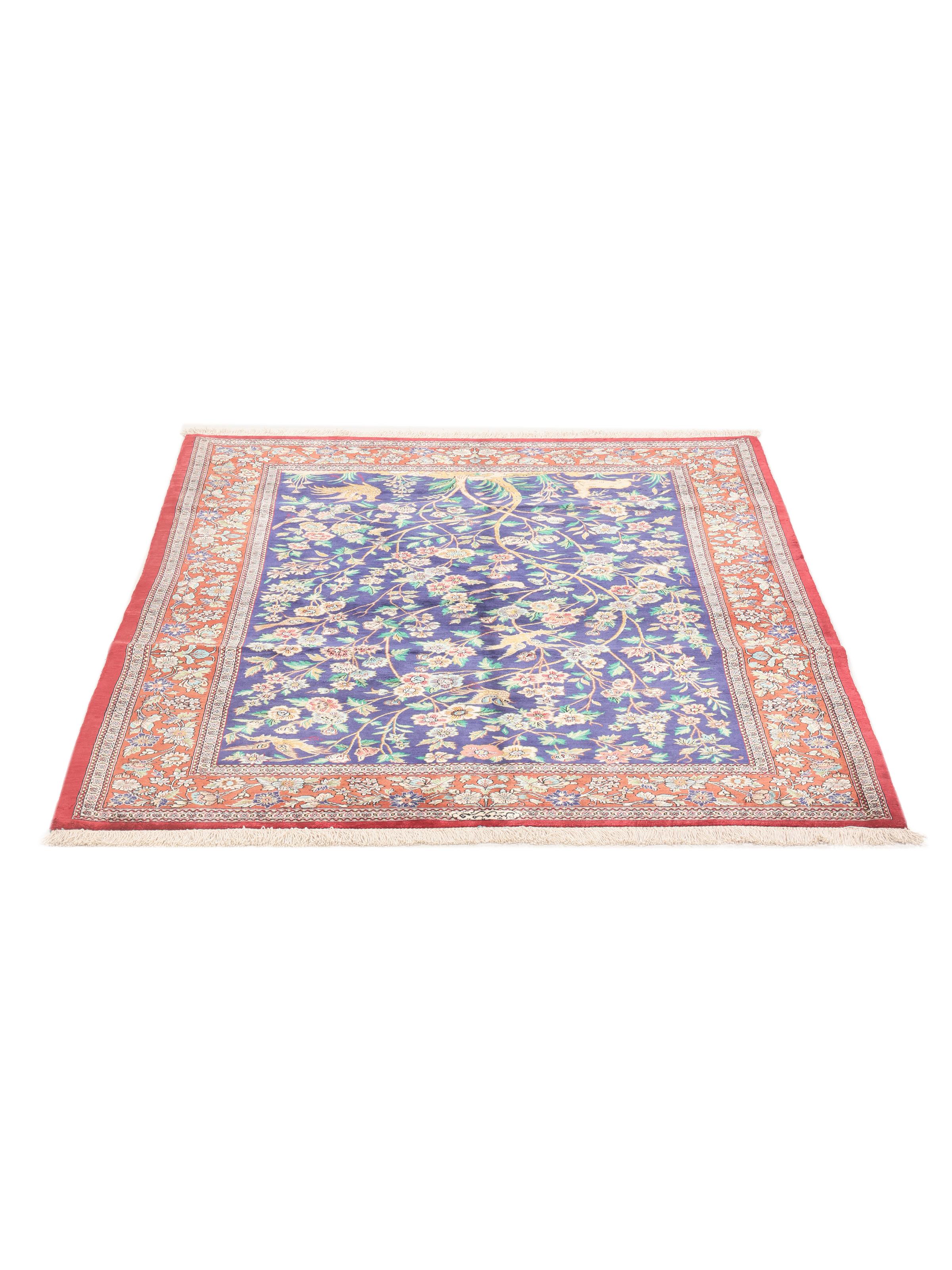
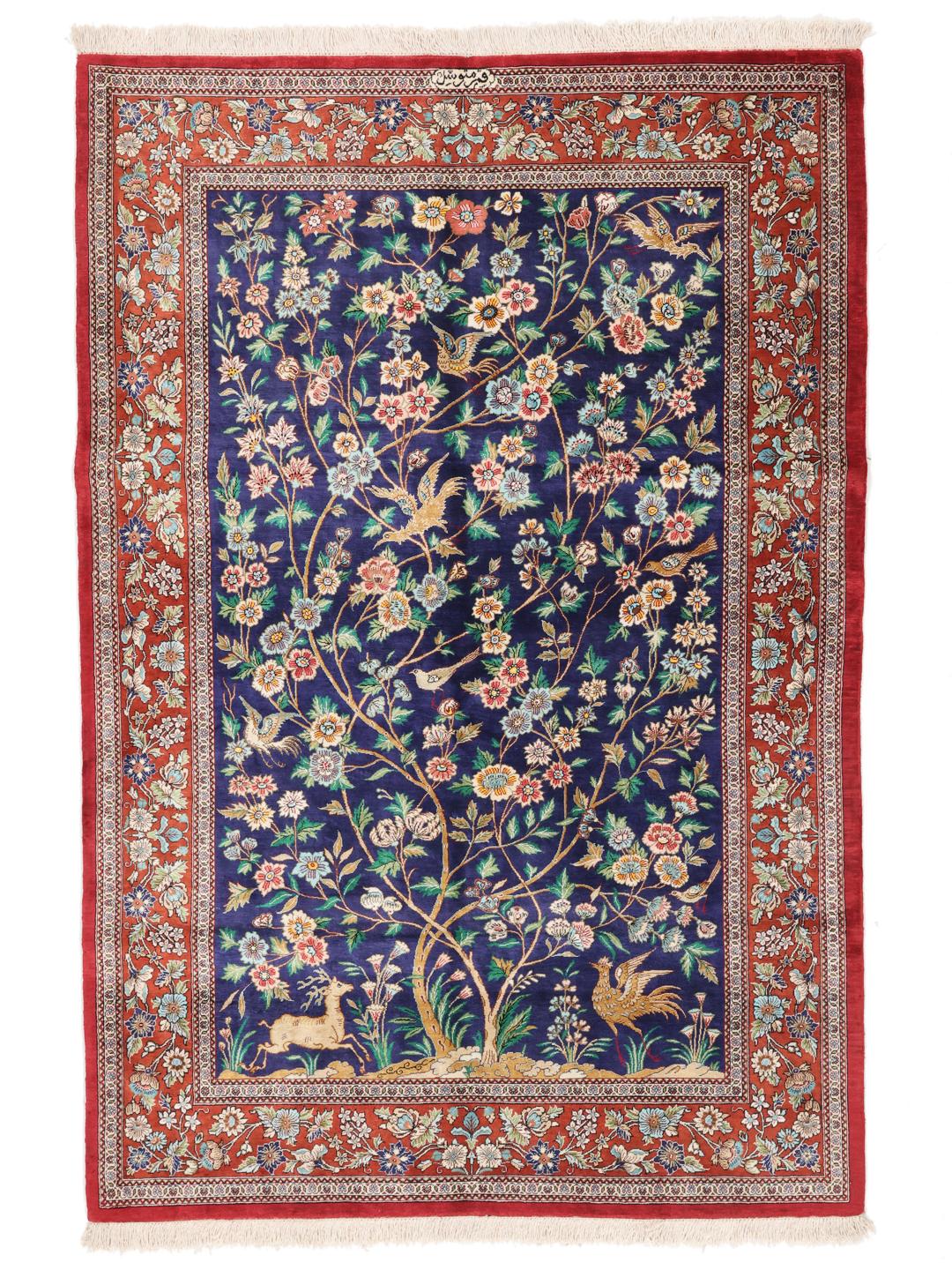
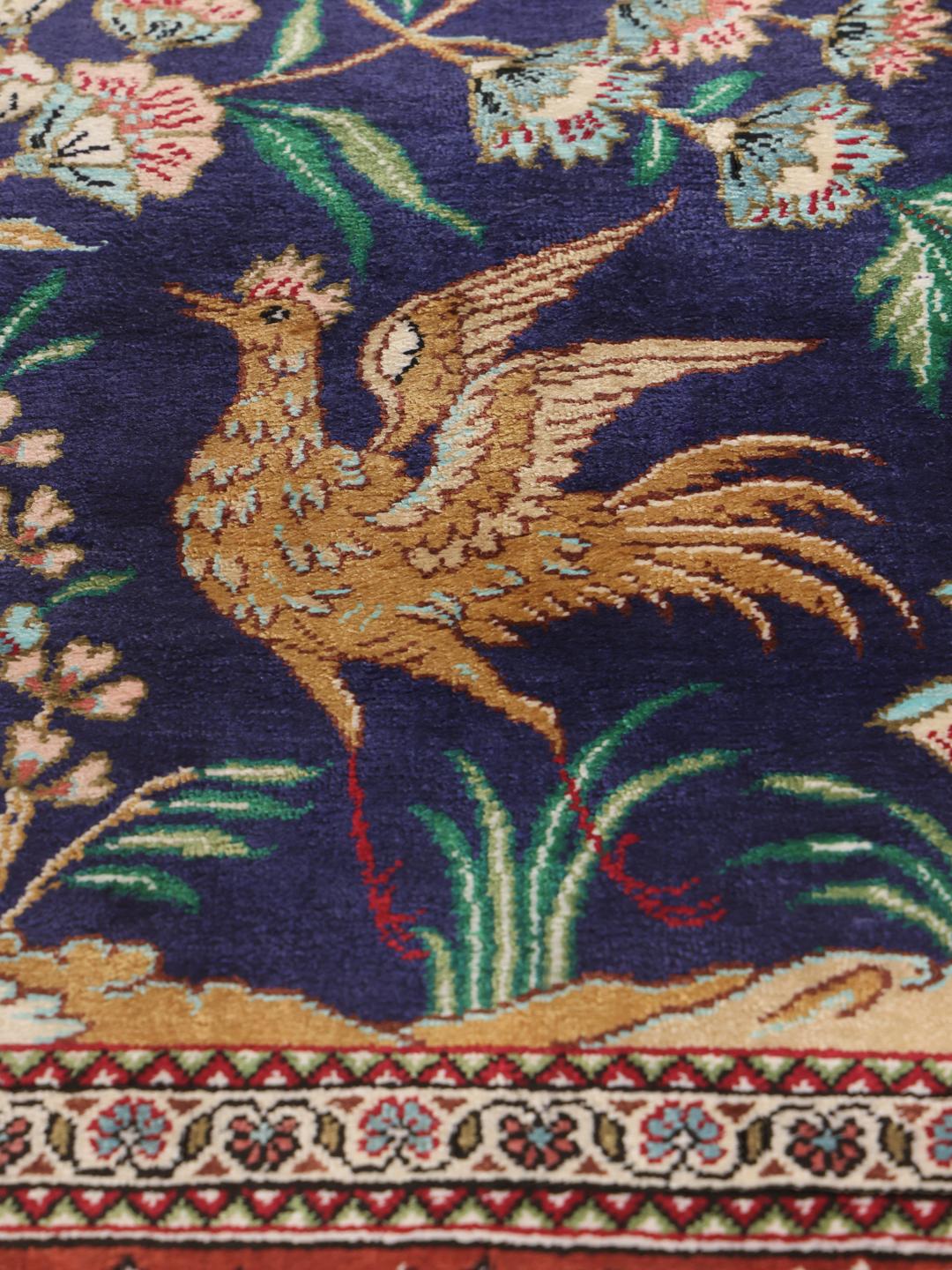
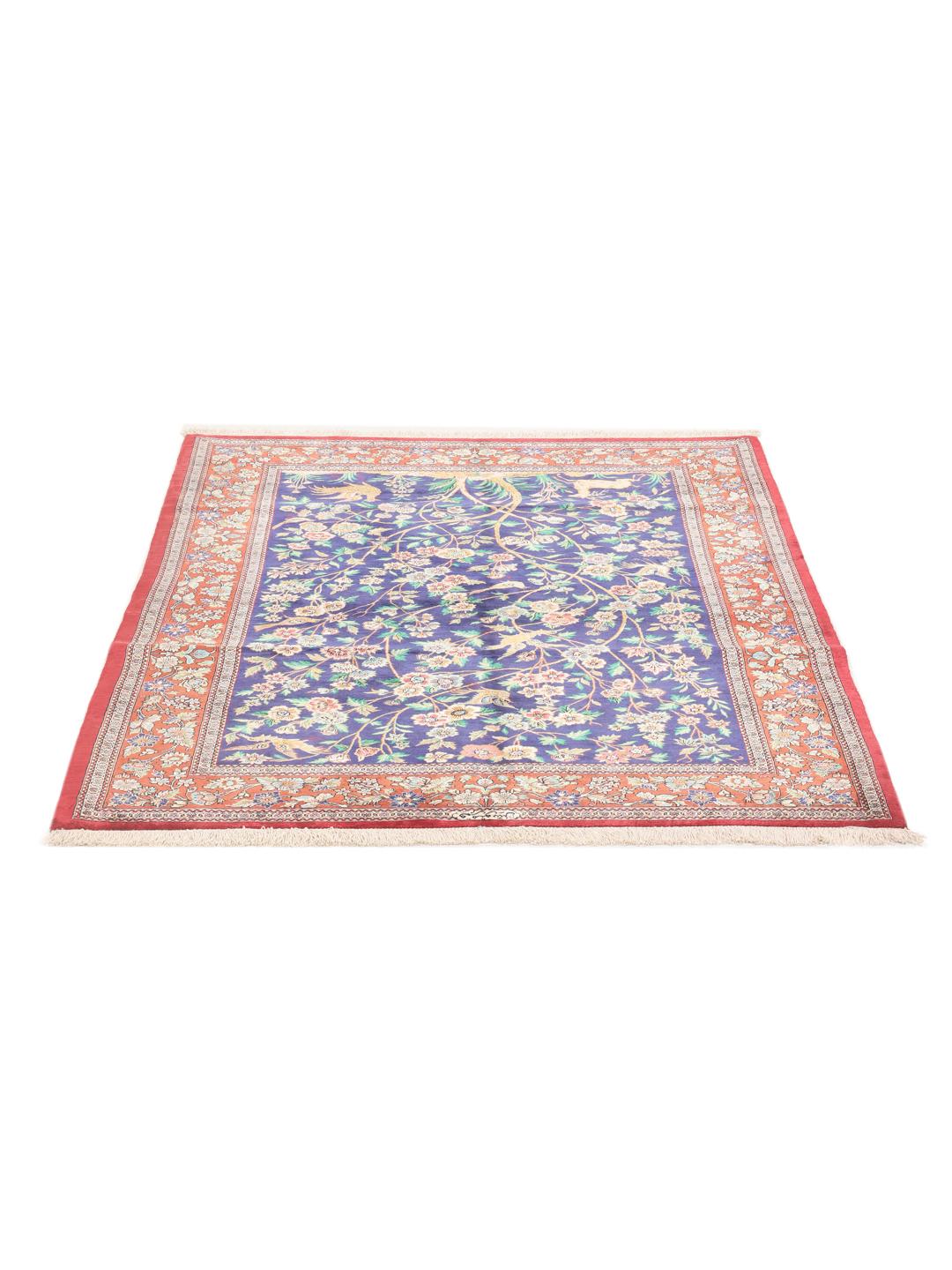
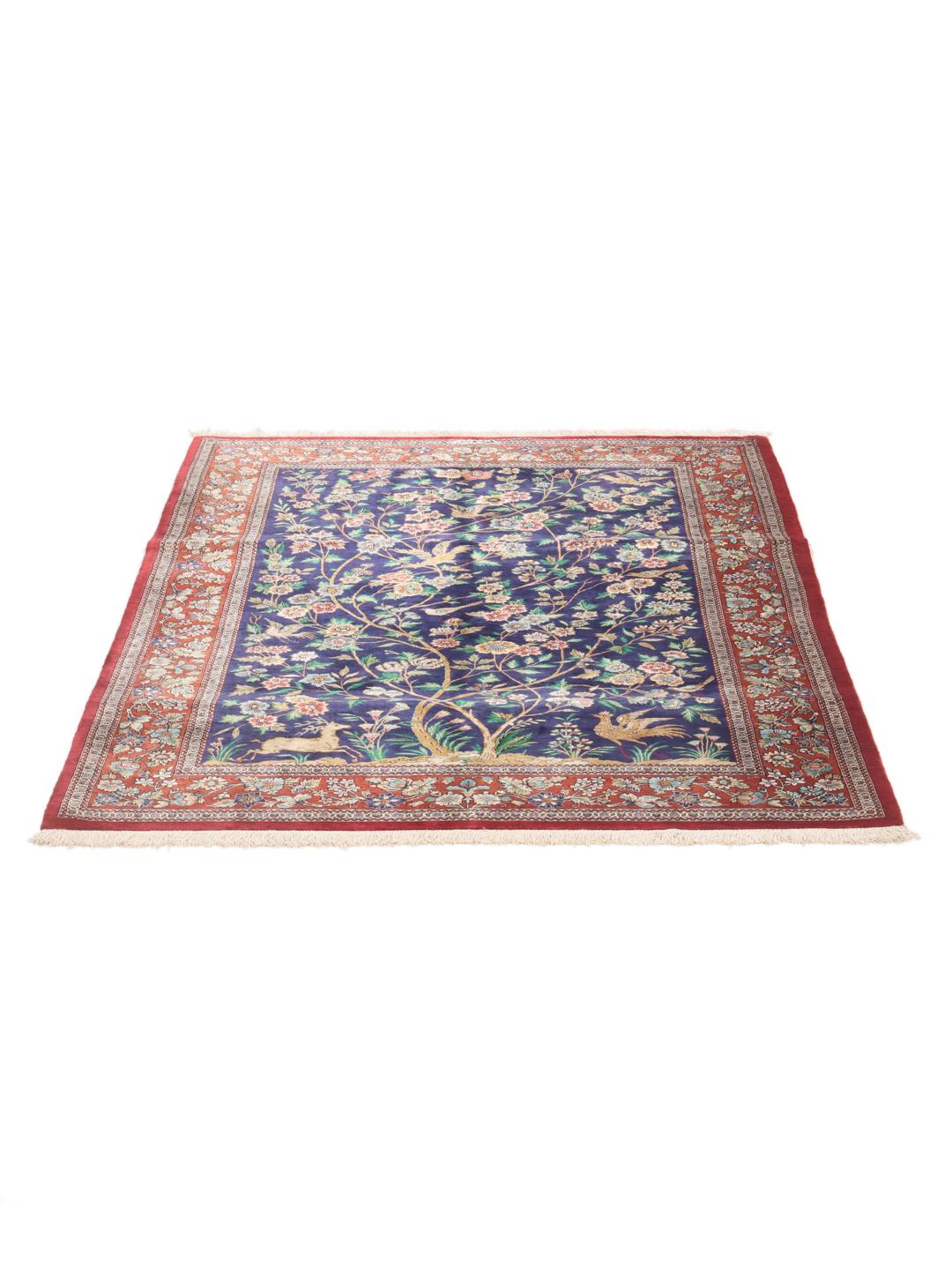
The signature design of this rug is the garden motif, a classic element in Middle Eastern art that represents paradise. You will often see a central tree of life, or as seen here, a dense arrangement of flowering branches inhabited by birds and animals. The borders are typically filled with complementary floral scrolls, providing a formal frame for the intricate, organic energy of the central field.
Collecting a Ghom silk rug is an investment in a modern masterpiece. Because these rugs require such high levels of skill and time to produce, they have become highly sought after by those who value the intersection of fine art and functional decor. Owning one is a mark of appreciation for the patience and technical prowess required to transform raw silk into a lasting, beautiful object for the home.