The city of Qum, located in the Middle East, is globally renowned for producing some of the most sophisticated silk rugs in the world. While the tradition of rug weaving in the region dates back centuries, the specific artistry of Qum silk rugs is a more modern evolution, gaining prominence in the 20th century. These weavers are celebrated for their willingness to experiment with intricate designs and vibrant colour palettes, effectively elevating the craft into a fine art form.
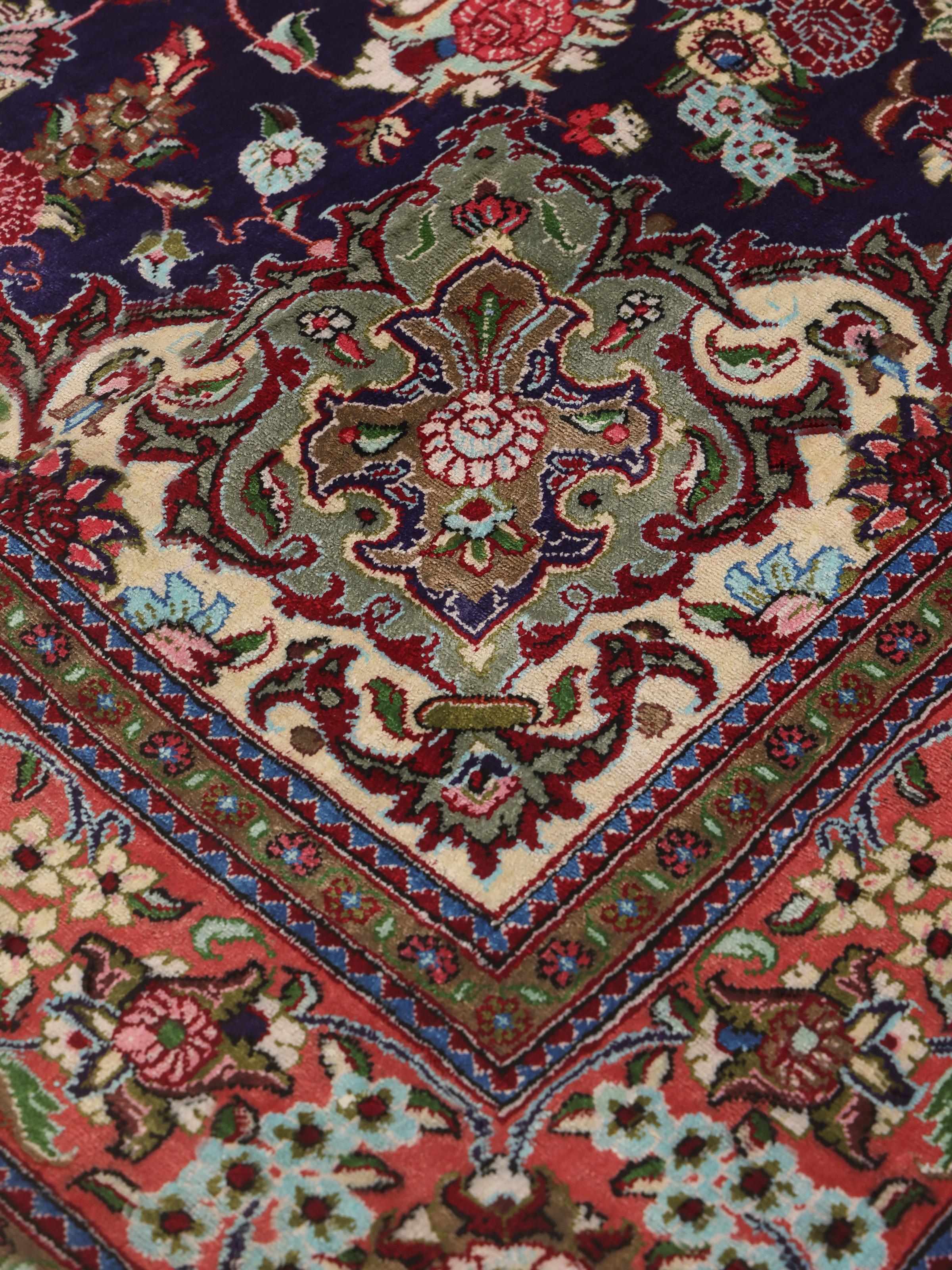
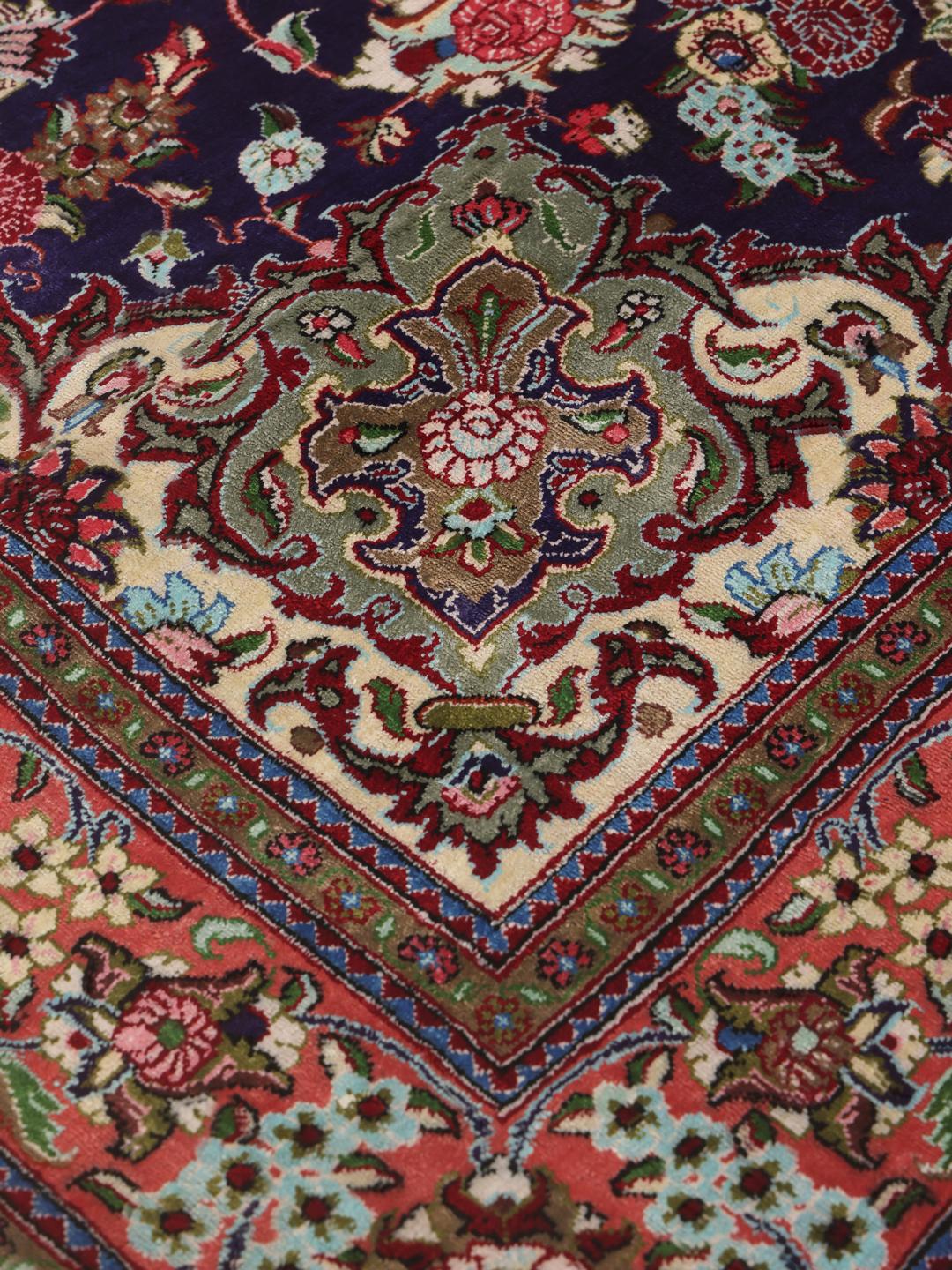
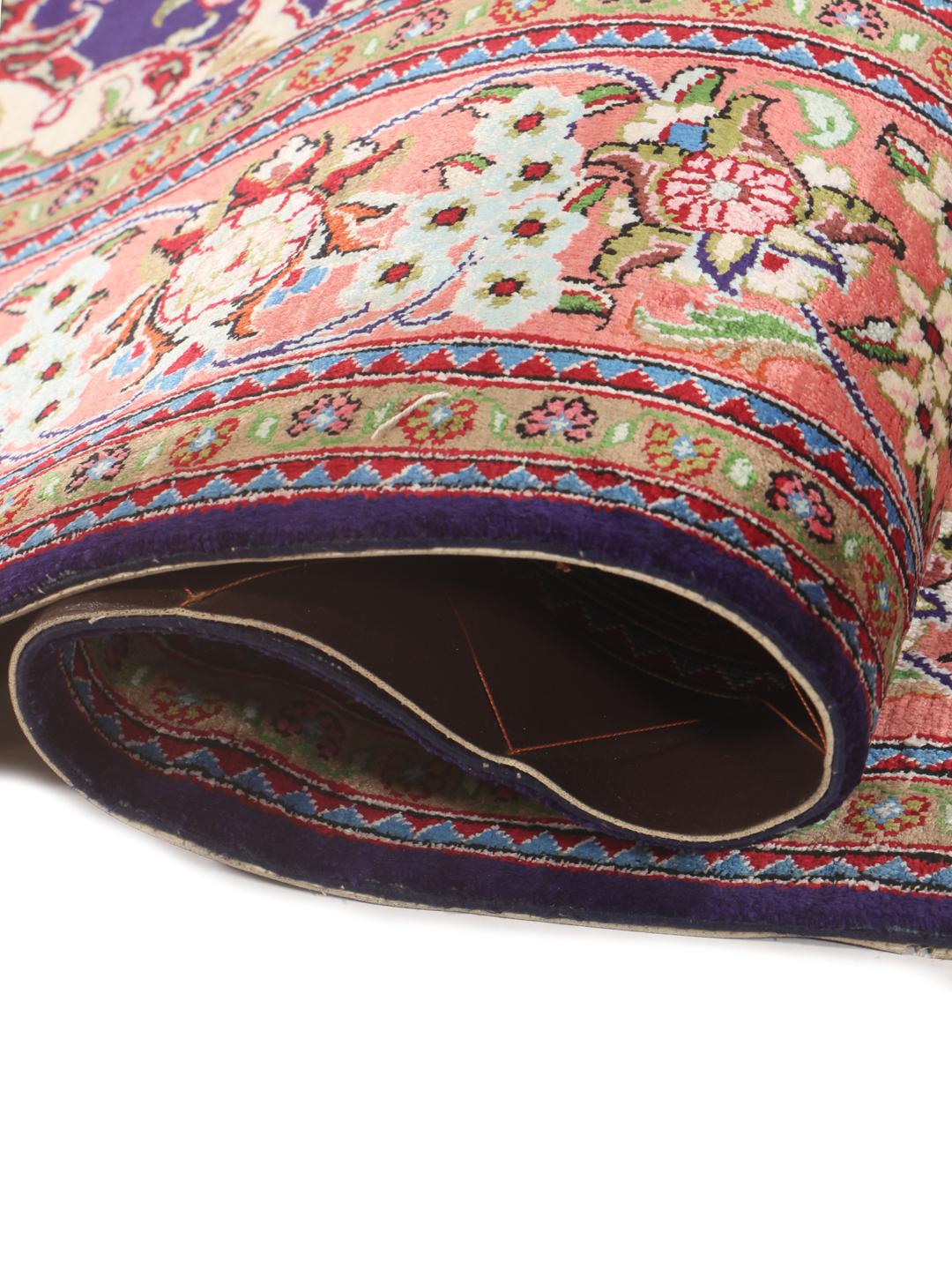
The term 'silk' in the context of these rugs refers to the use of high-quality, natural filaments that allow for incredibly fine knotting. This material choice is pivotal, as it enables the creation of highly detailed, almost painterly designs that would be impossible to achieve with coarser materials. The silk's natural sheen provides a depth of colour that changes depending on the viewing angle, a characteristic that remains a hallmark of the finest Qum examples.
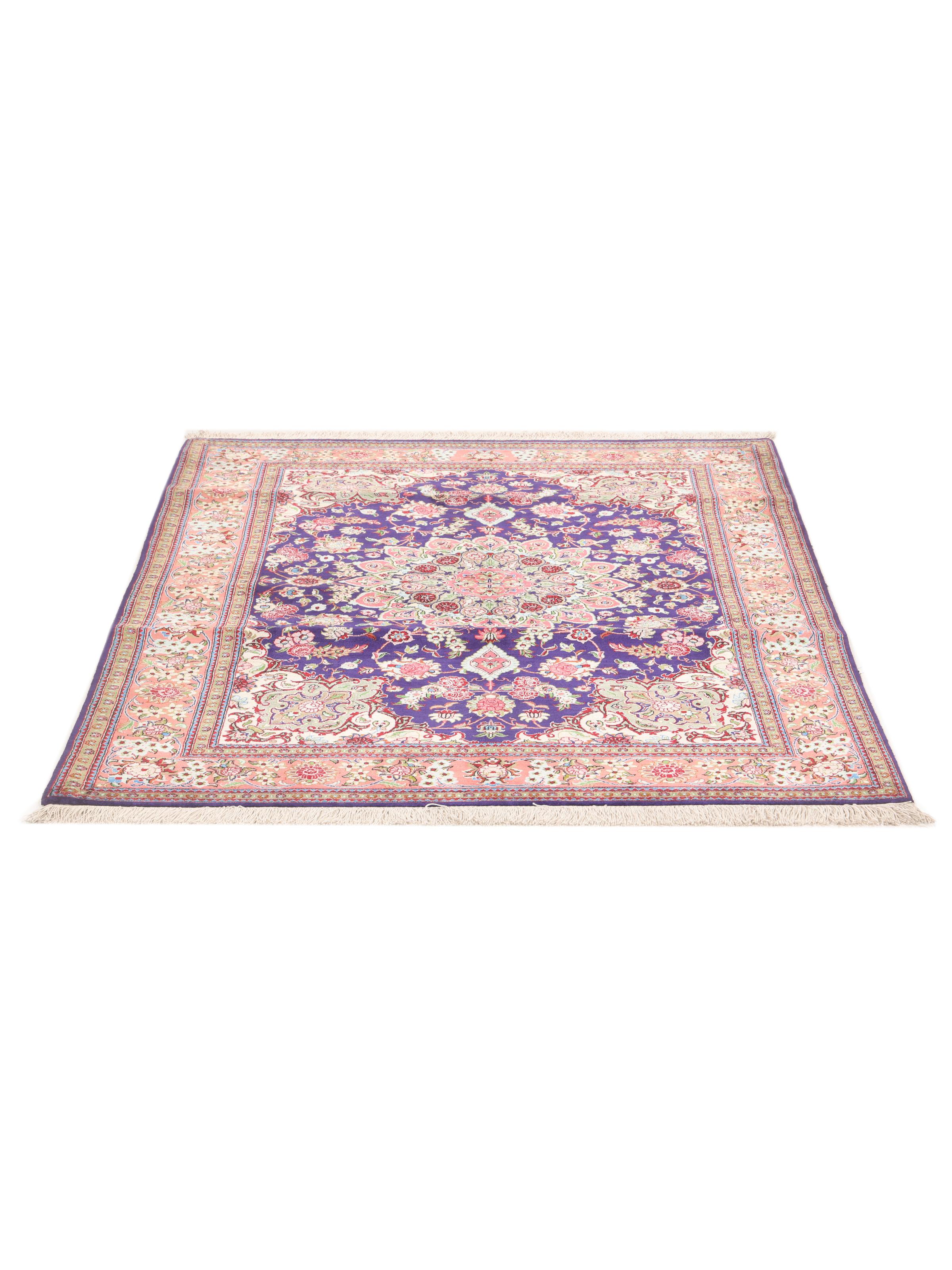
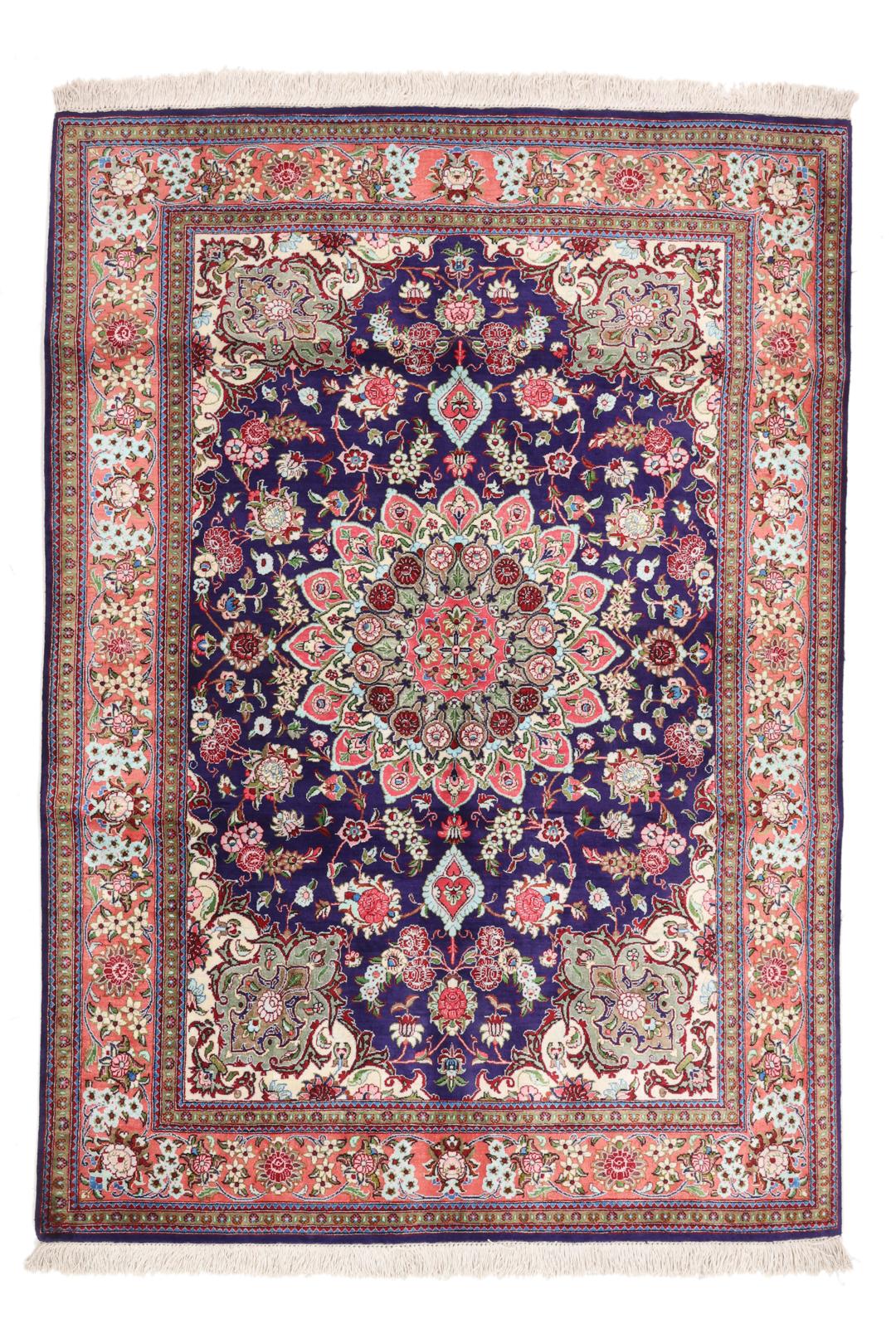
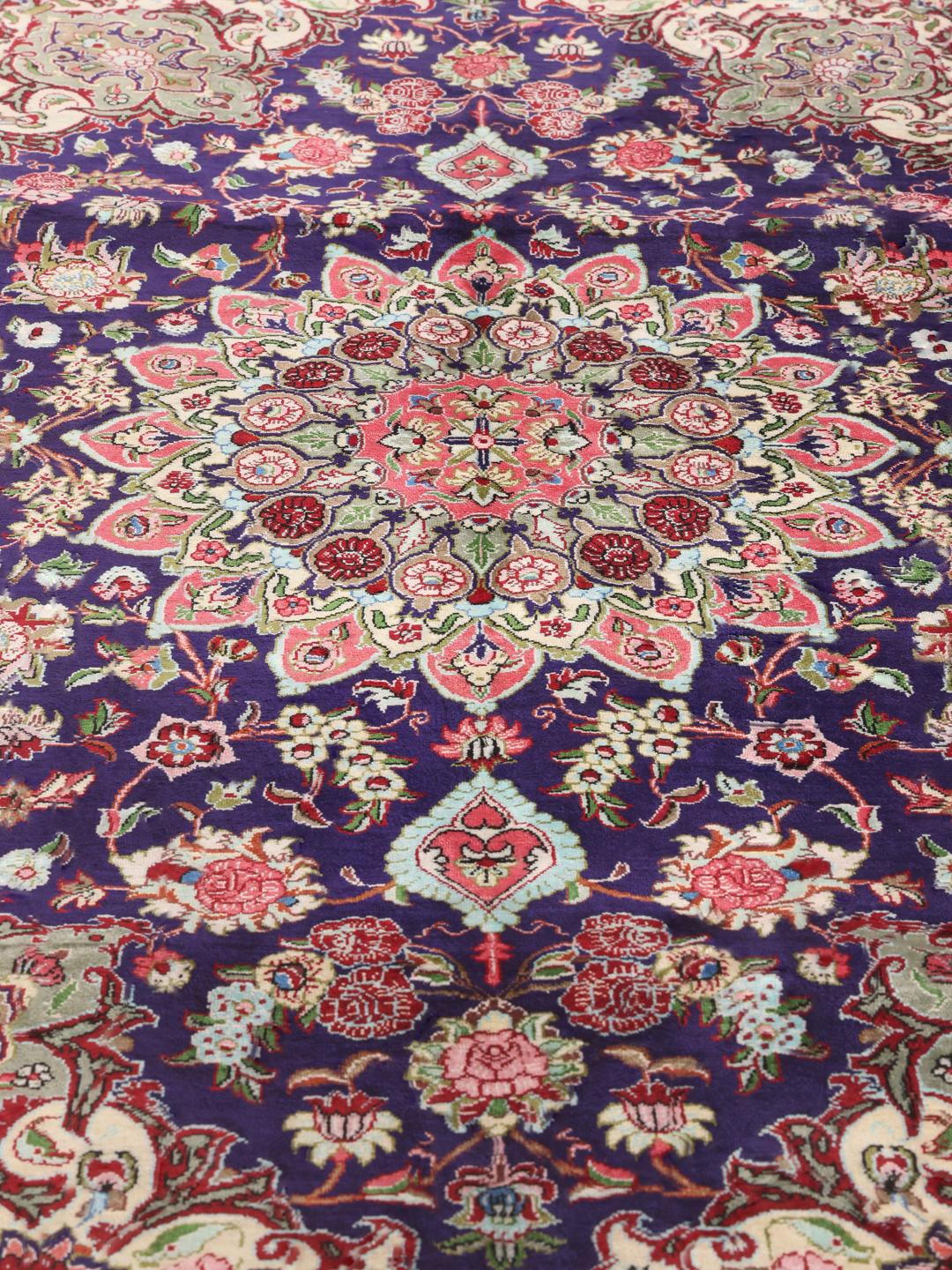
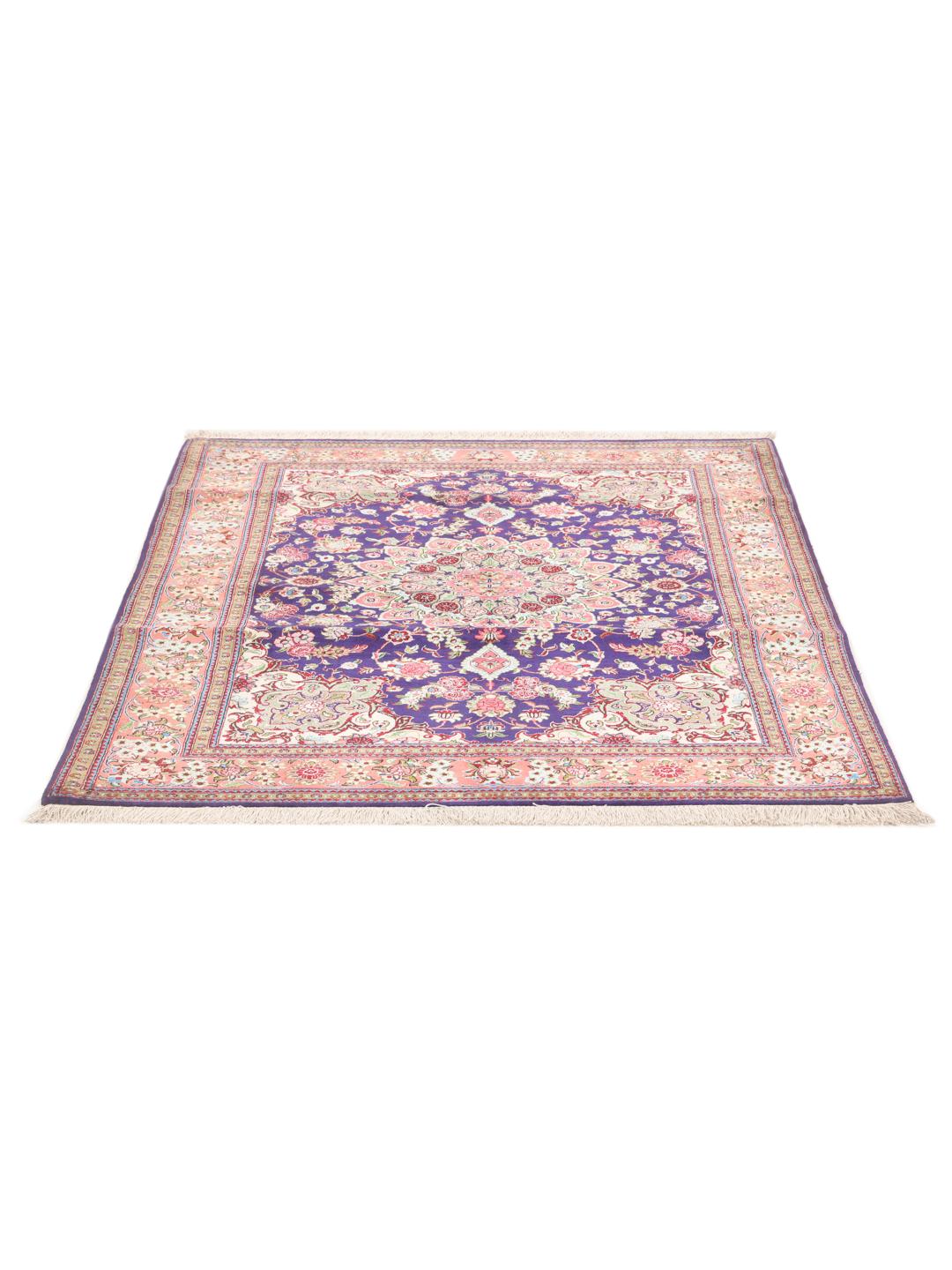
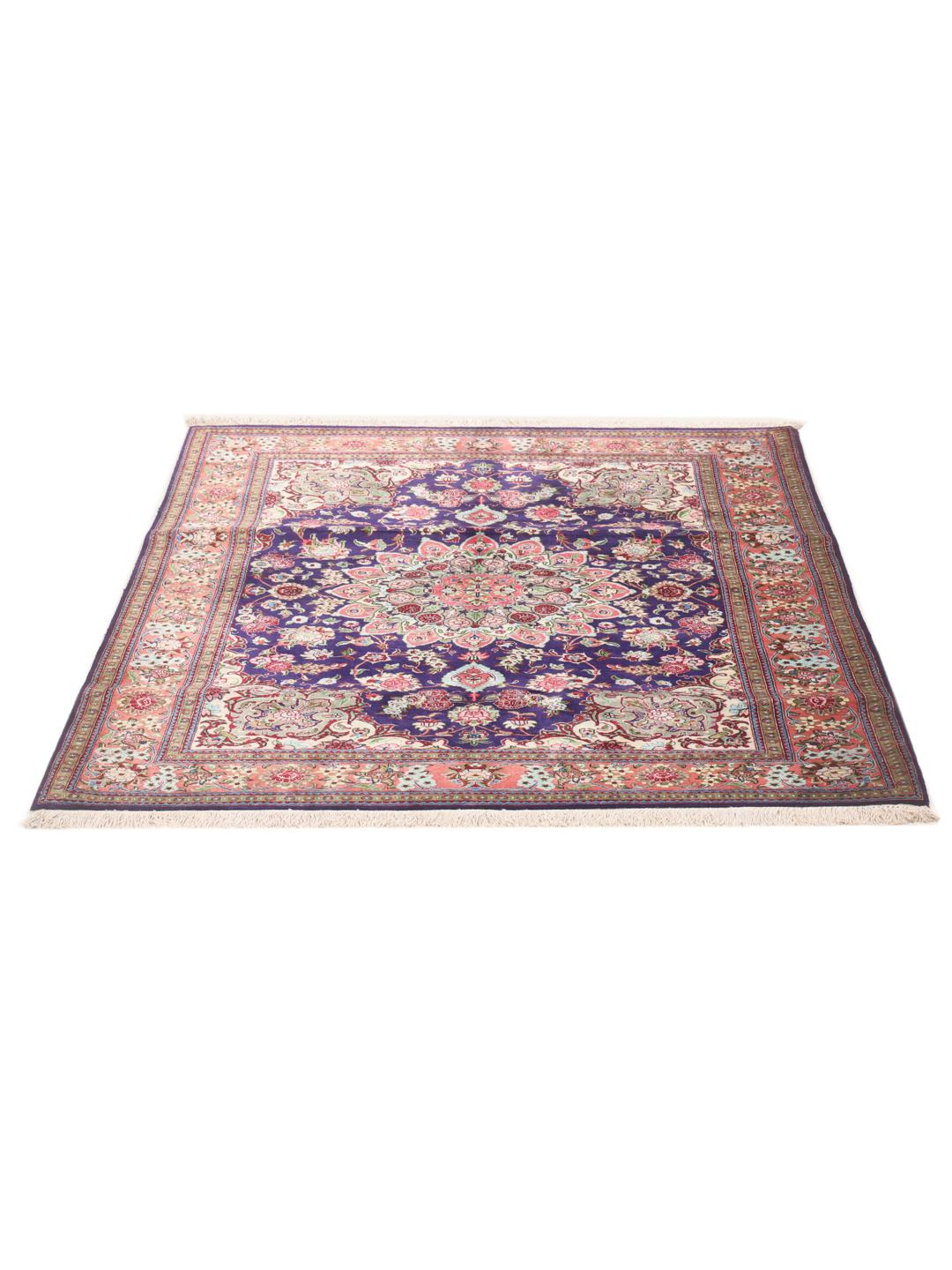
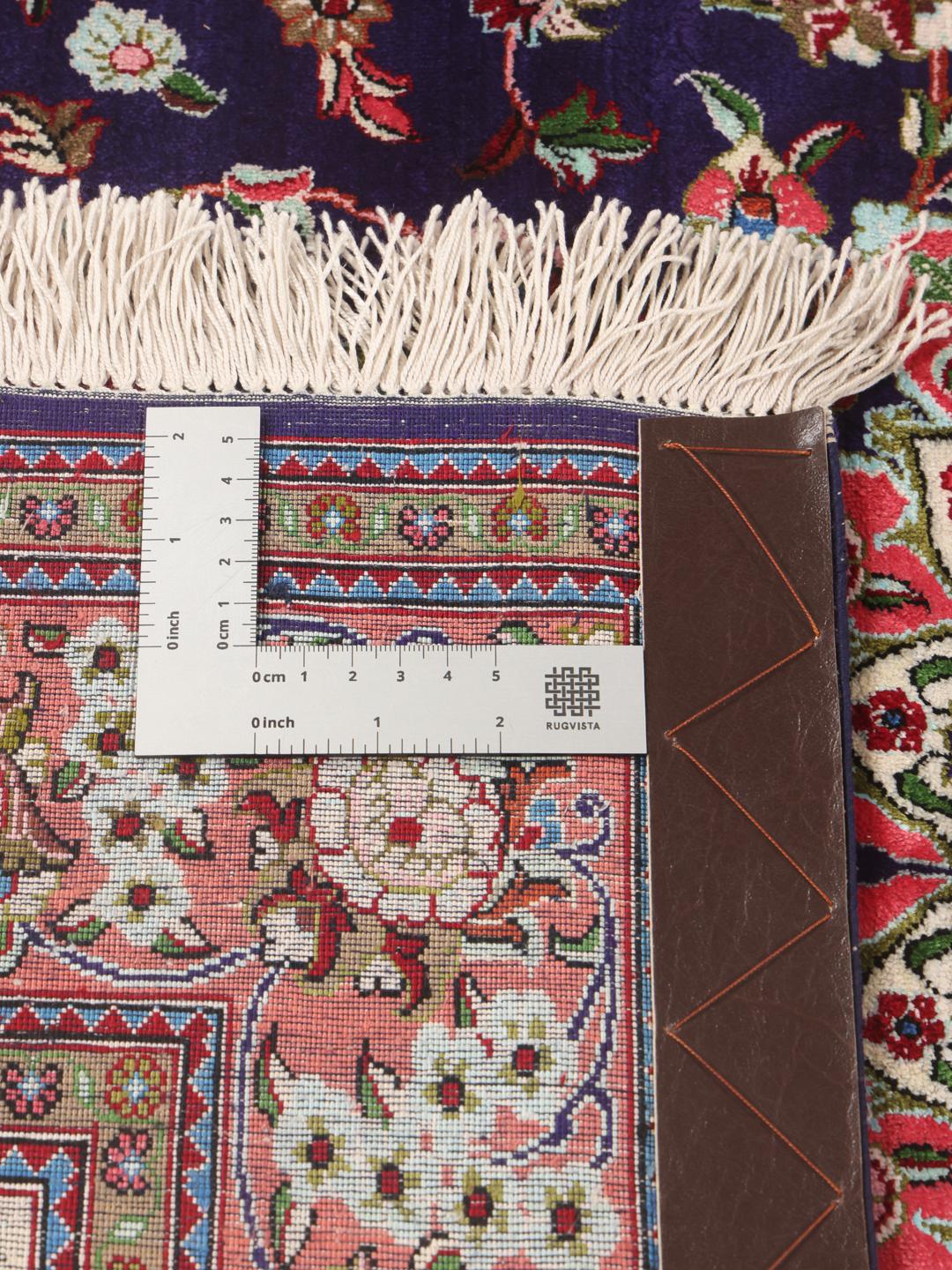
Visually, these rugs are often defined by their elaborate floral motifs, intricate medallions, and balanced, symmetrical compositions. The field is frequently filled with complex vines, blossoms, and leaves, all contained within carefully executed borders that frame the narrative of the design. This particular piece features a striking blue field that serves as a bold contrast to the delicate floral patterns, highlighting the exceptional skill of the weaver.
Collecting a Ghom silk rug is an investment in cultural heritage and human skill. These pieces are highly valued not only for their beauty but for the immense dedication required to produce them. Owning one is a testament to an appreciation for tradition and the enduring allure of hand-crafted textiles, ensuring that the legacy of these skilled artisans continues to be celebrated in homes around the world.