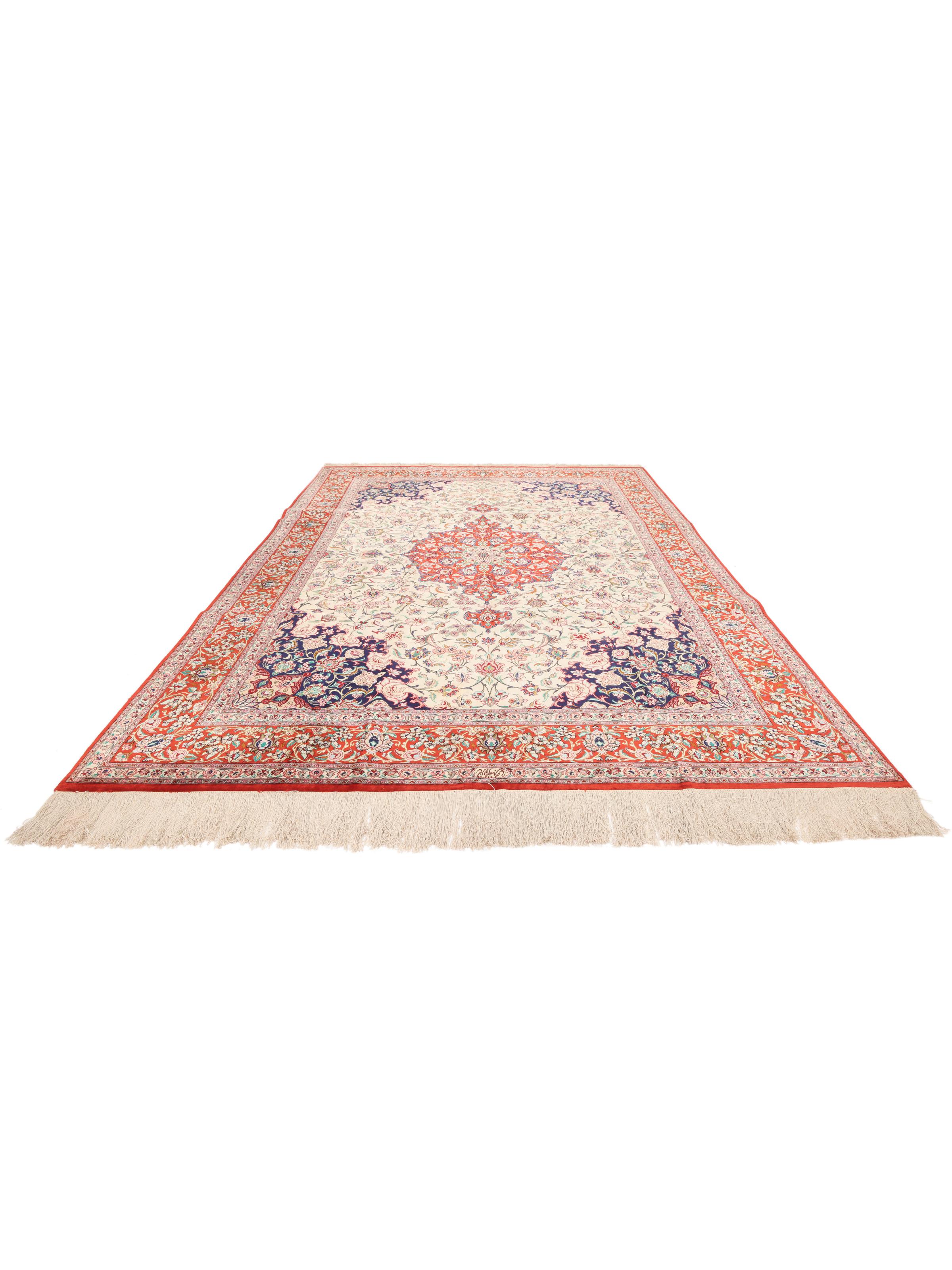
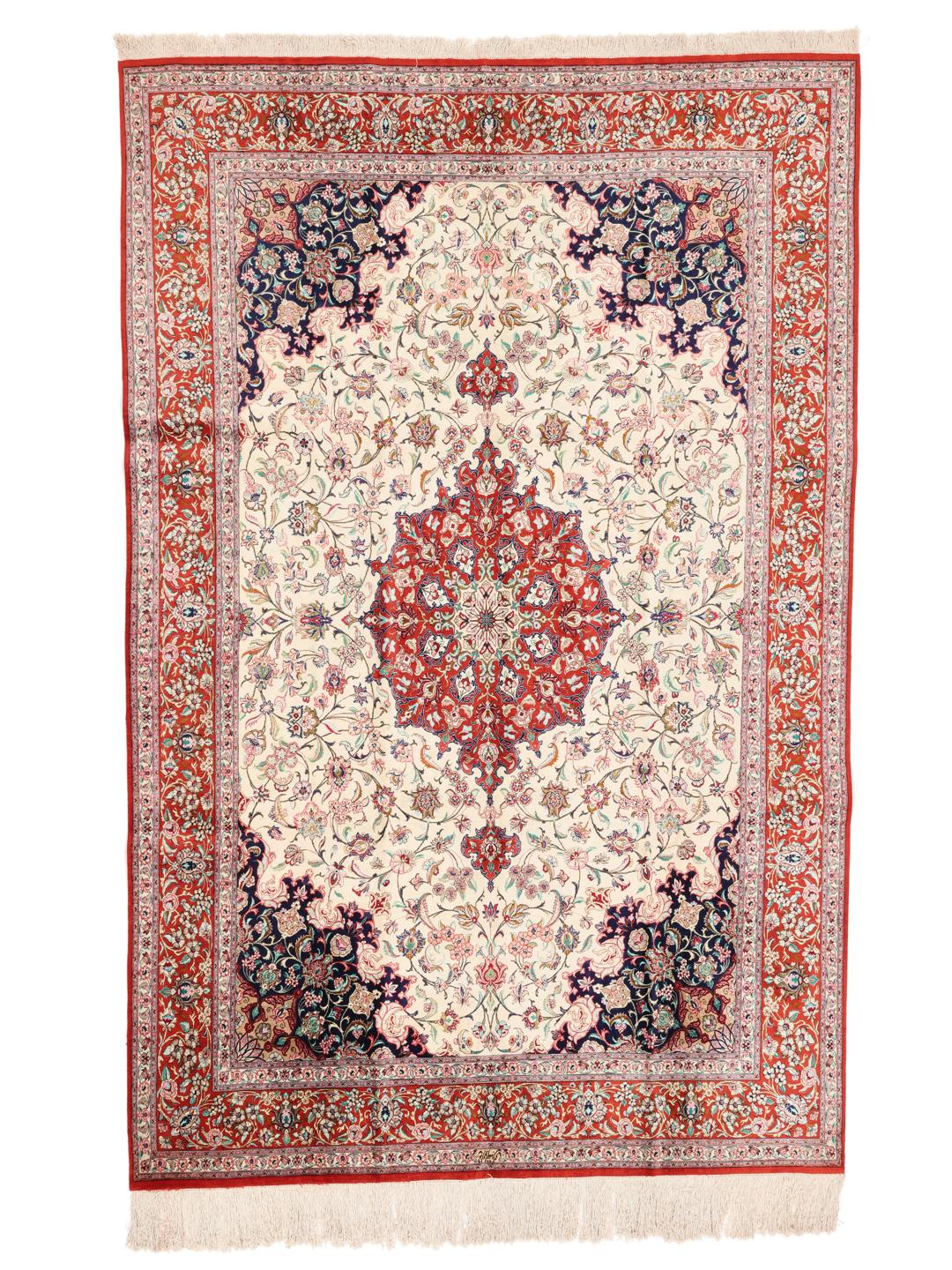
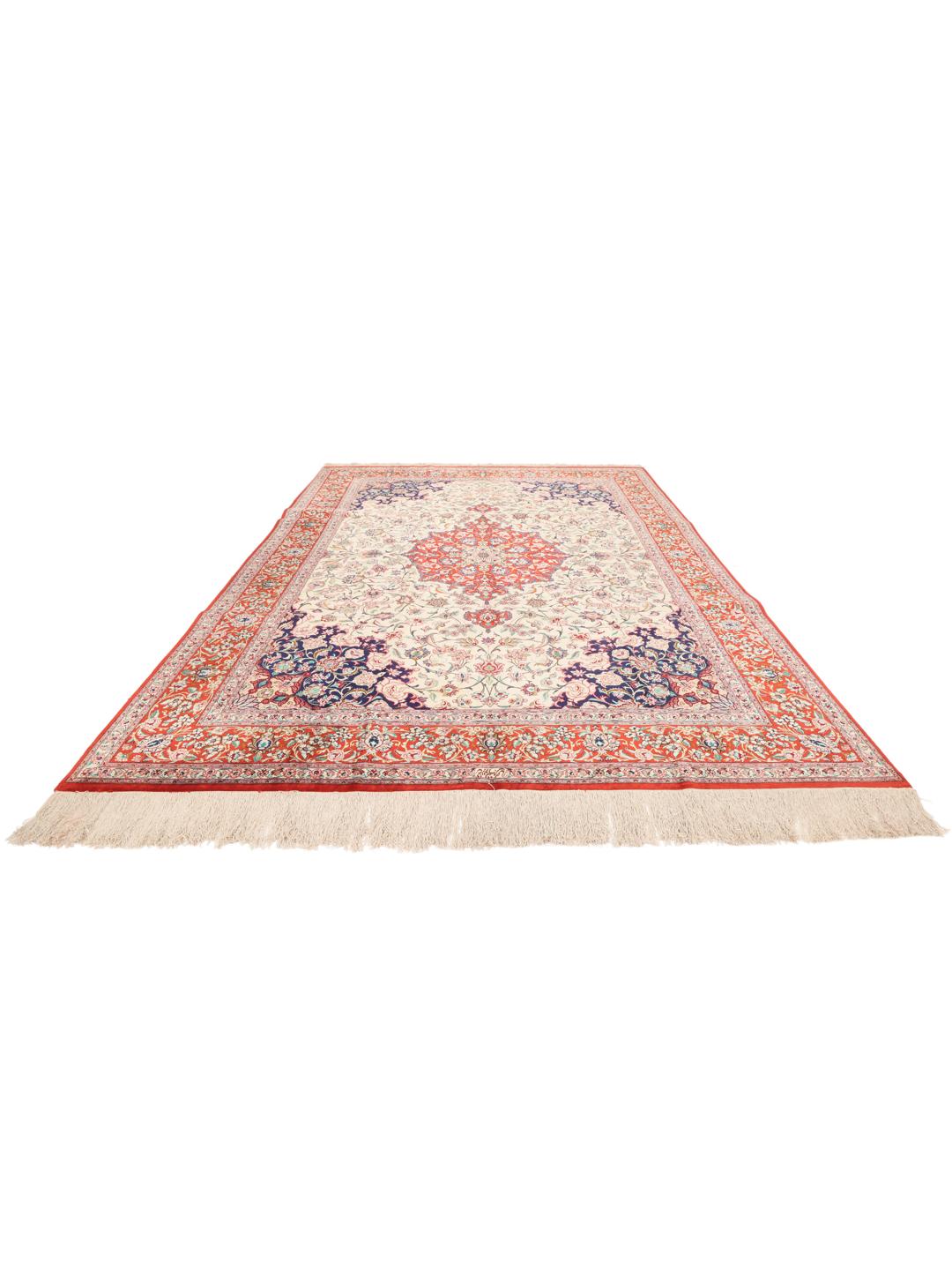
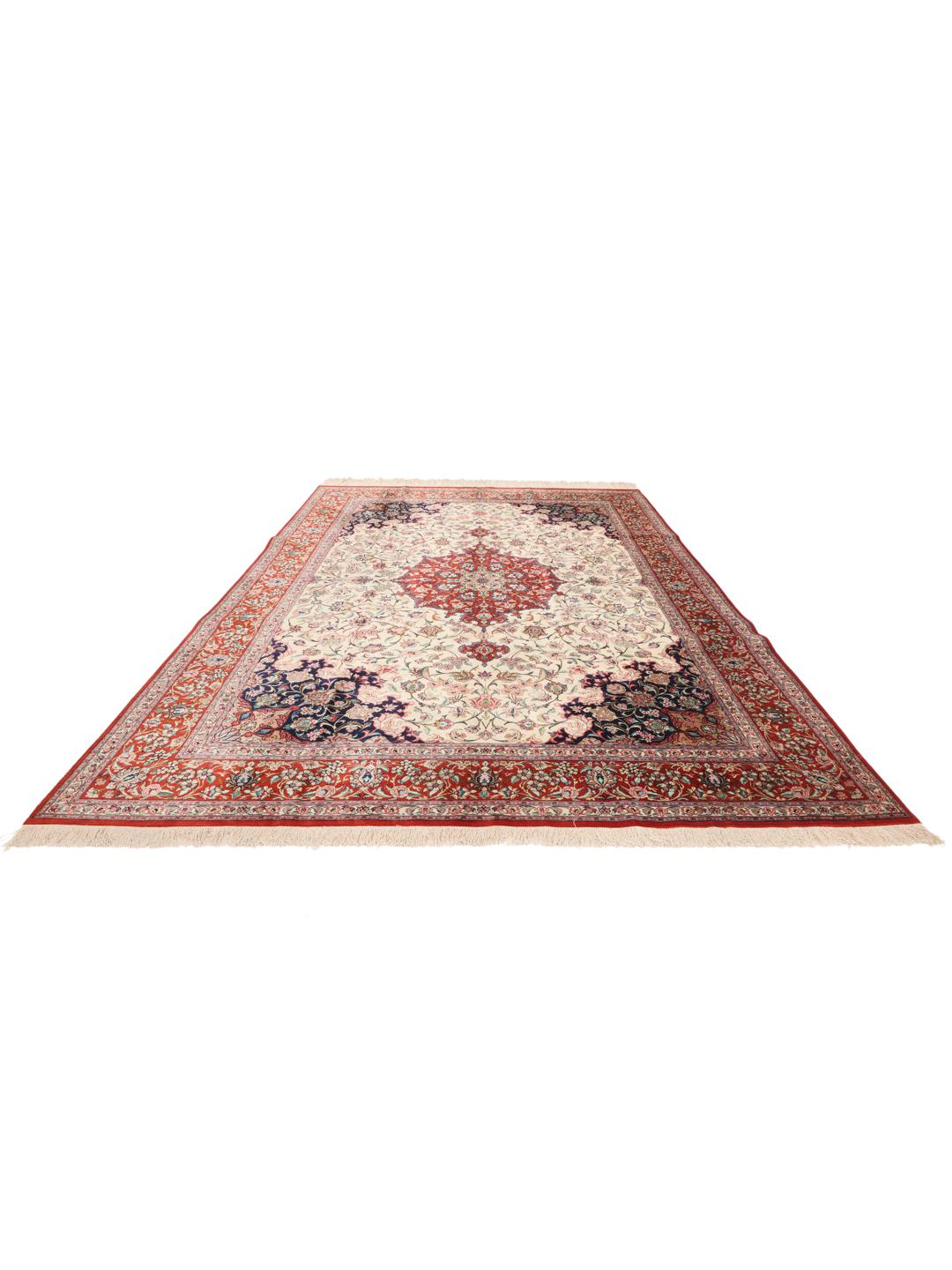
Ghom rugs originate from the holy city of Qum in the Middle East, a region that has become world-renowned for its production of fine silk textiles. While the city is not as ancient as other rug-weaving centres, it rose to prominence in the early 20th century, quickly establishing a reputation for pushing the boundaries of technical perfection and artistic expression in rug making.
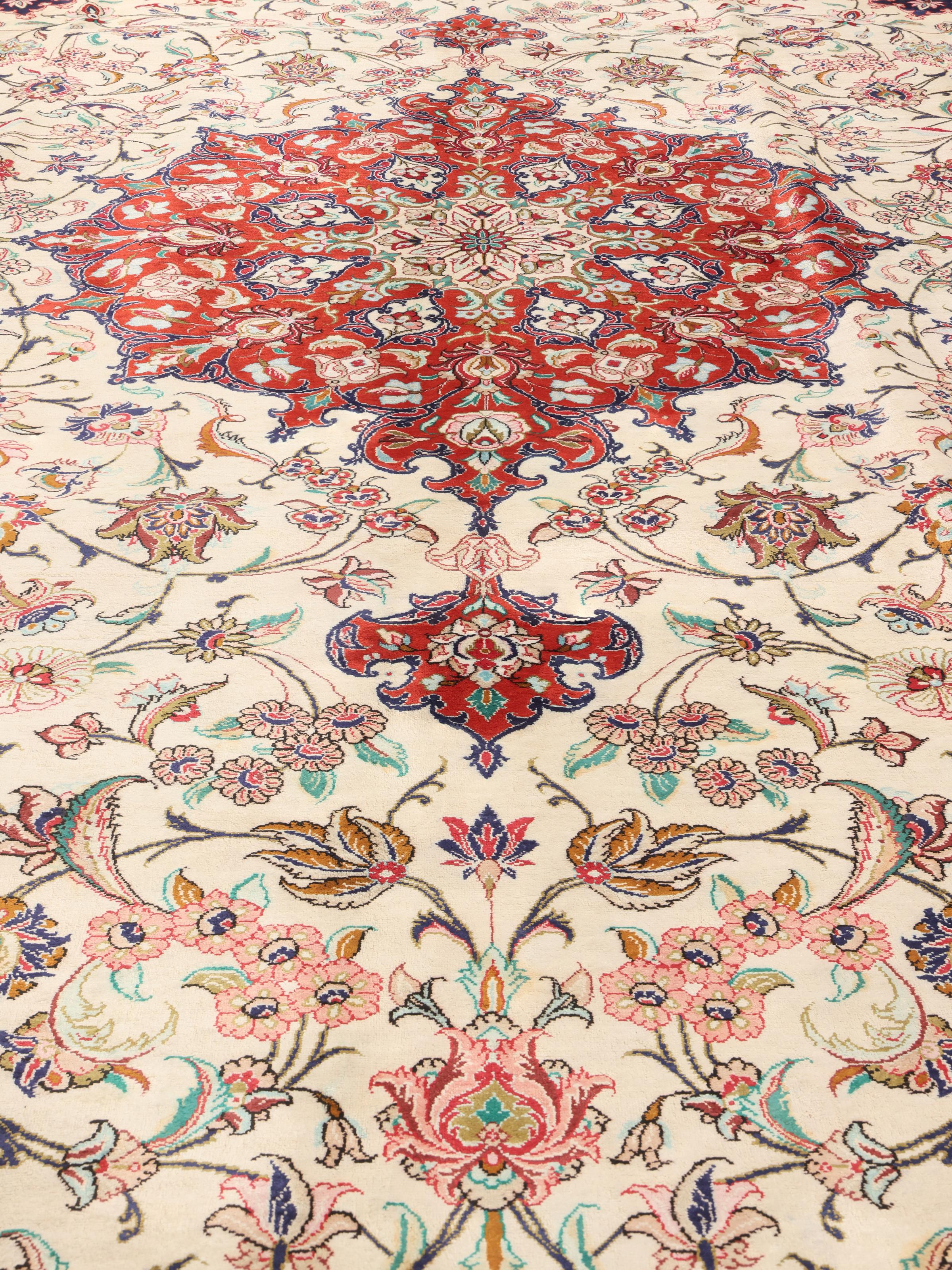
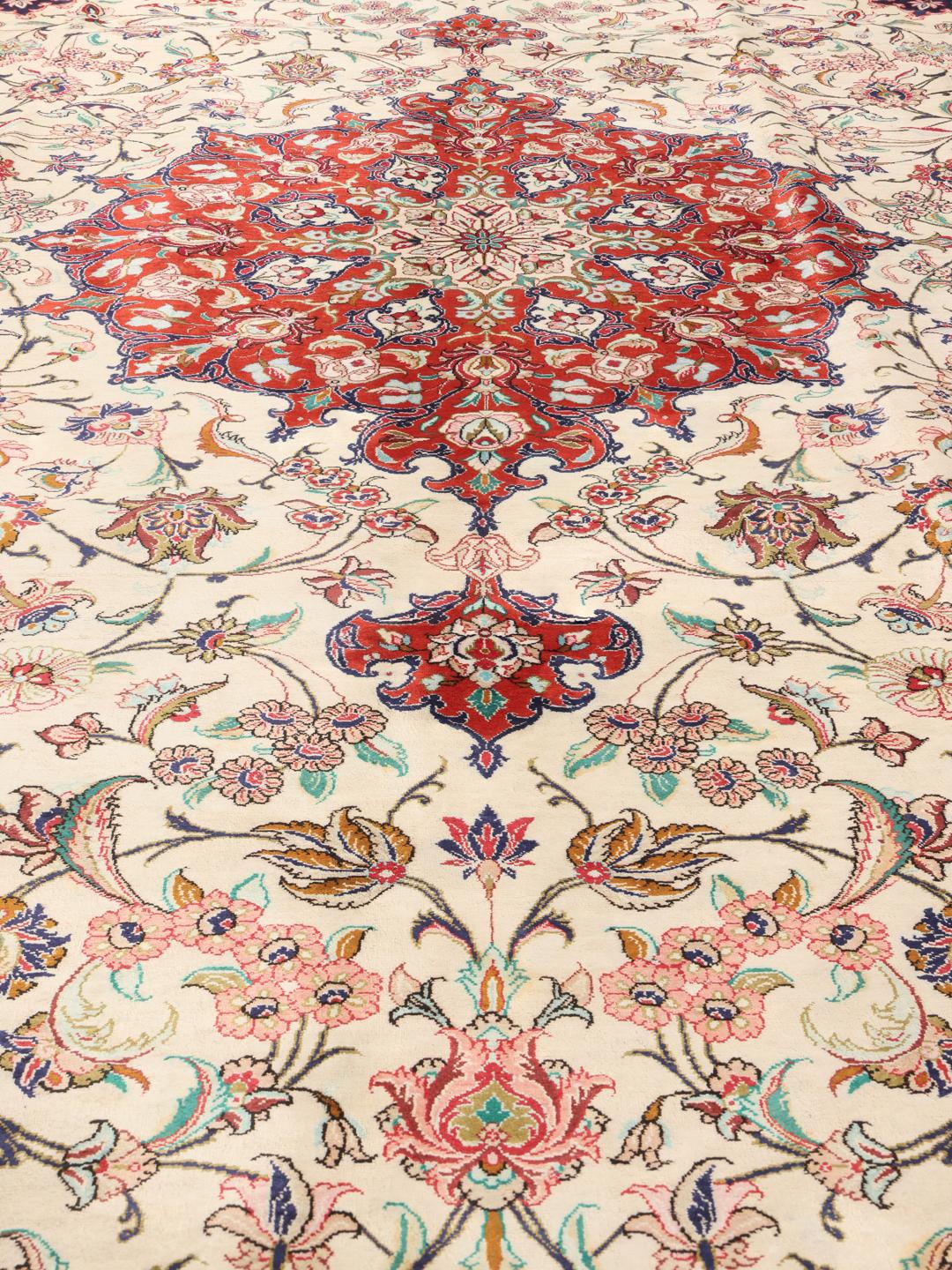
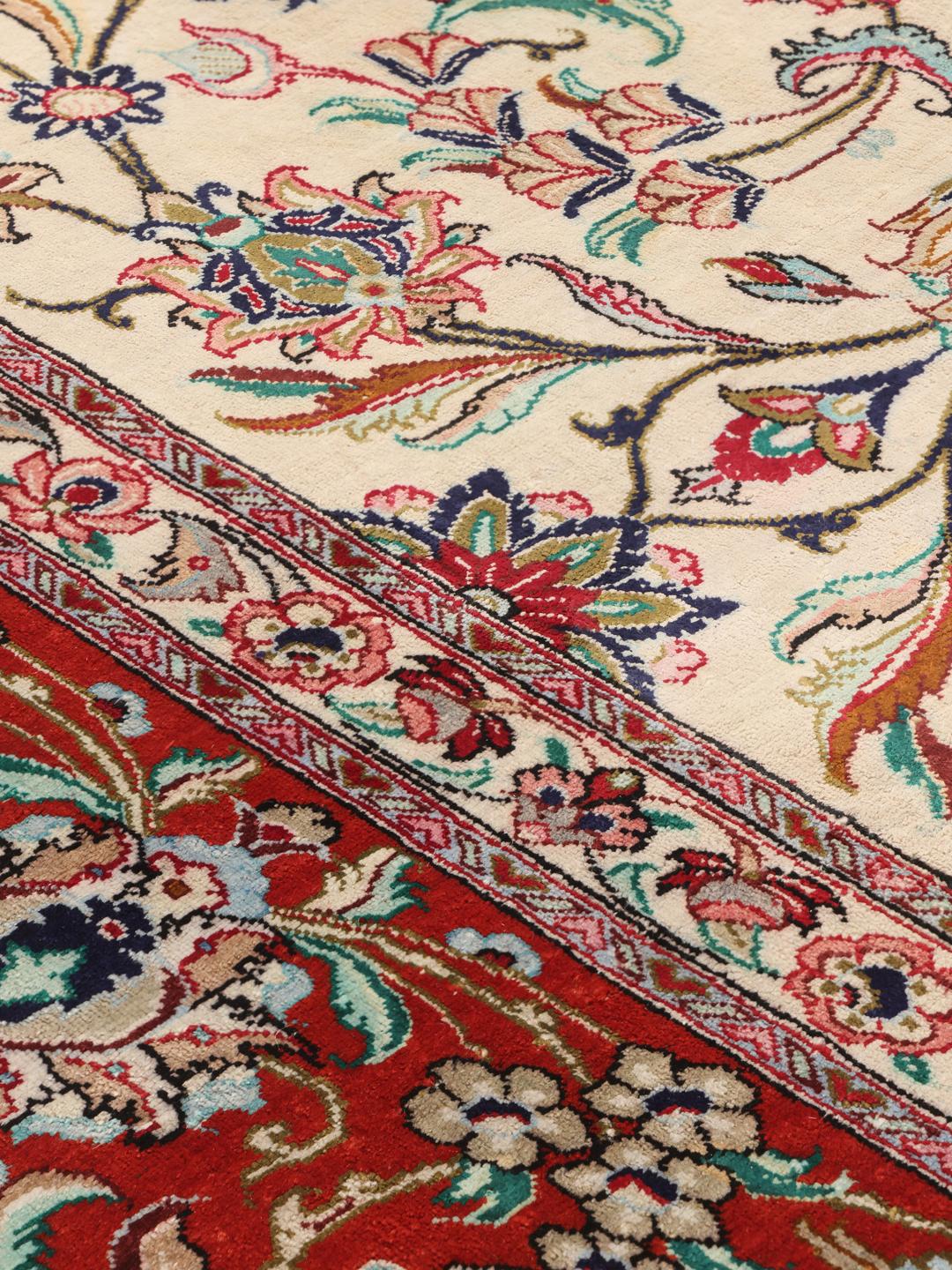
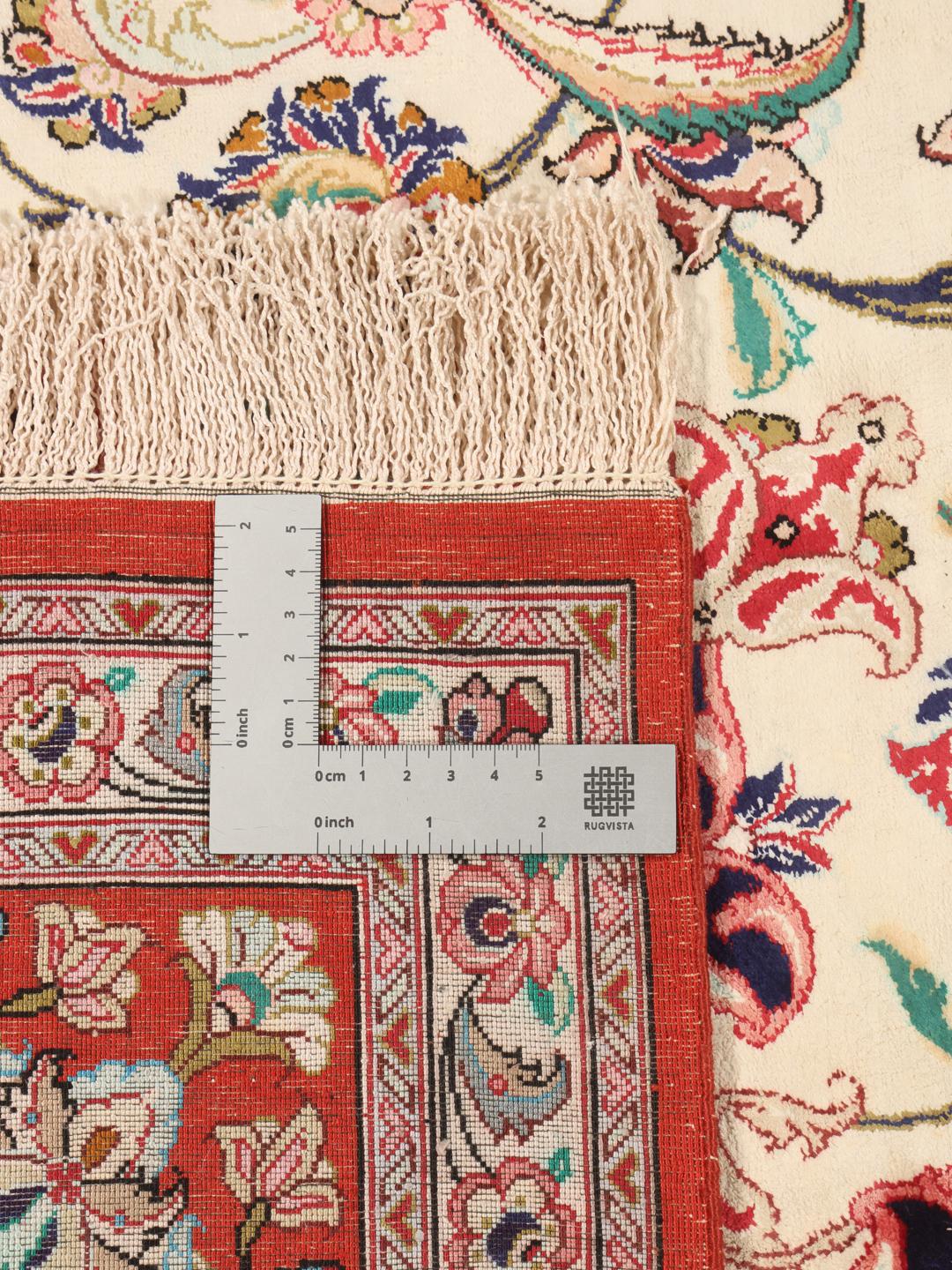
The mastery behind these rugs lies in their construction. The use of silk for both the pile and the foundation creates a characteristic drape and a shimmering finish that is highly sought after by collectors. The fine, thin nature of silk allows for an incredibly high knot count, which is the technical secret behind the sharp, photographic quality of the patterns often found on these rugs.
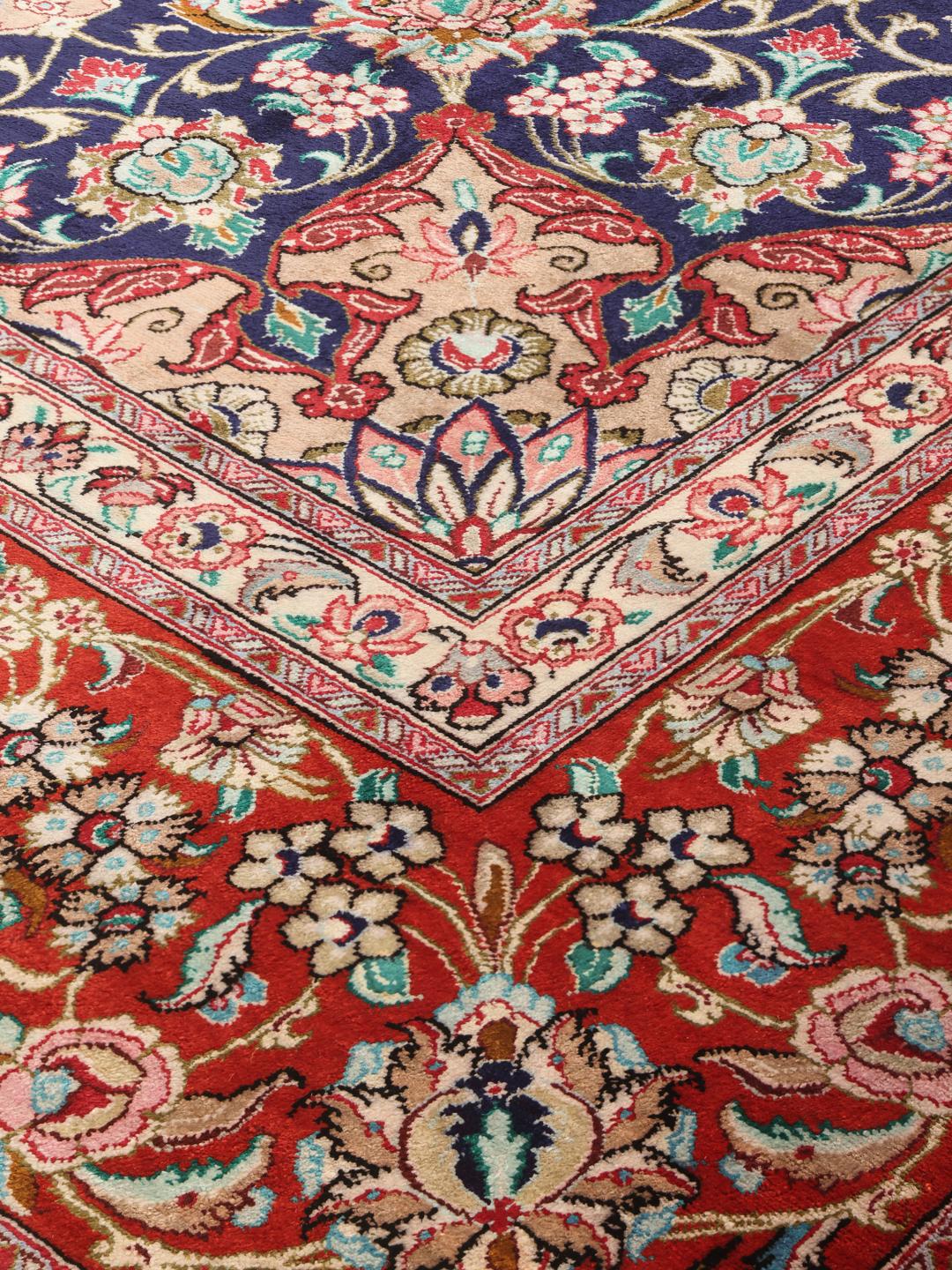
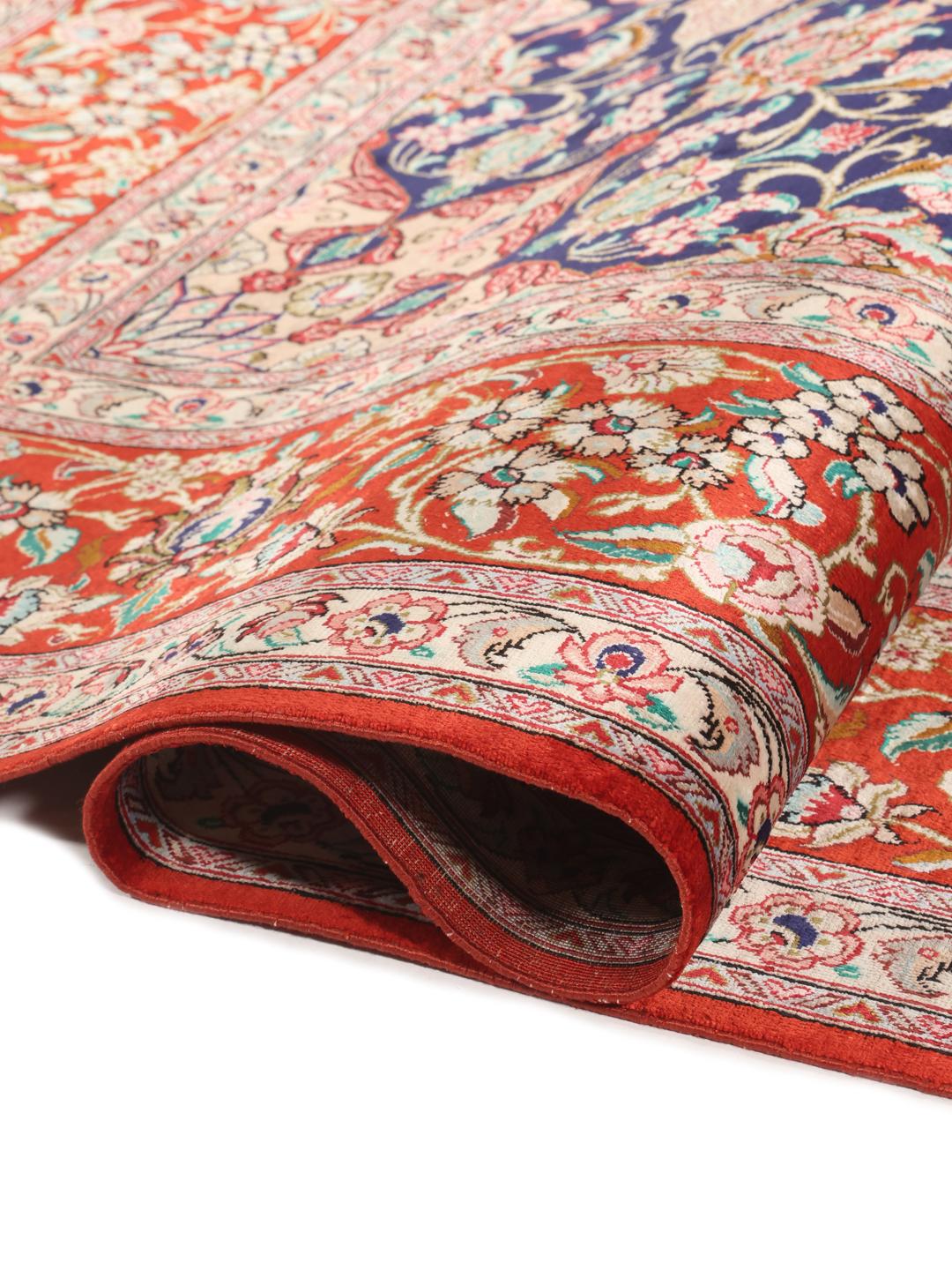
Visually, these pieces are defined by their sophisticated design language. They often incorporate classic elements such as the central medallion, intricate arabesques, and sprawling floral sprays, all framed by elegant borders. While they draw inspiration from traditional garden and hunting motifs, they are known for a certain creative freedom in colour and composition, often utilising vibrant reds and soft creams to create a striking contrast.
Owning a piece from this tradition is a commitment to preserving a legacy of immense skill. These rugs are not merely floor coverings but are regarded as textile art, valued for the patience of the weavers and the rarity of the materials. To possess such a piece is to hold a connection to a refined cultural heritage that prioritises beauty, detail, and the pursuit of perfection above all else.