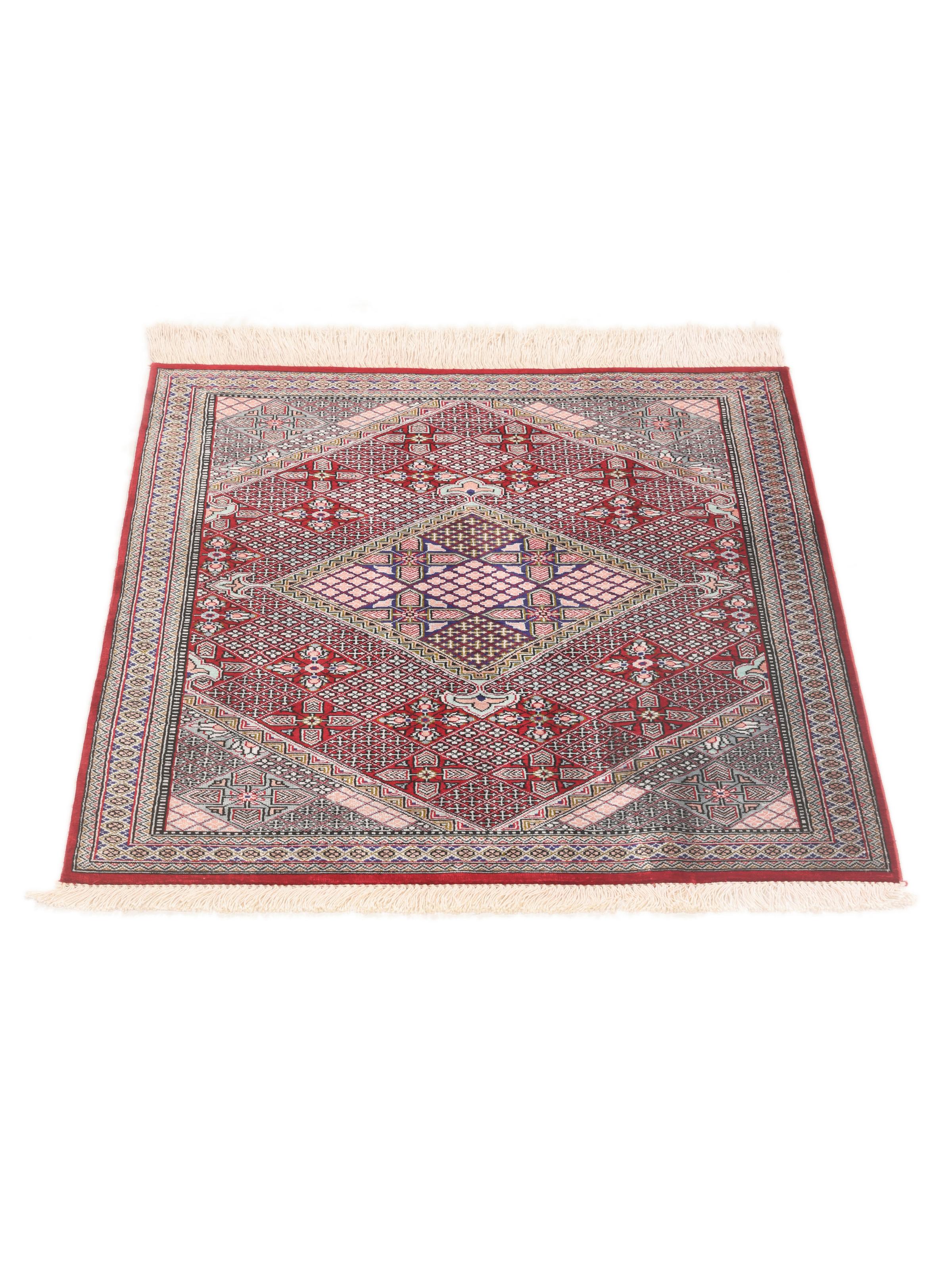
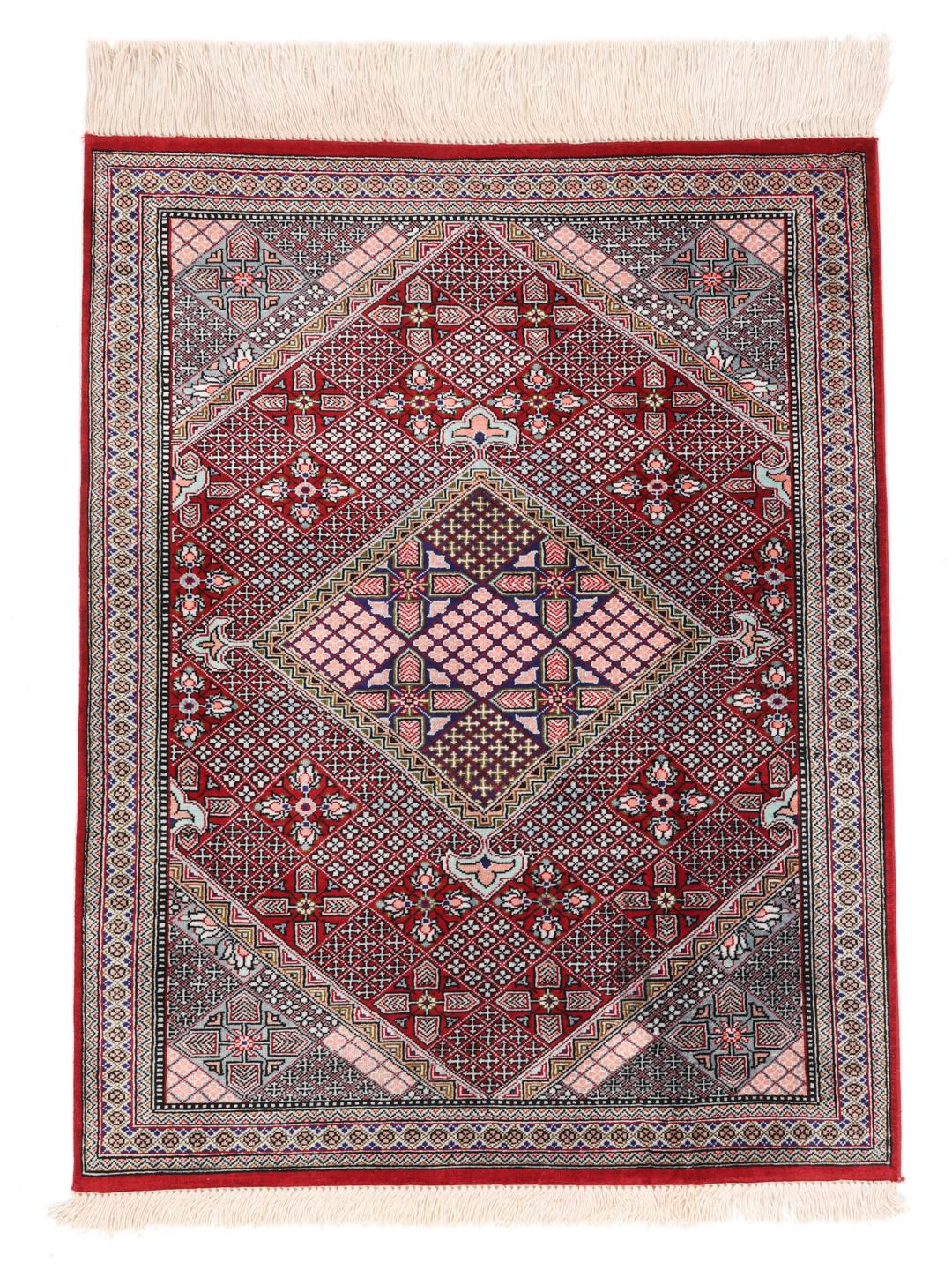
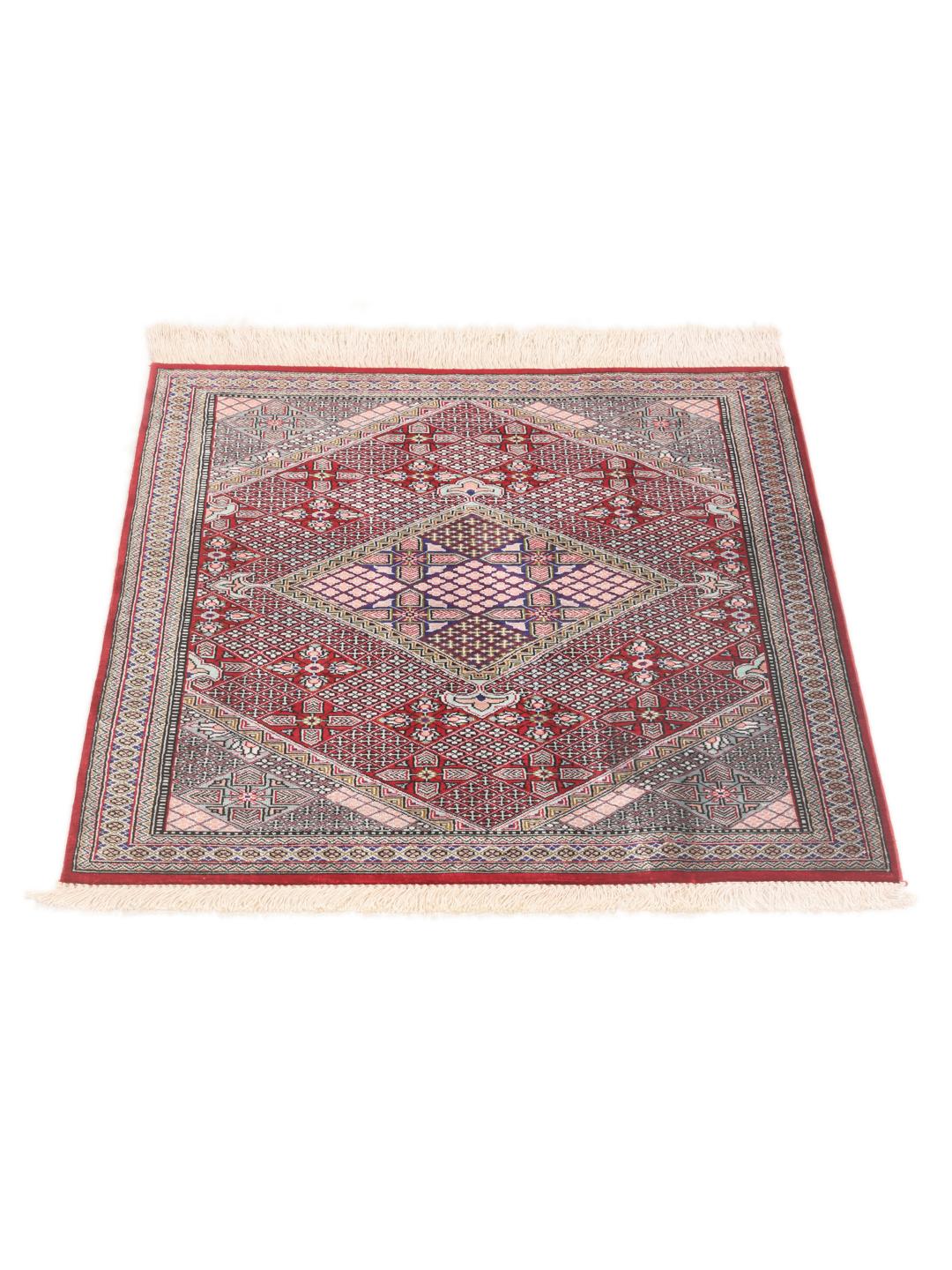
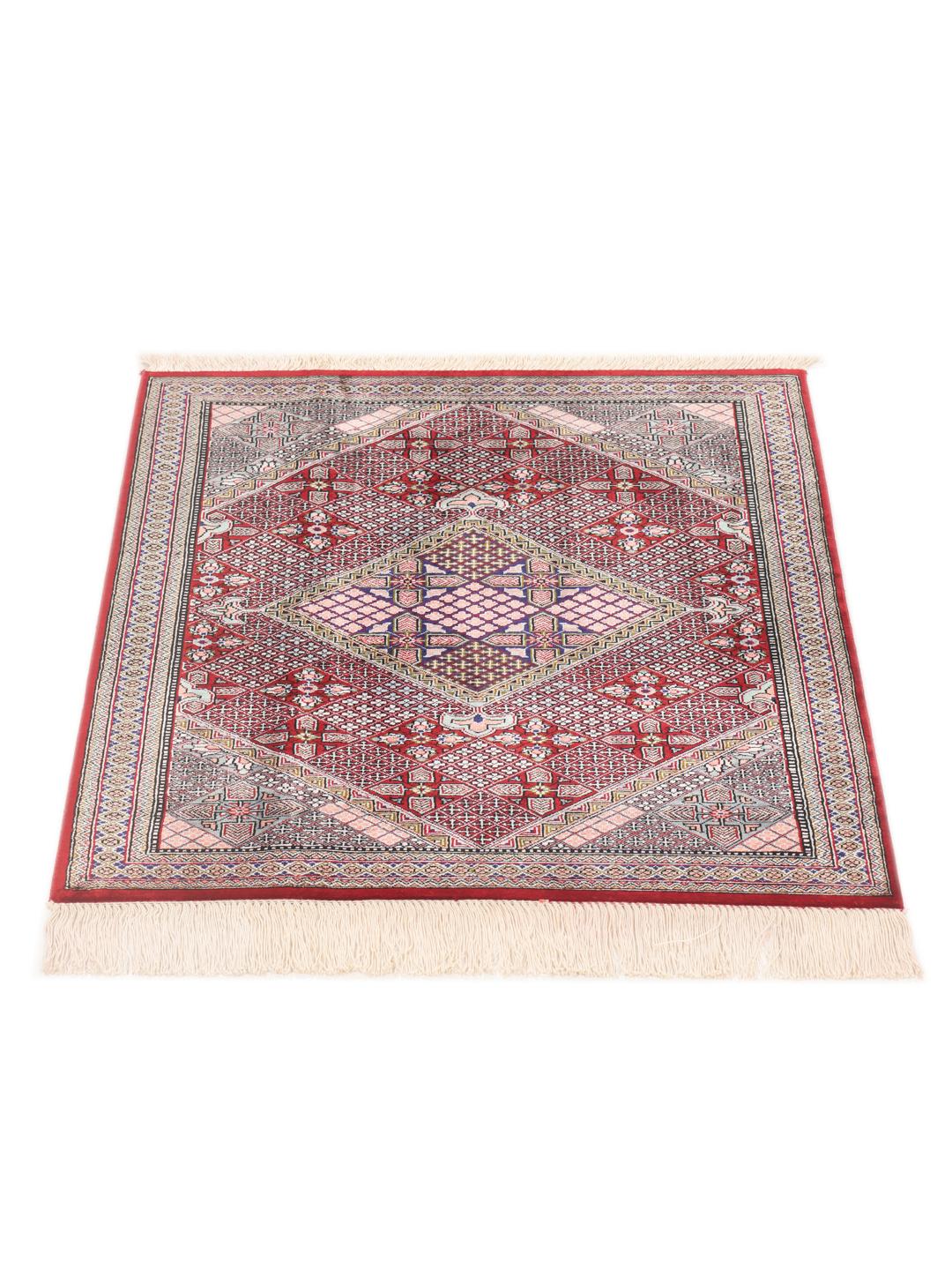
The tradition of Ghom silk rugs originates from the holy city of Qum in the Middle East, a centre renowned for its relatively recent but highly influential development in the world of rug making. While many regions have centuries of history, the weavers of Qum rose to prominence in the 20th century by applying their extensive knowledge of ancient weaving techniques to the use of luxurious silk. This allowed them to create rugs of unparalleled finesse and complexity, quickly becoming the gold standard for high-end, decorative silk floor coverings.
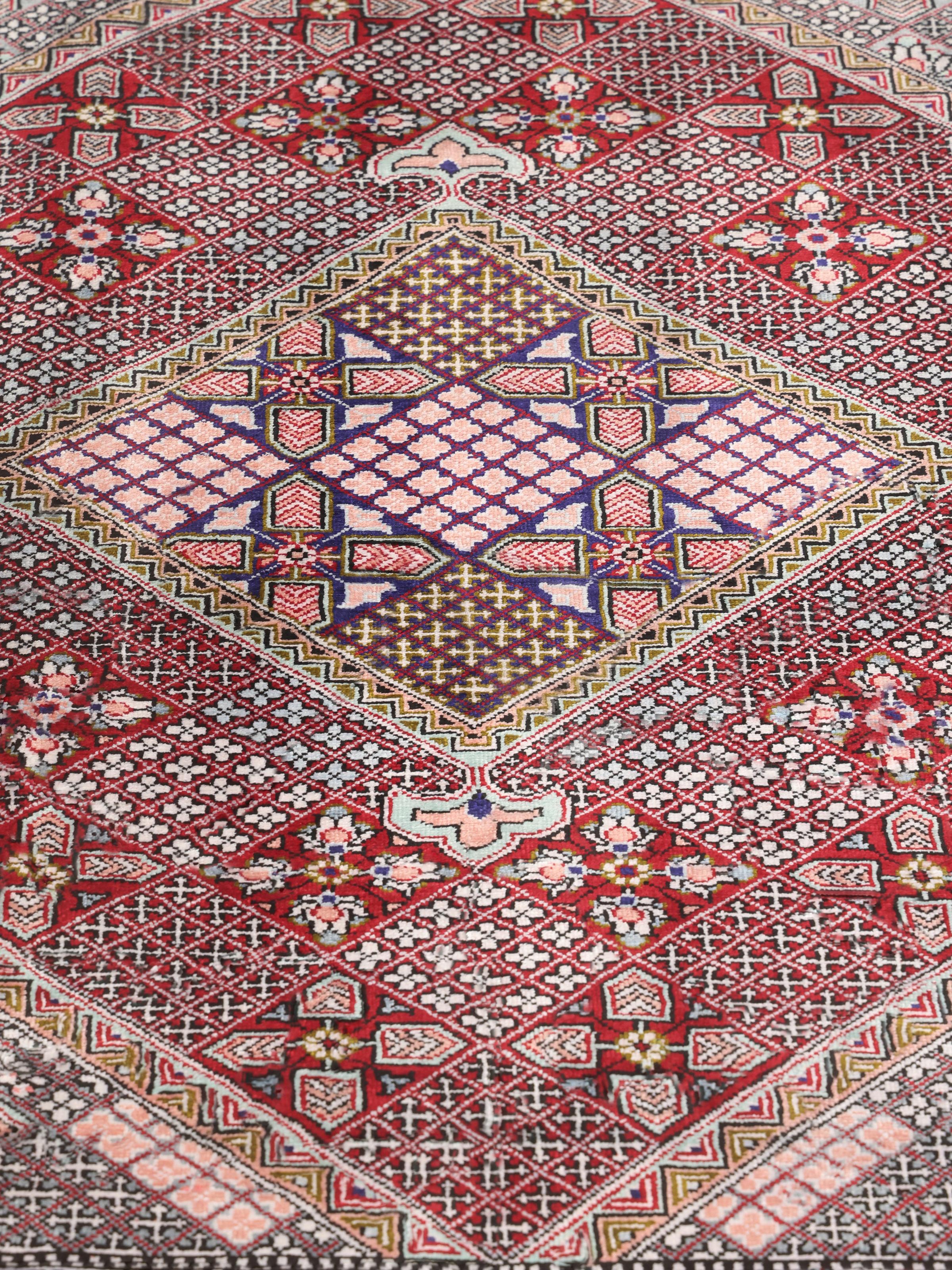
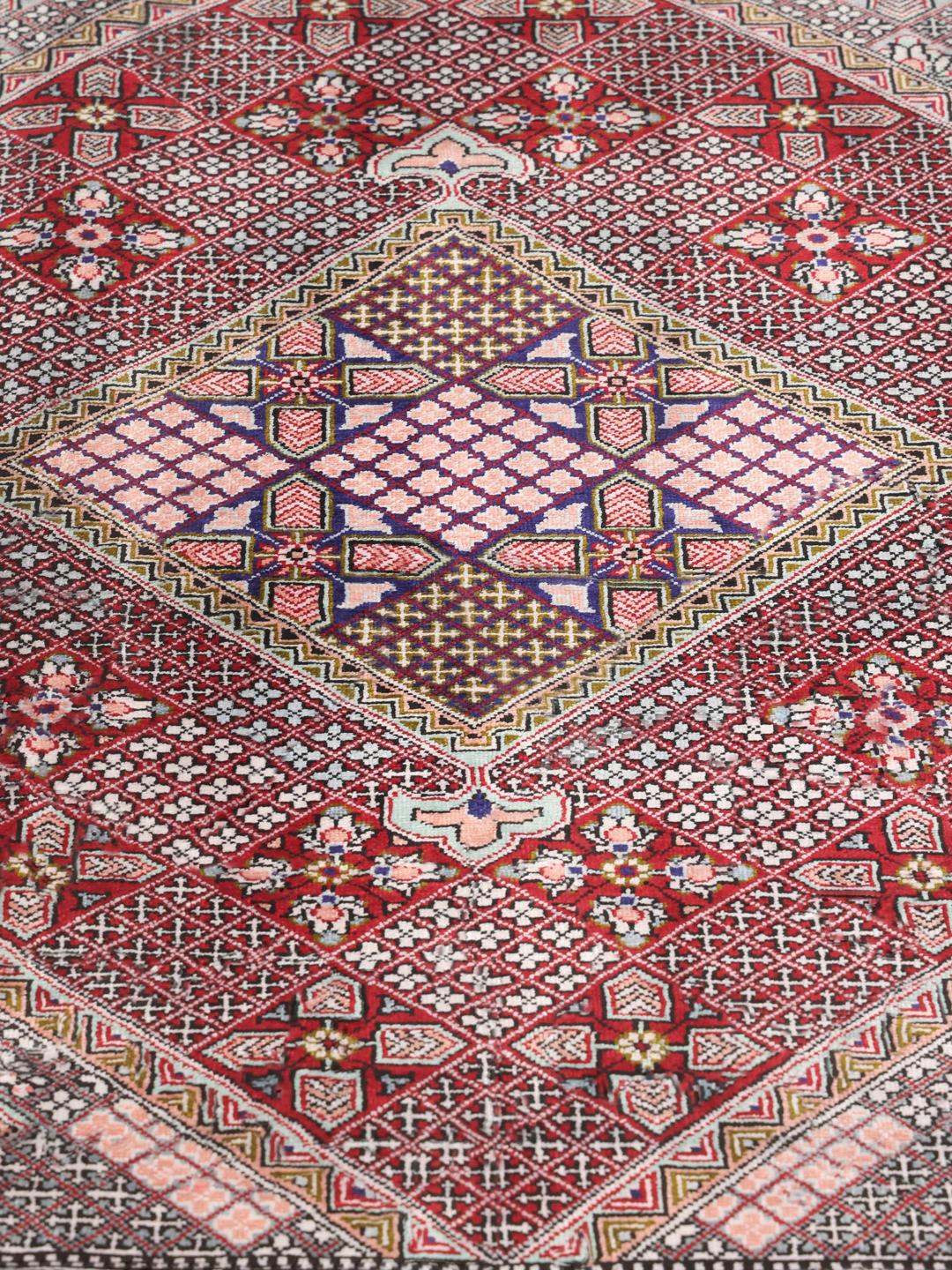
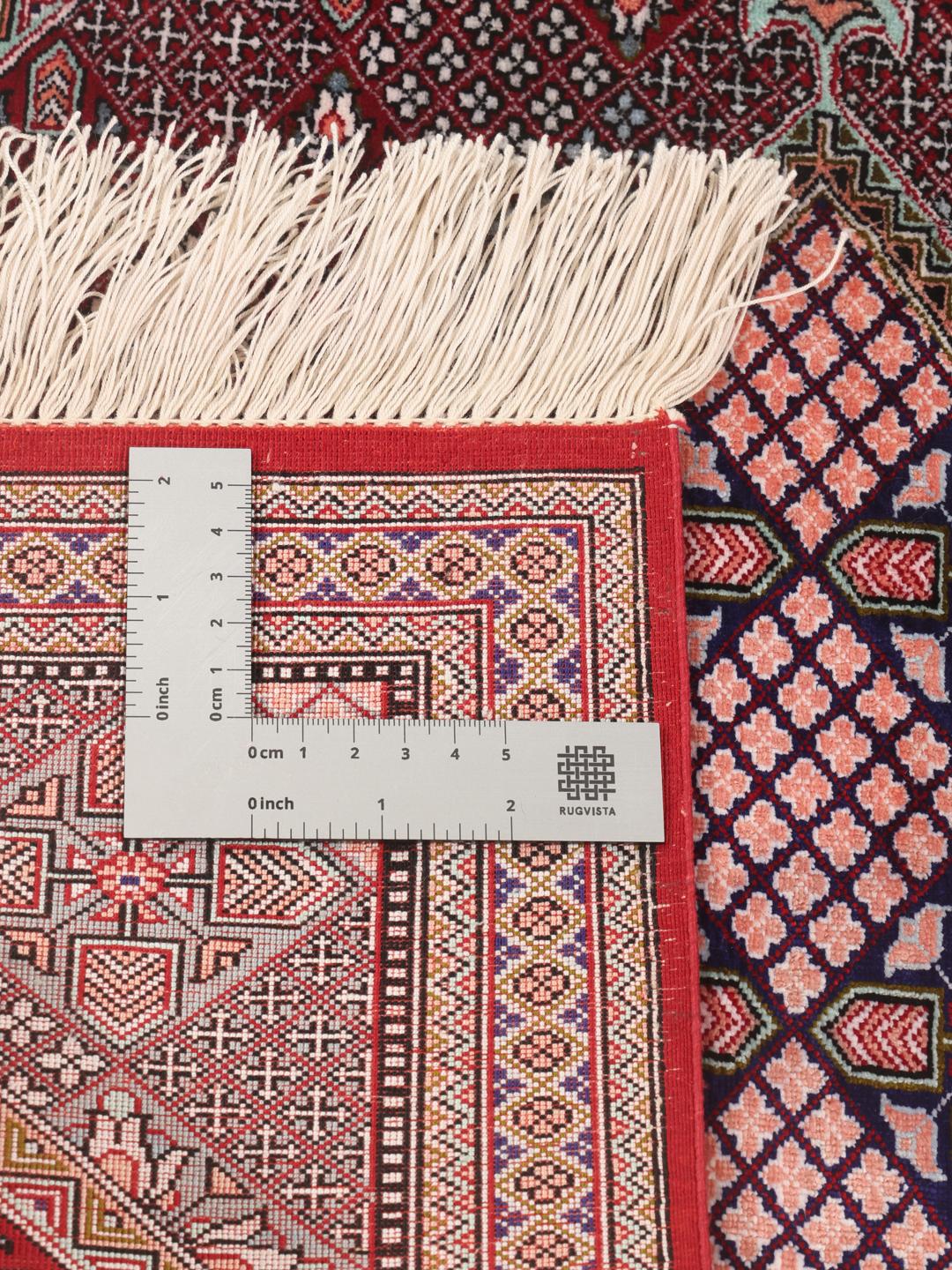
The technical mastery required to produce these rugs is profound, often utilising the finest silk to achieve a level of detail that is simply impossible with other materials. The term 'fine weave' in this tradition refers to the exceptionally high knot count, which allows for delicate lines and tiny, intricate motifs. This technical complexity is why these pieces are so highly regarded; the skill involved in maintaining such consistency across the entire surface is a testament to the artisan's dedication.
Design-wise, these rugs are celebrated for their sophisticated use of colour and precise, often geometric or floral, patterns. The classic Qum style frequently features a central medallion surrounded by dense, repeating motifs that cover the field. The use of vibrant, harmonious colours is a signature element, designed to catch the light and showcase the natural sheen of the silk. Each rug acts as a canvas, displaying a level of detail that draws the eye and rewards close inspection.
Owning a silk rug from this tradition is an investment in cultural heritage and refined artistry. Collectors value these pieces not only for their beauty but for the immense human effort and the rarity of the materials used. They are seen as heirlooms that carry the legacy of a specific time and place, representing a peak of craft that continues to be admired globally. By bringing such a piece into your home, you are participating in a long-standing tradition of excellence and artistic expression.