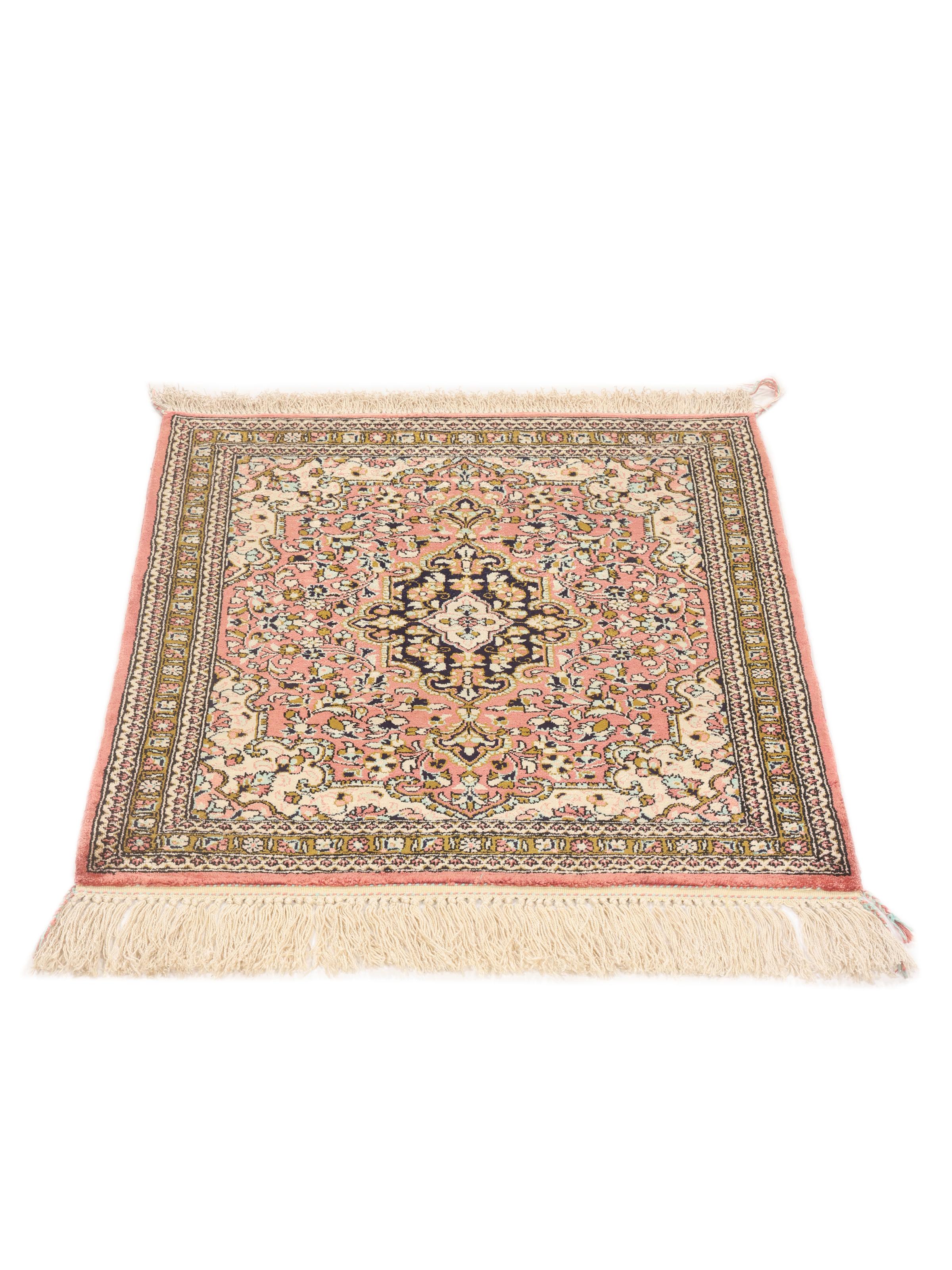
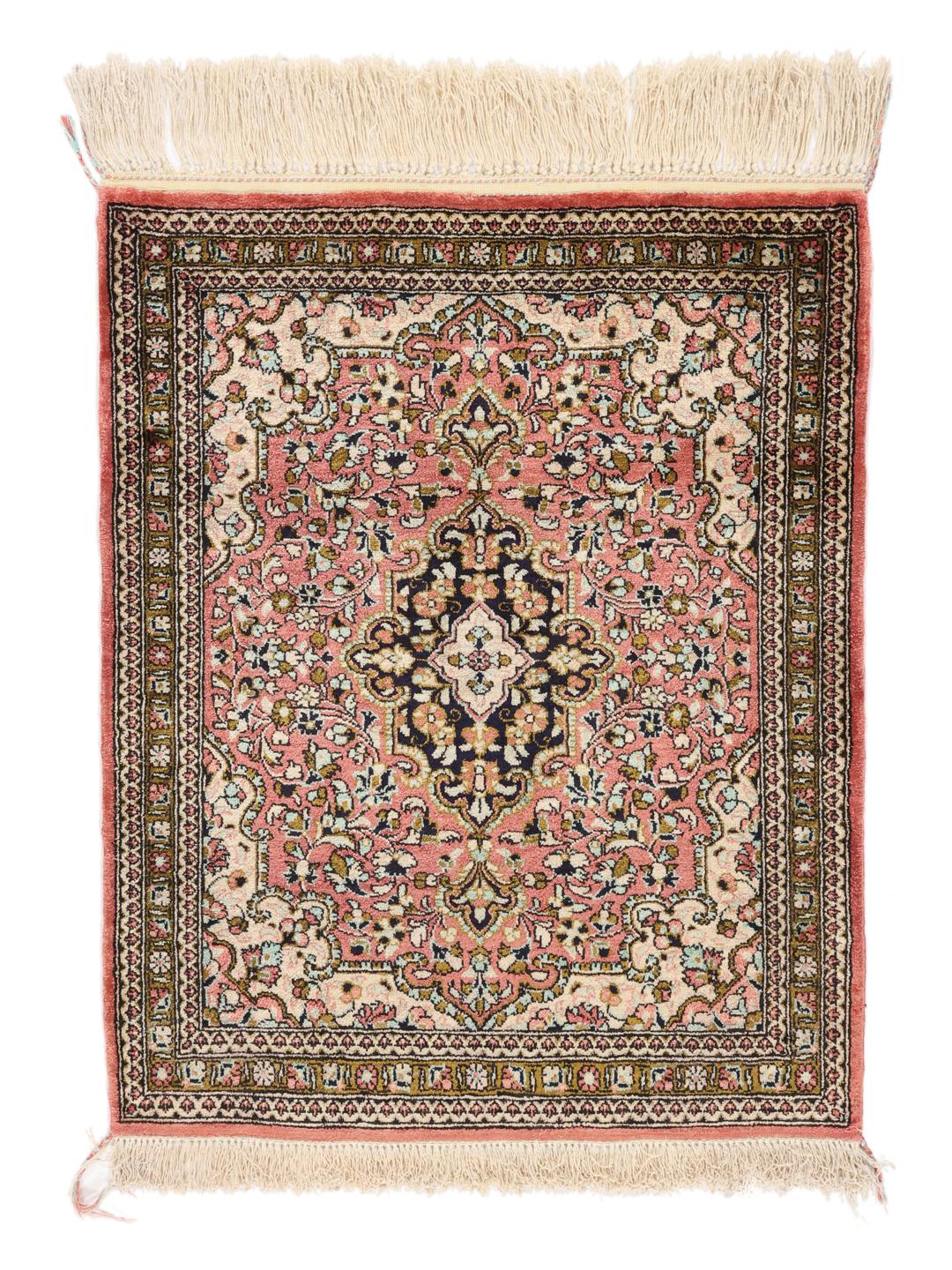
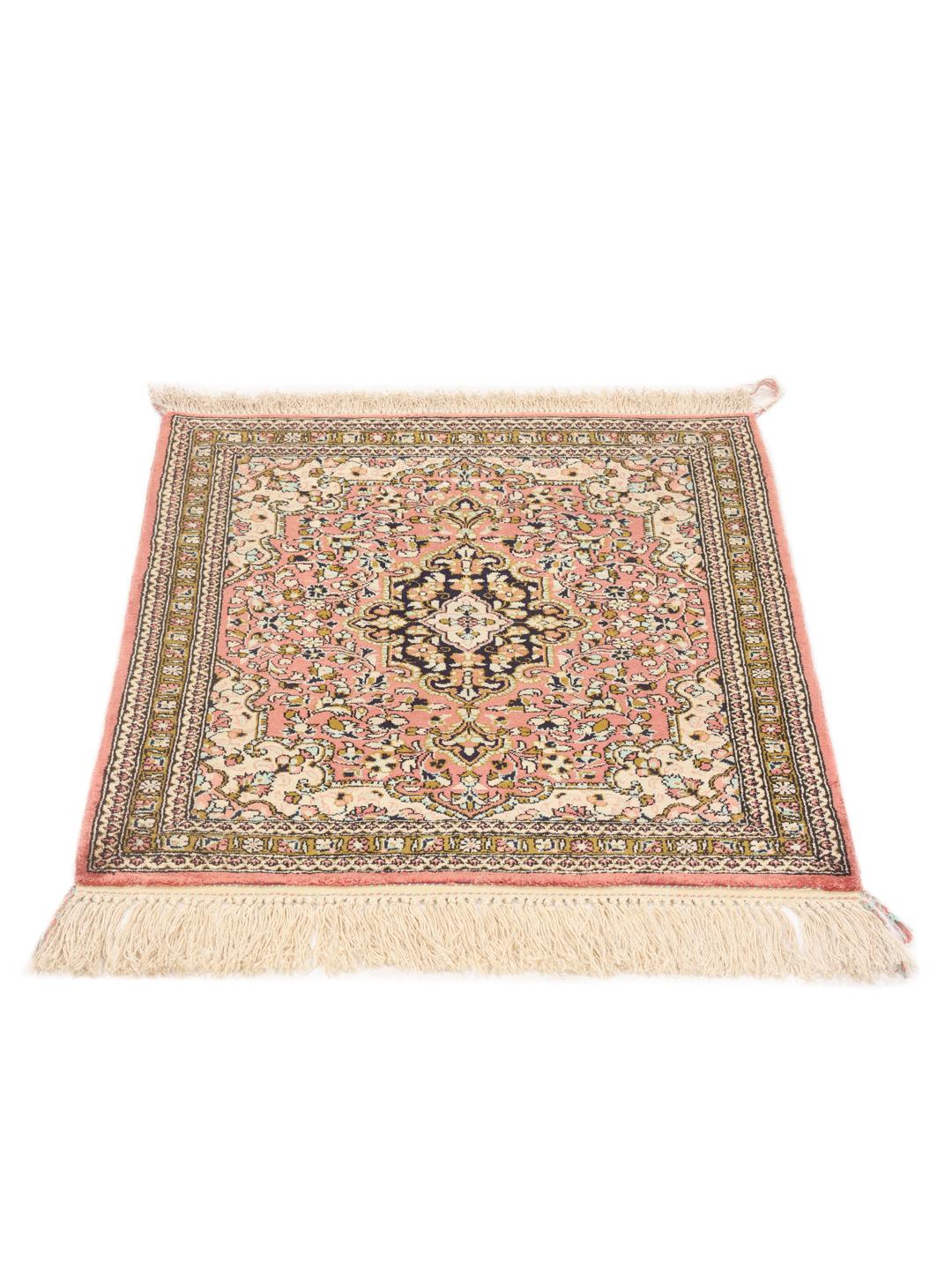
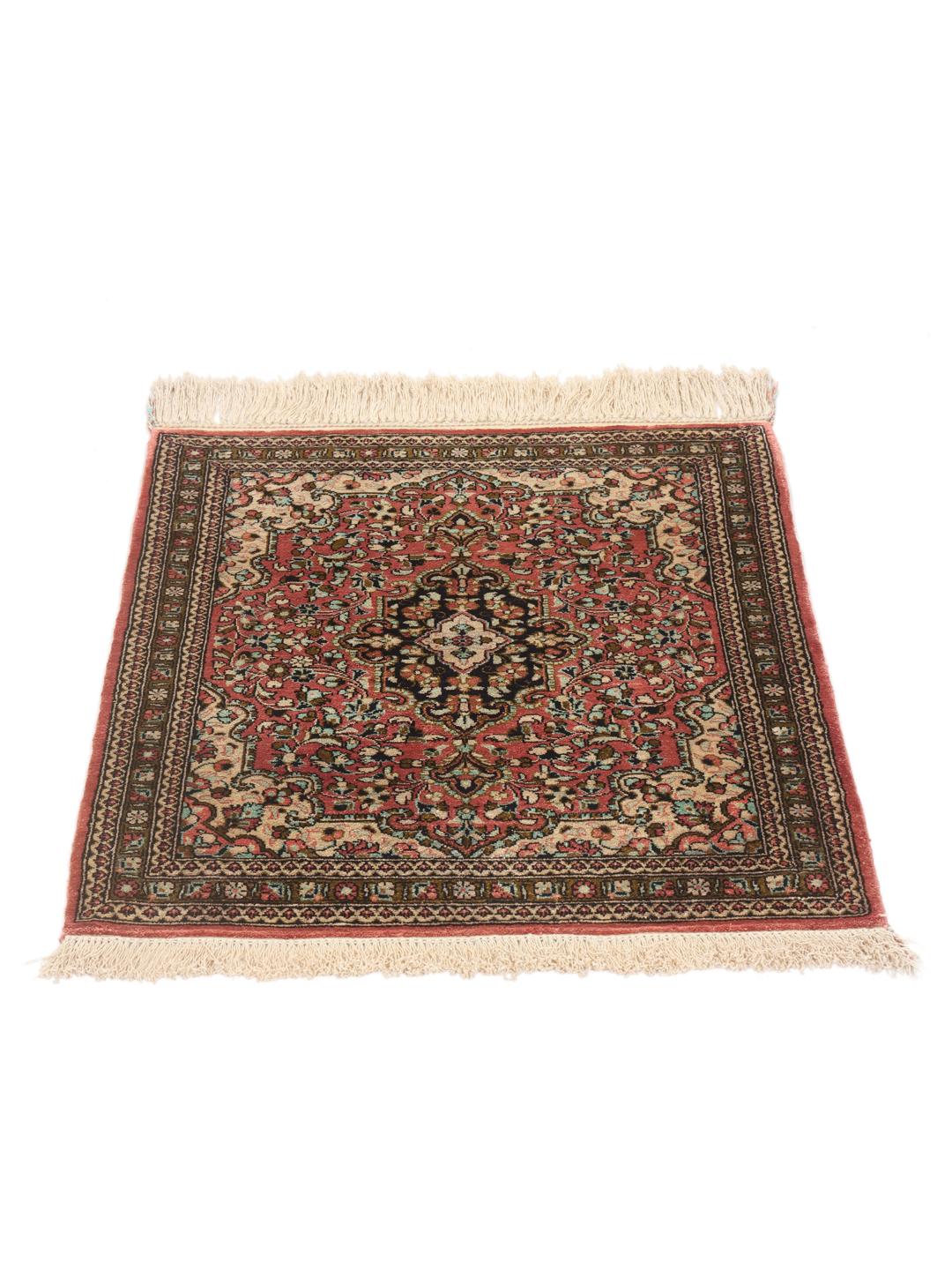
Ghom, a city located in the heart of the Middle East, is synonymous with the production of some of the world's most exquisite silk rugs. While the region has a long history of textile production, the development of the Ghom silk rug is a relatively modern phenomenon, gaining significant international acclaim during the 20th century. Weavers in Ghom are celebrated for their ability to adapt traditional motifs and create entirely new, sophisticated designs that push the boundaries of the craft.
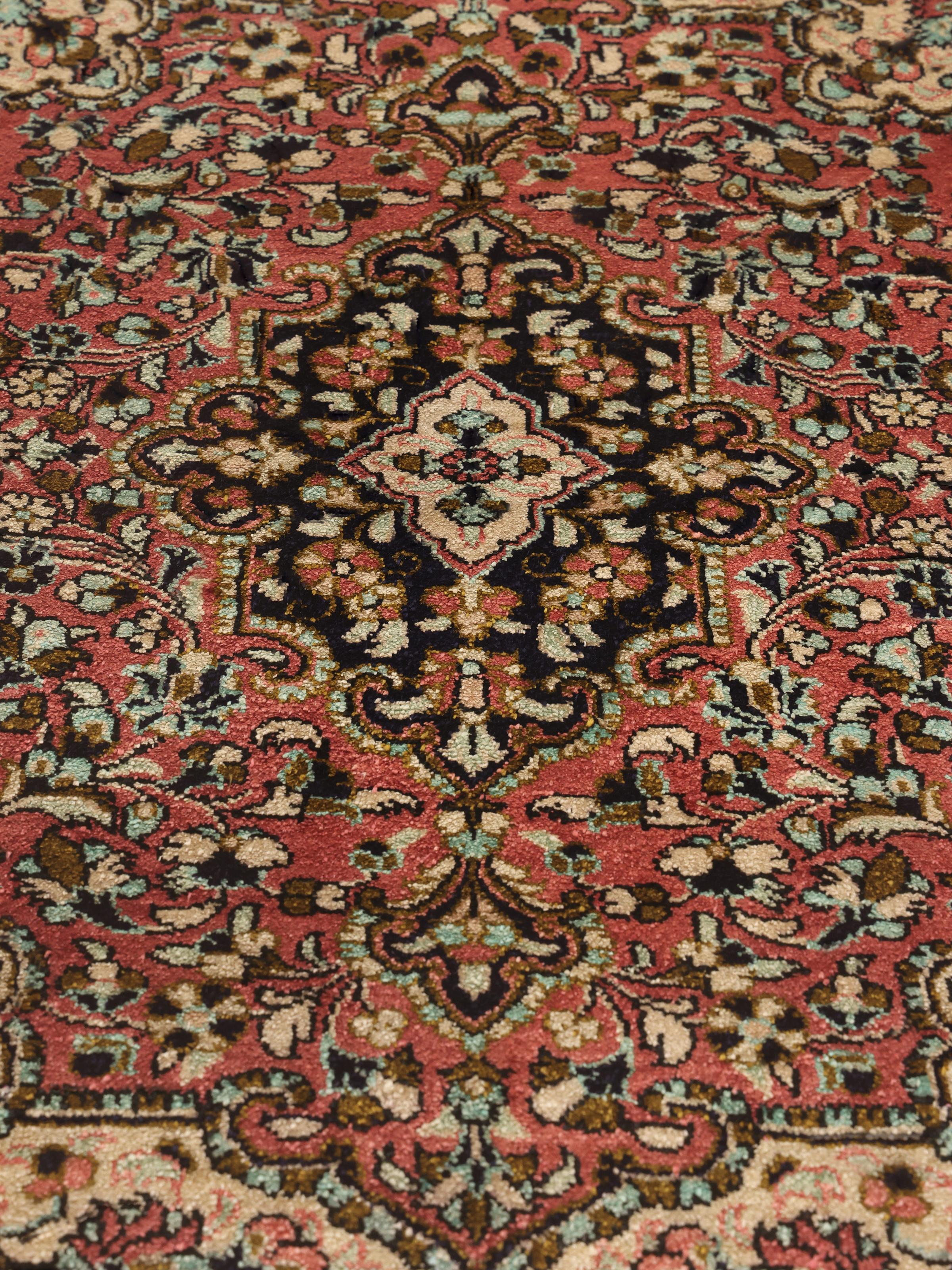
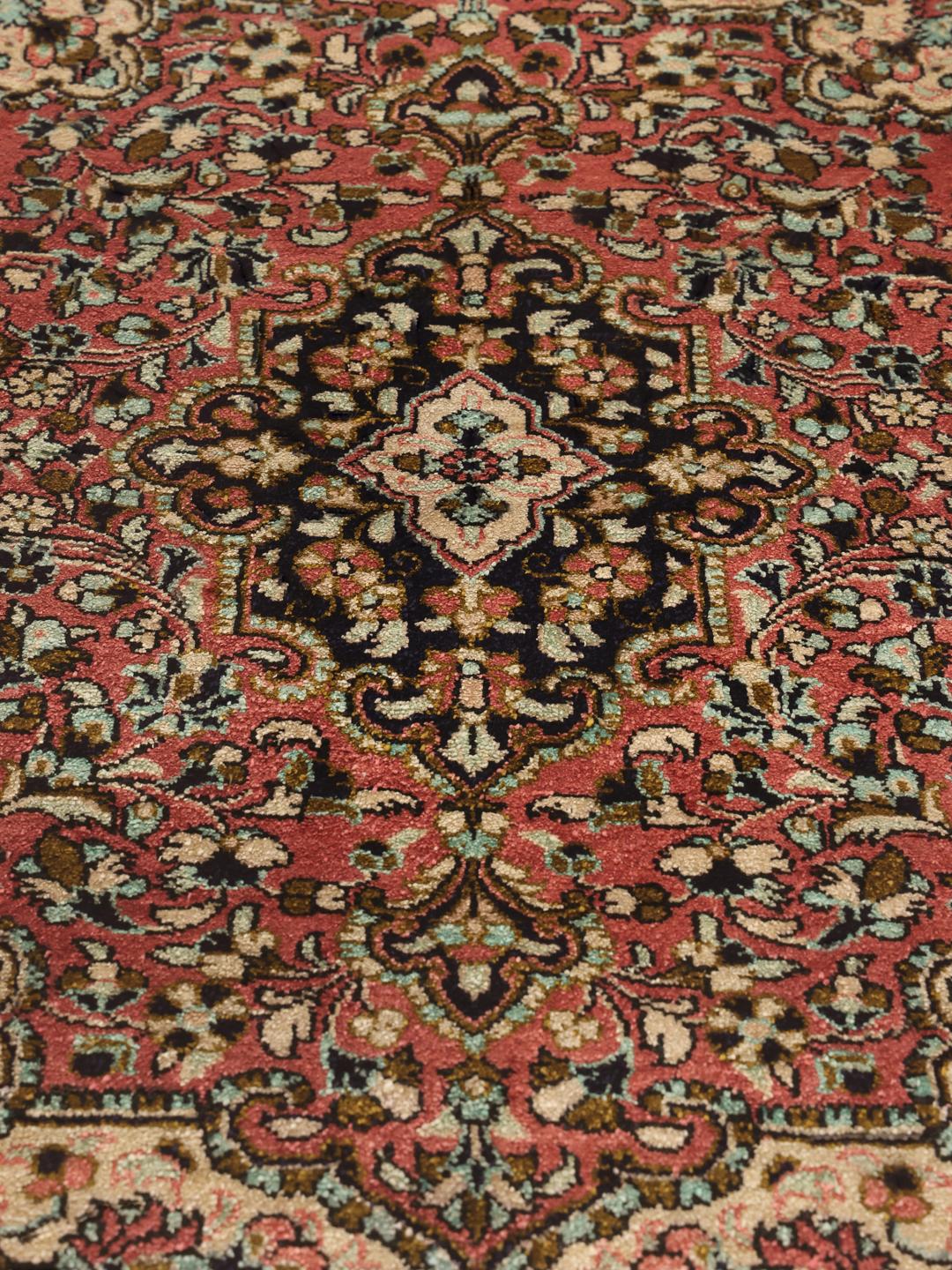
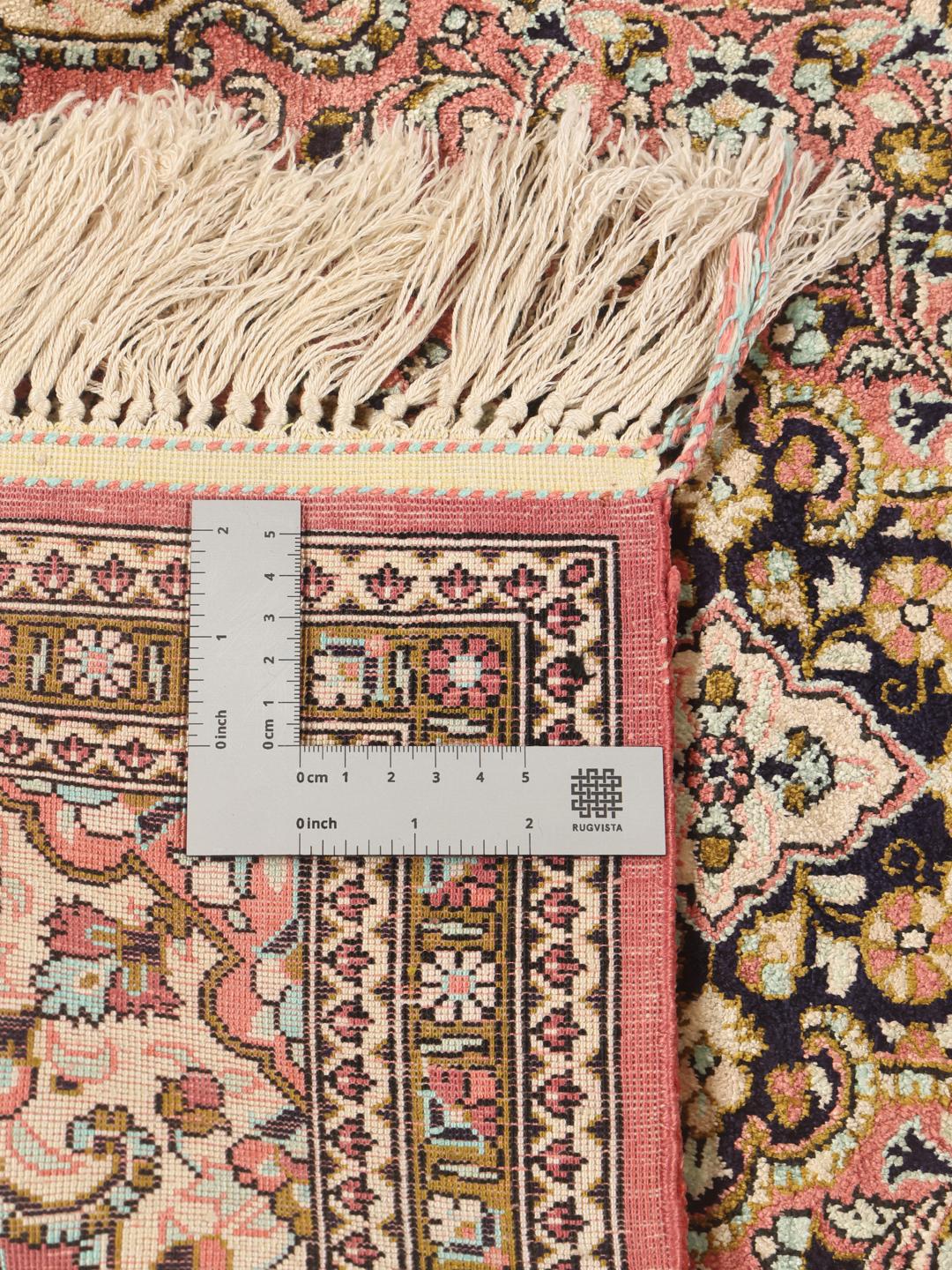
The term silk in this context refers to the use of high-quality, natural filaments that provide the rug with its signature lustrous finish and fine texture. Unlike wool, silk allows for a much higher knot density, which enables the creation of incredibly detailed, curvilinear patterns that appear almost like paintings. This technical capability is what distinguishes Ghom rugs as some of the most sought-after collector pieces in the world.
Design-wise, these rugs often feature intricate floral patterns, arabesques, and central medallions that draw inspiration from historical garden motifs. The border work is typically just as detailed as the central field, often containing complex vine-scrolls and delicate flower heads. Using a vibrant yet balanced colour palette, these rugs are designed to be visually harmonious, often incorporating shades that enhance the natural sheen of the silk.
Collecting a Ghom silk rug is an investment in cultural heritage and human skill. Because these rugs are crafted in limited numbers and require such a profound level of expertise, they are highly valued by enthusiasts who appreciate the intersection of art and utility. Owning one is a testament to an appreciation for tradition and the enduring beauty of hand-wrought silk textiles.