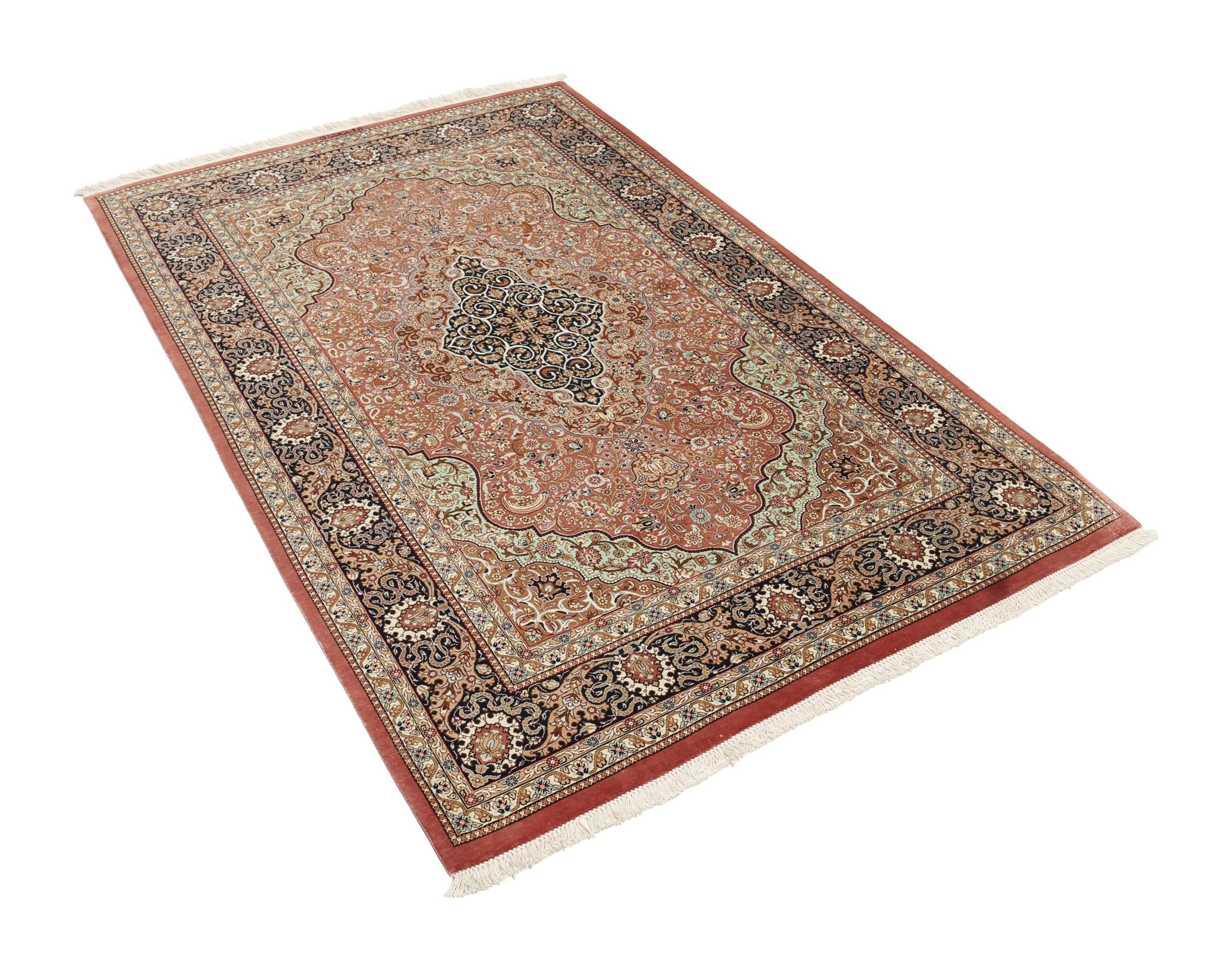
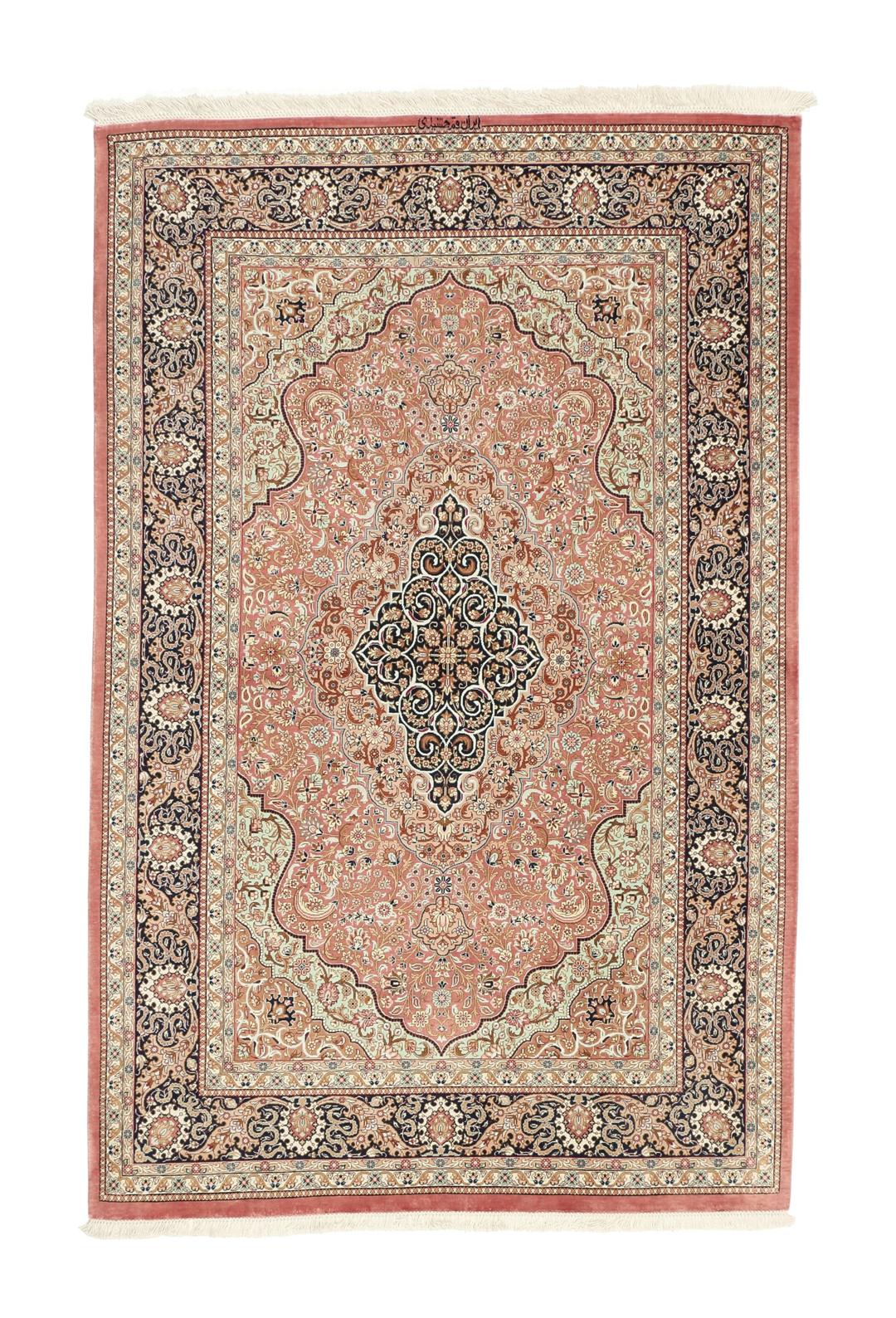
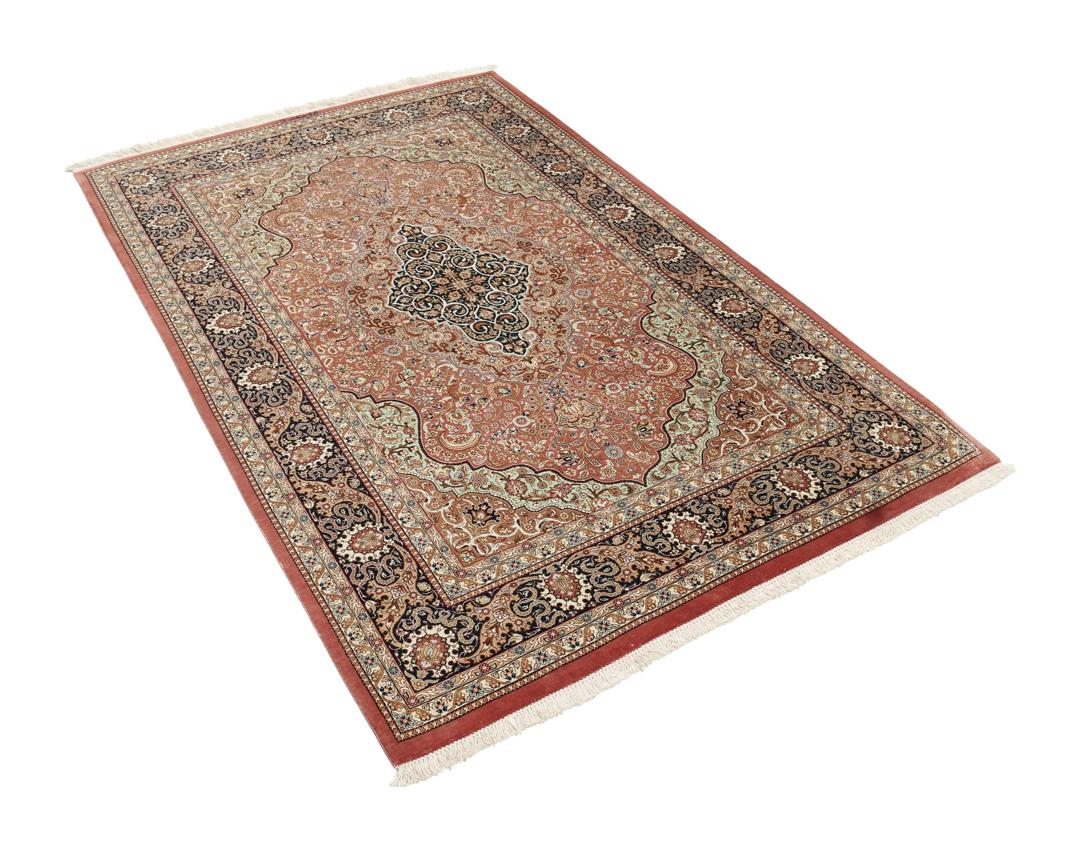
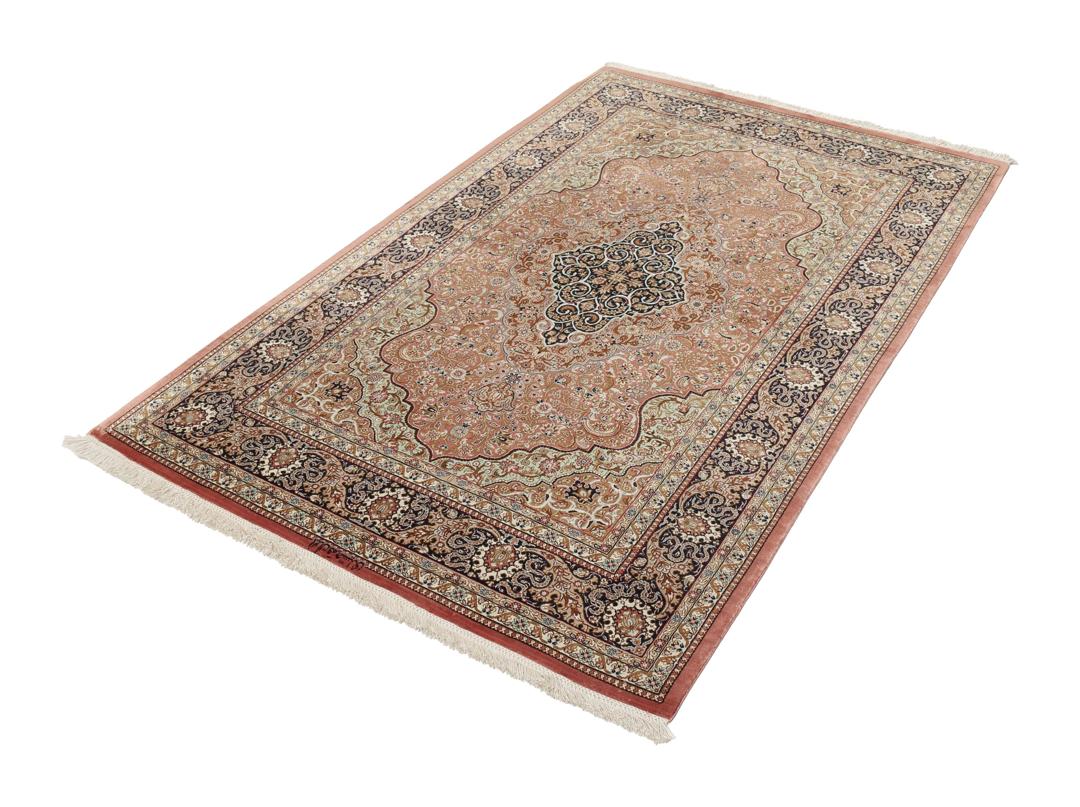
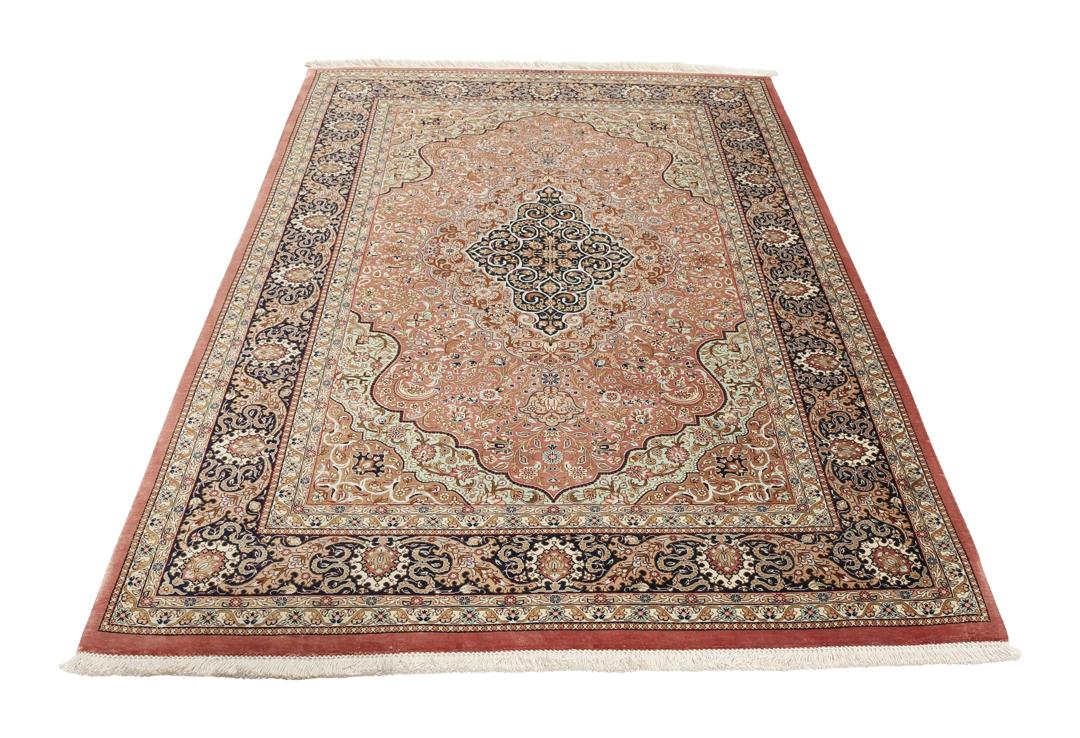
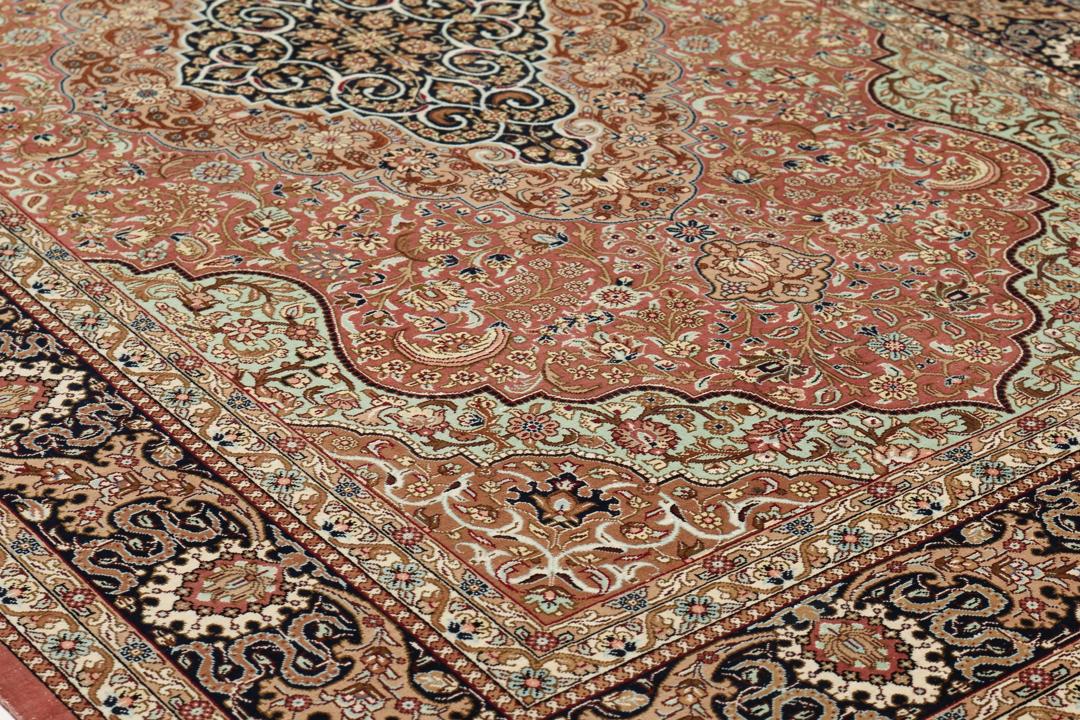
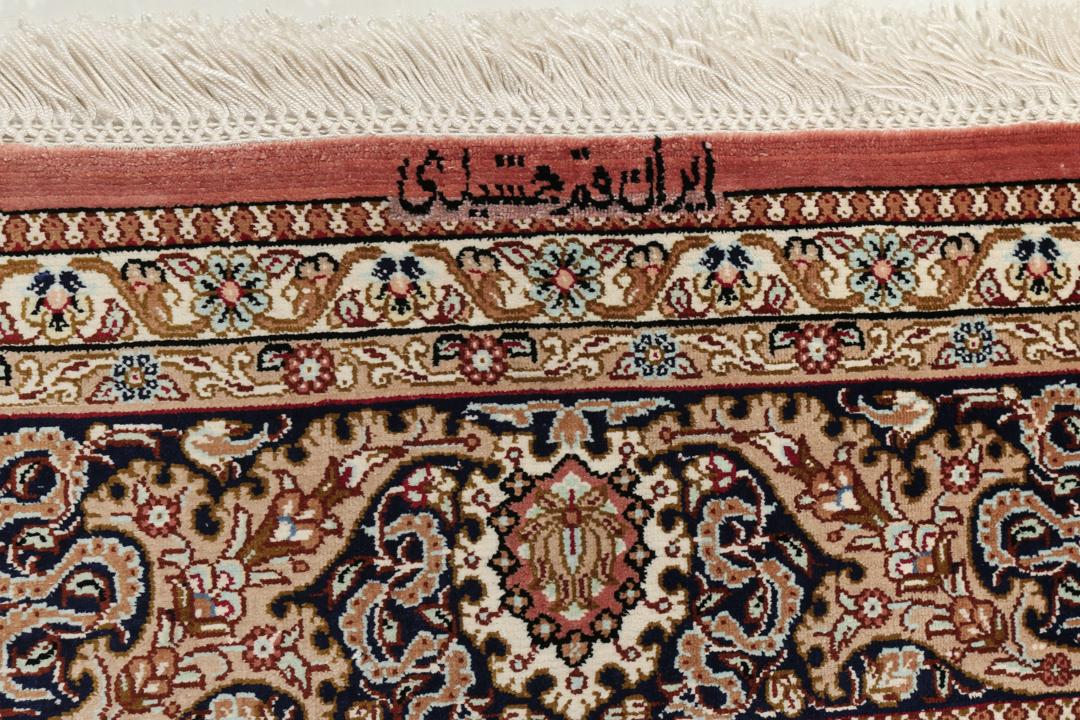
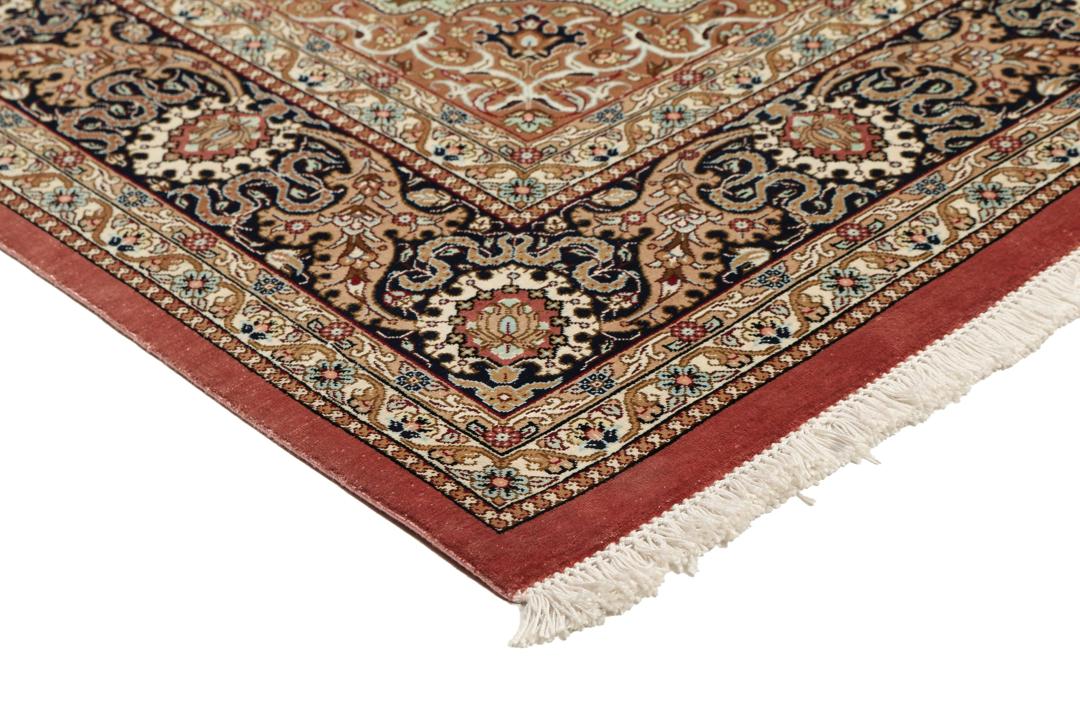
Qum rugs, originating from the holy city of Qum in the Middle East, are celebrated for their relatively recent but highly influential emergence in the world of fine textiles. While the region had a history of carpet weaving, it was in the 20th century that Qum became synonymous with the production of the finest silk carpets, often drawing inspiration from other classical traditions while establishing a distinct, luxurious identity.
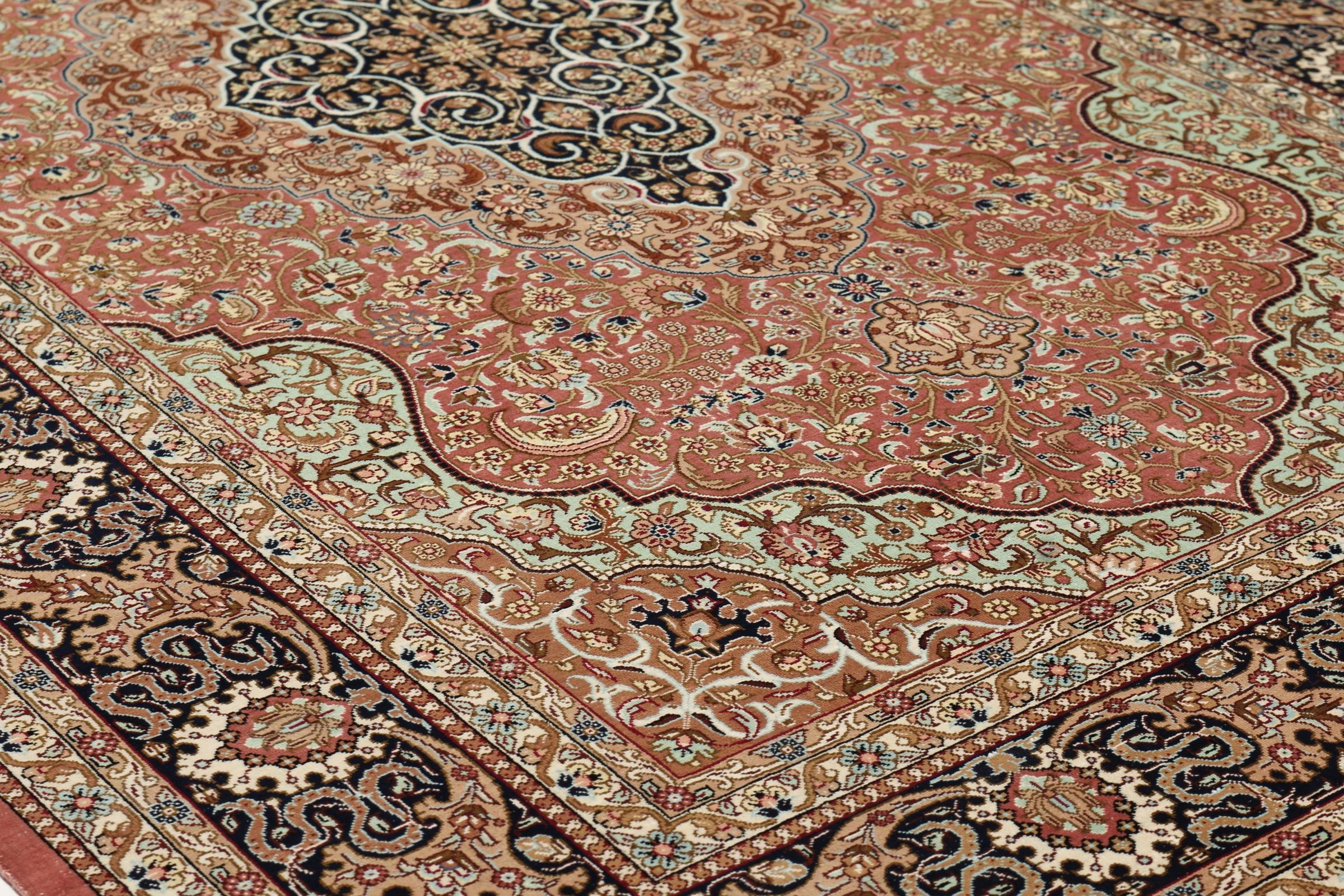
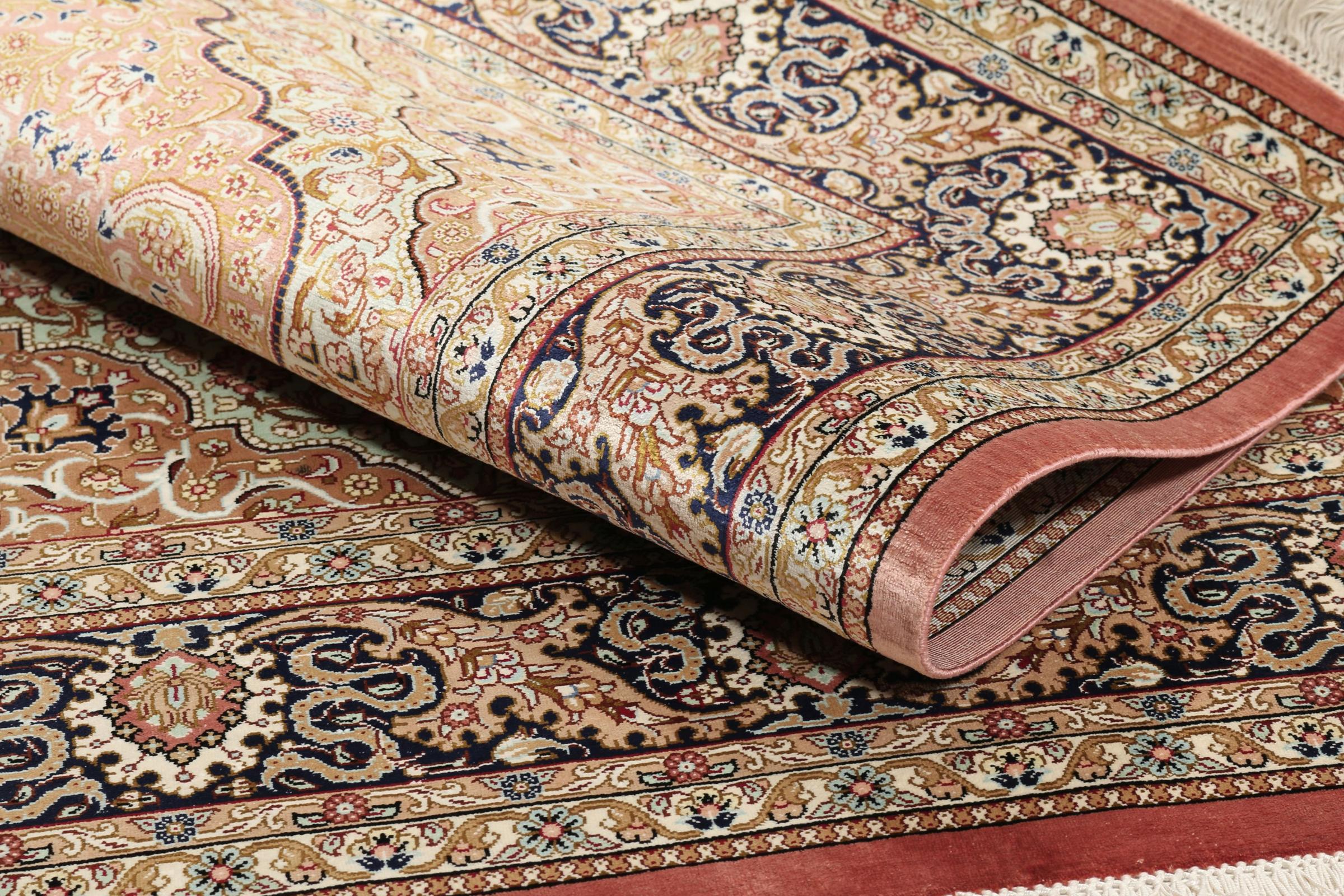
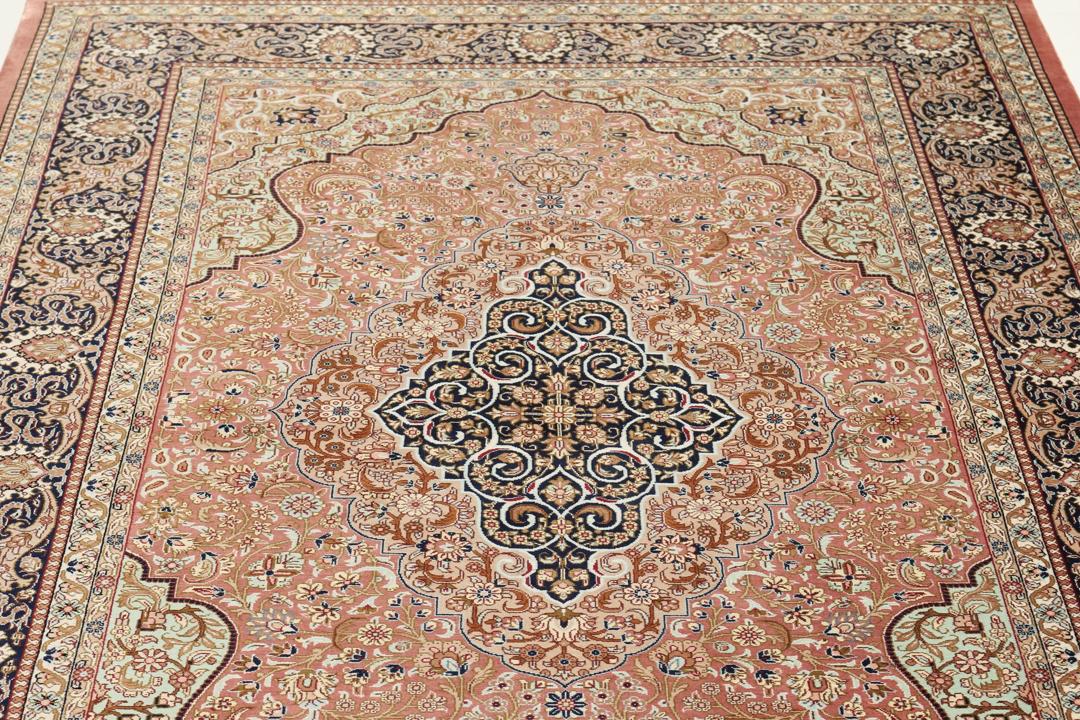
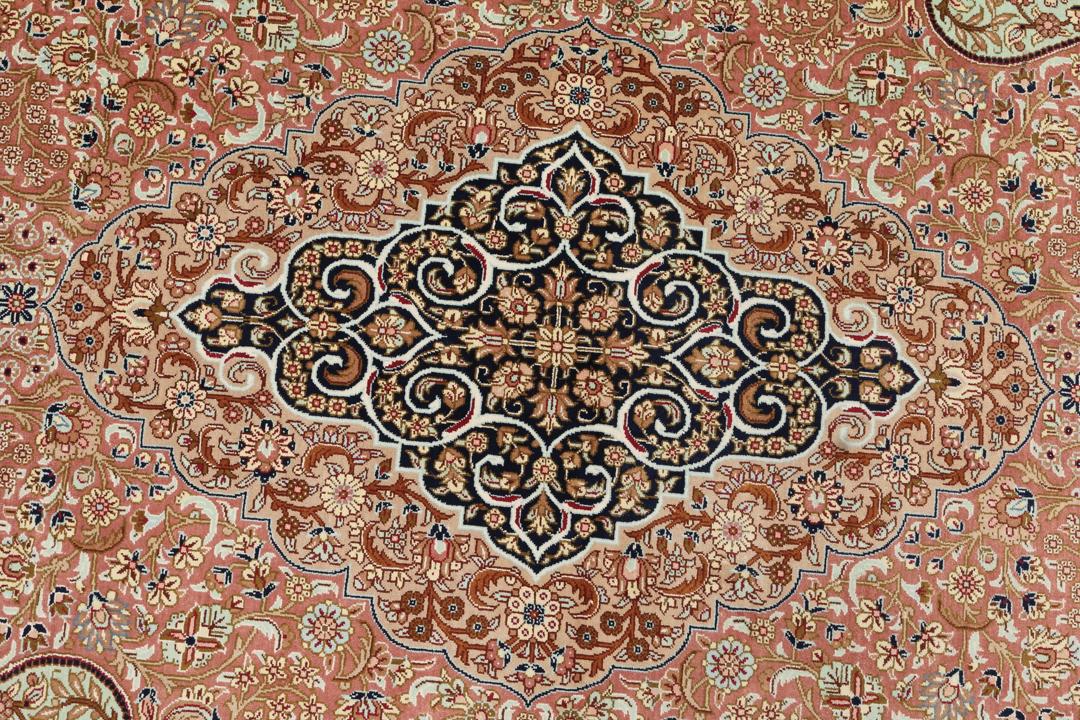
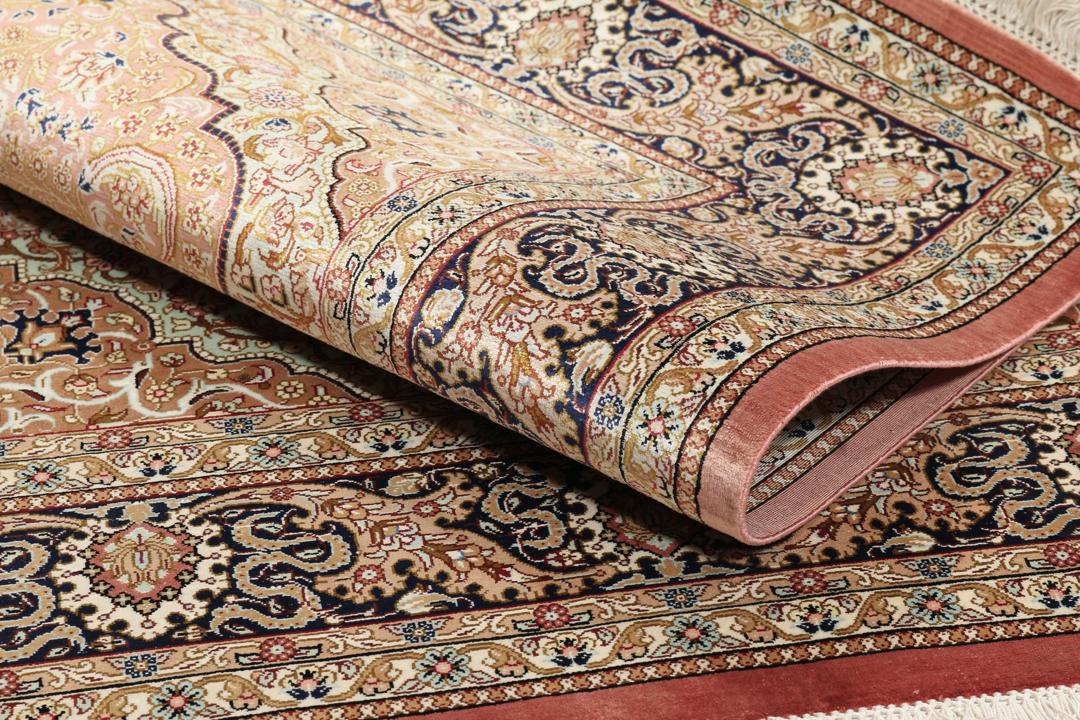
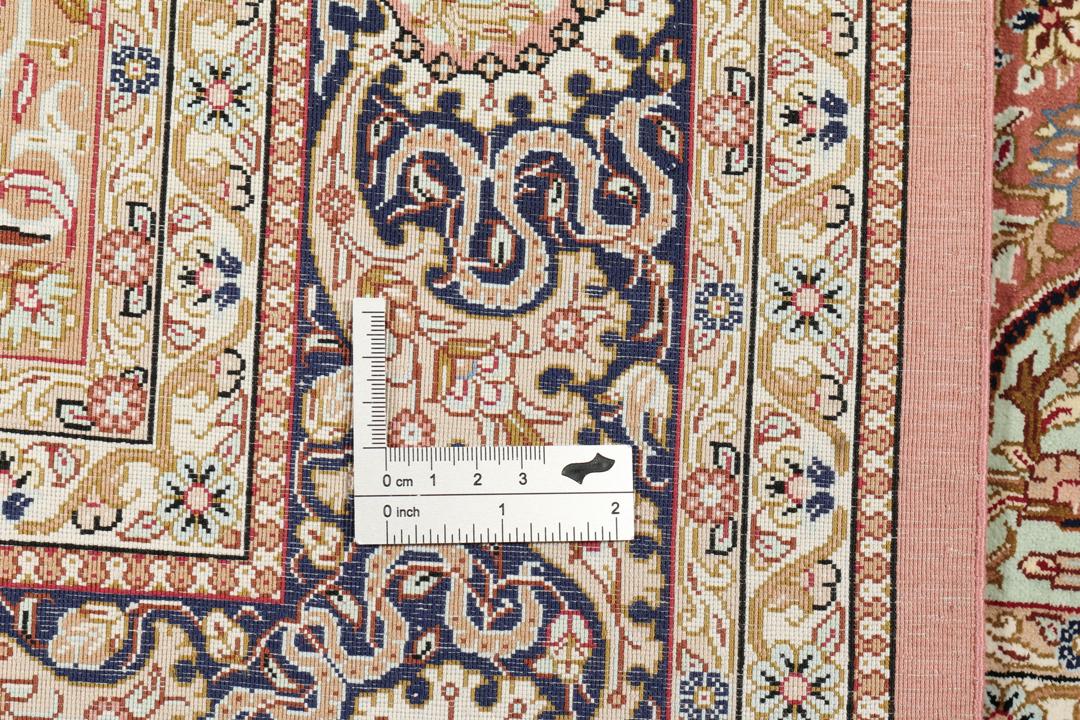
The use of silk as a primary material is central to the identity of these rugs. Silk allows for an exceptionally thin, strong thread, which enables weavers to achieve a much higher knot density than is possible with wool. This technical capability is what gives these rugs their signature crisp, almost photographic detail and a natural sheen that catches the light beautifully.
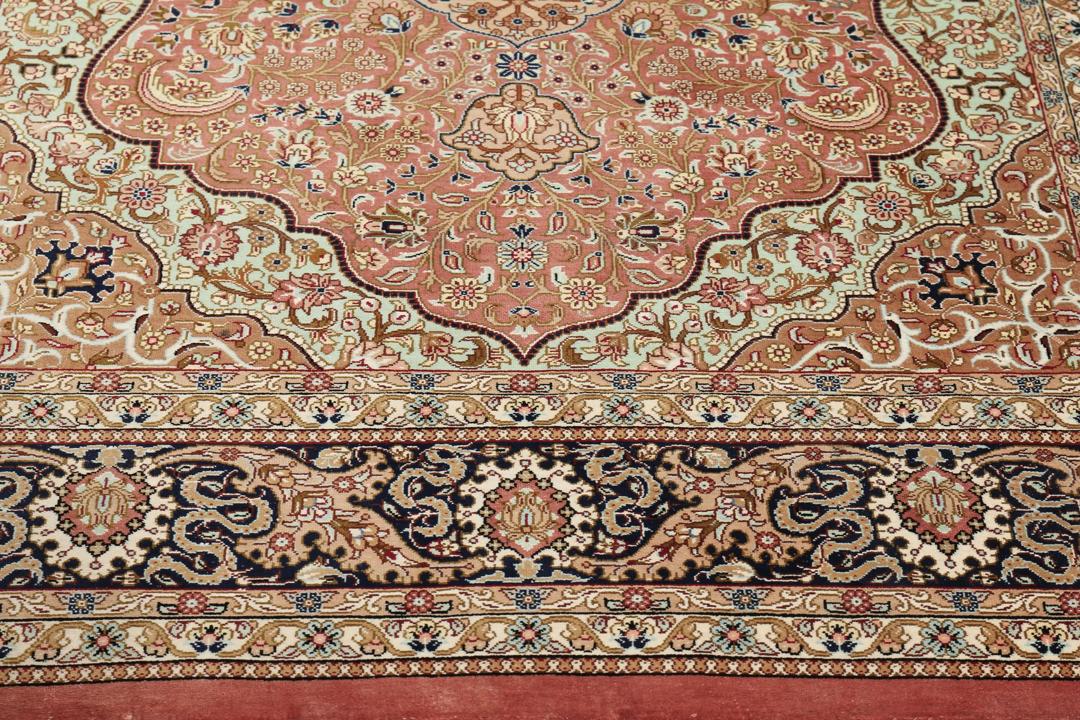
Visually, these rugs are often defined by complex, curvilinear floral patterns, intricate arabesques, and highly detailed central medallions. The borders are typically as elaborate as the field, featuring balanced, harmonious designs that reflect a mastery of composition and a dedication to traditional aesthetic principles.
Owning a Qum silk rug is an investment in a tradition that values precision above all else. These pieces are highly sought after by collectors not just for their beauty, but for the immense skill required to produce them. To possess one is to hold a fragment of a refined cultural heritage, representing the pinnacle of weaving expertise.