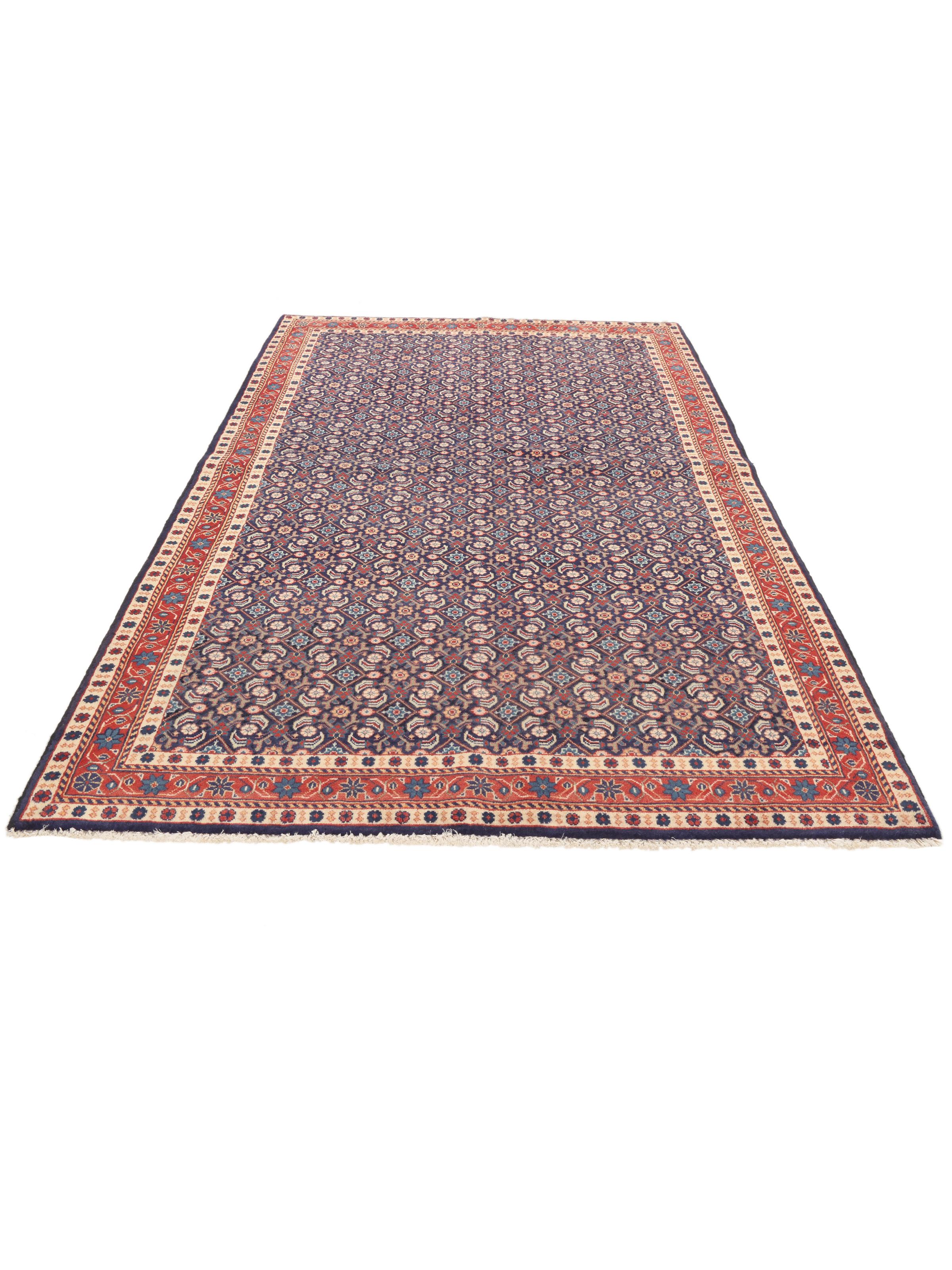
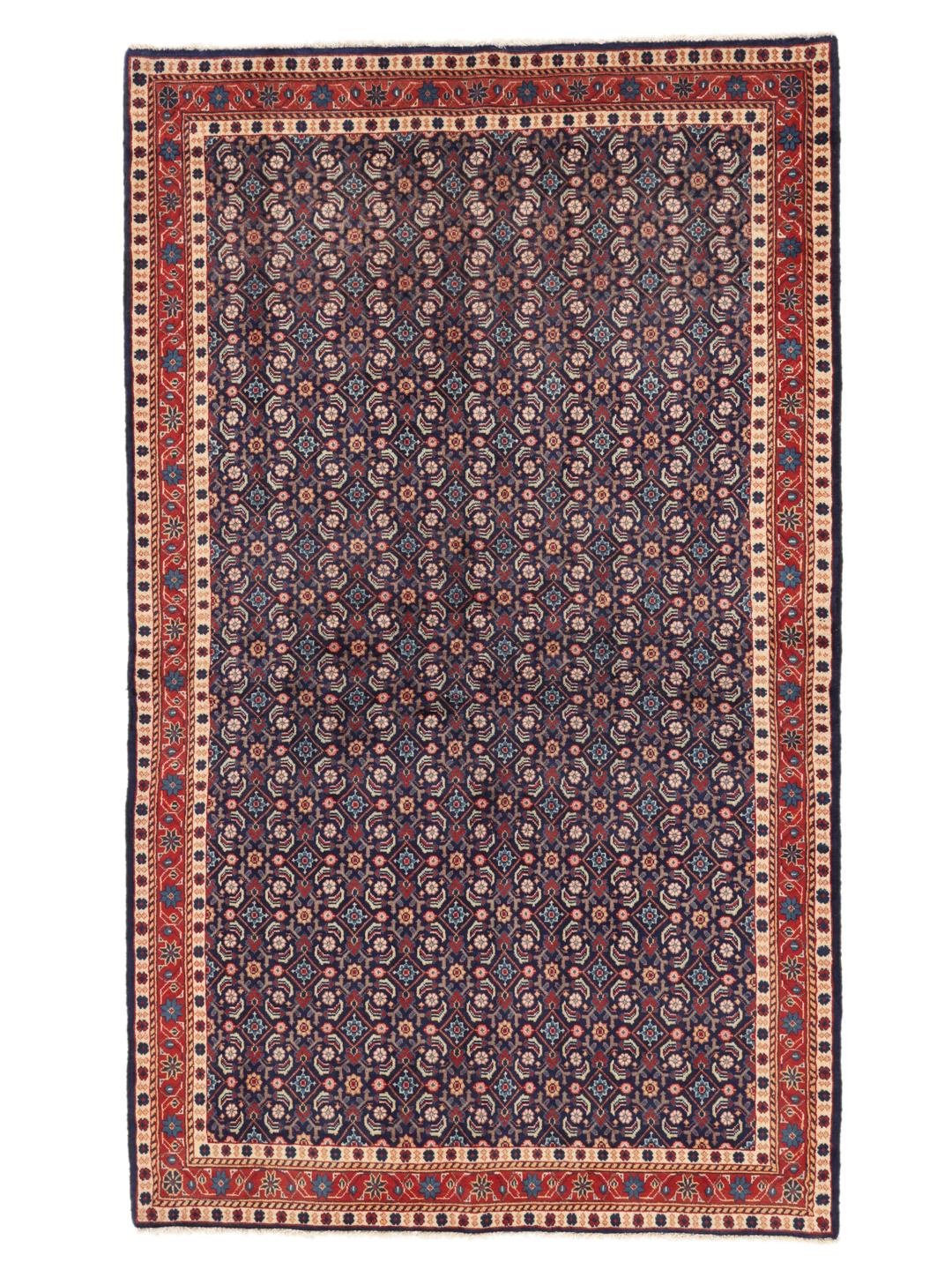
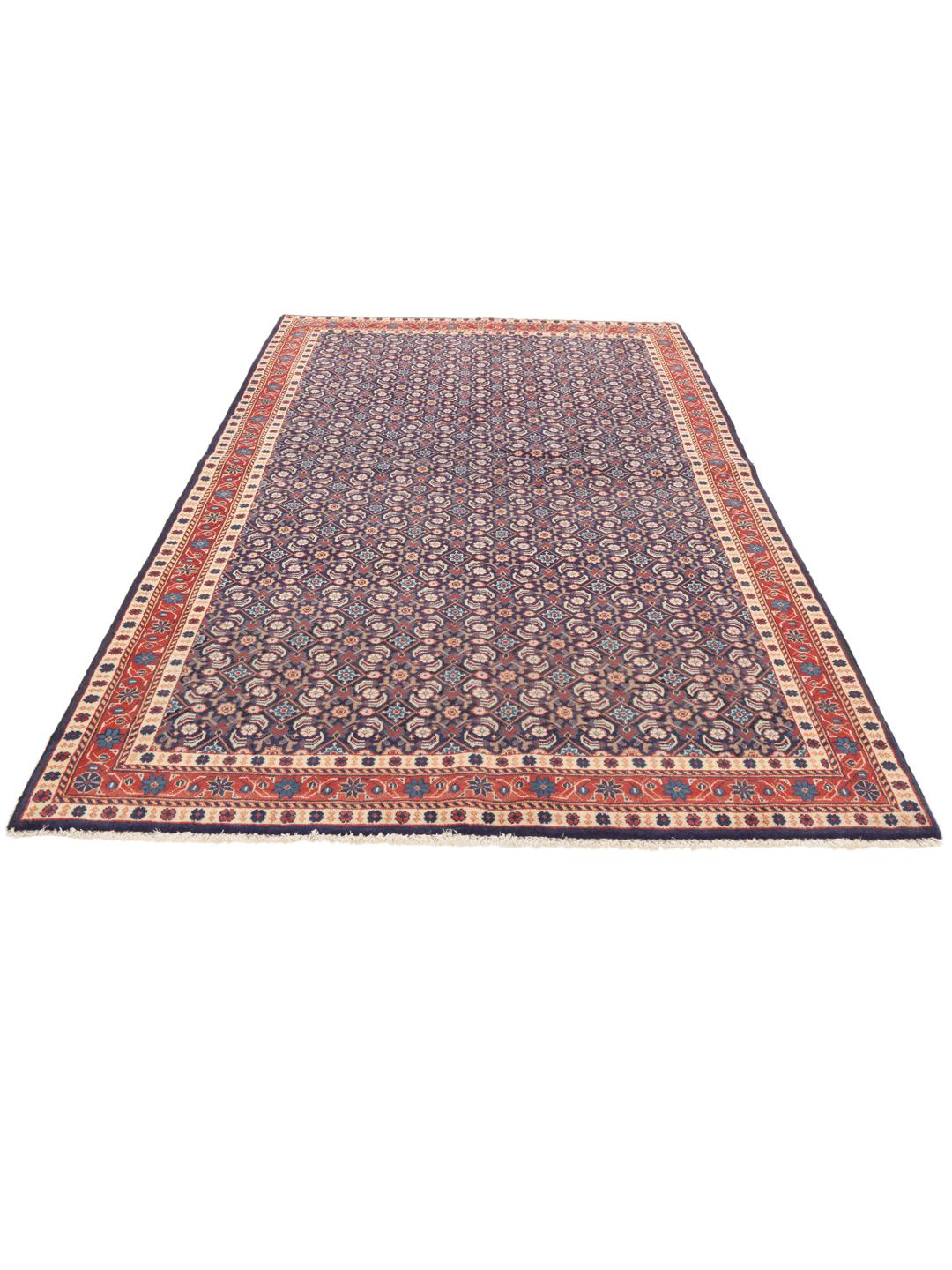
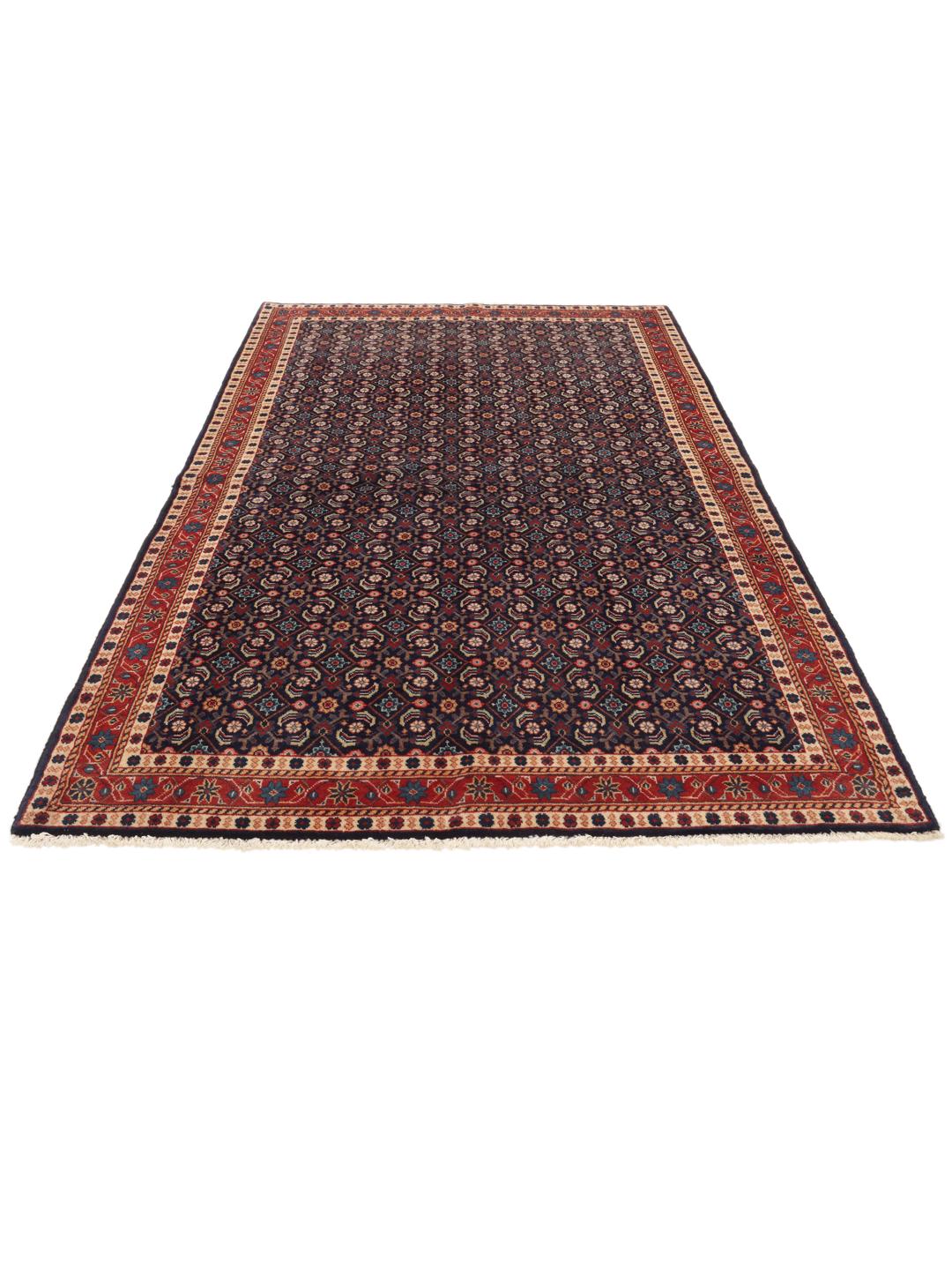
Sarough rugs originate from the village of the same name in the central region of the Middle East. Historically, this area has been a hub for weaving, known for producing pieces that are both robust and aesthetically refined. The tradition of weaving in this region has evolved over centuries, blending local techniques with artistic influences that have been passed down through generations of families.
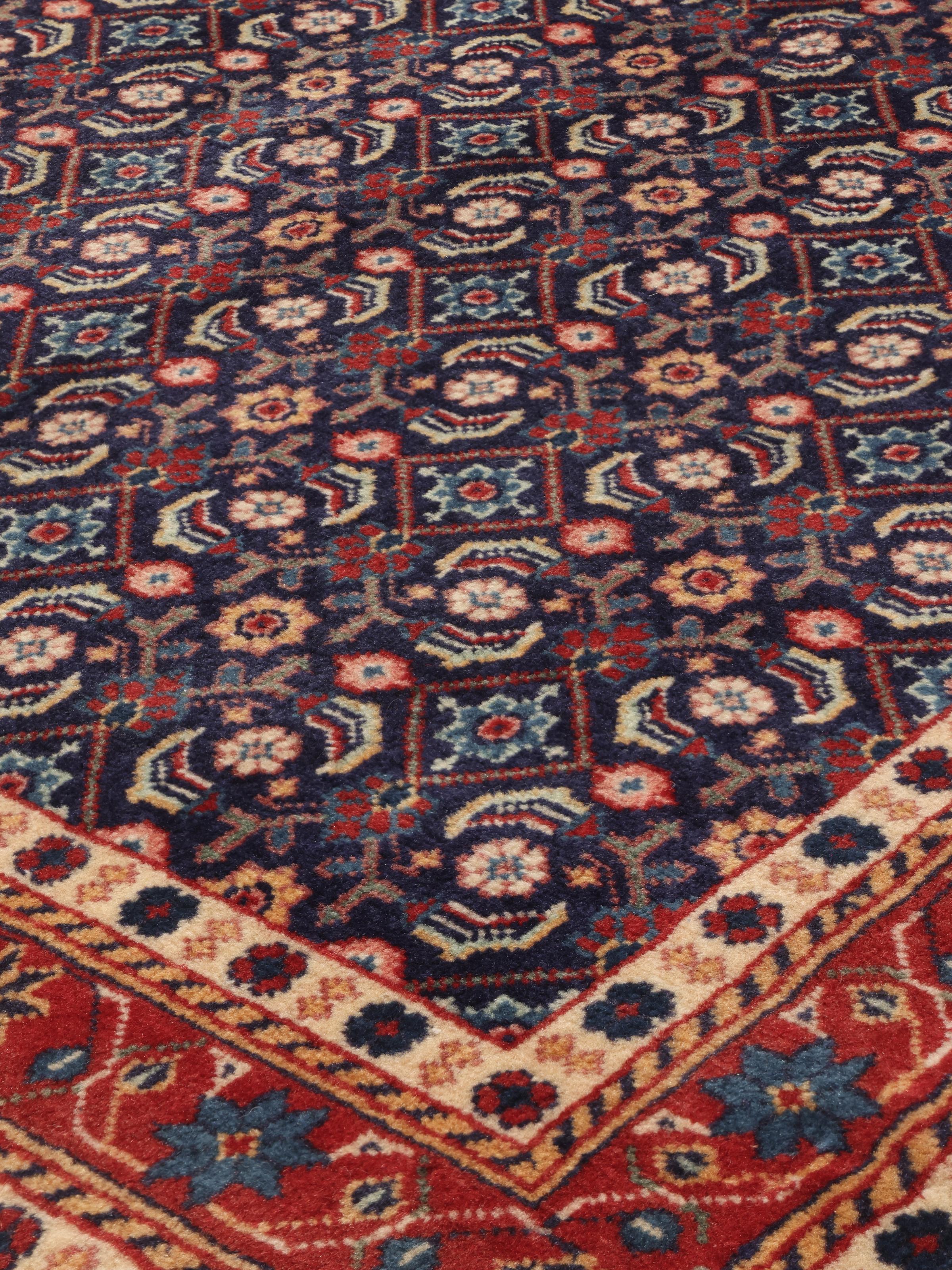
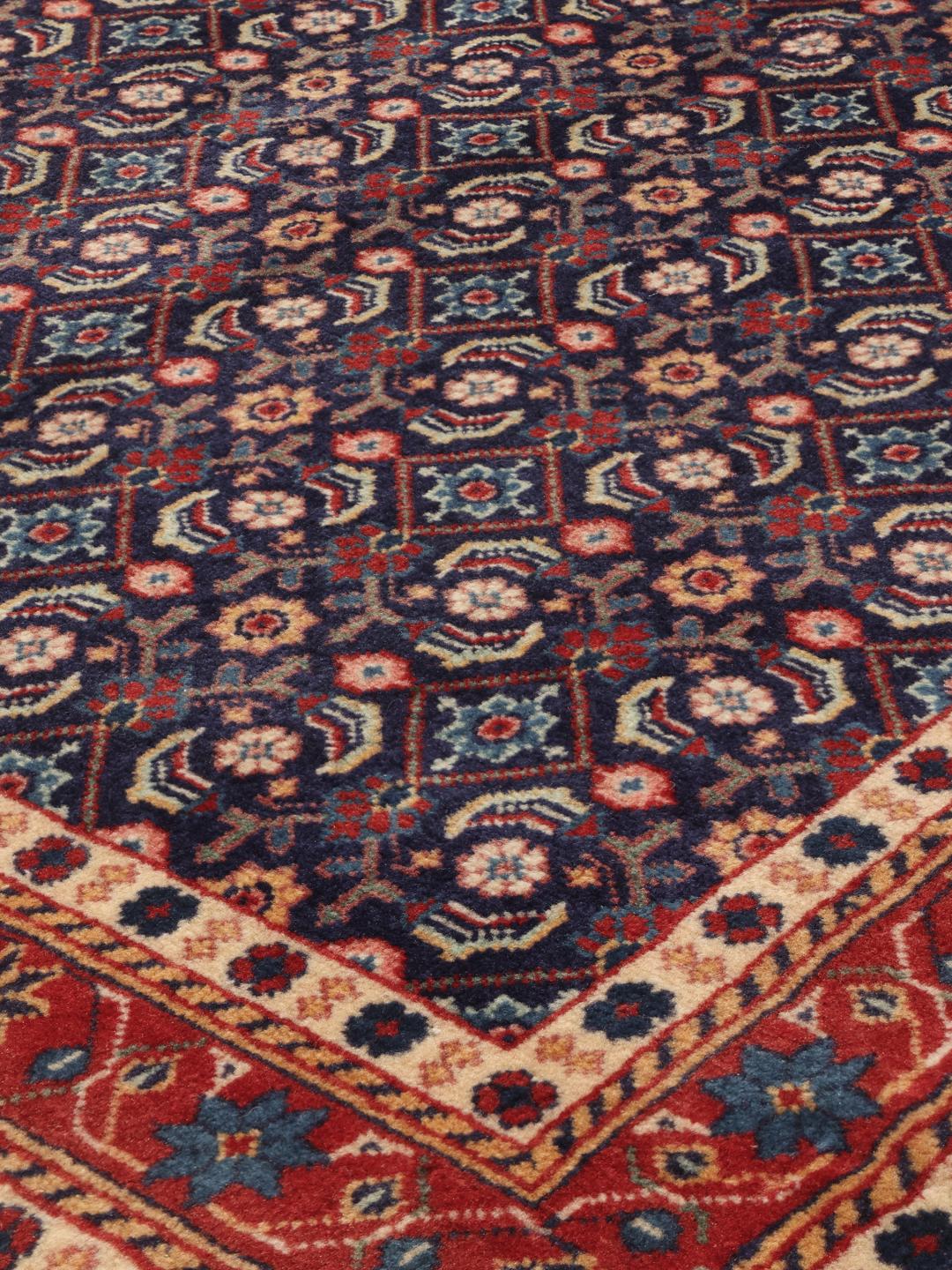
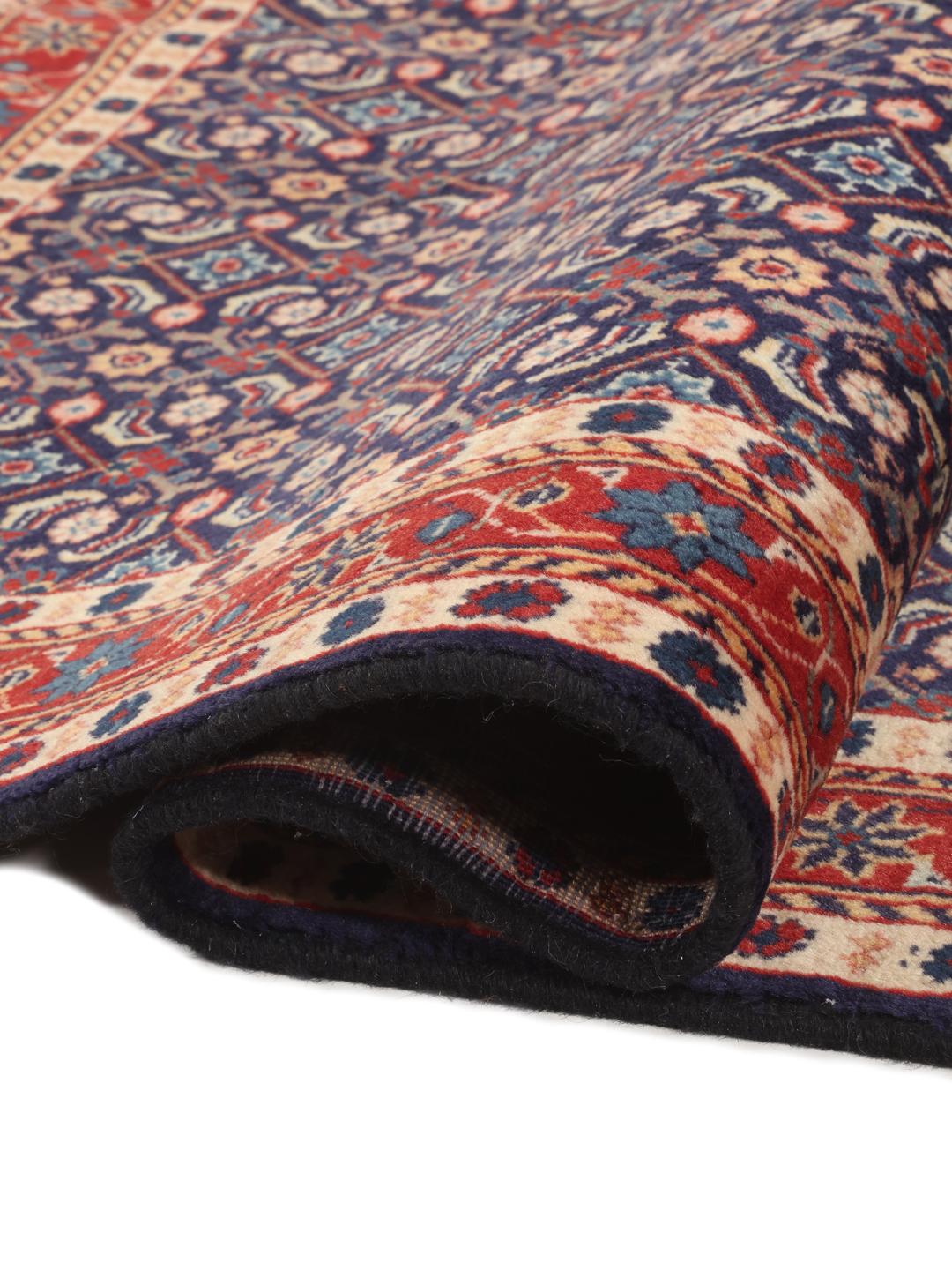
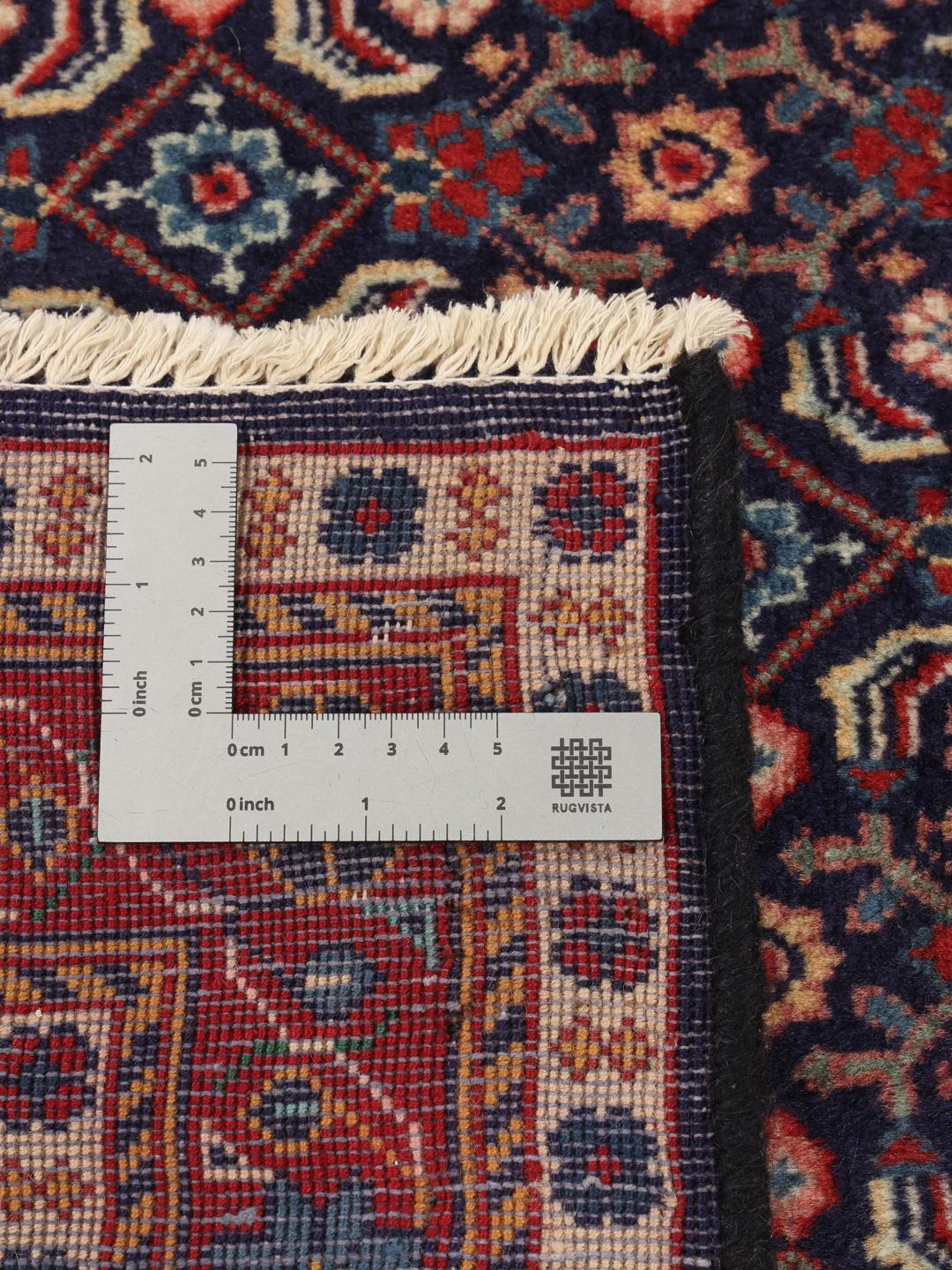
When discussing the quality of these rugs, the term hand-knotted is central to understanding their value. This technique involves tying individual knots onto the foundation, which creates a durable and dense structure. This method allows for the intricate, curvilinear floral patterns that are characteristic of the Sarough style. The density of the knots not only defines the sharpness of the design but also ensures the rug remains a staple in your home for many years.
Signature design elements of the Sarough tradition often include a central medallion or, as seen in this piece, an all-over floral layout that fills the field. These patterns are typically framed by elaborate, multi-layered borders that provide a sense of structure and balance. The use of rich, deep colours is a hallmark of the region, often achieved through traditional dyeing methods that result in a beautiful, aged patina over time.
Collecting a rug from this tradition is an investment in heritage and craft. These rugs are highly valued for their ability to bridge the gap between traditional artistry and modern living. Owning a piece like this means you are preserving a legacy of skill, ensuring that these time-honoured techniques continue to be appreciated in contemporary homes around the world.