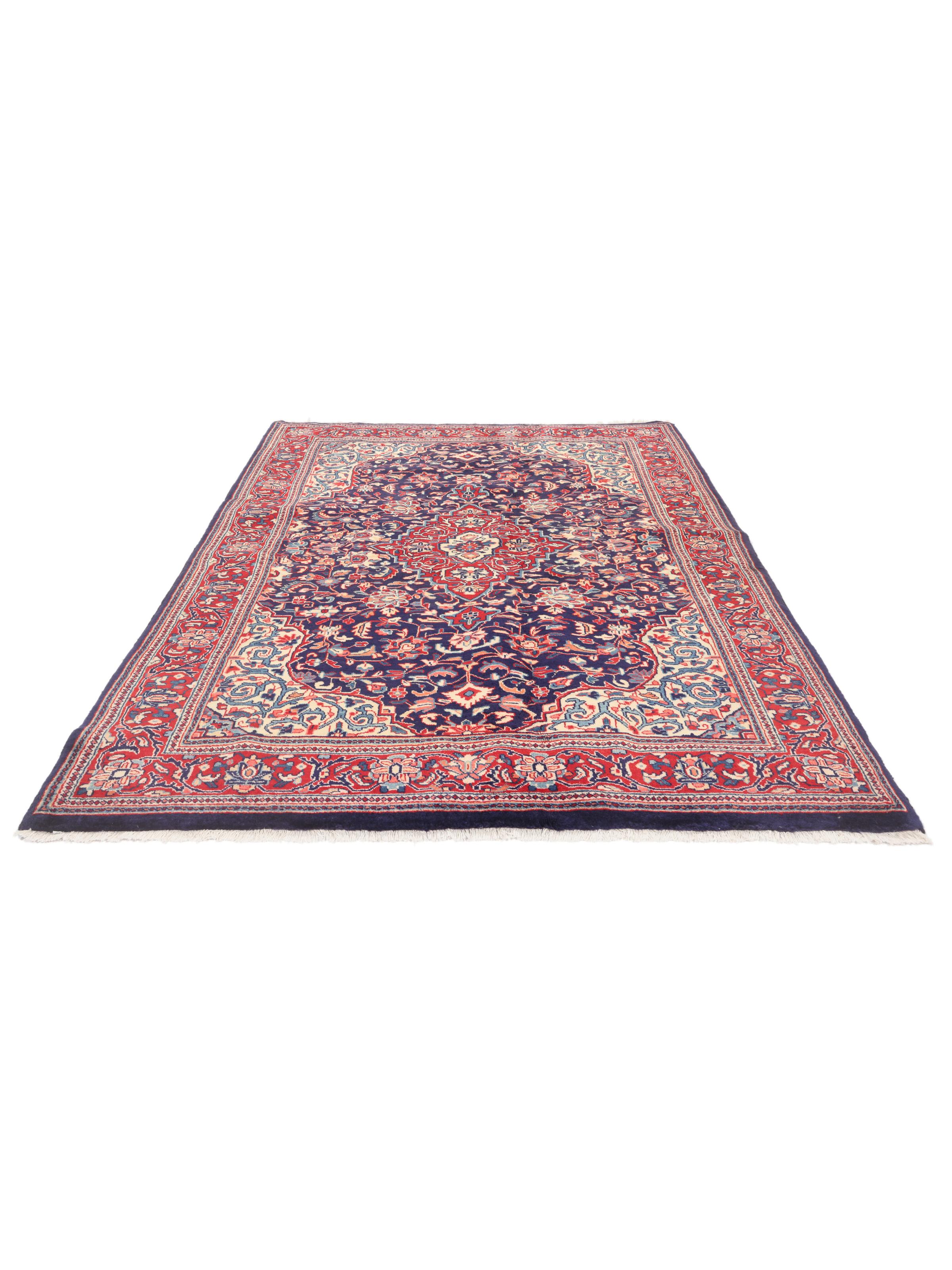
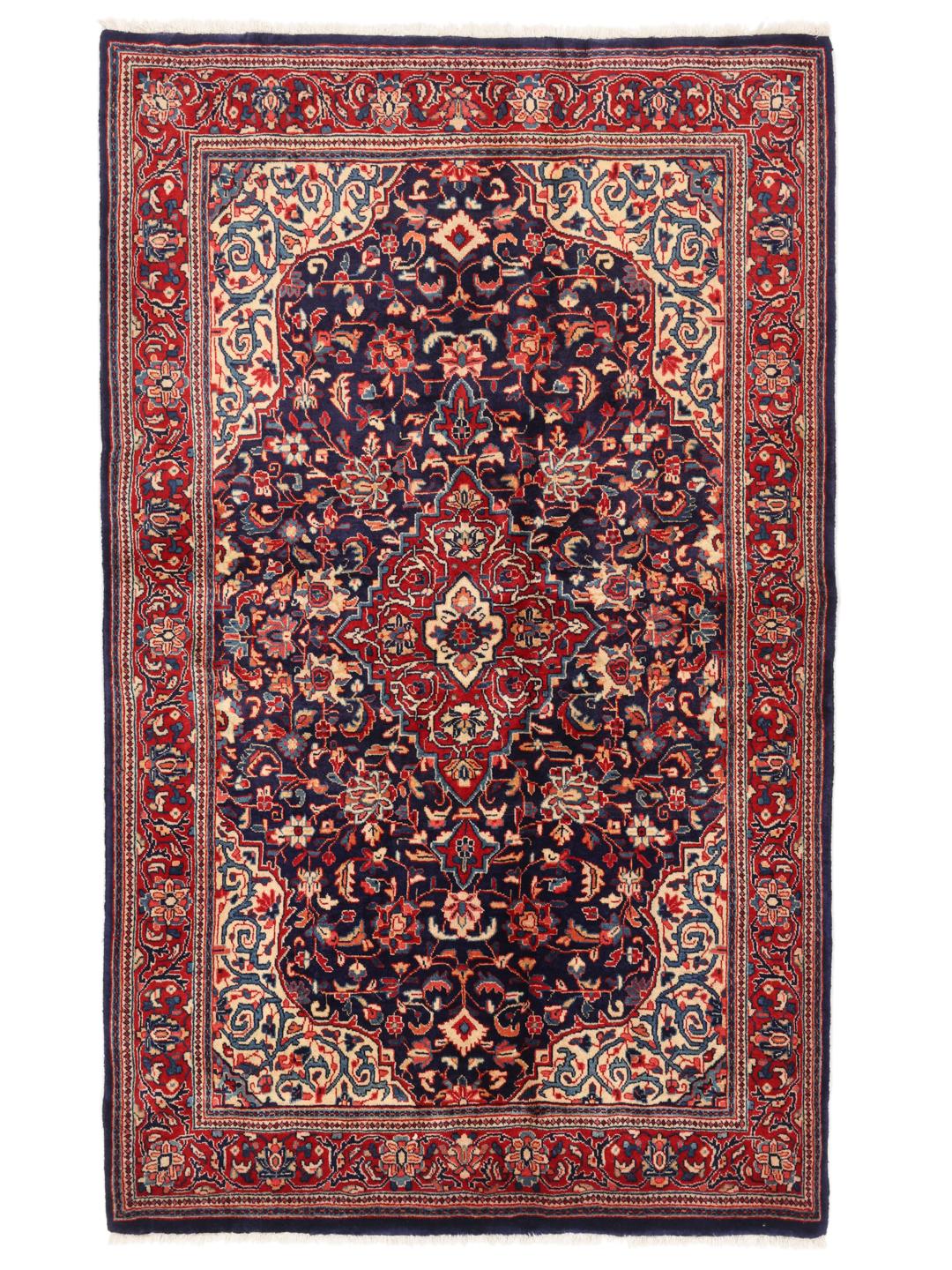
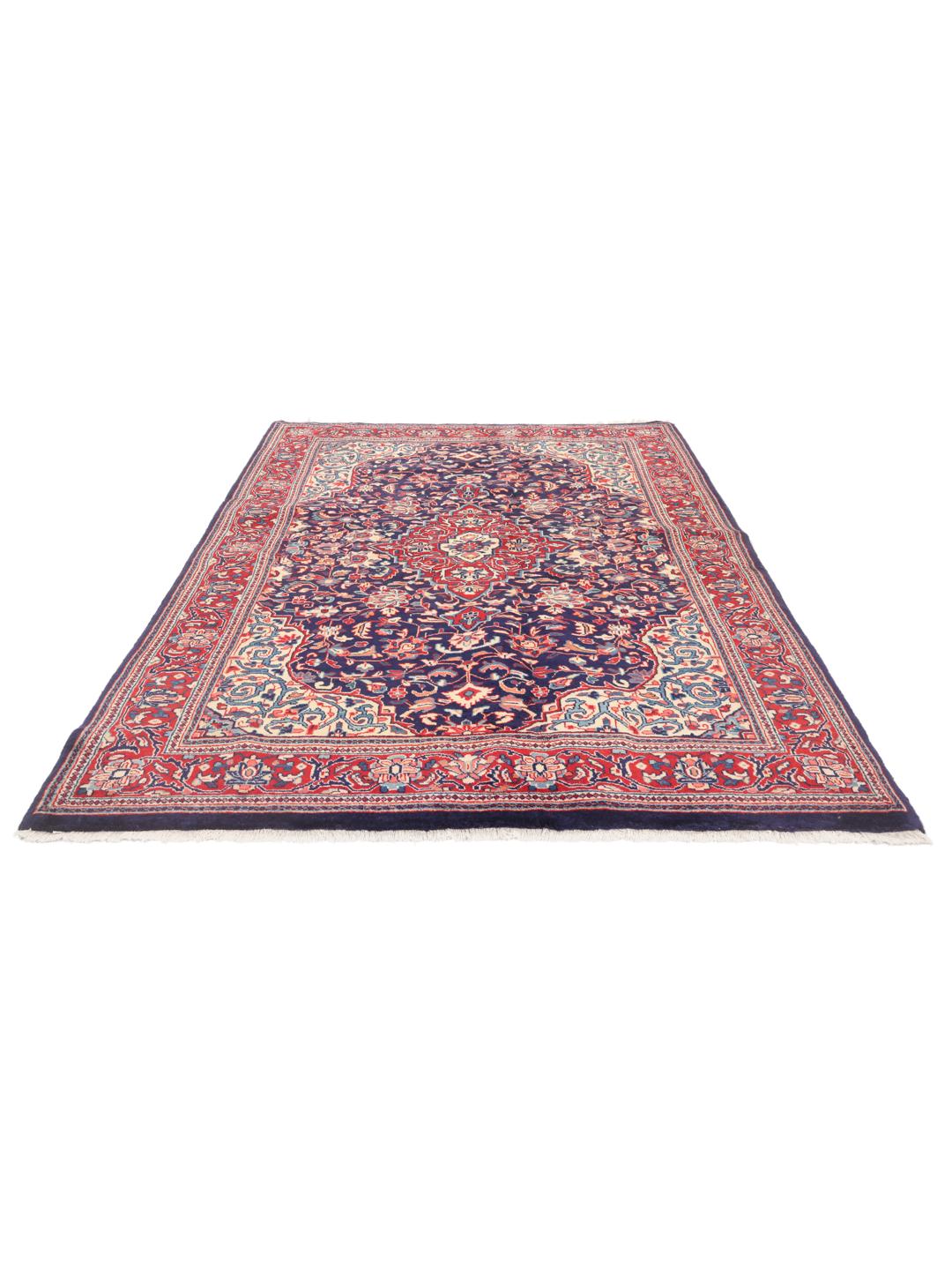
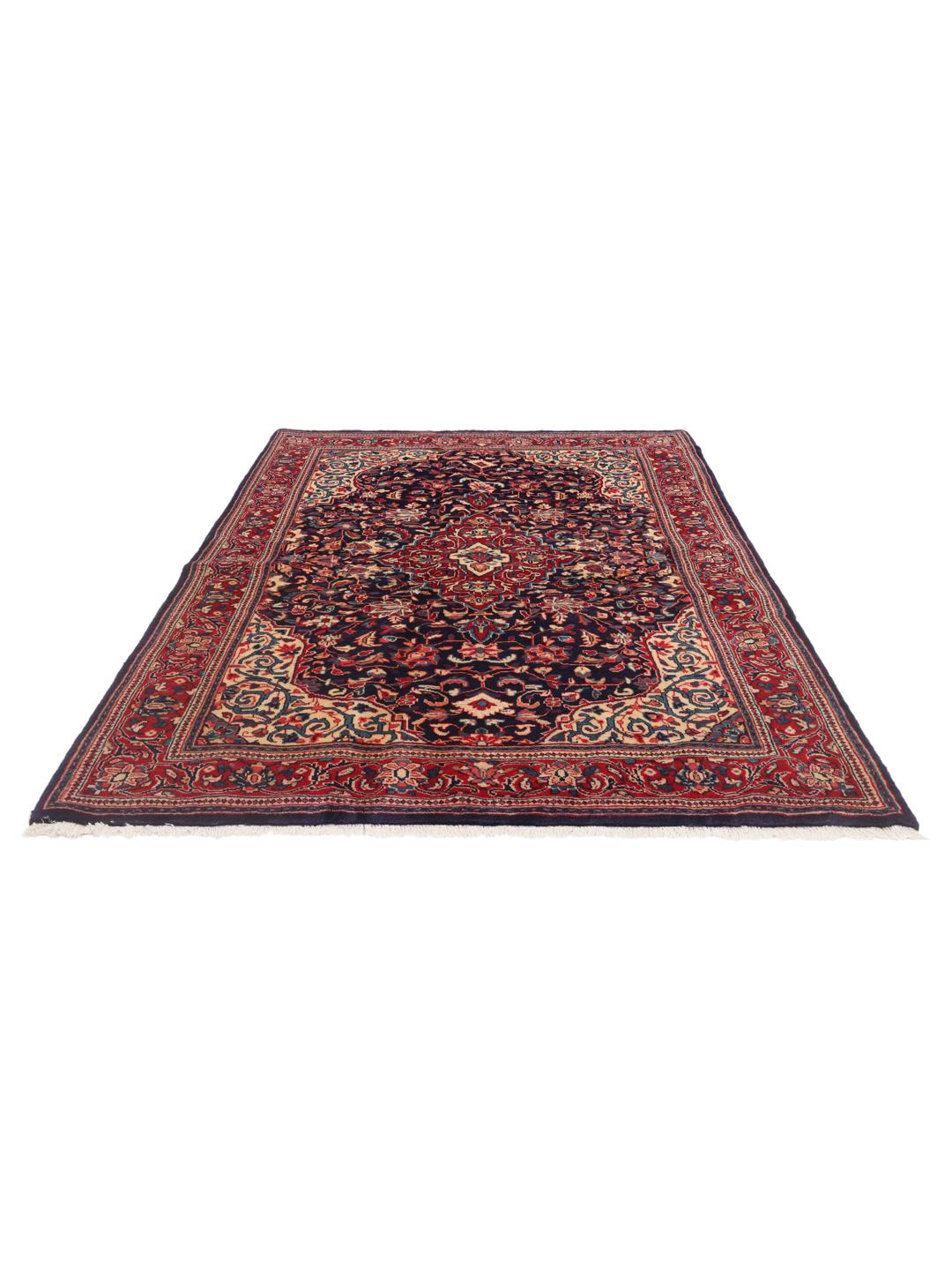
Sarough rugs take their name from the village of Sarouk in the central region of the Middle East. Historically, this area became a major hub for rug production in the late 19th and early 20th centuries, as the global demand for high-quality, durable rugs surged. The weavers in this region developed a reputation for creating pieces that could withstand heavy use while maintaining their aesthetic appeal.
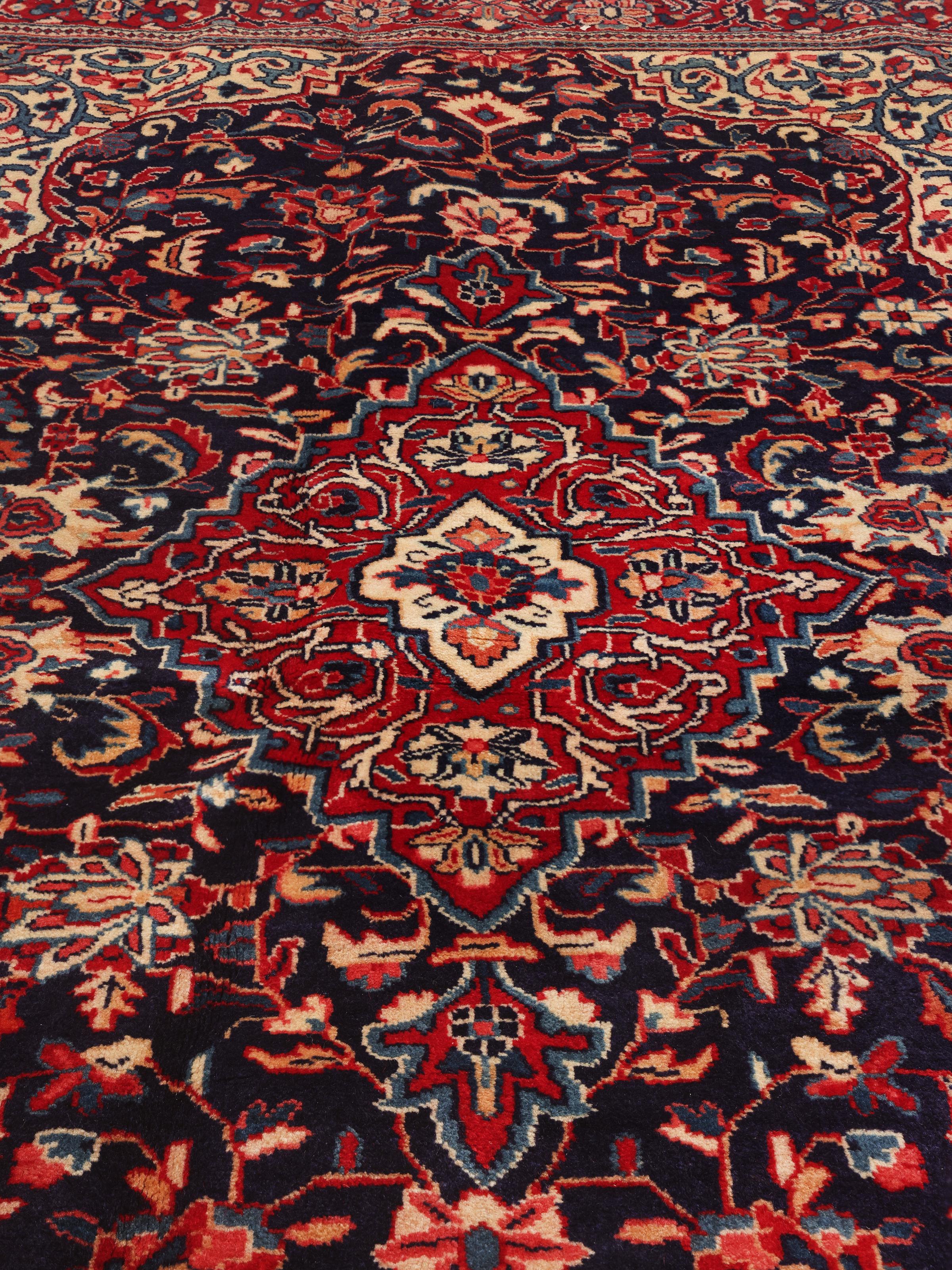
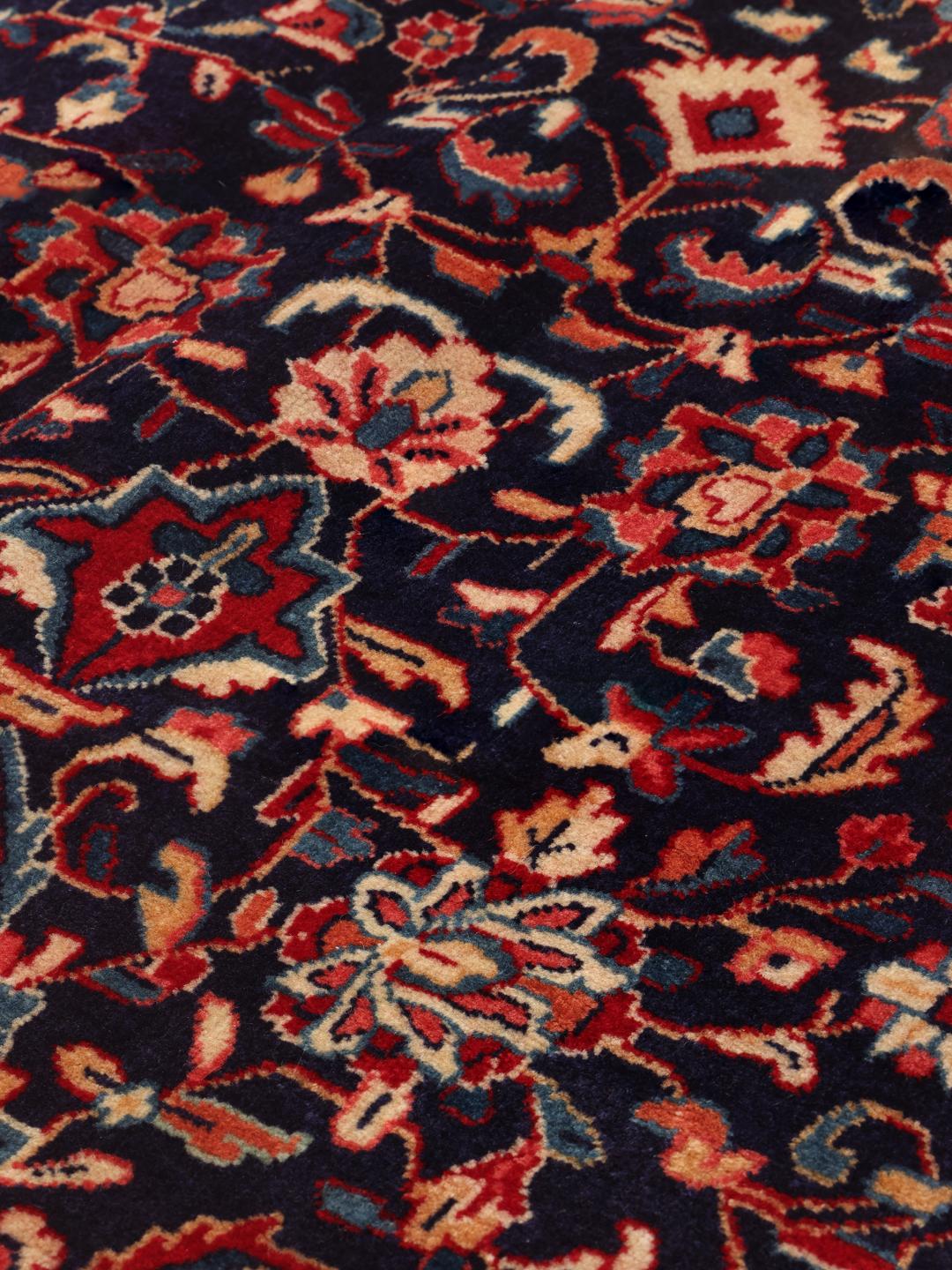
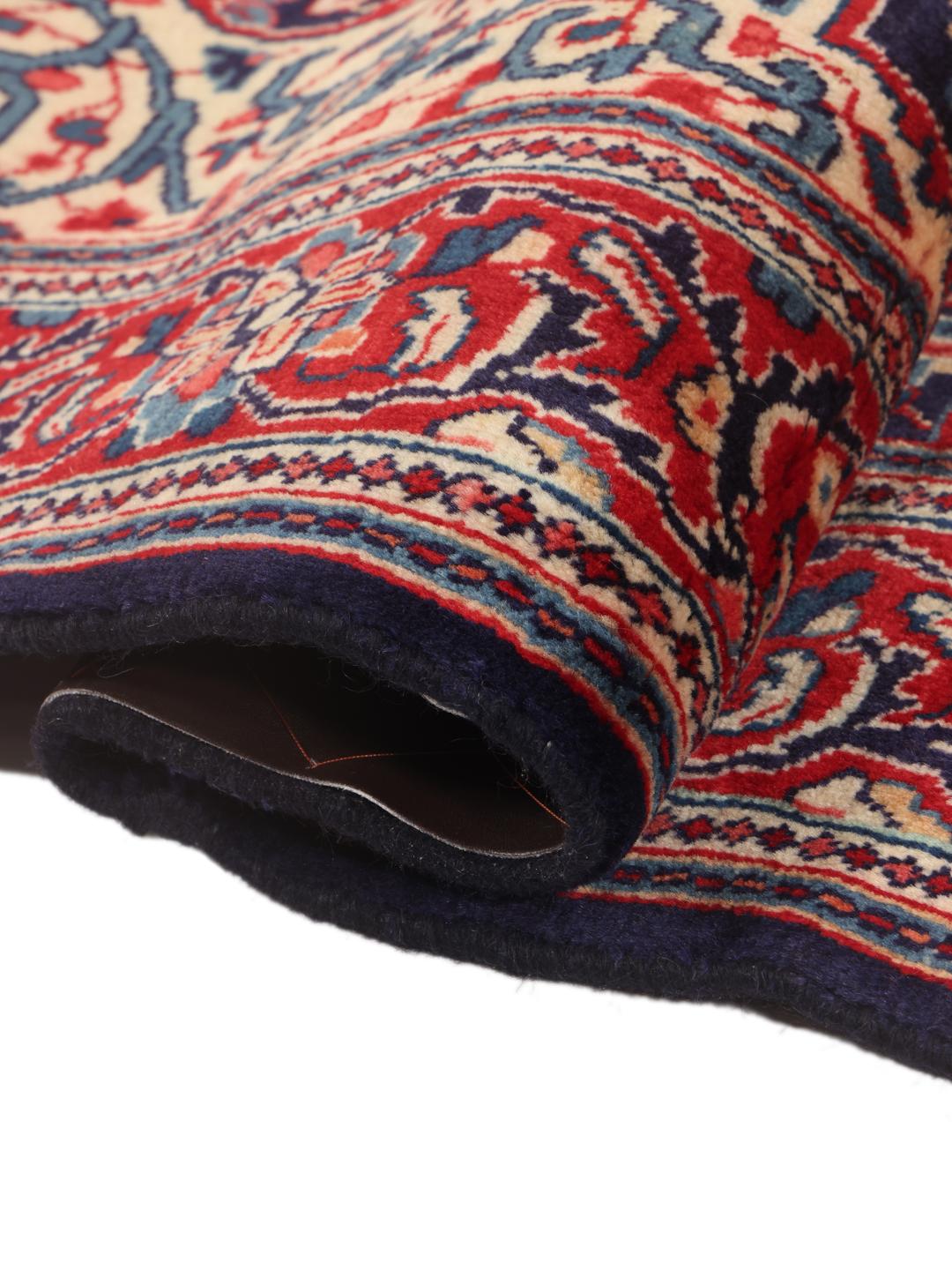
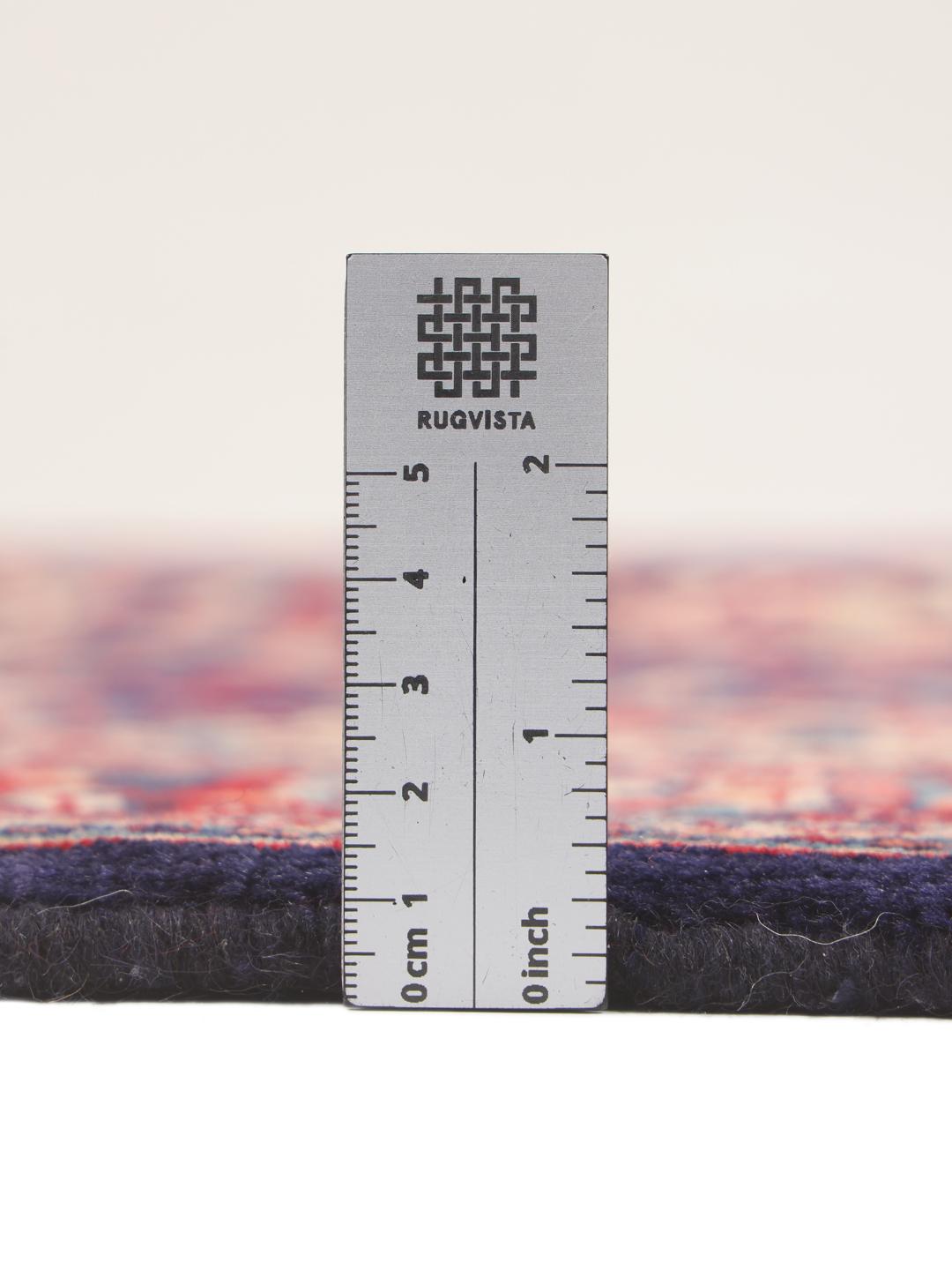
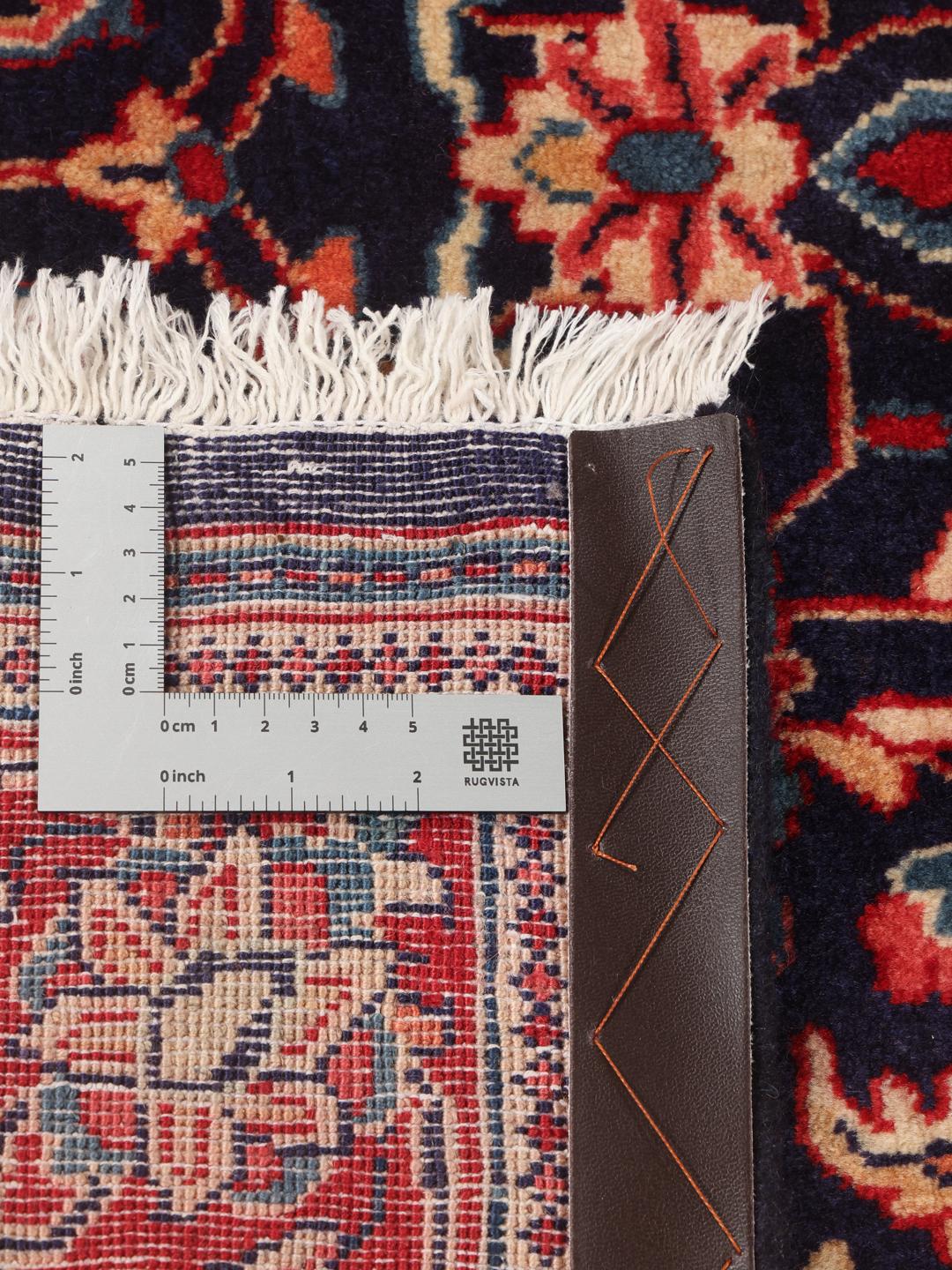
The construction of these rugs is characterised by their resilience. Traditionally, they feature a tight, dense knotting style that provides a firm surface. This density is a hallmark of the region's craft, ensuring that the intricate designs remain sharp and the pile stays upright over many years of use. It is a technical approach that prioritises longevity as much as beauty.
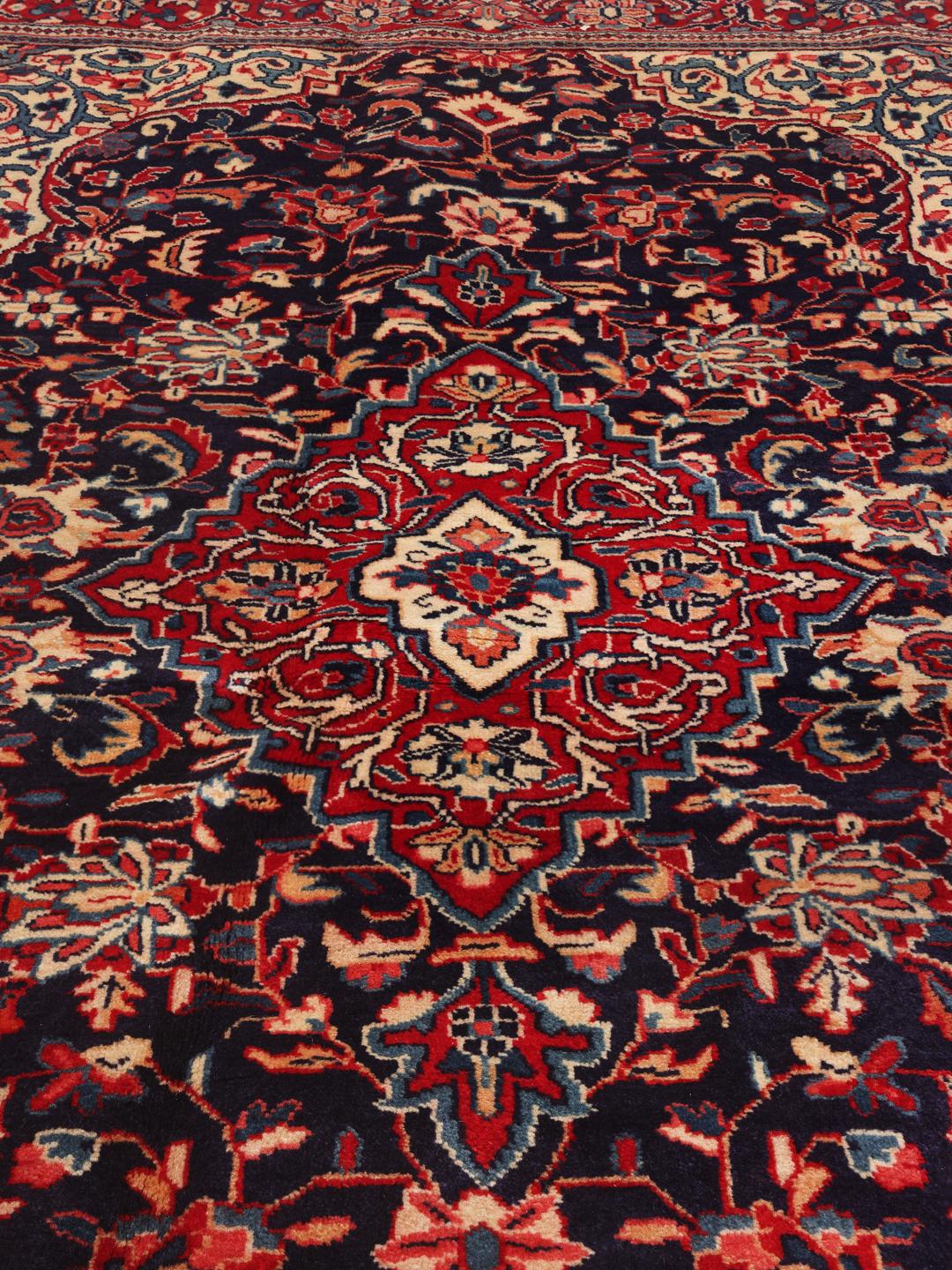
Visually, these rugs are celebrated for their sophisticated floral motifs. The designs often feature a central medallion surrounded by sweeping vines, palmettes, and blossoms, creating a balanced and harmonious composition. While the patterns are formal and structured, they possess a fluid, organic quality that makes them feel both elegant and inviting.
For collectors and homeowners alike, these rugs are valued for their cultural weight and the skill they represent. Owning a piece from this tradition means connecting with a long-standing history of artistry. They are seen as essential elements in a well-curated home, serving as a testament to the enduring appeal of traditional, hand-crafted objects.