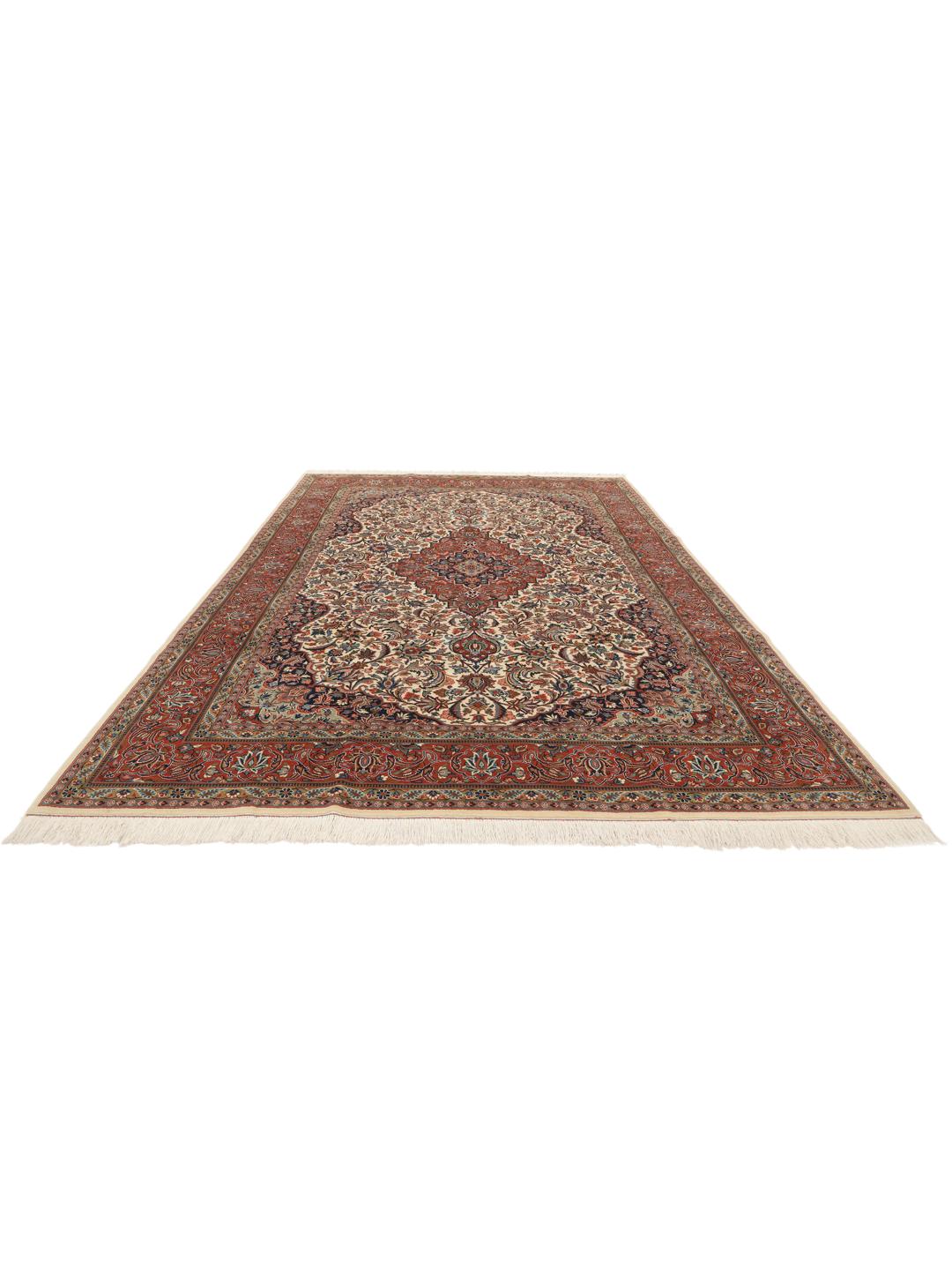
The Sarouk tradition is deeply rooted in the Middle Eastern rug-making landscape, specifically within the Markazi province. These rugs emerged as highly sought-after pieces, particularly during the late 19th and early 20th centuries, when they gained international acclaim for their exceptional durability and distinctively refined aesthetic.
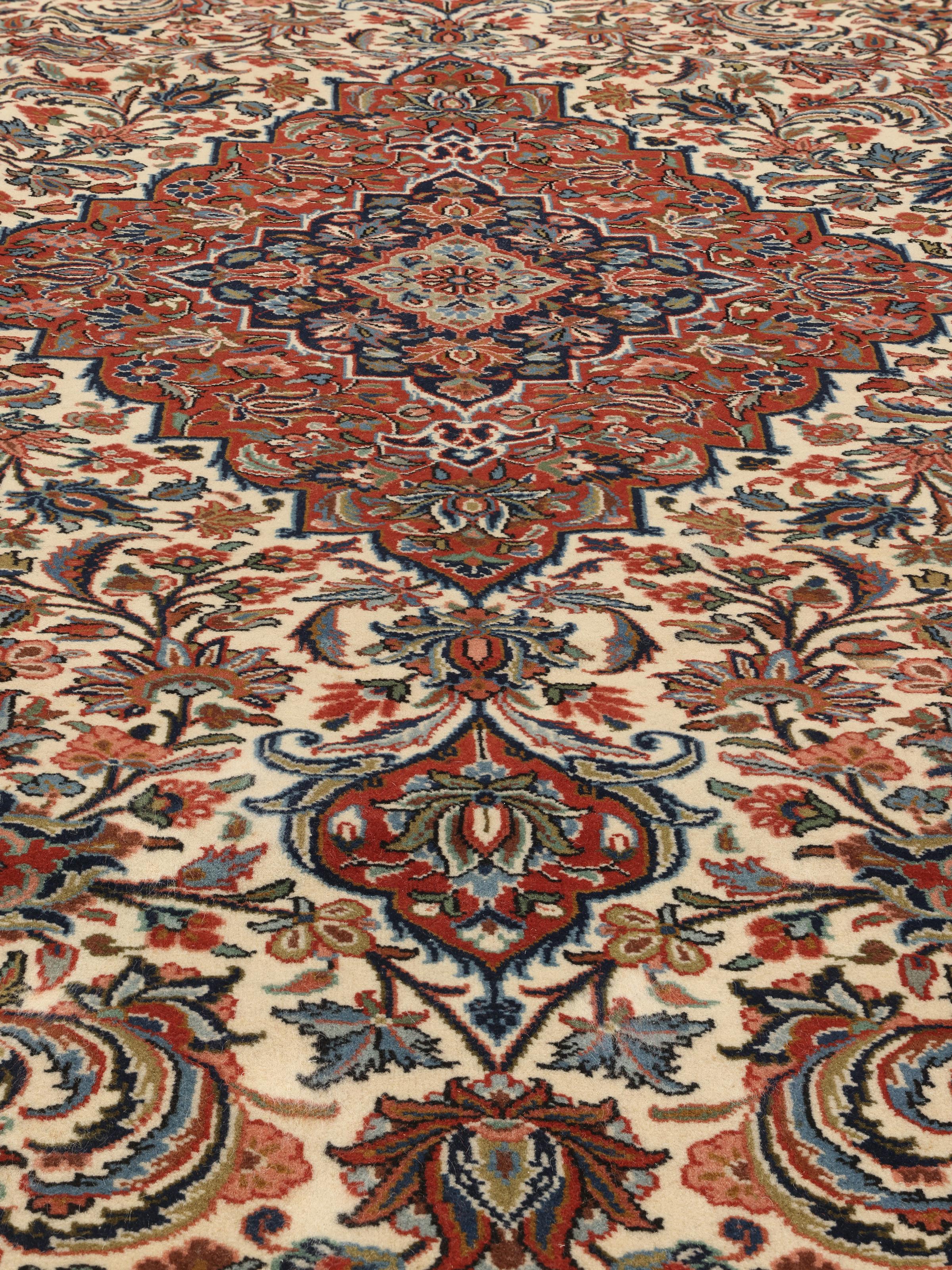
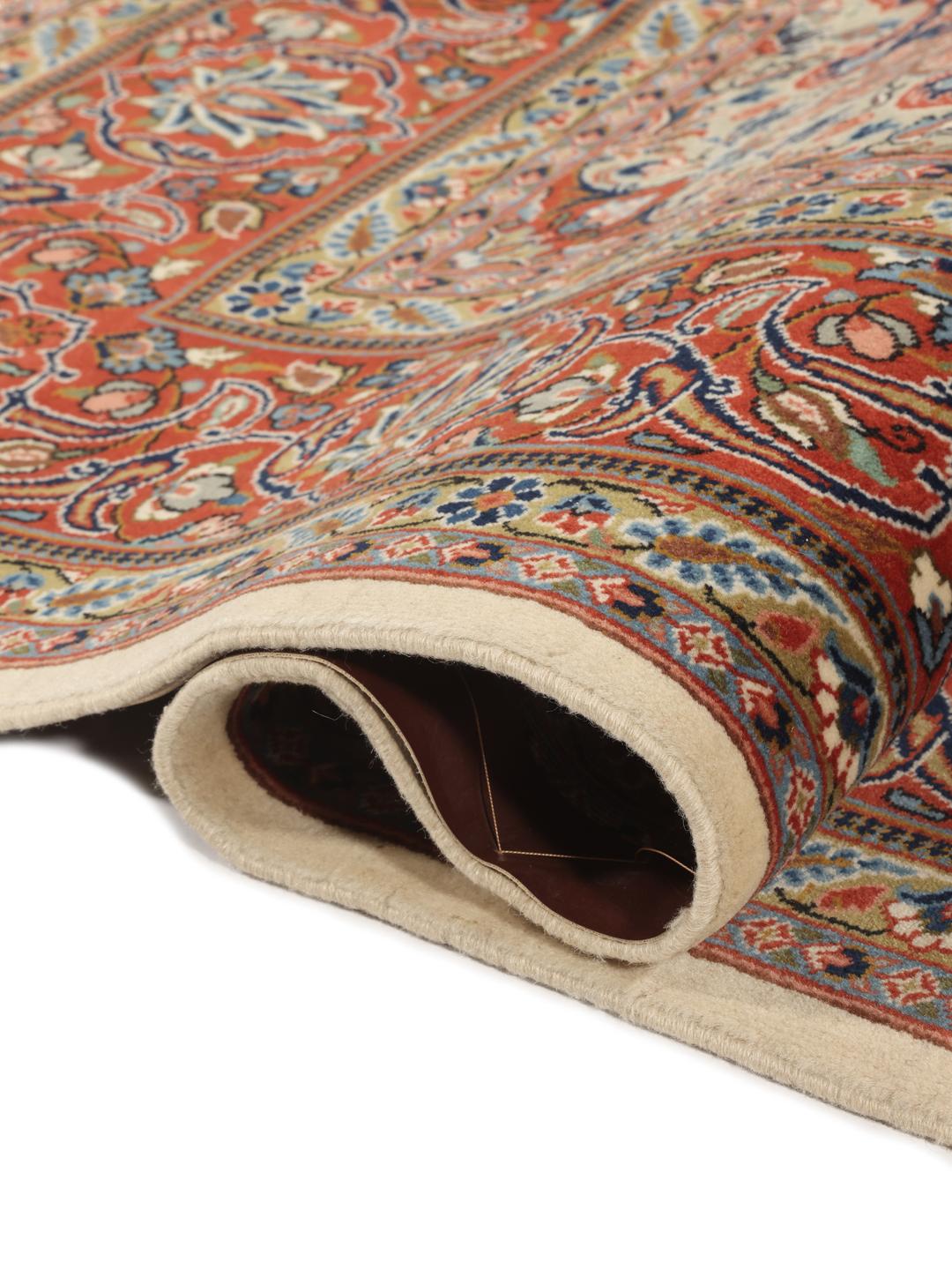
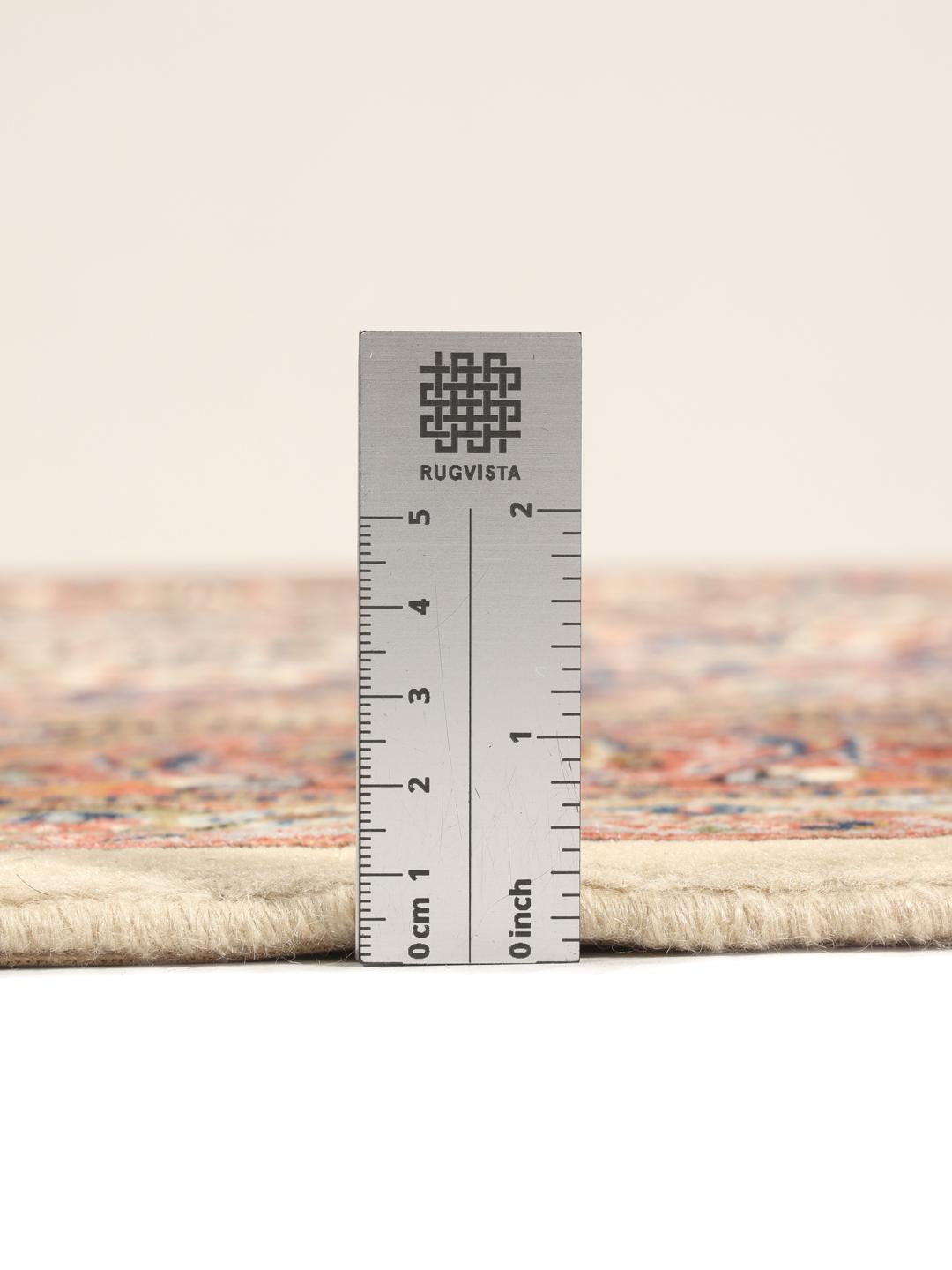
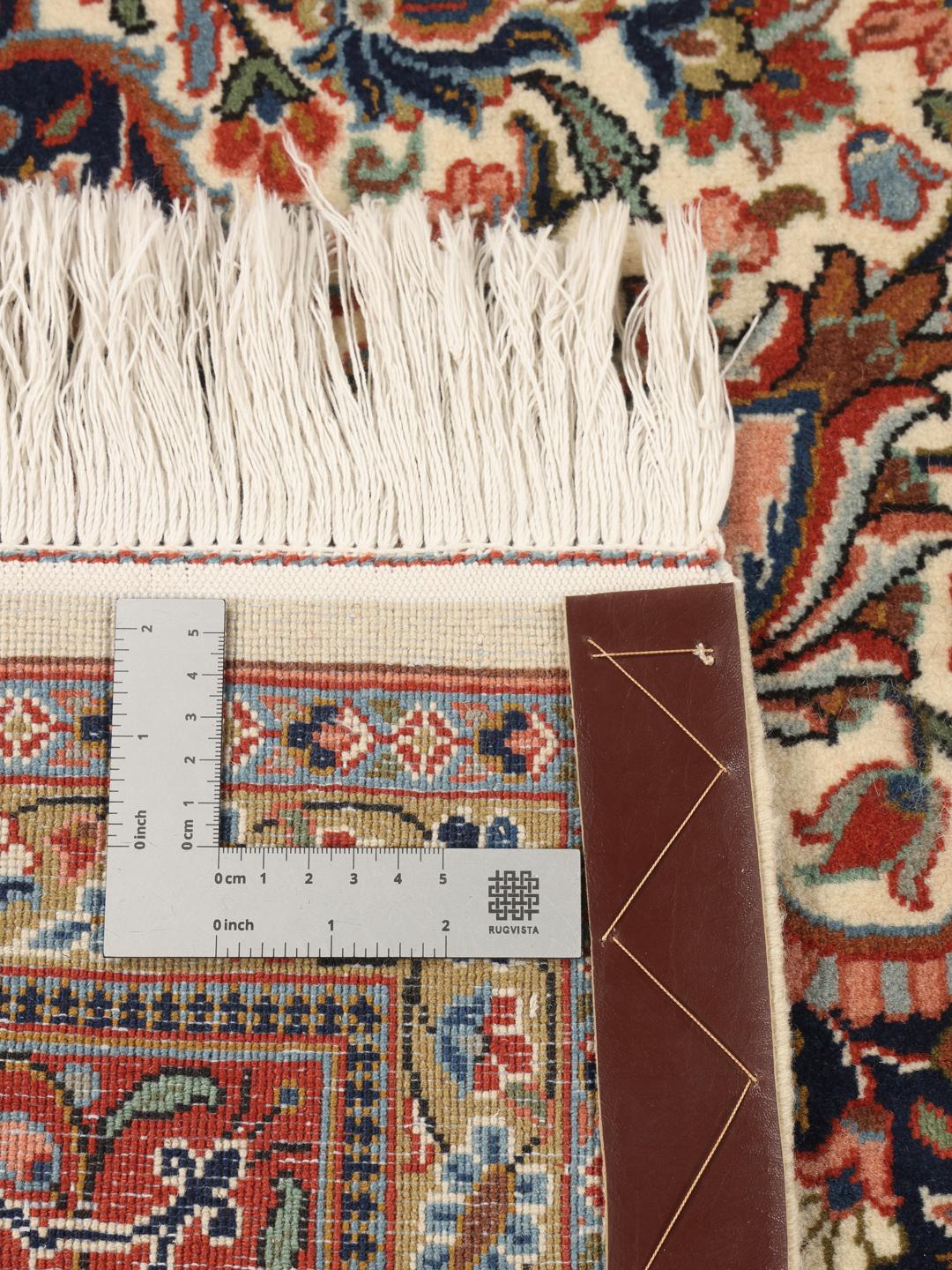
The technical quality of a Sarouk is often linked to the use of high-quality wool, which is known for its resilience and ability to take on rich, deep dyes. The tradition emphasises a dense, compact knotting style that provides a firm structure, ensuring the rug can handle heavy foot traffic whilst retaining its original shape and vibrancy over time.
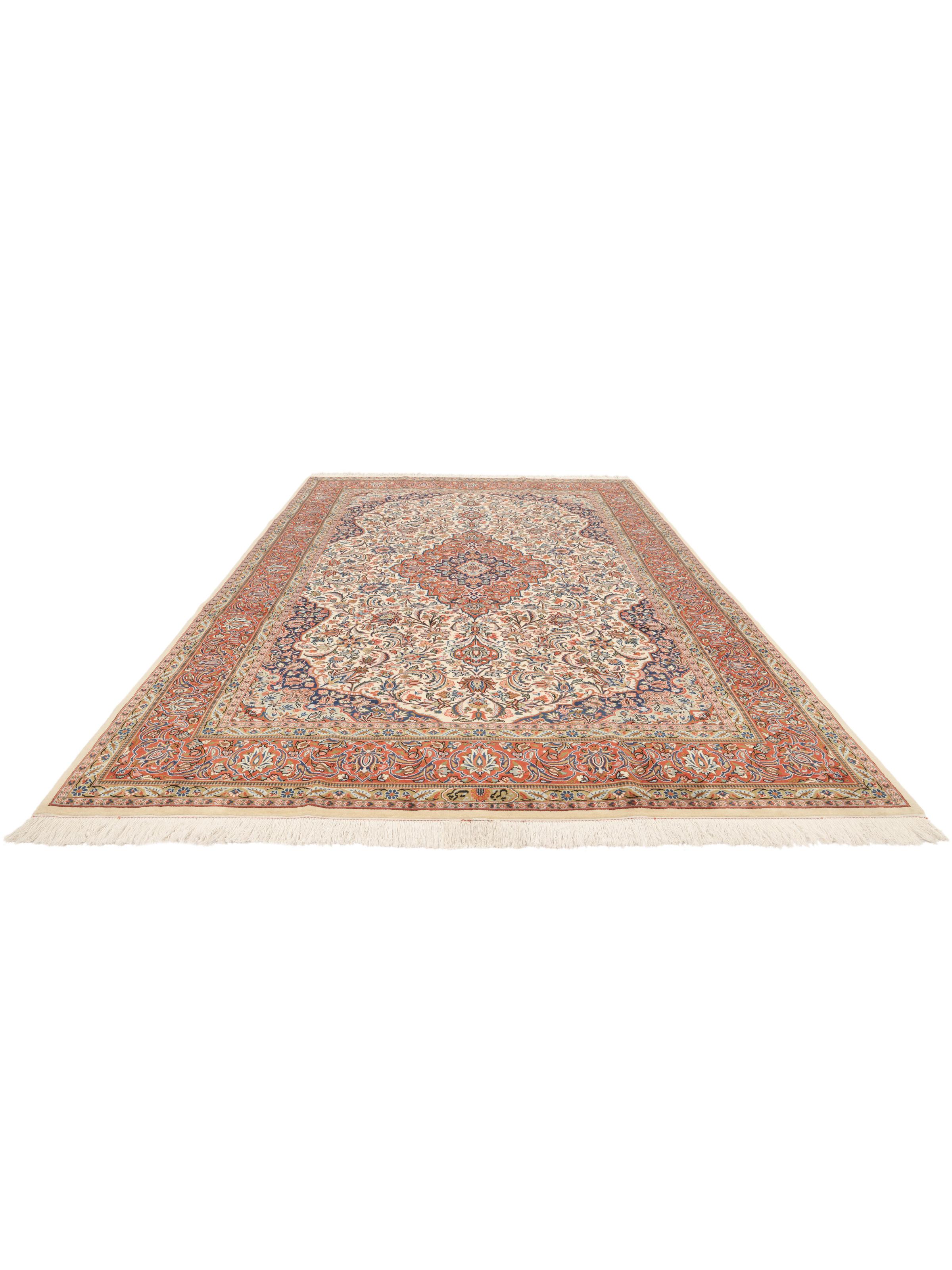
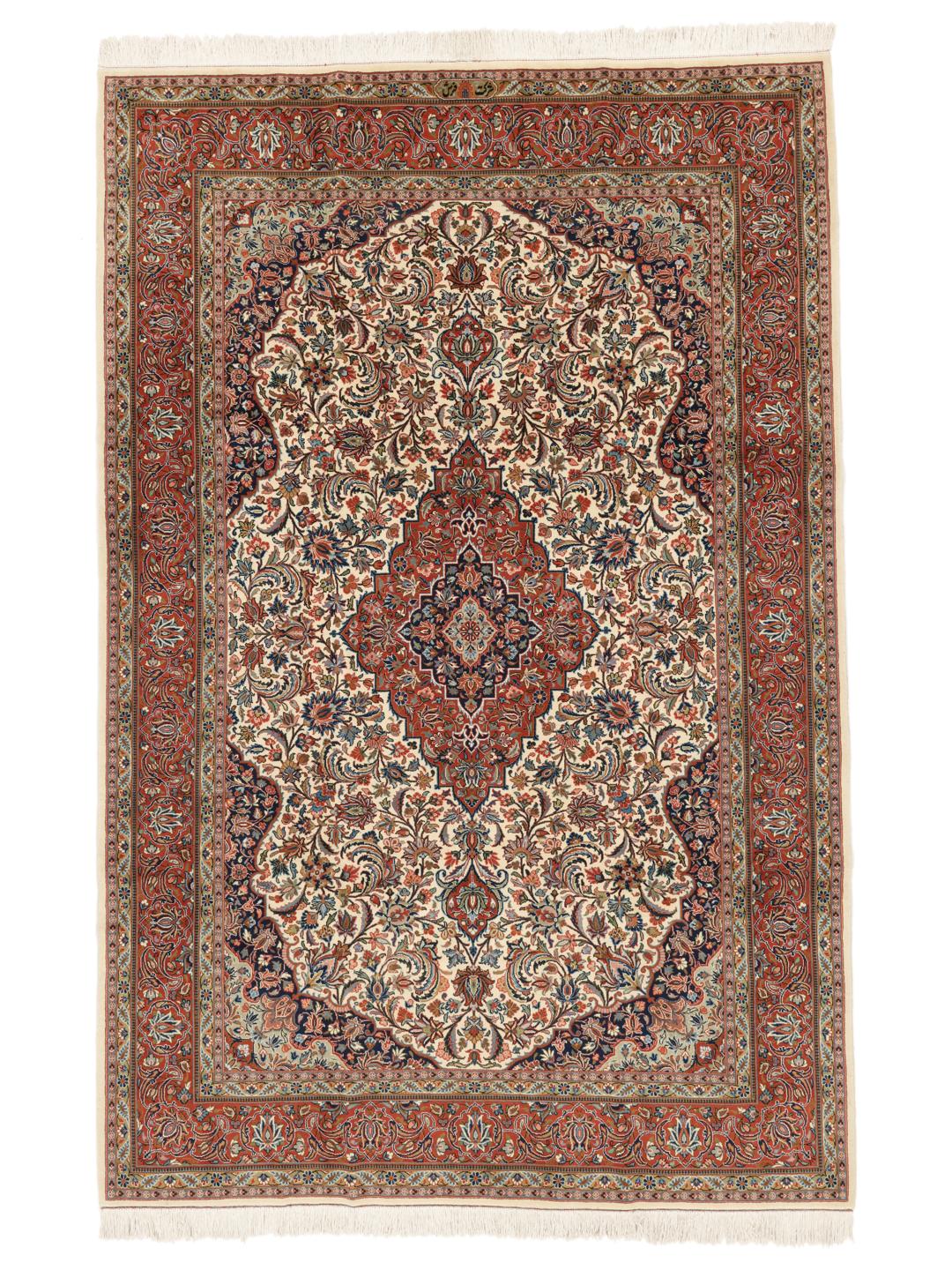
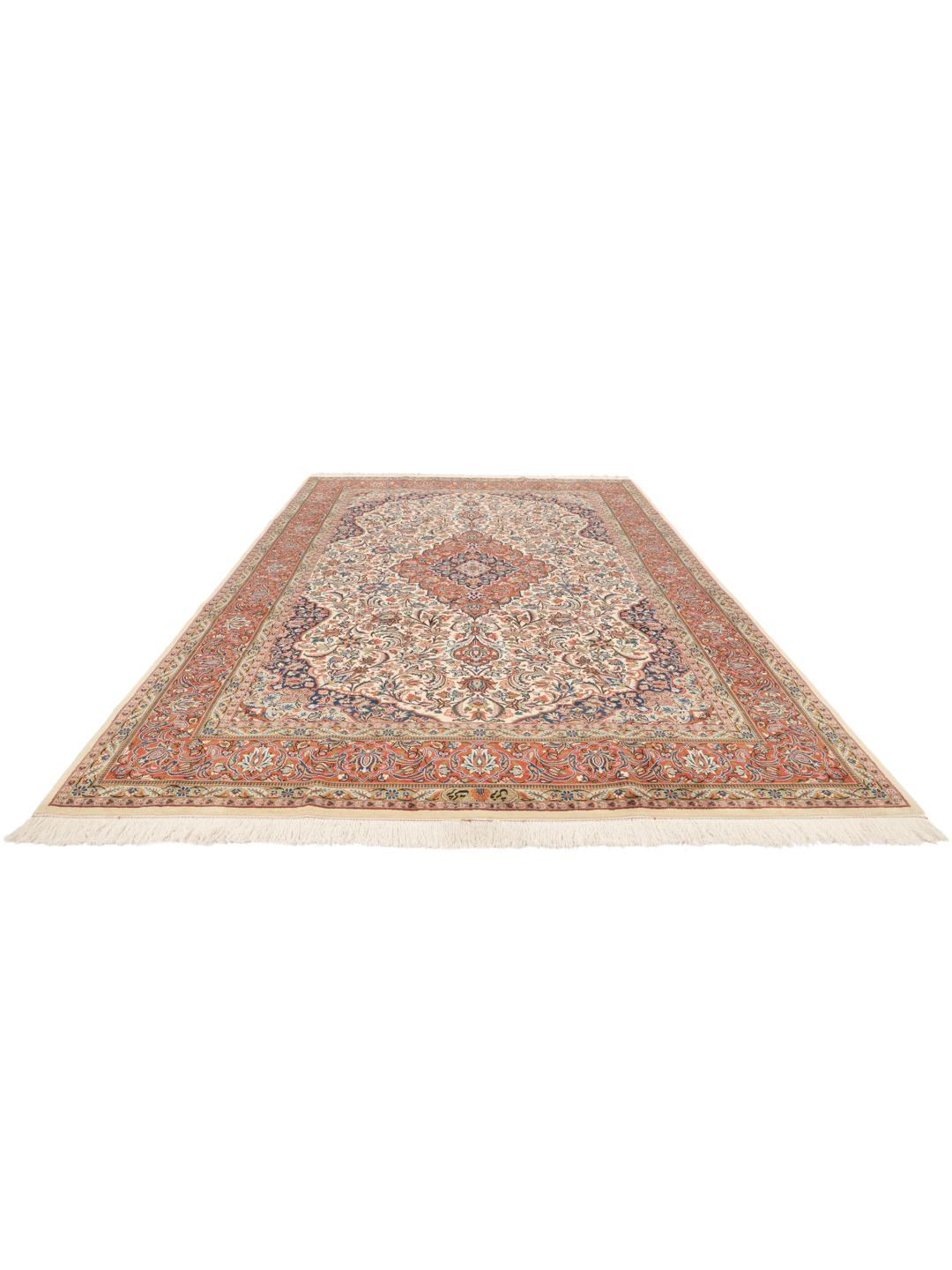
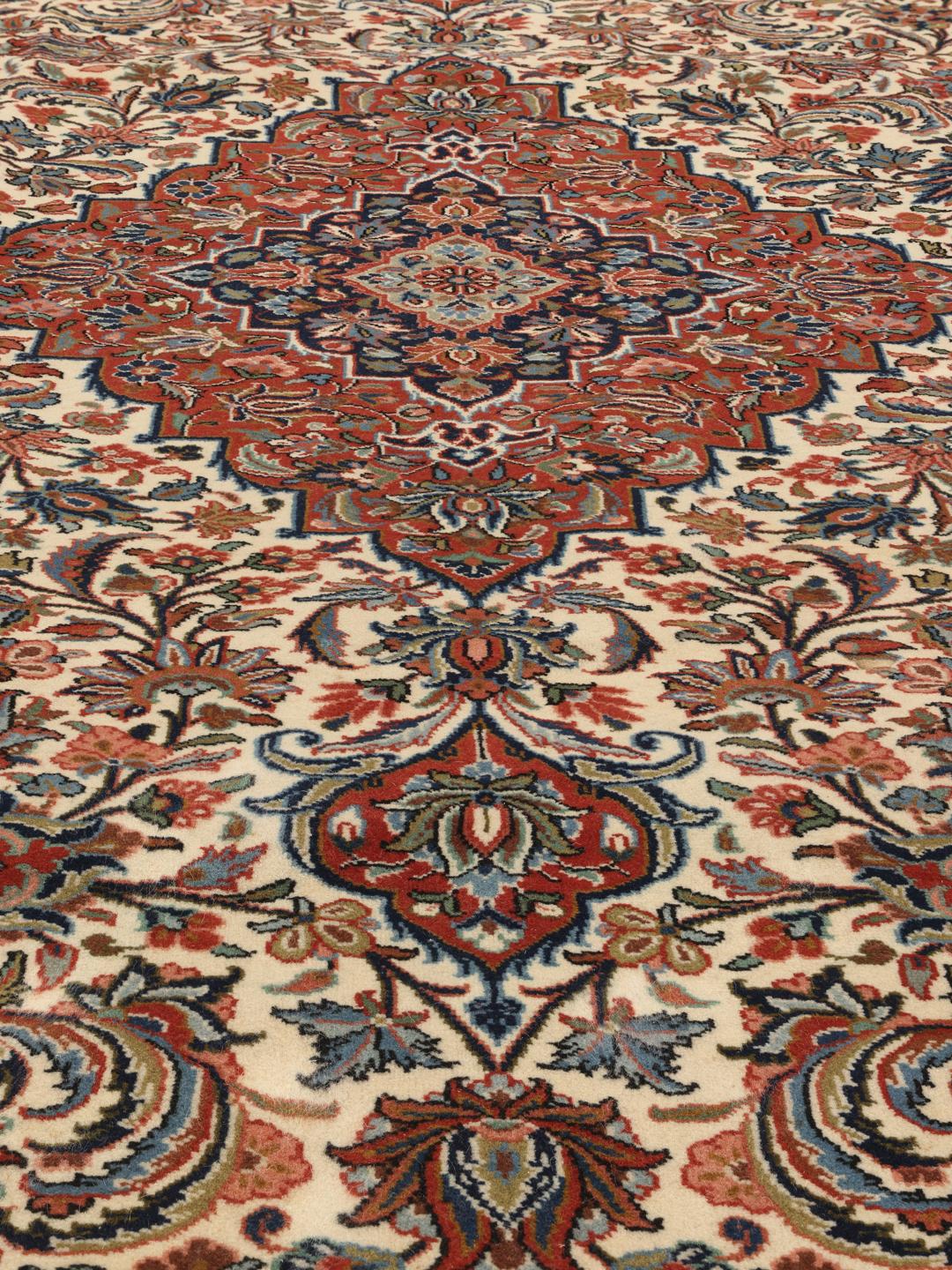
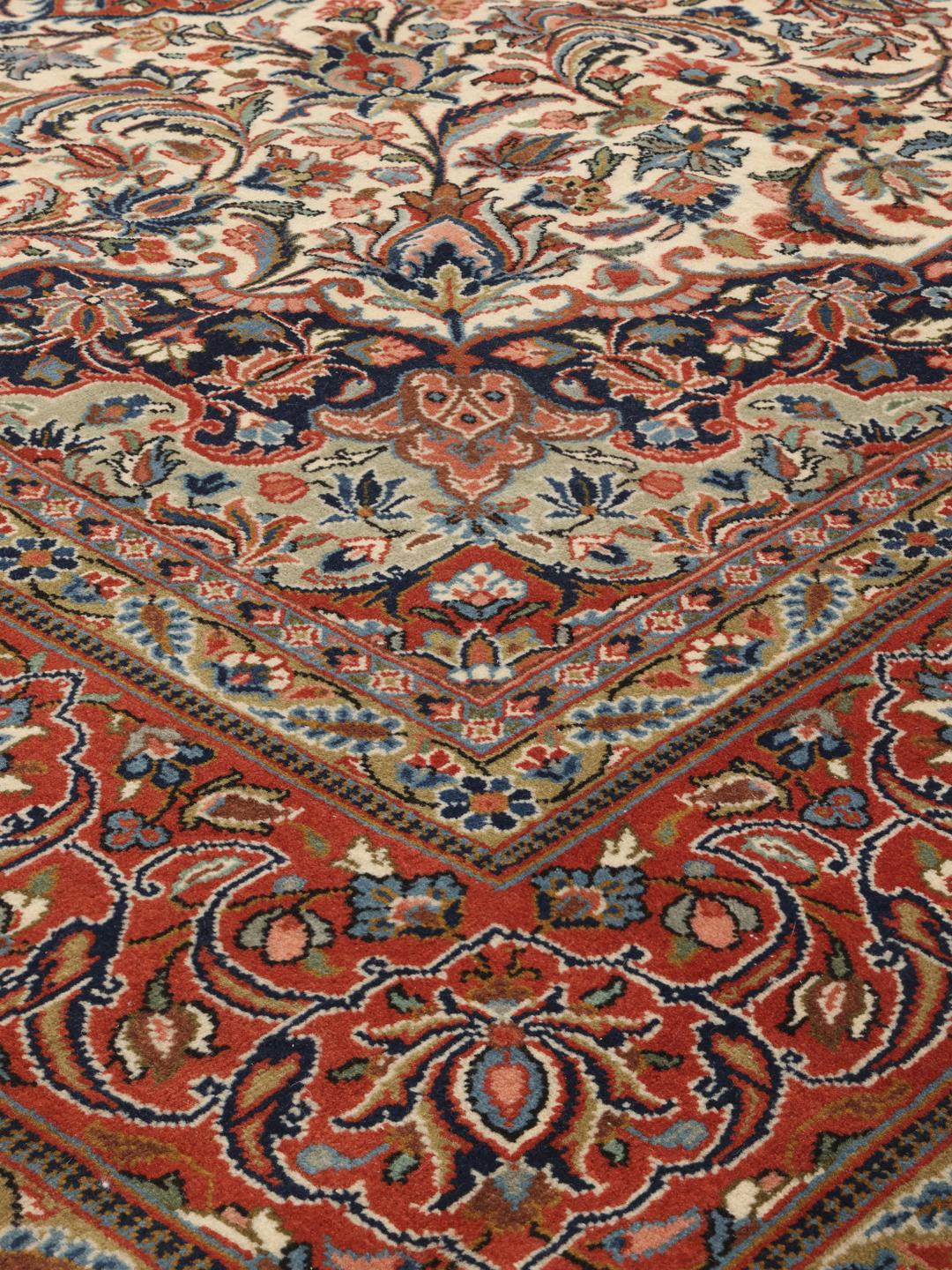
Visually, Sarouk rugs are famous for their intricate floral designs, often centred around a prominent medallion. The fields are typically filled with scrolling vines, palmettes, and blossoms, creating a balanced and harmonious composition. Whilst traditional colour palettes often feature deep reds, blues, and cream tones, the specific artistry of the weaver often introduces unique nuances in shading and arrangement.
Owning a piece from this tradition is a way to connect with a long lineage of craft. These rugs are collected not only for their beauty but for the human effort and cultural history woven into every inch. They represent a standard of excellence that has been passed down through generations, making them a meaningful addition to any home.