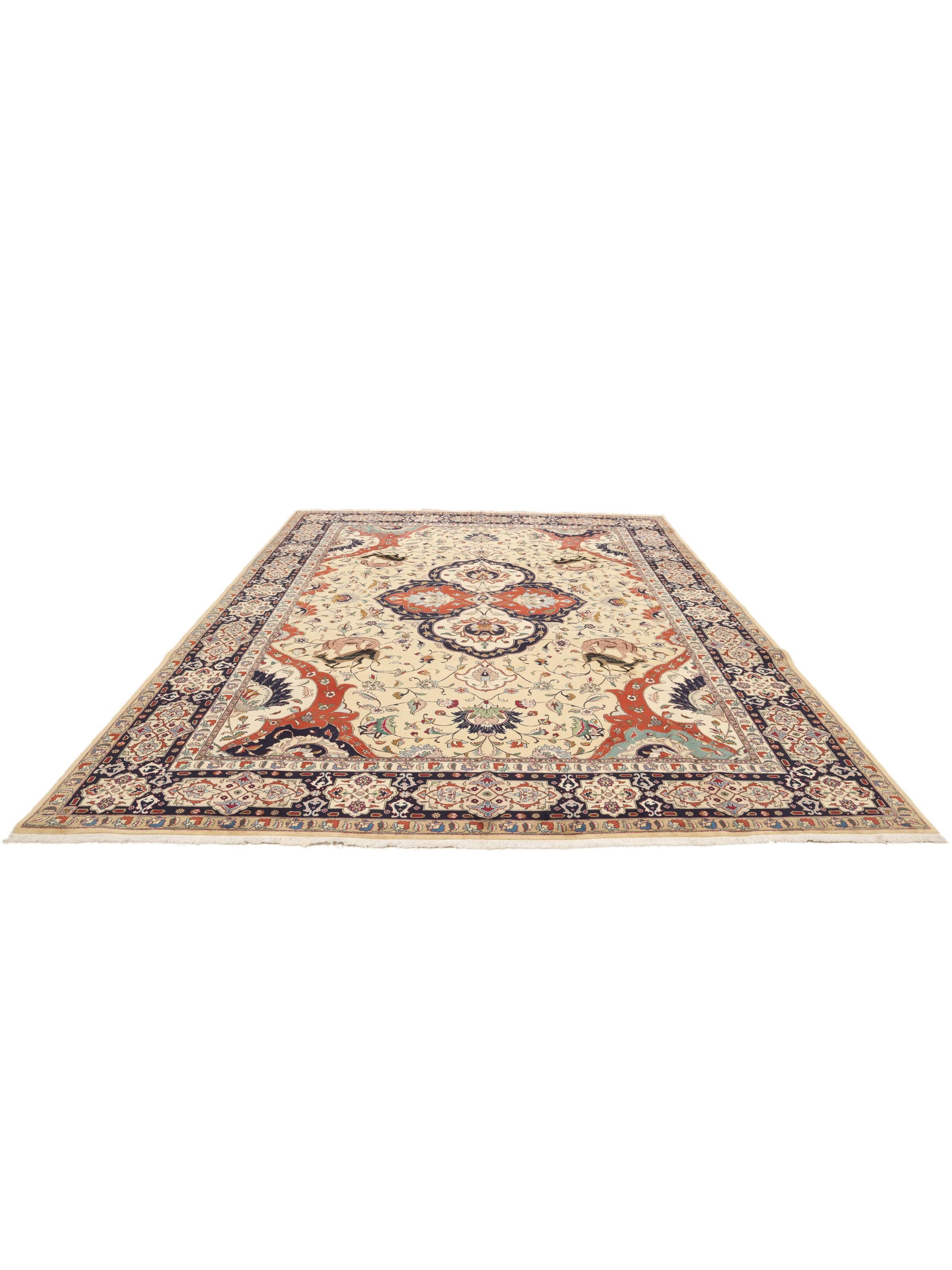
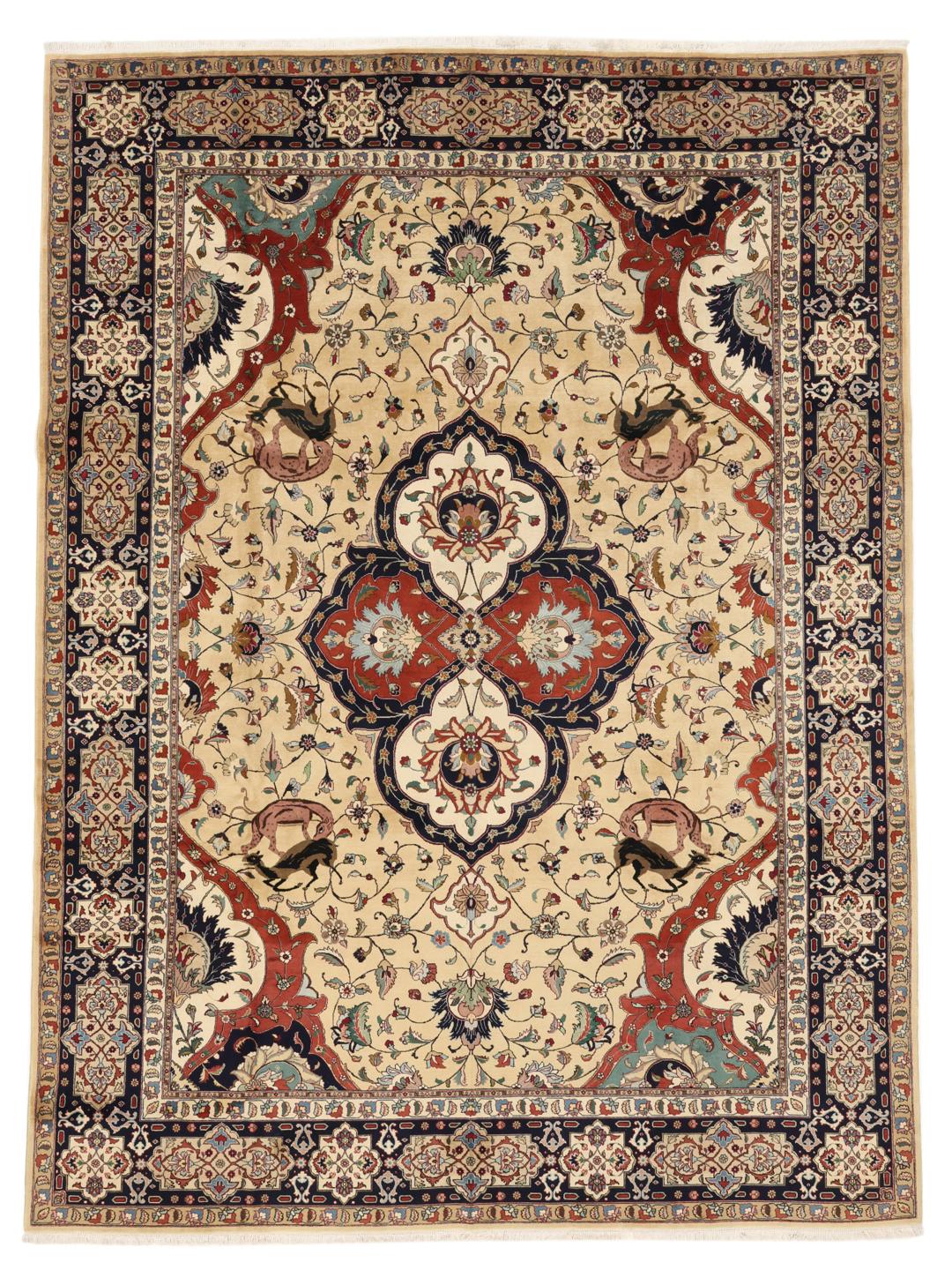
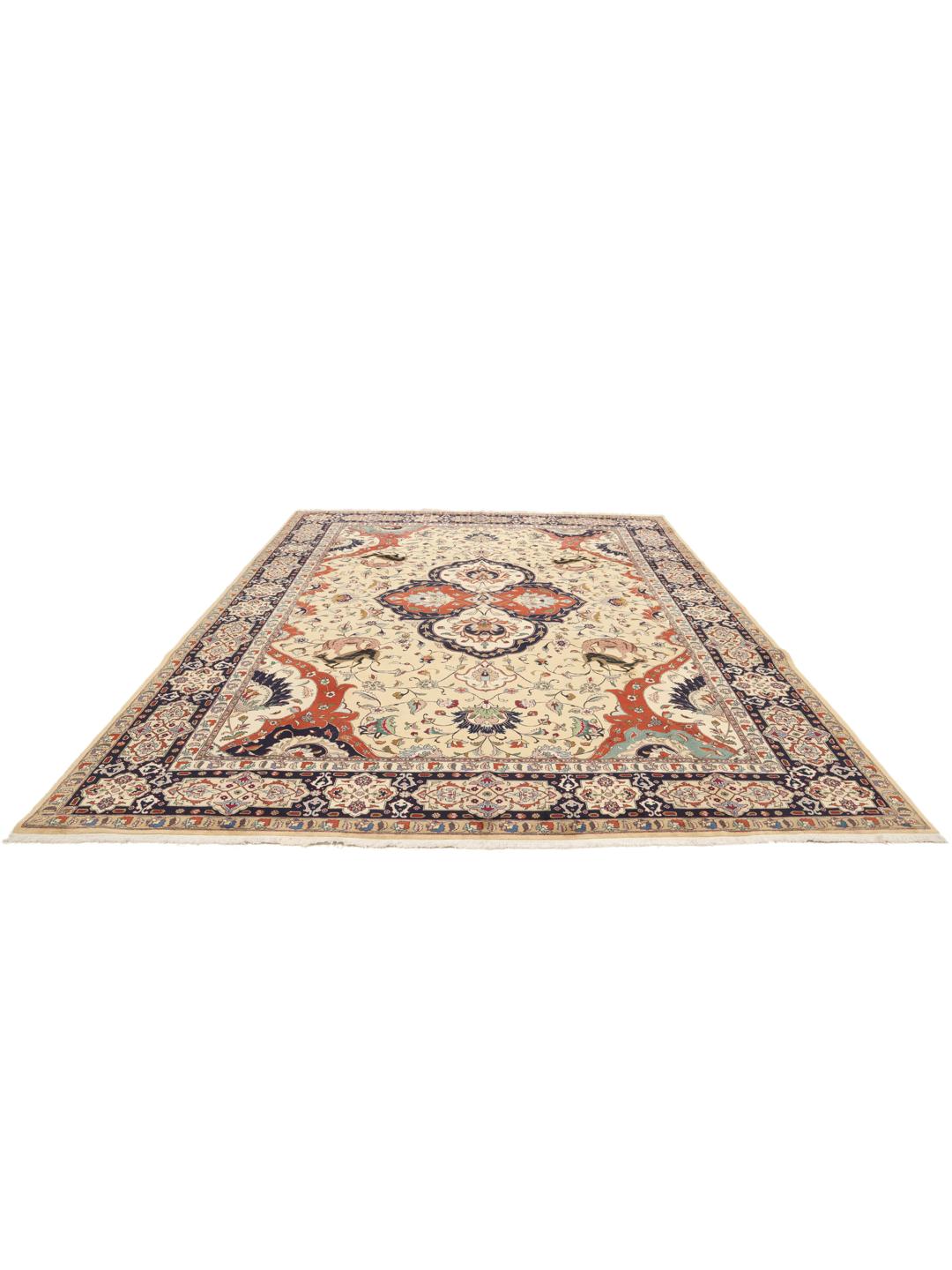
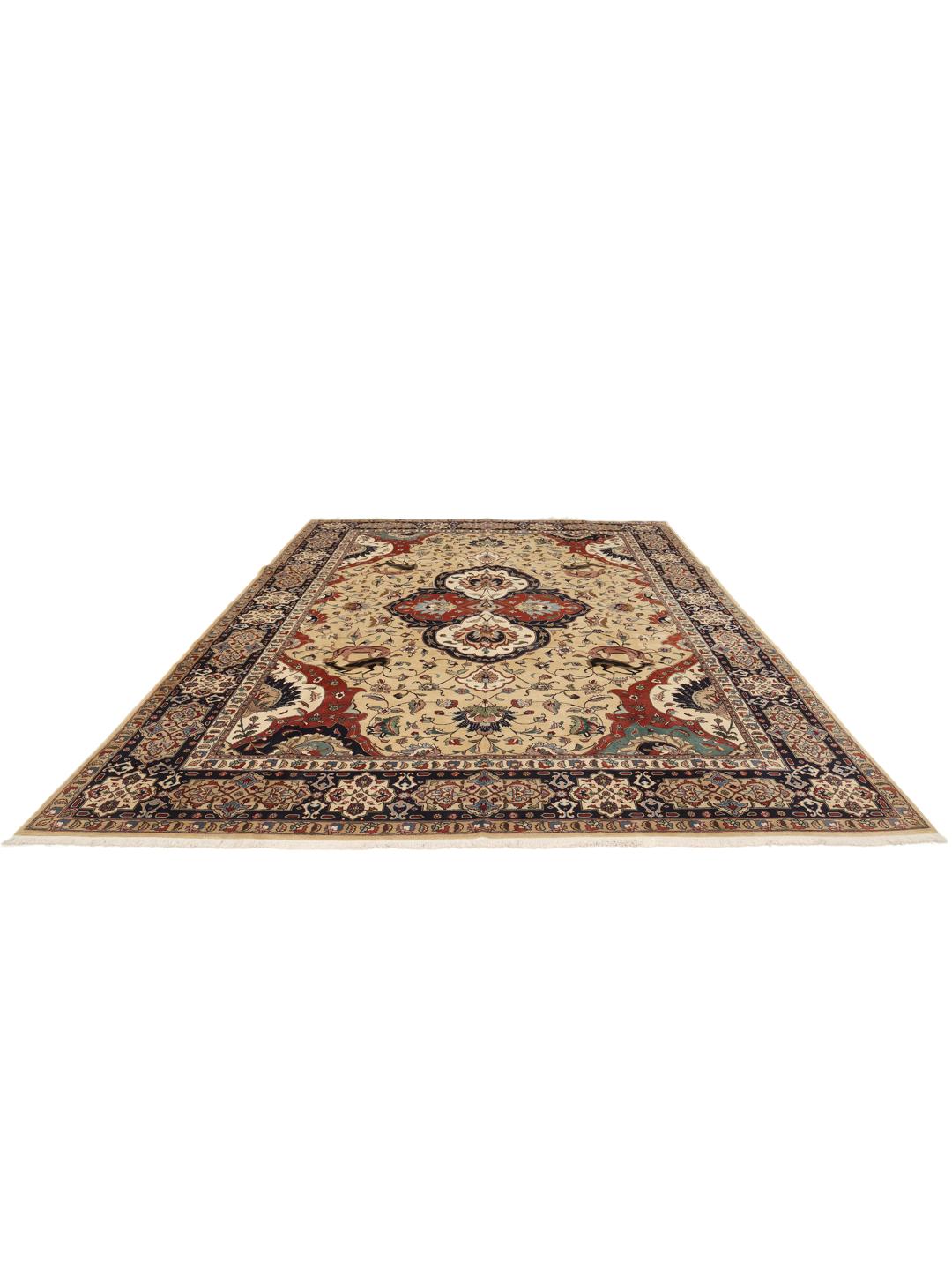
The Sarough rug tradition originates from the village of Sarouk in the Markazi province of the Middle East. Historically, these rugs gained international prominence in the early 20th century, becoming highly sought after for their robust construction and sophisticated designs that catered to Western tastes while maintaining their deeply rooted regional identity.
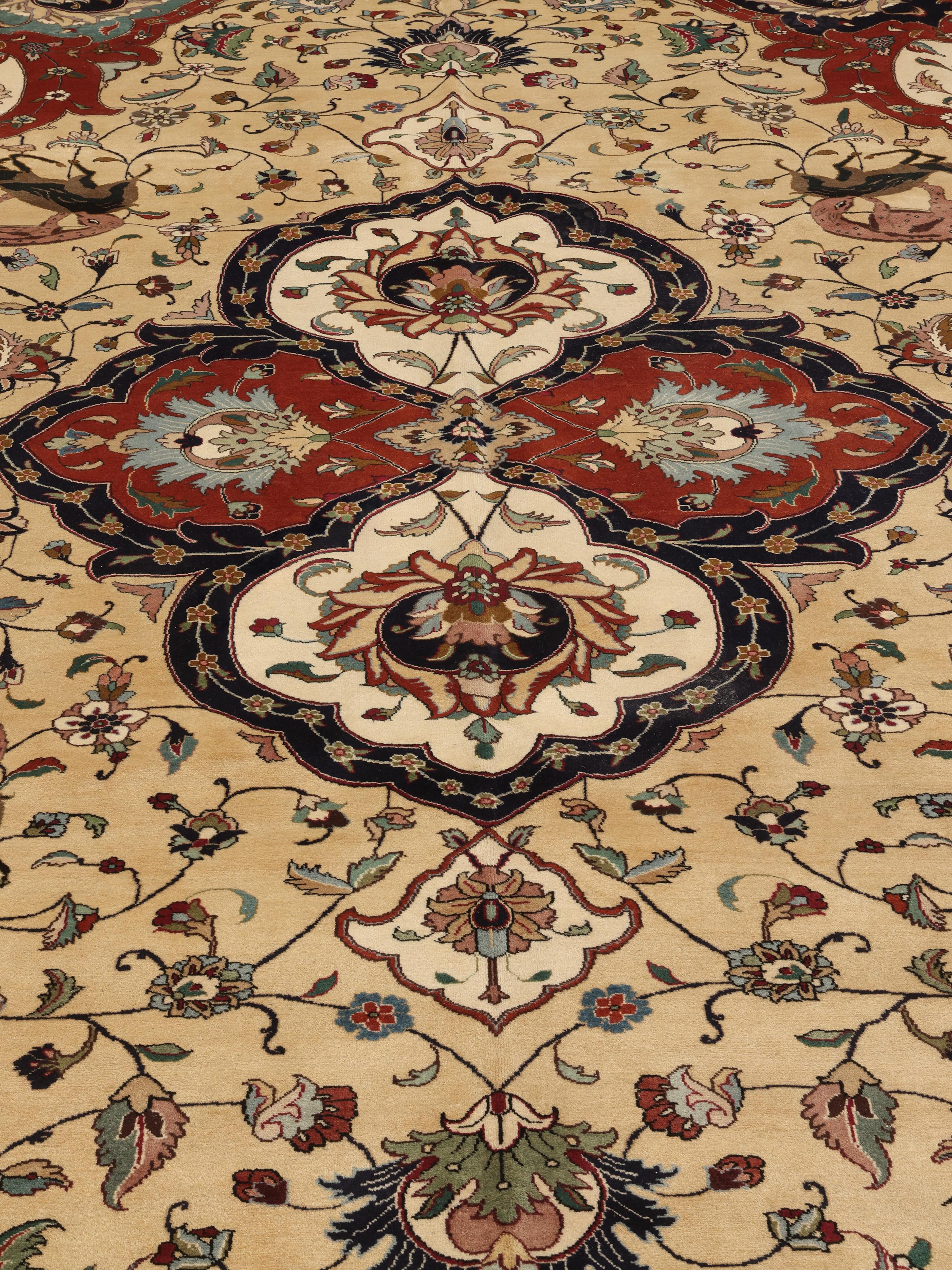
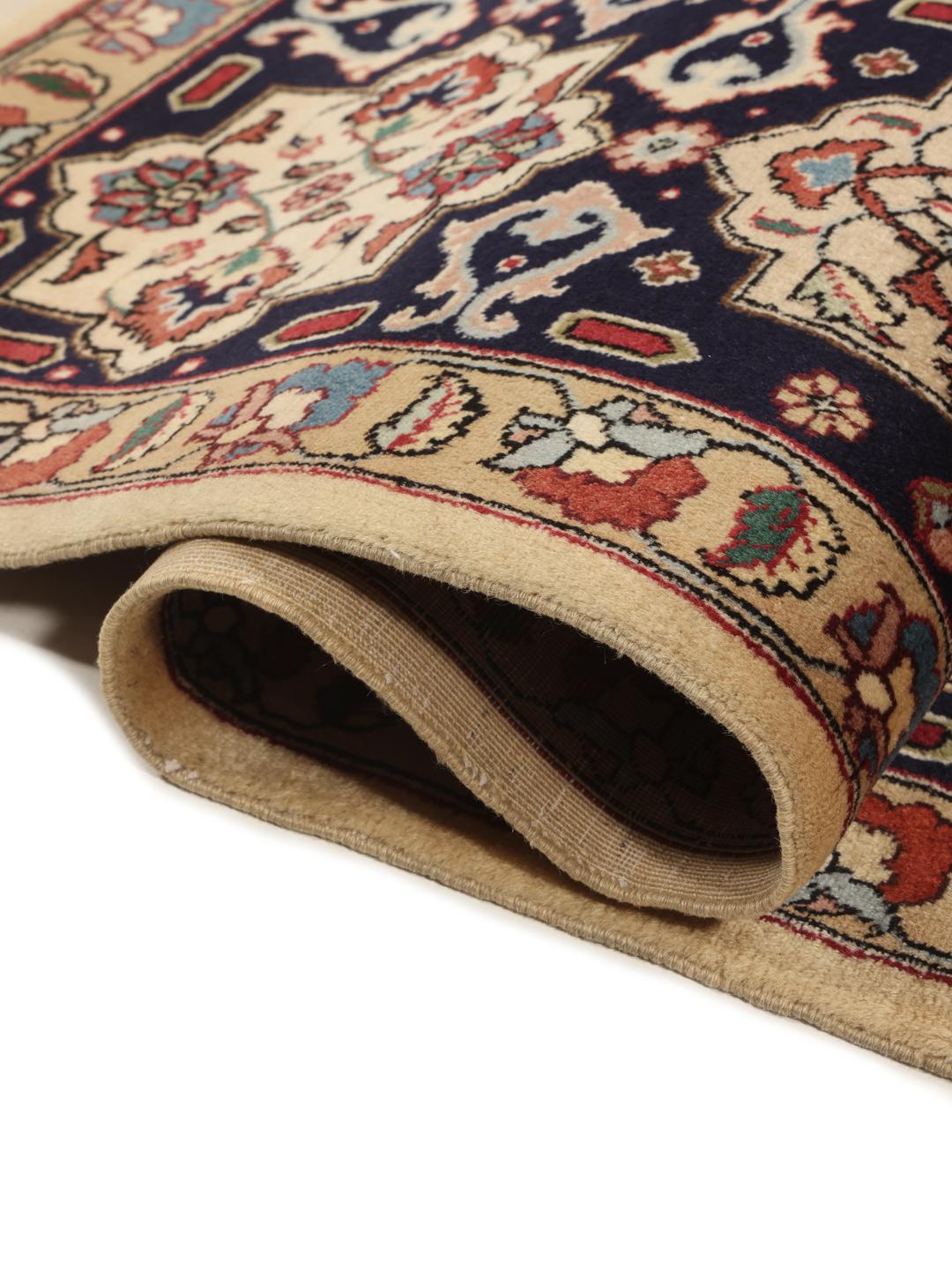
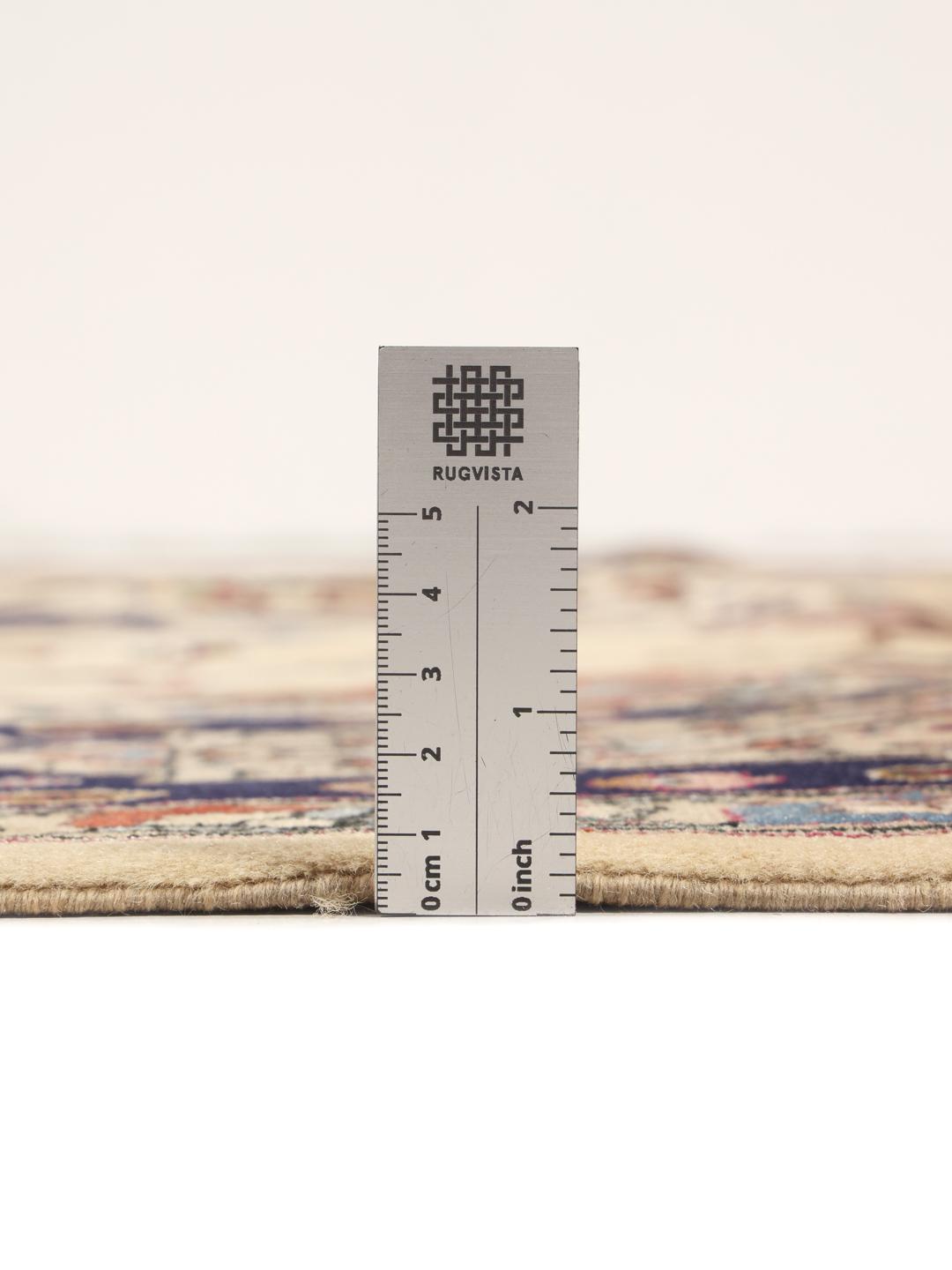
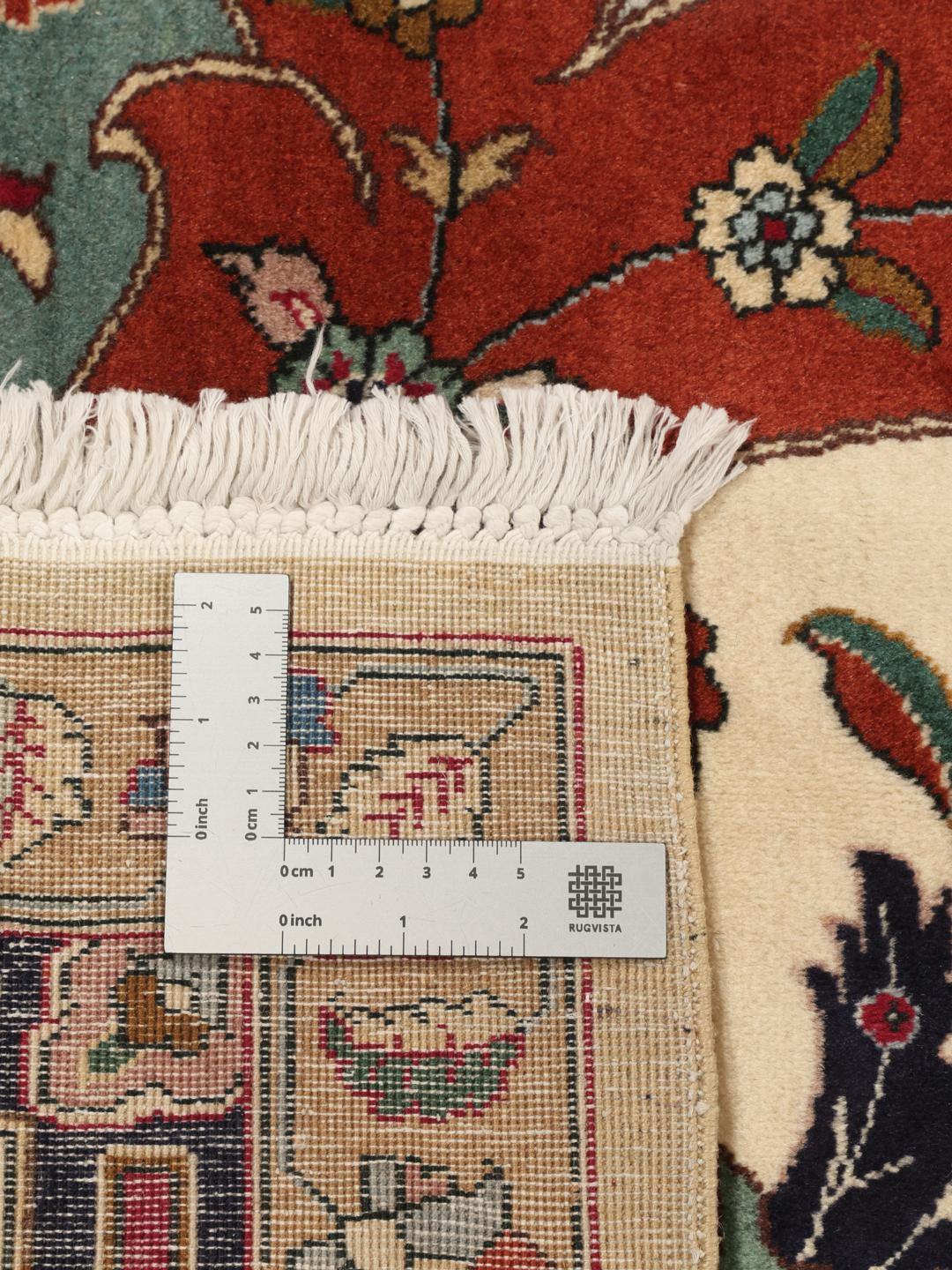
The term 'Fine' in this context refers to the elevated knot count and the quality of the wool used in the pile. A higher knot density not only allows for more intricate and fluid patterns but also creates a more lustrous surface. This density is a primary indicator of quality, as it requires greater skill and significantly more time to weave, resulting in a more durable and visually striking end product.
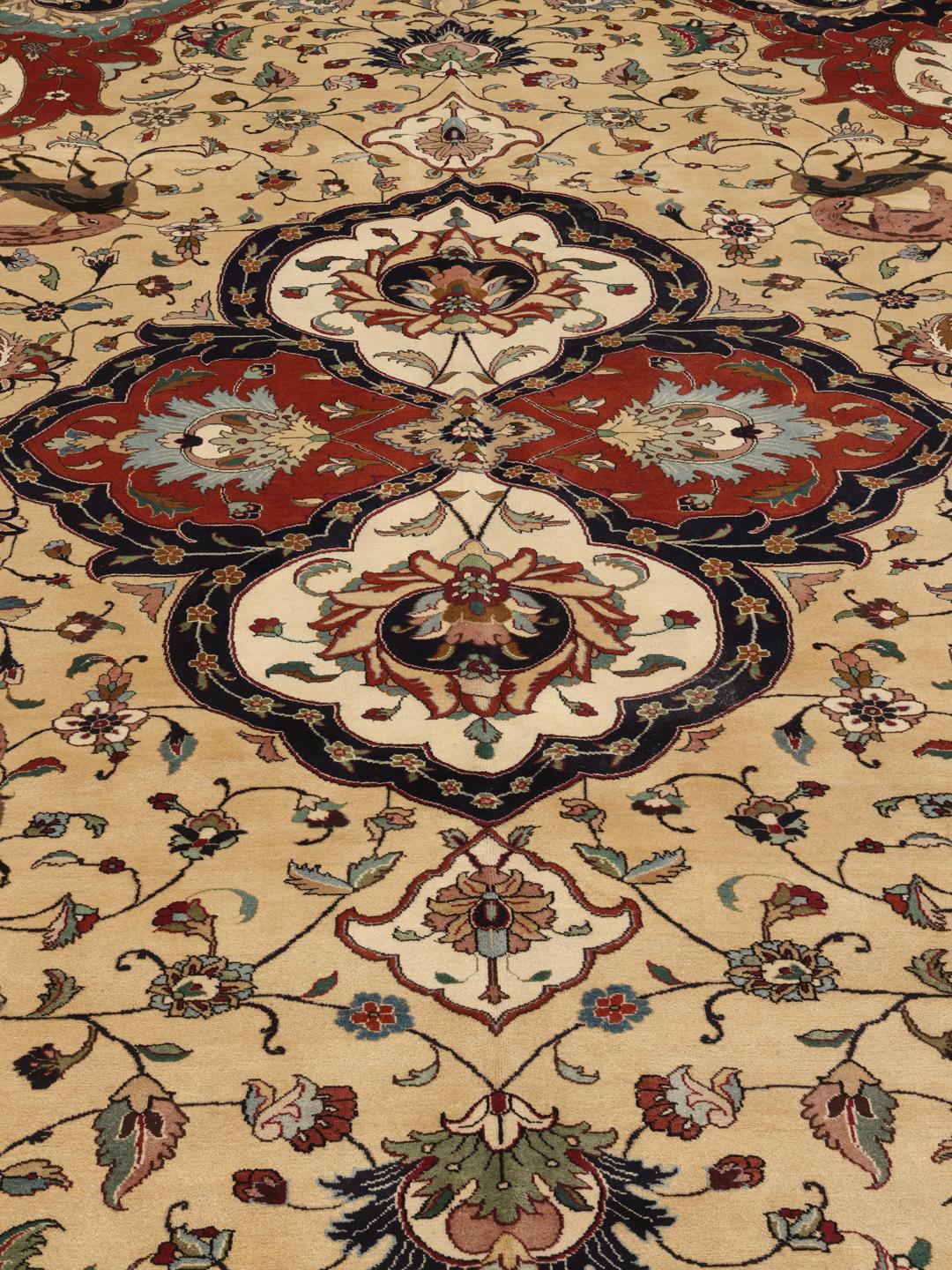
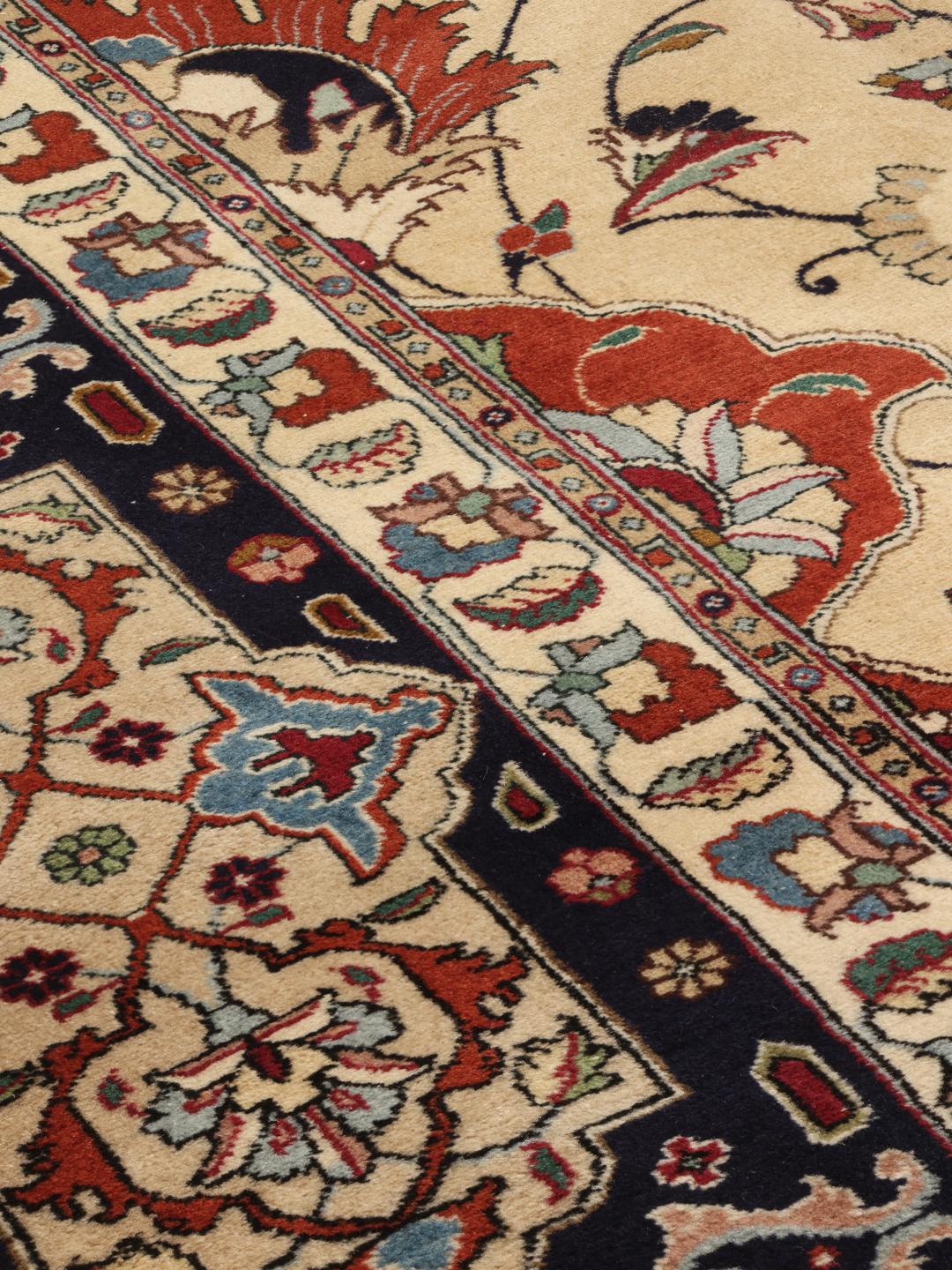
Visually, Sarough rugs are celebrated for their elaborate floral themes. While they often feature central medallions, the field is frequently filled with dense, sweeping vines, palmettes, and occasionally, as seen here, charming animal motifs. The borders are typically formal and balanced, framing the complex inner field with elegant precision that draws the eye inward.
Owning a Sarough rug is a commitment to heritage and artistry. These pieces are collected not just for their utility, but for the skill and cultural narrative they embody. By bringing one into your home, you are participating in a long-standing tradition of craft that values beauty, longevity, and the human touch above all else.