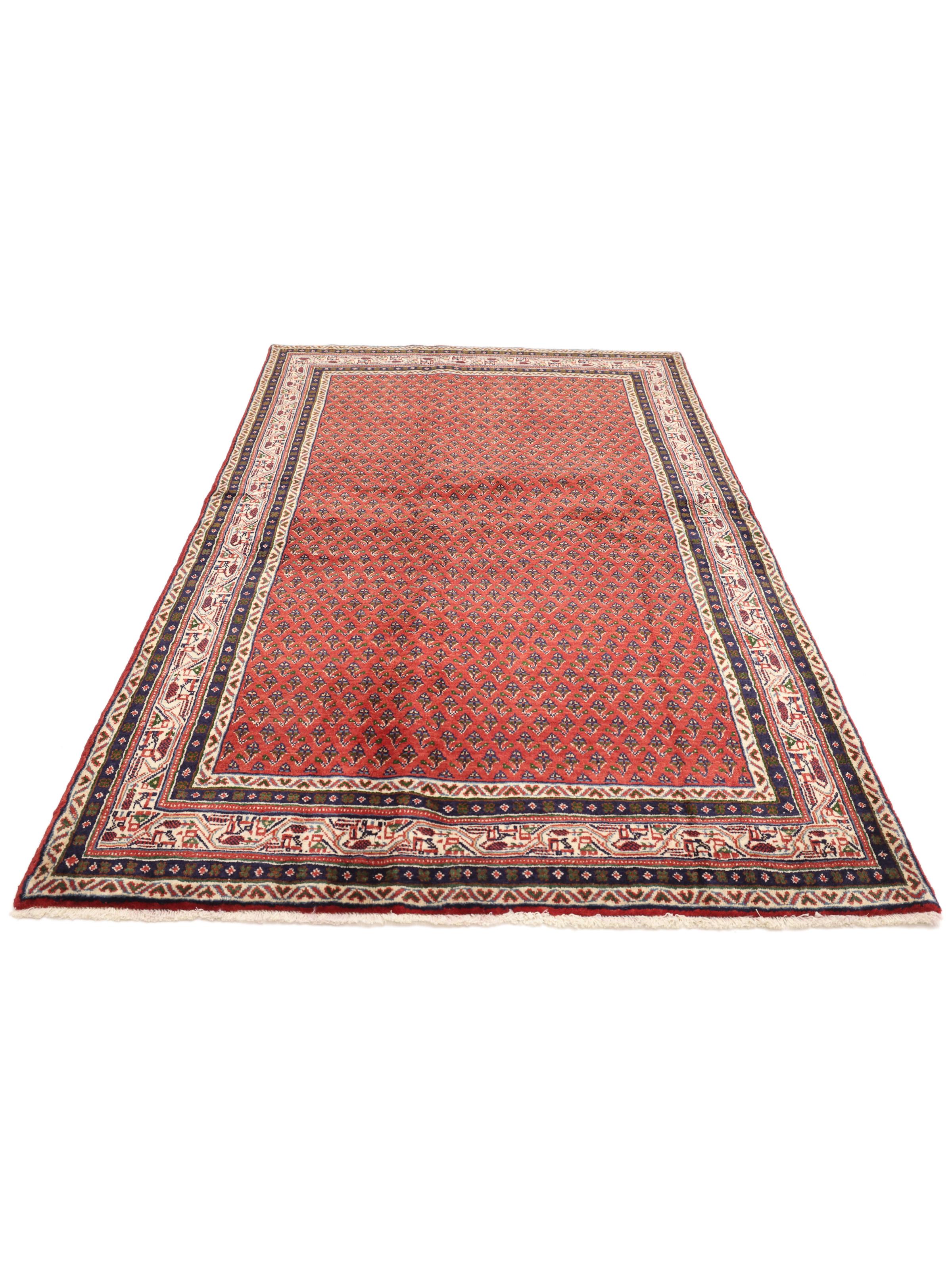
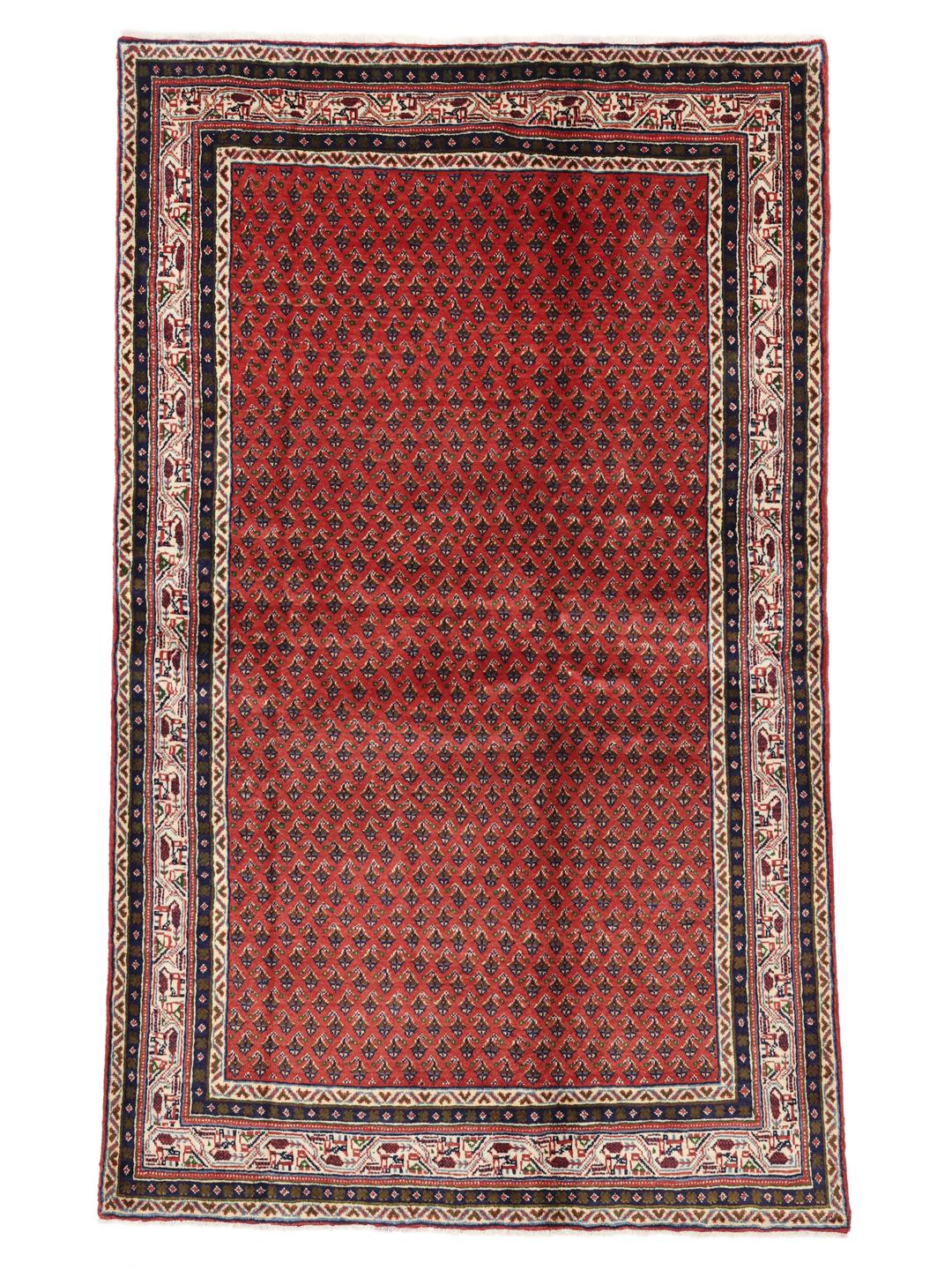
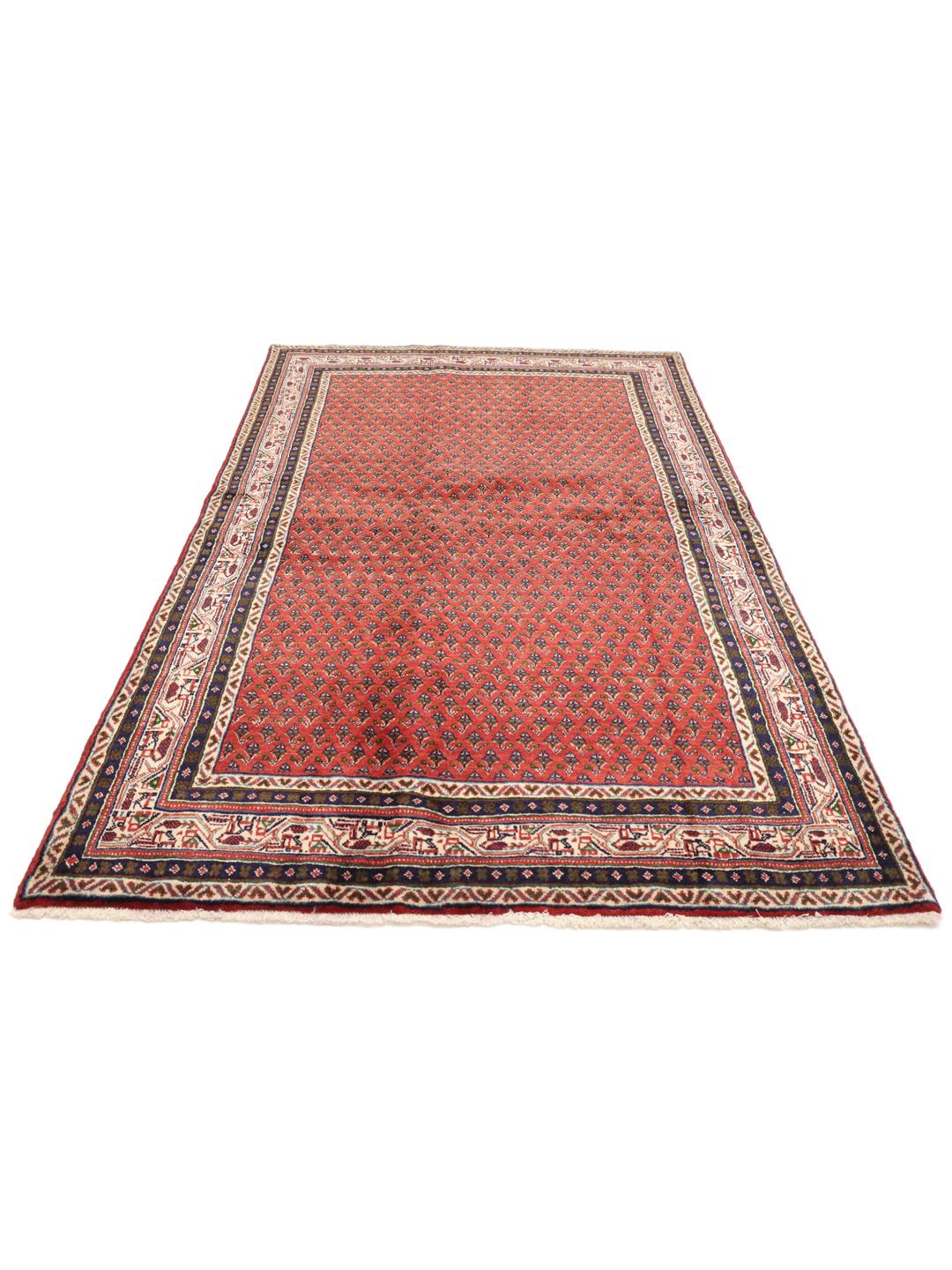
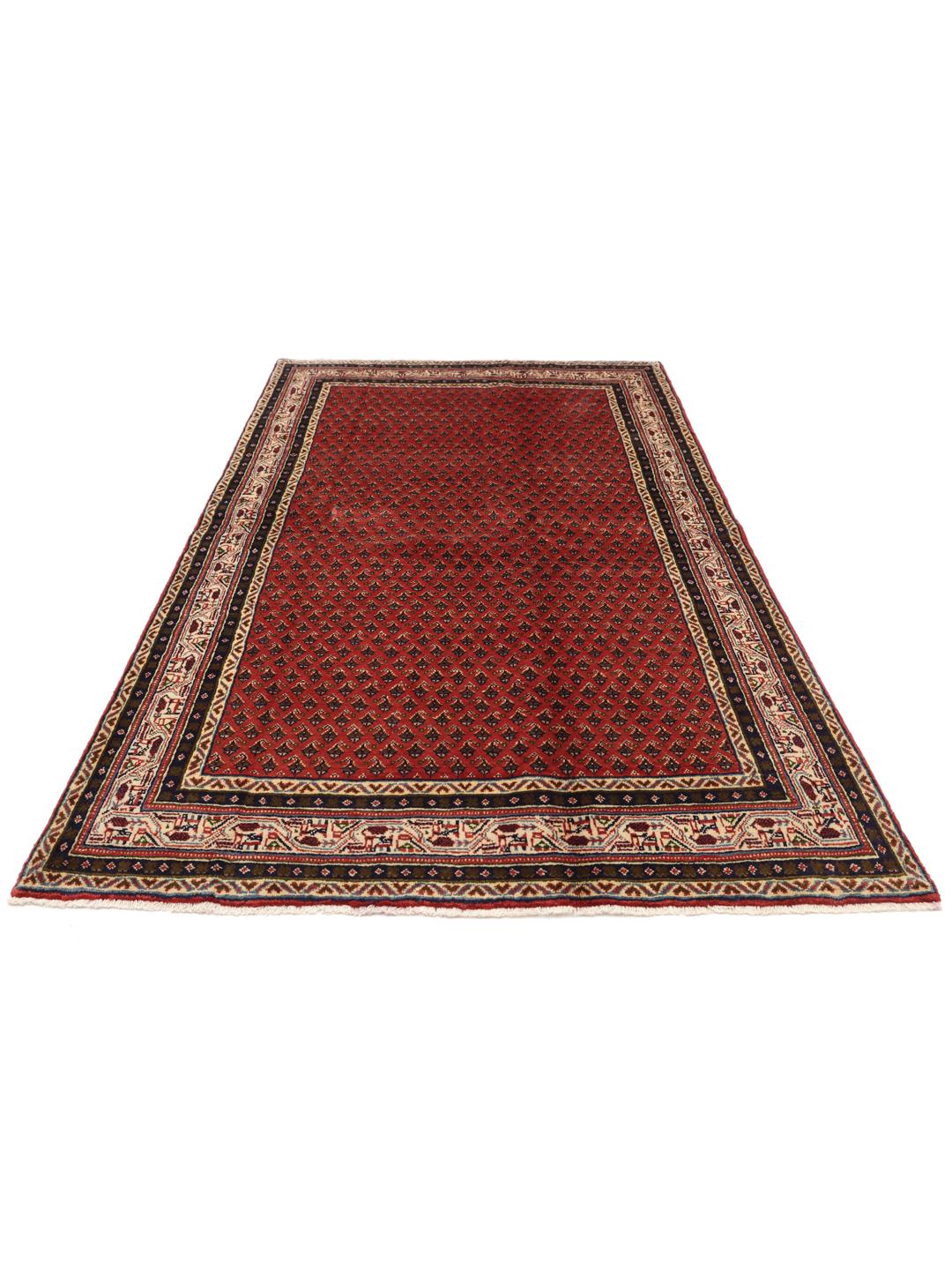
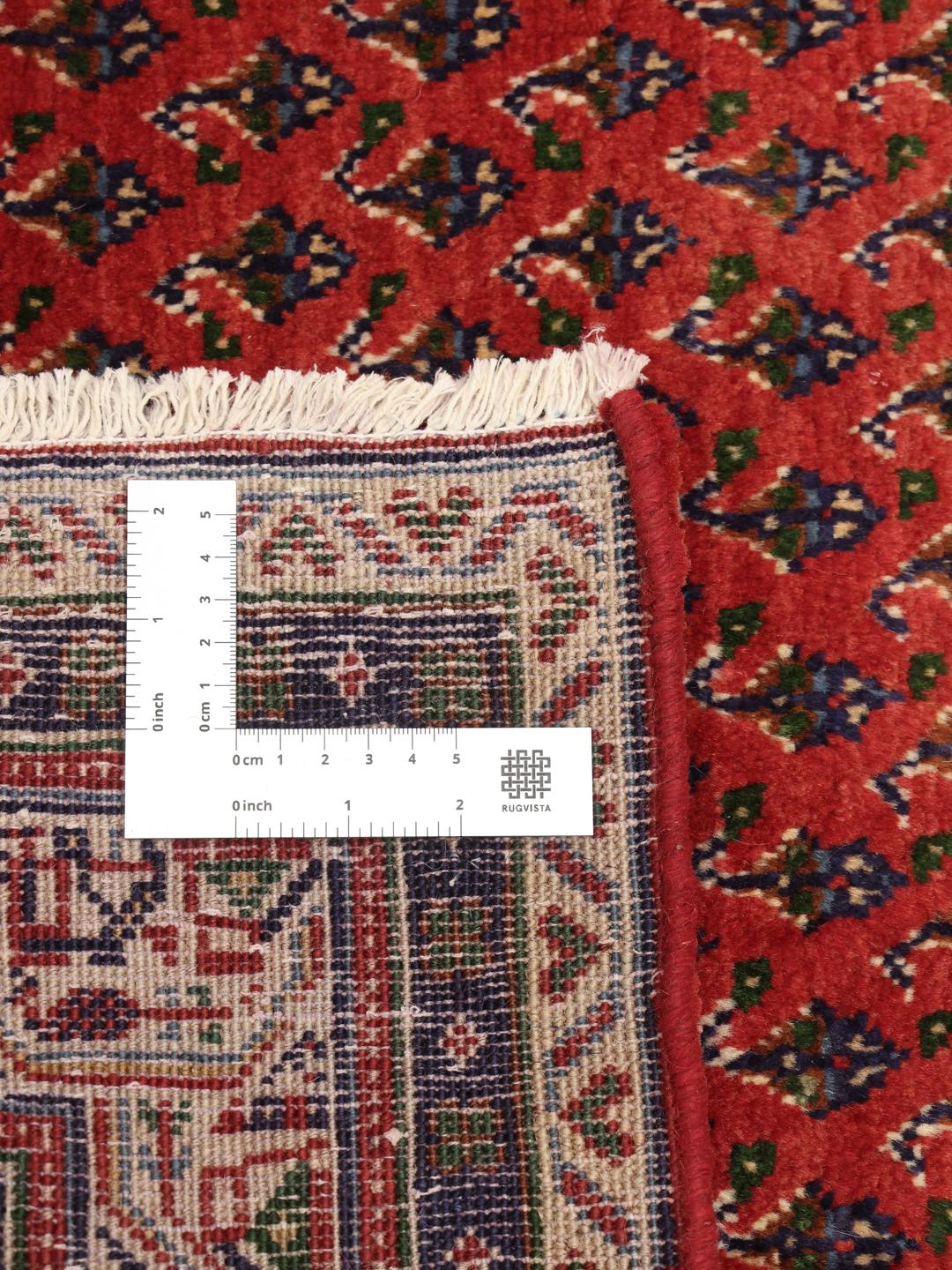
The Sarough rug tradition originates from the village of Sarouk in the central region of the Middle East. Historically, this area has been a hub for weaving, known for producing rugs that are both sturdy and refined. The evolution of the Sarough style has seen it become one of the most sought-after categories, prized for its ability to blend formal, intricate patterns with a robust construction suitable for everyday life.
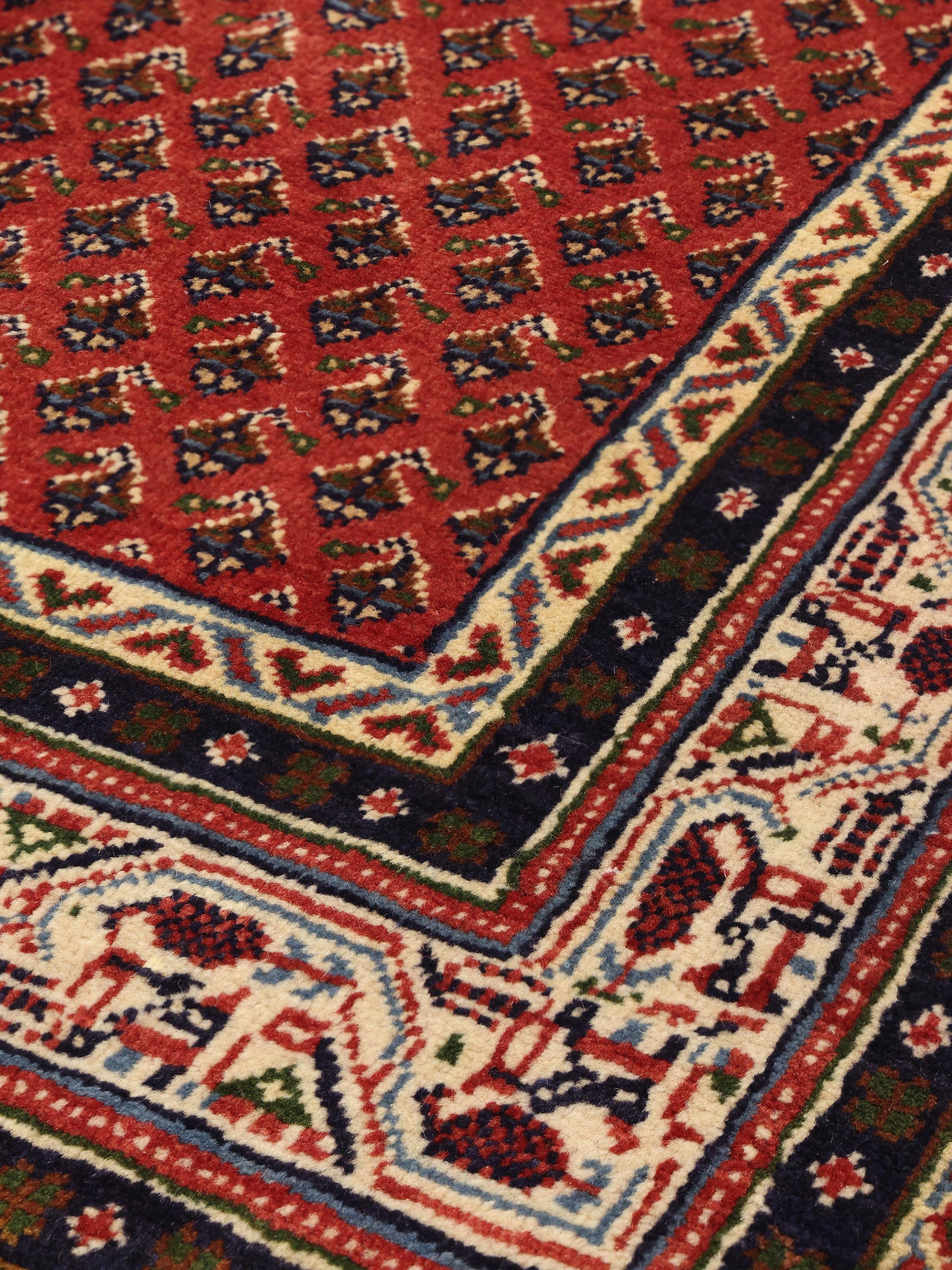
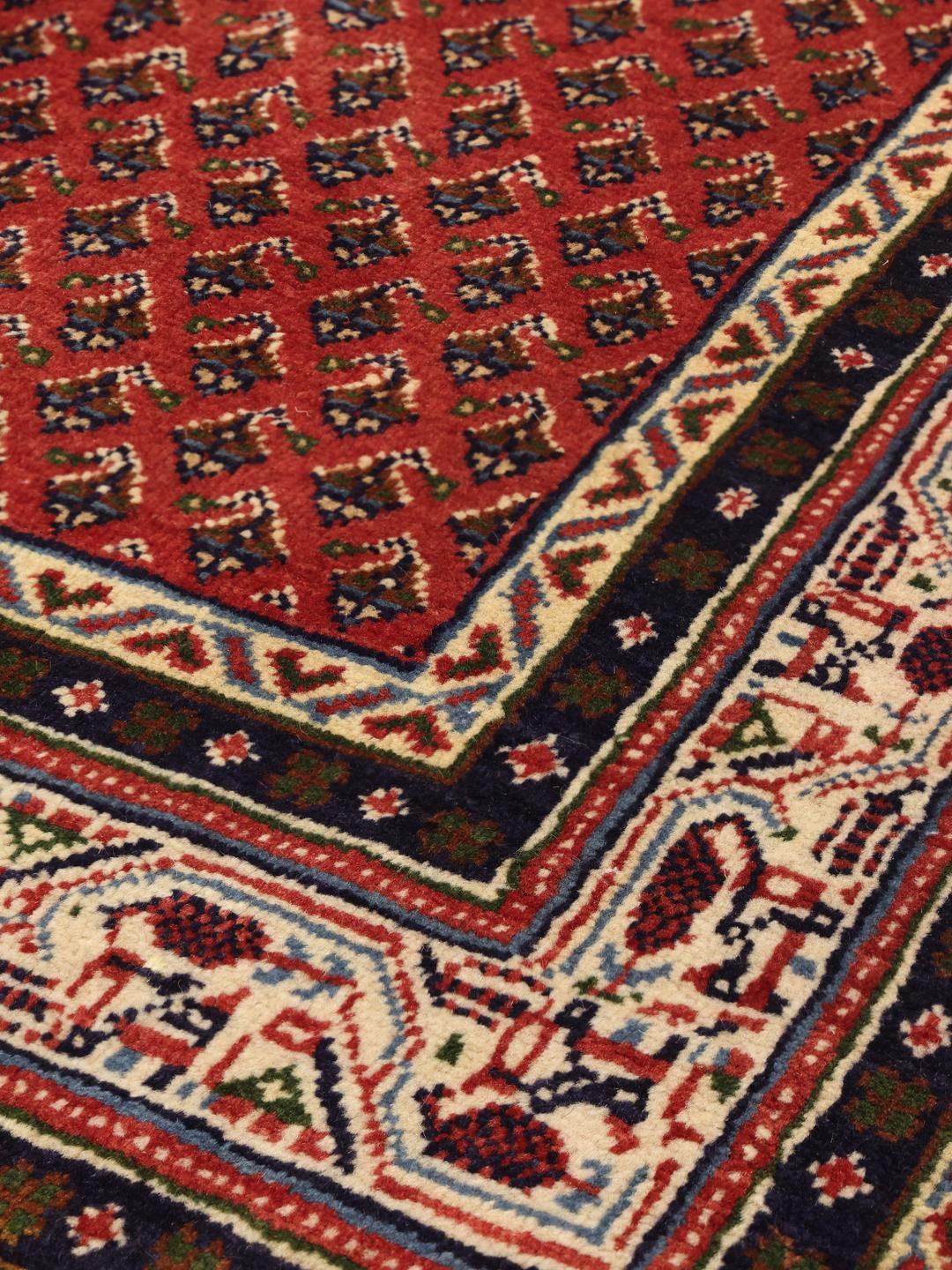
The term 'Mir' refers to a specific design variation within the Sarough family, often characterised by a repeating, delicate floral motif that covers the entire field. This pattern creates a sense of continuous motion and visual rhythm. Understanding these design categories helps one appreciate the specific regional aesthetics that have been handed down through generations of weavers, preserving the cultural identity of the area.
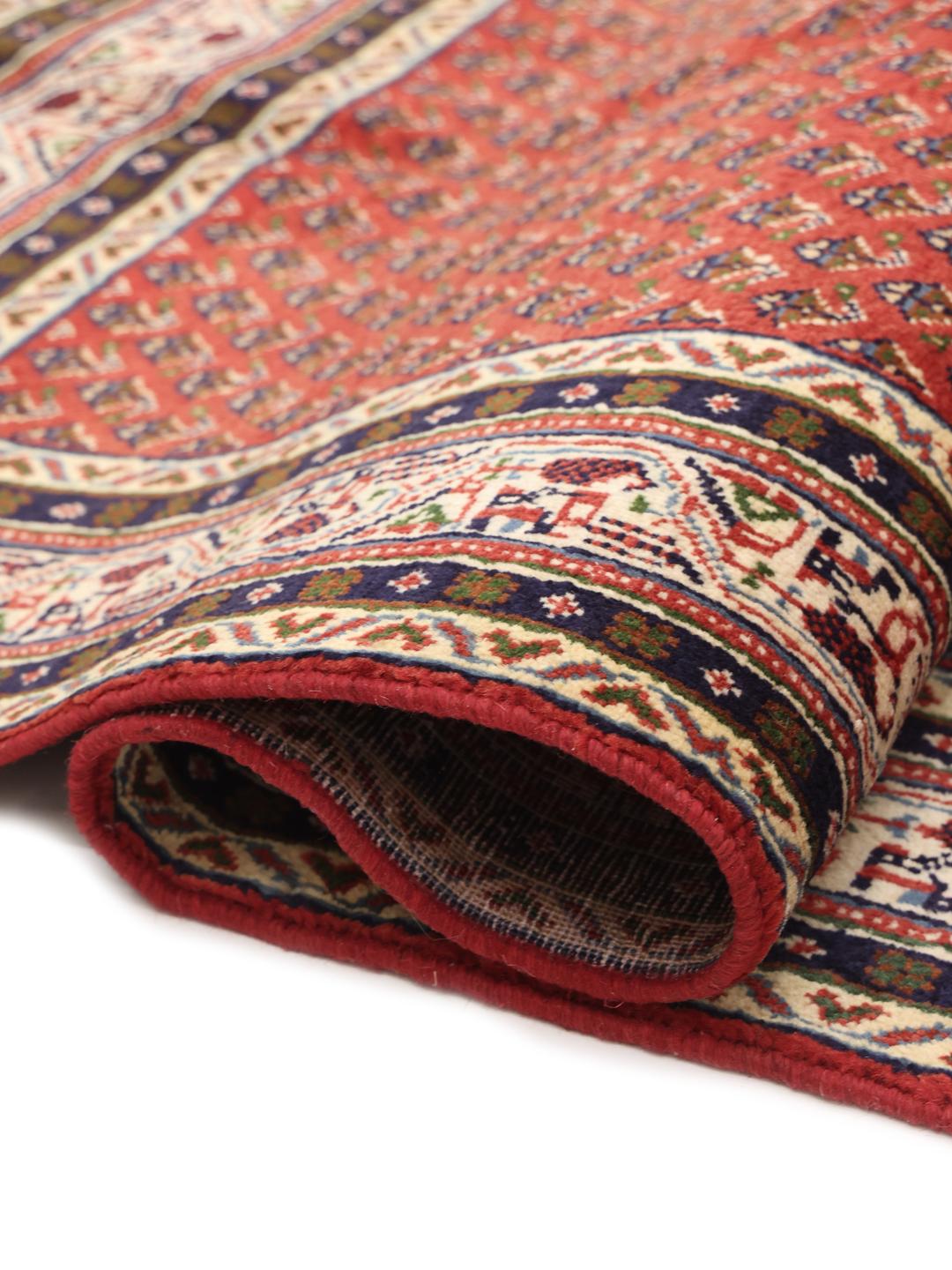
Signature design elements of this tradition include a tightly packed field of ornate, stylised floral shapes, often set against a deep, rich background colour. The borders are typically expansive and detailed, serving as a frame for the intricate field. These motifs are not just decorative; they are a language of symbols that tell stories of the weaver's environment and the artistic heritage of the Middle Eastern weaving community.
Collecting a rug from this tradition is an act of preserving a dying art form. These pieces are valued for their cultural weight and the immense skill required to execute such complex designs by hand. By owning a Sarough Mir, you are acting as a custodian of a tradition that values quality, patience, and the beauty of human-made objects over the mass-produced alternatives found in modern retail.