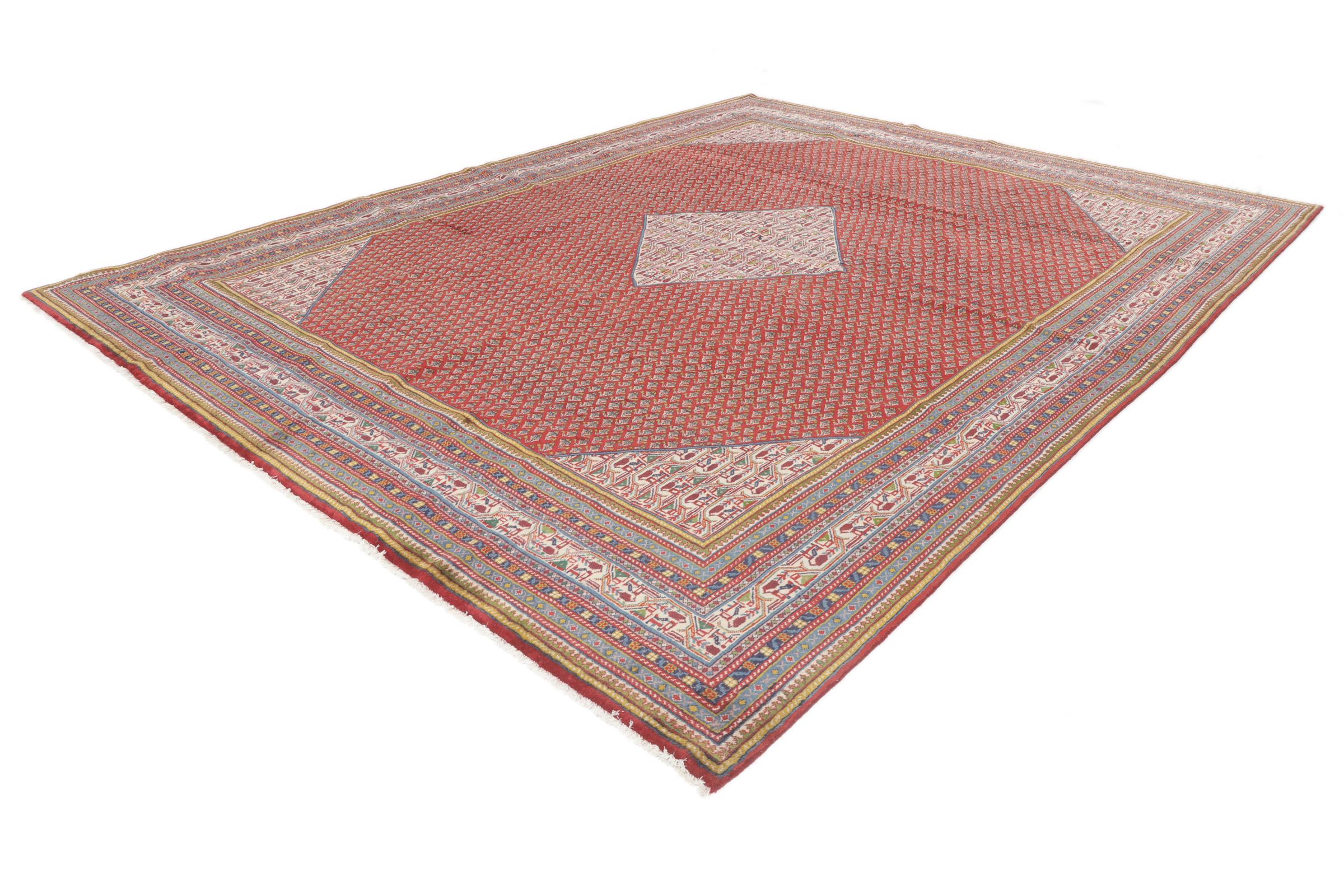
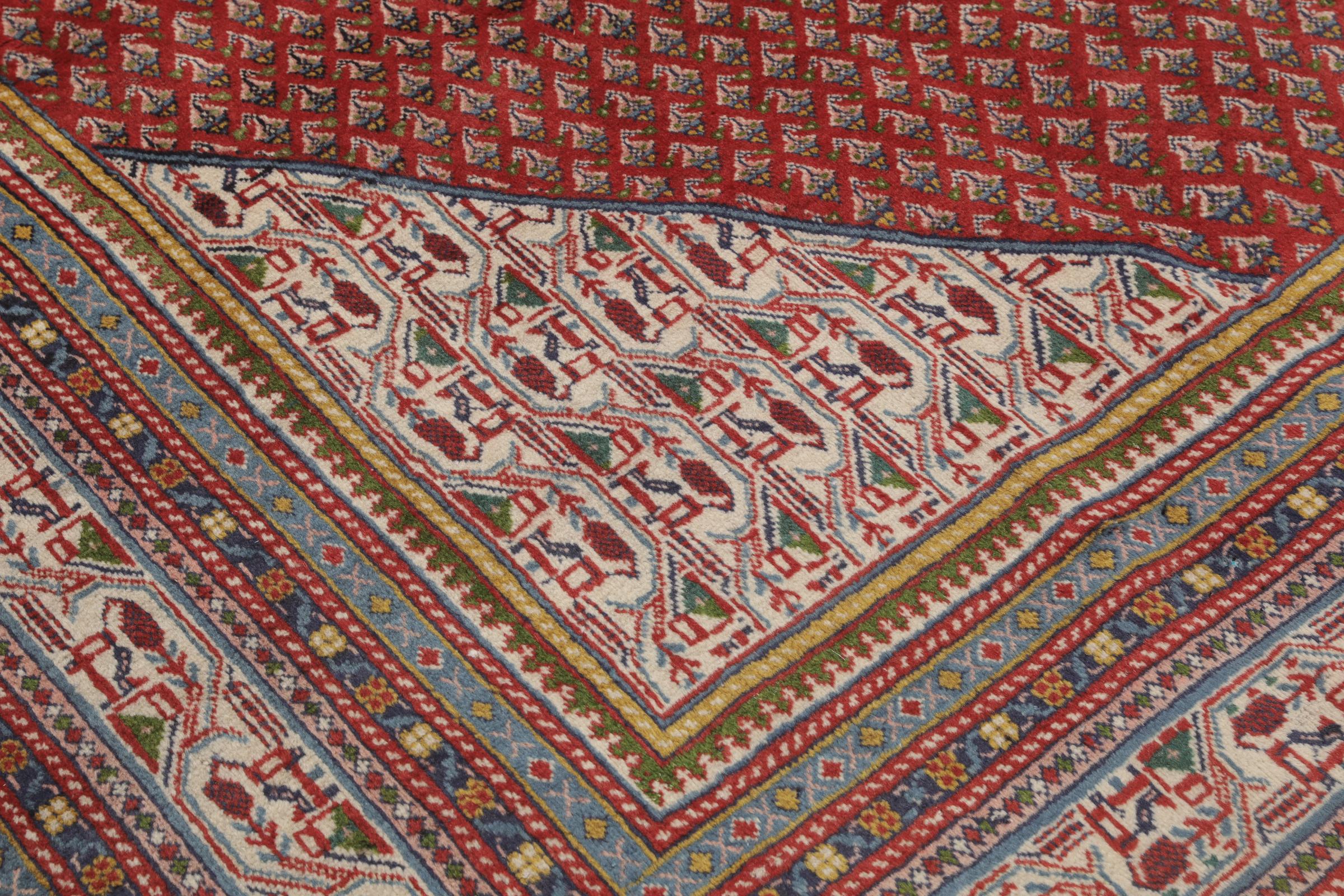
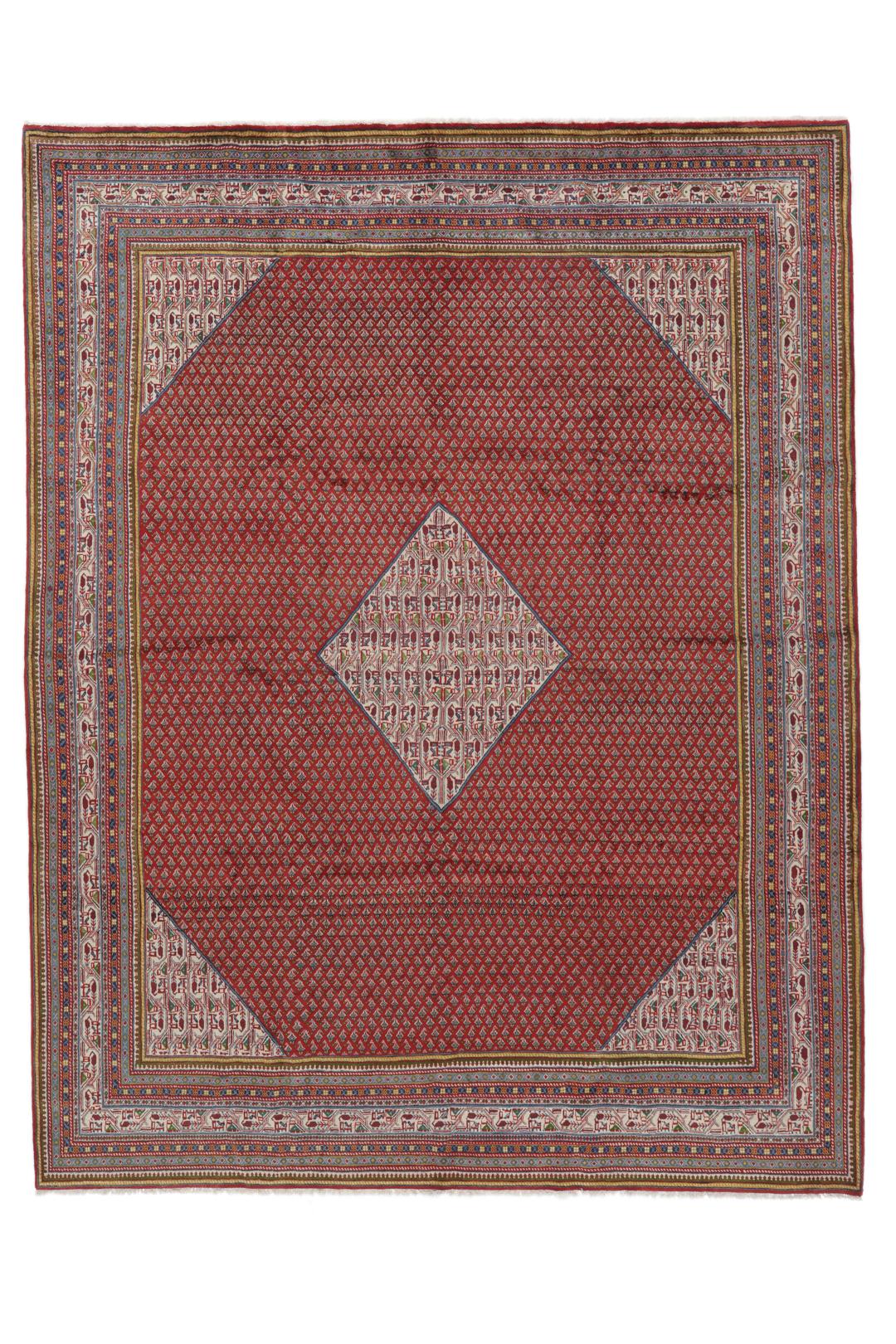
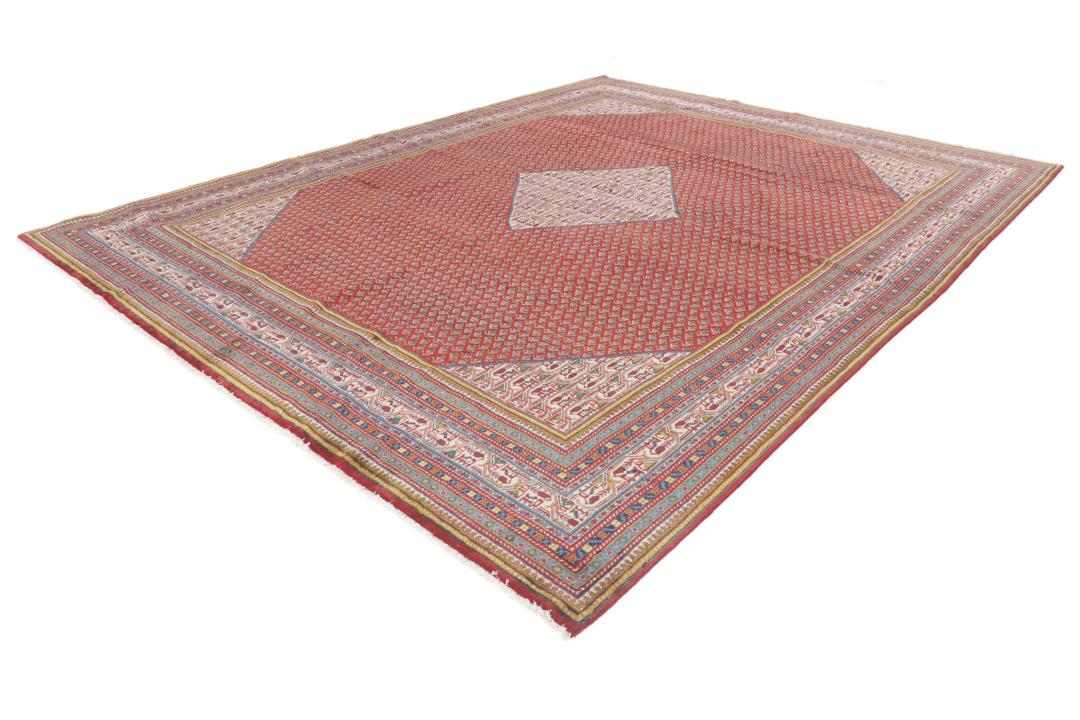
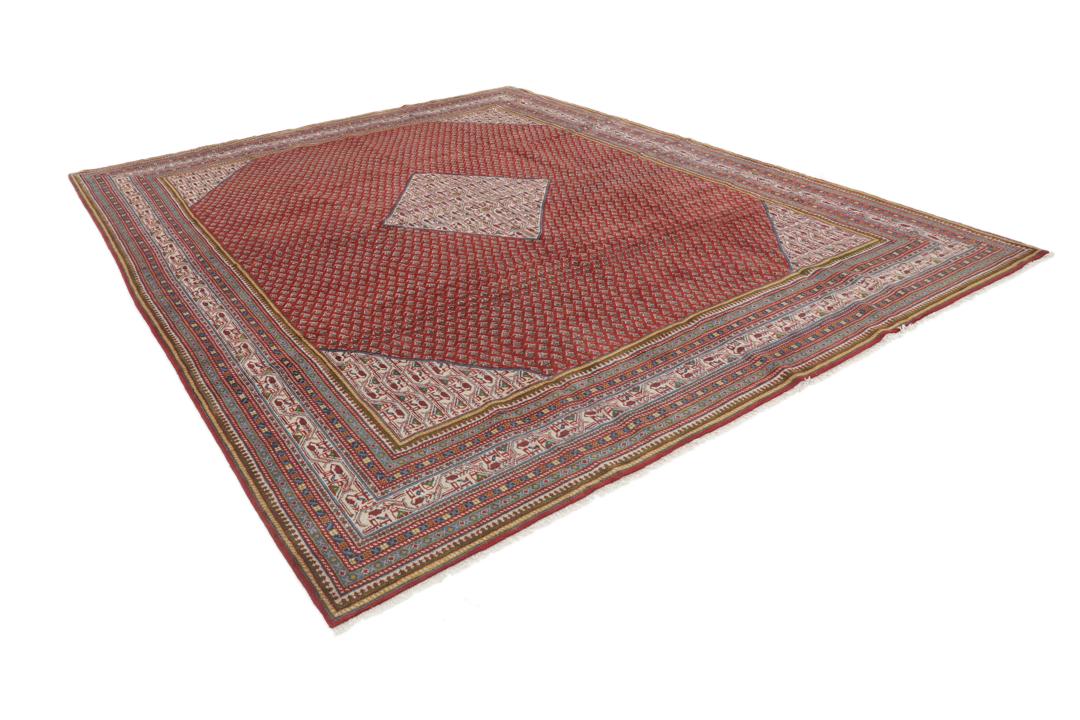
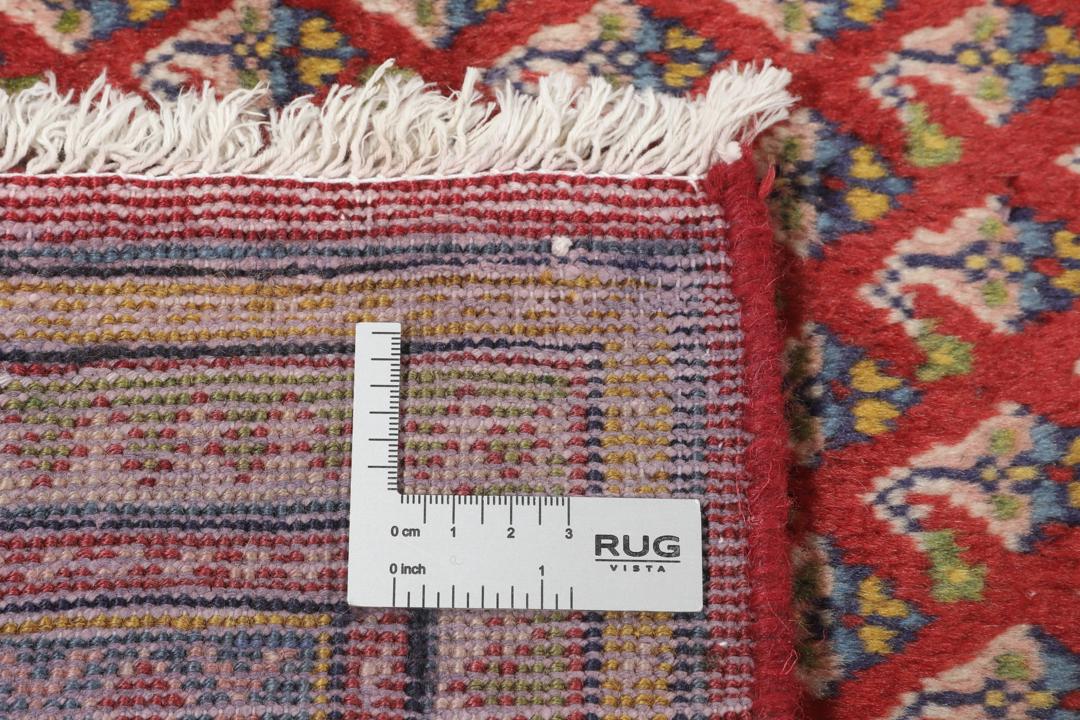
Sarouk rugs, originating from the village of the same name in the central Middle East, have long been celebrated for their robustness and distinctive floral motifs. Historically, these rugs gained significant popularity in the early 20th century, particularly for their ability to blend traditional artistry with designs that appealed to Western tastes, securing their place as icons of refined home decor.
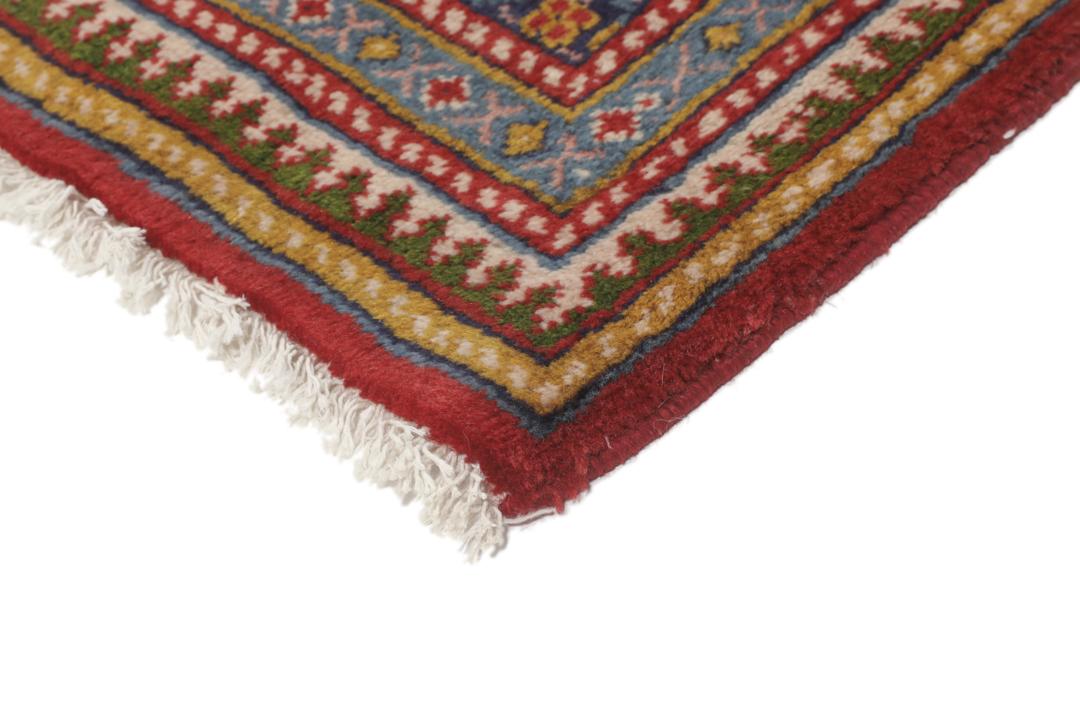
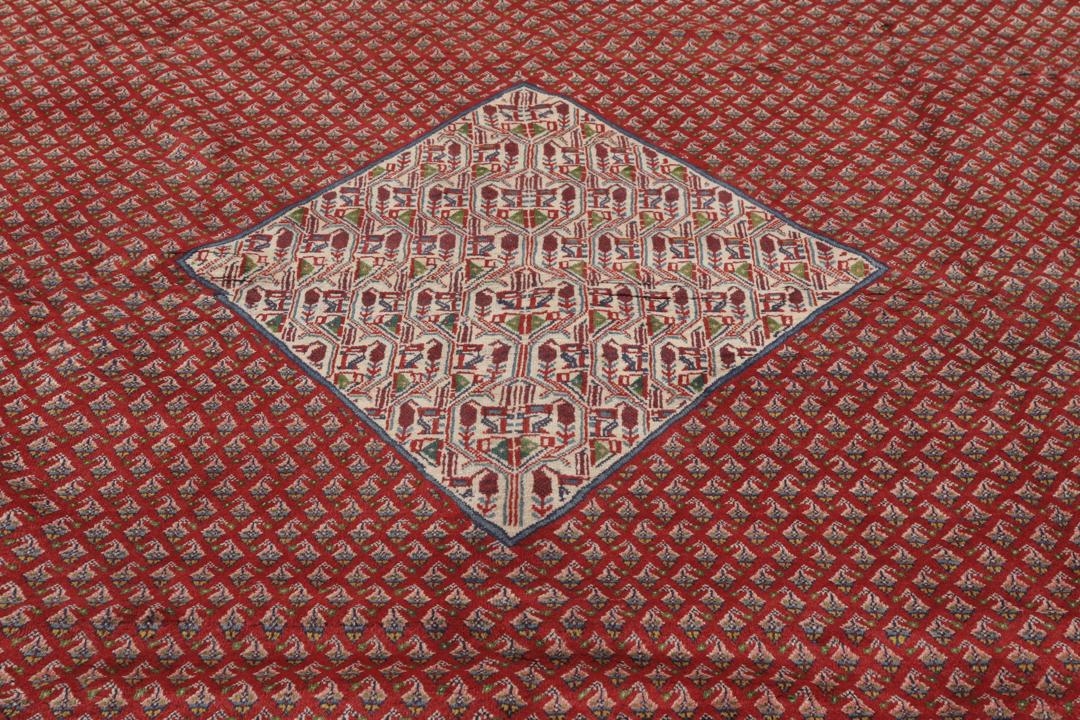
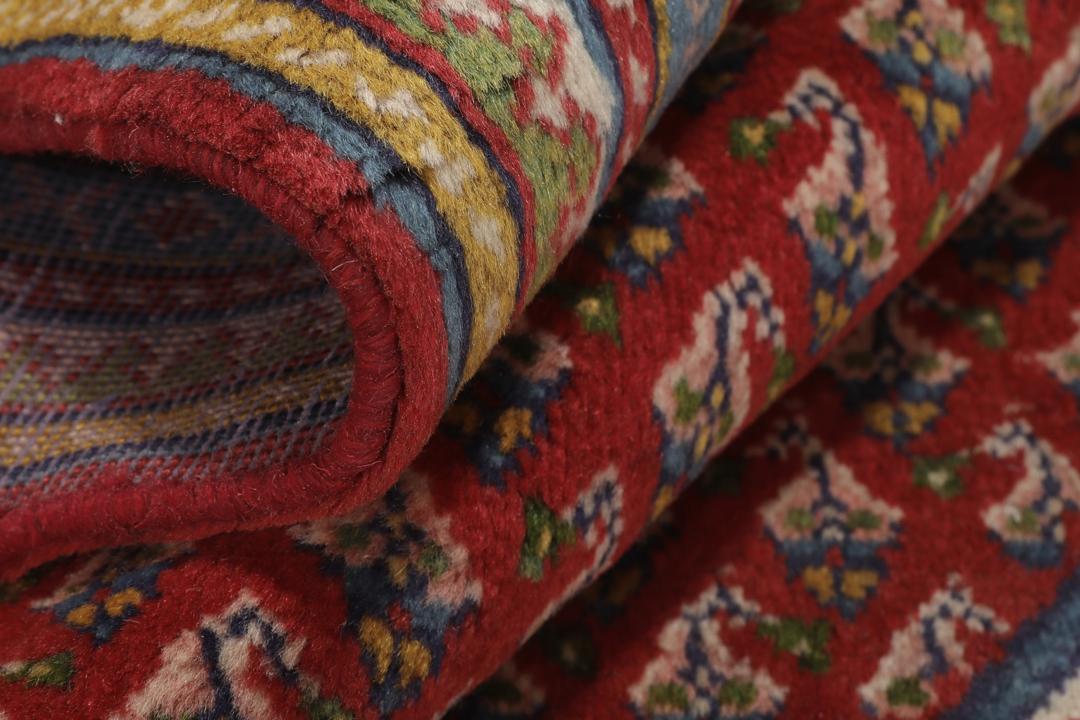
The term 'Mir' often refers to a specific subset of designs within the broader Sarouk tradition, frequently characterised by a repeating motif that covers the field or a centralised medallion structure. The technical construction of these rugs is renowned for the use of high-quality materials, which, when hand-knotted, create a resilient and luxurious texture that has defined the region's output for generations.
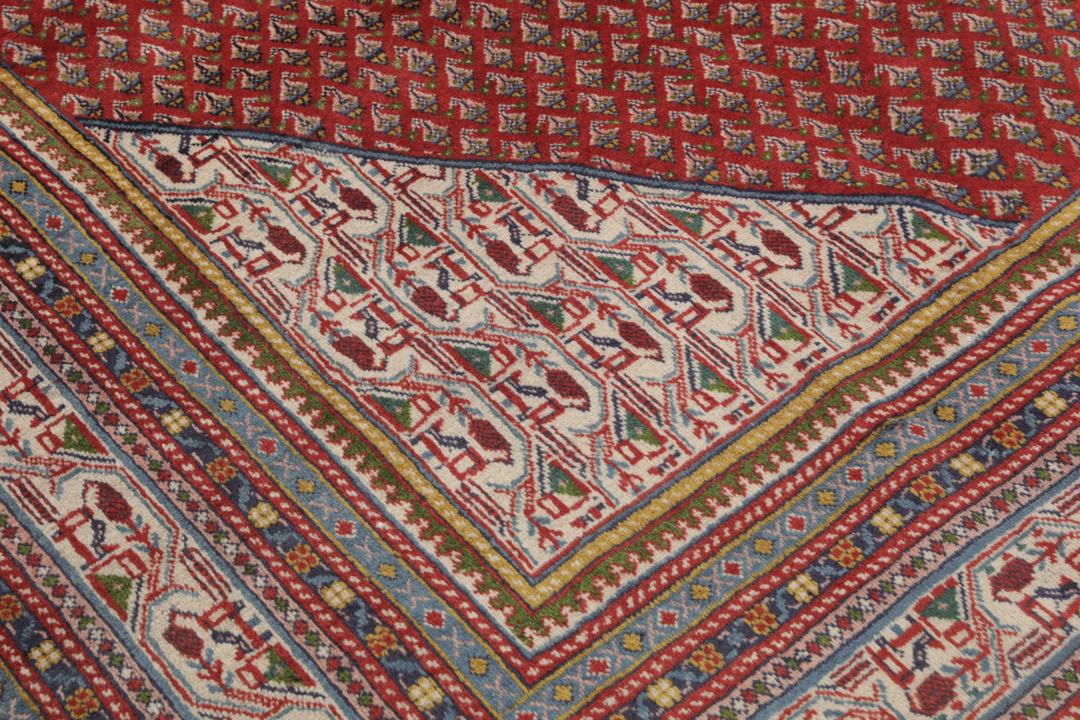
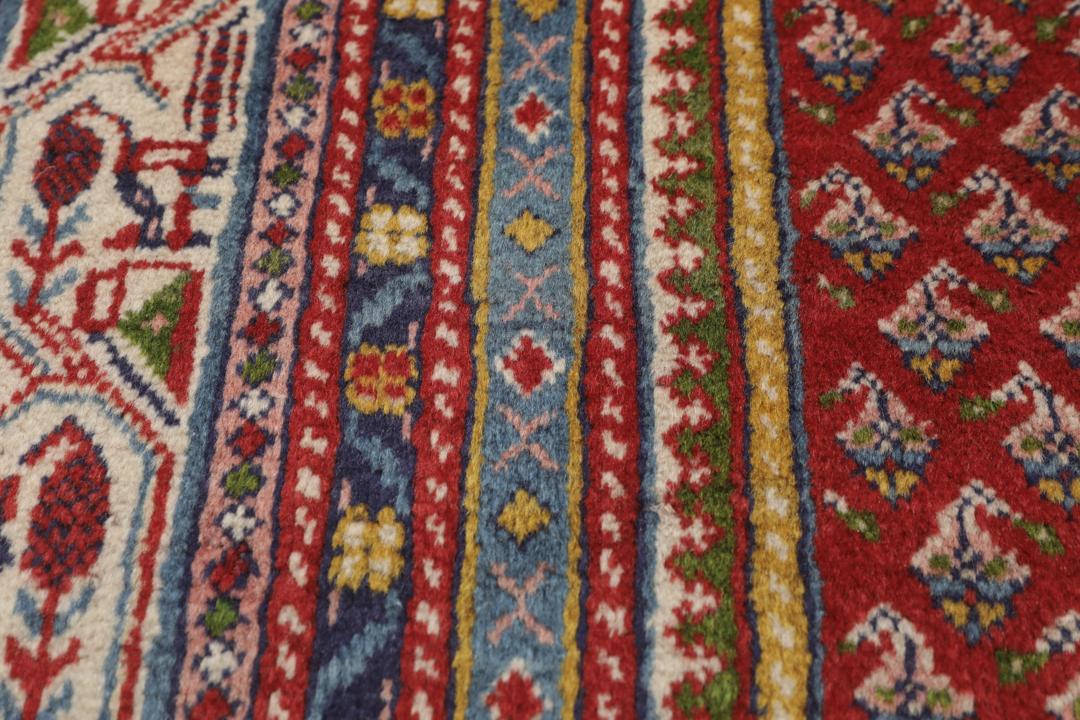
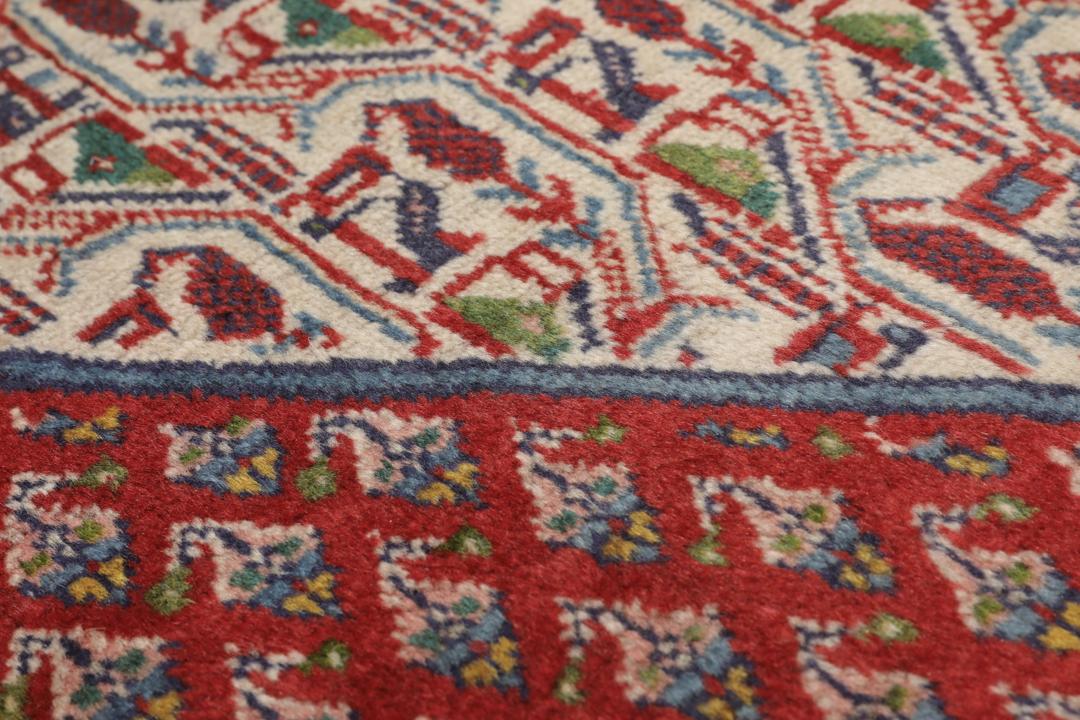
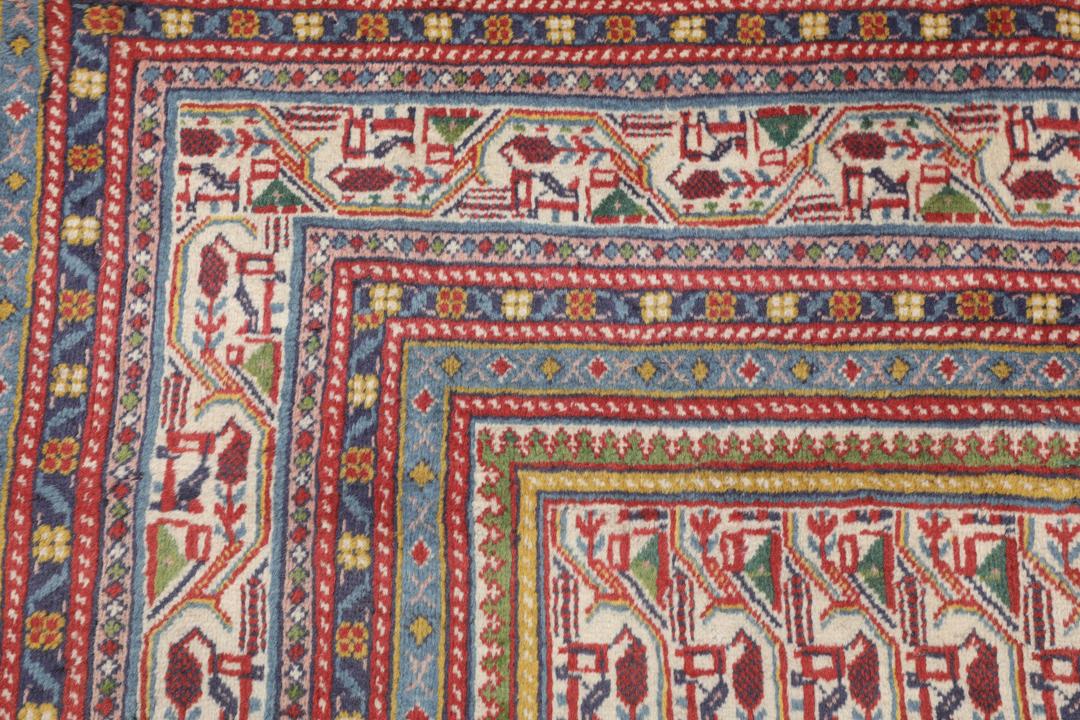
Visually, these rugs are known for their deep, saturated colour palettes, traditionally anchored by rich reds, blues, and creams. The design language often features stylised floral sprays, vines, and intricate borders, creating a harmonious and balanced aesthetic that is both formal and deeply comforting in a domestic setting.
Collecting a Sarough Mir is an acquisition of cultural history. These rugs are valued not only for their durability and aesthetic appeal but also for the preservation of craft techniques passed down through centuries. Owning one means participating in a legacy of Middle Eastern textile excellence, ensuring that this artistry continues to be appreciated for its skill and timeless beauty.