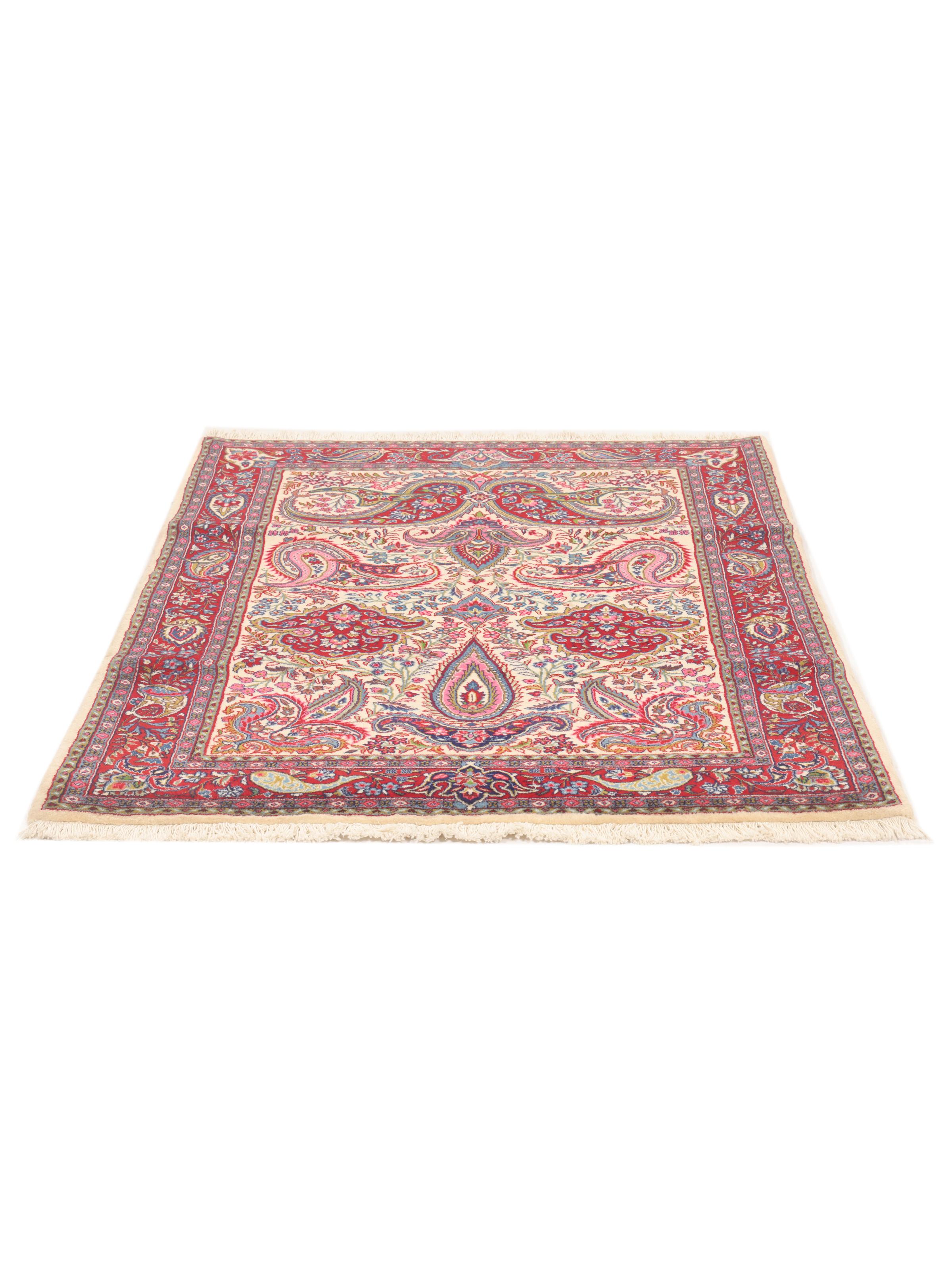
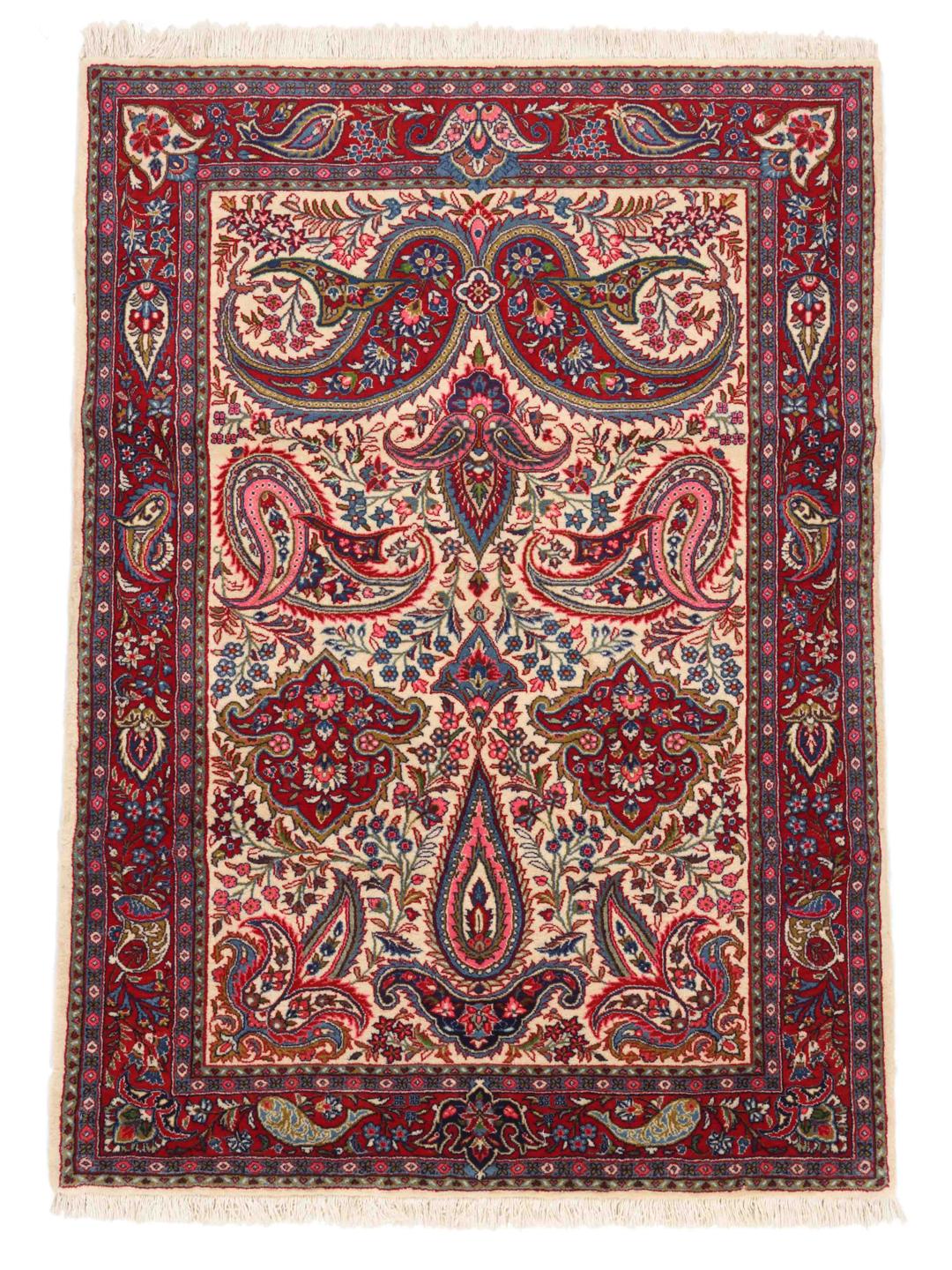
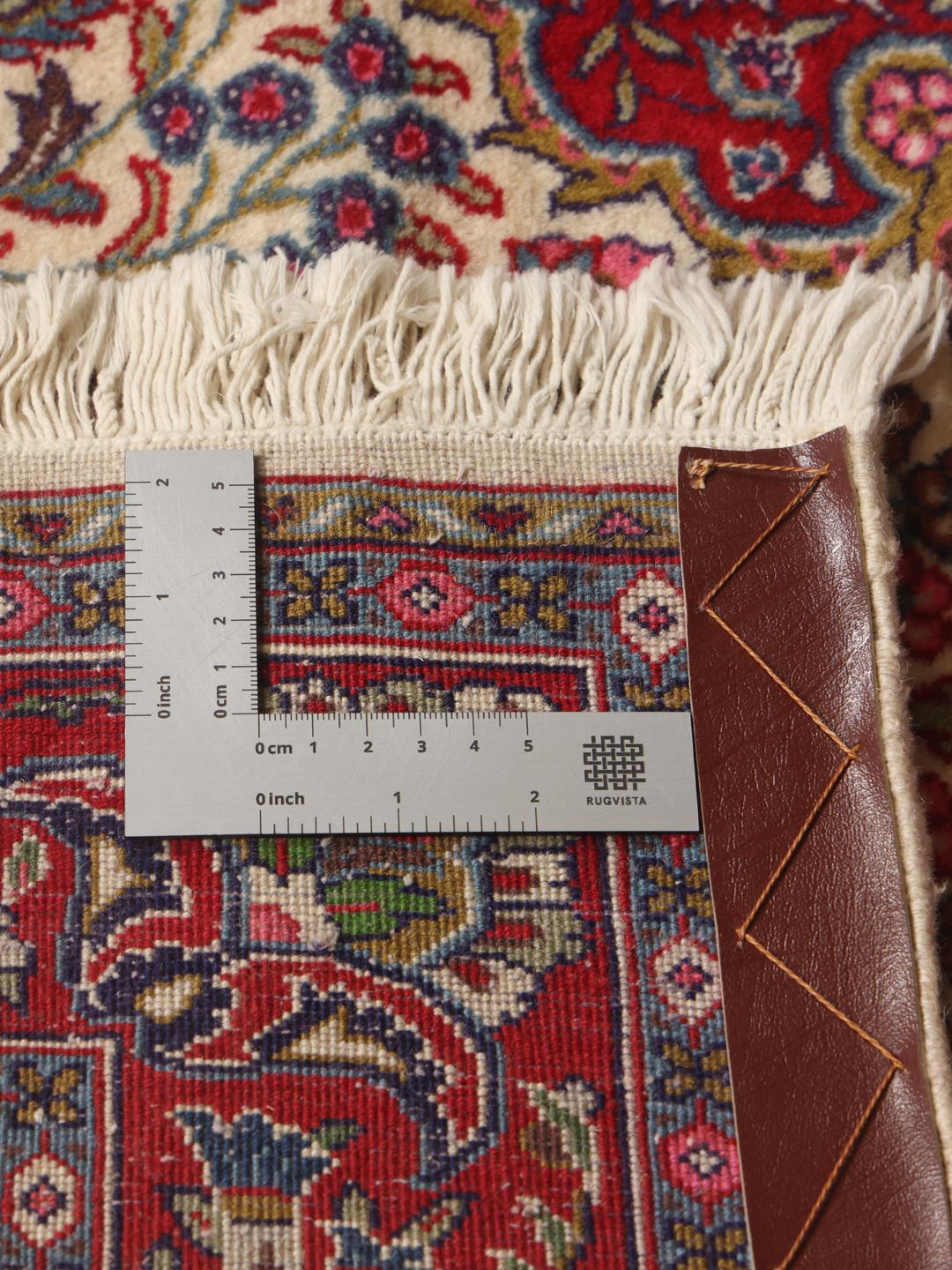
The Sarough rug tradition finds its roots in the village of Sarough in the Arak region of the Middle East. Historically, these rugs gained international fame in the early 20th century for their exceptional durability and their ability to incorporate sophisticated, curvilinear floral patterns into a robust structure, making them highly sought after in both European and American markets.
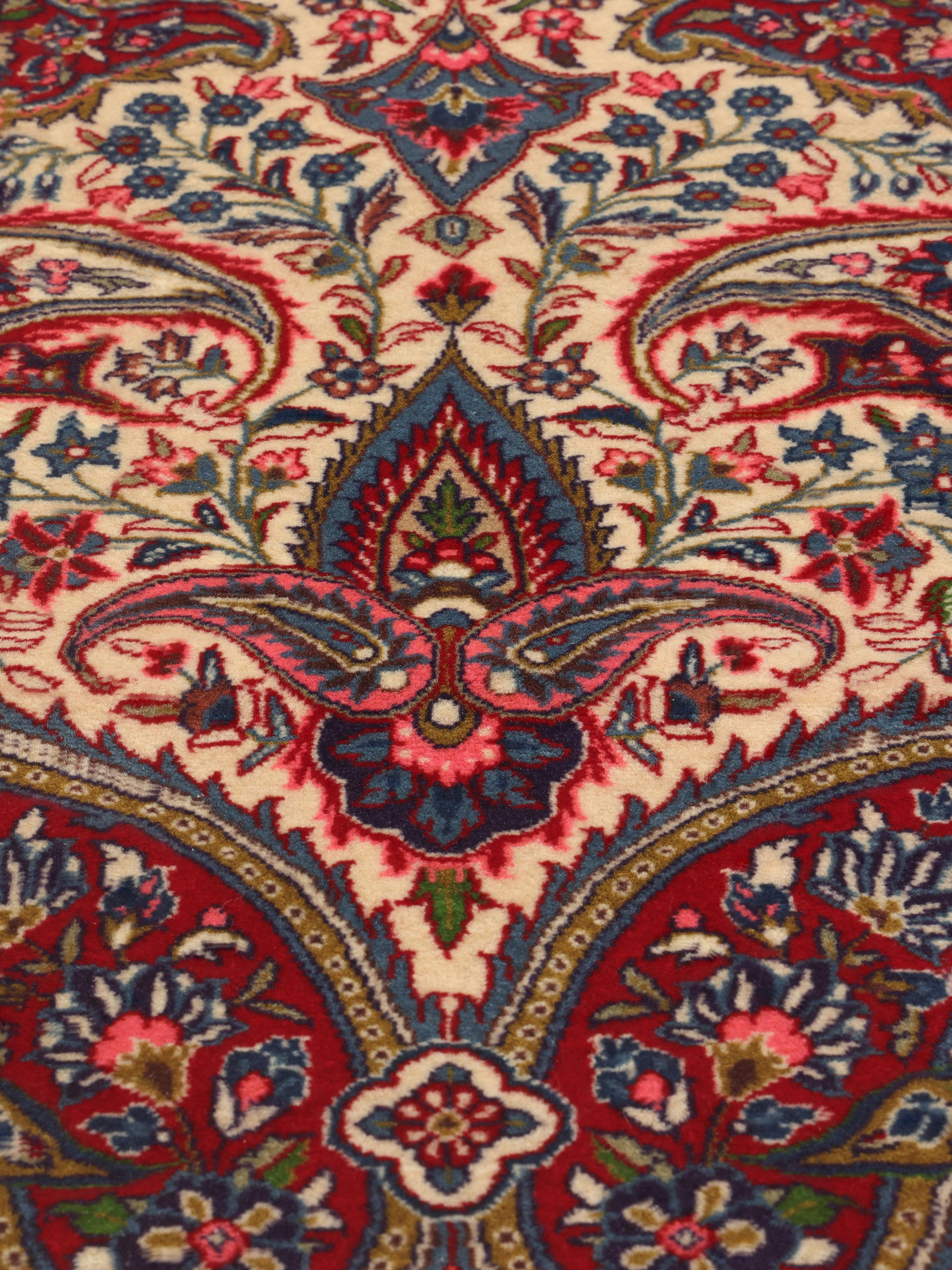
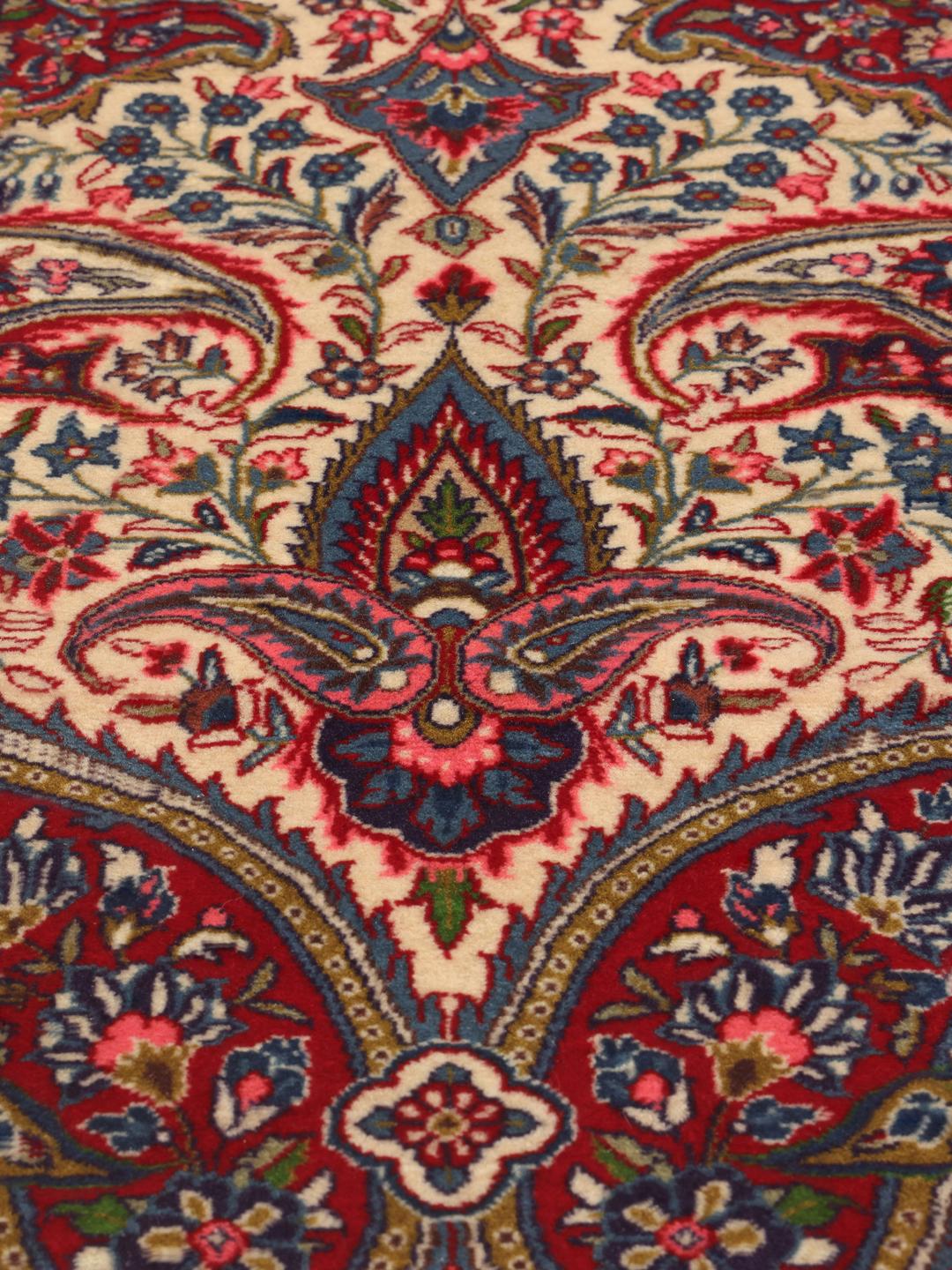
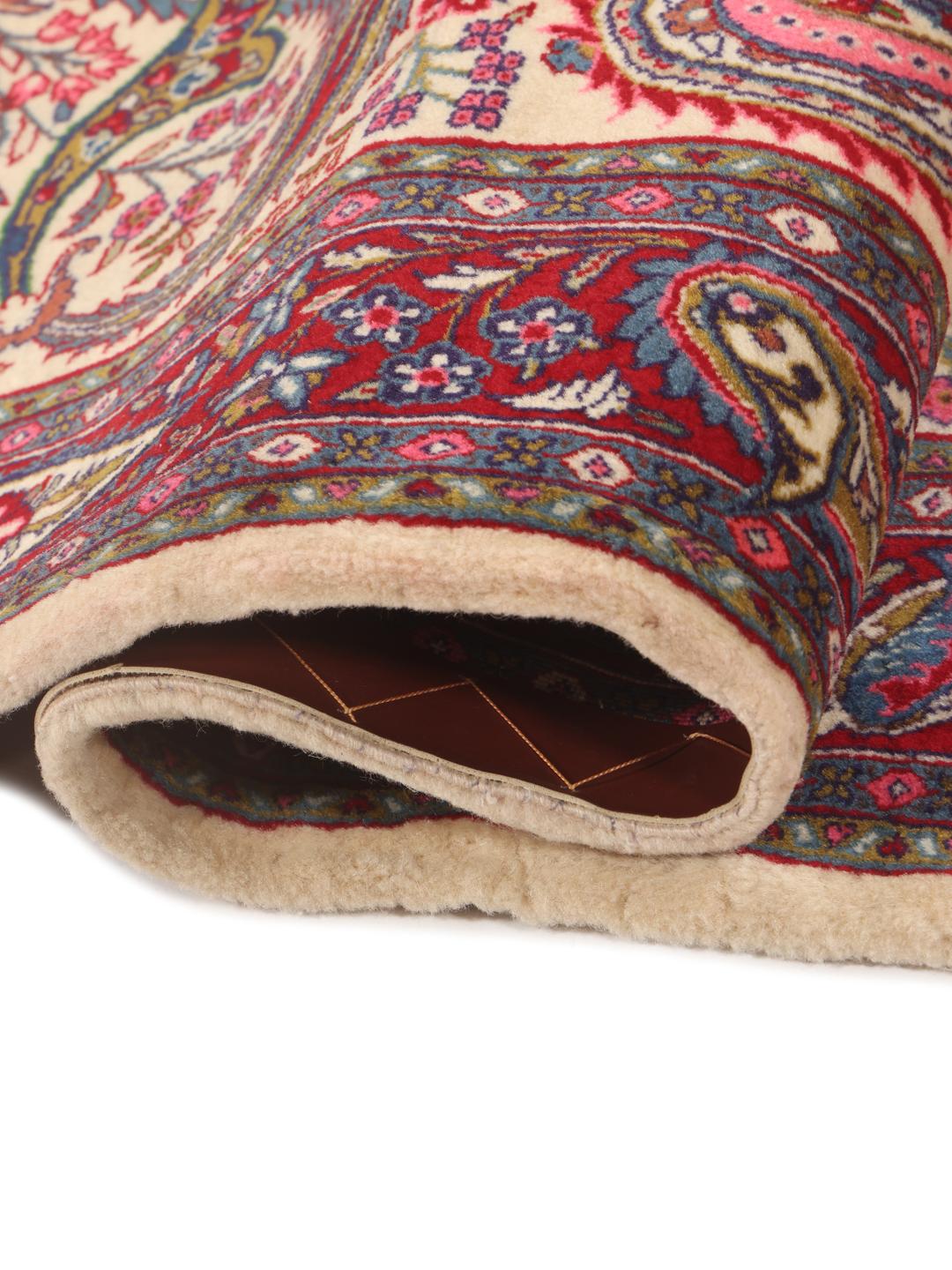
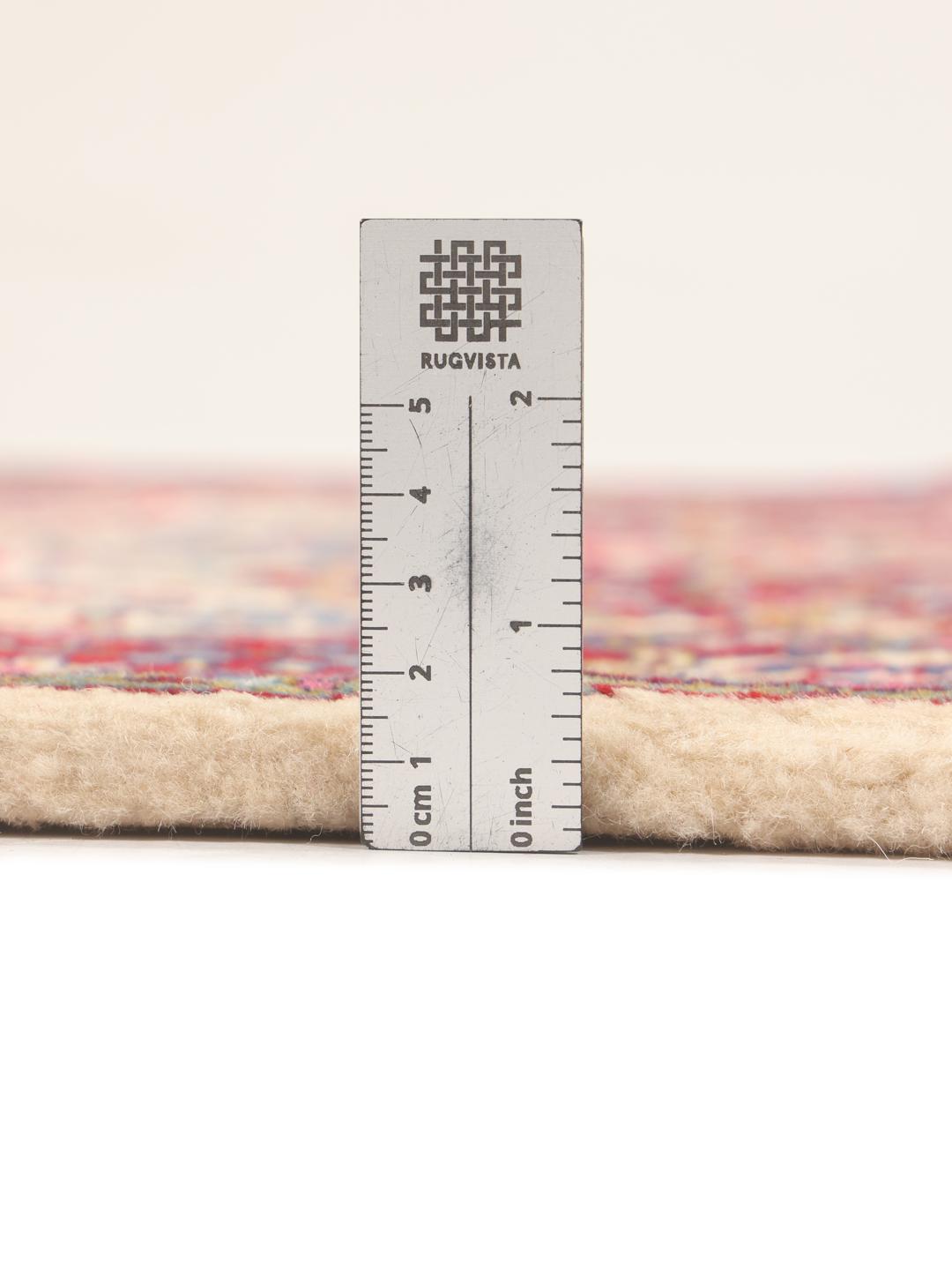
The term Sarough refers not just to a place, but to a specific quality of weaving that prioritises a tight, dense knotting style. This construction method is vital for the longevity of the rug, as it creates a compact surface that resists wear and allows the intricate designs to remain clearly defined over generations of use.
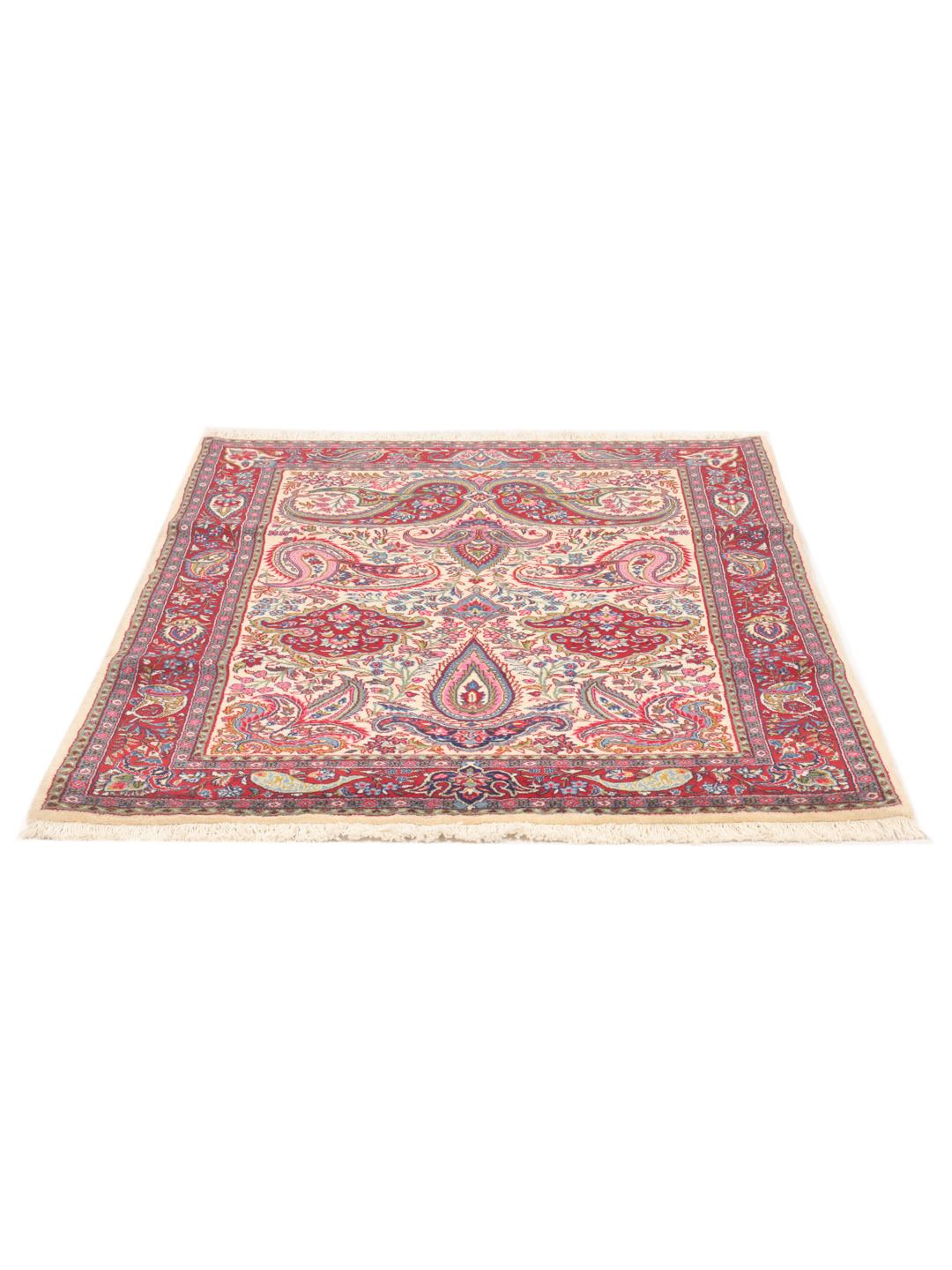
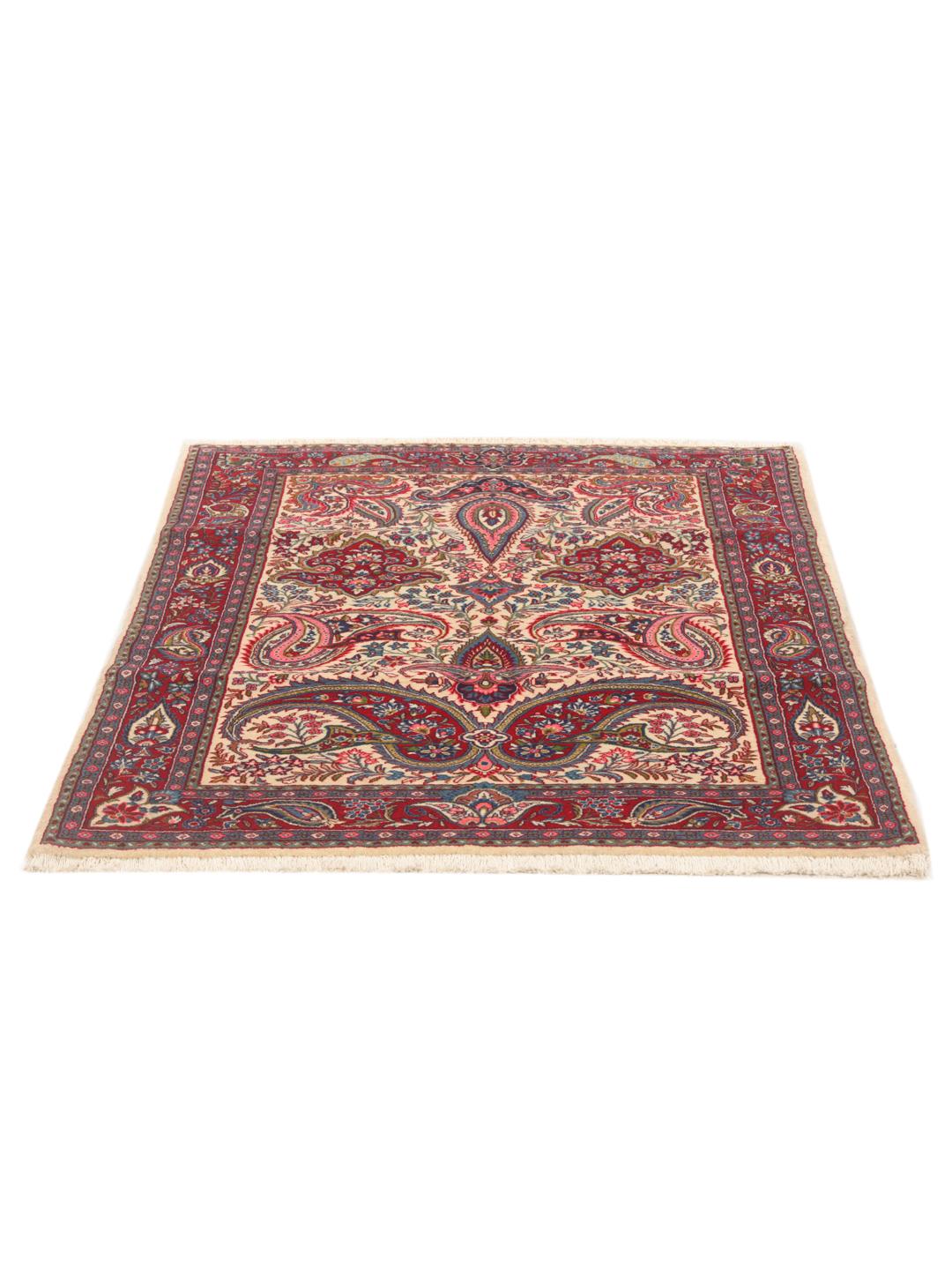
Visually, Sarough rugs are celebrated for their elaborate floral themes, often featuring large, sweeping paisley-inspired boteh motifs, blossoming vines, and ornate central medallions. These designs are typically set against a rich, saturated field of red or deep blue, framed by wide, detailed borders that pull the entire composition together into a harmonious whole.
Collectors value these rugs for their combination of artistic elegance and structural integrity. Owning a Sarough is an investment in a storied craft tradition, representing a bridge between ancient regional techniques and the refined demands of a modern, well-curated home.