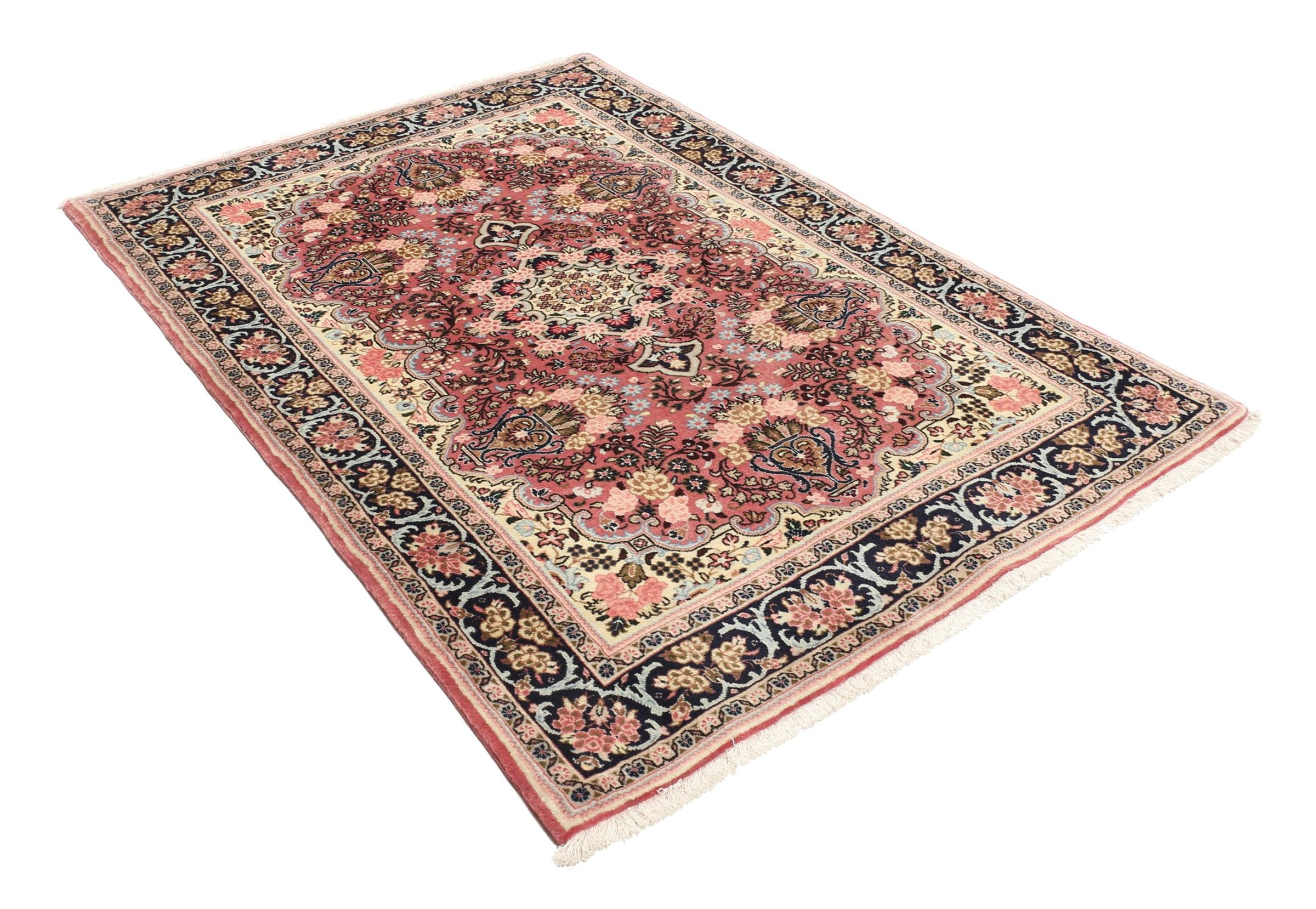
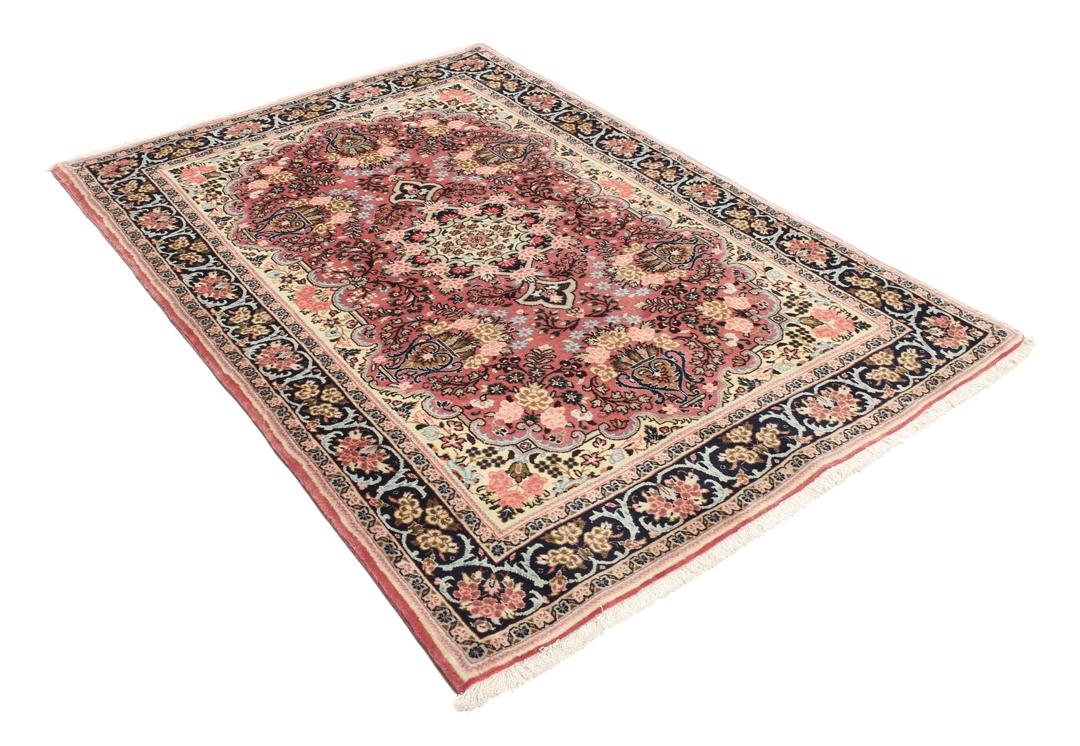
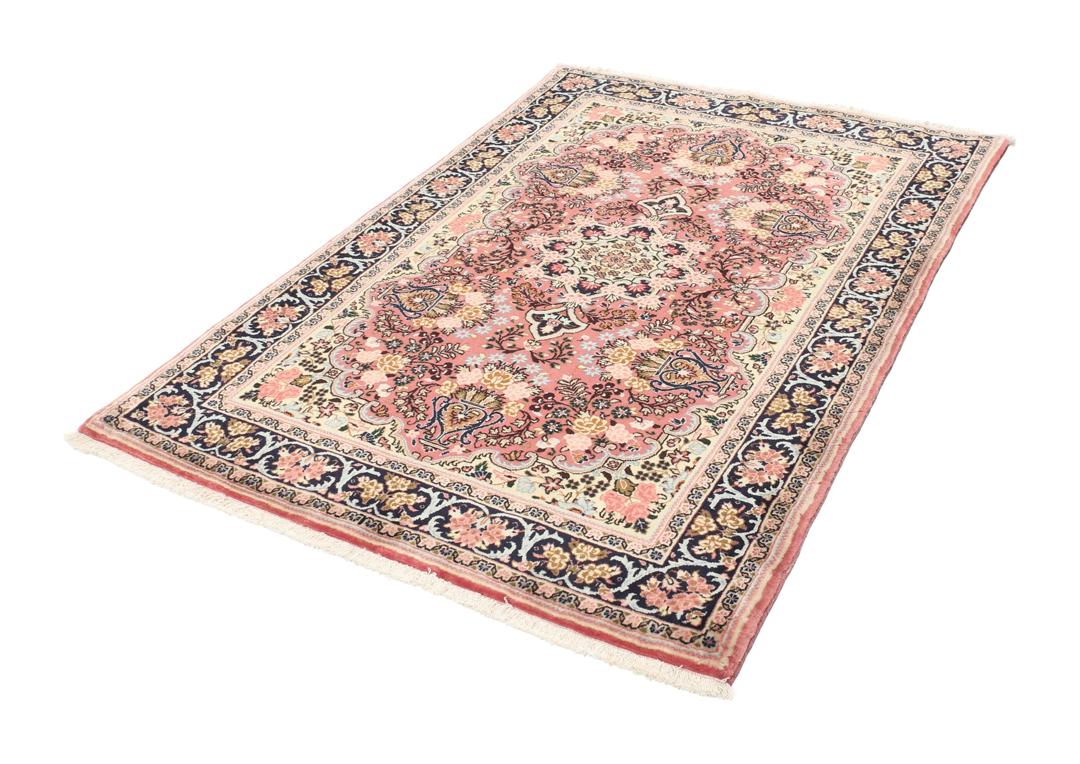
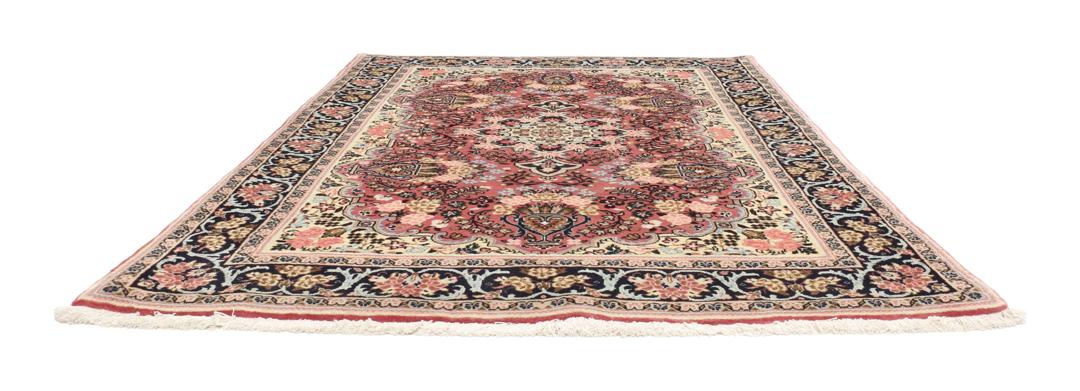
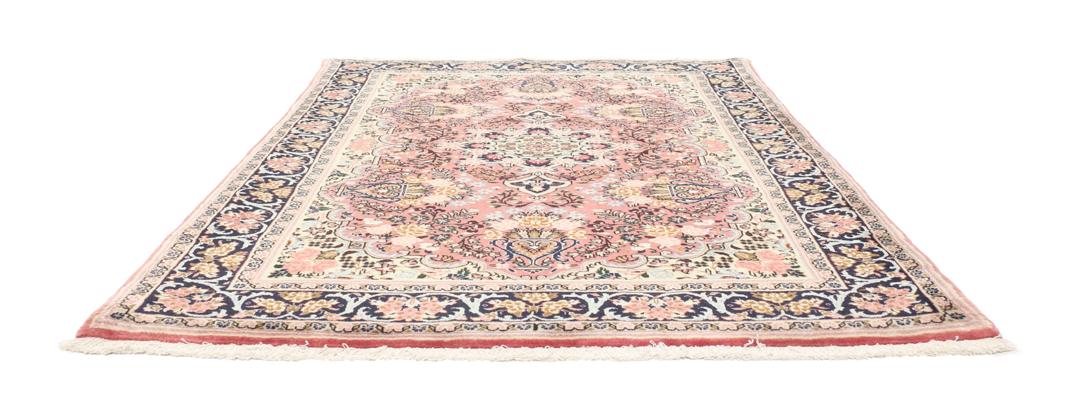
Sarouk rugs hail from the village of Sarouk in the Markazi province of the Middle East, a region that has become synonymous with some of the most durable and aesthetically refined floor coverings in existence. These rugs evolved from a long-standing tradition of weaving that emphasises both aesthetic beauty and structural resilience, often incorporating intricate floral patterns that draw inspiration from the natural world.
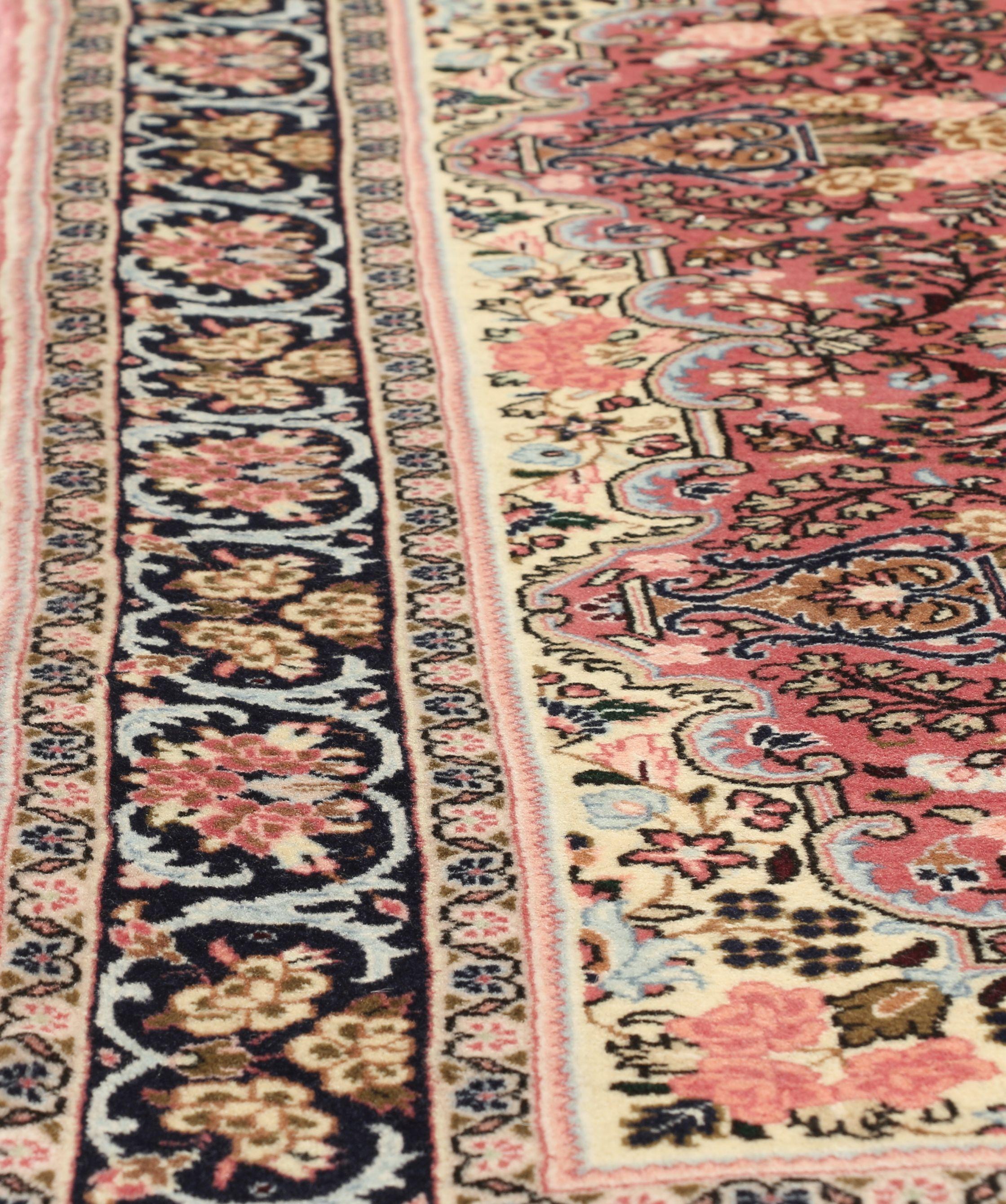
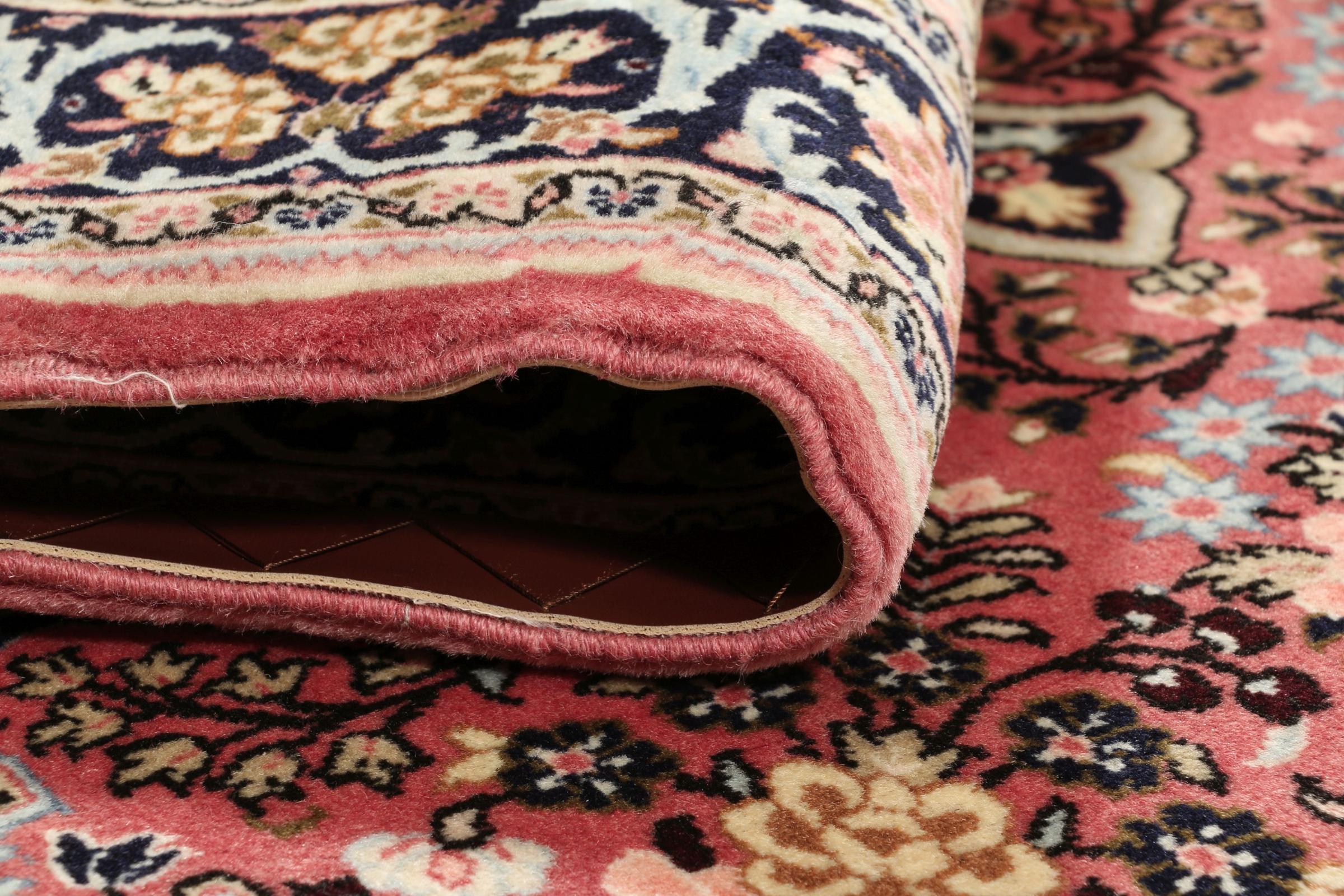
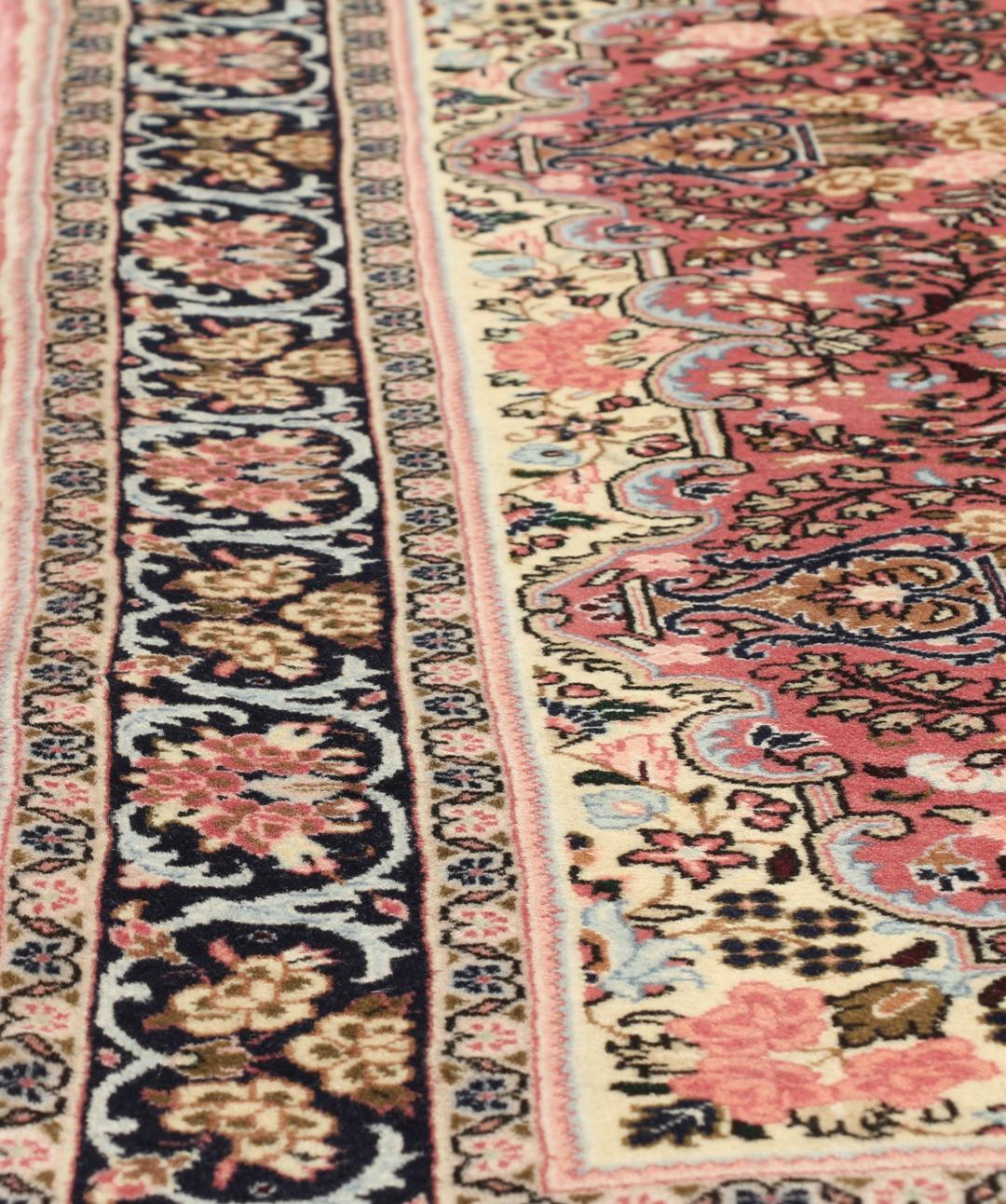
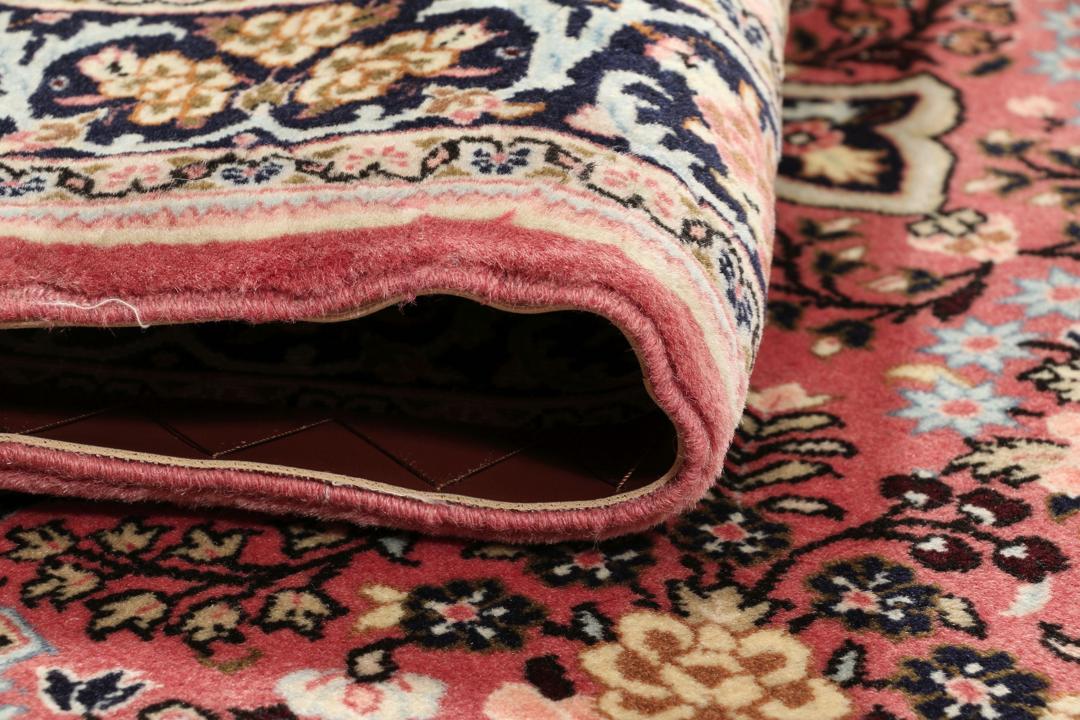
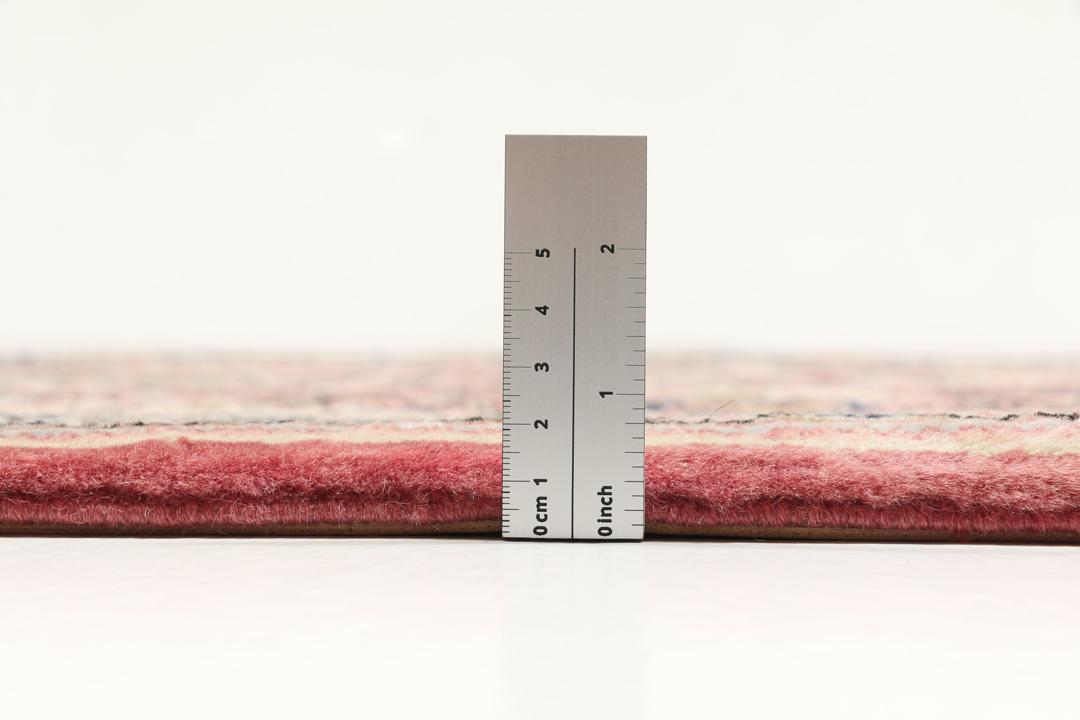
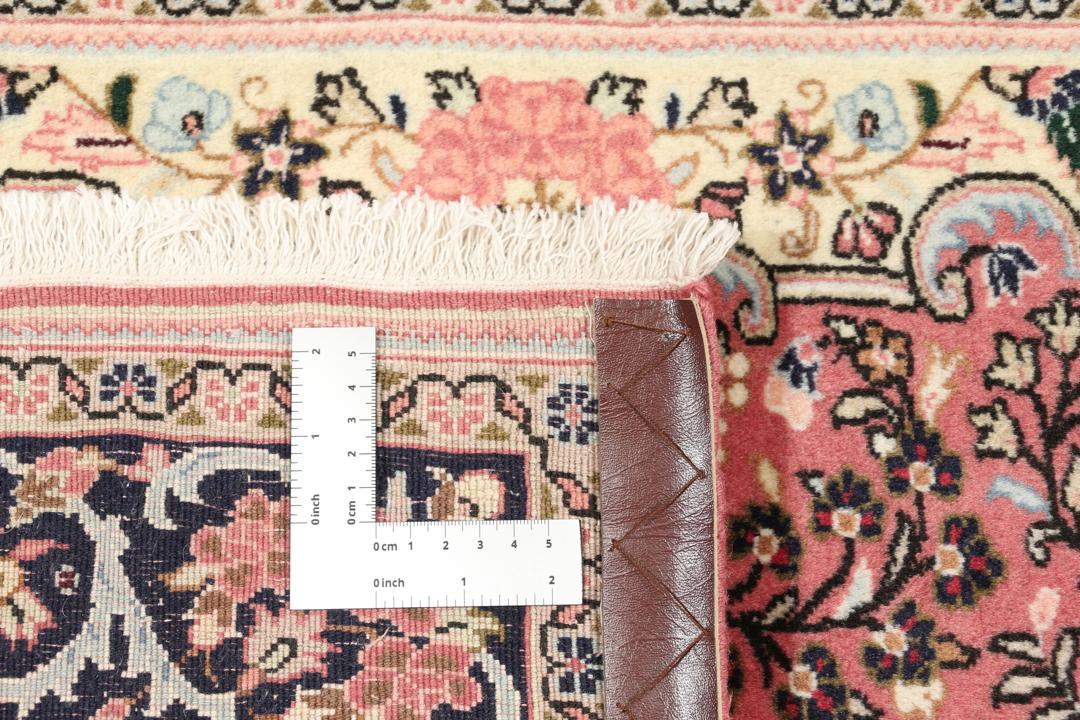
The technical mastery of a Sarouk is often found in its dense, firm construction. The materials are selected for their ability to hold colour and endure years of use. This construction is a hallmark of the region, where weavers have historically prioritised a tight, consistent knotting technique that creates a smooth, uniform surface, allowing the complex floral designs to remain crisp and legible over many years of wear.
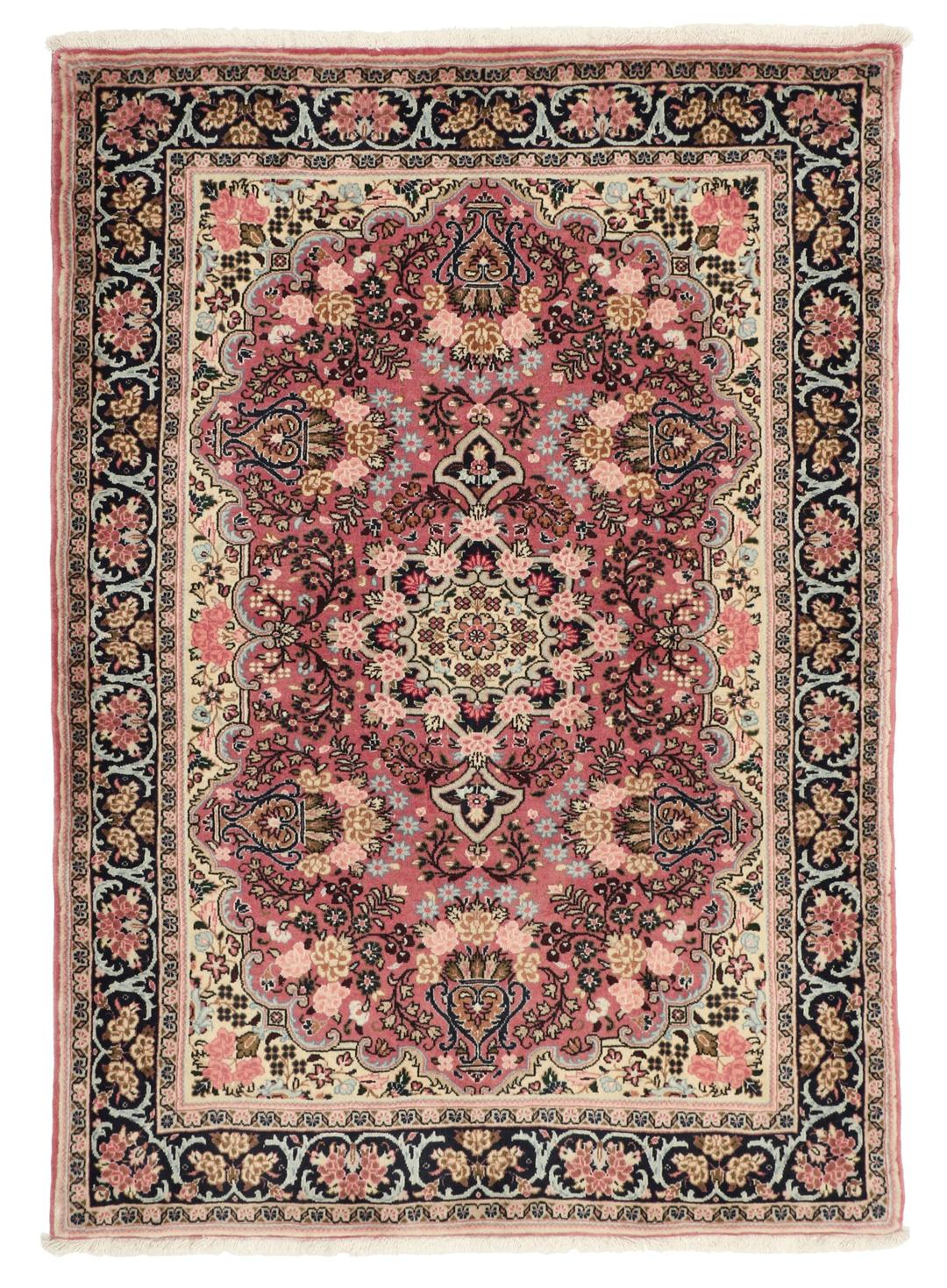
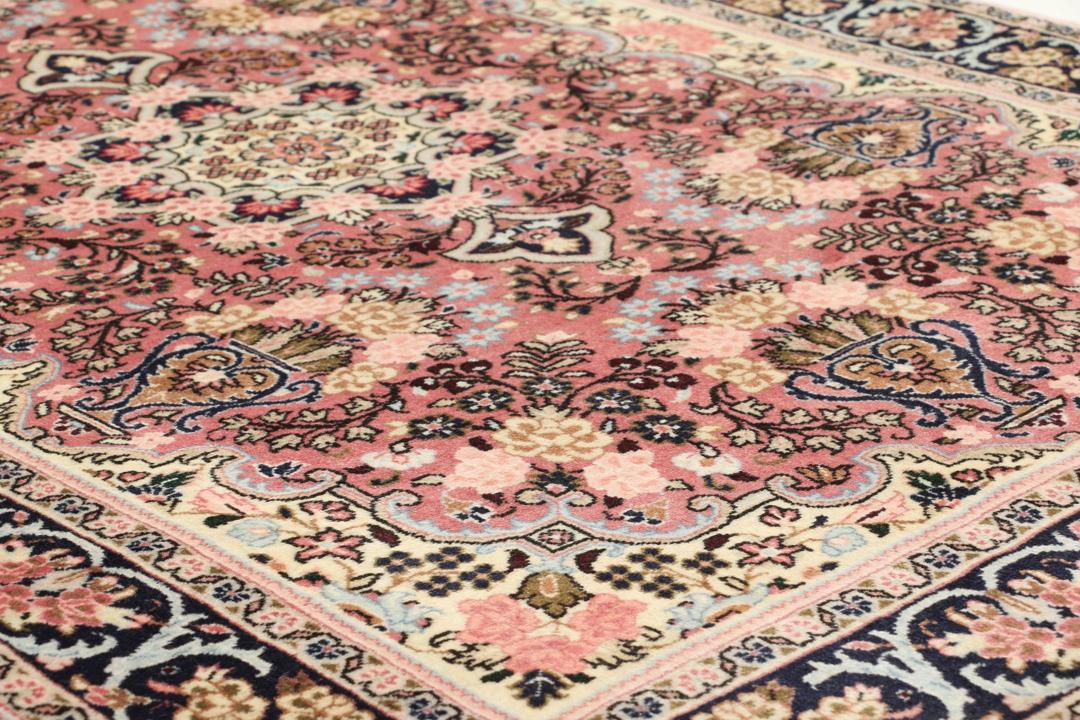
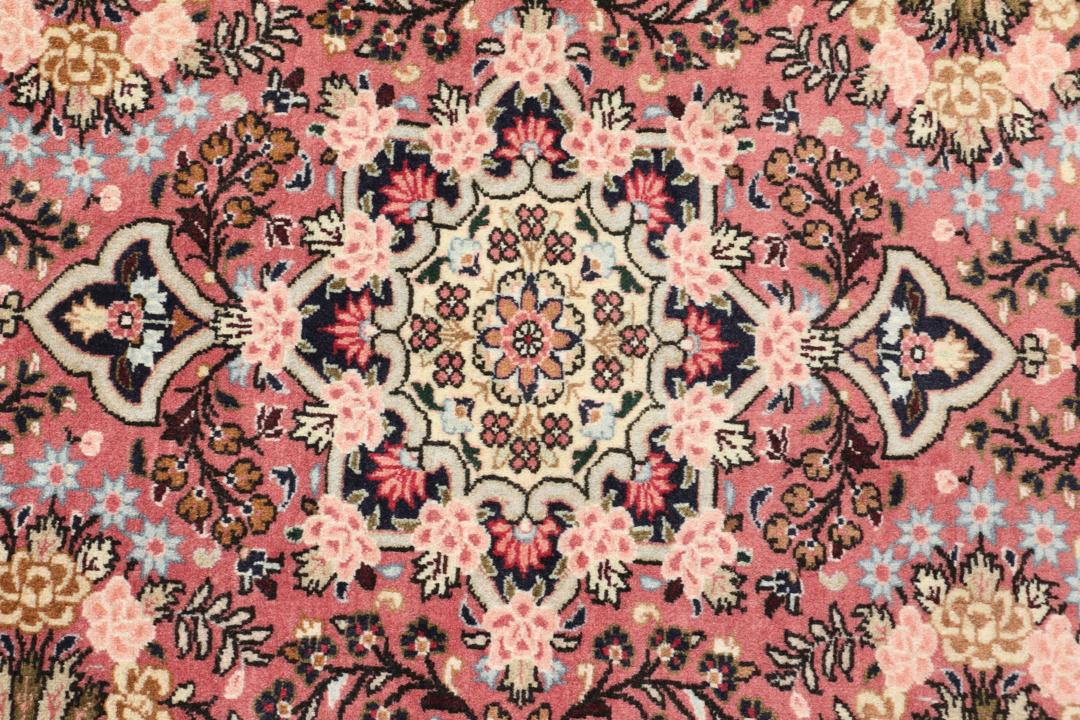
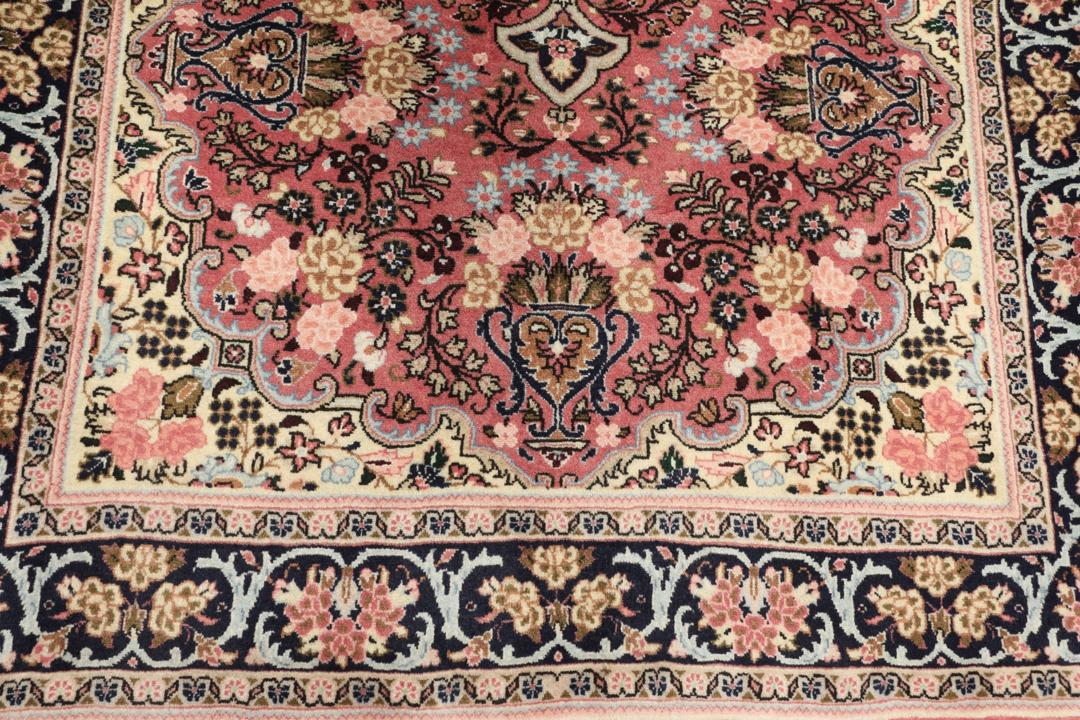
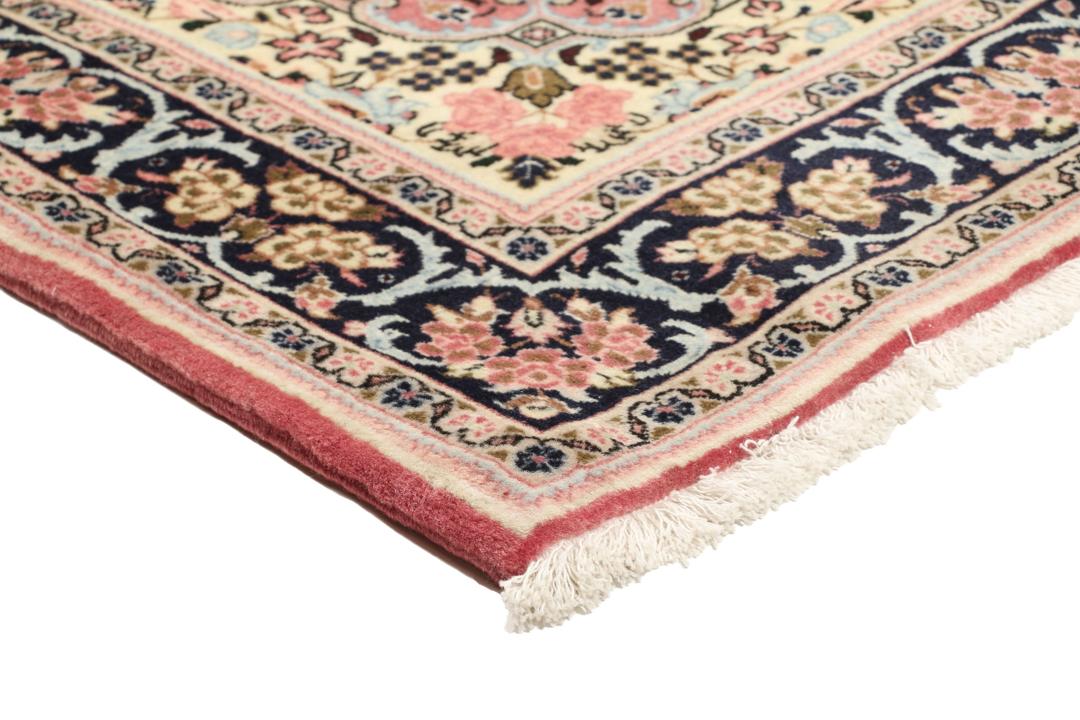
Visually, Sarouk rugs are celebrated for their sophisticated floral compositions, often featuring central medallions surrounded by flowing vines, palmettes, and delicate blossoms. While the classic palette is known for its deep, rich reds, modern and antique examples often explore a wider range of colours, including soft pinks and deep blues. The border designs typically frame the field with a formal, rhythmic precision that anchors the more fluid, organic shapes found in the centre.
Owning a Sarouk is an invitation to participate in a storied history of craftsmanship. These rugs are highly valued by collectors not only for their beauty but for their ability to bridge the gap between functional household items and fine art. They represent a commitment to the preservation of traditional skills, offering a tangible connection to the cultural heritage of the region where they were created.