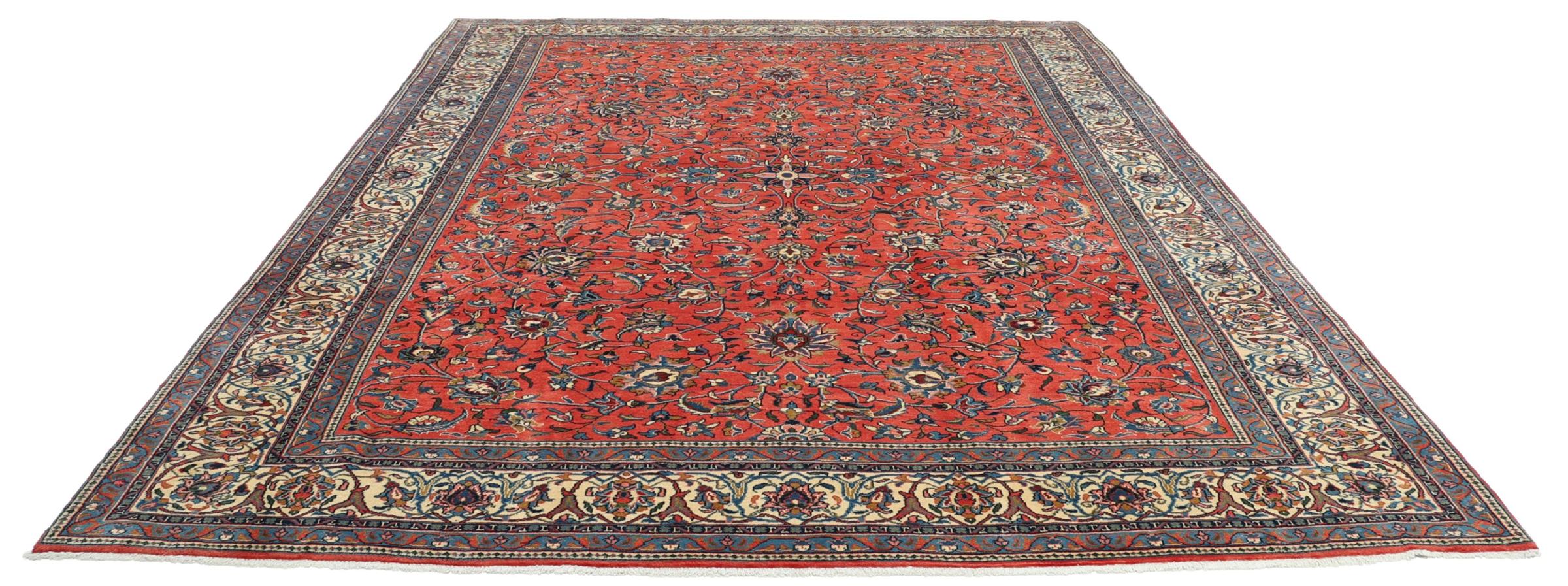
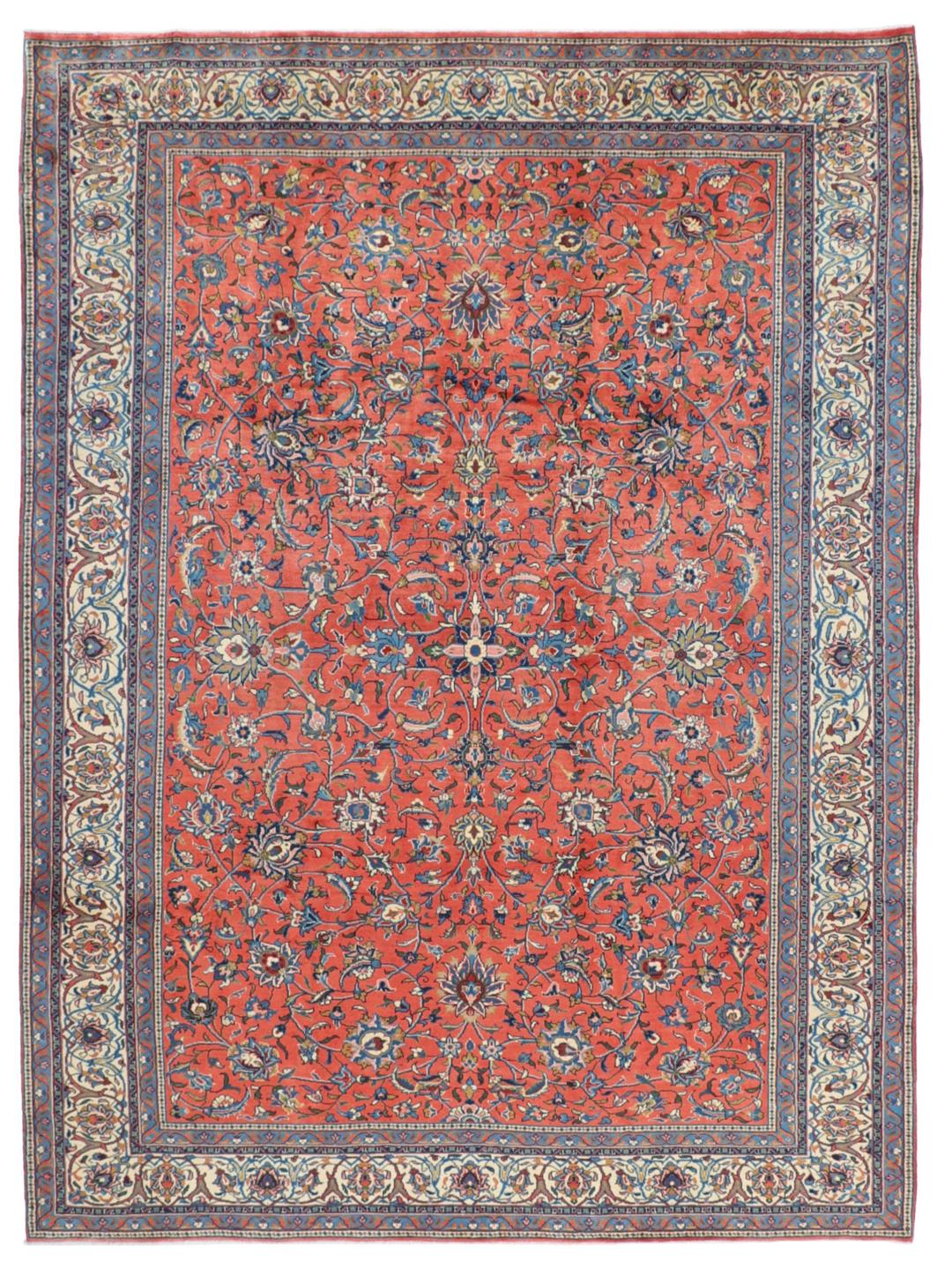
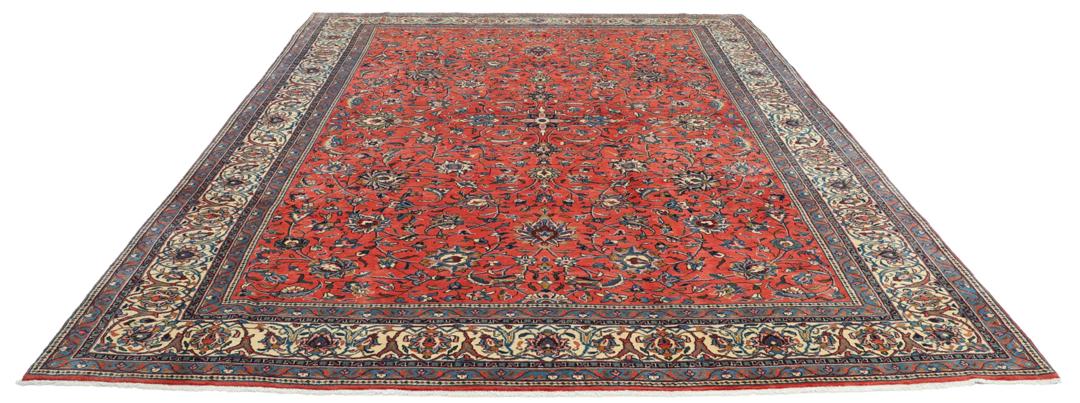
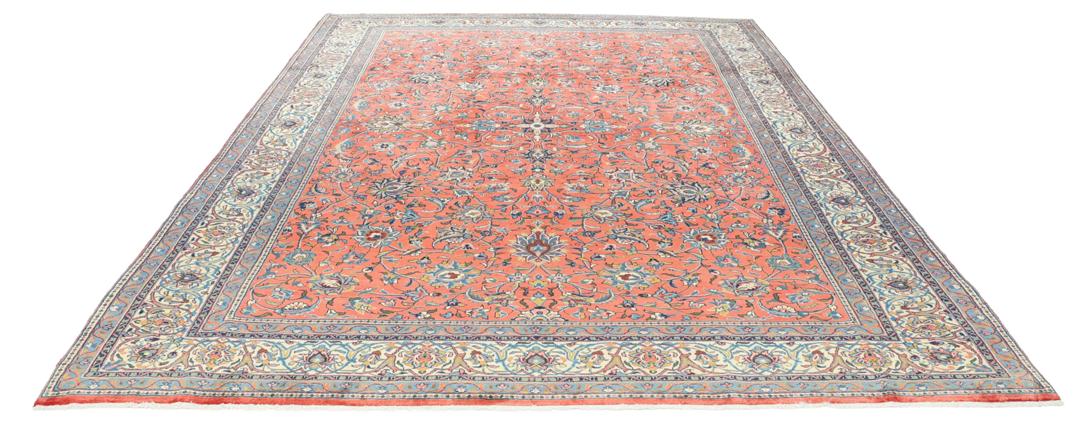
Sarough rugs take their name from the village of Sarouk in the Arak region of the Middle East. Historically, this area became famous in the late 19th and early 20th centuries for producing some of the most durable and aesthetically pleasing rugs in the world, often exported to Western markets where they were highly sought after for their resilience and classic beauty.
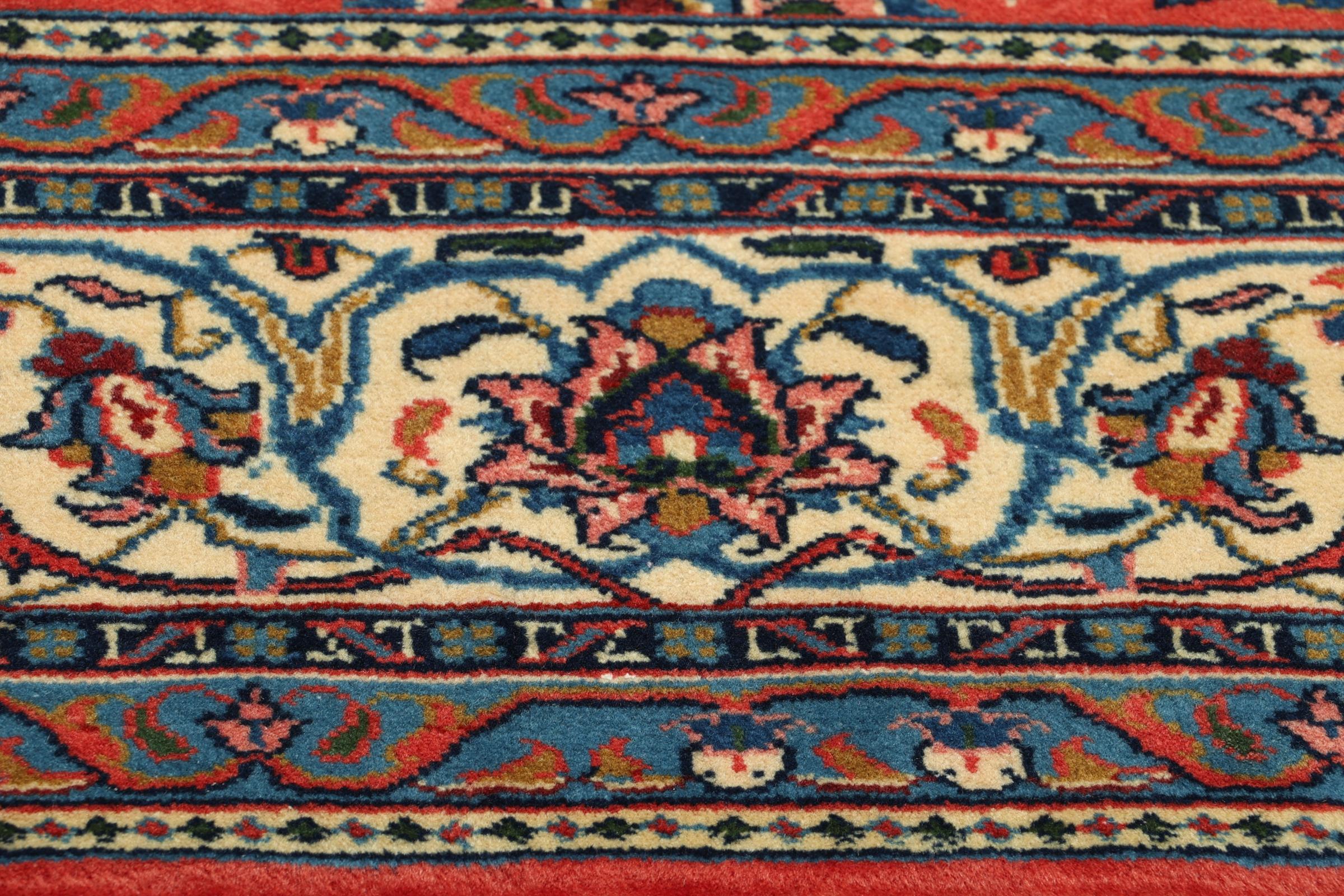
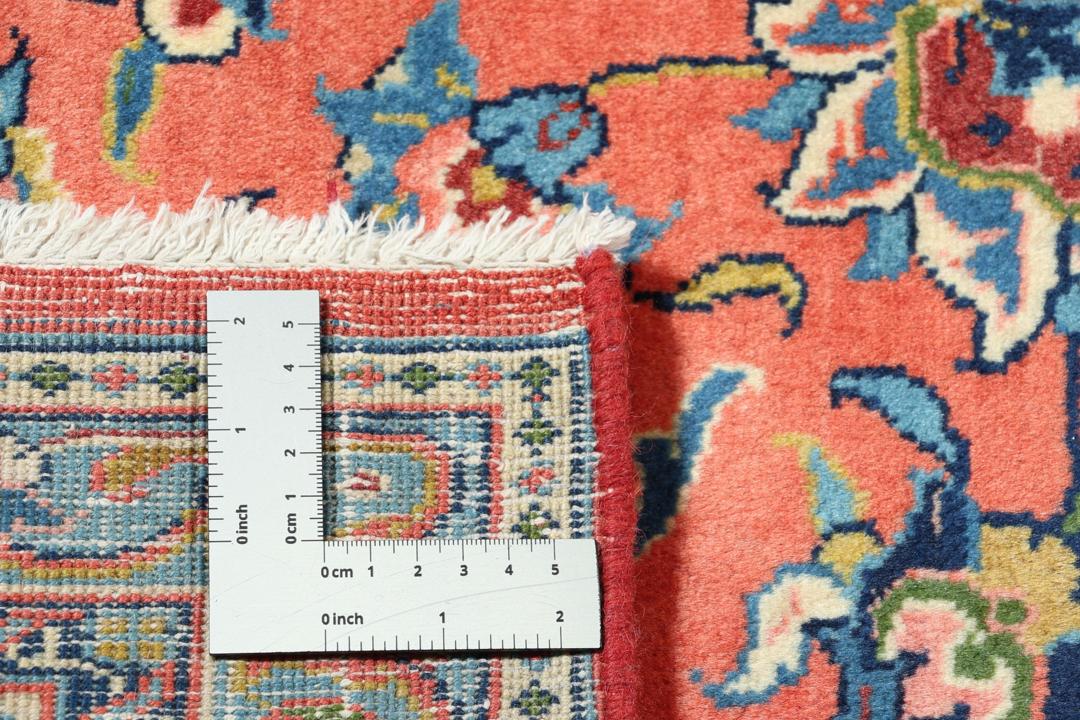
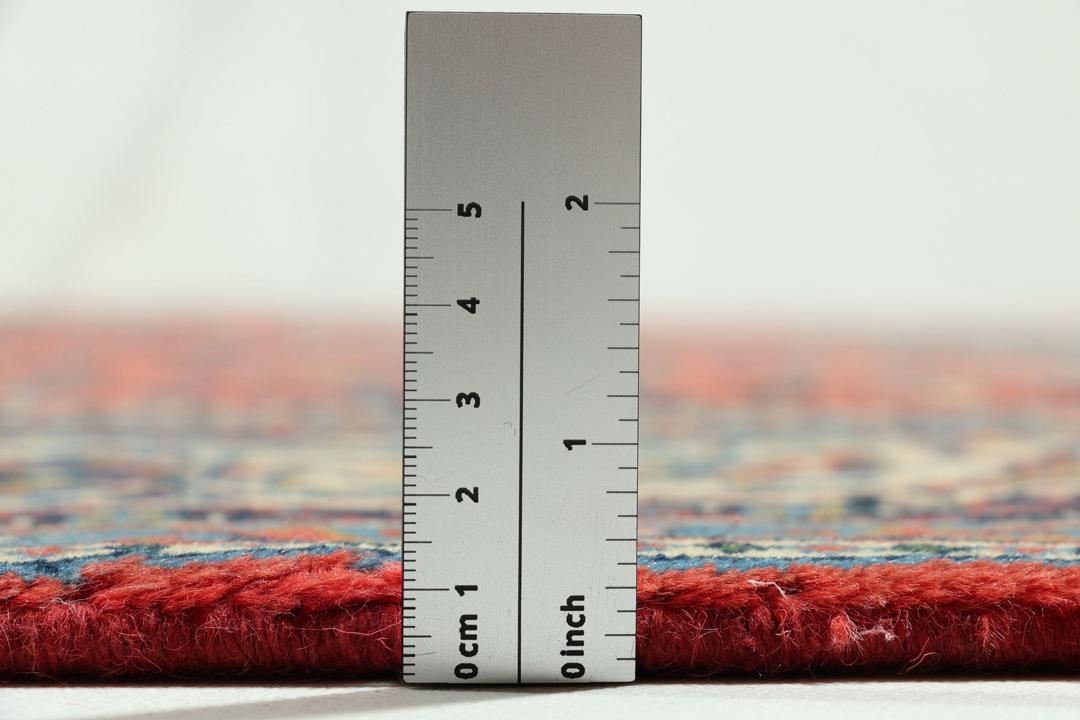
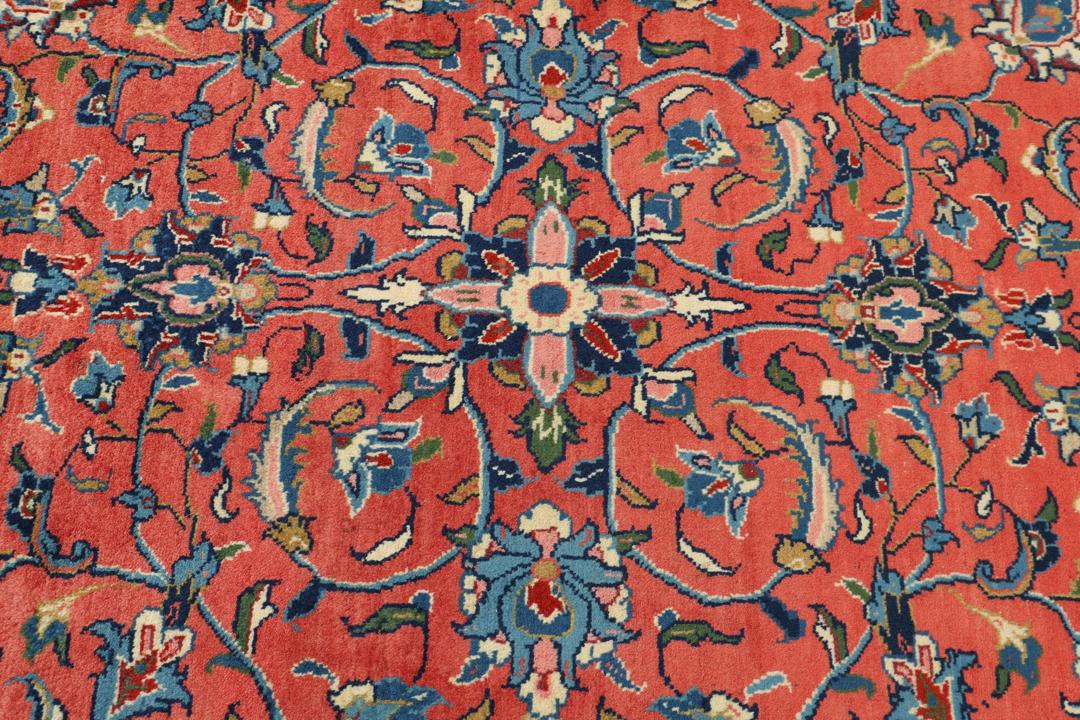
The quality of a Sarough rug is defined by its construction, which utilises high-quality Wool and a sturdy foundation. The technique involves a specific style of knotting that creates a compact, dense pile capable of withstanding heavy foot traffic while maintaining its appearance. This technical rigour is why these rugs have remained a benchmark for durability and longevity in the world of hand-knotted textiles.
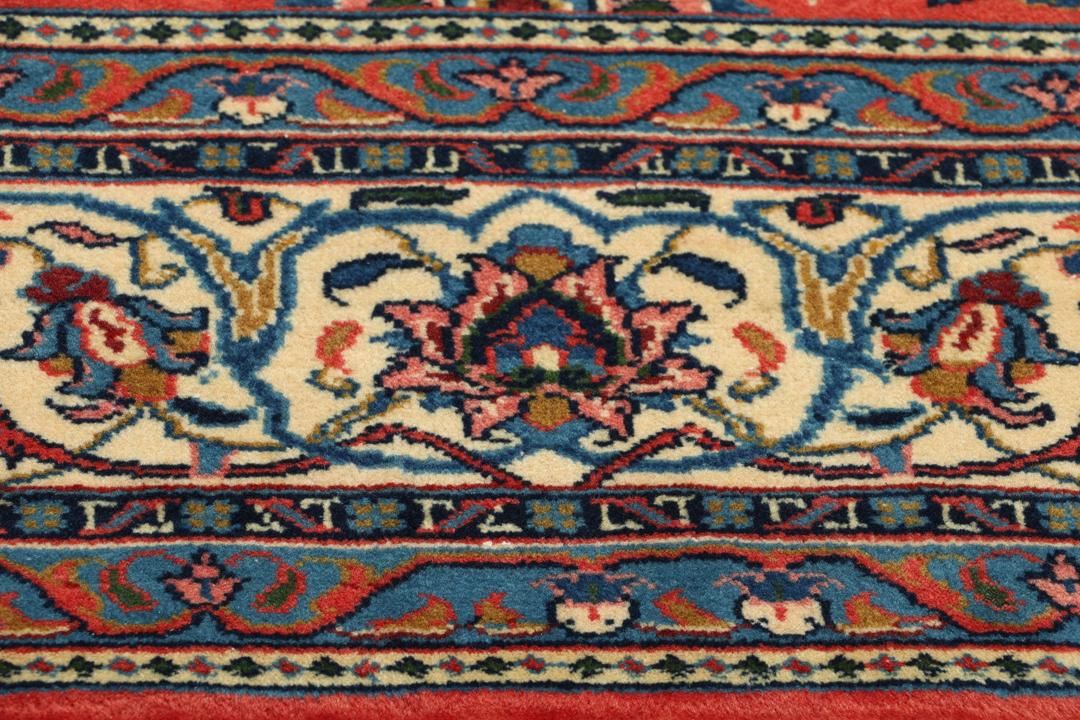
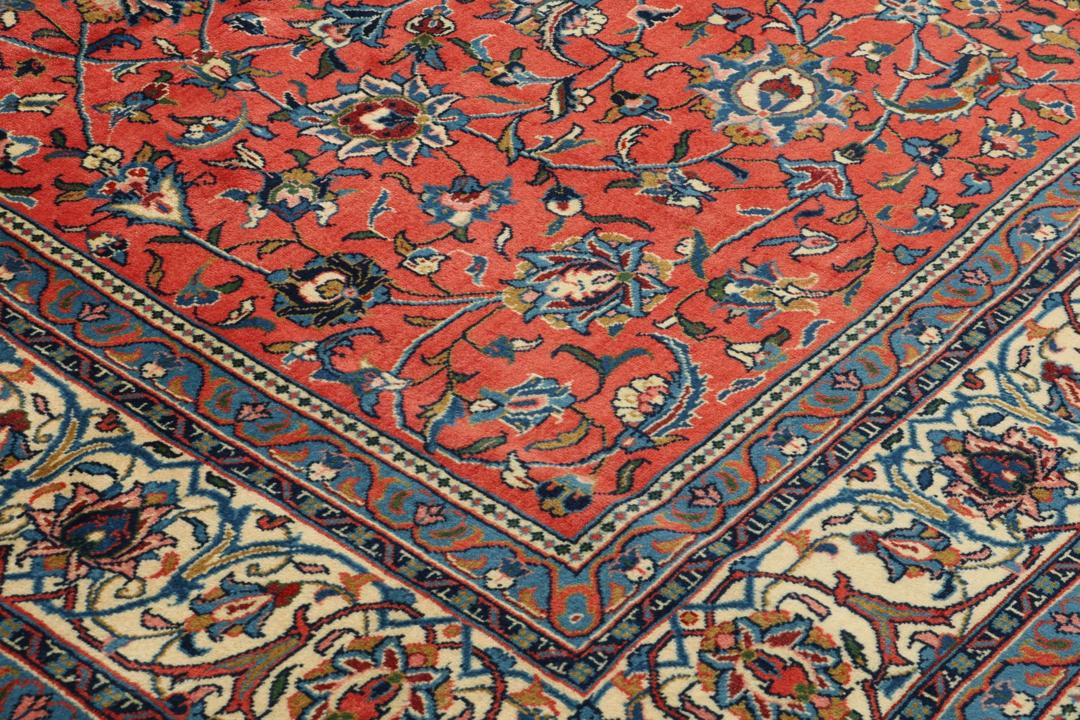
Visually, these rugs are celebrated for their sophisticated floral language. They often feature a central medallion or an all-over pattern of curvilinear vines, palmettes, and blossoms, all set against a rich, saturated field. The borders are typically wide and complex, framing the central field with harmonious motifs that reflect the natural world and the artistic heritage of the region.
Owning a Sarough is an investment in cultural history. These rugs are highly valued by collectors not just for their beauty, but for the skill and heritage they embody. They represent a bridge between ancient weaving traditions and modern interior design, offering a timeless quality that brings a sense of history and depth to any home.