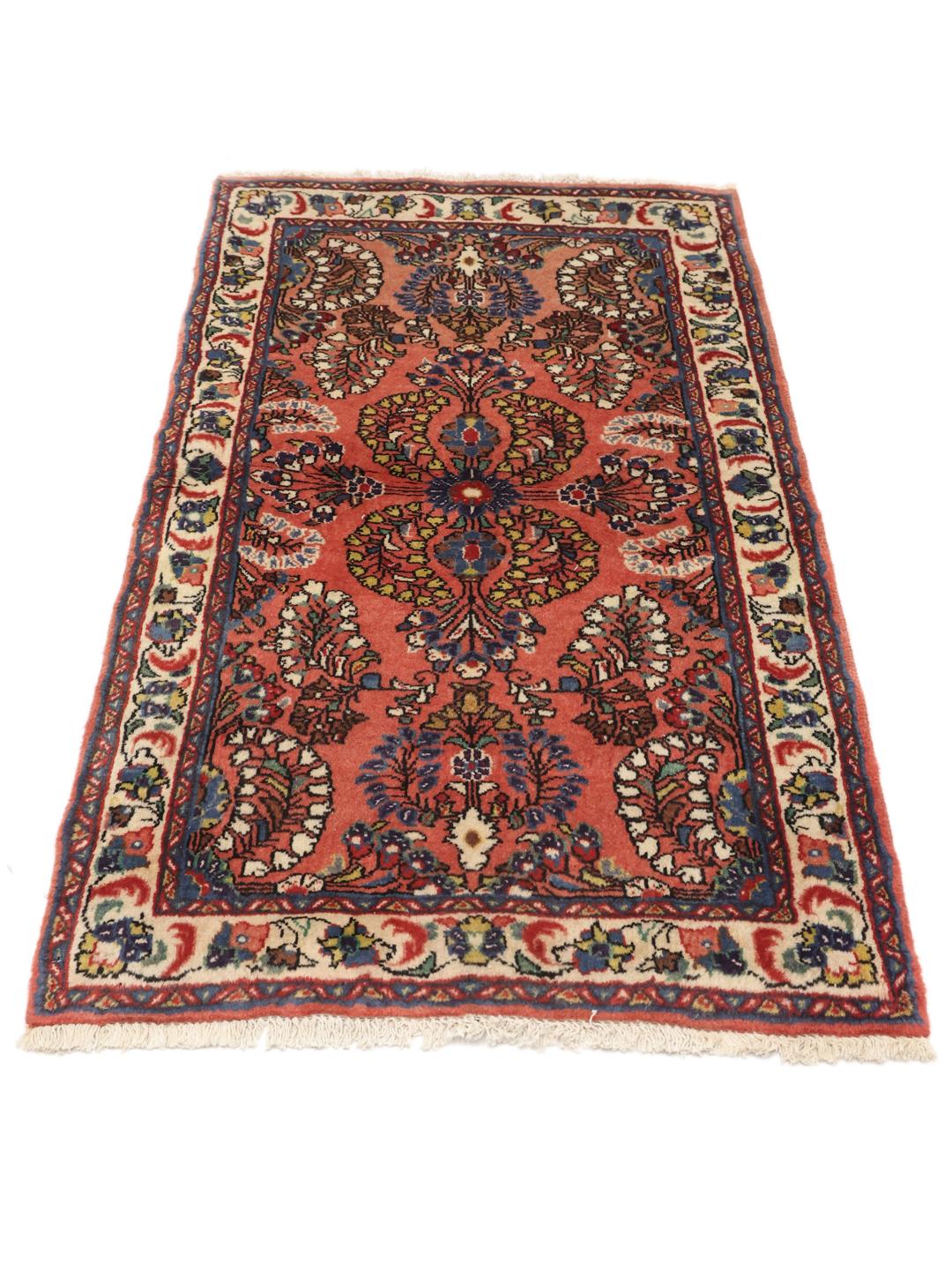
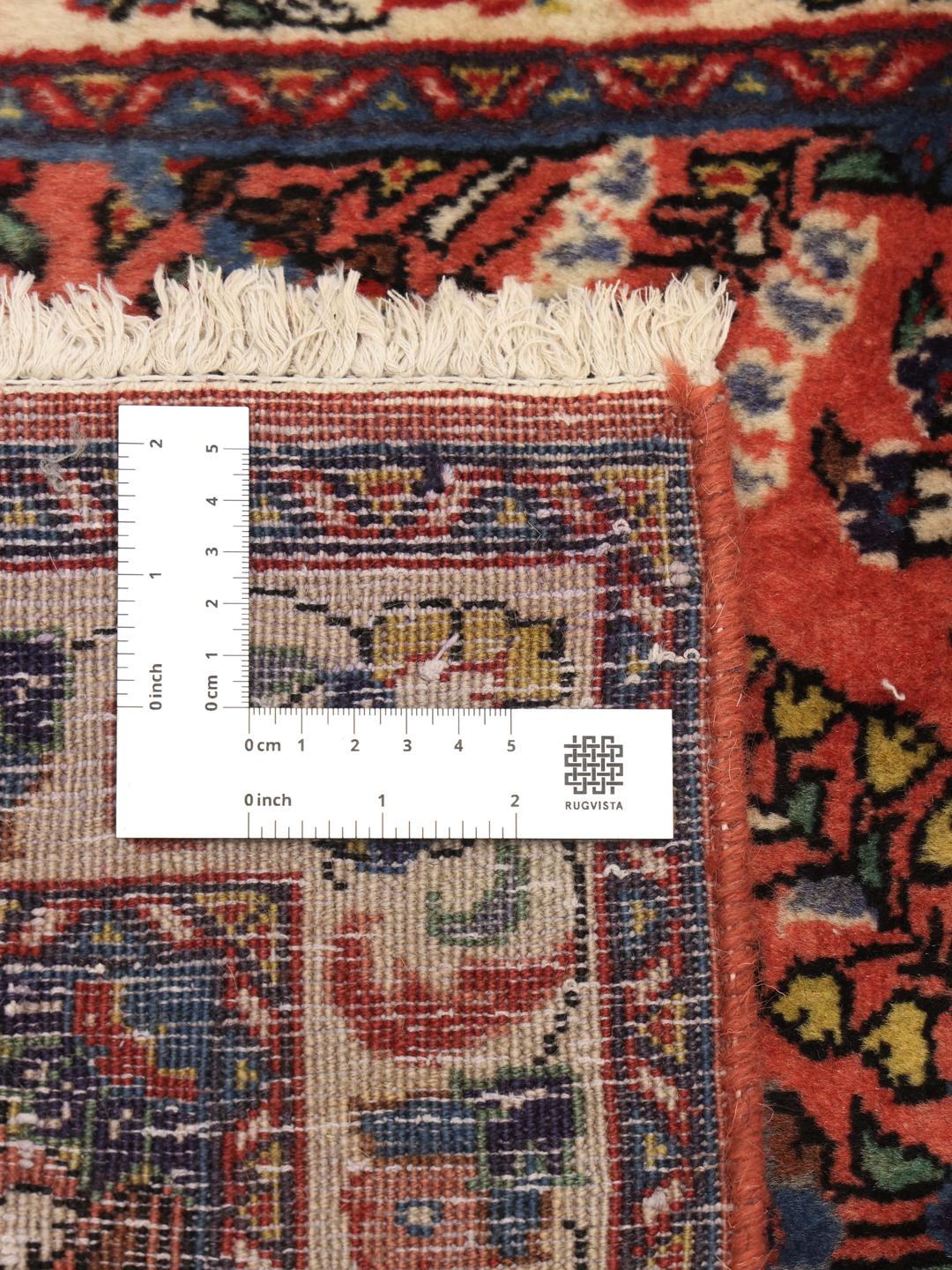
Sarough rugs originate from the village of Sarouk in the Arak region of the Middle East, a place renowned for producing some of the most sought-after hand-knotted textiles. Historically, these rugs gained immense popularity in the early 20th century, particularly in Western markets, due to their robust construction and elegant aesthetic. They represent a tradition that has evolved over centuries, blending local weaving techniques with a sophisticated design language.
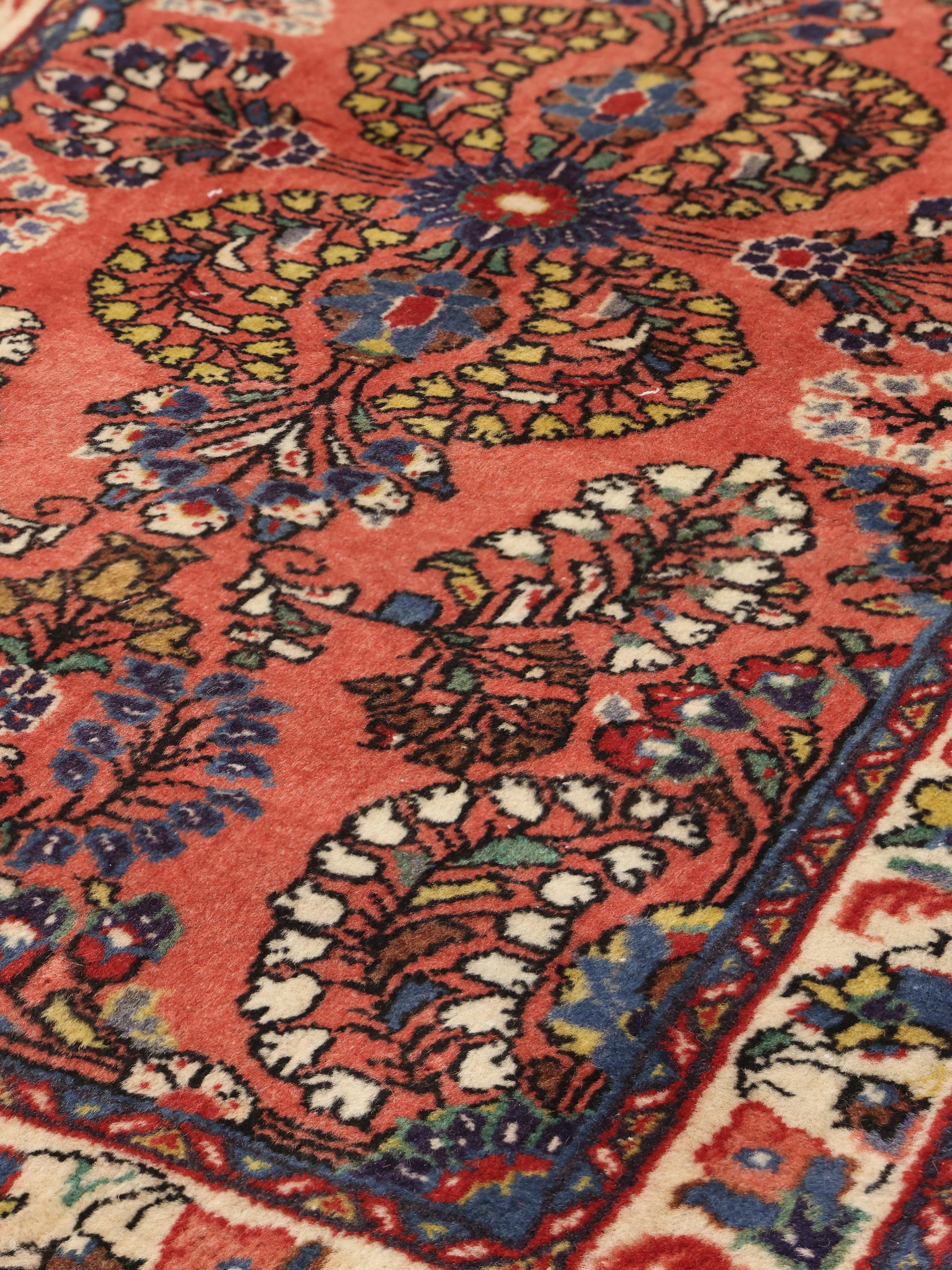
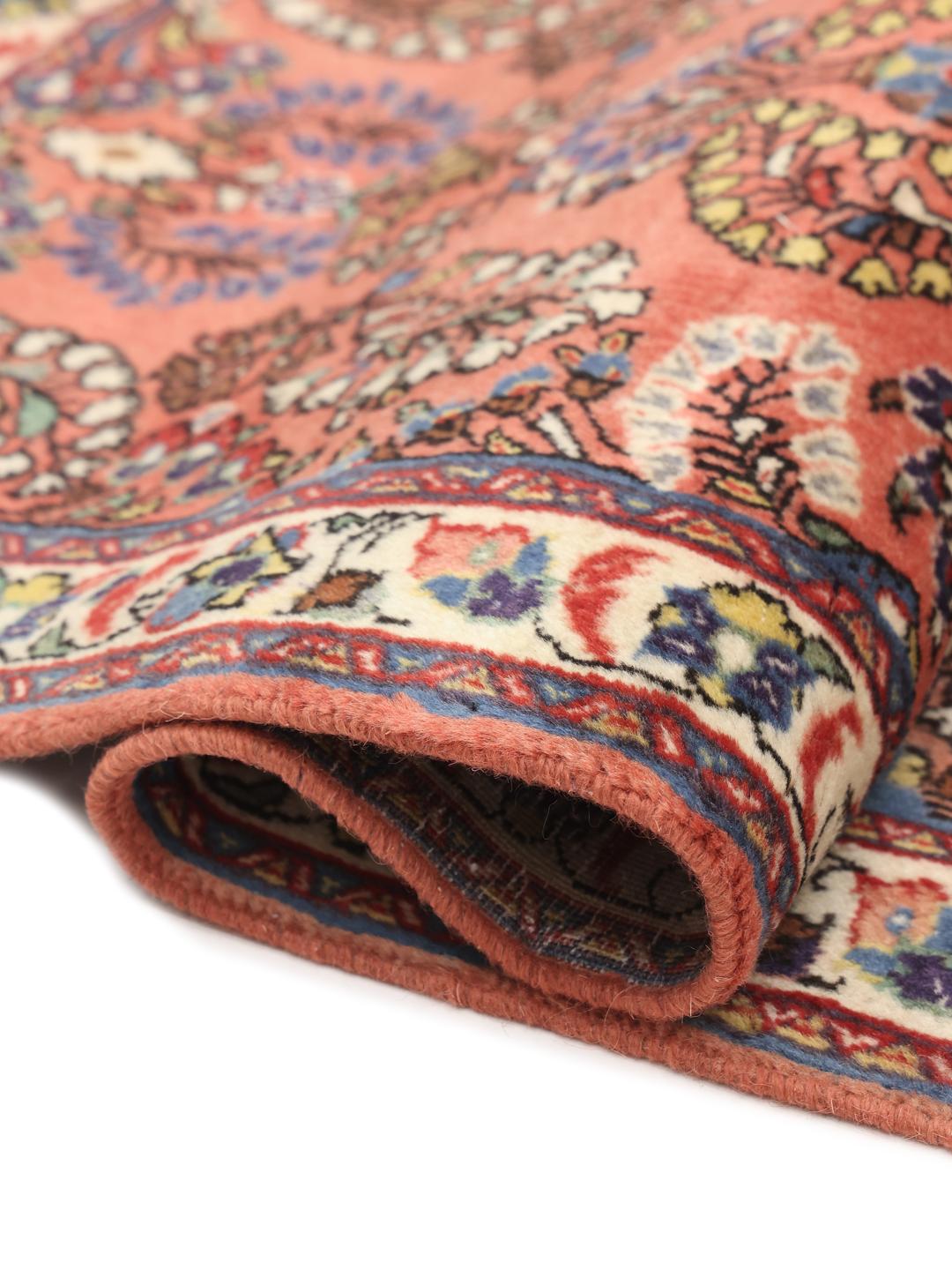
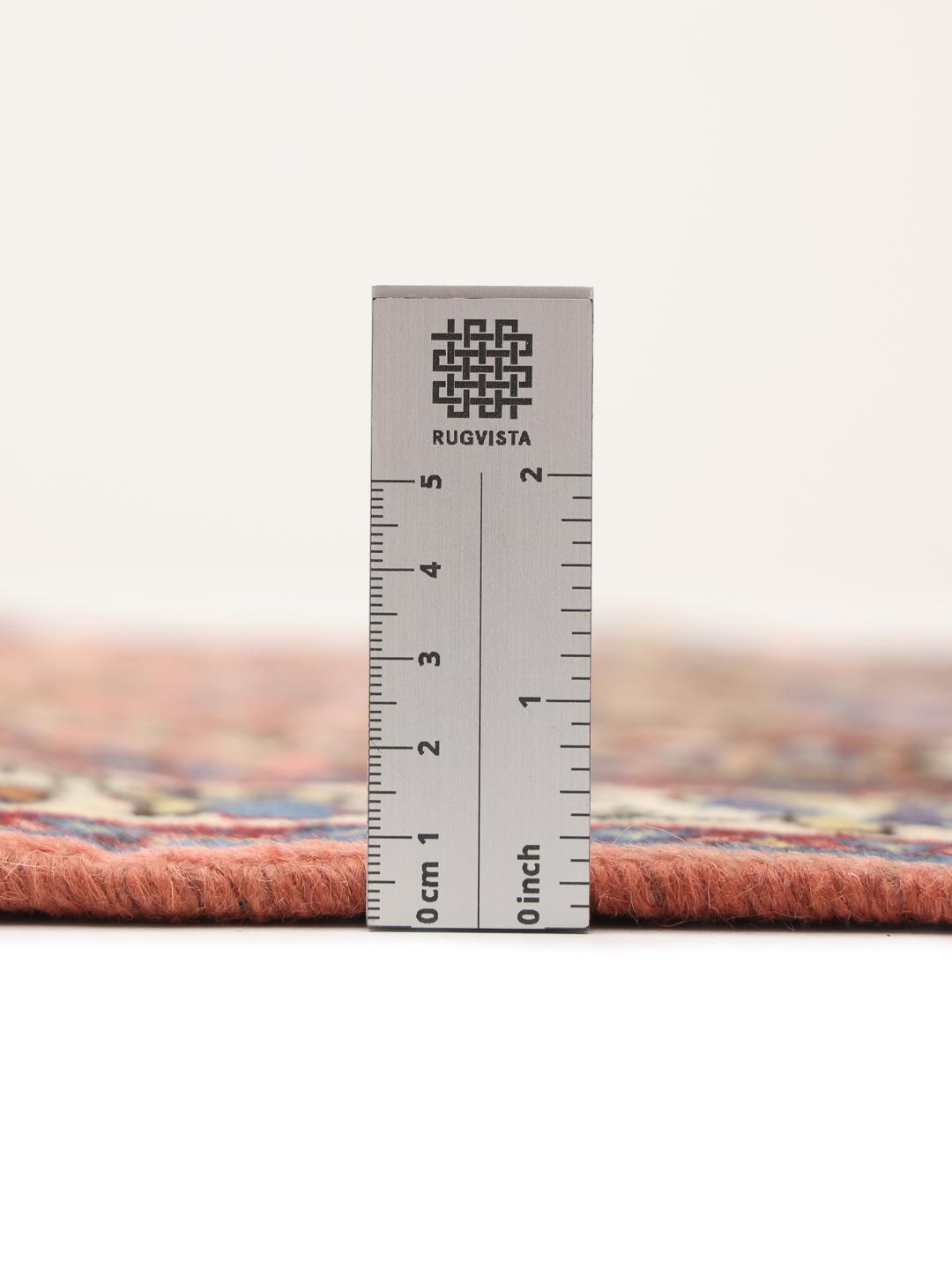
The term Sarough refers to a specific style of construction known for its exceptionally durable foundation and thick, lustrous wool pile. The weavers in this region are famous for their ability to create rugs that can withstand decades of use while remaining visually stunning. This durability is achieved through the use of high-quality, long-staple wool, which is carefully processed to ensure a soft yet resilient finish that ages gracefully.
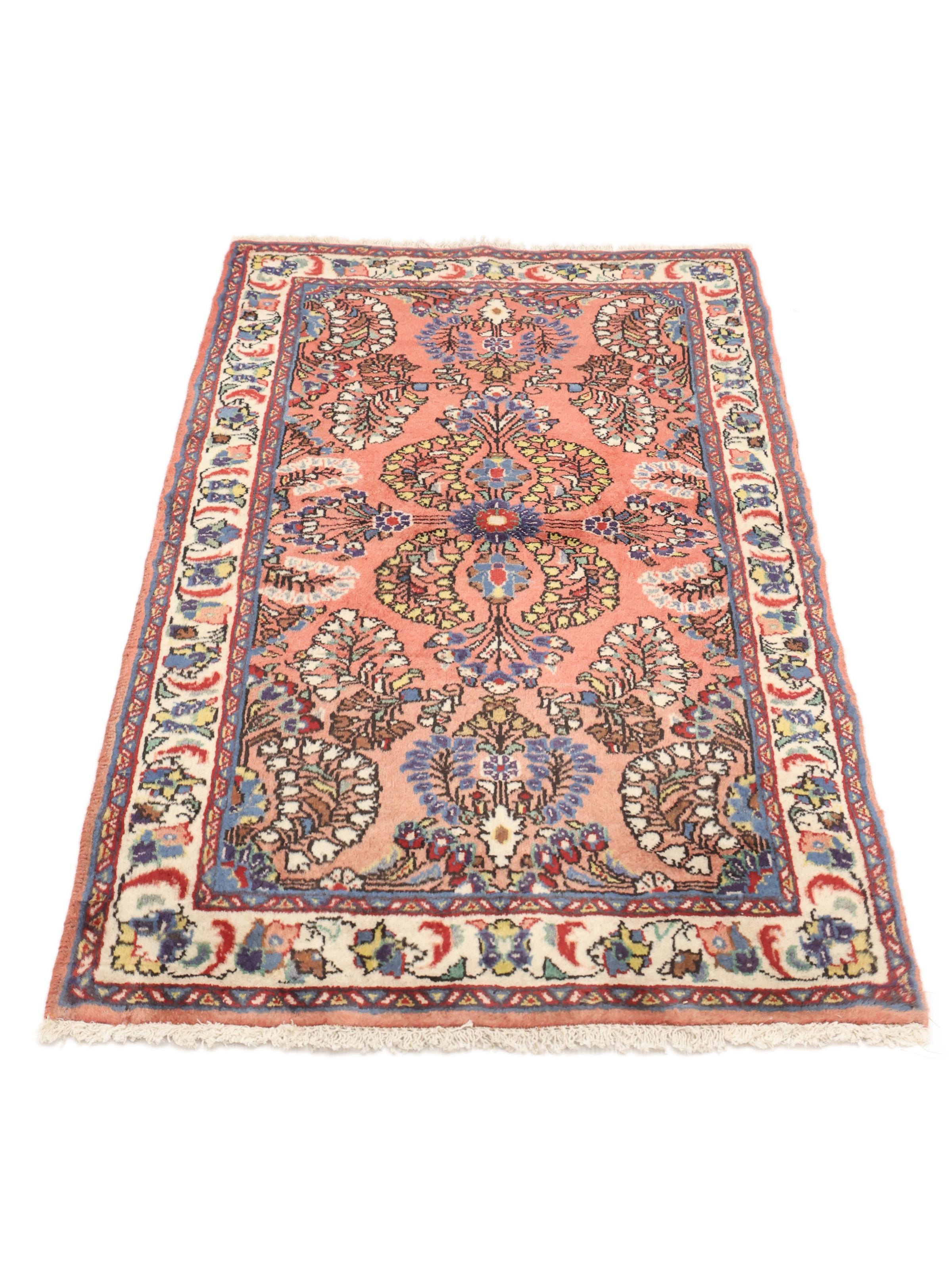
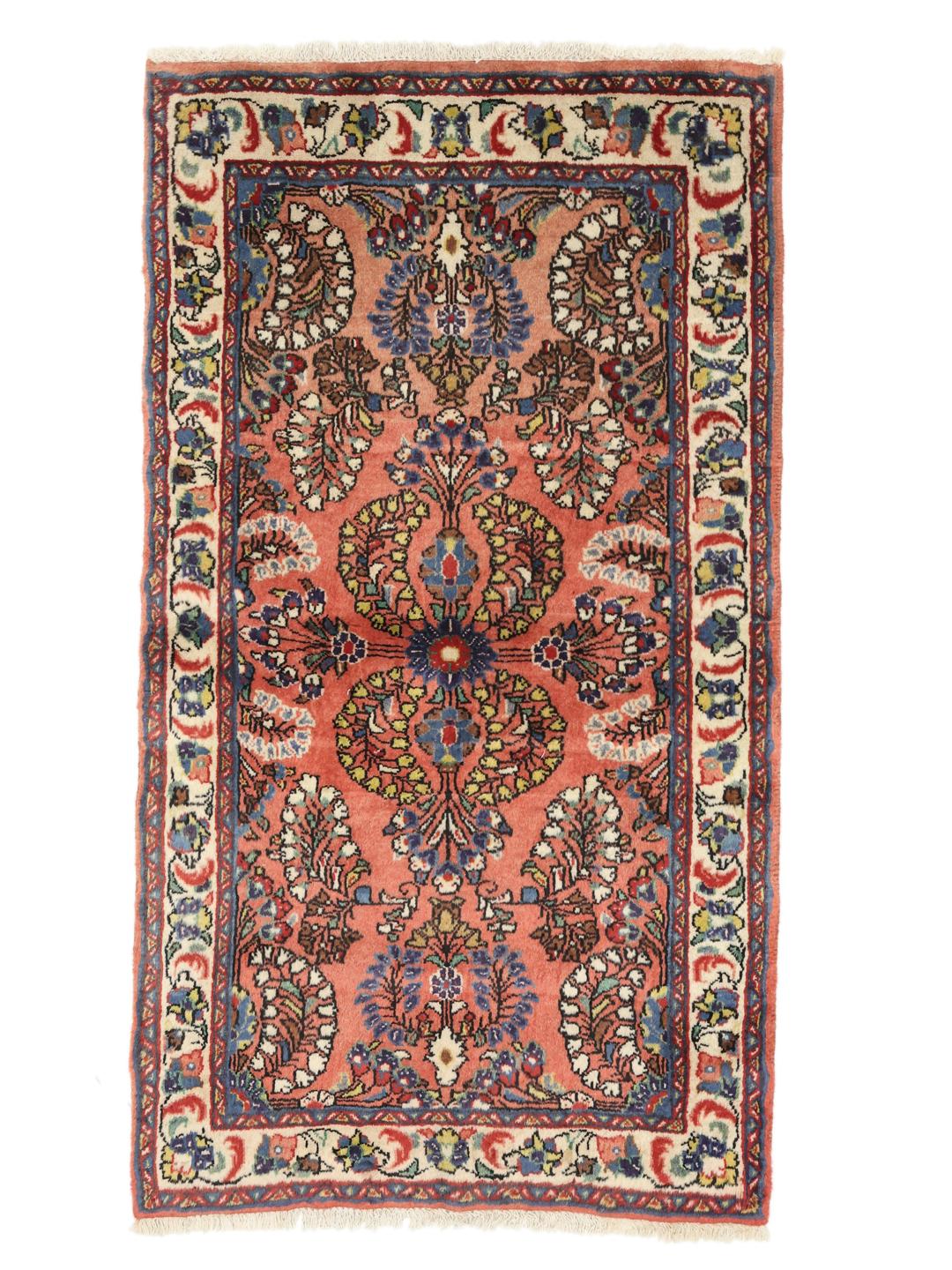
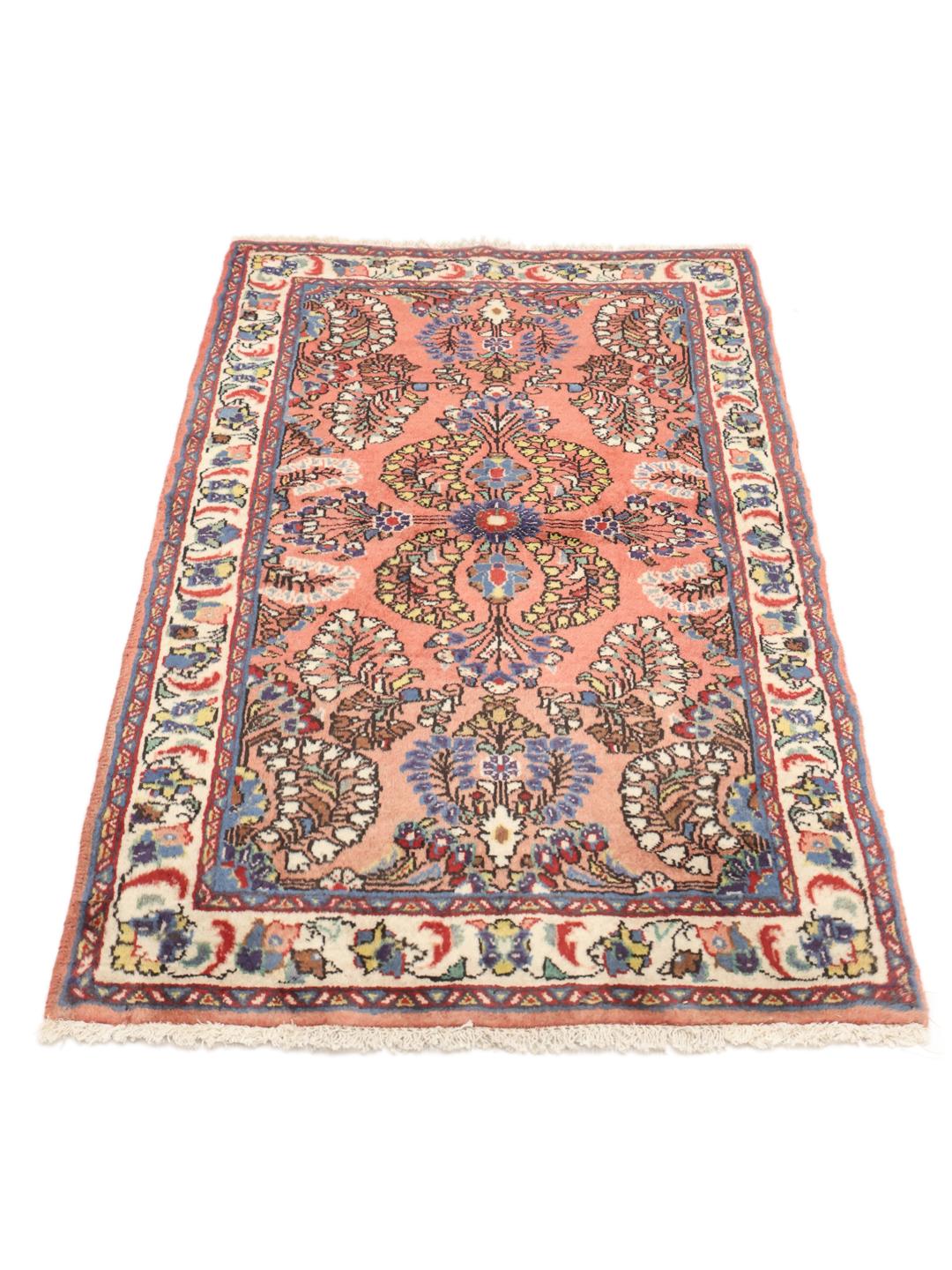
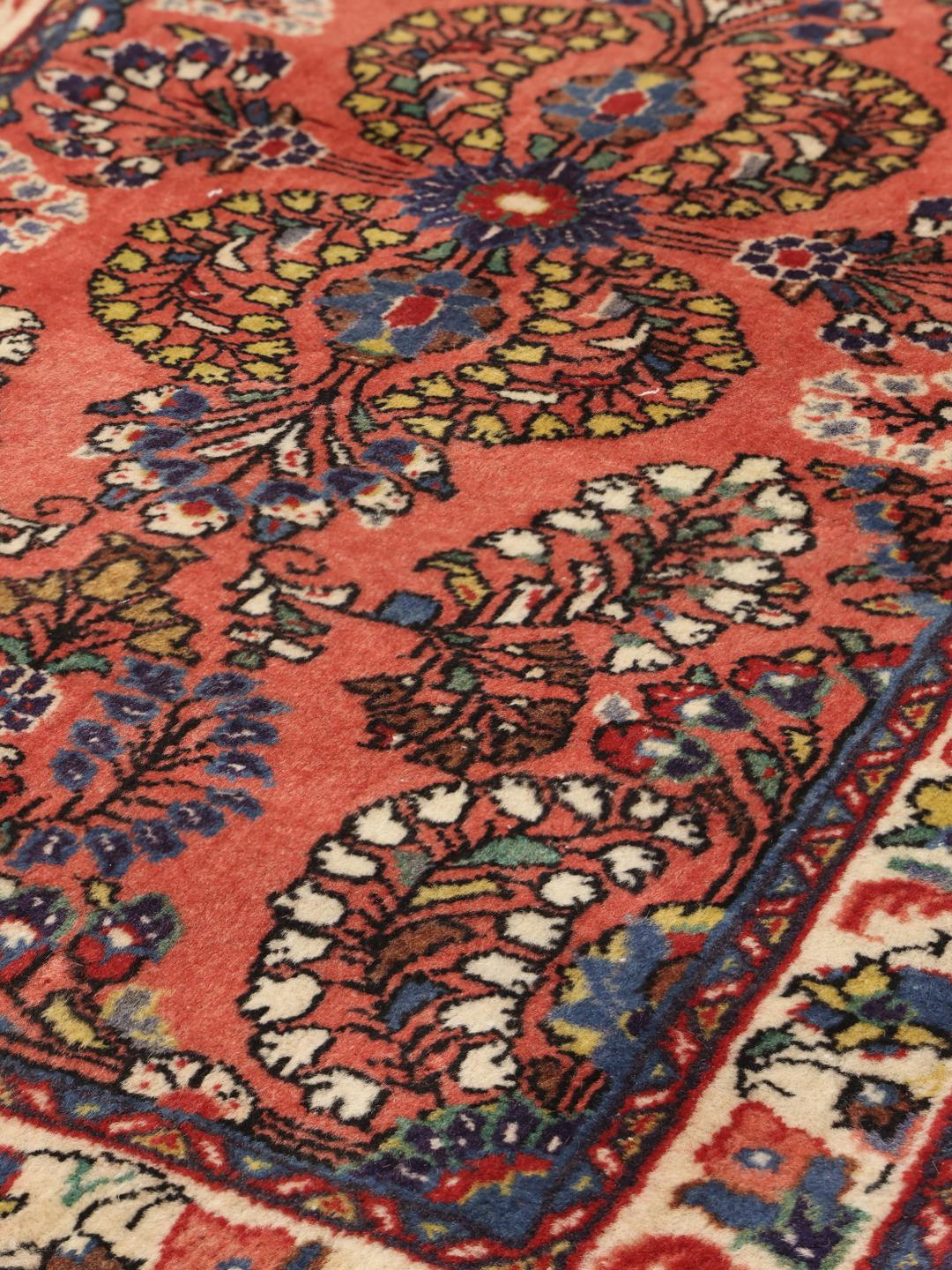
Visually, Sarough rugs are defined by their sophisticated floral motifs, often featuring a central medallion surrounded by lush, flowing vines and stylised blossoms. While the classic palette often leans toward deep reds and blues, the precision of the design is what truly sets these pieces apart. The intricate borders and balanced composition reflect a deep understanding of harmony and proportion, characteristics that have made these rugs favourites among collectors for generations.
Owning a Sarough rug is more than just a decor choice; it is an investment in cultural heritage and artisanal skill. These pieces are valued for their ability to anchor a room while providing a sense of warmth and continuity. Collectors prize them for their unique character, as each weaver brings a subtle, personal touch to the traditional patterns, ensuring that every rug tells a slightly different story of its origin and the hands that created it.