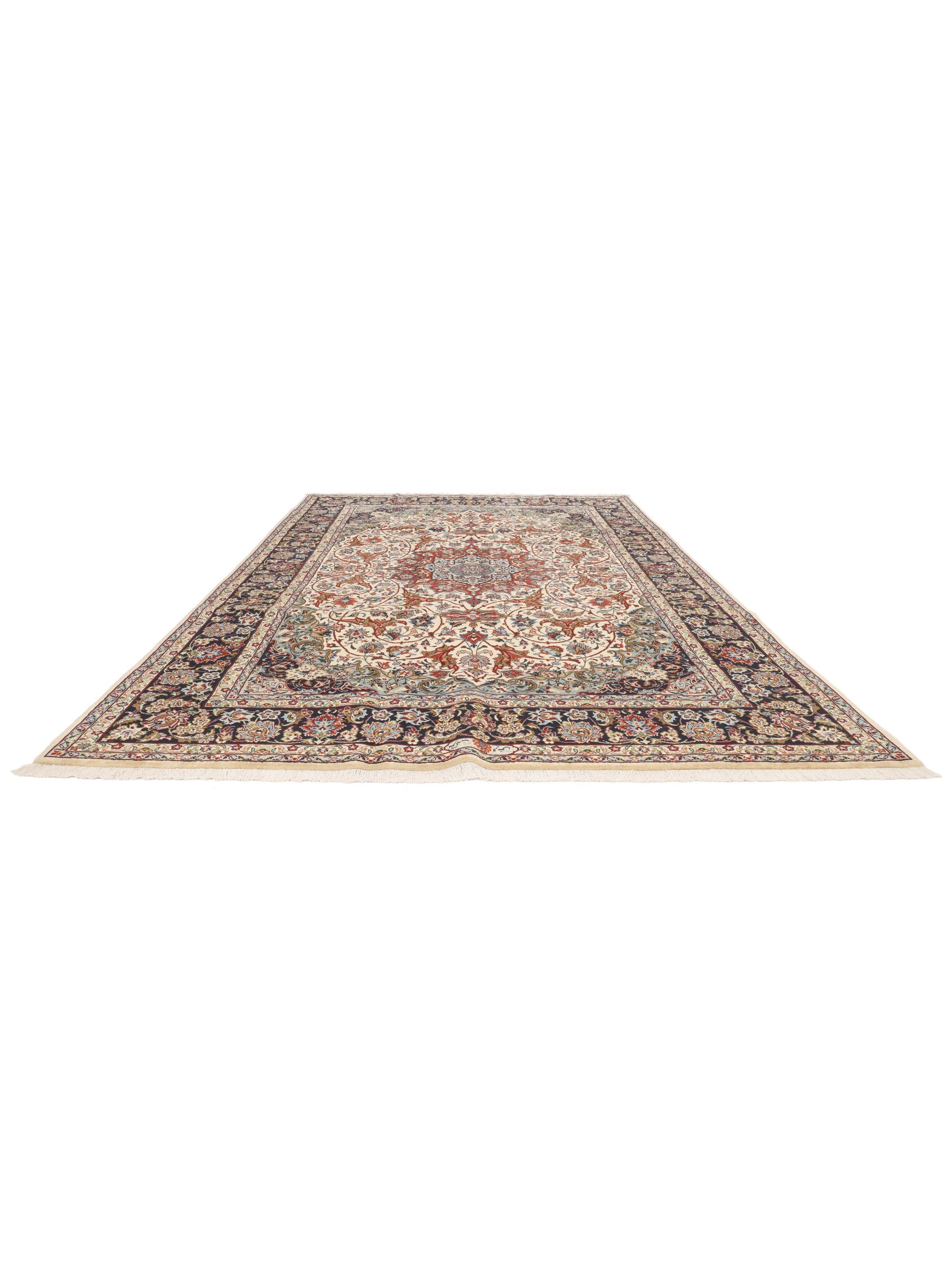
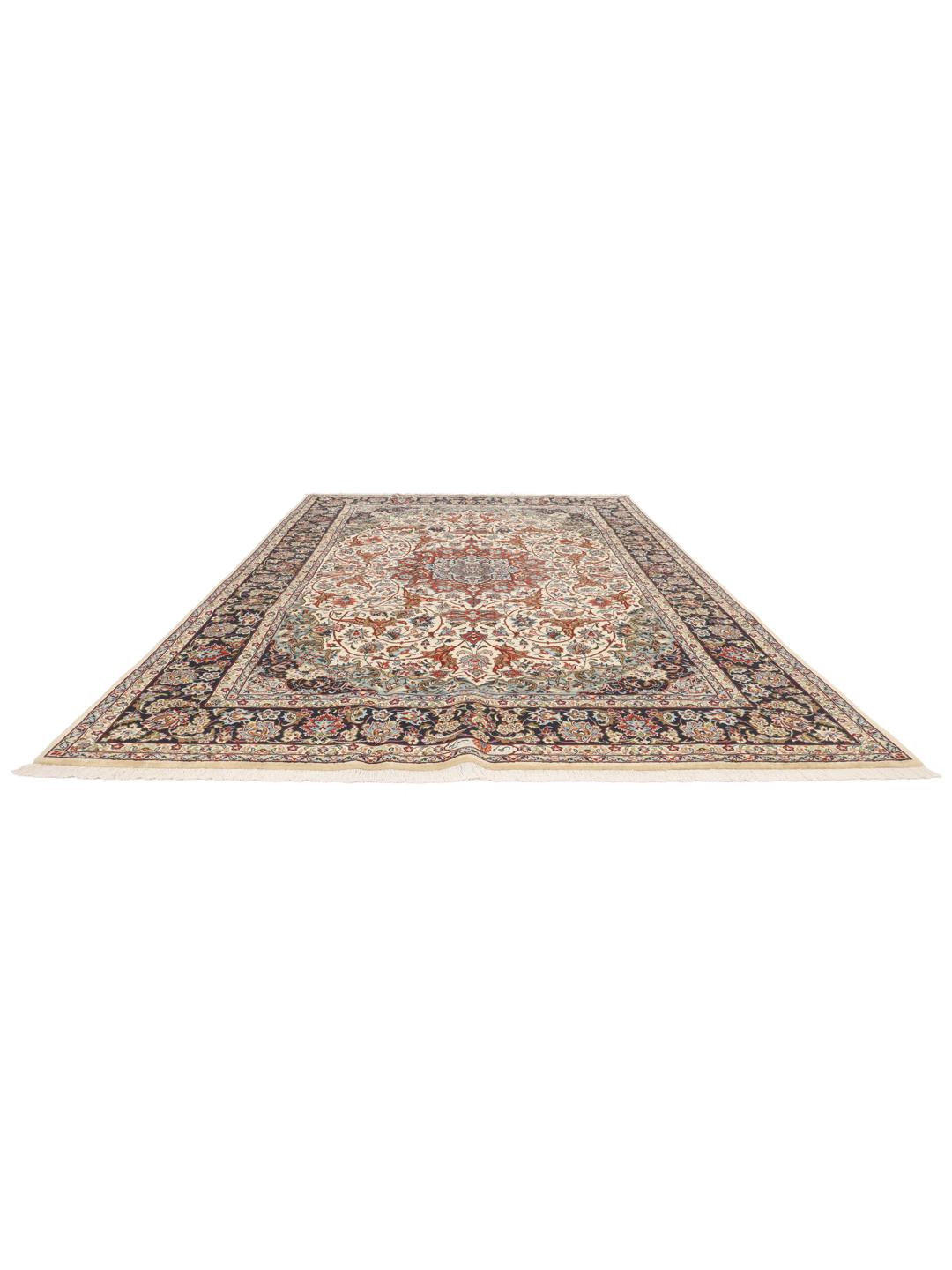
The Sarough rug tradition originates from the village of Sarouk in the Middle East, a region famed for producing some of the most sought-after rugs in the world. Historically, these rugs gained international prominence in the early 20th century for their exceptional durability and fine construction, becoming staples in homes that valued both function and artistic expression.
The term Sherkat Farsh refers to a specific, highly regarded era of production where quality control was paramount. These rugs were created under a collective initiative that aimed to maintain the highest standards of wool quality and knotting precision, ensuring that each piece produced was as consistent as it was beautiful.
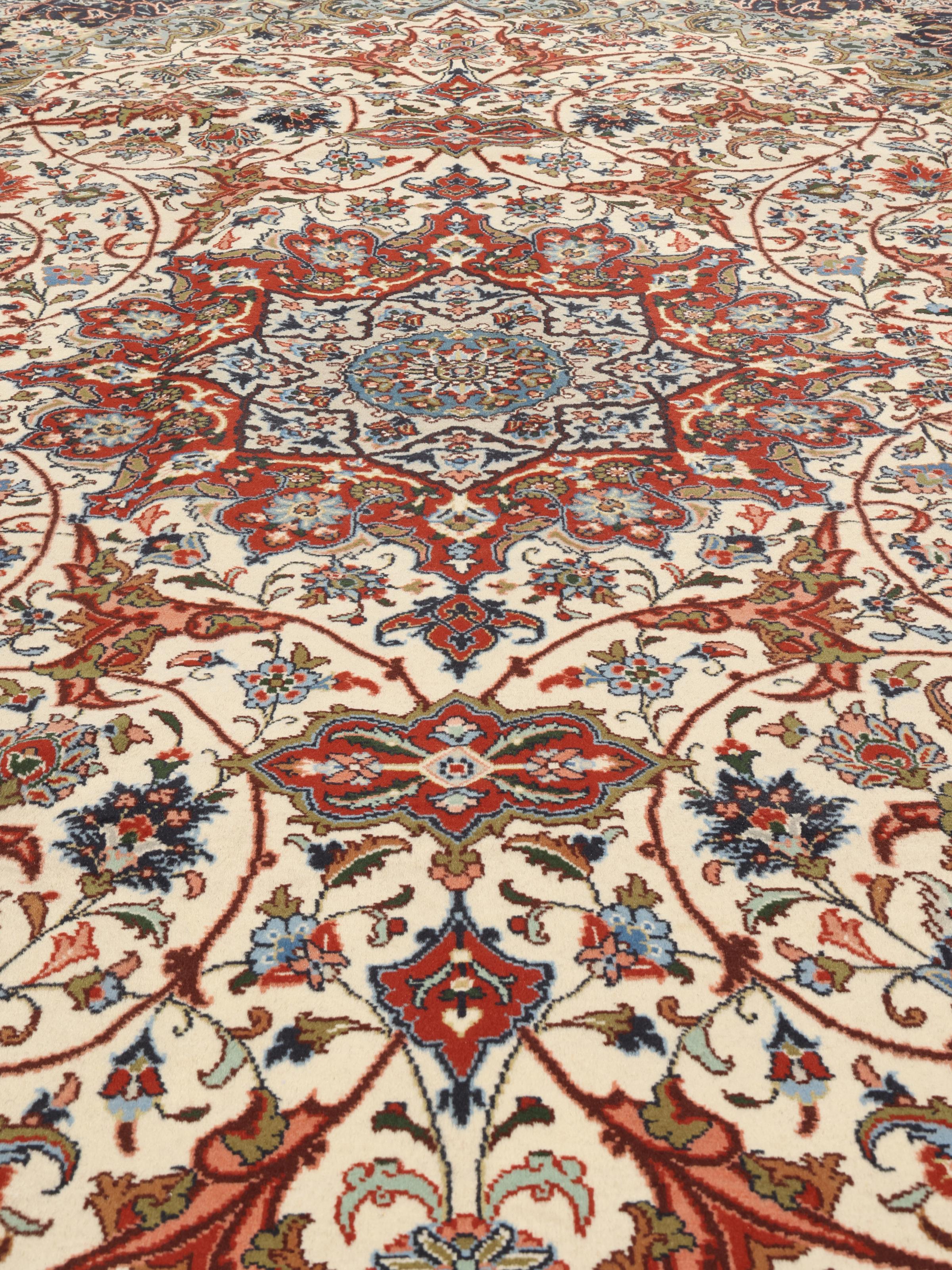
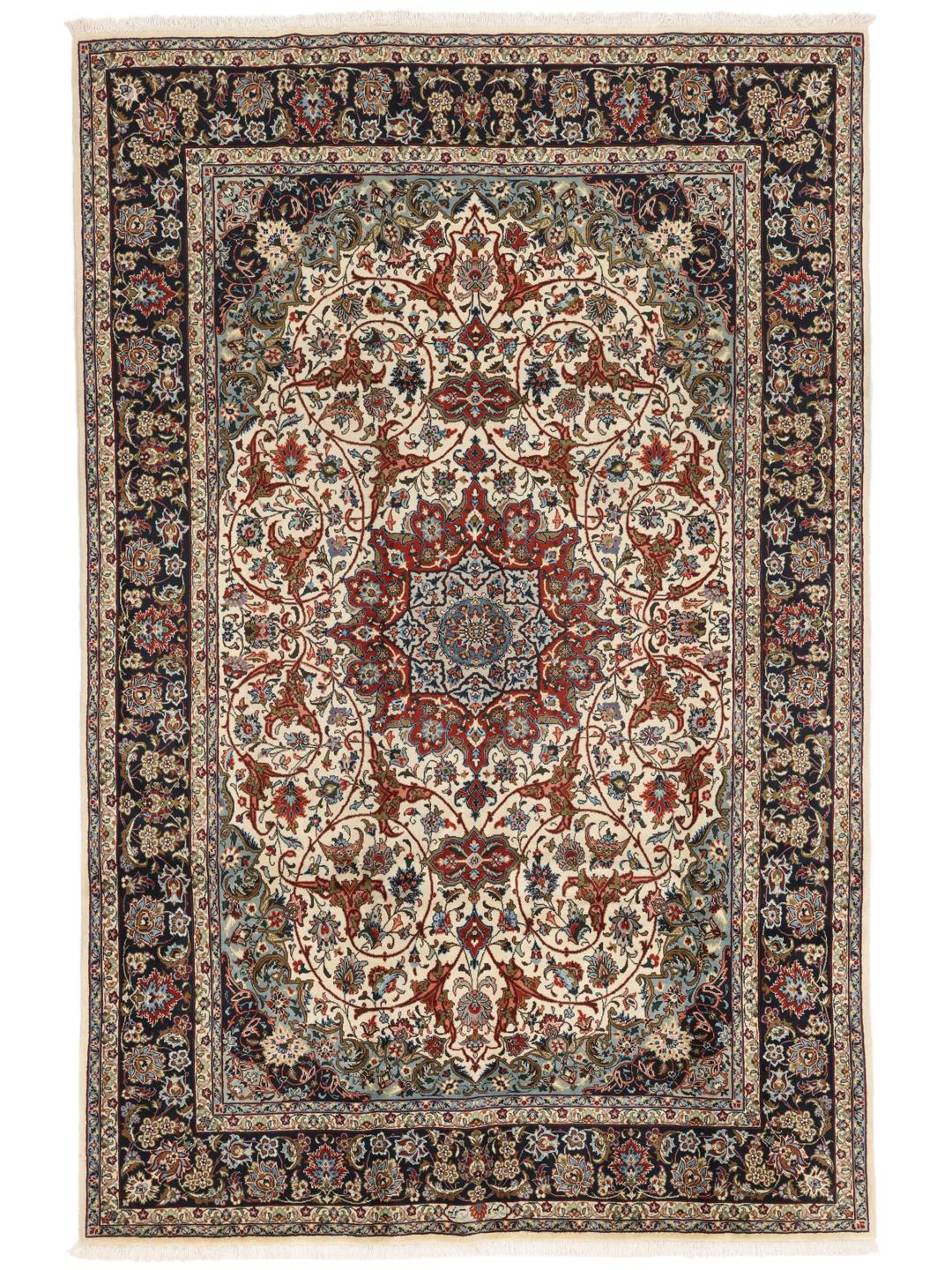
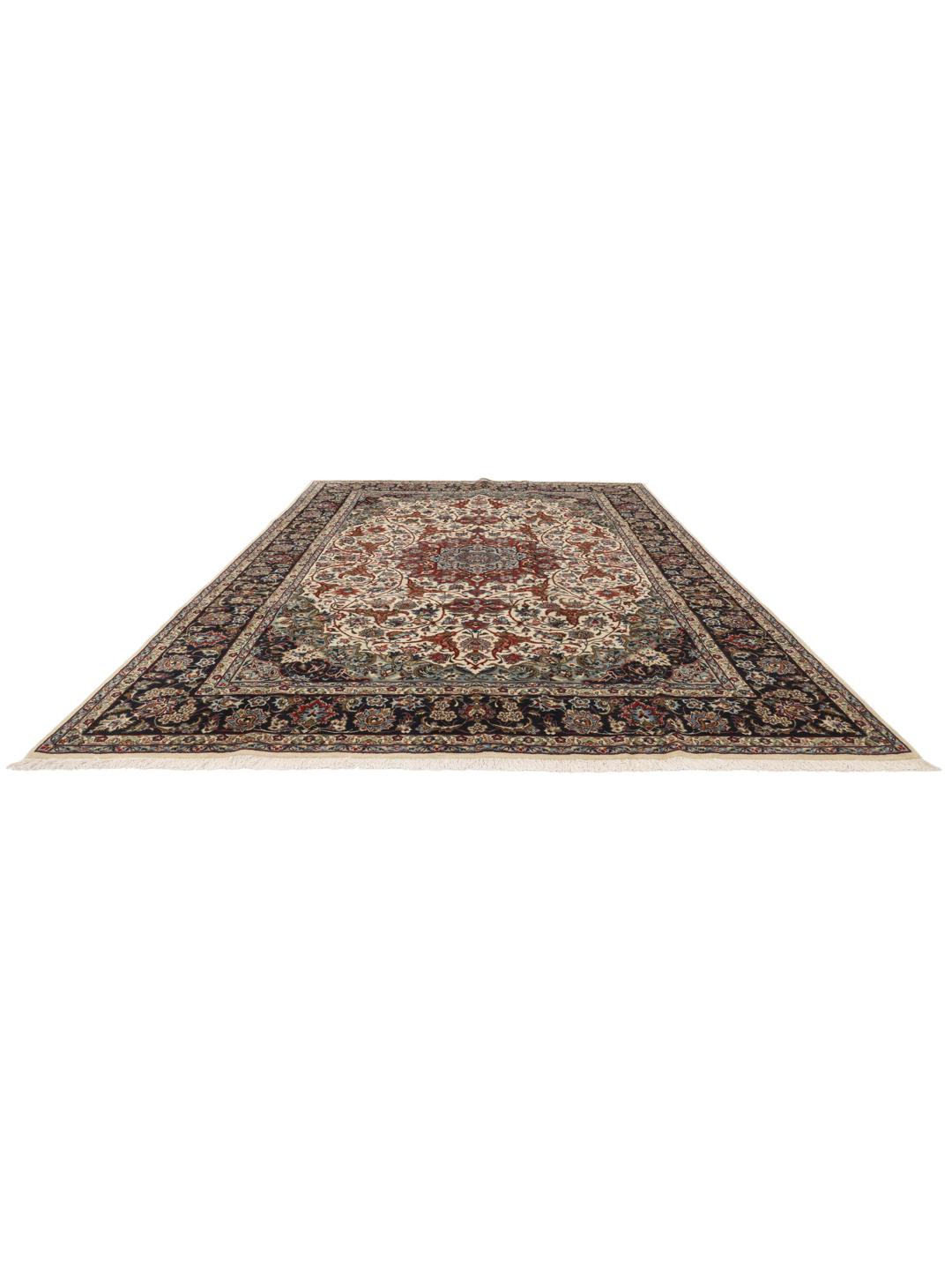
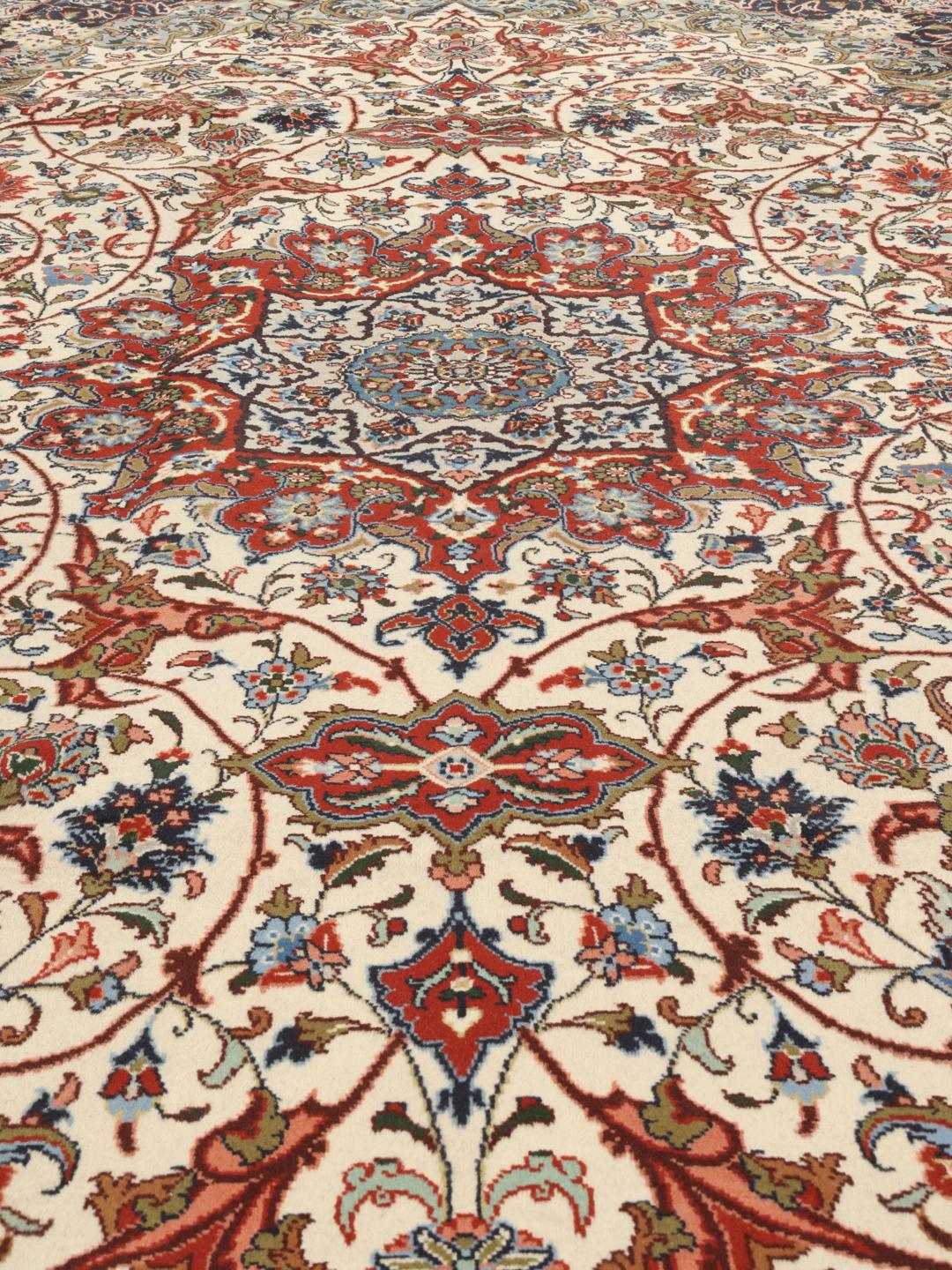
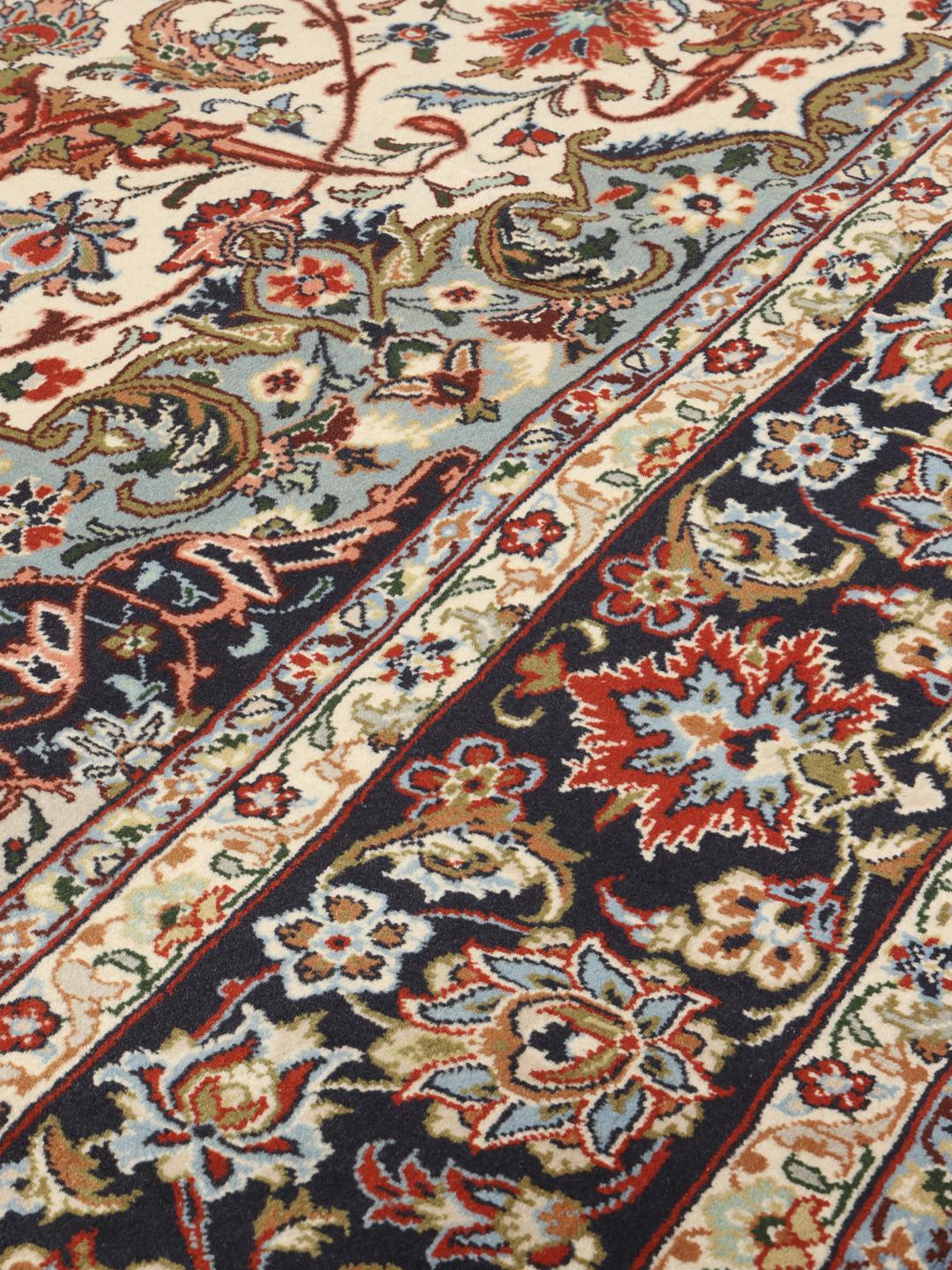
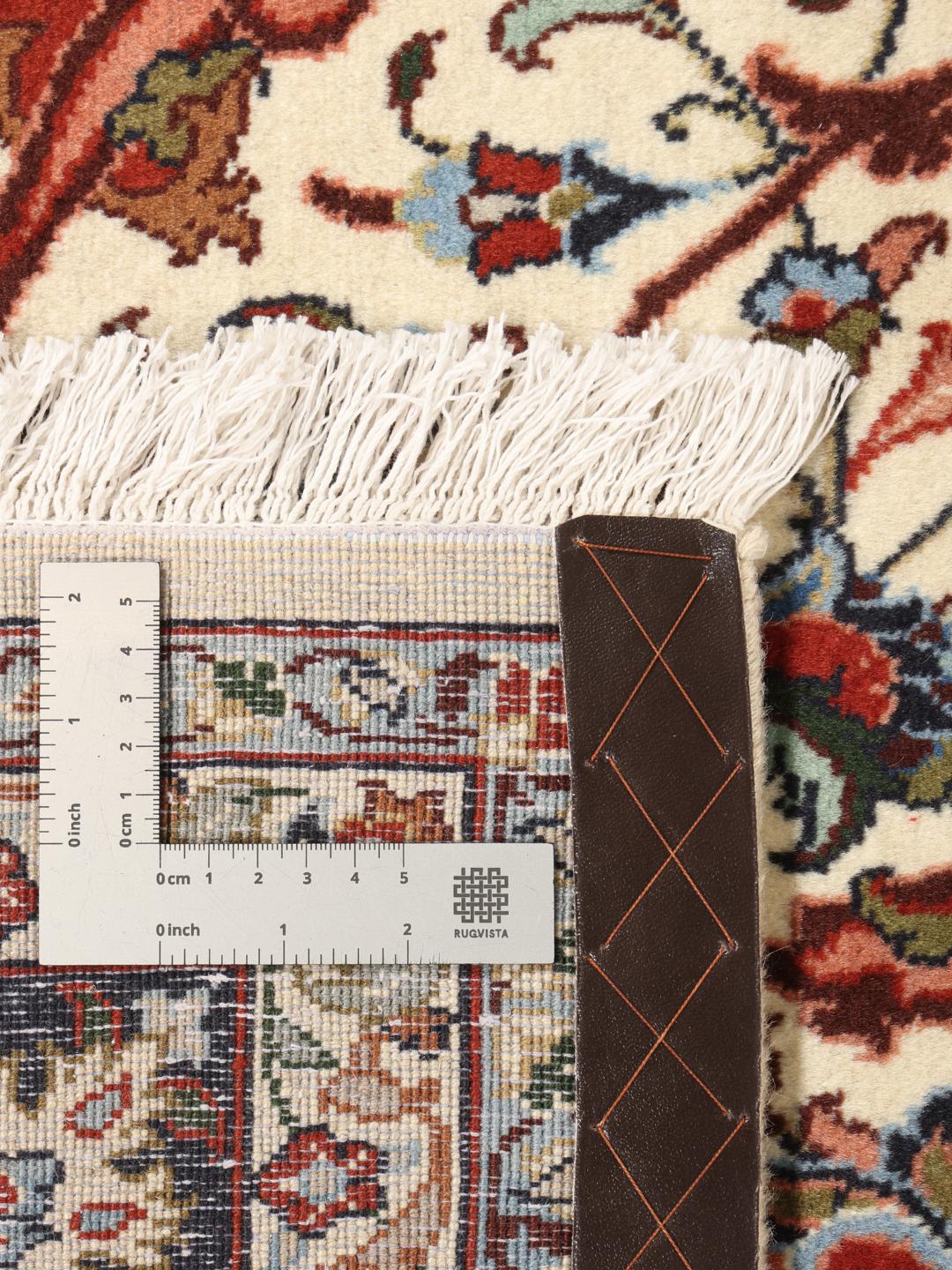
Visually, these rugs are celebrated for their elaborate floral motifs and central medallions, which are often set against a deep, vibrant field. The patterns are characterised by a sense of movement and harmony, with intricate vines and blossoms that demonstrate the weaver's deep connection to their regional design heritage.
Owning a piece from this tradition is an act of preserving a legacy of skill. These rugs are highly valued by collectors not just for their aesthetic appeal, but for the story of human effort they represent. They are a bridge between the past and the present, offering an enduring sense of heritage that enriches any modern home.