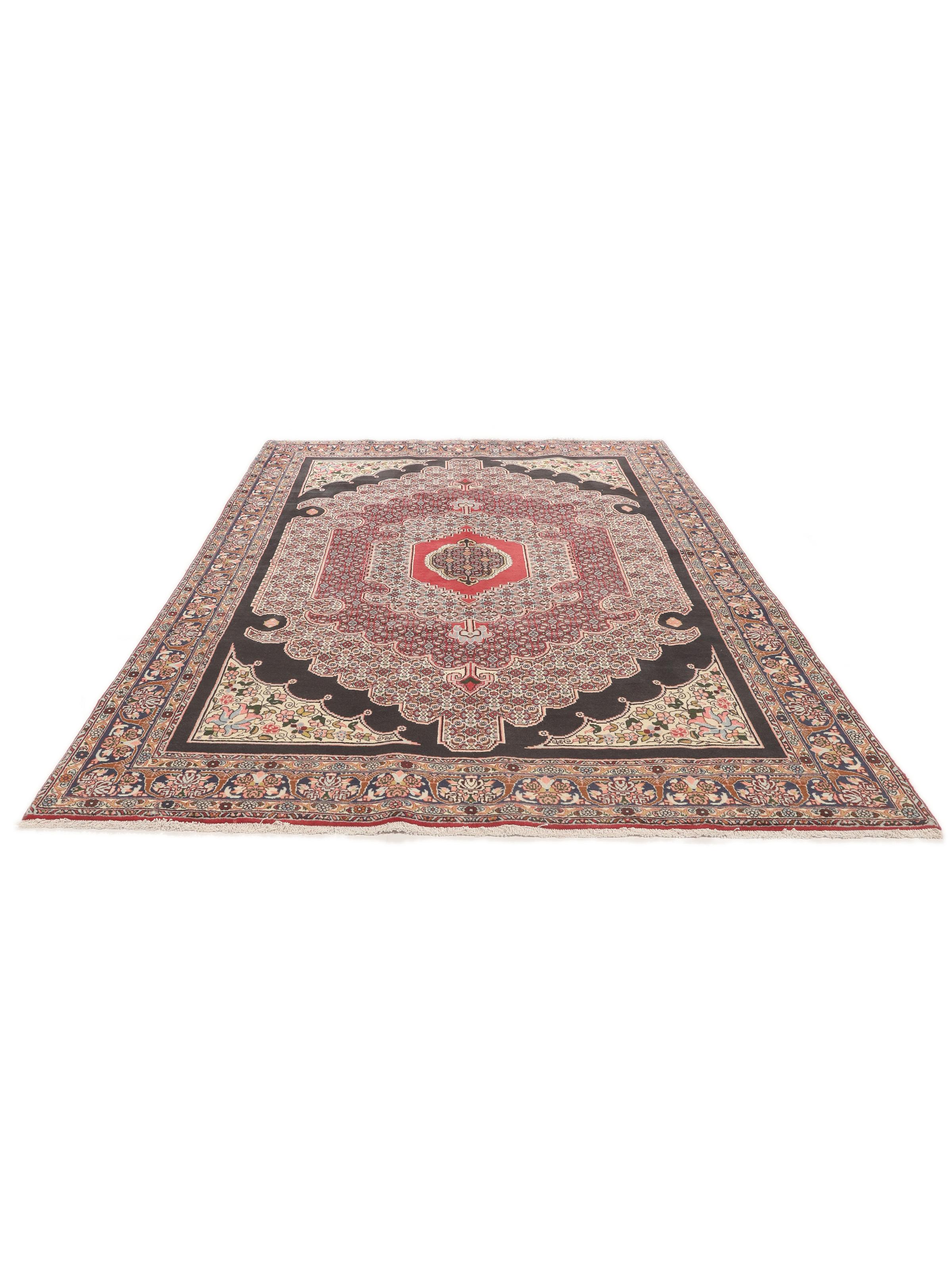
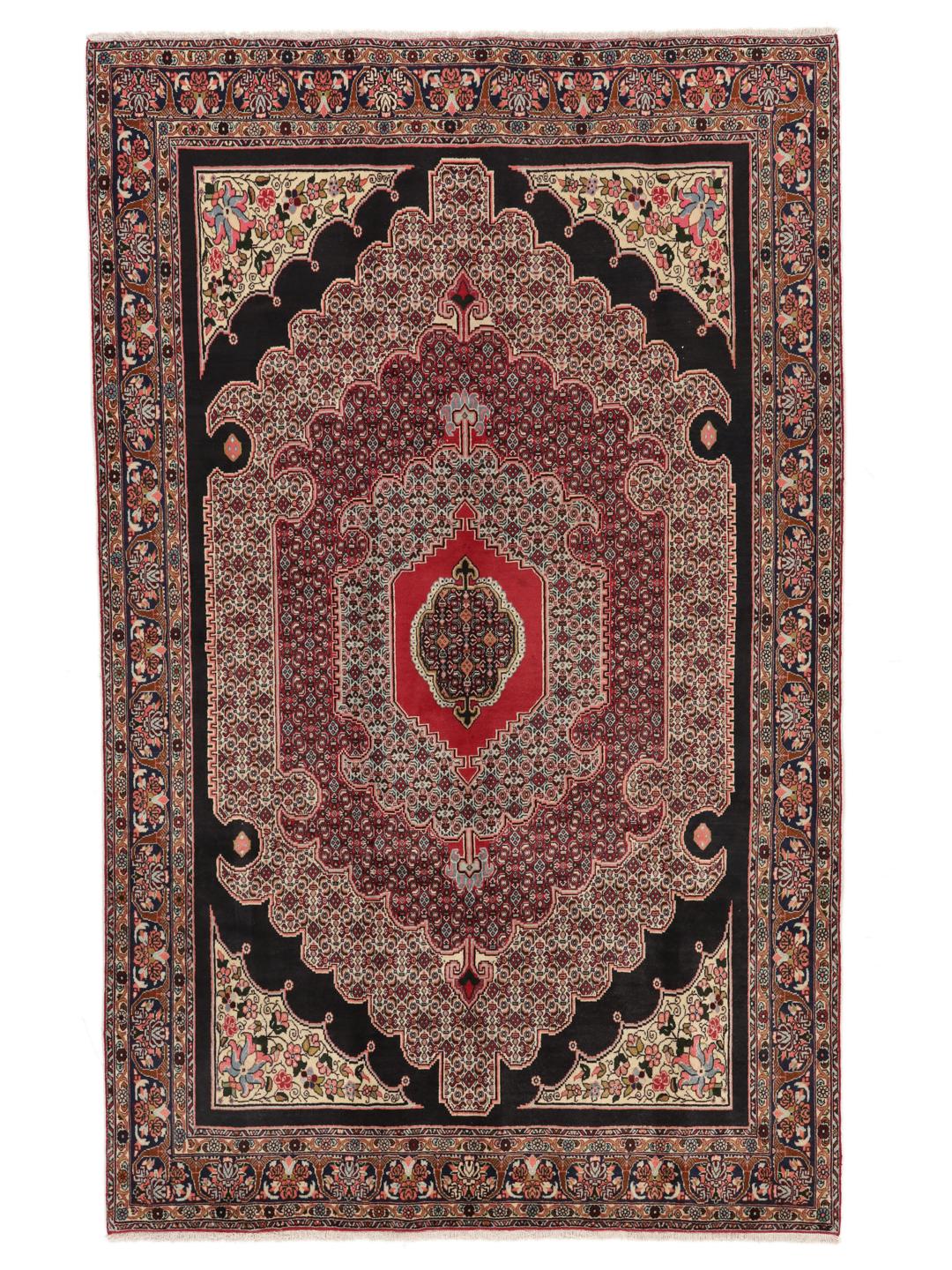
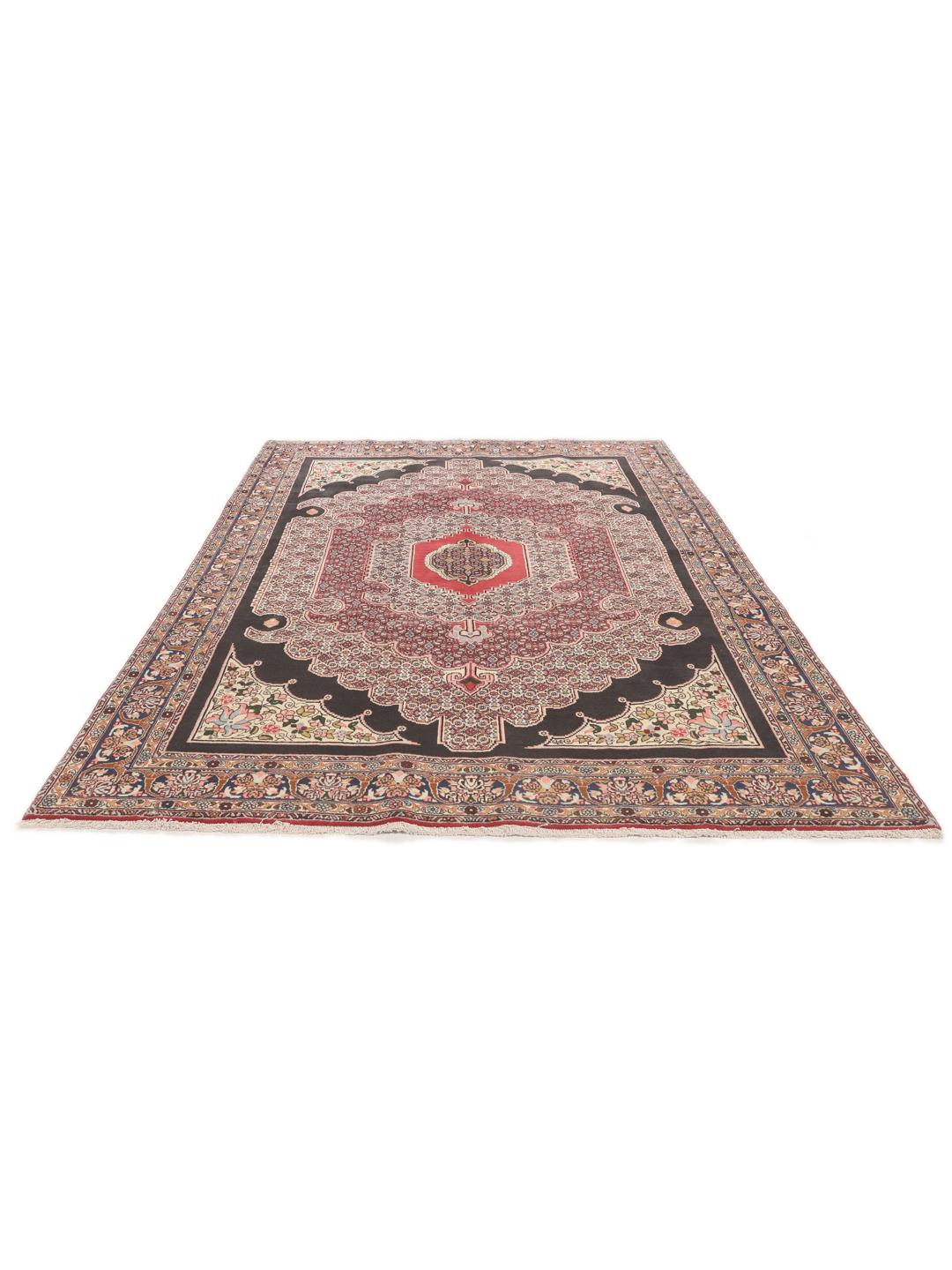
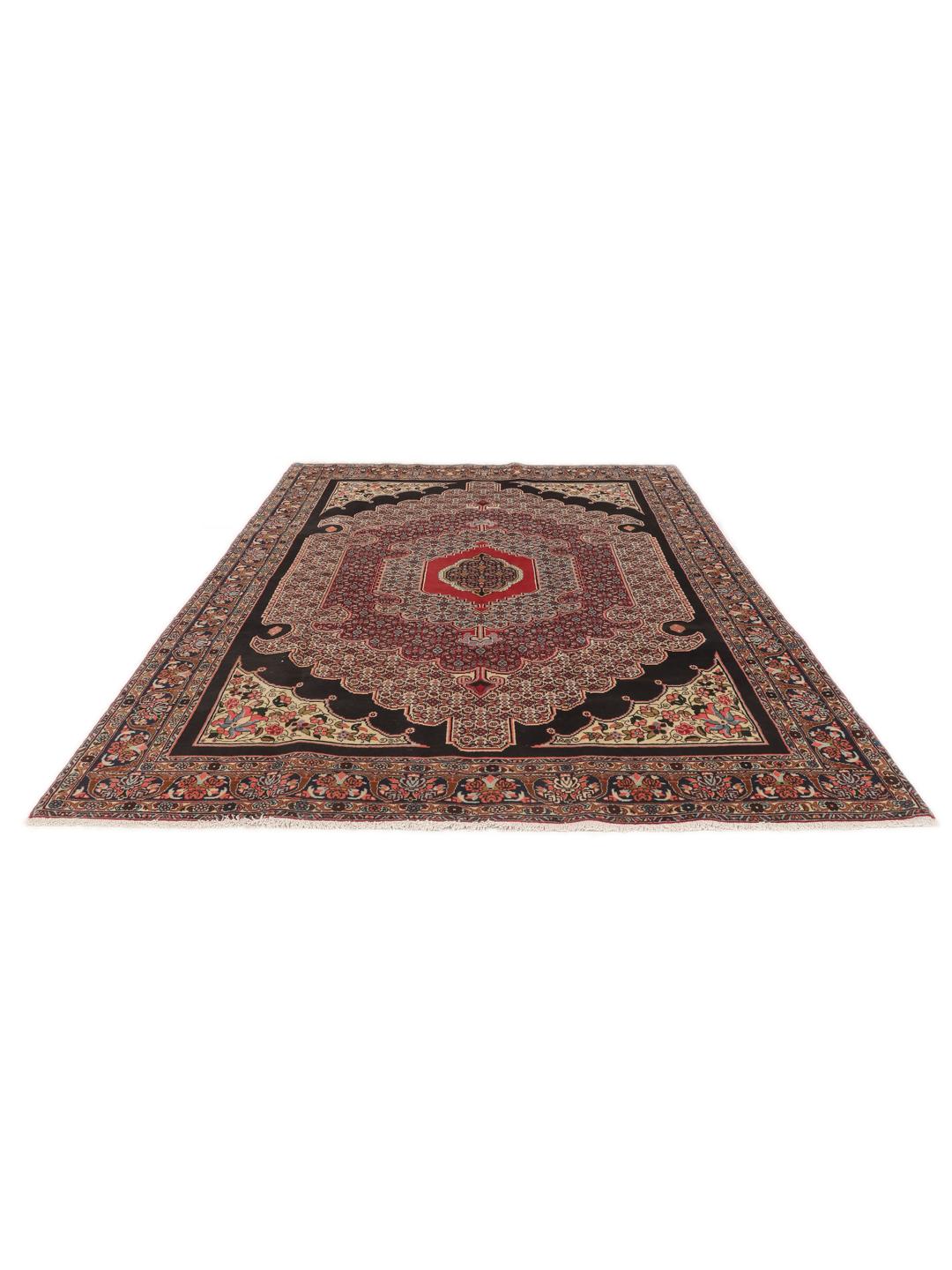
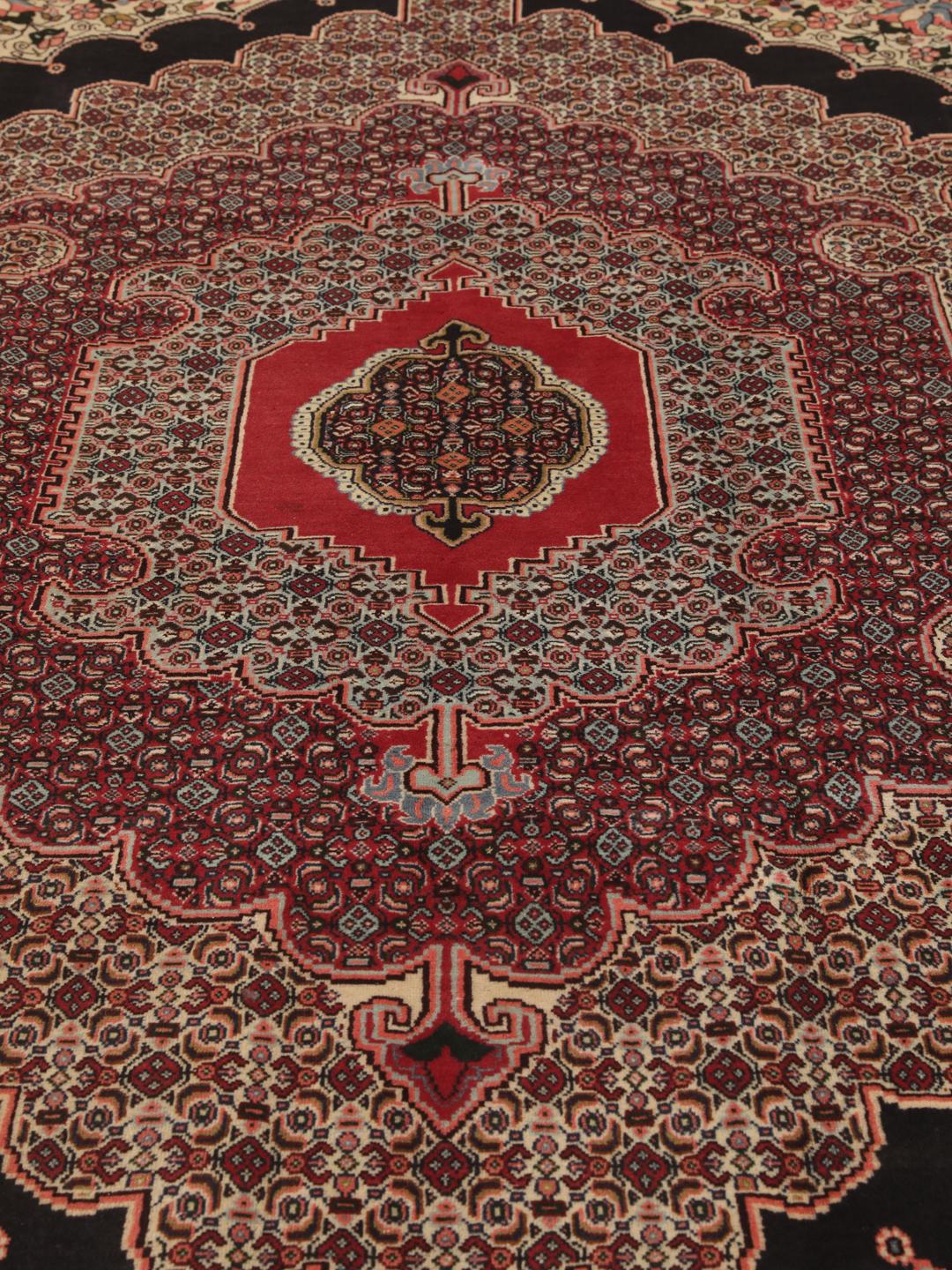
The Senneh rug tradition originates from the city of Sanandaj in the Kurdistan region of the Middle East. Historically, this area has been a vital hub for textile arts, with artisans known for their ability to weave exceptionally fine and detailed rugs. The Senneh style is deeply ingrained in the cultural fabric of the region, representing a heritage of precision that has been celebrated by collectors and enthusiasts for generations.
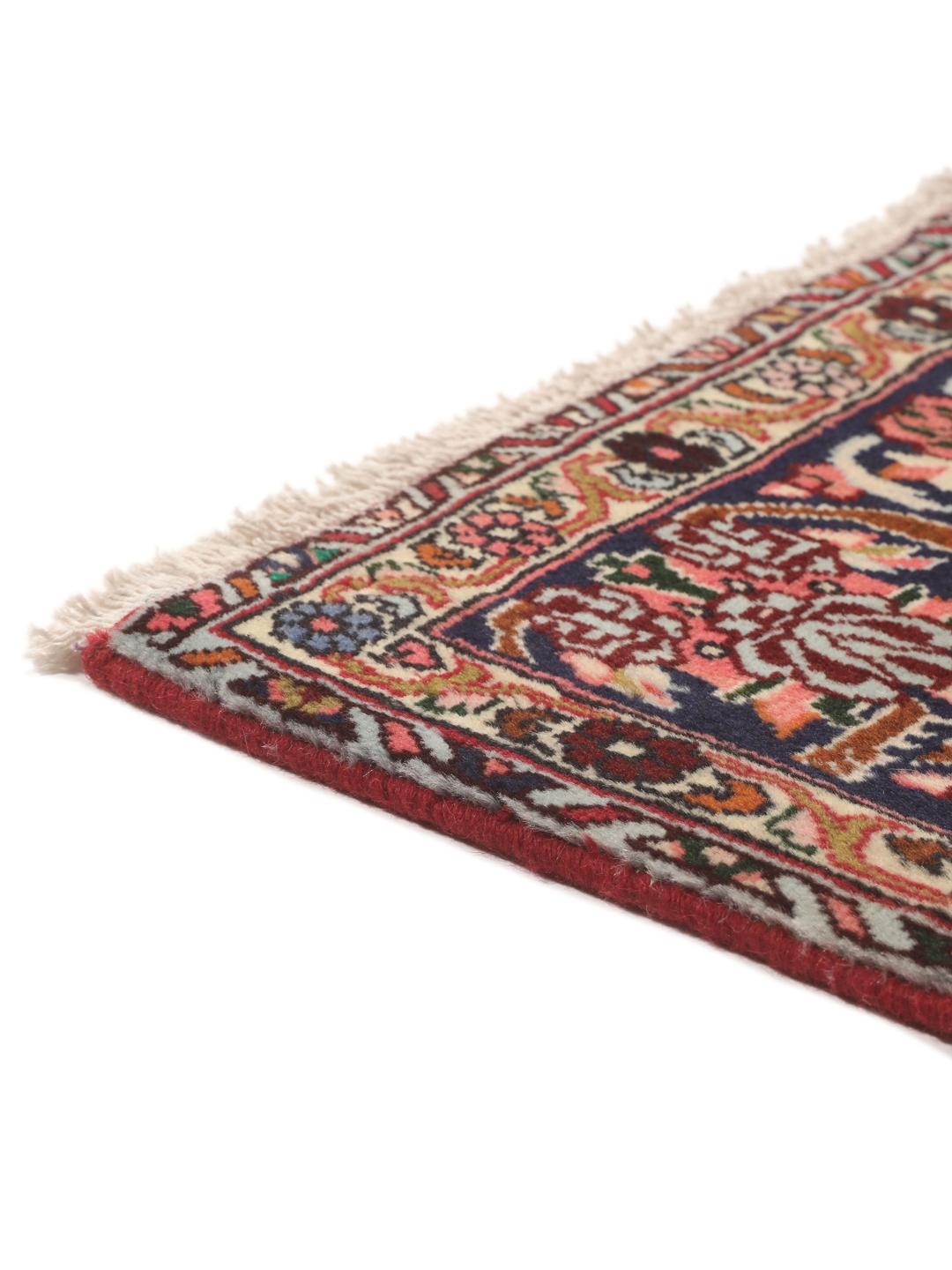
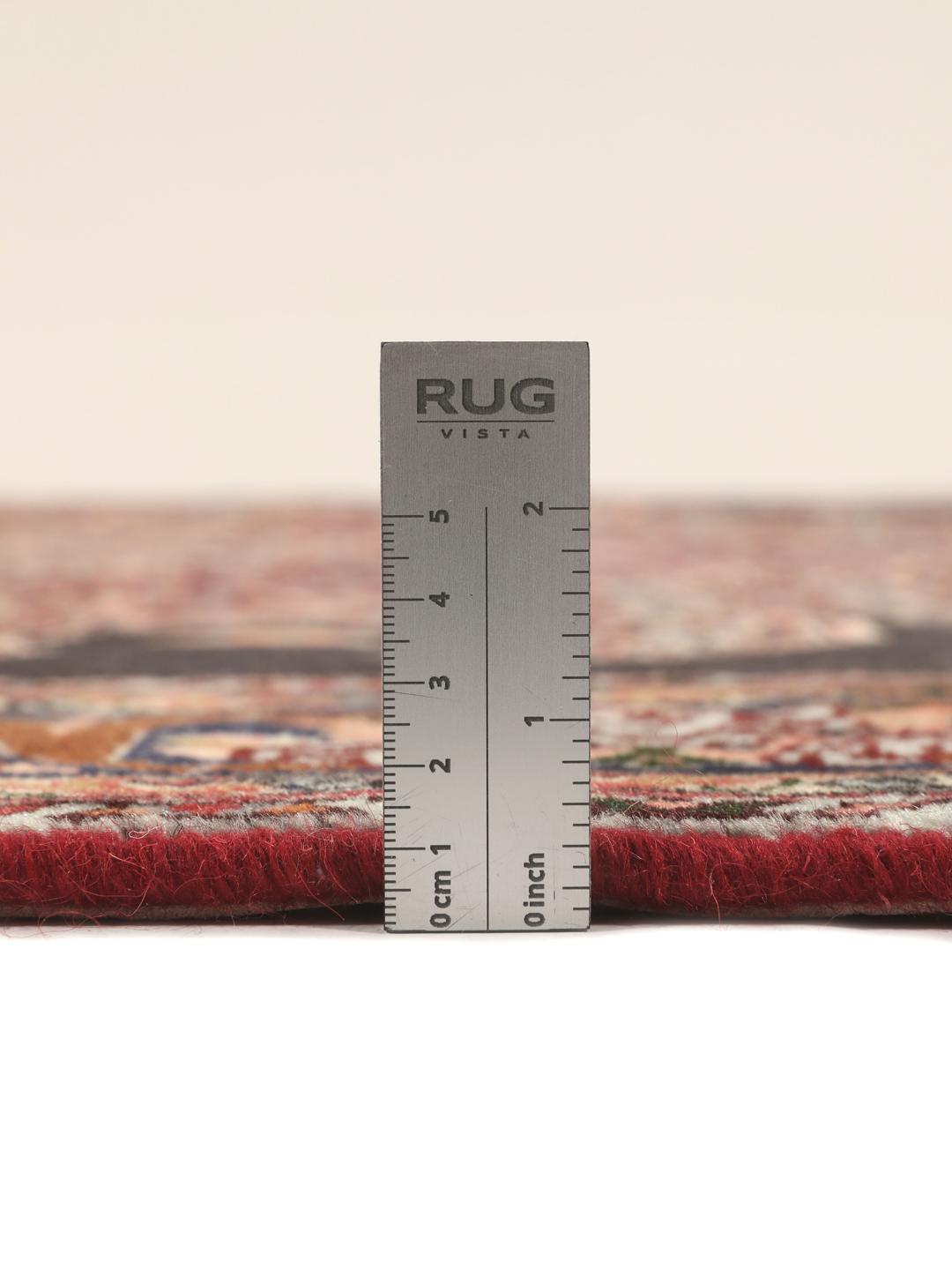
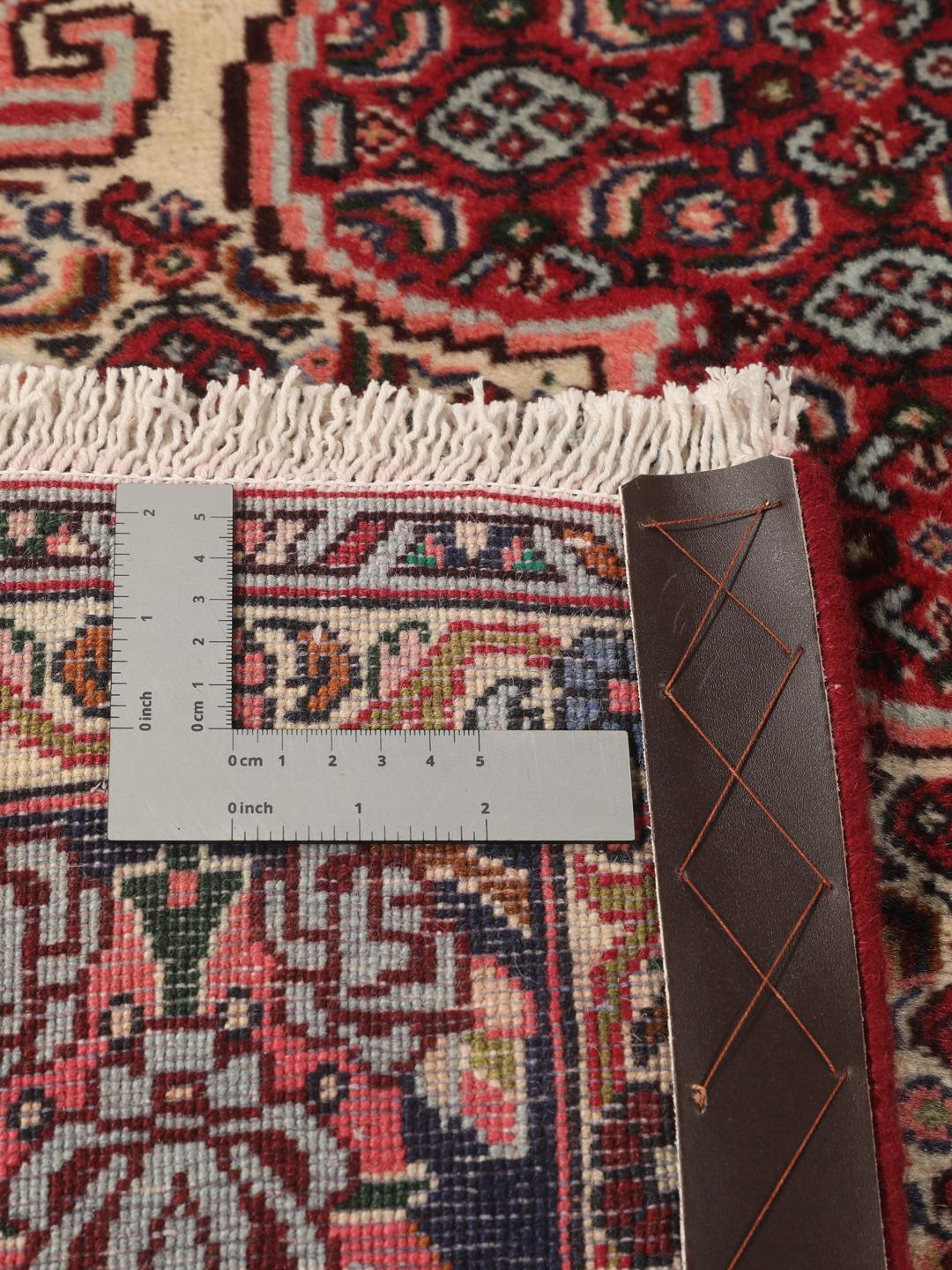
Technically, the Senneh style is distinguished by its unique approach to the foundation. Weavers often use a technique that results in a very compact and firm rug, which allows for the creation of delicate and fluid designs that might be difficult to achieve in other styles. This structural density is a hallmark of the craft, ensuring that the rug is not only visually striking but also remarkably robust against wear and tear.
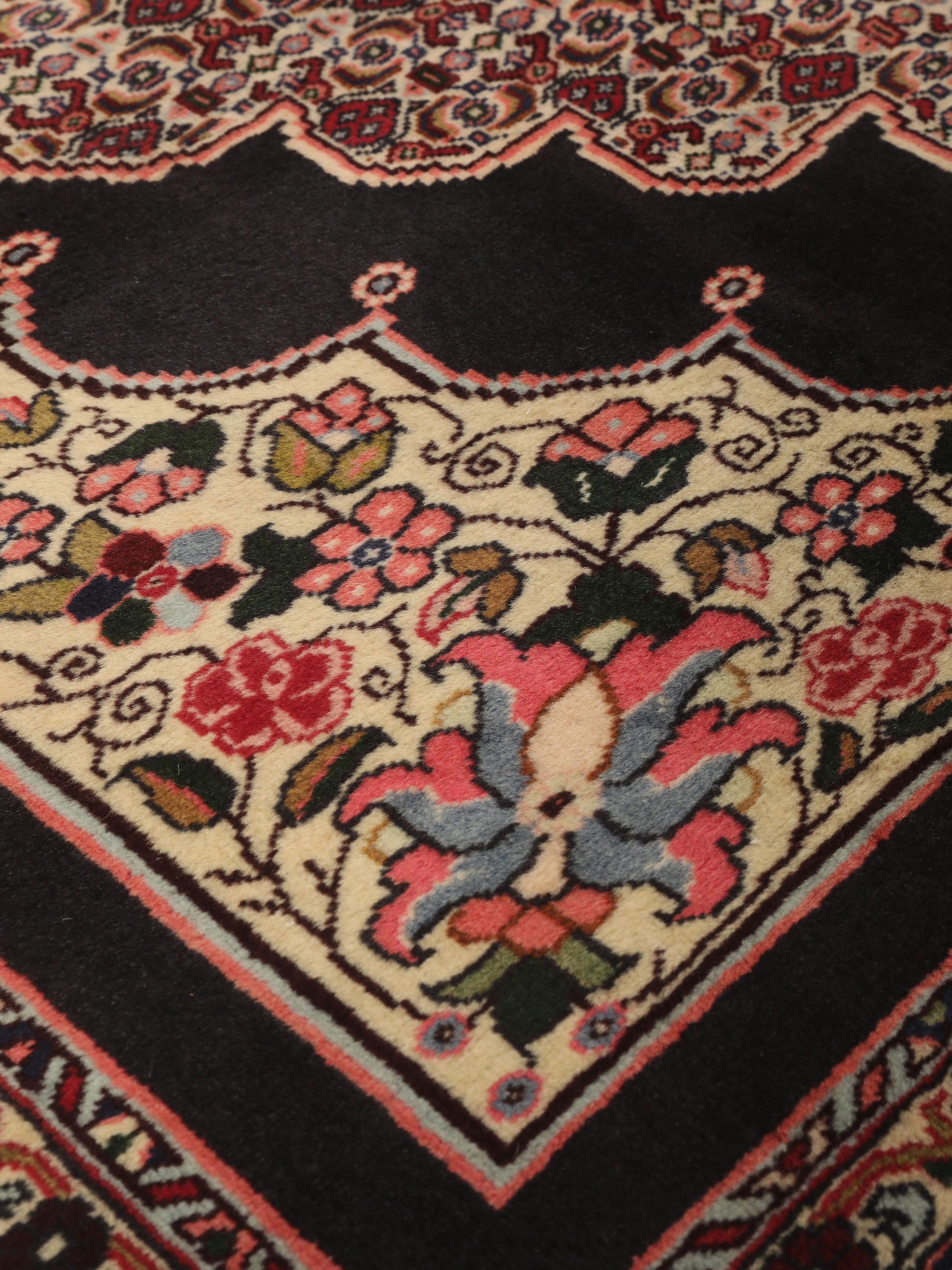
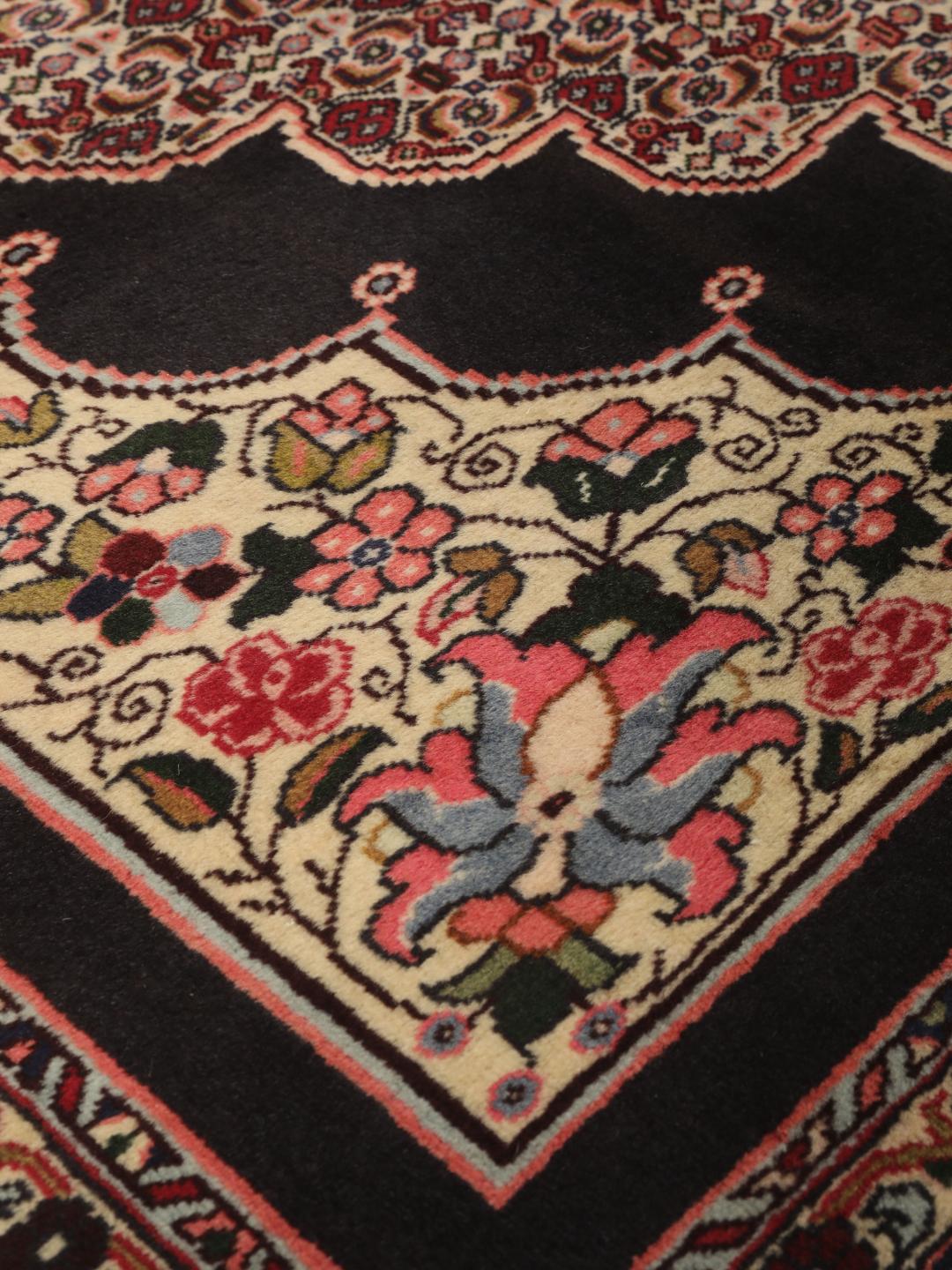
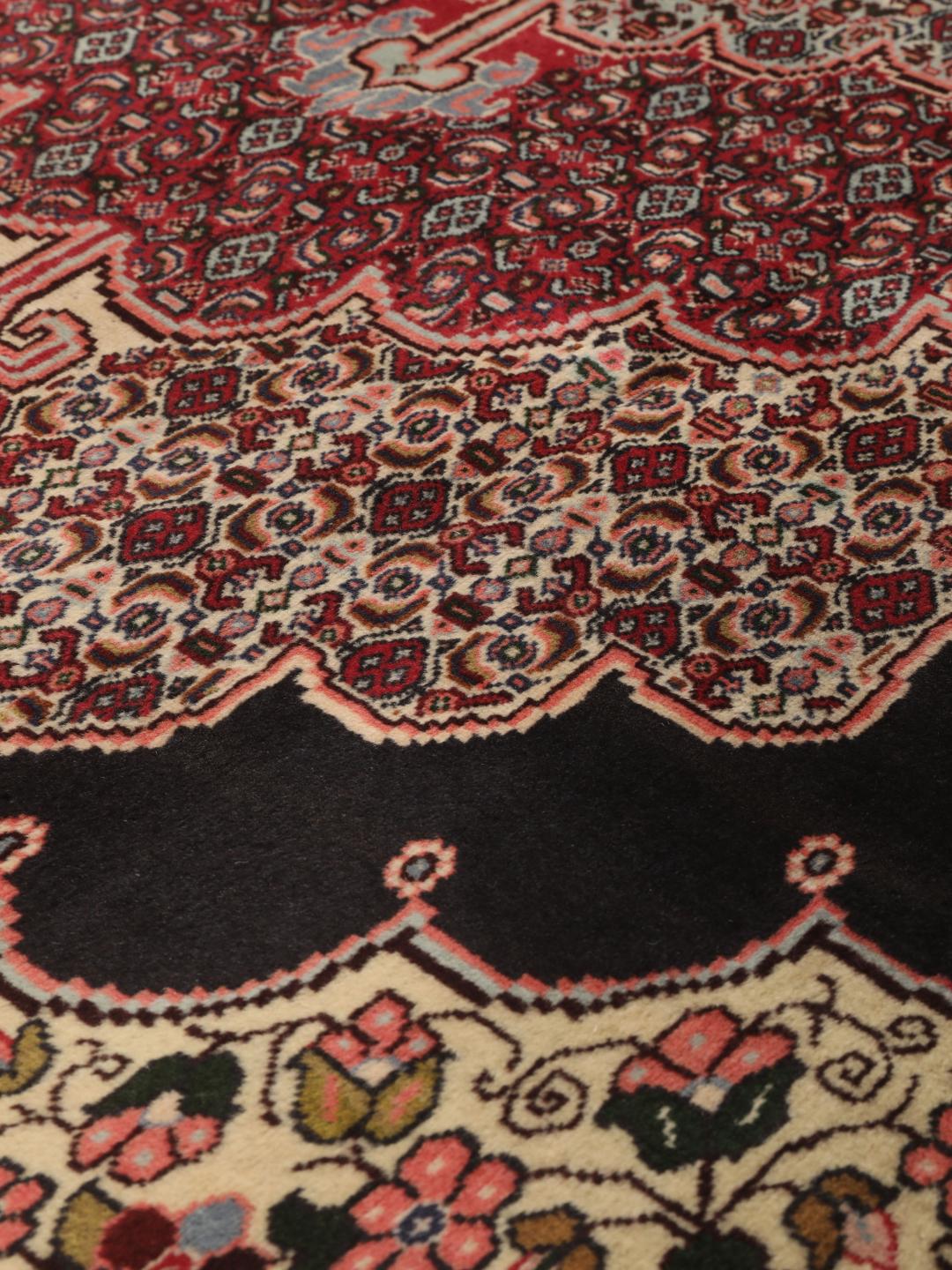
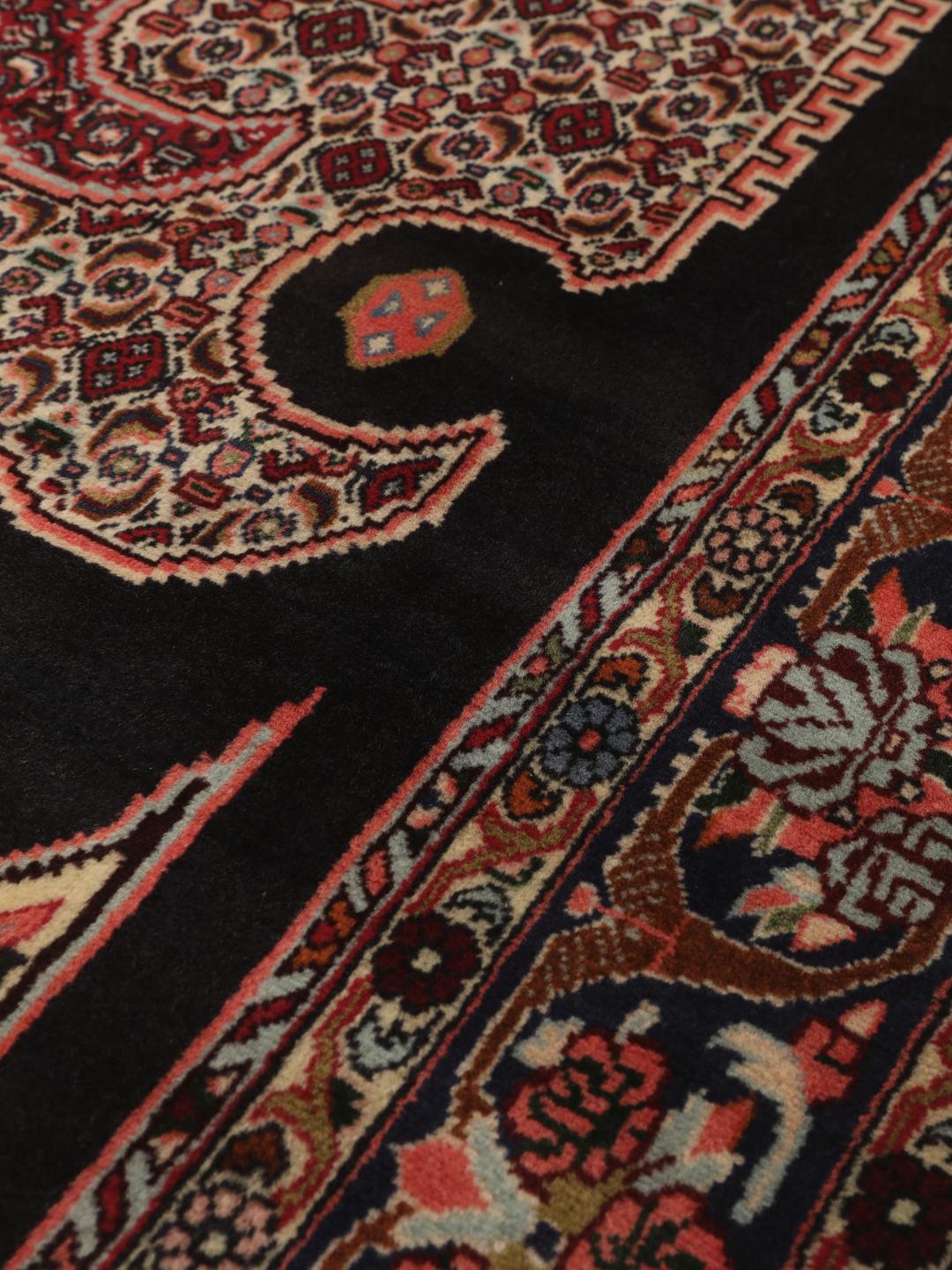
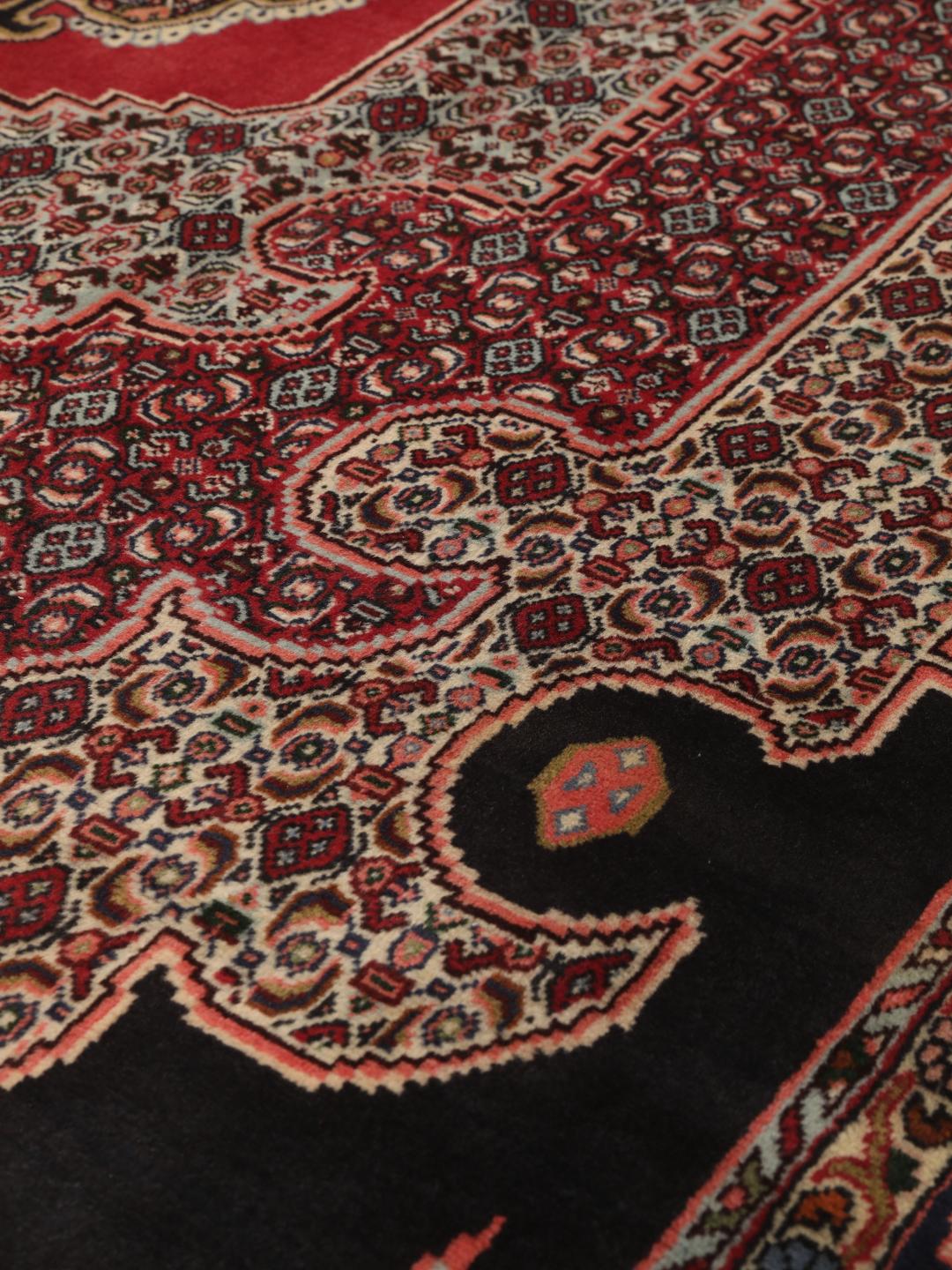
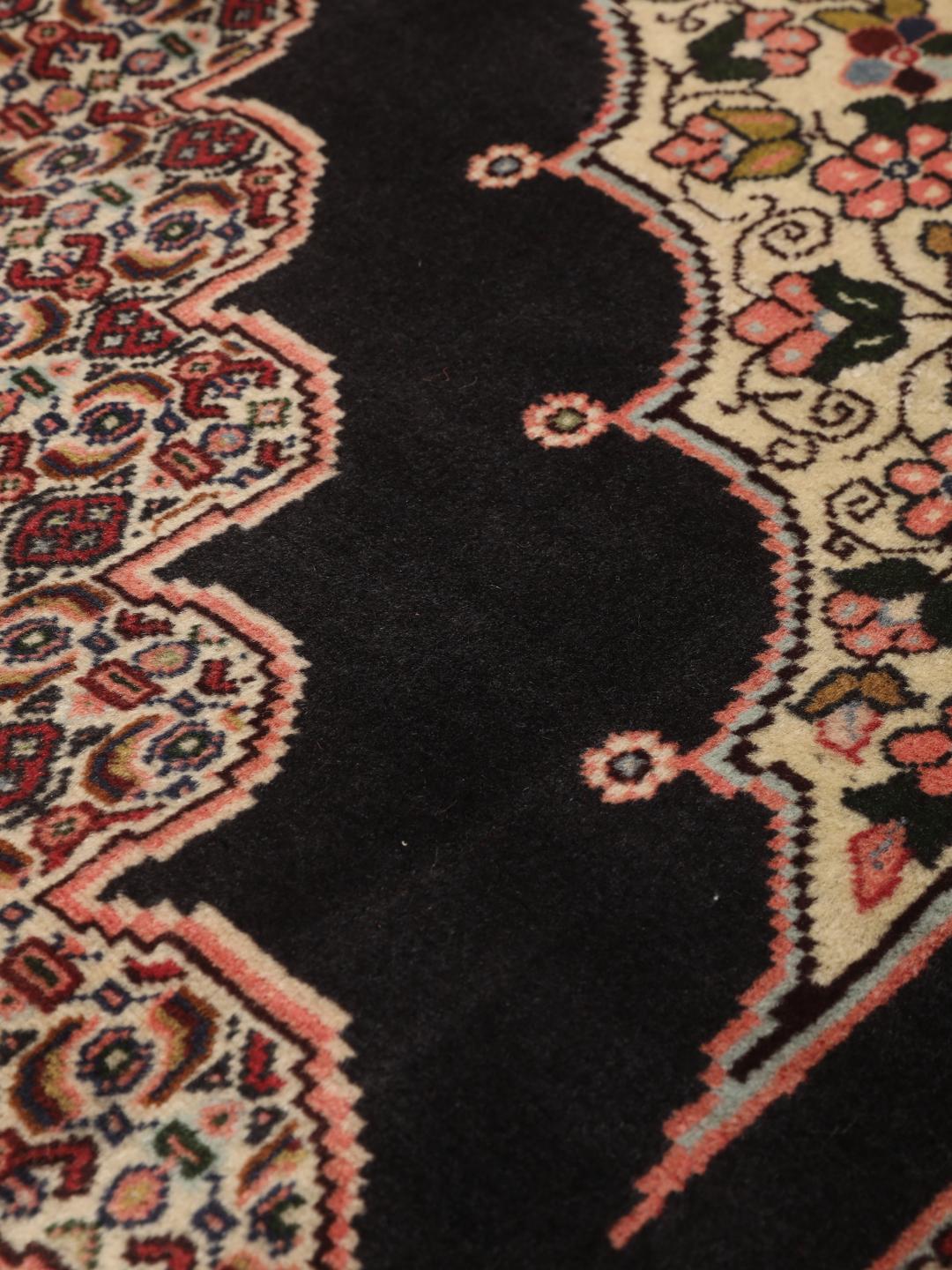
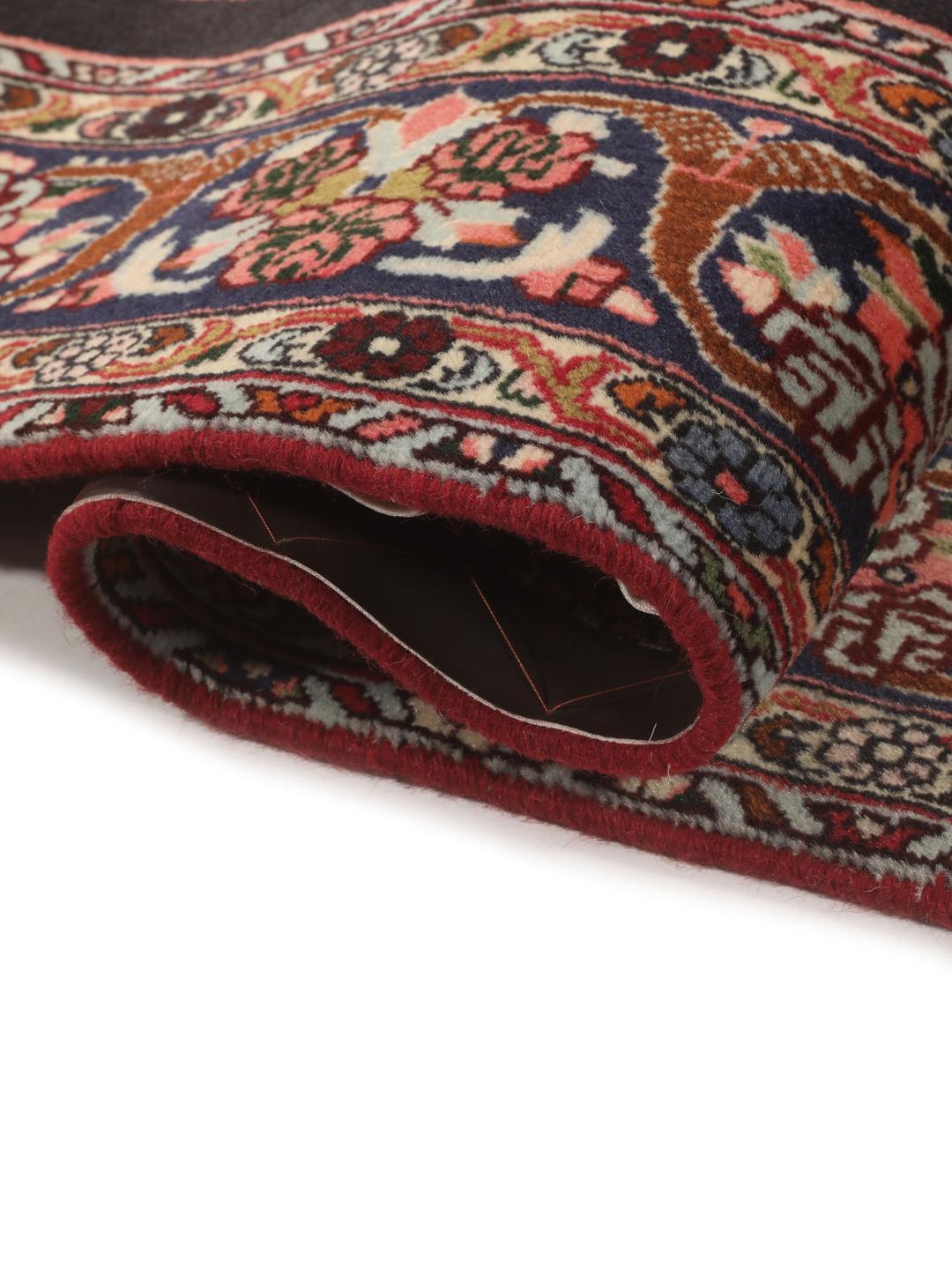
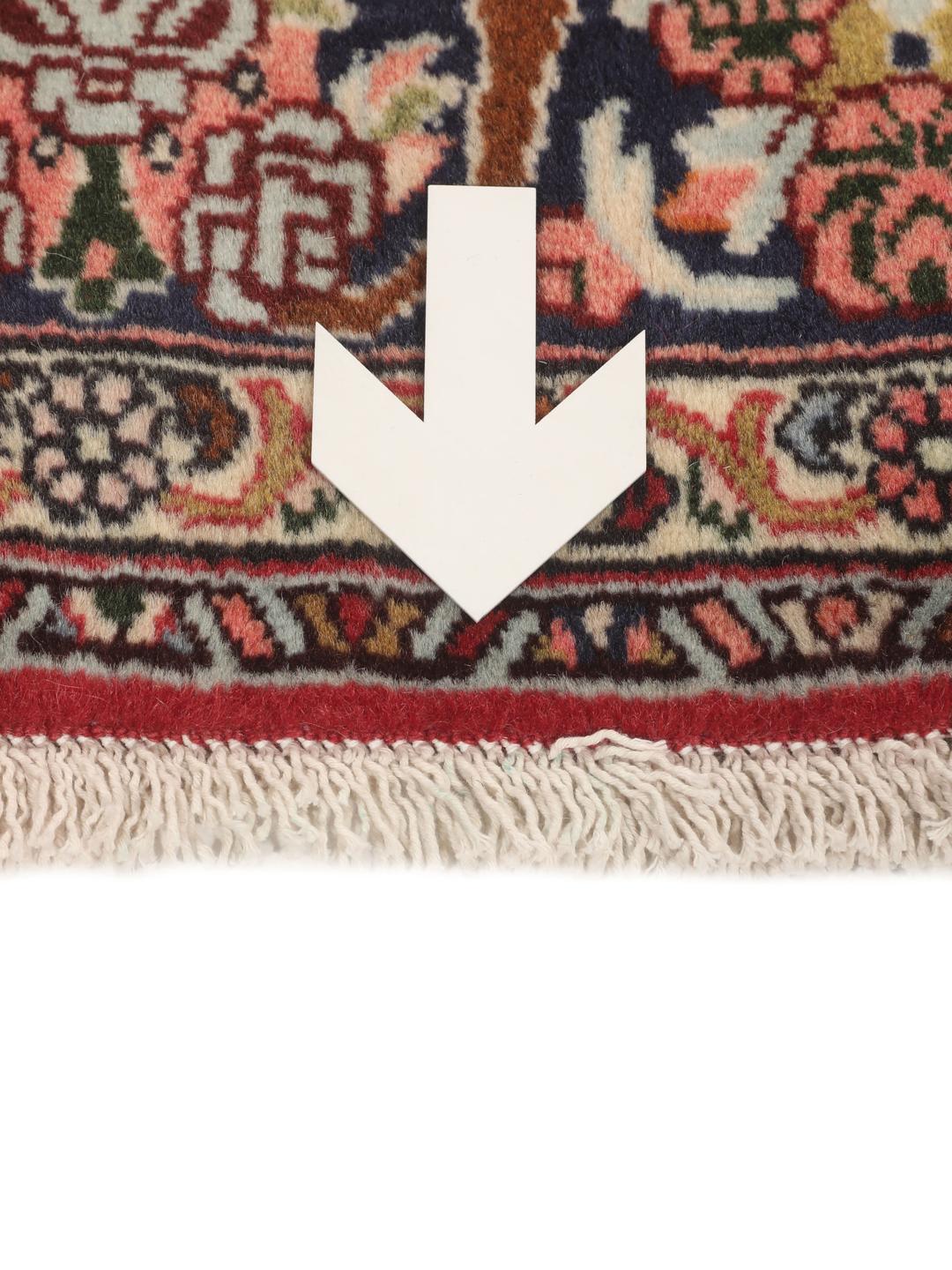
Design-wise, these rugs are famous for their sophisticated use of medallions and floral motifs. Often, the central medallion is mirrored or complemented by a busy, intricate field filled with stylised flowers, leaves, or the classic herati pattern. The borders are typically just as detailed, framing the central design with repeating motifs that create a sense of balance and harmony. This specific rug features a bold colour palette that highlights these traditional patterns beautifully.
Collecting a Senneh rug is an appreciation of a long-standing artistic lineage. These pieces are valued for their technical excellence and the cultural narrative they carry, making them more than just interior decor. Owning a piece from this tradition means preserving a craft that requires a deep understanding of geometry, colour theory, and manual skill, ensuring that this legacy continues to thrive in modern homes.