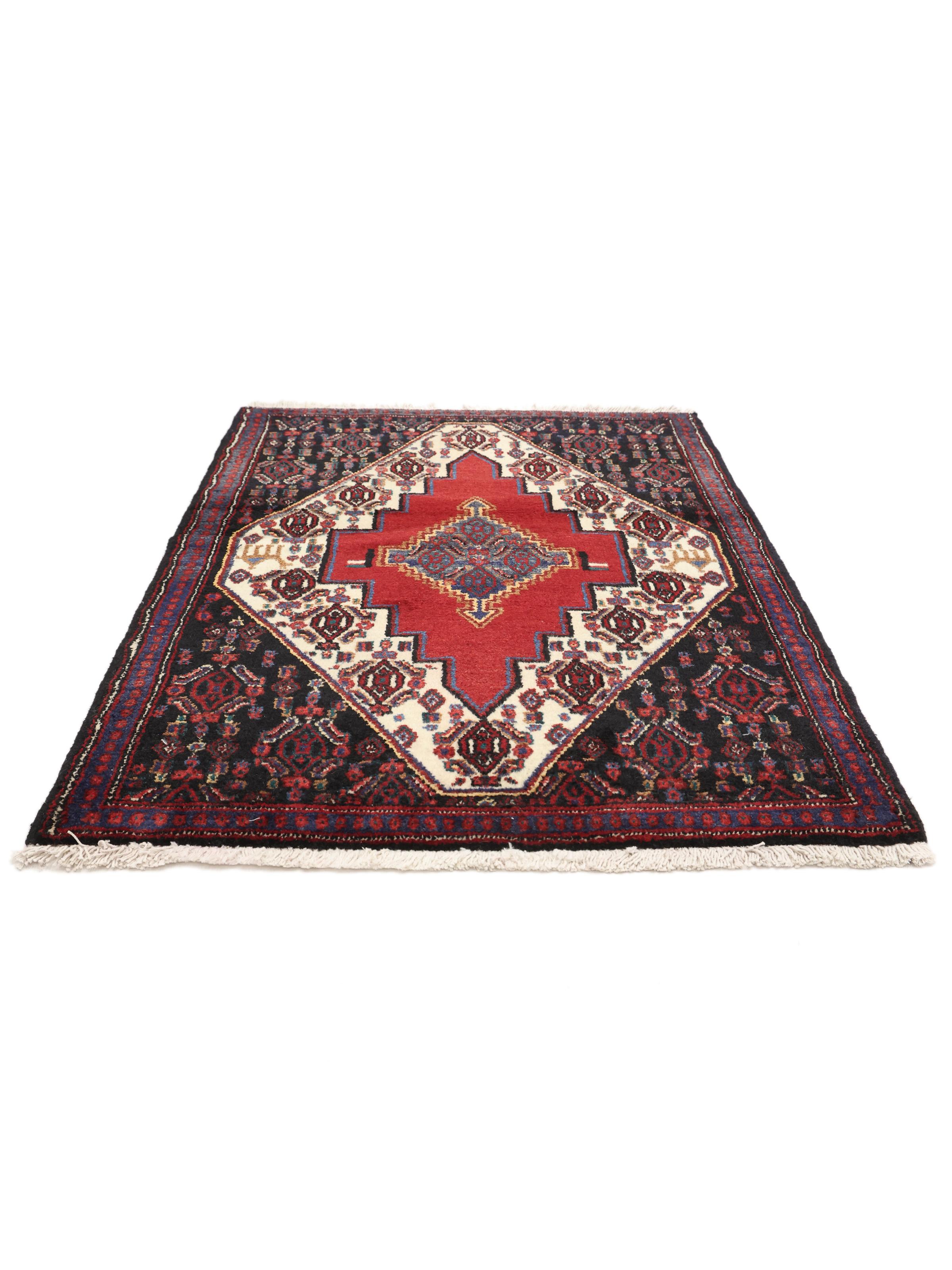
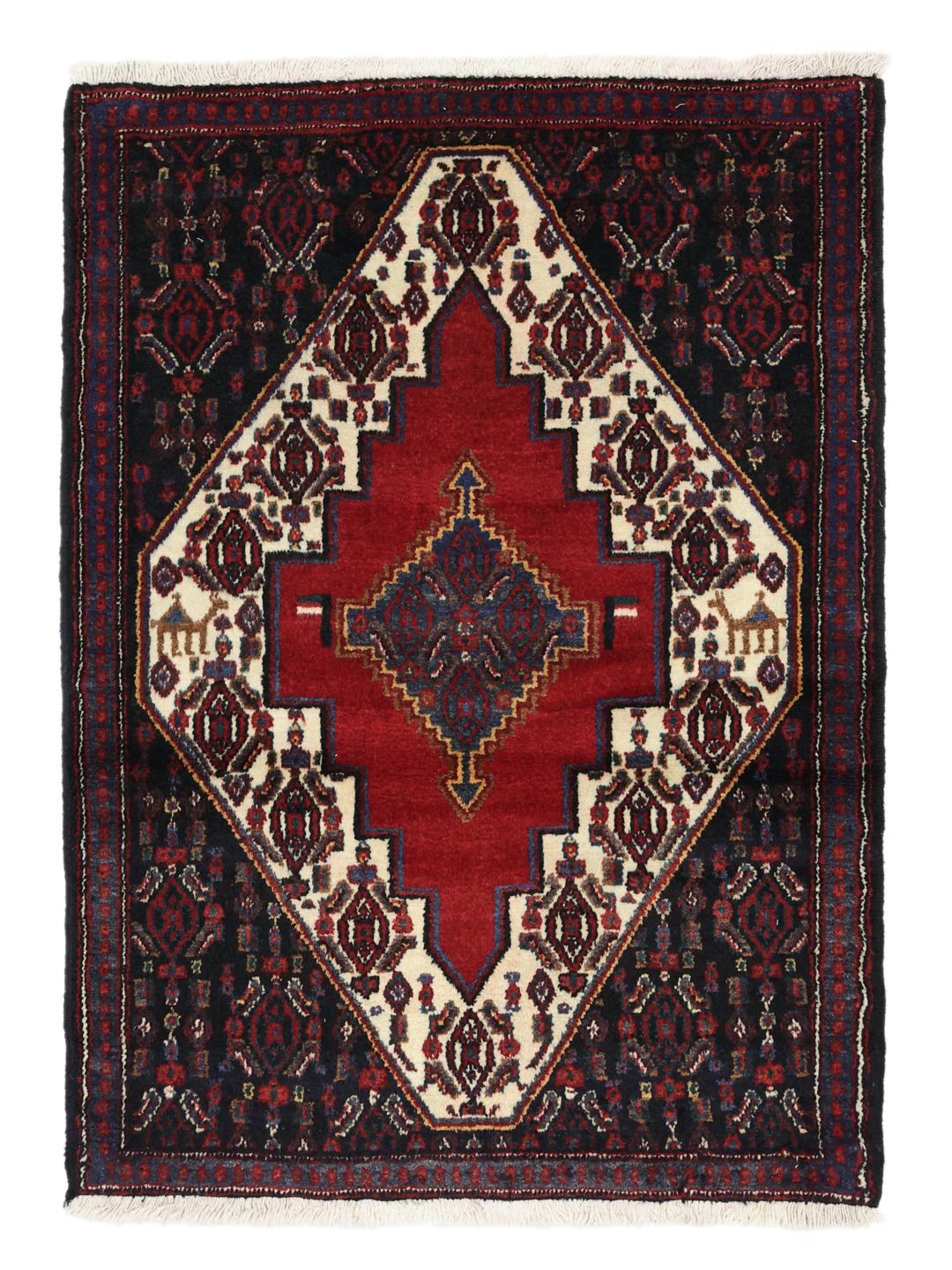
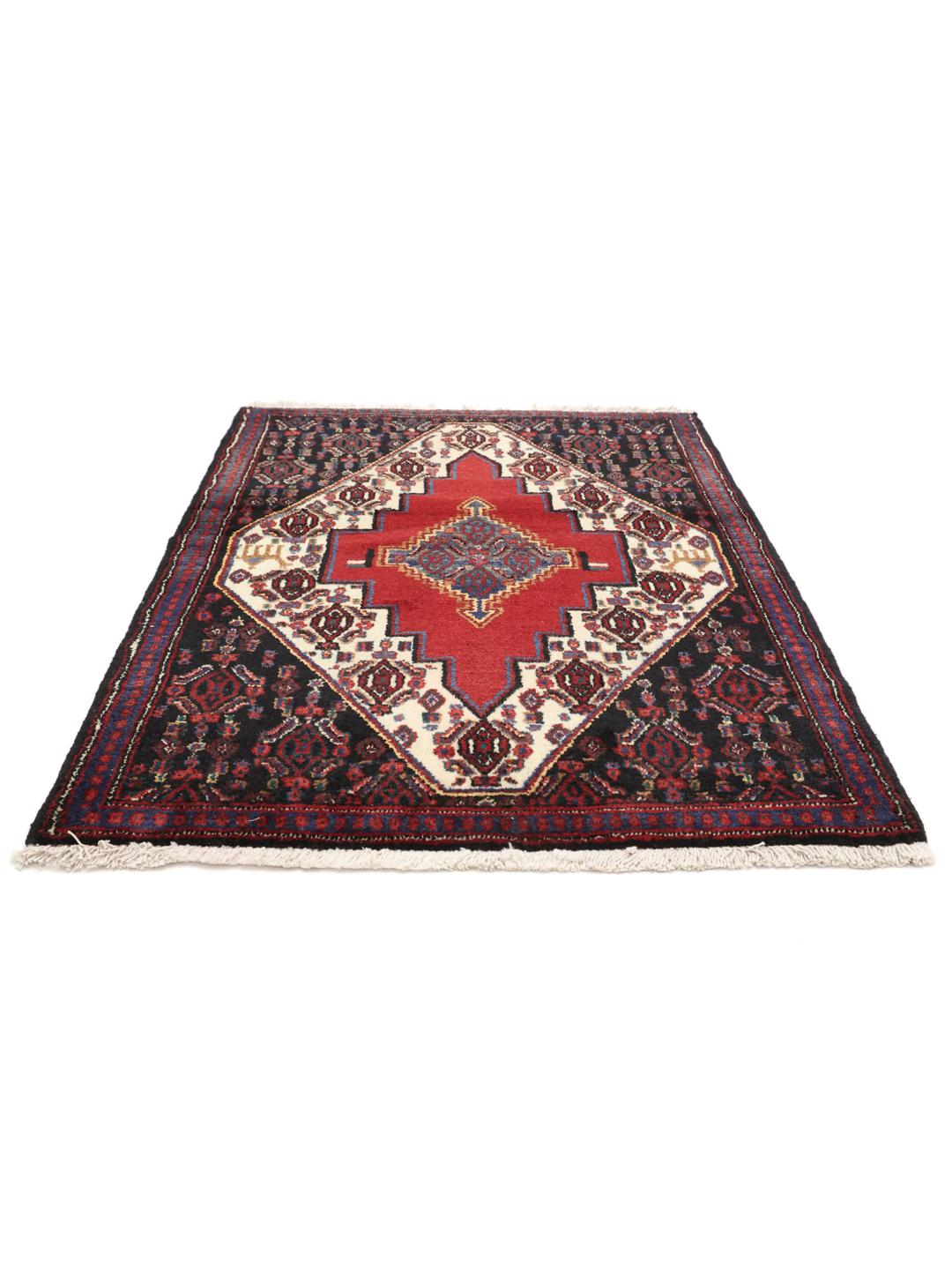
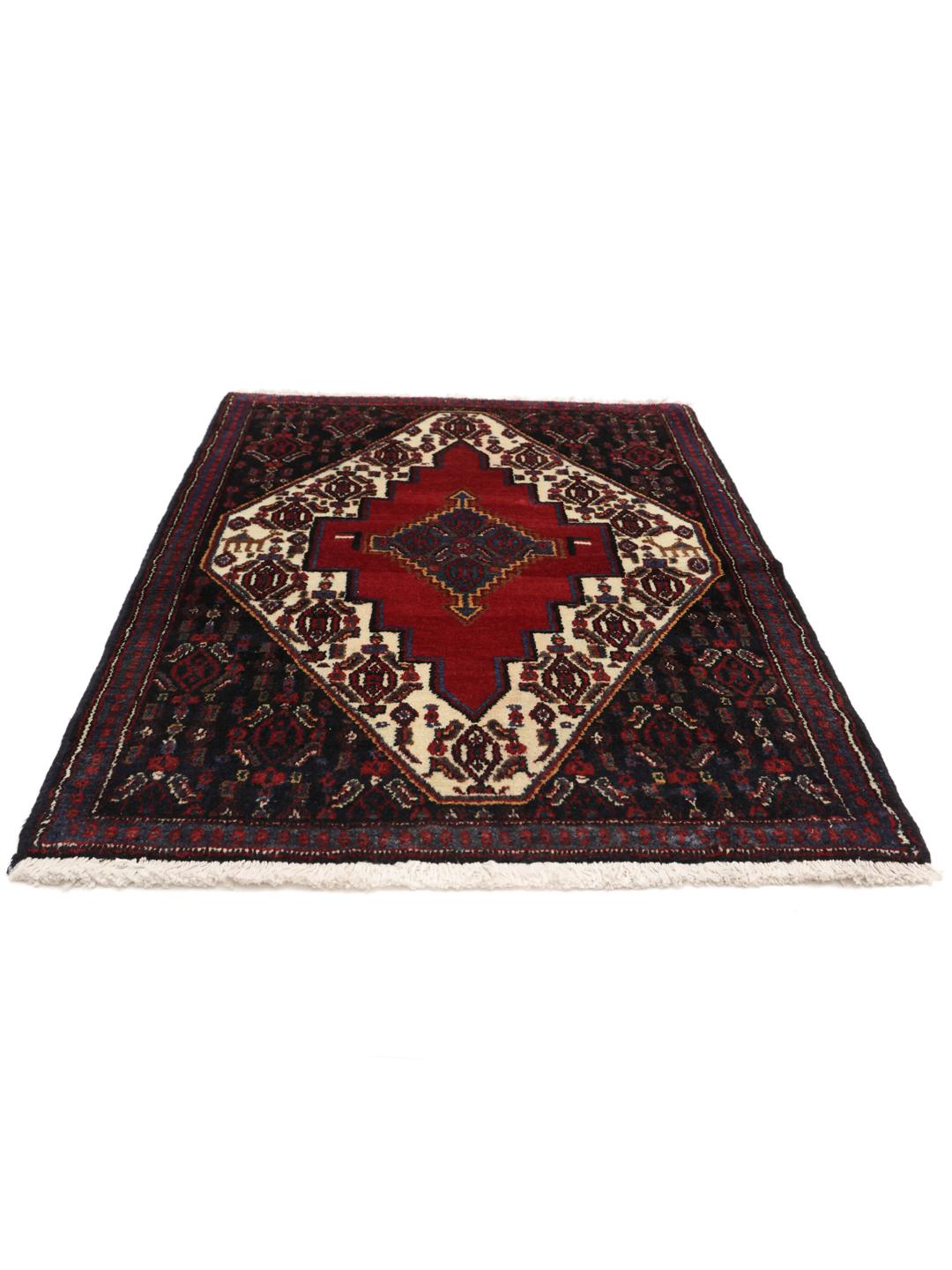
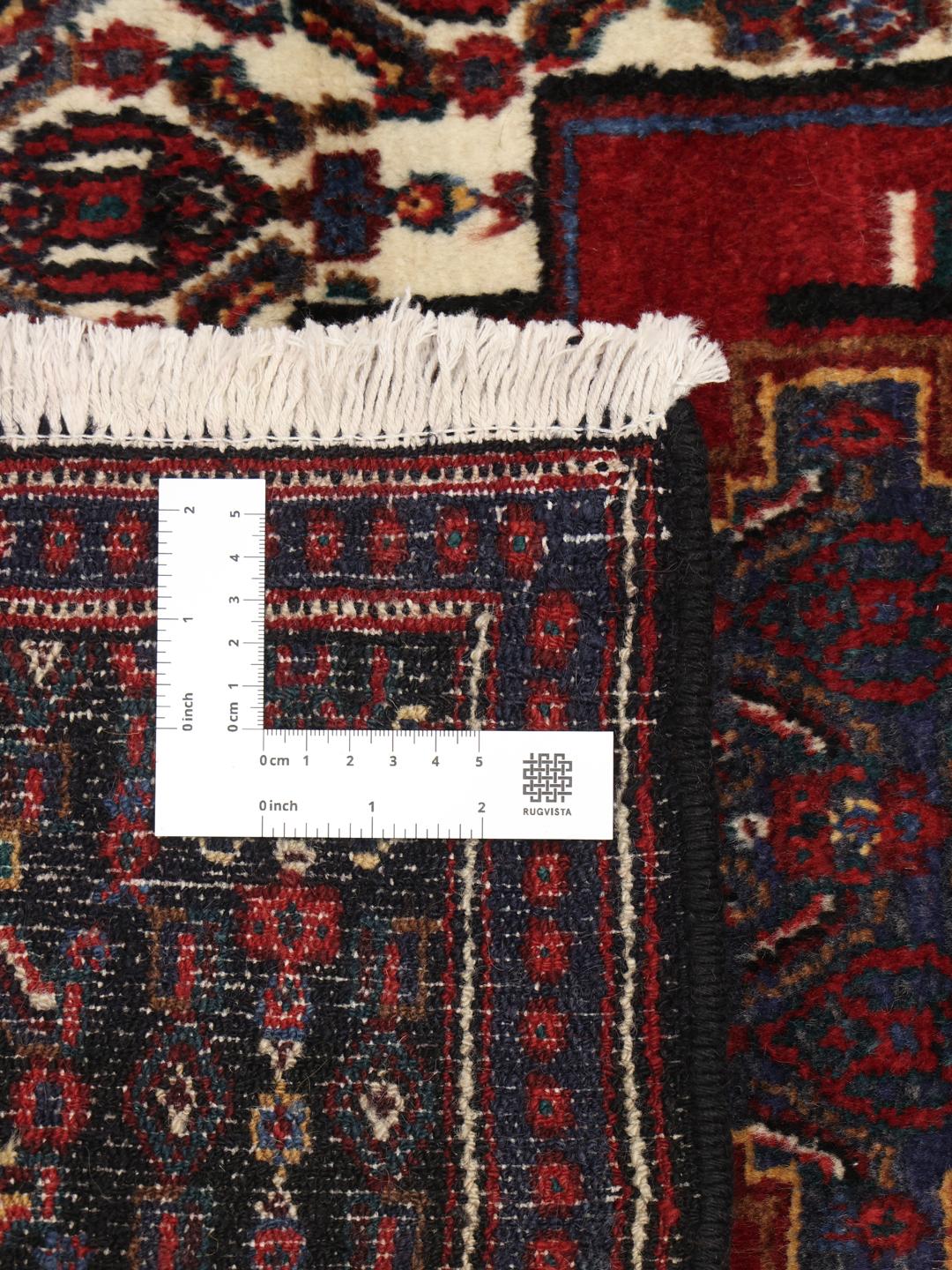
Senneh rugs originate from the Sanandaj region in the Middle East, a city with a deep-rooted history of textile artistry. Traditionally, these rugs are celebrated for their sophisticated knotting techniques and their ability to blend complex floral and geometric motifs into a cohesive, elegant whole. The region has long been a hub for weavers who pass down their skills through generations, maintaining a distinct aesthetic identity that is recognised by collectors worldwide.
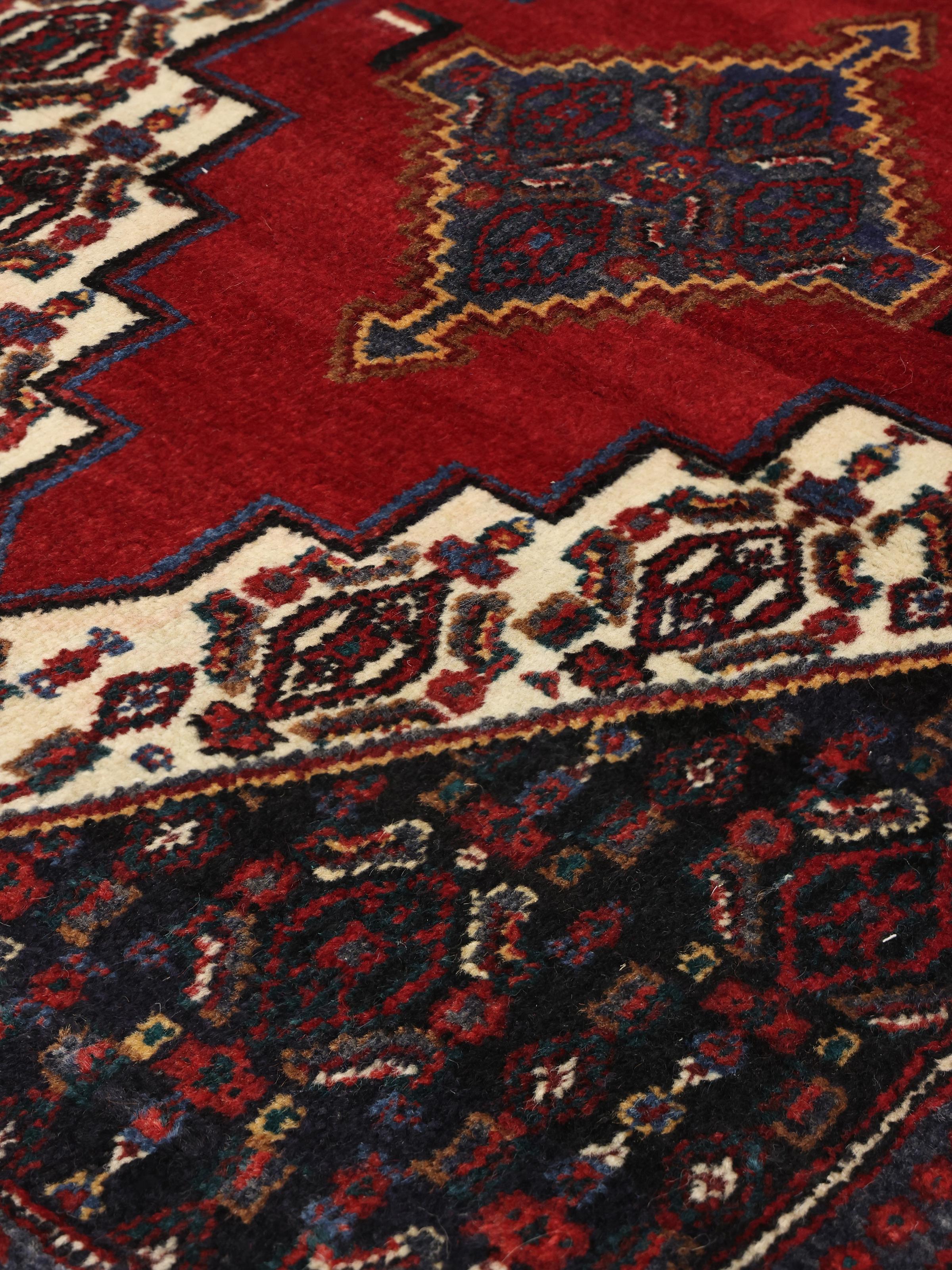
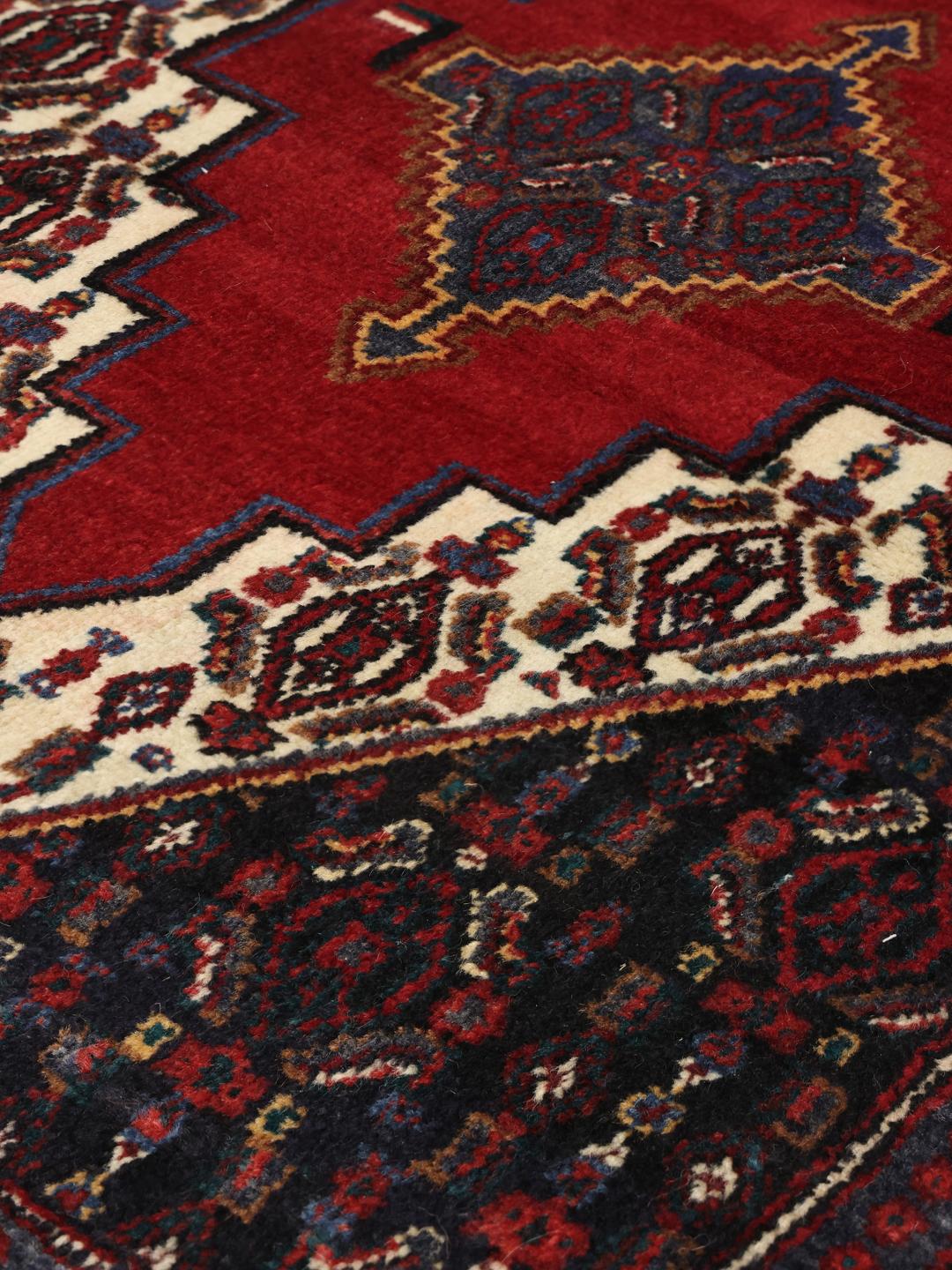
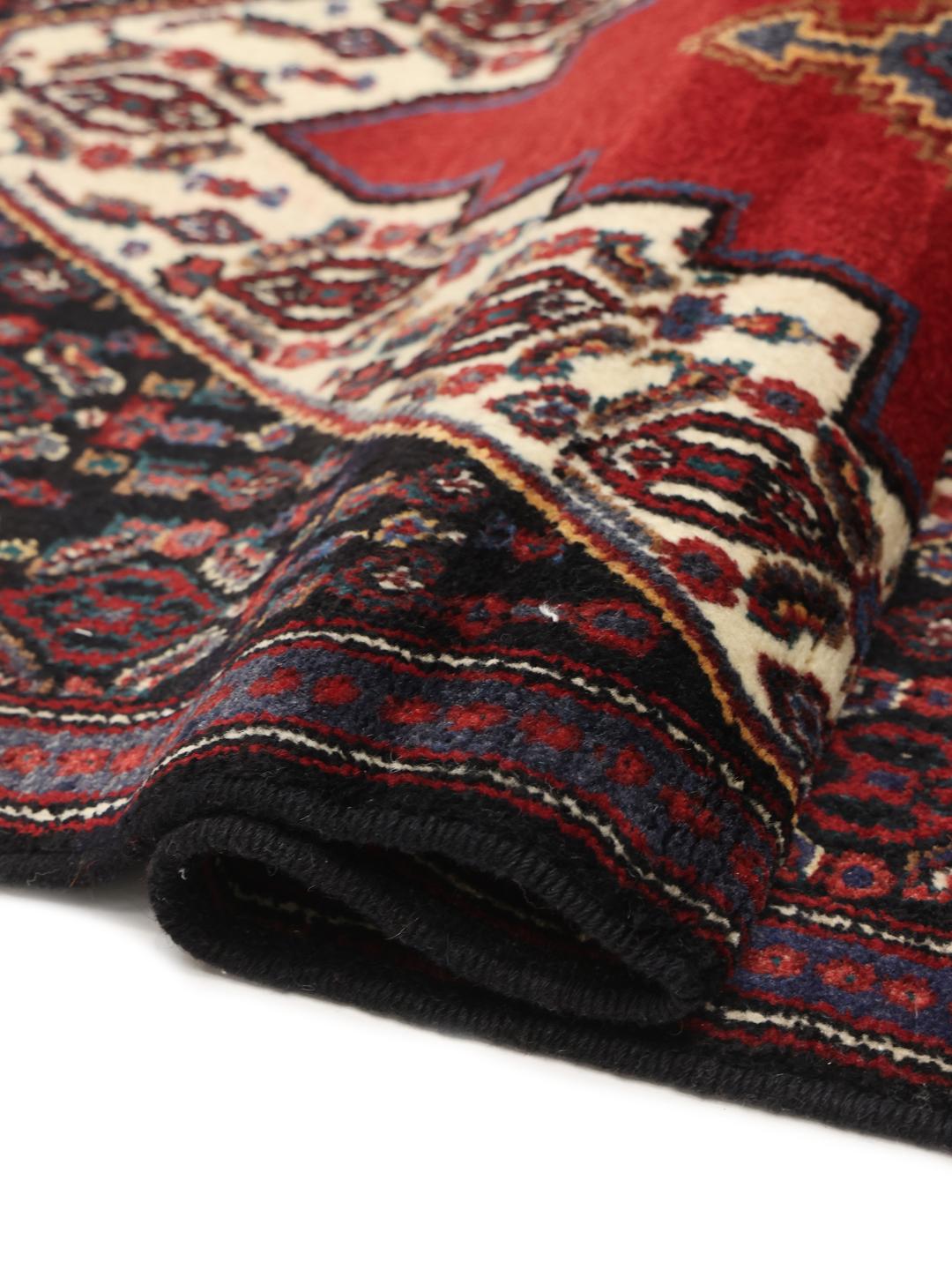
The term Senneh refers not only to the origin but also to a specific, high-quality style of weaving. These rugs are often known for their fine, dense pile and their sturdy construction, which is achieved through careful attention to the tension of the foundation. This technical precision is what allows for the sharp, well-defined patterns that characterise the tradition, ensuring that the visual impact of the design remains strong even after decades of use.
Visually, Senneh rugs are often defined by their intricate, repeating patterns and a refined colour palette. While many feature delicate floral sprays or the famous Herati motif, they also incorporate bold, centralised medallions that draw the eye. The balance between the busy, detailed field and the more structured, formal borders is a hallmark of this style, reflecting a design language that is both disciplined and expressive.
Collectors value these rugs for their historical significance and the immense skill required to produce them. Owning a piece from this tradition is an act of preserving a cultural heritage that prizes human ingenuity and the endurance of craft. They are more than just floor coverings; they are narratives of a region's artistic evolution, making them a meaningful addition to any home that appreciates history and lasting quality.