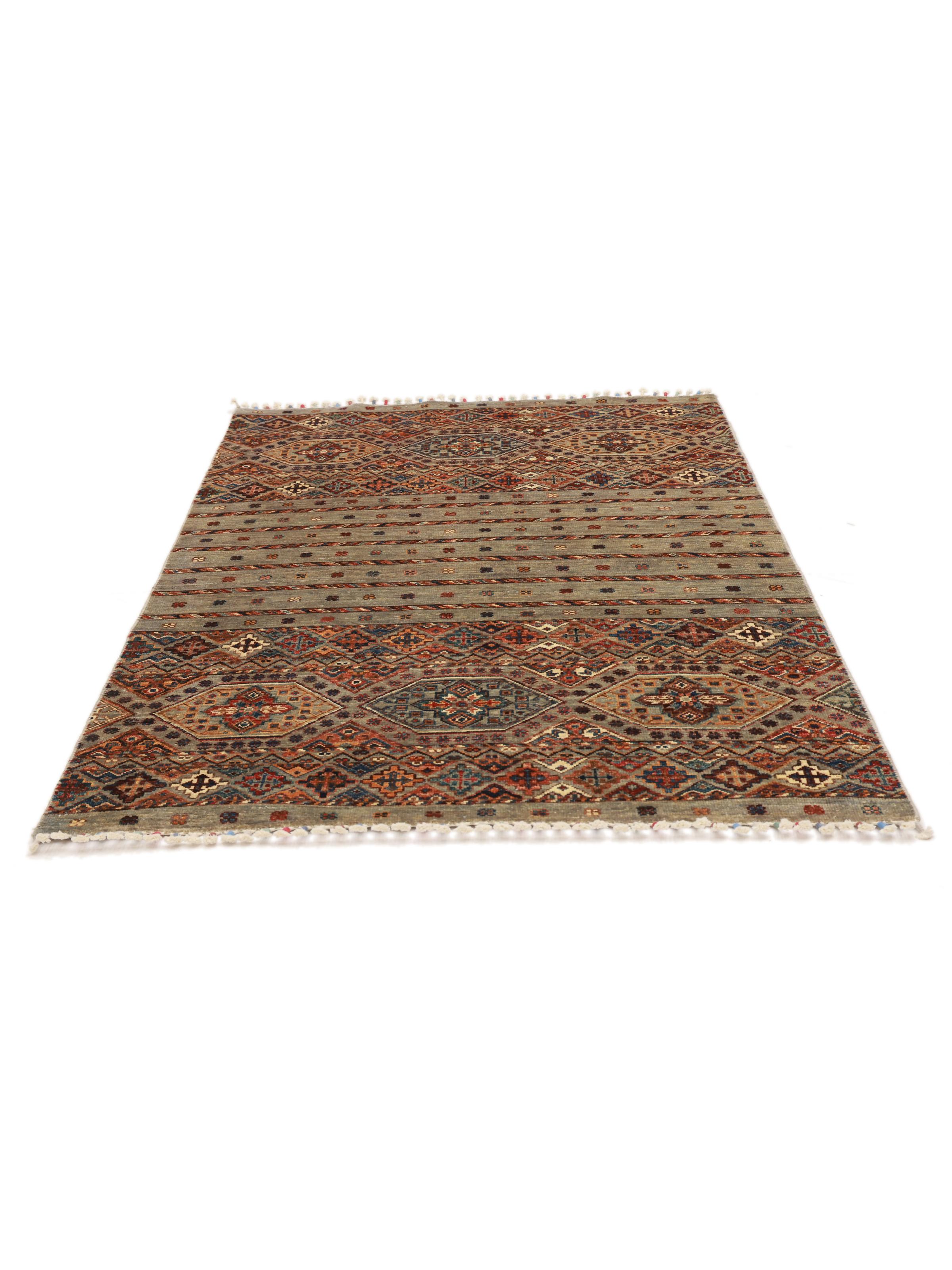
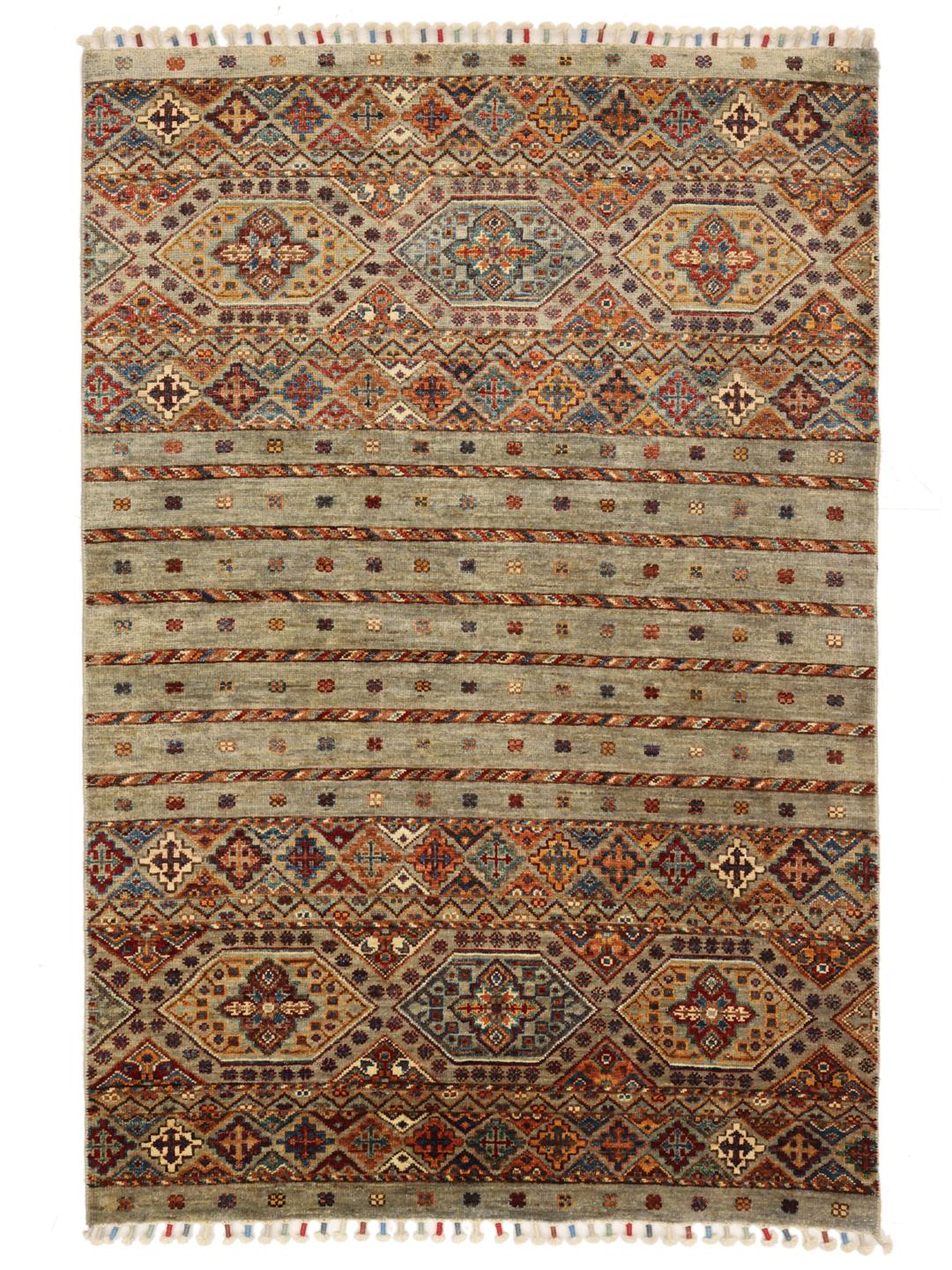
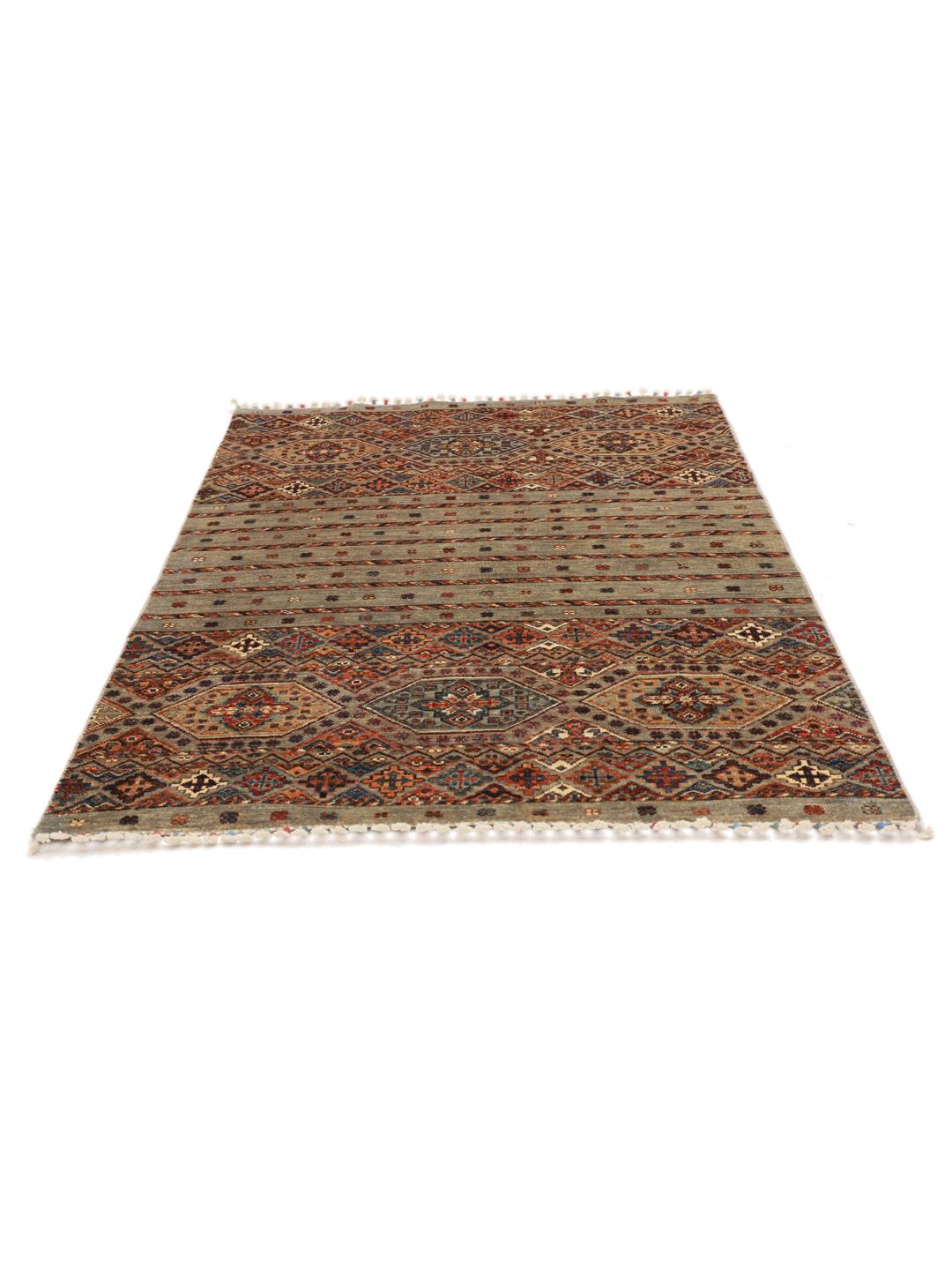
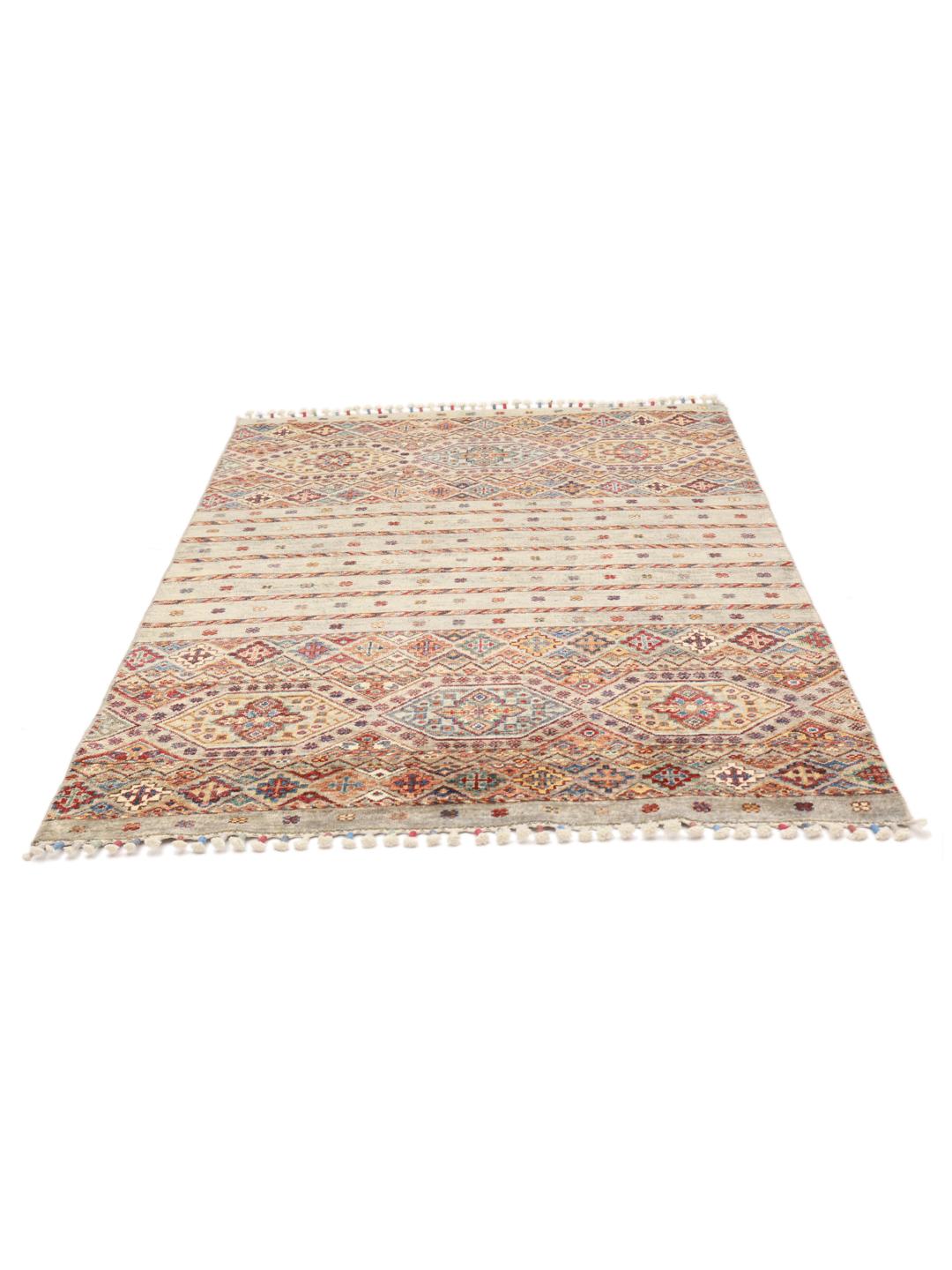
The Shabargan rug draws its inspiration from the rich weaving heritage of Afghanistan, a region with a long and storied history of creating textiles that serve both functional and decorative purposes. These rugs are often rooted in the traditions of nomadic and semi-nomadic tribes, who have utilised local materials to create durable, portable art for centuries. The evolution of these styles reflects the cultural exchange along historic trade routes.
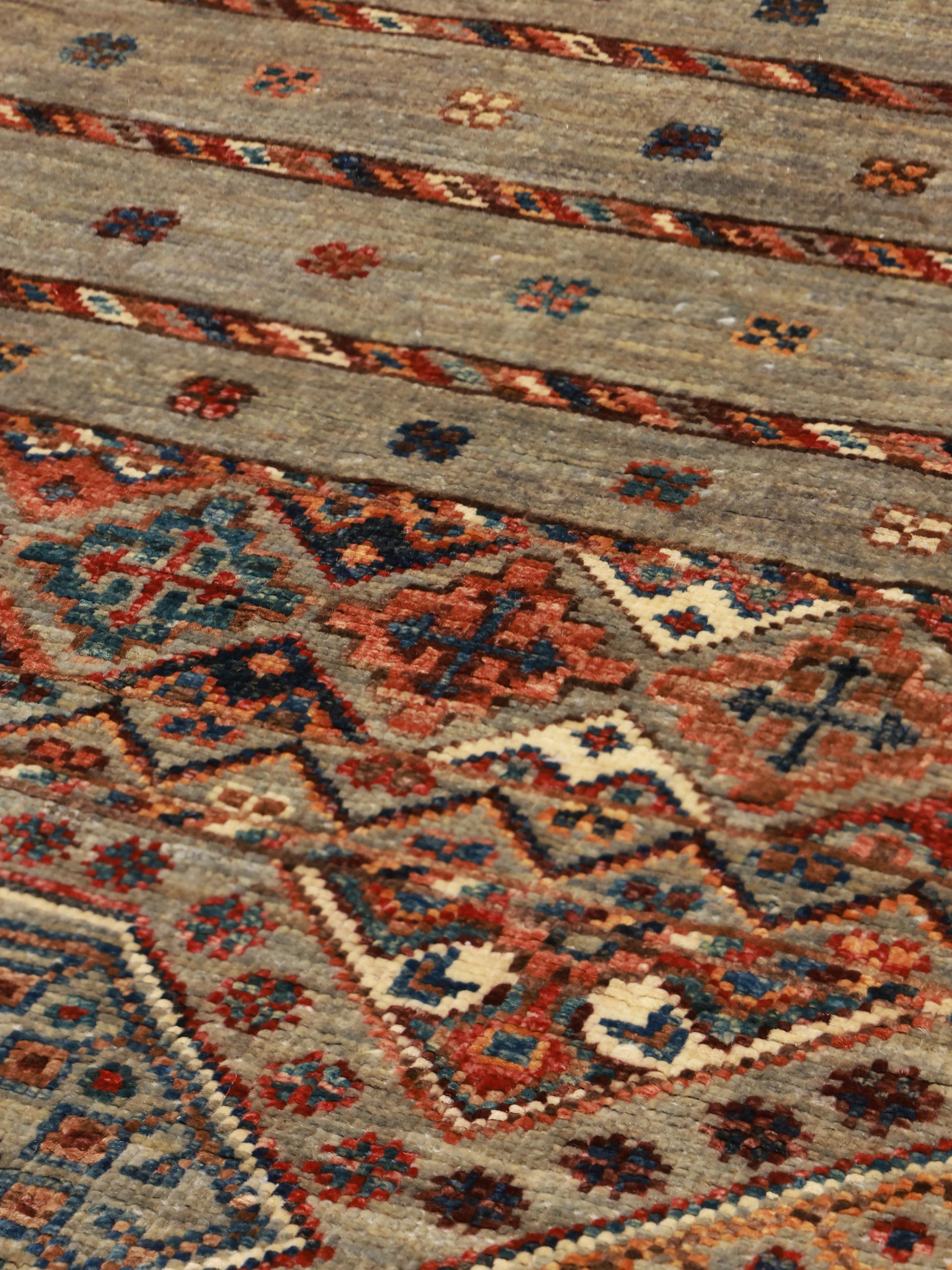
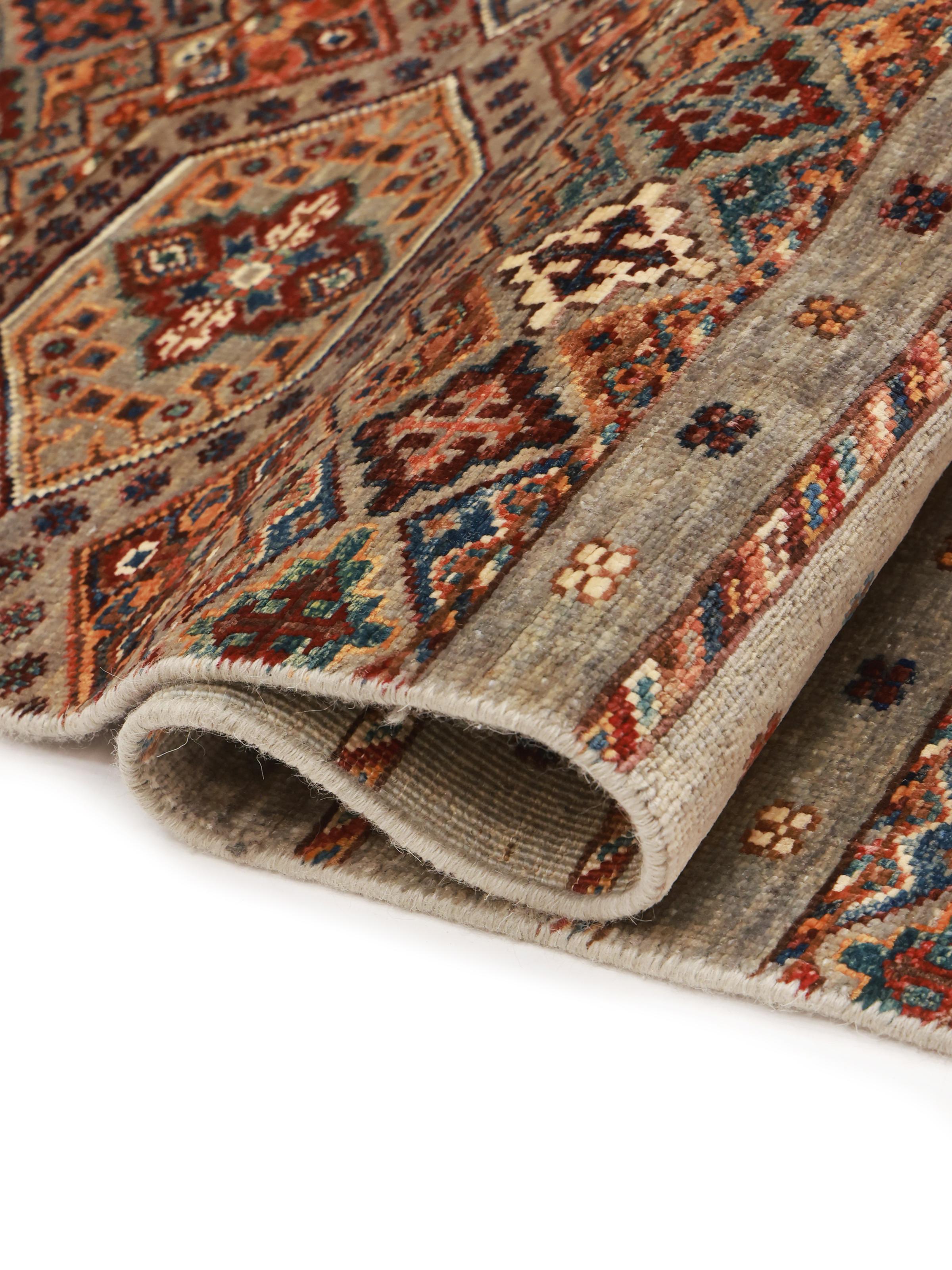
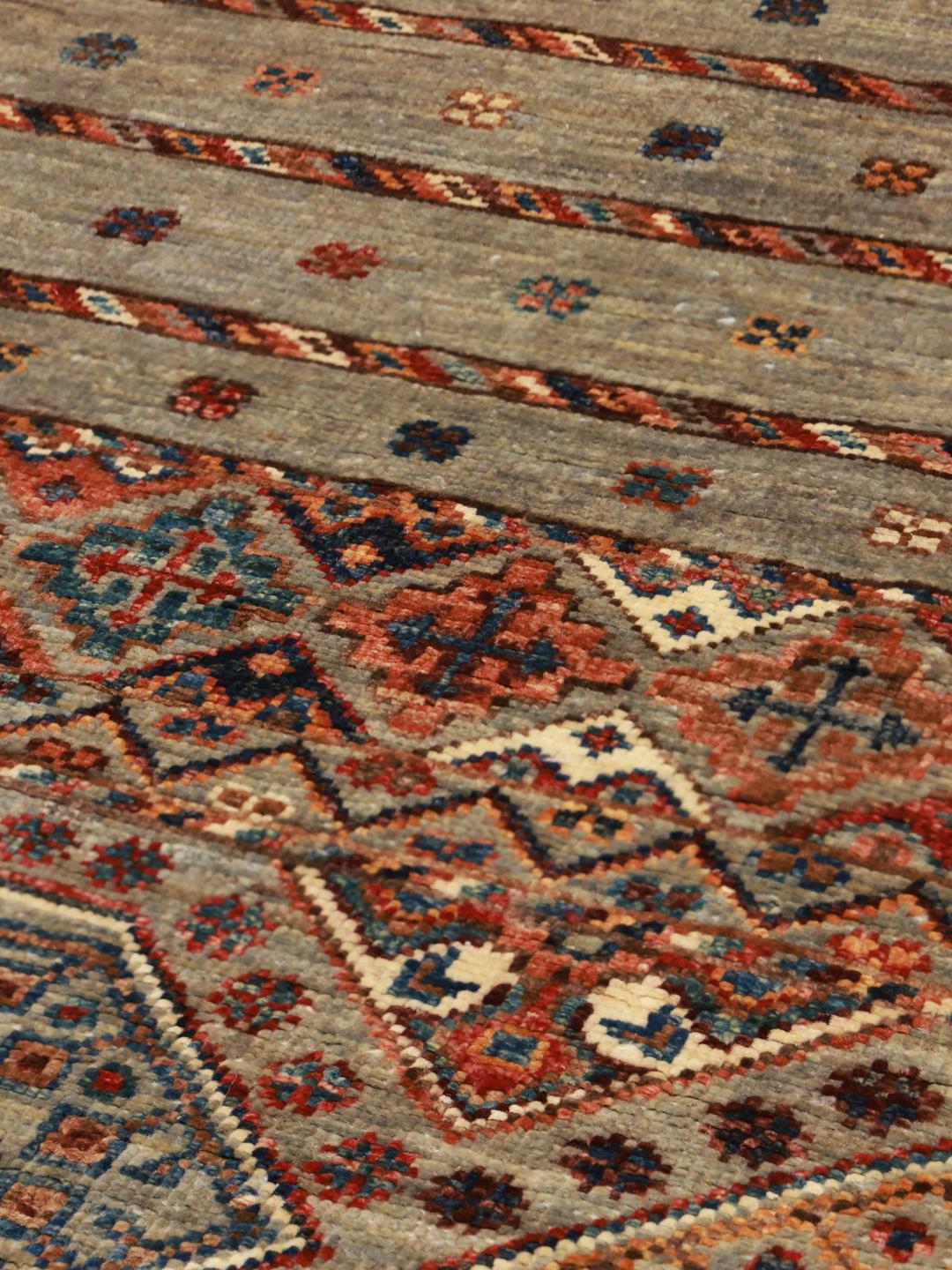
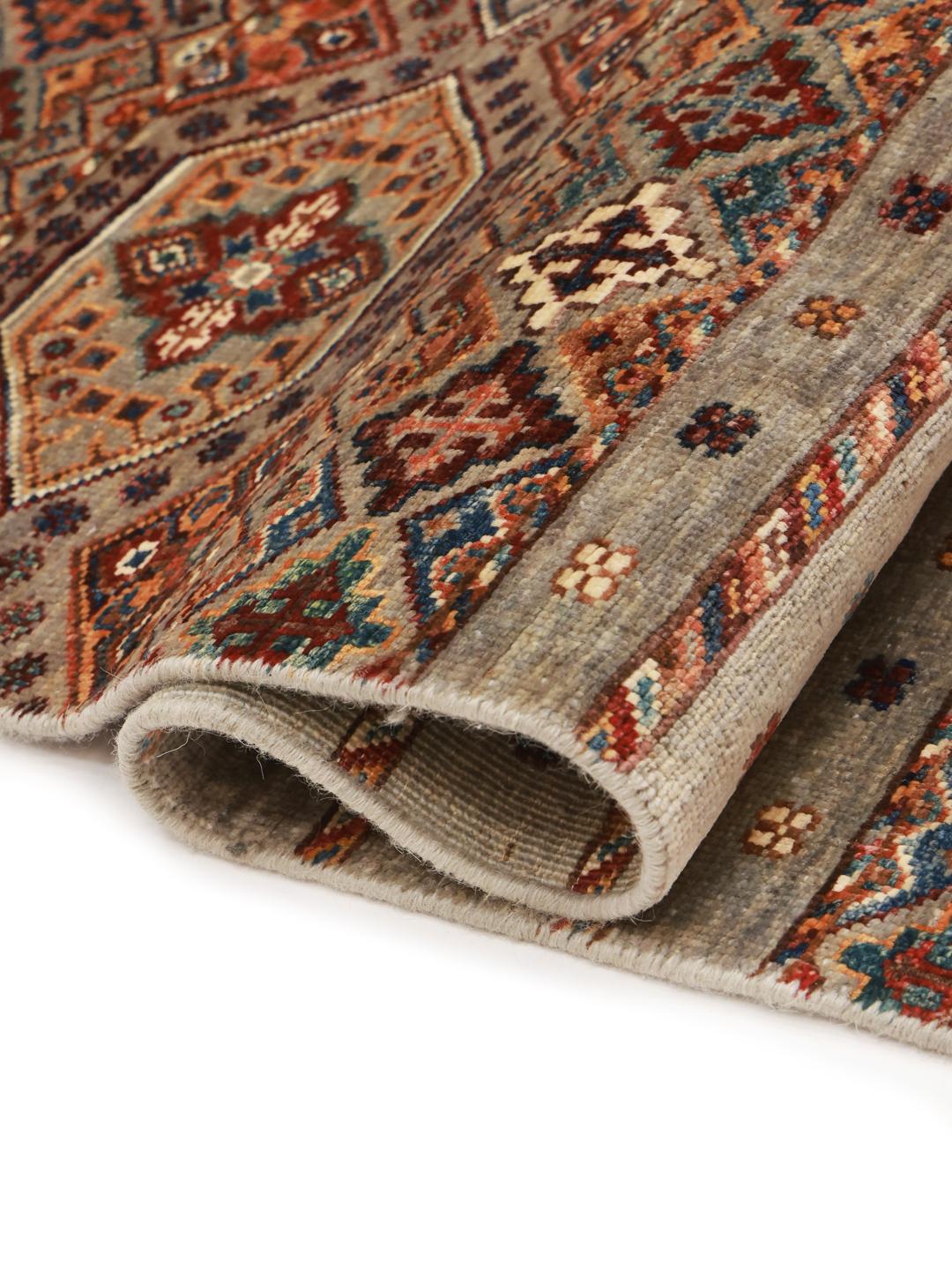
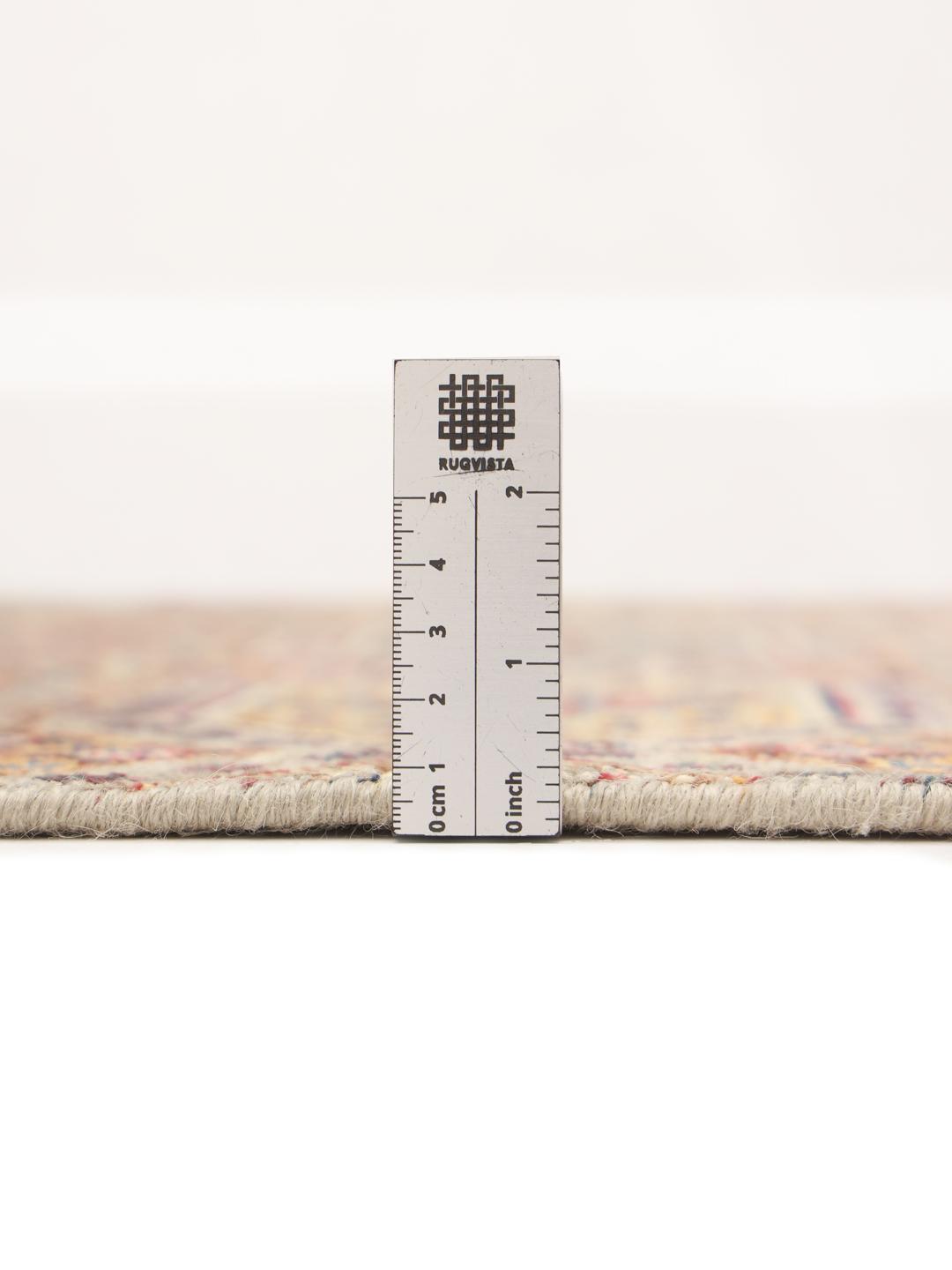
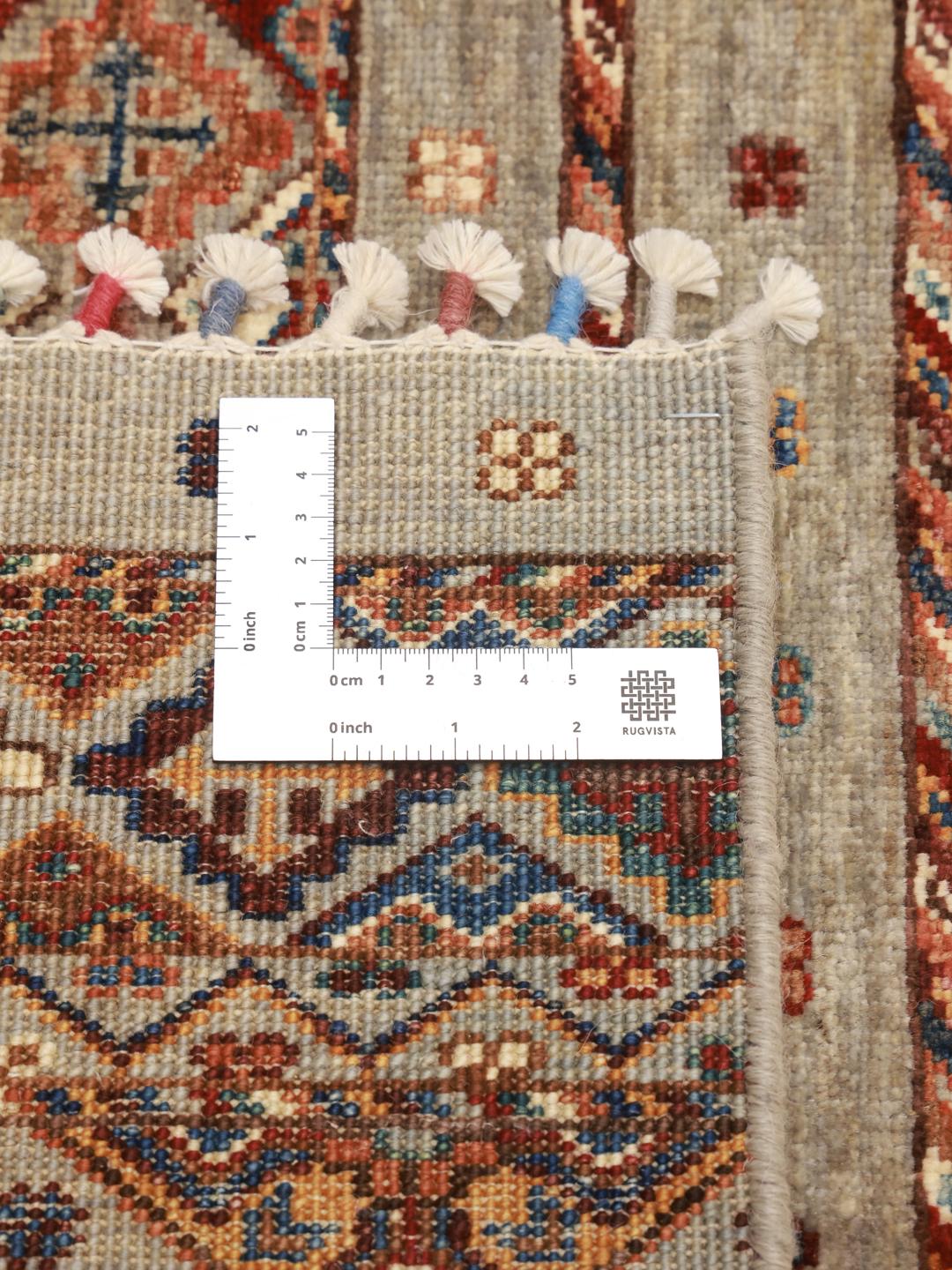
The terminology used to describe these pieces often refers to the specific regional influences and the technical approach to the weave. In this tradition, the focus is on achieving a dense, lustrous pile that can withstand the demands of daily life while showcasing intricate designs. The use of traditional hand-knotting methods ensures that the pile is not only durable but also capable of holding vibrant, saturated colours that age gracefully over time.
Signature design elements of this region typically include geometric motifs, repeating medallions, and complex borders that tell a story of regional identity. The Shabargan style is particularly noted for its balanced use of space, where bands of intricate patterns alternate with fields of colour. These motifs are often symbolic, representing aspects of the natural world or the history of the weaving community, making each rug a narrative piece.
Collecting rugs from this tradition is a way to preserve and honour a craft that remains deeply connected to its origins. Owners of such rugs value them for their authenticity, the skill required to produce them, and the way they bring a sense of history into a contemporary living space. By choosing this piece, you are supporting a legacy of artistry and ensuring that these traditional skills continue to be recognised and celebrated.