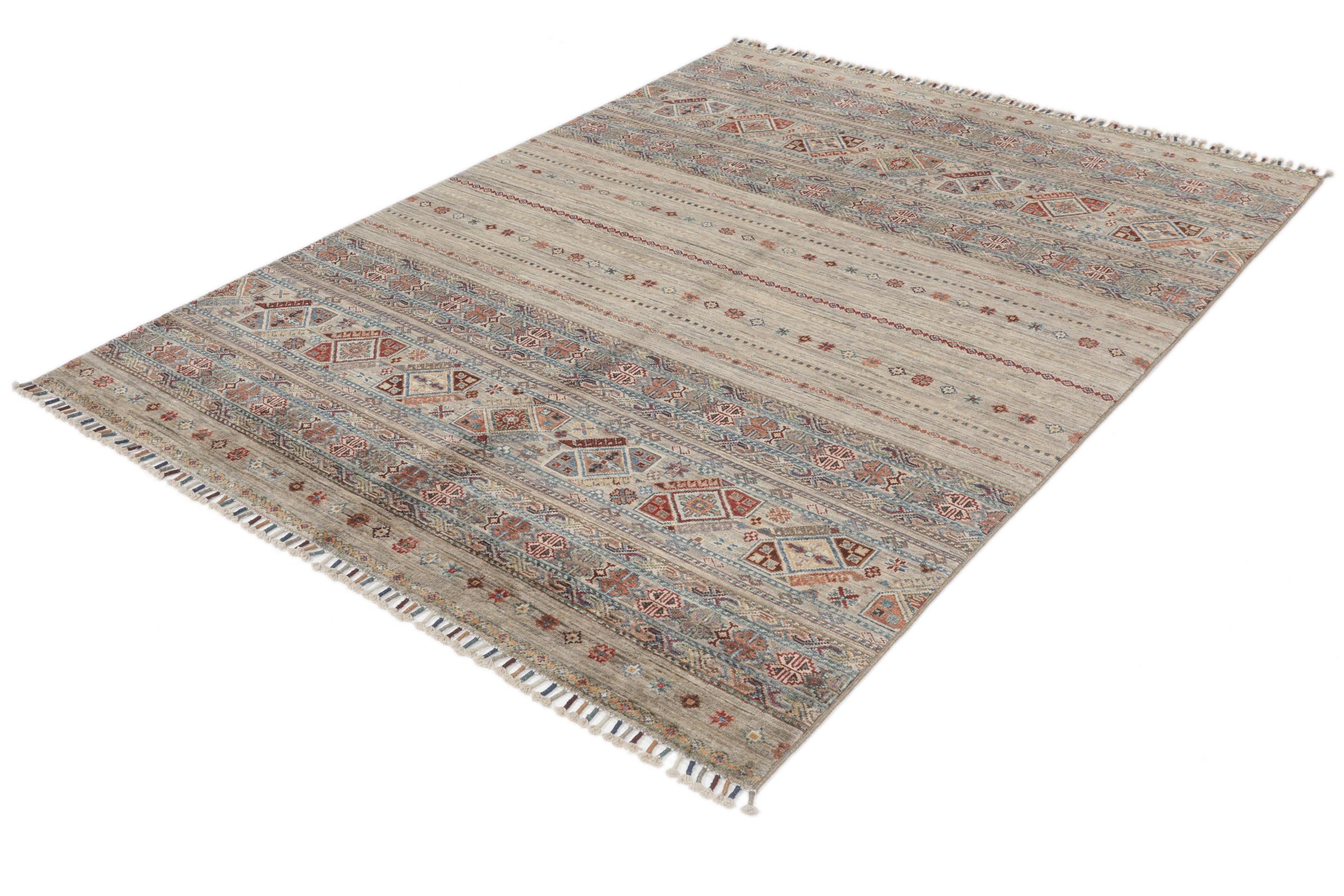
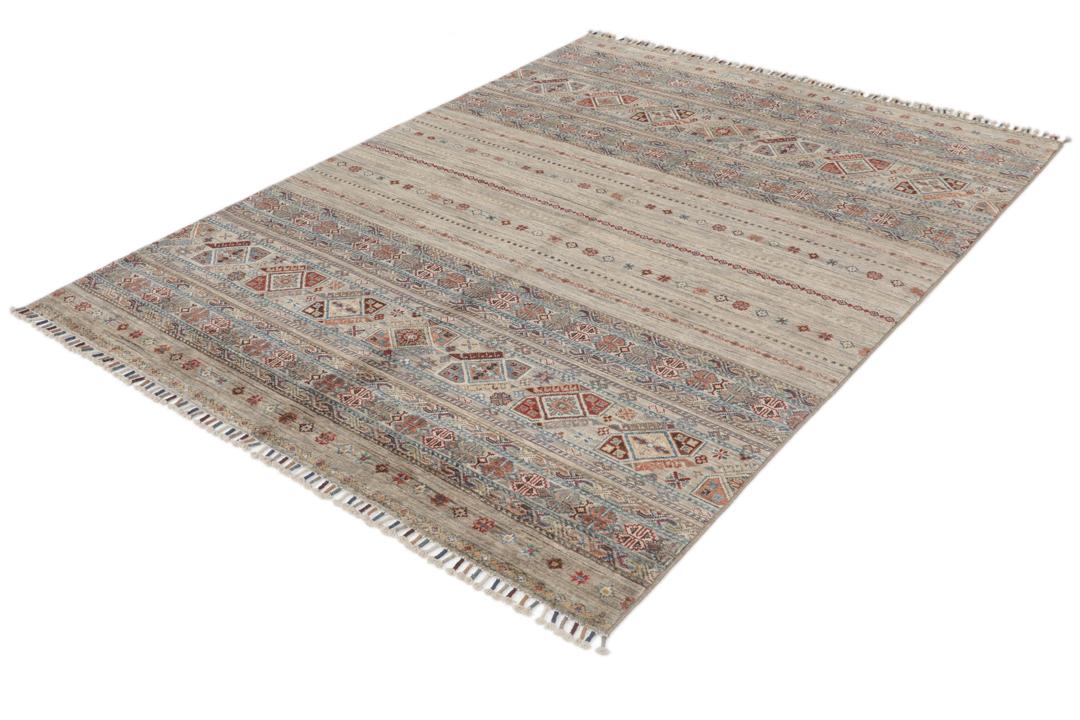
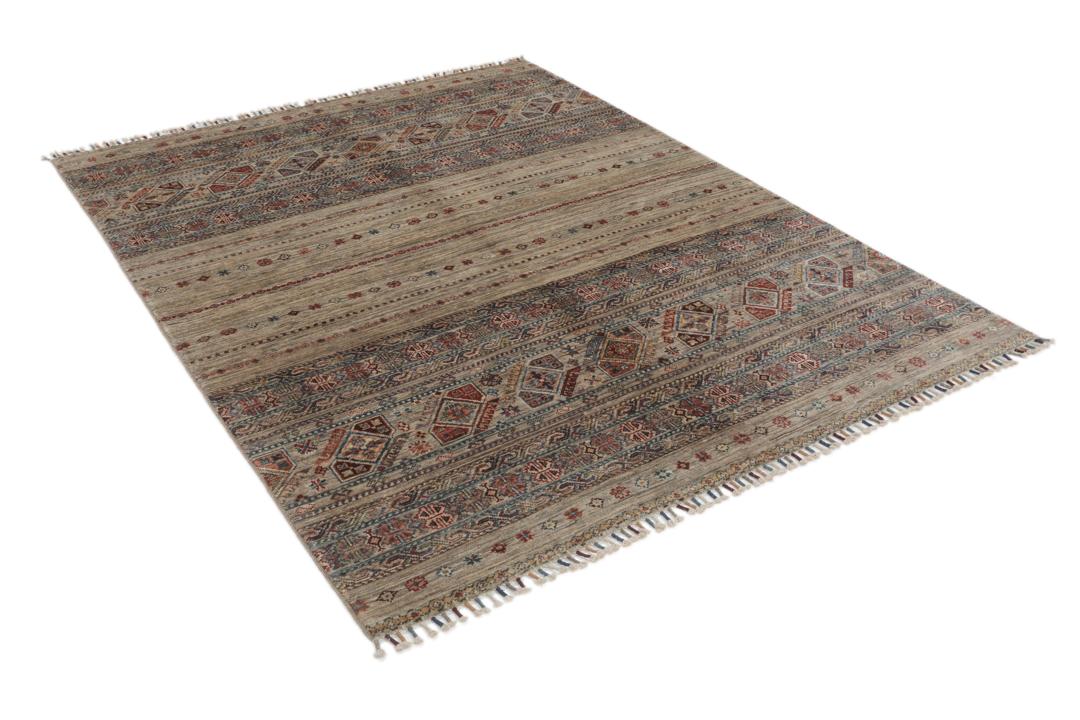
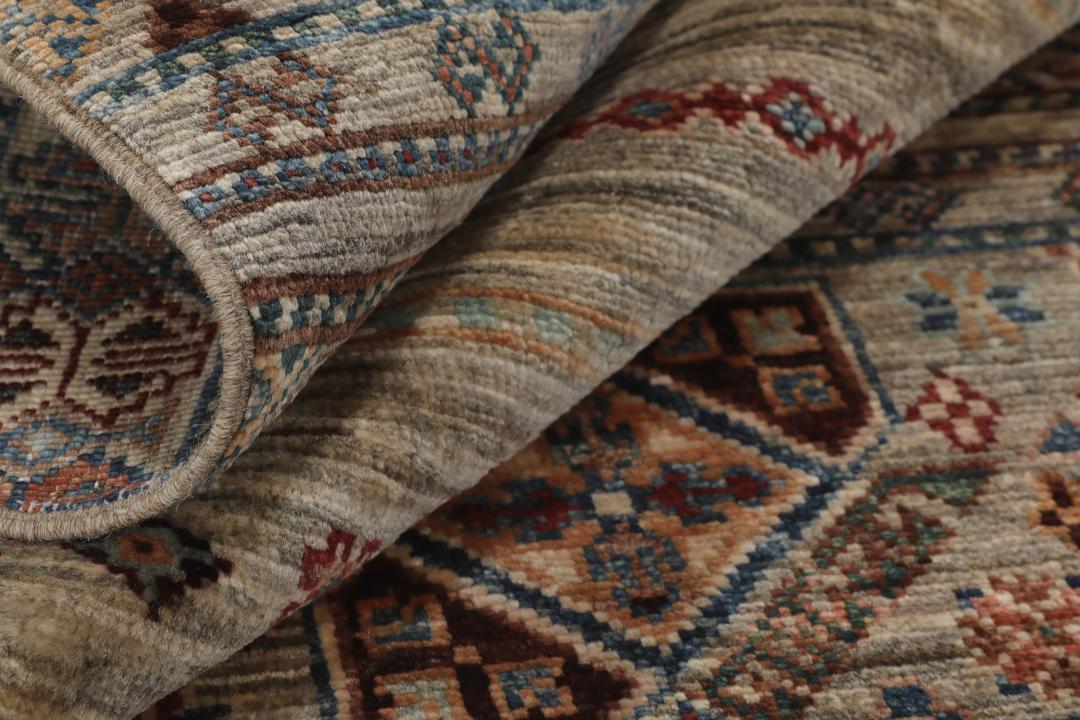
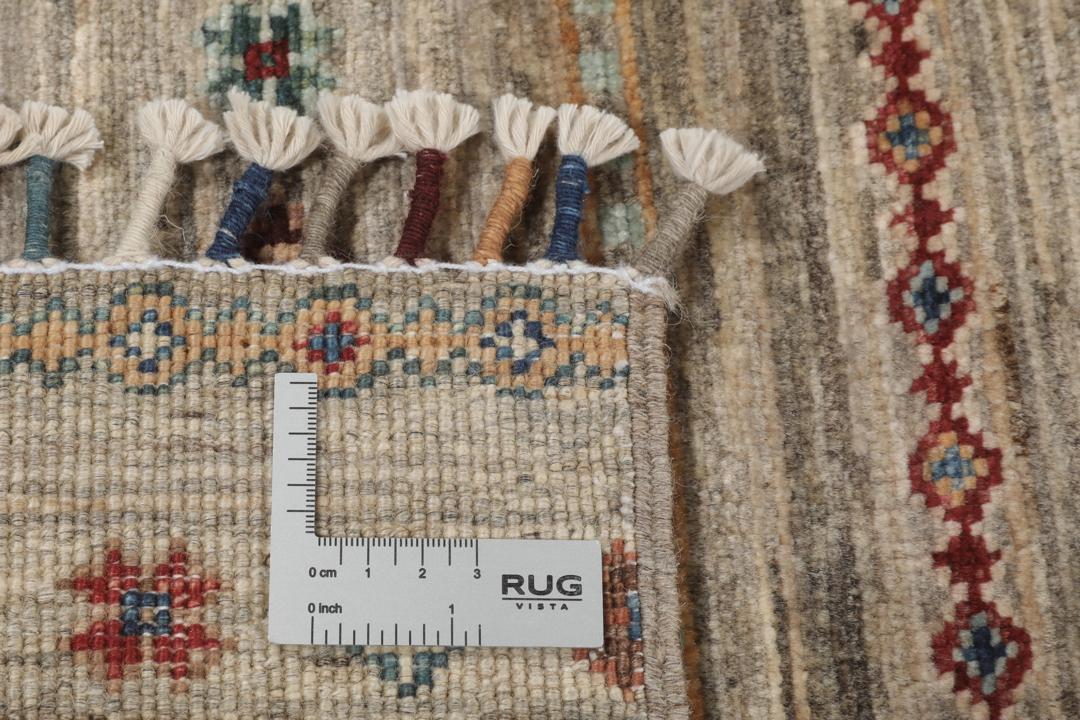
The Shabargan rug finds its origins in the storied weaving landscapes of Afghanistan, a region with a deep-seated tradition of creating rugs that serve as both functional floor coverings and cultural expressions. Afghan weaving is renowned for its resilience and the use of high-quality wool, reflecting a lifestyle where rugs are essential for warmth and comfort in the home. These rugs often carry the spirit of the nomadic and village traditions that have defined the region for centuries.
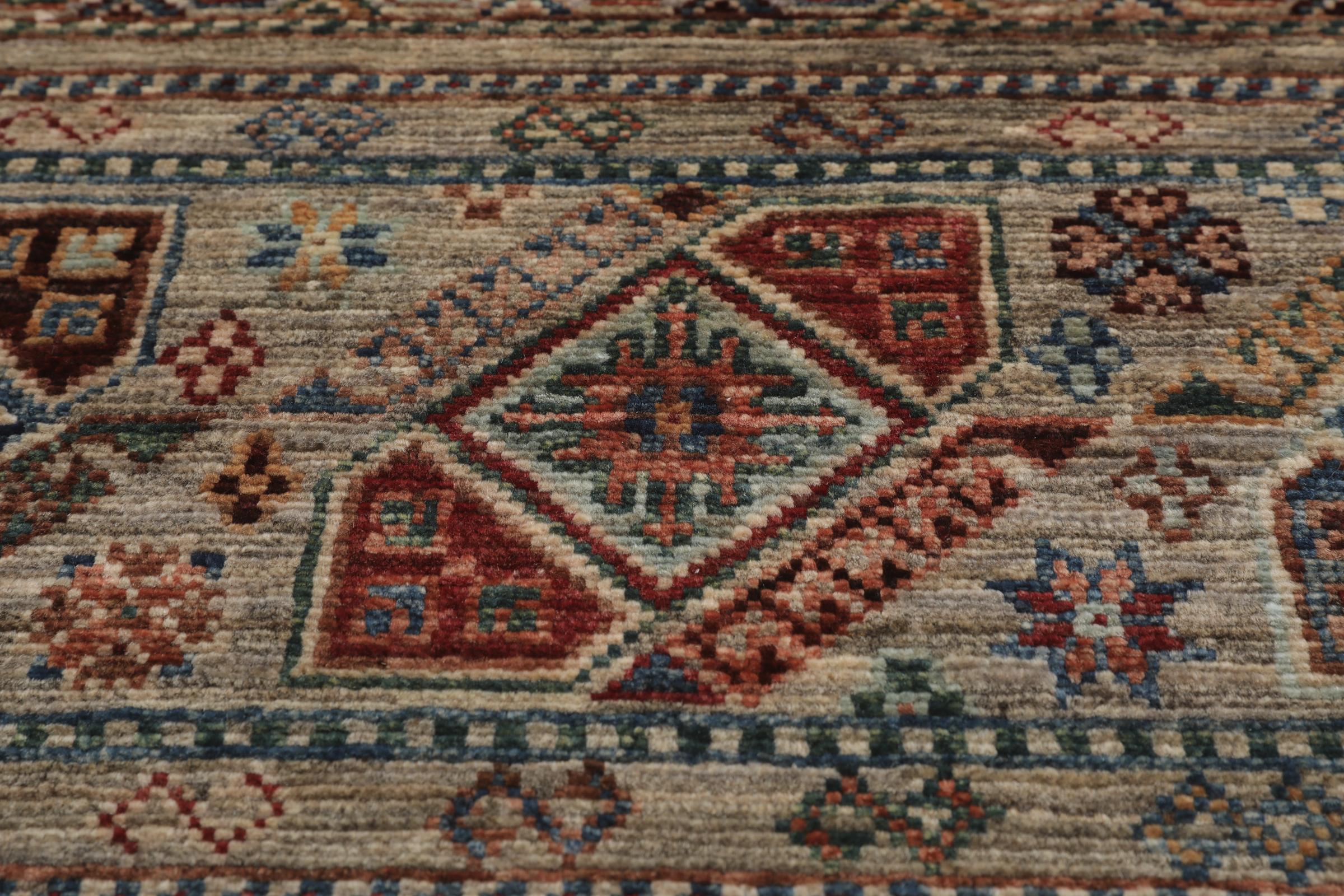
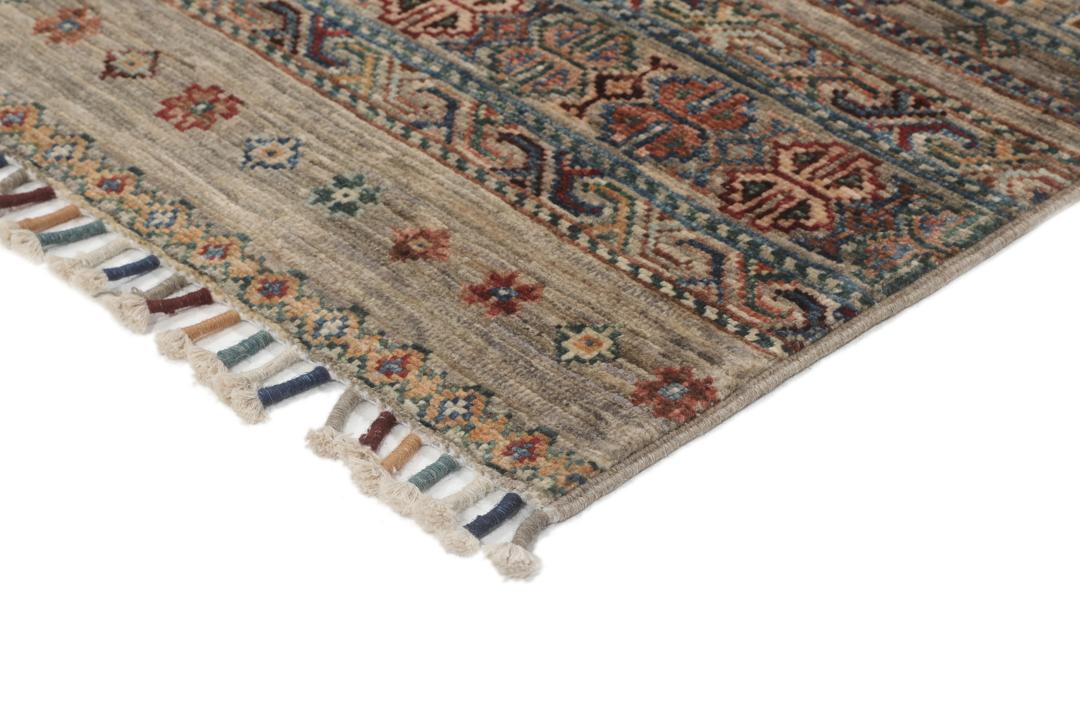
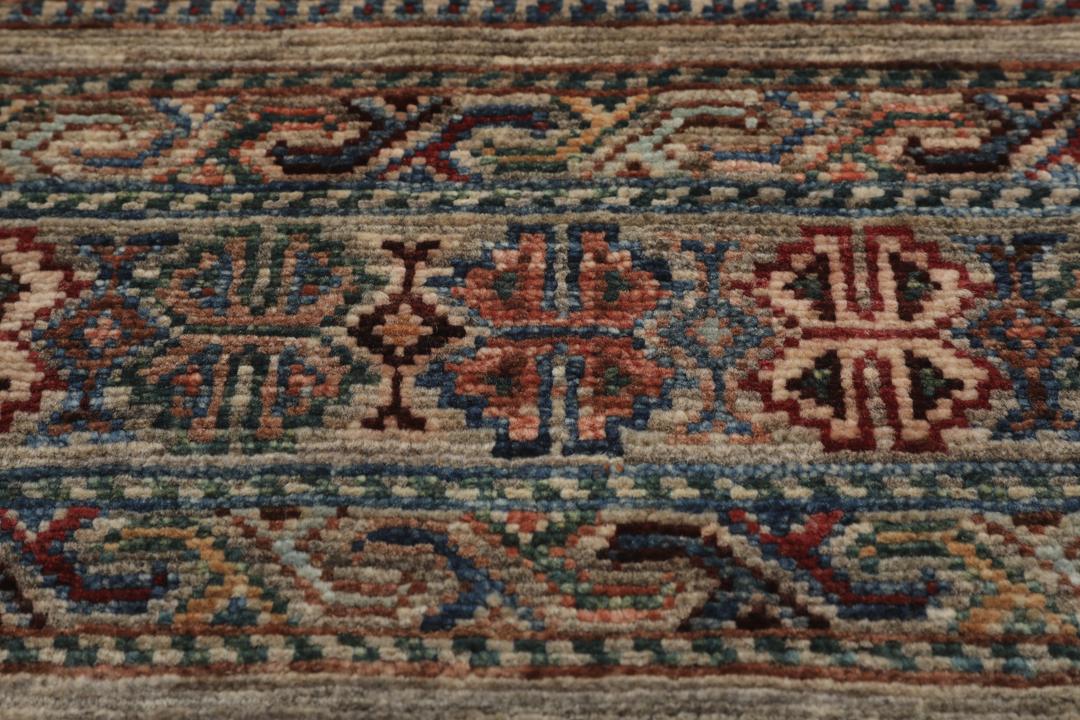
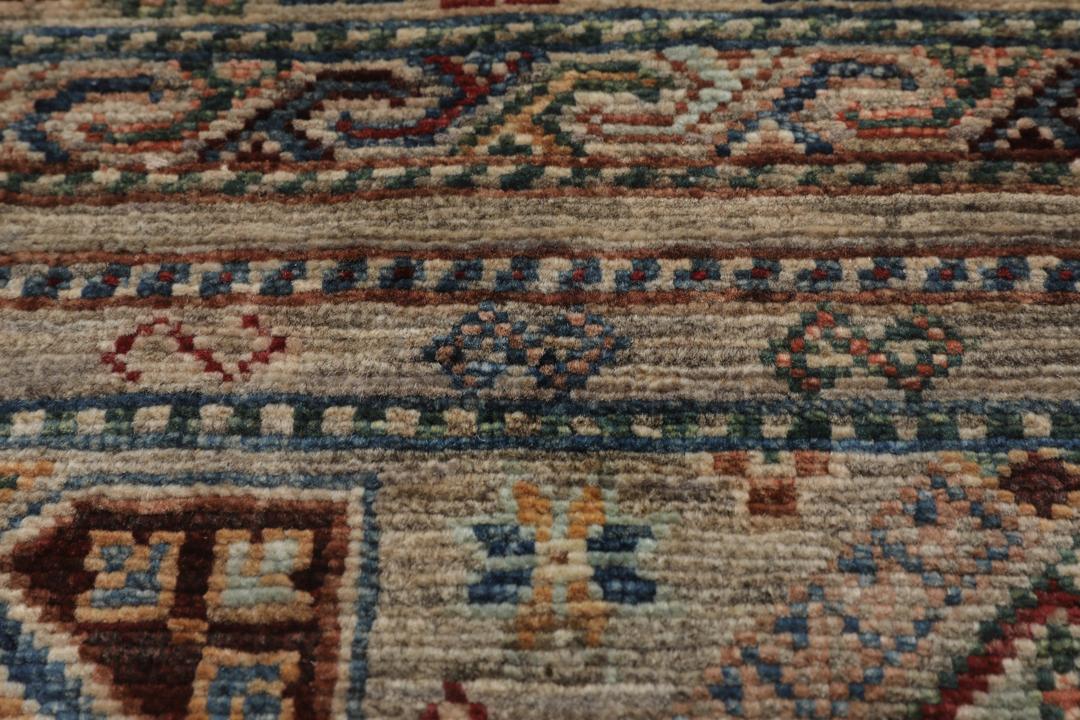
Understanding the quality of such a rug requires looking at the foundation and the pile. The use of wool as the primary material is a hallmark of this tradition, selected for its natural durability, lanolin content, and ability to hold vibrant, earth-toned dyes. The hand-knotted construction is a slow, rhythmic process that requires great patience and expertise, resulting in a rug that is far more durable than mass-produced versions, capable of standing up to daily life while retaining its character.
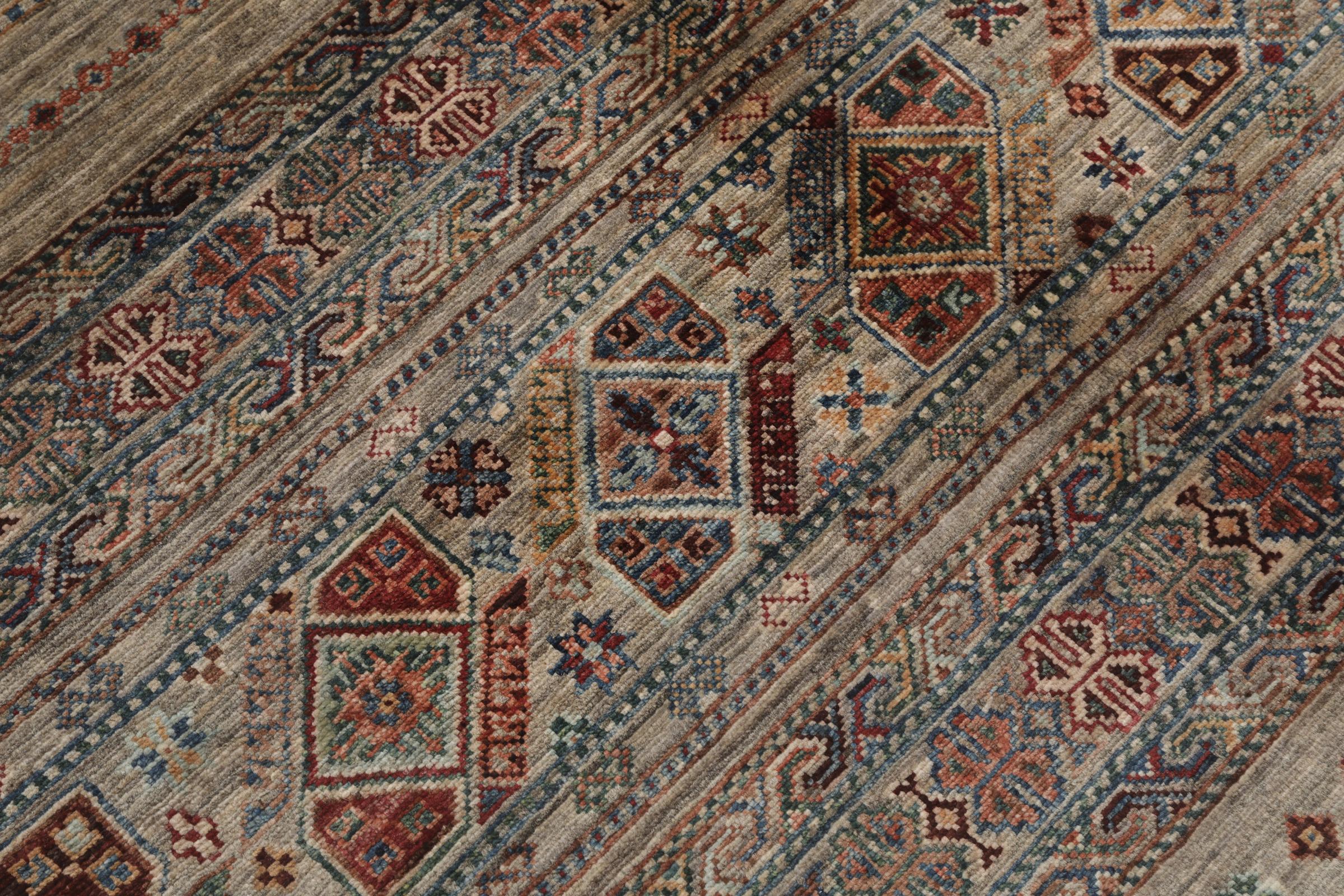
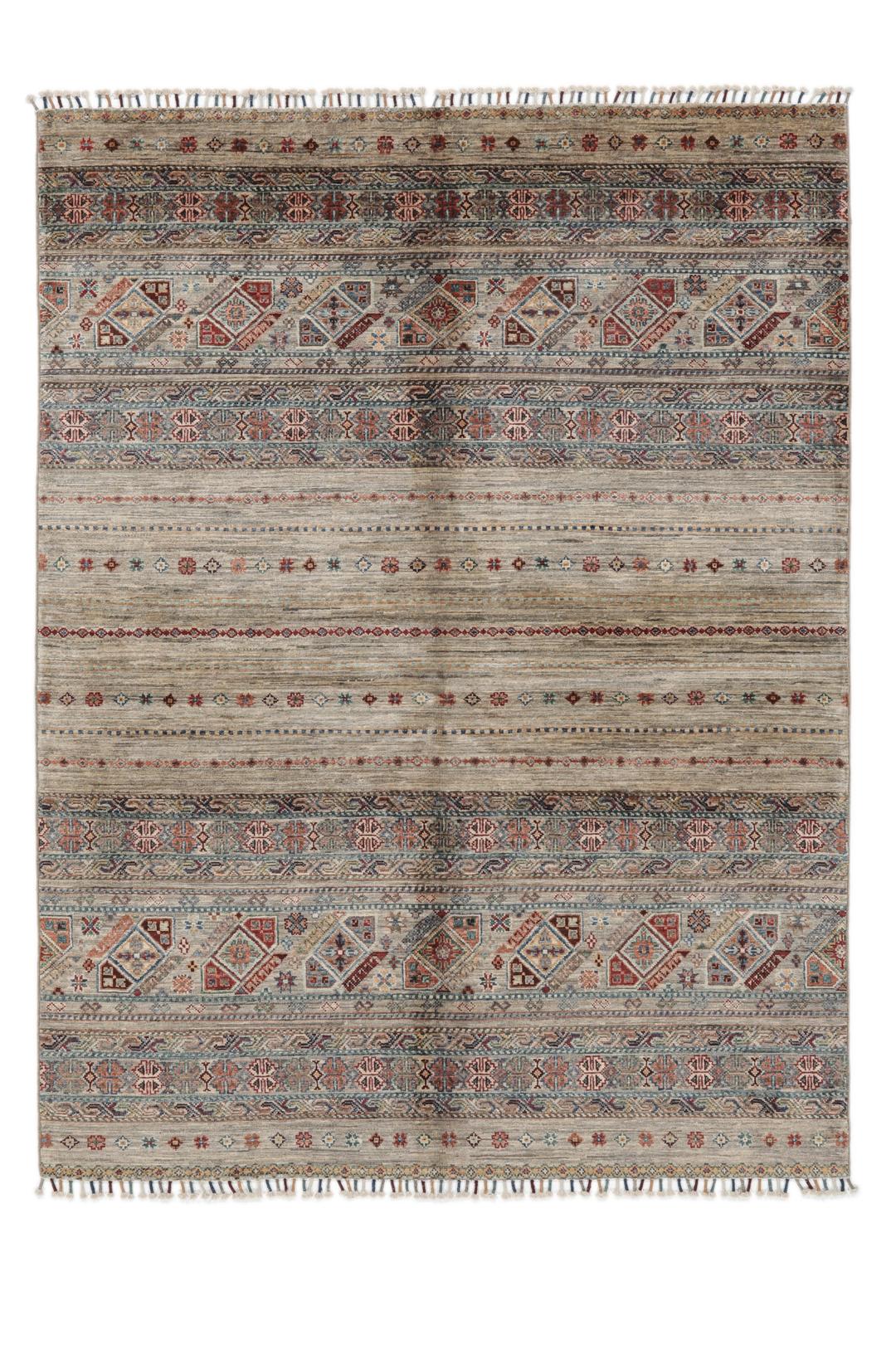
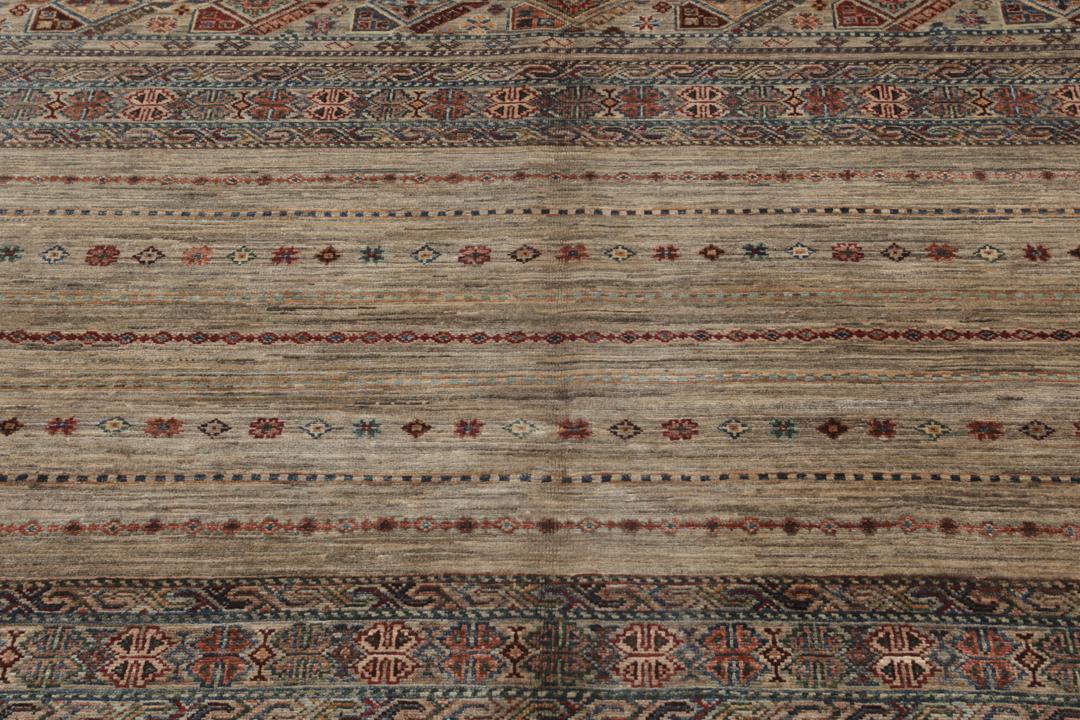
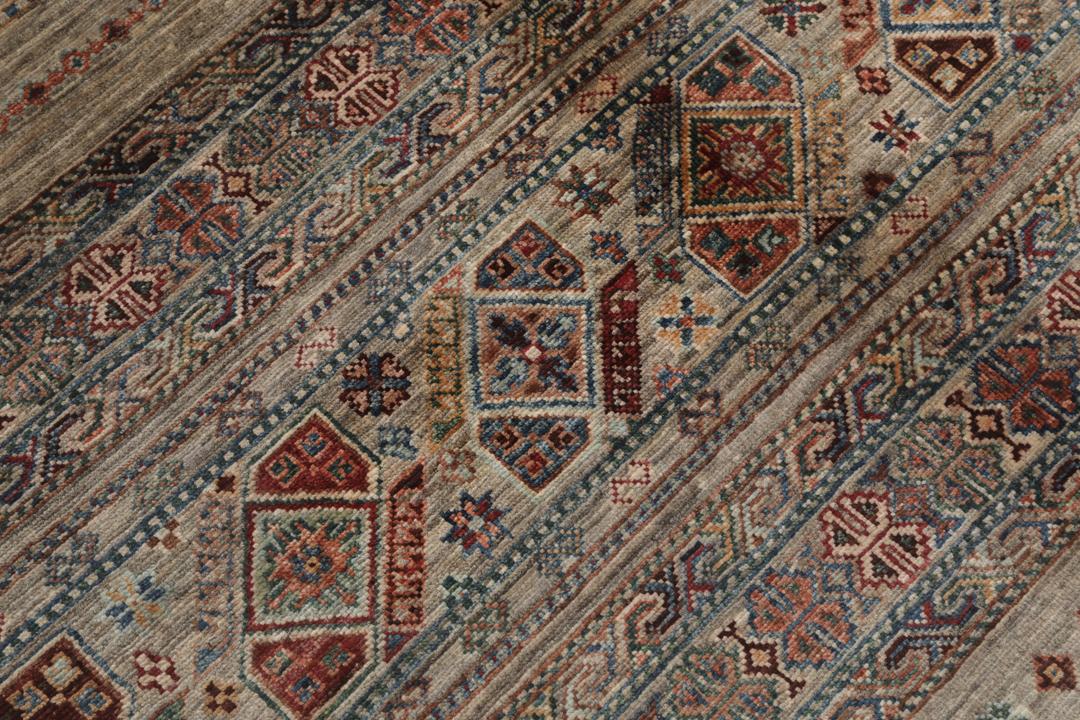
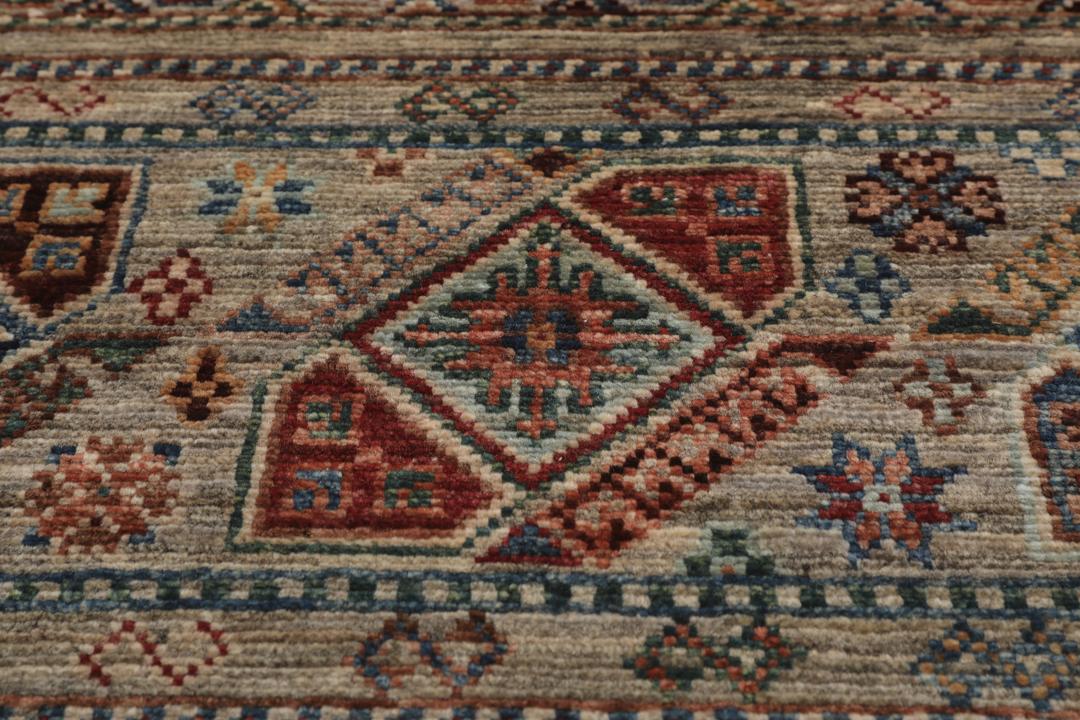
Visually, the Shabargan is defined by its geometric motifs and balanced composition. It often features repeating patterns, such as stylized medallions or tribal symbols, which tell a quiet, rhythmic story across the field. The borders are typically formal and structured, framing the central design and providing a sense of order. The colour palette often leans into rich, natural earth tones, though each piece may feature subtle variations that reflect the specific wool lot and the artisan's creative choices.
Owning an Afghan rug of this calibre is a commitment to preserving a living art form. Collectors value these pieces not only for their aesthetic beauty but for the human story they represent. By bringing a Shabargan into your home, you are participating in a long lineage of craft, ensuring that these traditional skills are supported and celebrated. It is an acquisition of heritage, skill, and a tangible piece of history that adds depth and soul to any contemporary environment.