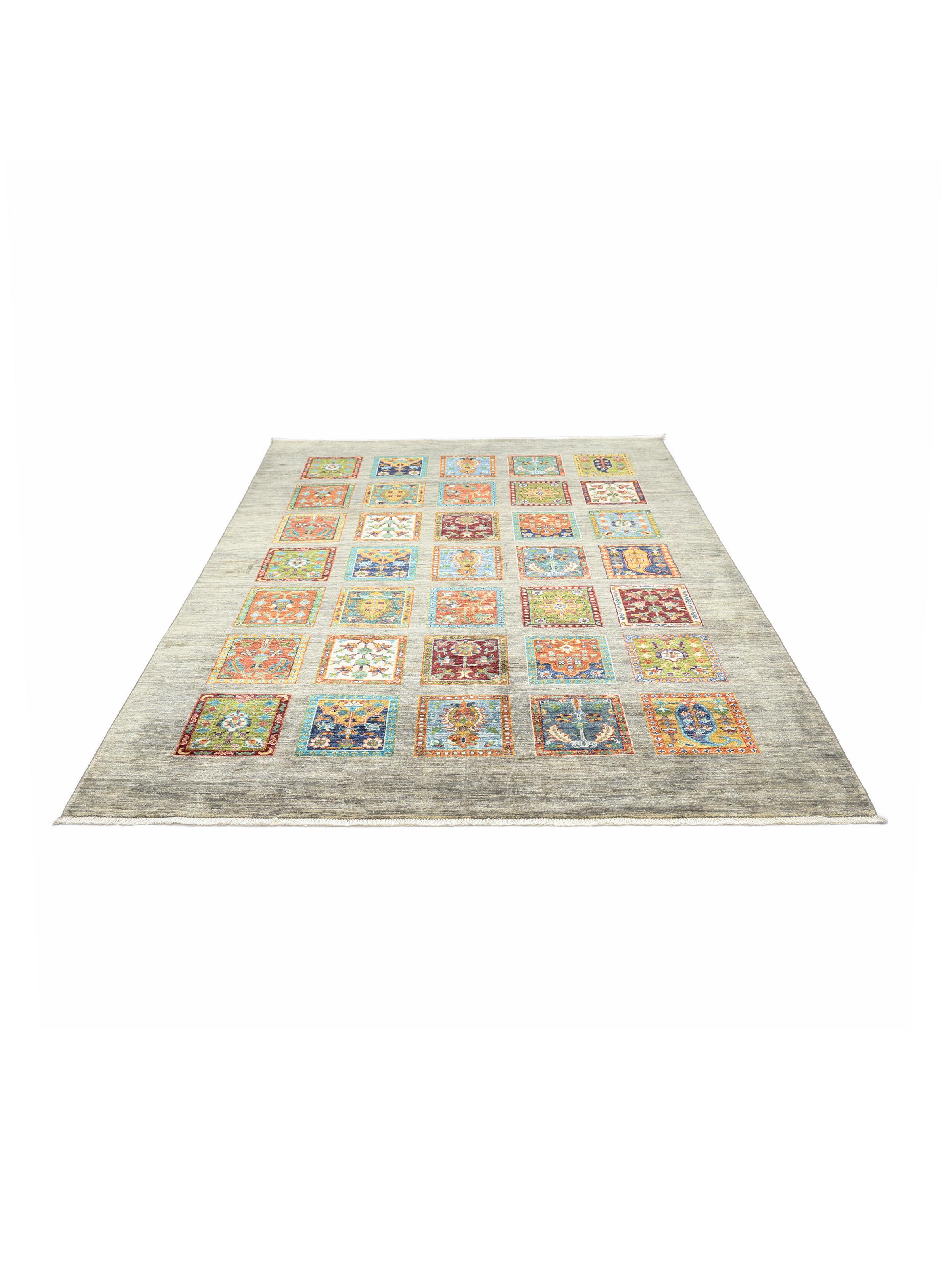
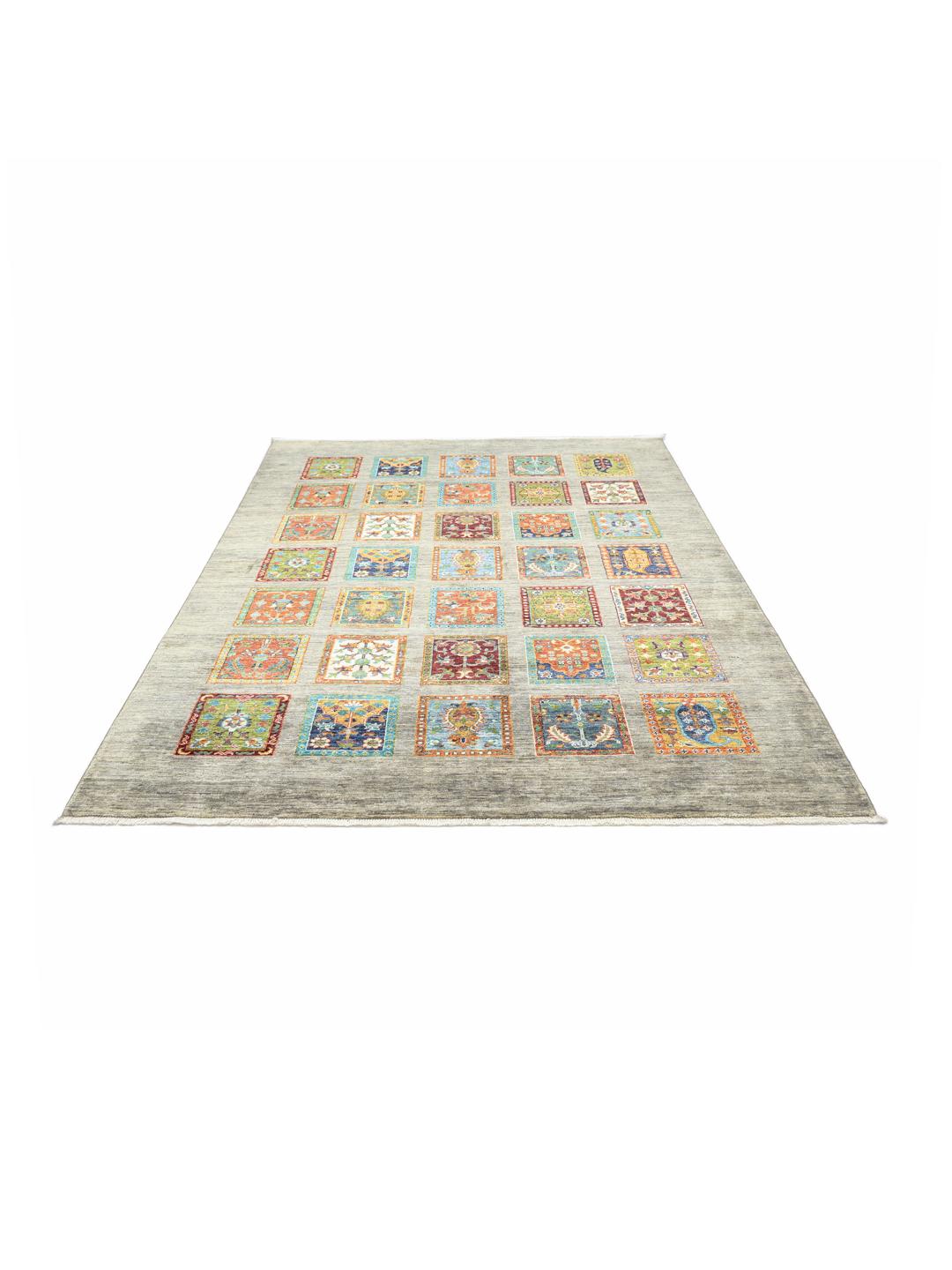
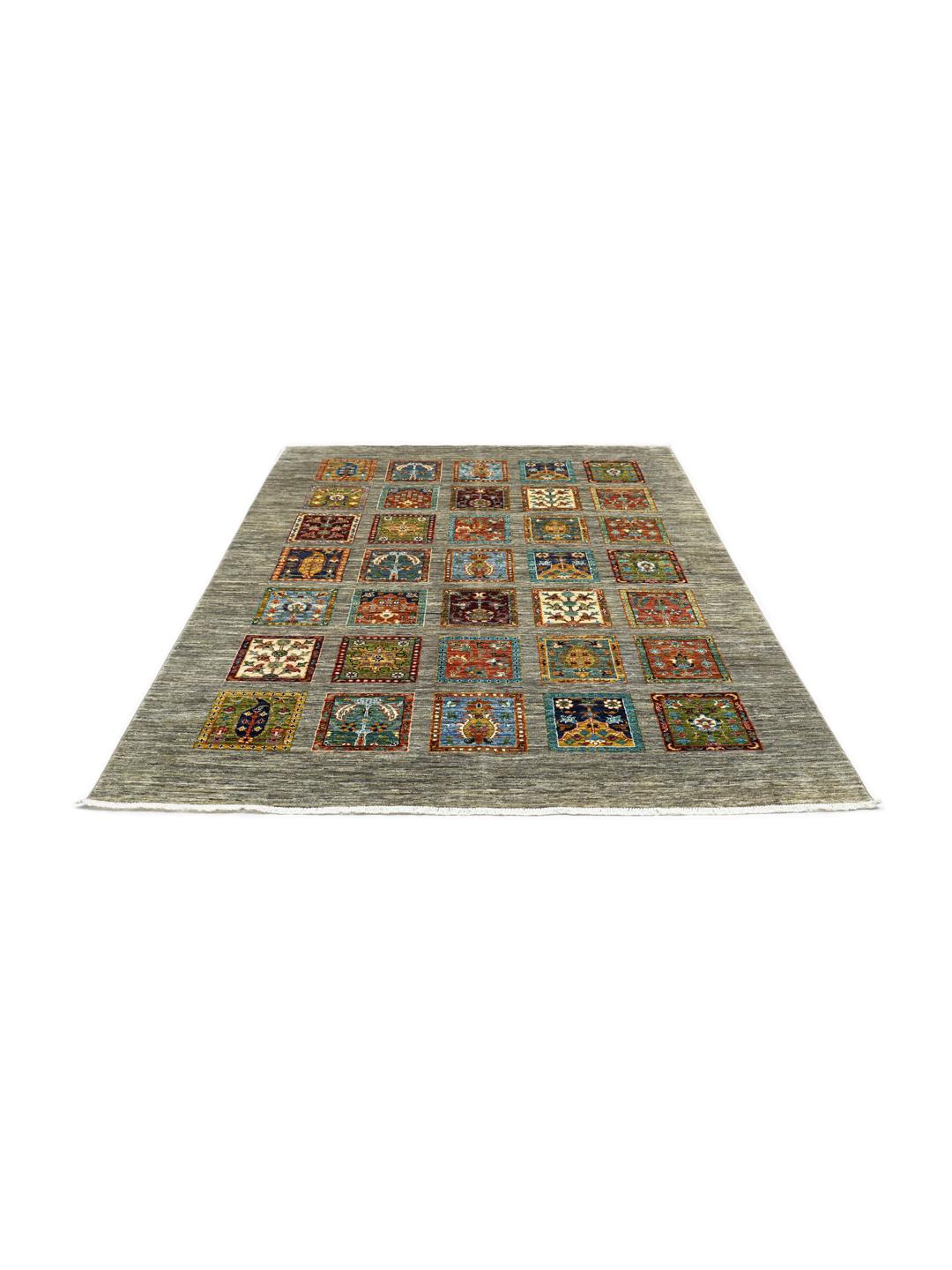
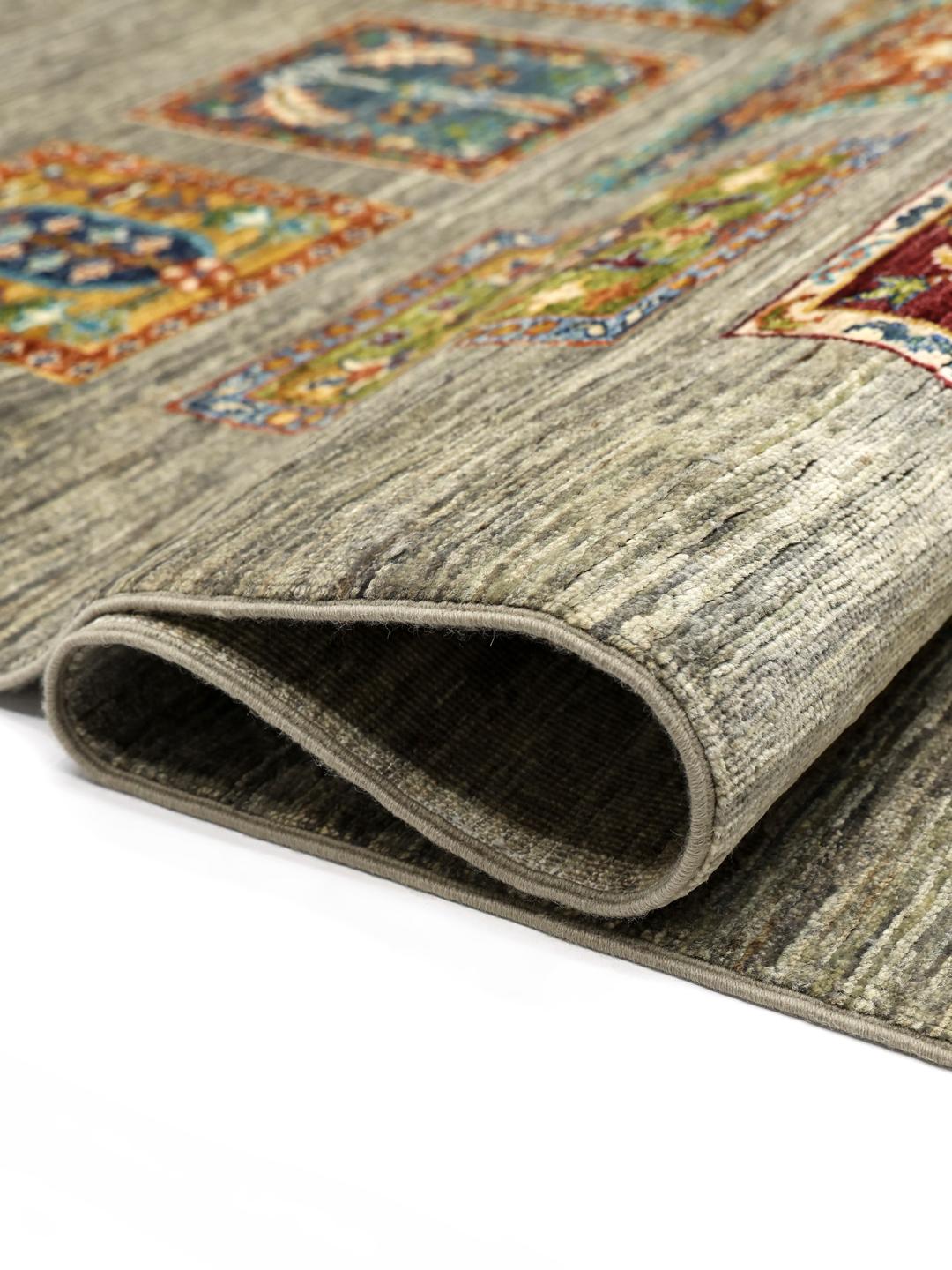
The Shabargan rug hails from the storied regions of Afghanistan, a land with a profound and ancient heritage of weaving. Rug-making in this part of the Middle East is deeply intertwined with nomadic and village life, where the craft has been passed down through generations. These rugs are often characterised by their robust construction and the use of bold, expressive designs that mirror the dramatic landscapes and cultural history of the region.
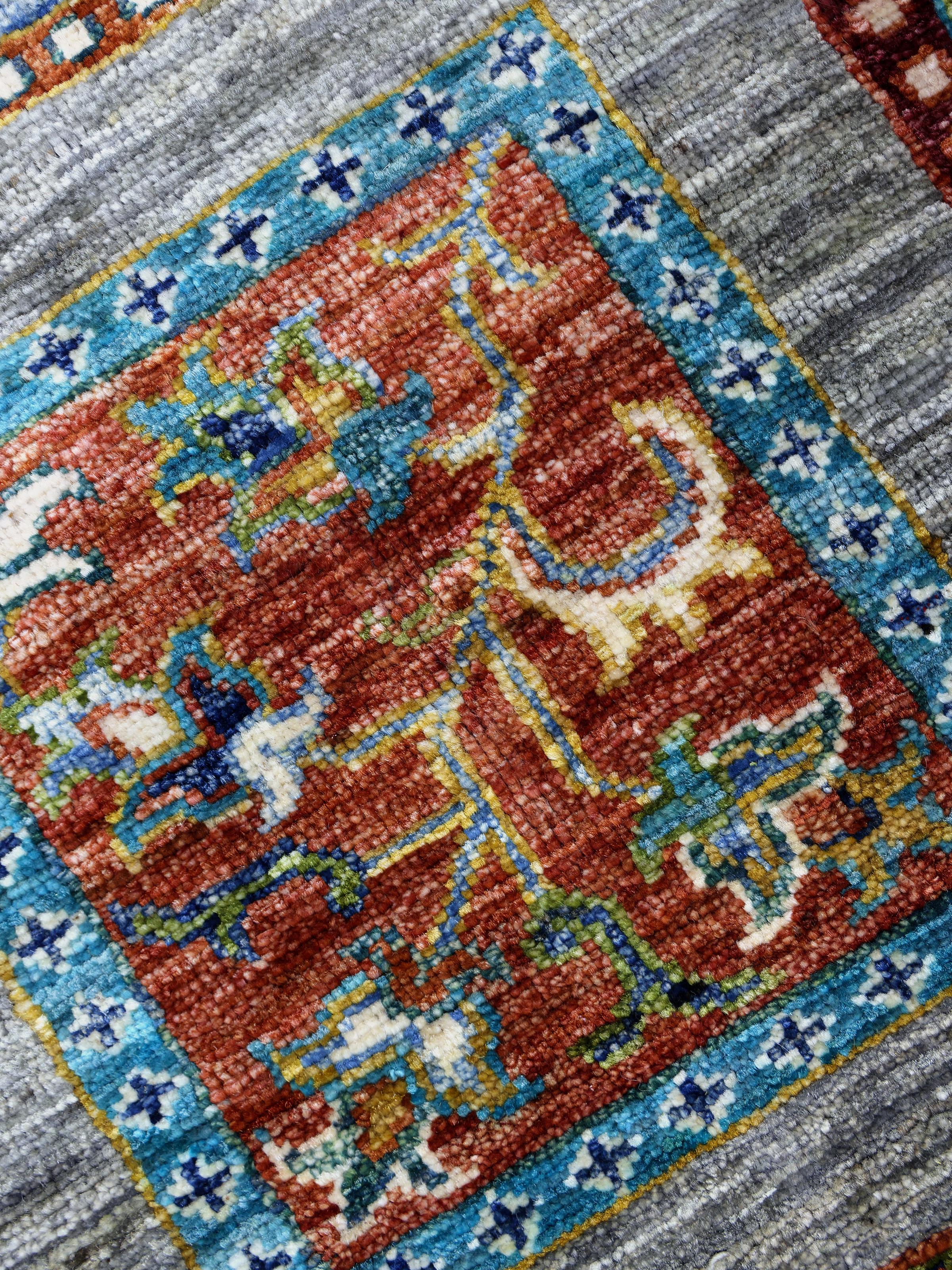
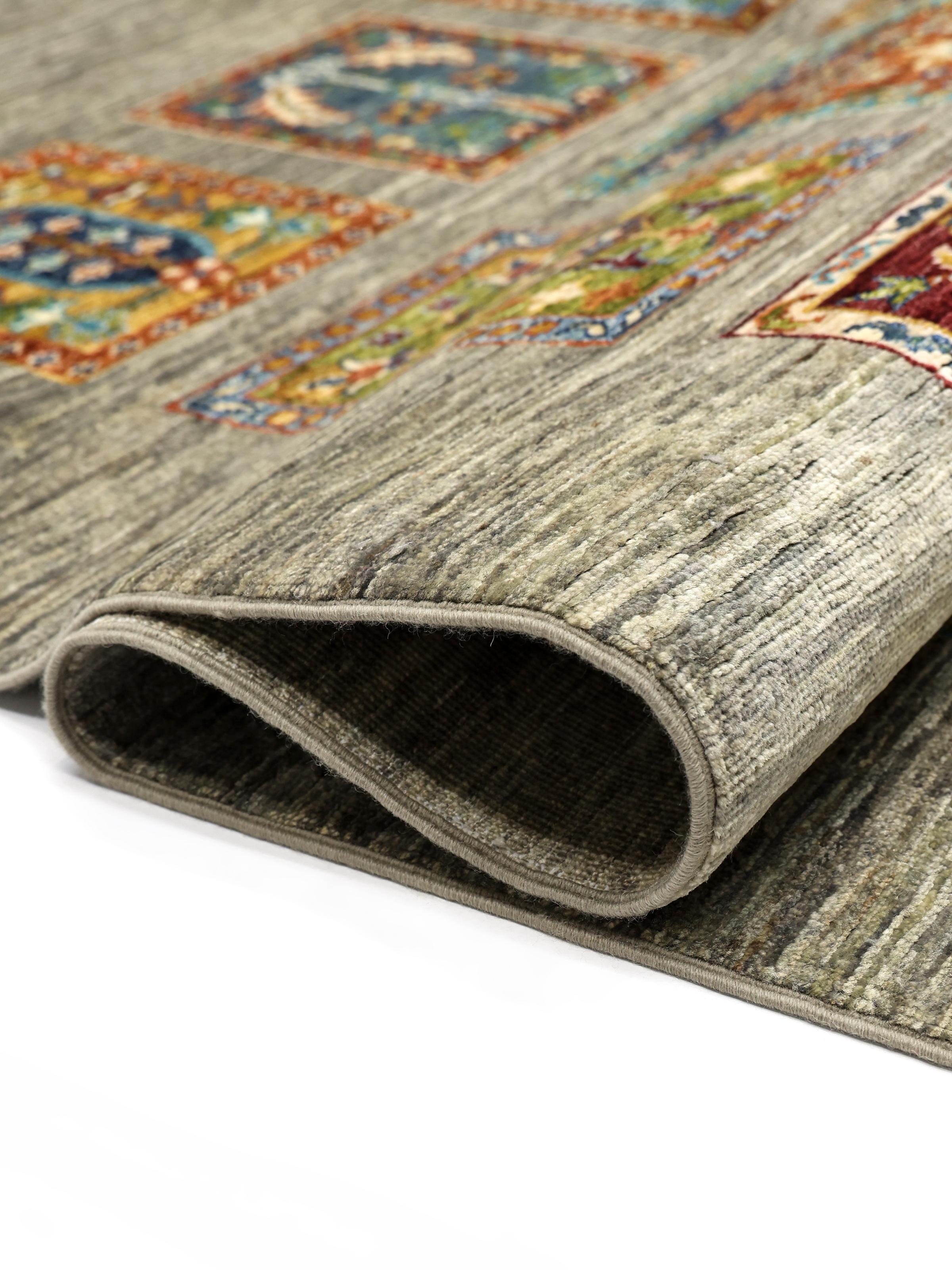
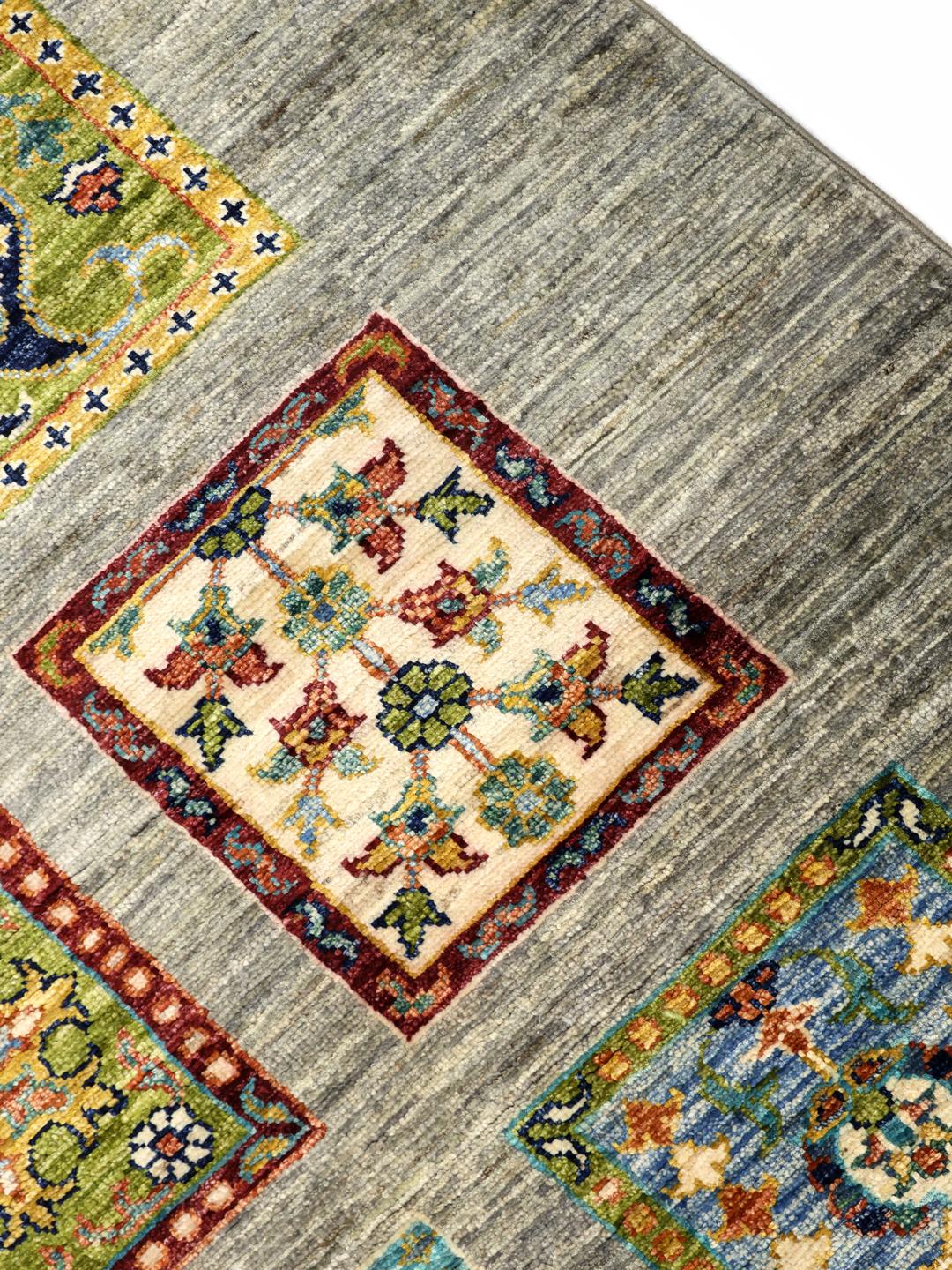
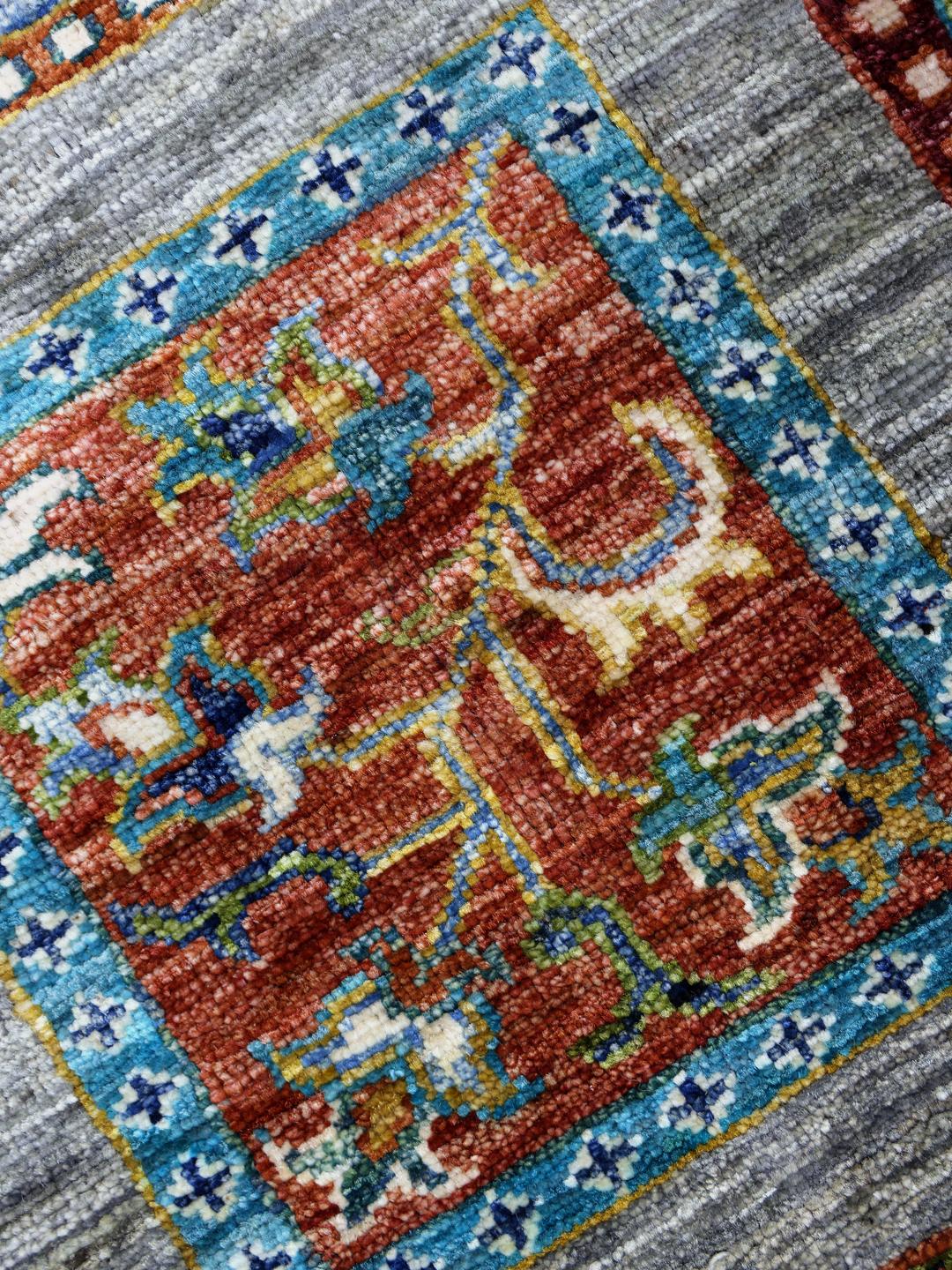
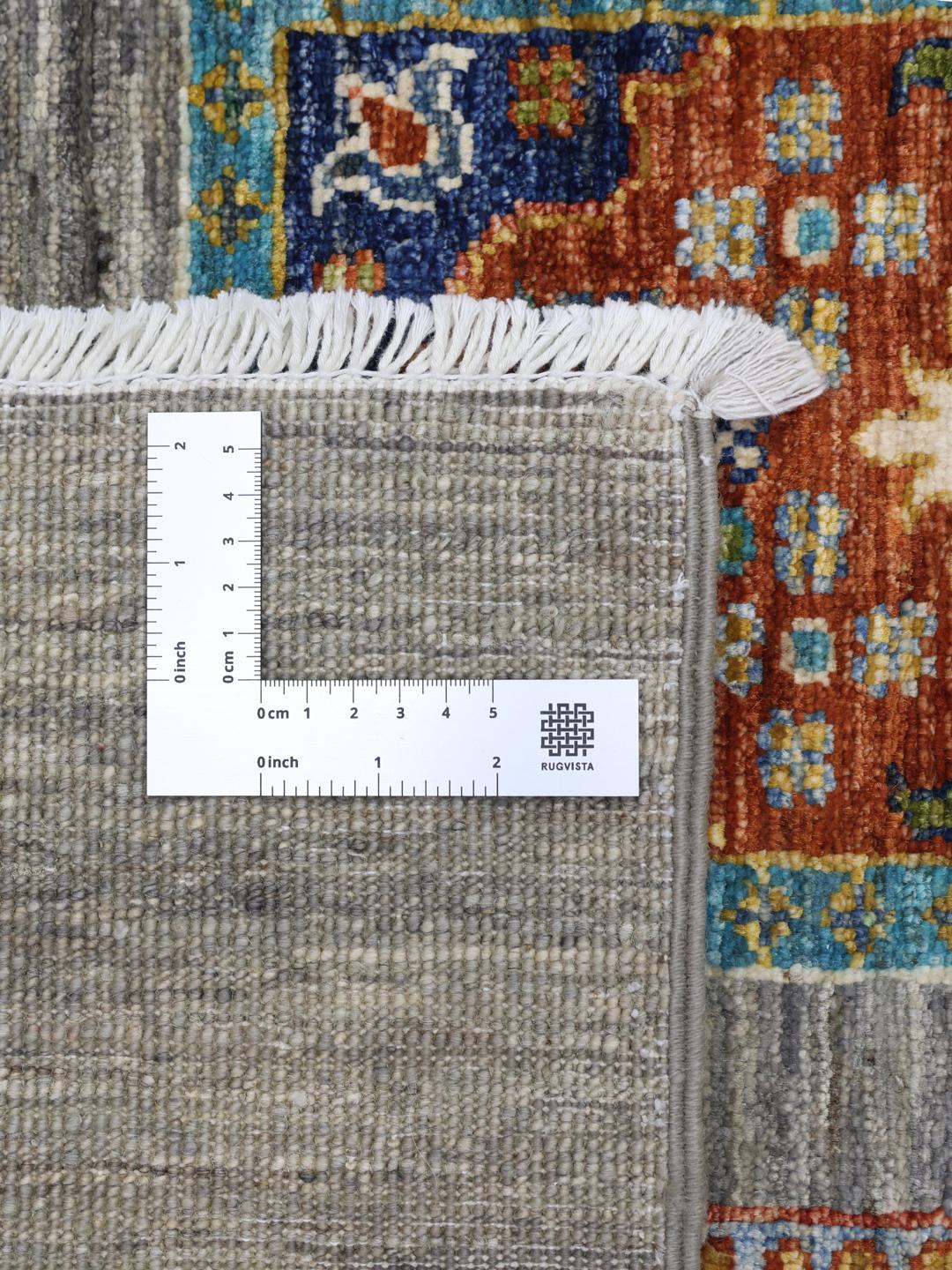
The term hand-knotted refers to the most traditional and labour-intensive method of rug production, where every single knot is tied individually onto the foundation. This creates a level of durability and detail that simply cannot be replicated by machines. The skill required to achieve such consistency and clarity in a pattern is significant, representing a lifetime of training and a commitment to maintaining age-old techniques.
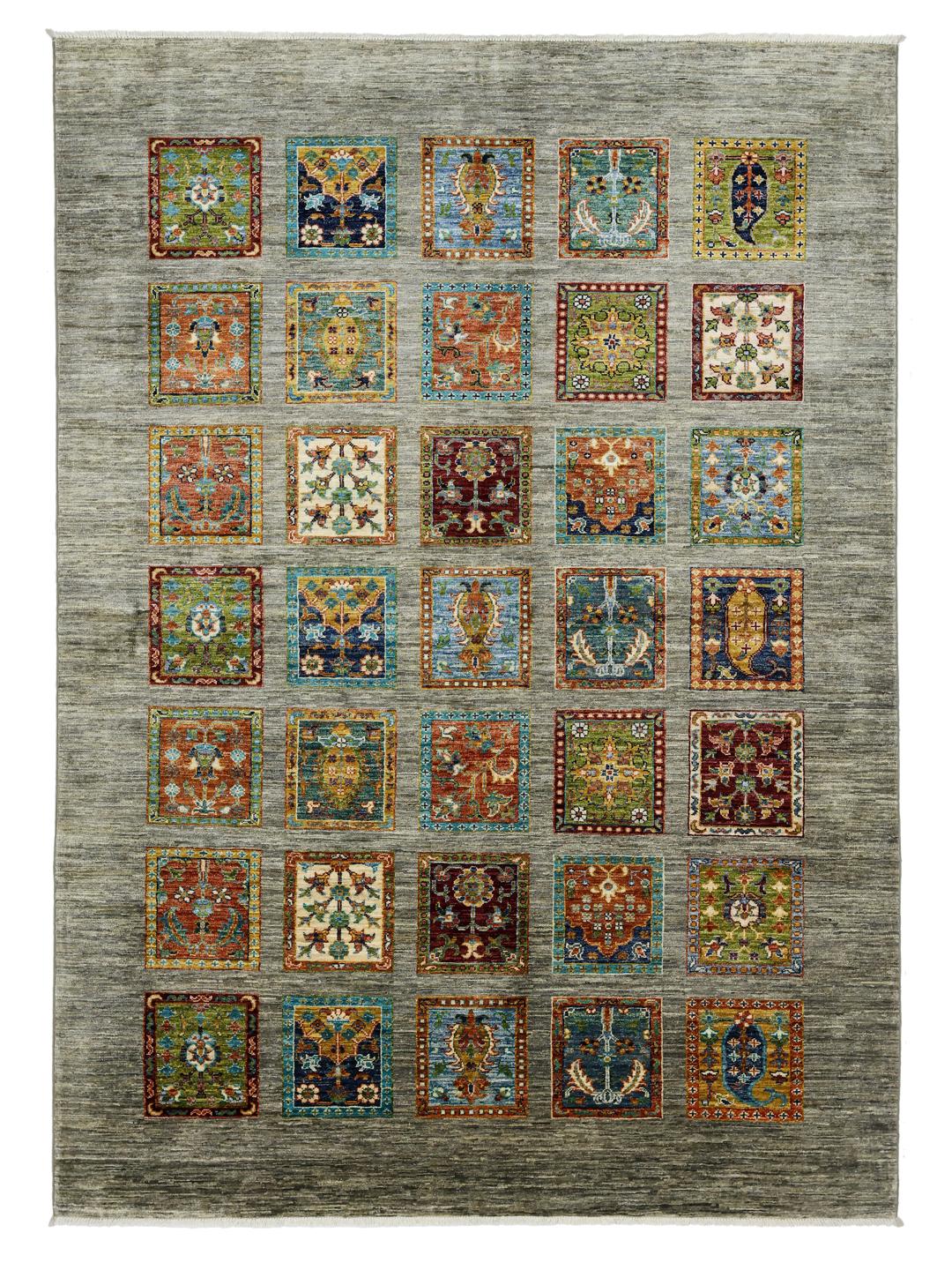
The design of this particular rug is an exploration of variety and form. While many traditions rely on a single, repeating pattern, the Shabargan utilises a grid of disparate, ornate squares, each showcasing different floral, geometric, or pictorial elements. This approach creates a mosaic effect, where the eye is invited to travel from one small, intricate story to the next, unified by the neutral, textured grey background that anchors the composition.
Collecting a rug from this tradition is an act of preserving a piece of living history. These rugs are valued not only for their aesthetic beauty but for the human spirit embedded in every fibre. By choosing a hand-knotted piece, you are supporting the continuation of a craft that celebrates human patience, artistic vision, and the enduring value of handmade objects in a modern world.