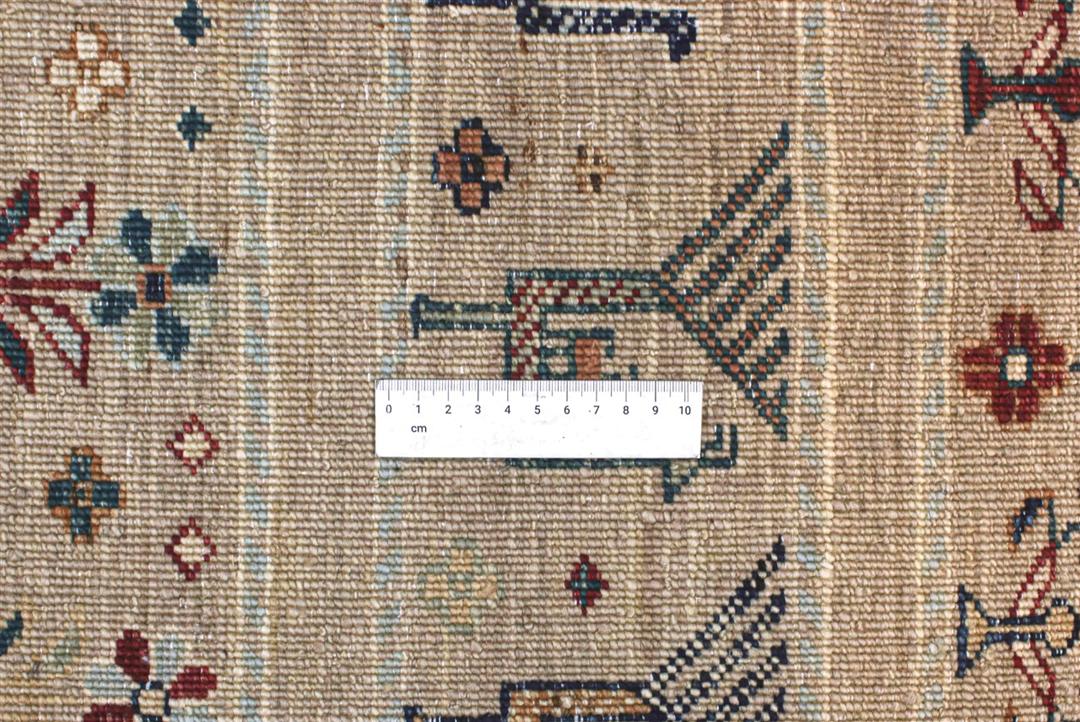
The tradition of rug weaving in Afghanistan is deeply rooted in the cultural identity of its people, drawing from a rich tapestry of influences found across Central Asia. Many of the techniques and motifs seen in these pieces have been passed down through families, evolving slowly over centuries to reflect both local landscapes and nomadic heritage. Afghanistan has long been a hub for this craft, where the arid climate and mountainous terrain shaped the development of sturdy, wool-based textiles.
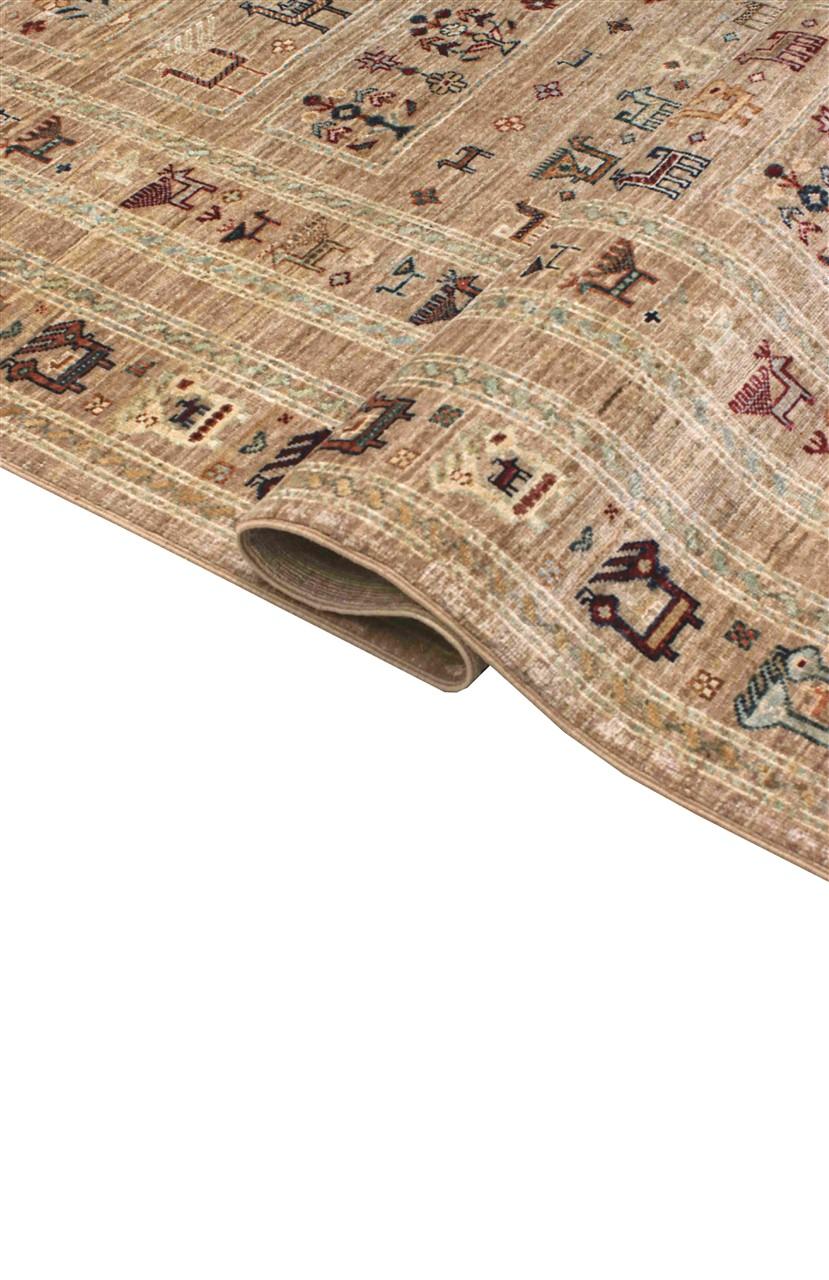
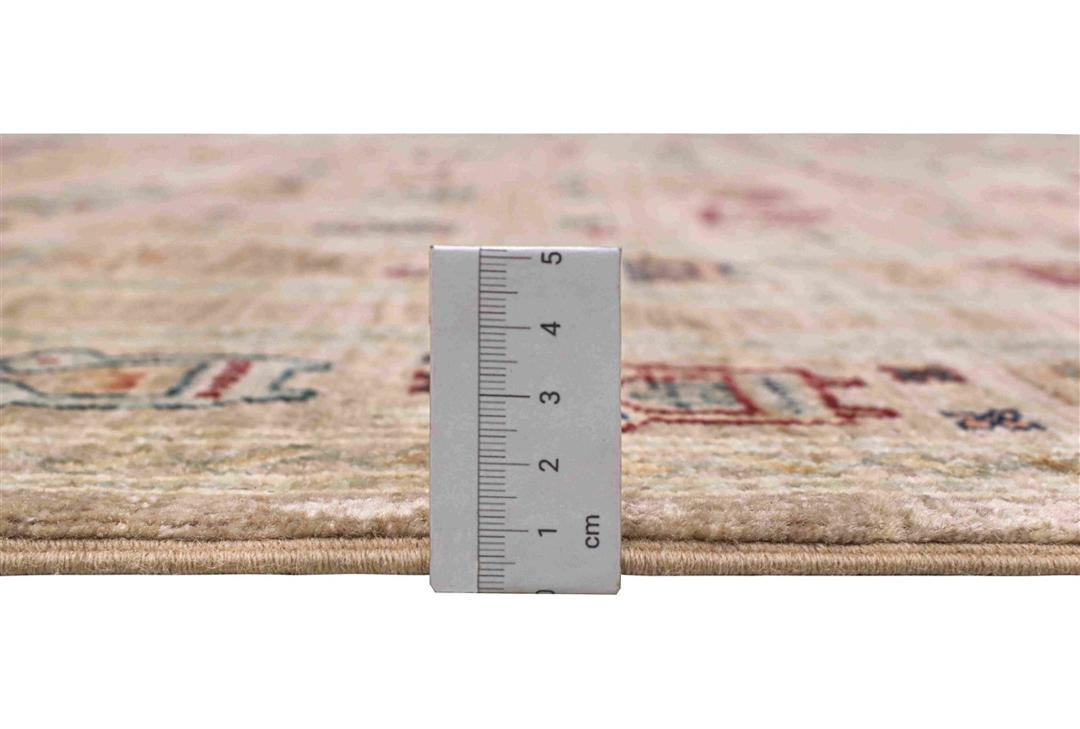
The terminology surrounding Afghan rugs often highlights the density and quality of the weave. When we talk about these pieces, we are referencing a long-standing commitment to using natural fibres that provide both durability and a soft, lustrous sheen. The construction is designed to be functional, with the foundation acting as a hidden support system that allows the pile to remain upright and defined, ensuring the rug retains its beauty through years of daily use.
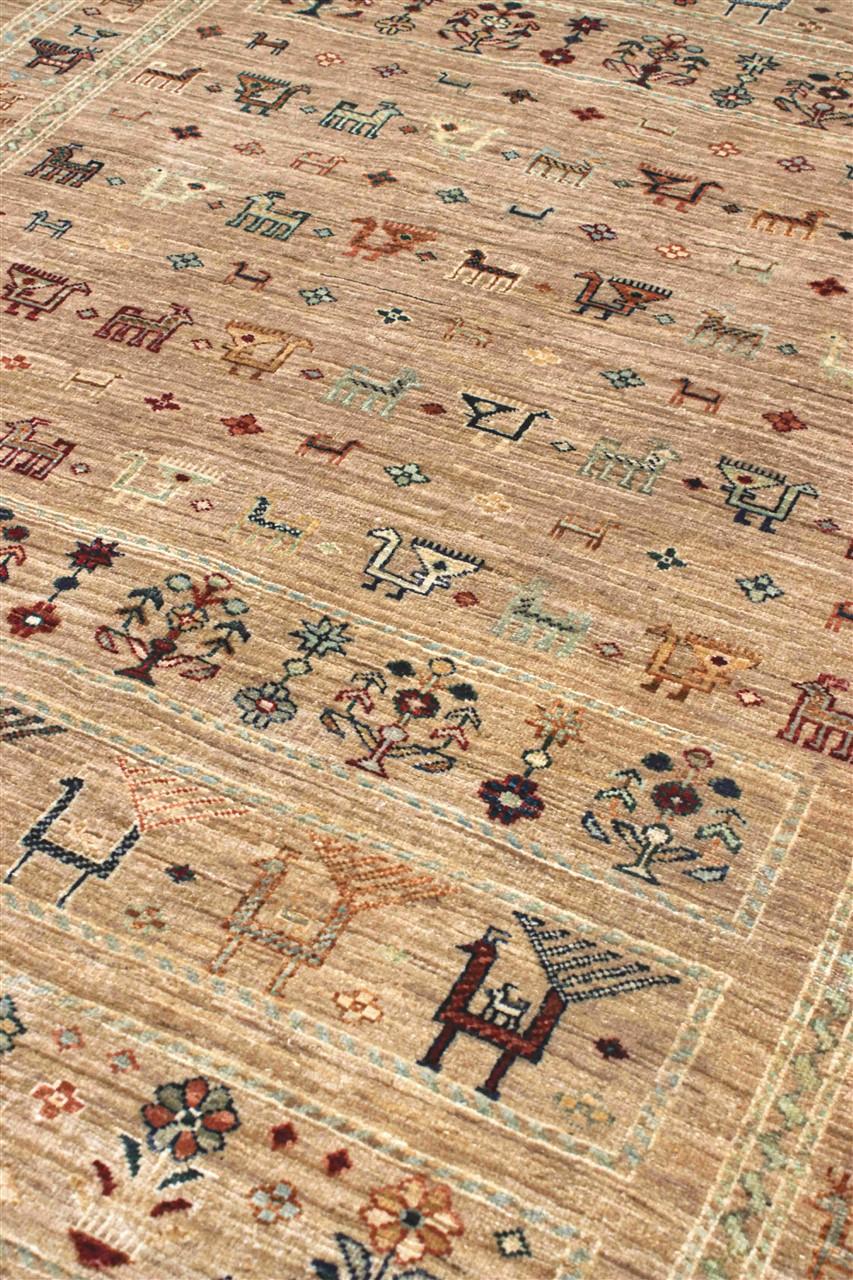
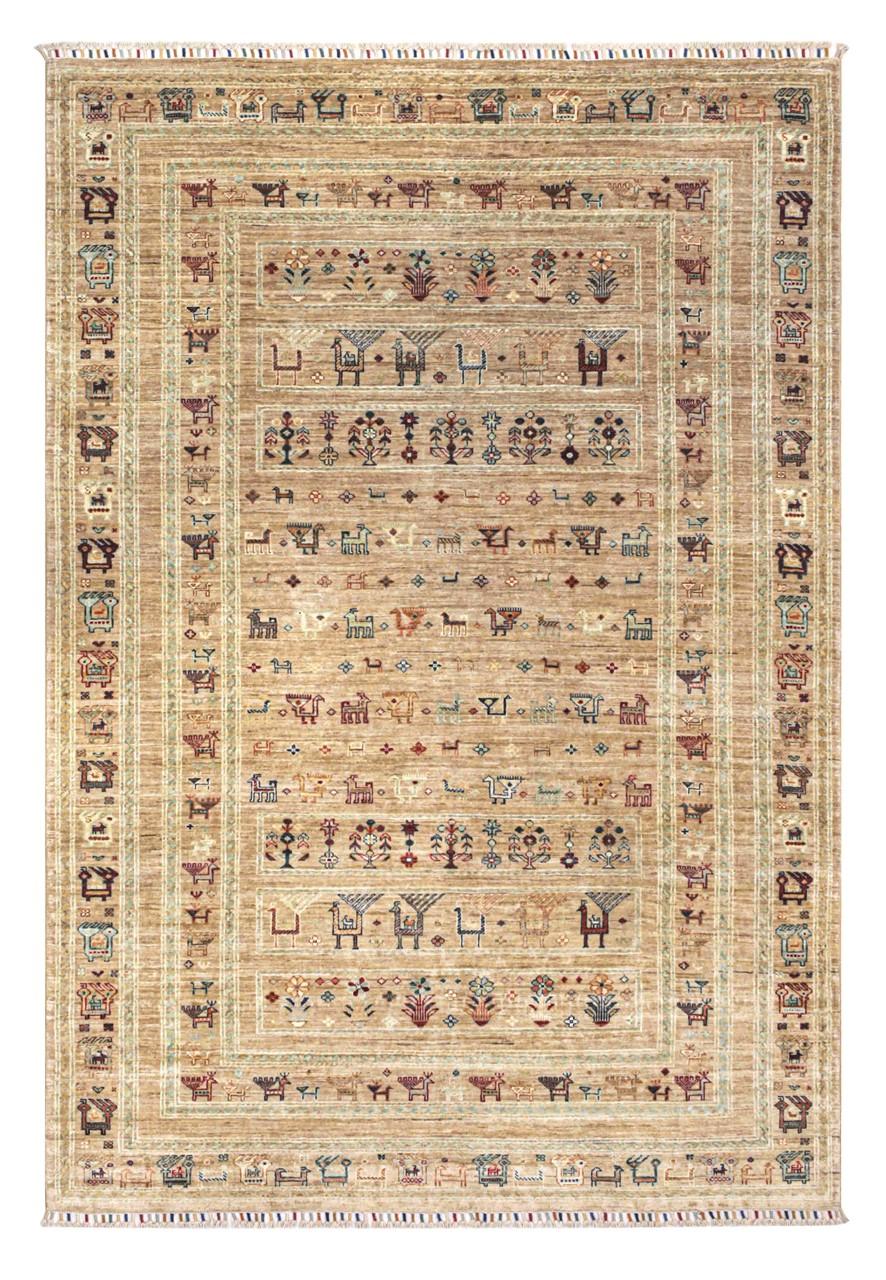
Visually, these rugs are known for their distinctive pictorial language. While some traditions rely on geometric repetition, many Afghan styles incorporate figurative elements such as animals, trees, and stylized life scenes. These motifs are not just decorative; they are often symbolic, representing the weaver's environment and their connection to the natural world. The use of borders to frame these scenes acts as a narrative boundary, grounding the whimsical imagery within a formal, structured layout.
Collecting a rug from this region is an opportunity to own a piece of living history. These rugs are highly valued for their authenticity and the sheer amount of human effort required to bring them to life. By choosing a piece like this, you are supporting a craft tradition that prioritises longevity and skill over mass production. It is a way to bring a sense of cultural weight and genuine character into your living space, knowing that you are the custodian of a unique work of art.