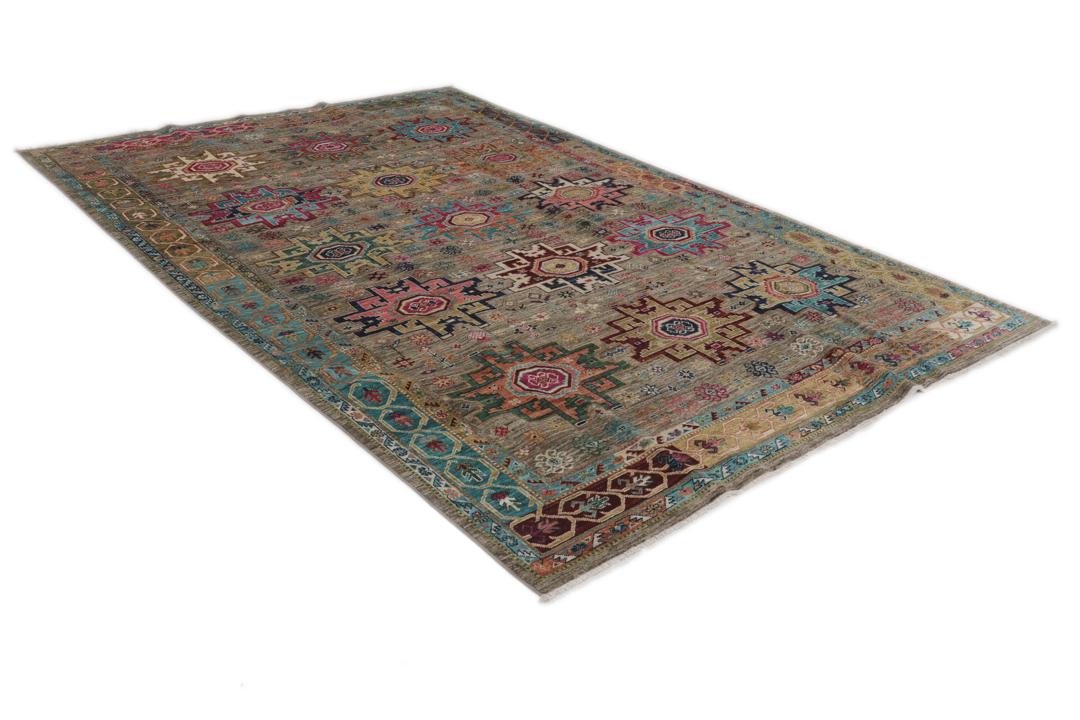
The tradition of rug weaving in Afghanistan is deeply rooted in the history of the Central Asian steppes, where nomadic and semi-nomadic tribes developed unique techniques to create durable, portable floor coverings. Over centuries, these skills were refined and passed down through generations, evolving into the sophisticated, highly-prized hand-knotted rugs we see today.
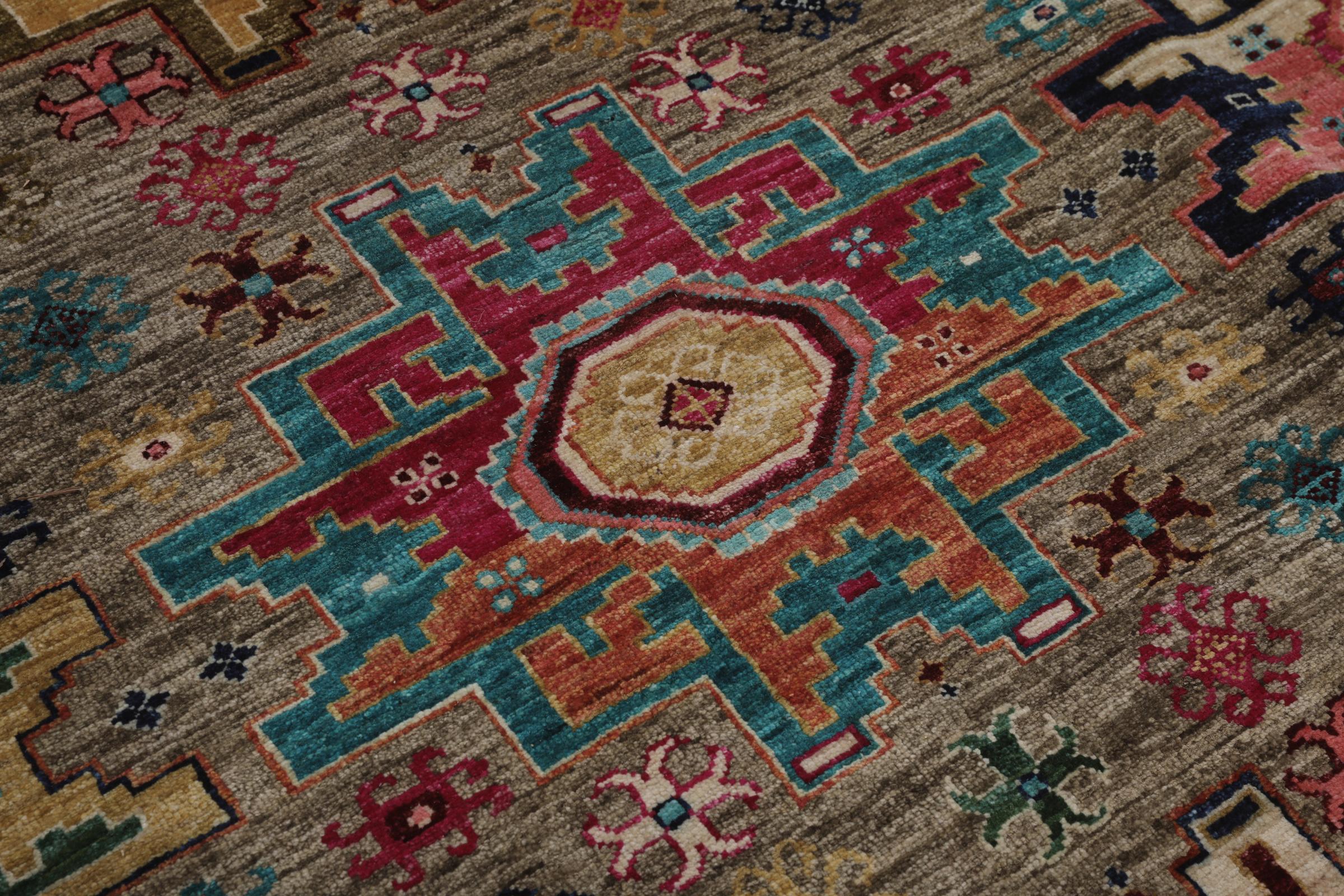
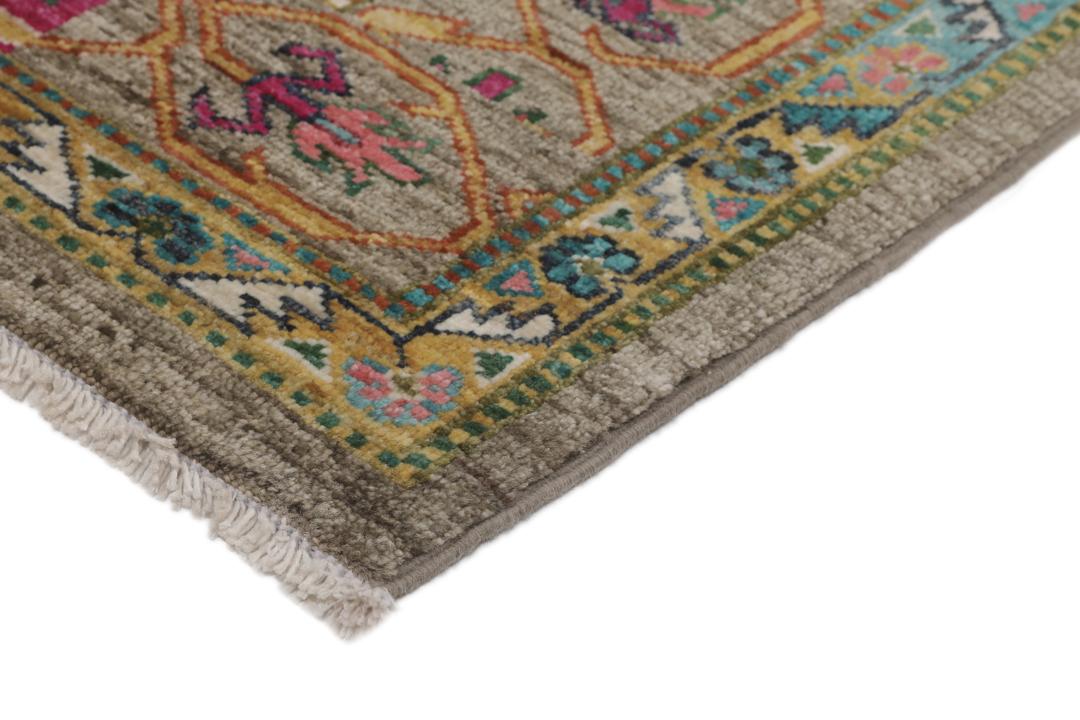
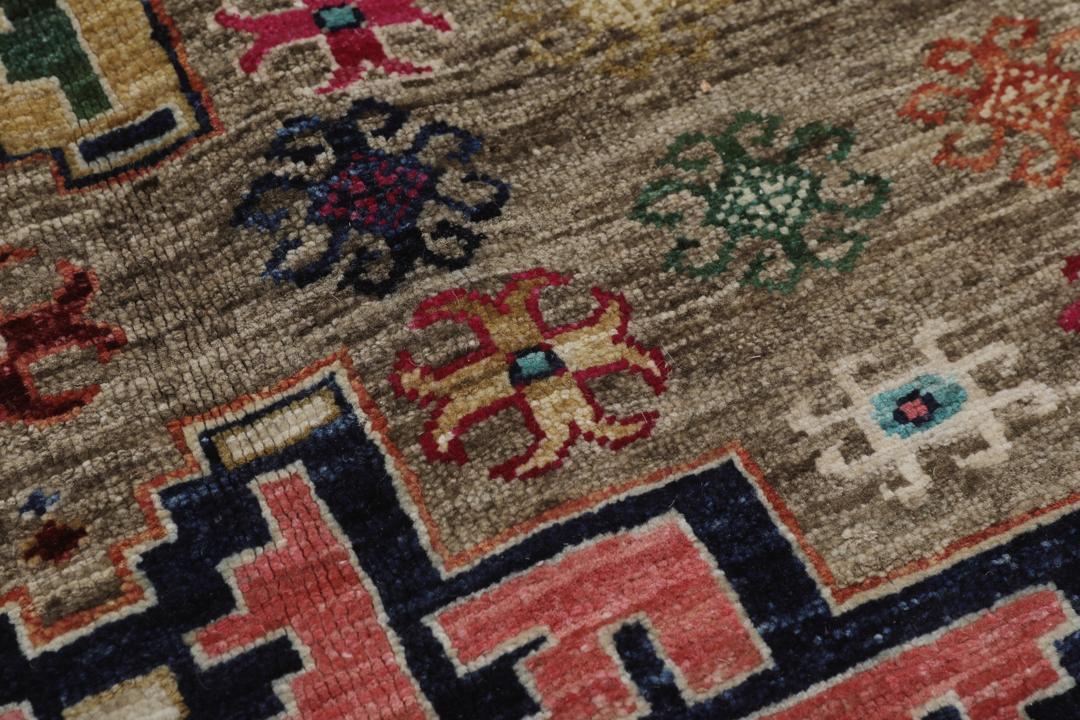
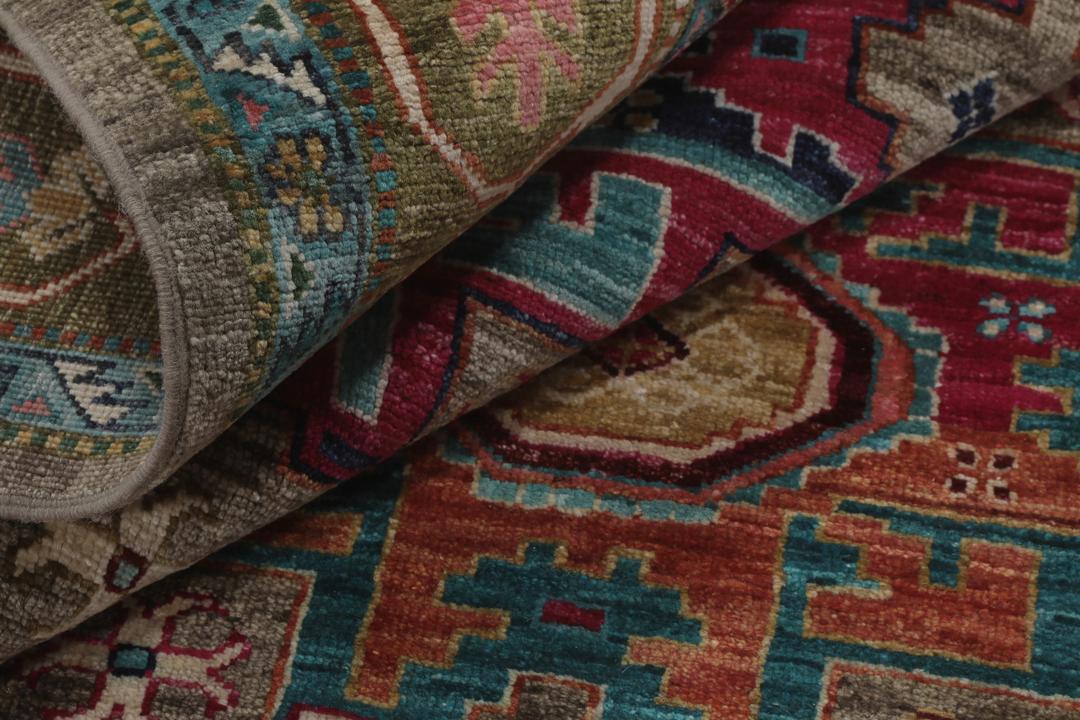
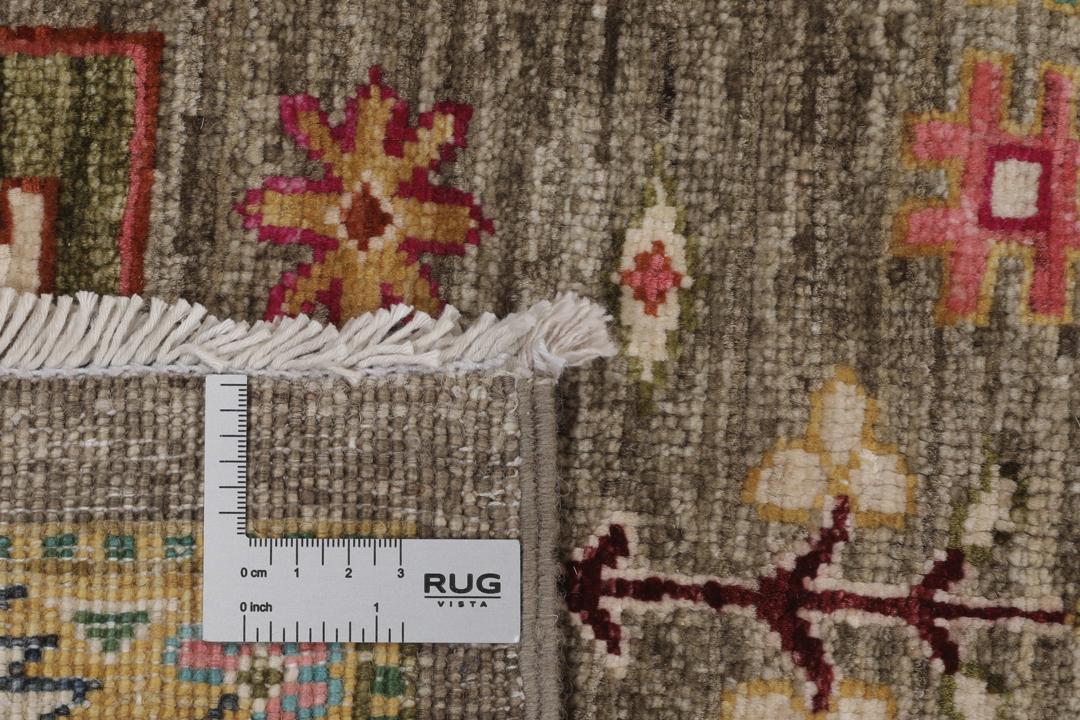
The term hand-knotted refers to the precise method where individual strands of wool are tied around the warp threads of the foundation. This technique is essential for creating the dense, long-lasting pile that distinguishes these rugs from simpler woven or tufted alternatives. It is a slow, rhythmic process that requires both physical stamina and an intuitive understanding of tension to ensure the rug lays perfectly flat and retains its shape.
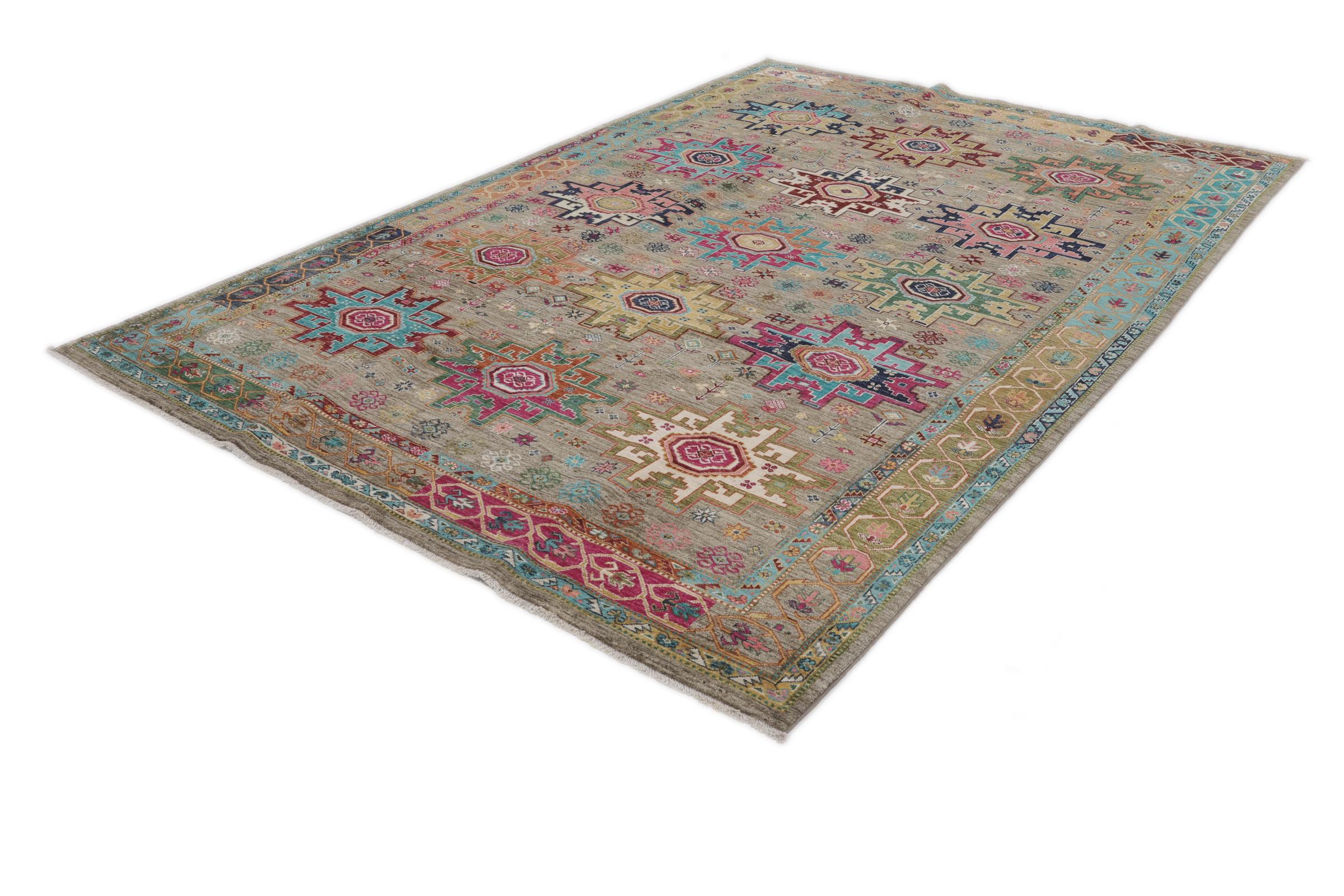
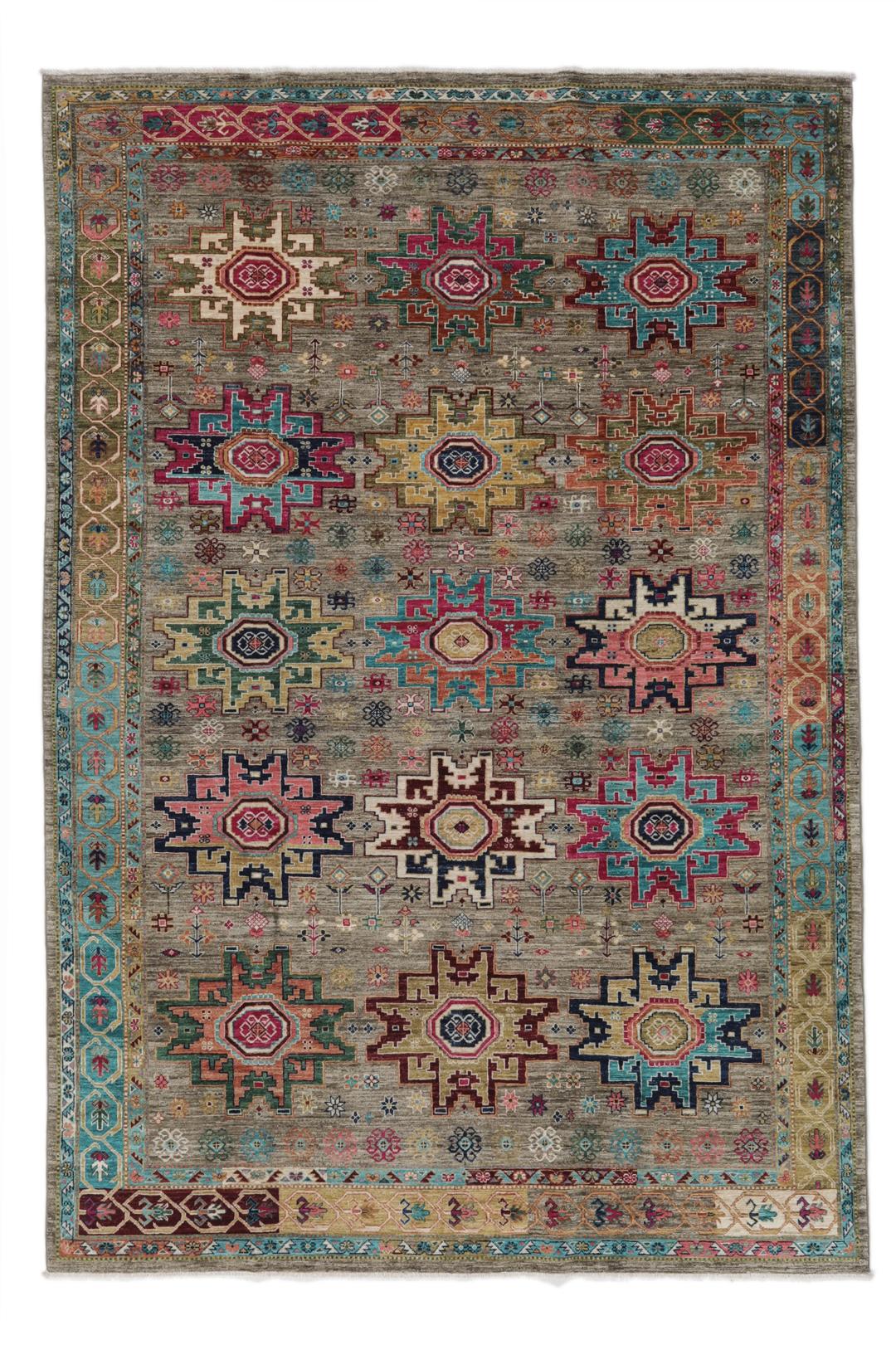
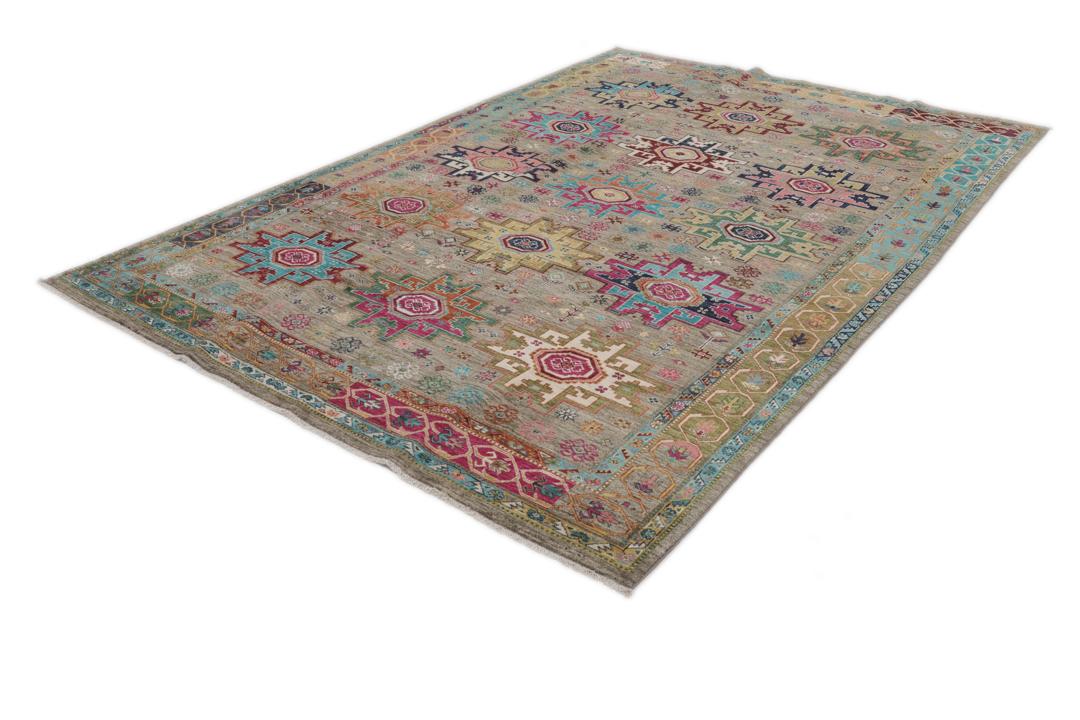
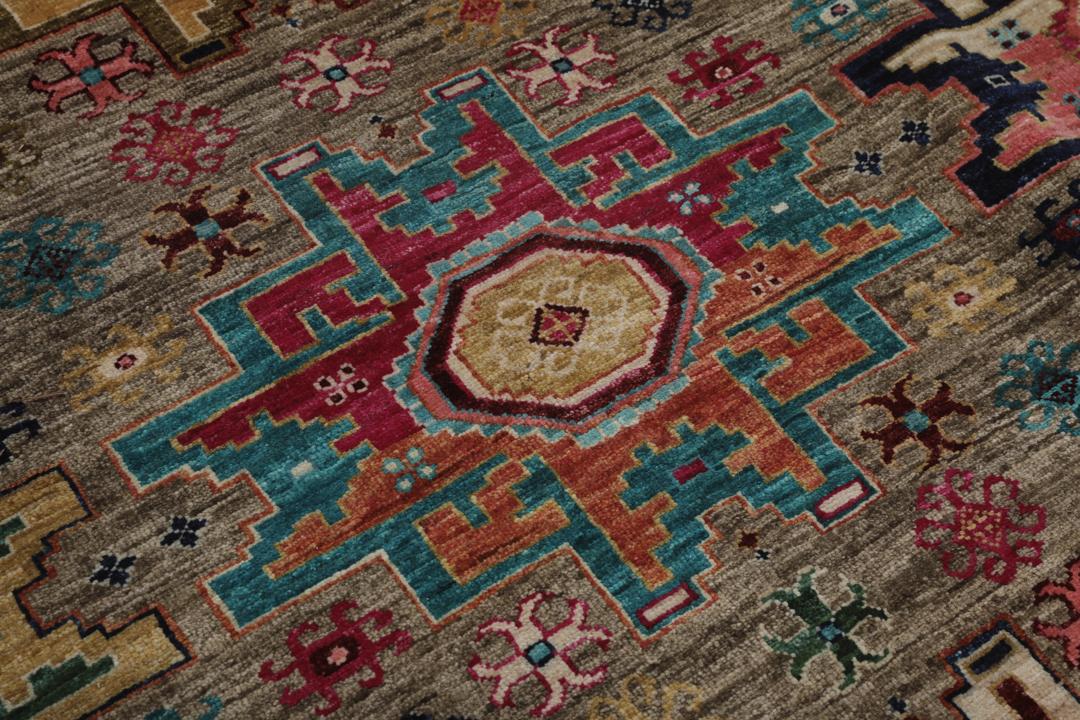
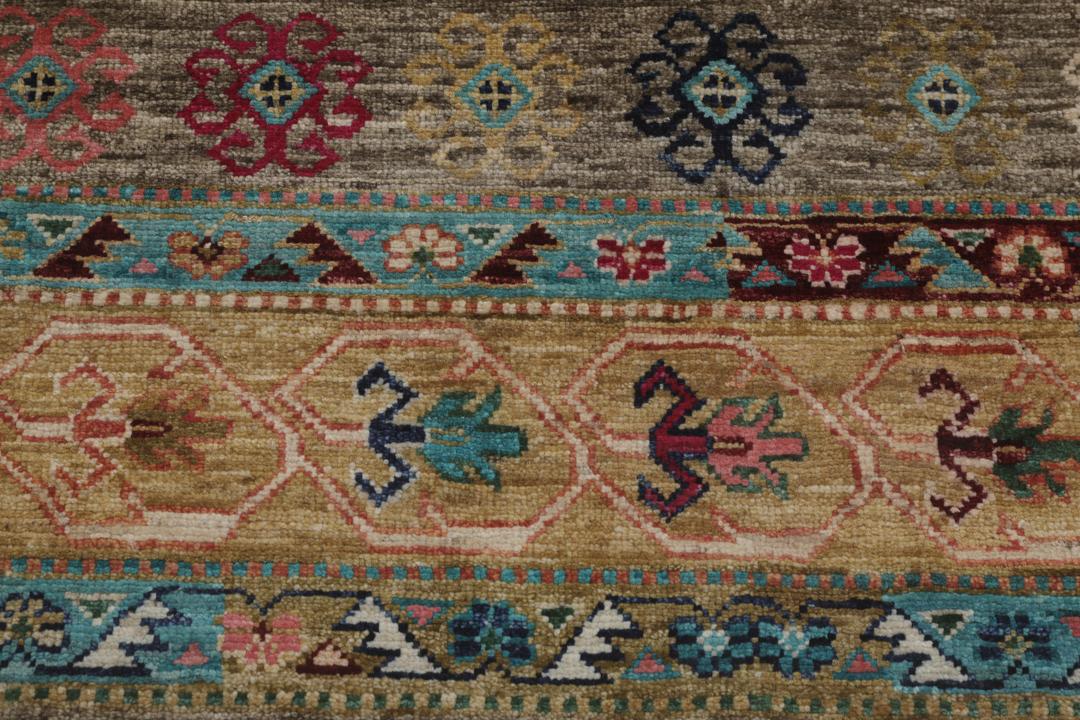
Visually, these Afghan rugs are often defined by their bold, geometric language. The field is typically populated by repeating guls or medallions, which serve as signature motifs within the region's design repertoire. The use of varied, earthy tones mixed with vibrant accents is a hallmark of the area, reflecting the natural dyes historically available and the artistic desire to bring life and colour into the home environment.
Owning a piece from this tradition is about more than just decor. It represents a connection to a long-standing craft that values patience, skill, and the preservation of cultural motifs. Collectors and homeowners alike value these rugs for their ability to bring a sense of history and human presence into a space, acting as a testament to the enduring nature of traditional artistry.