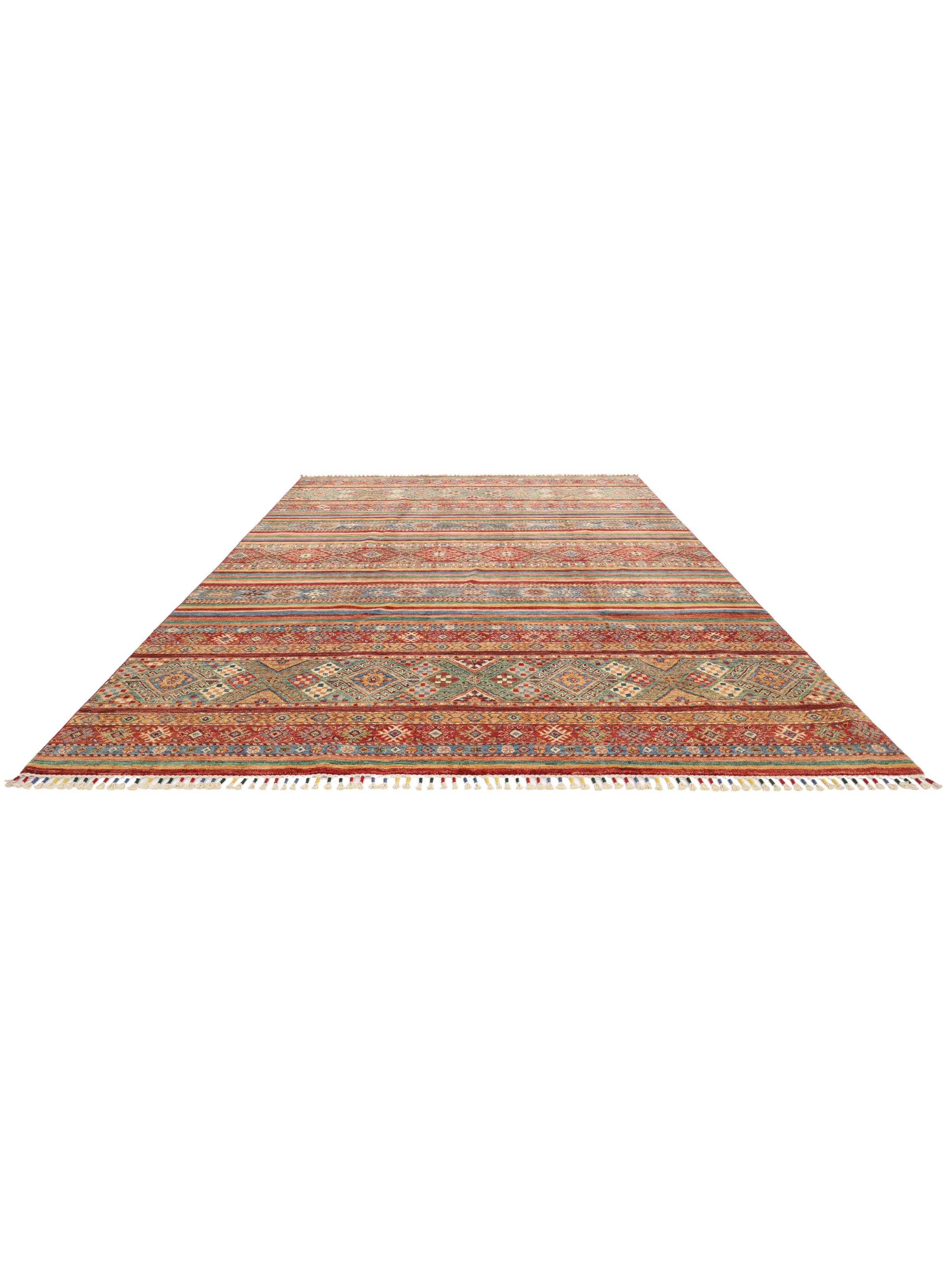
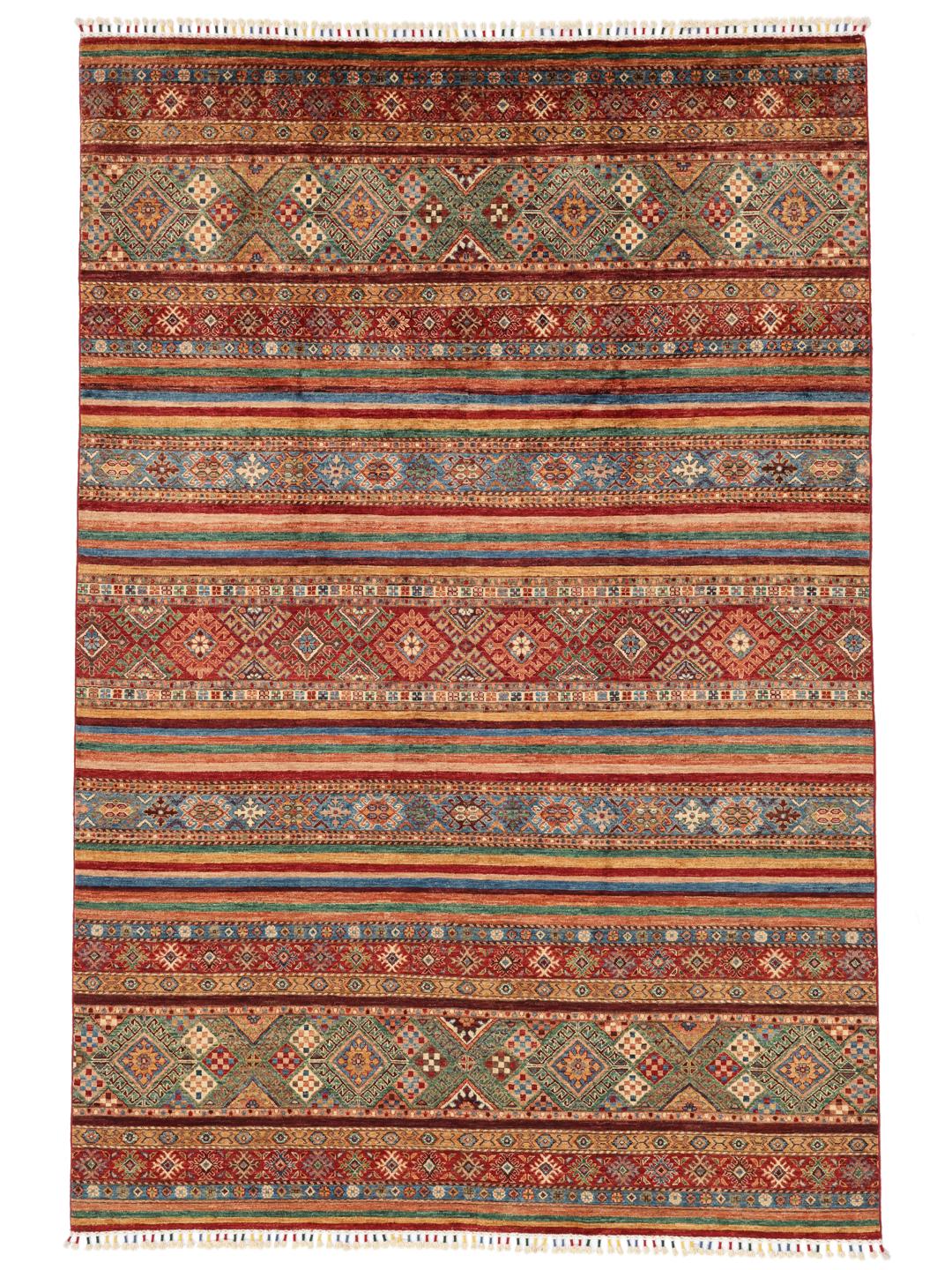
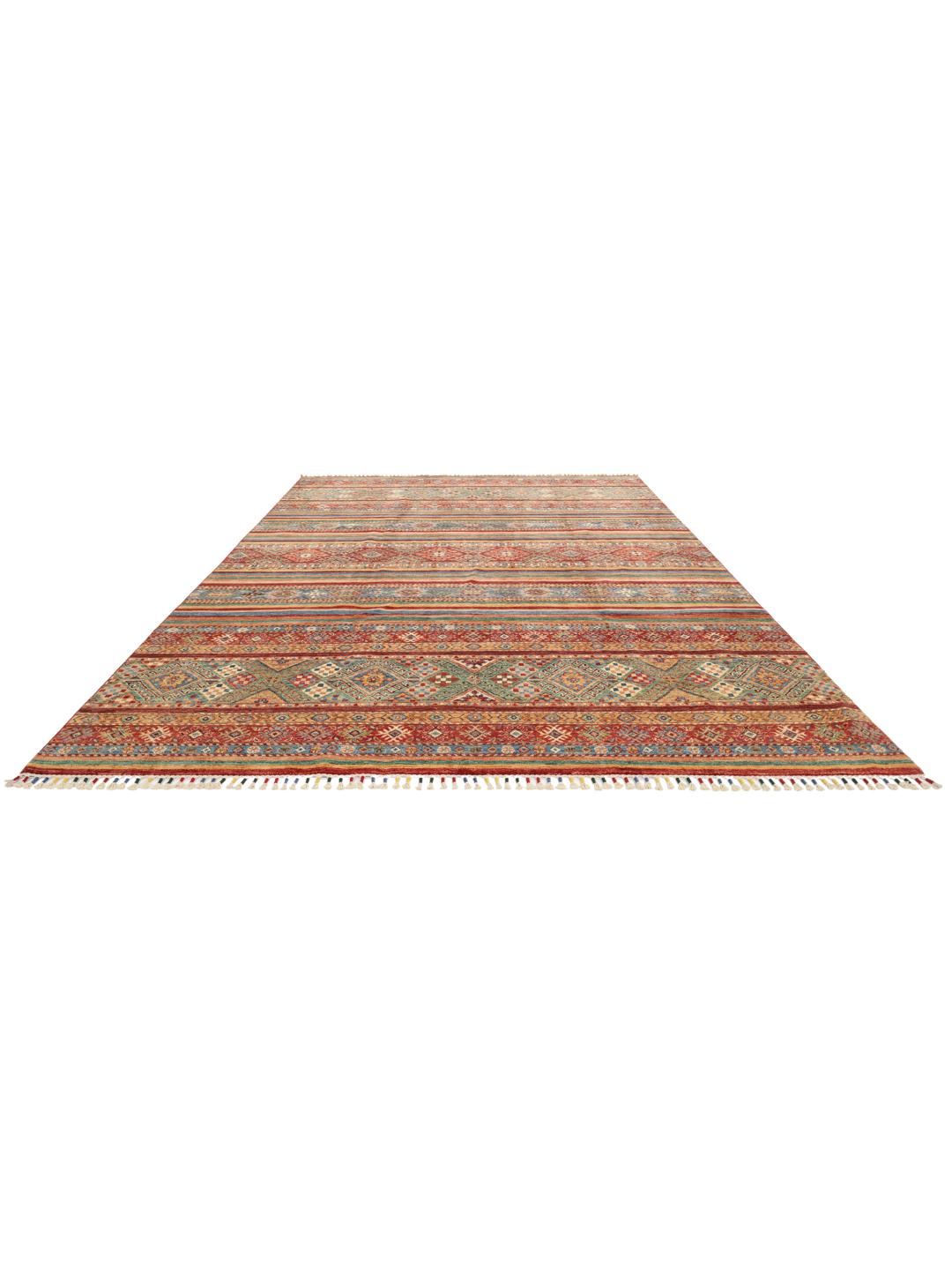
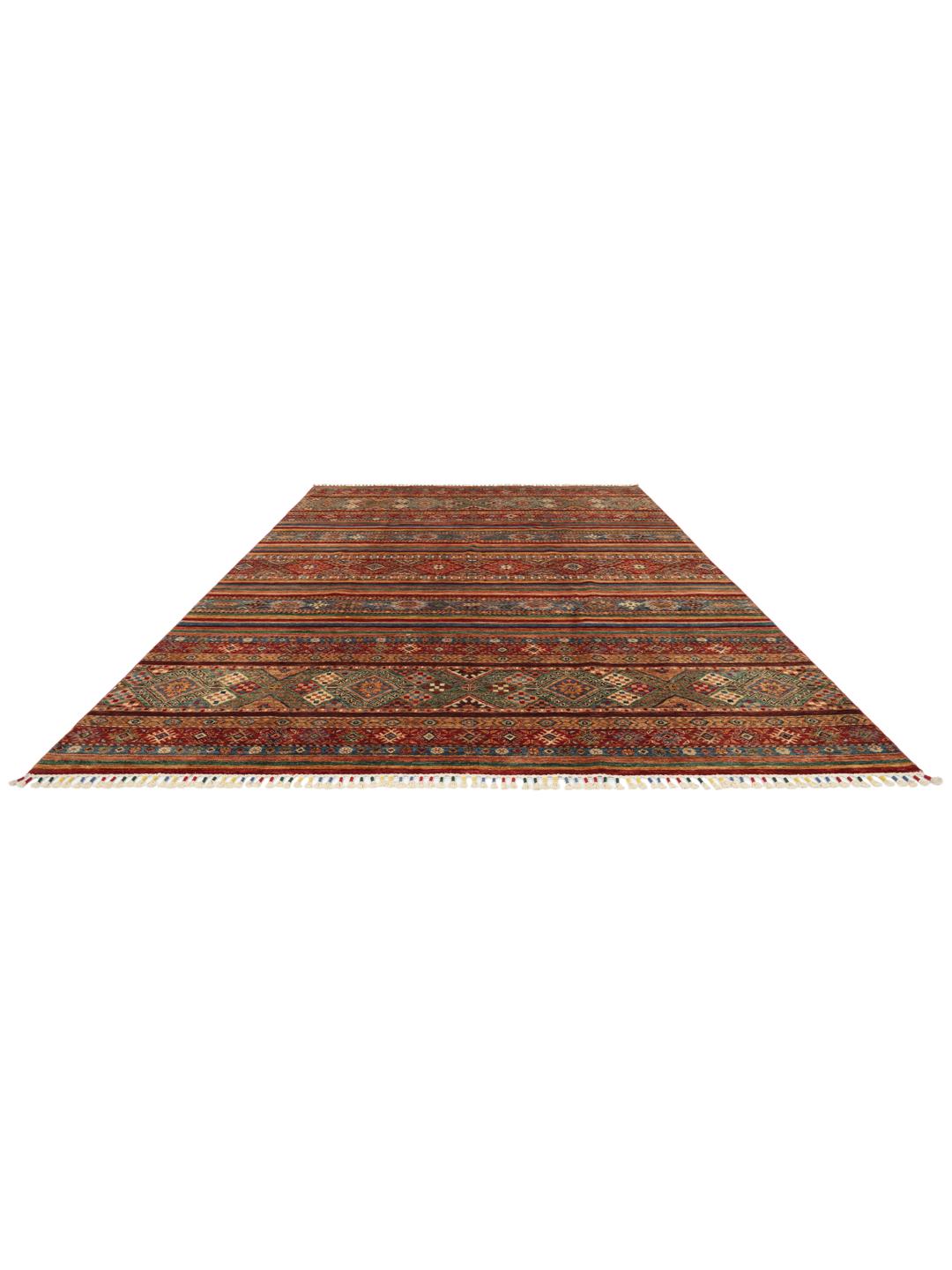
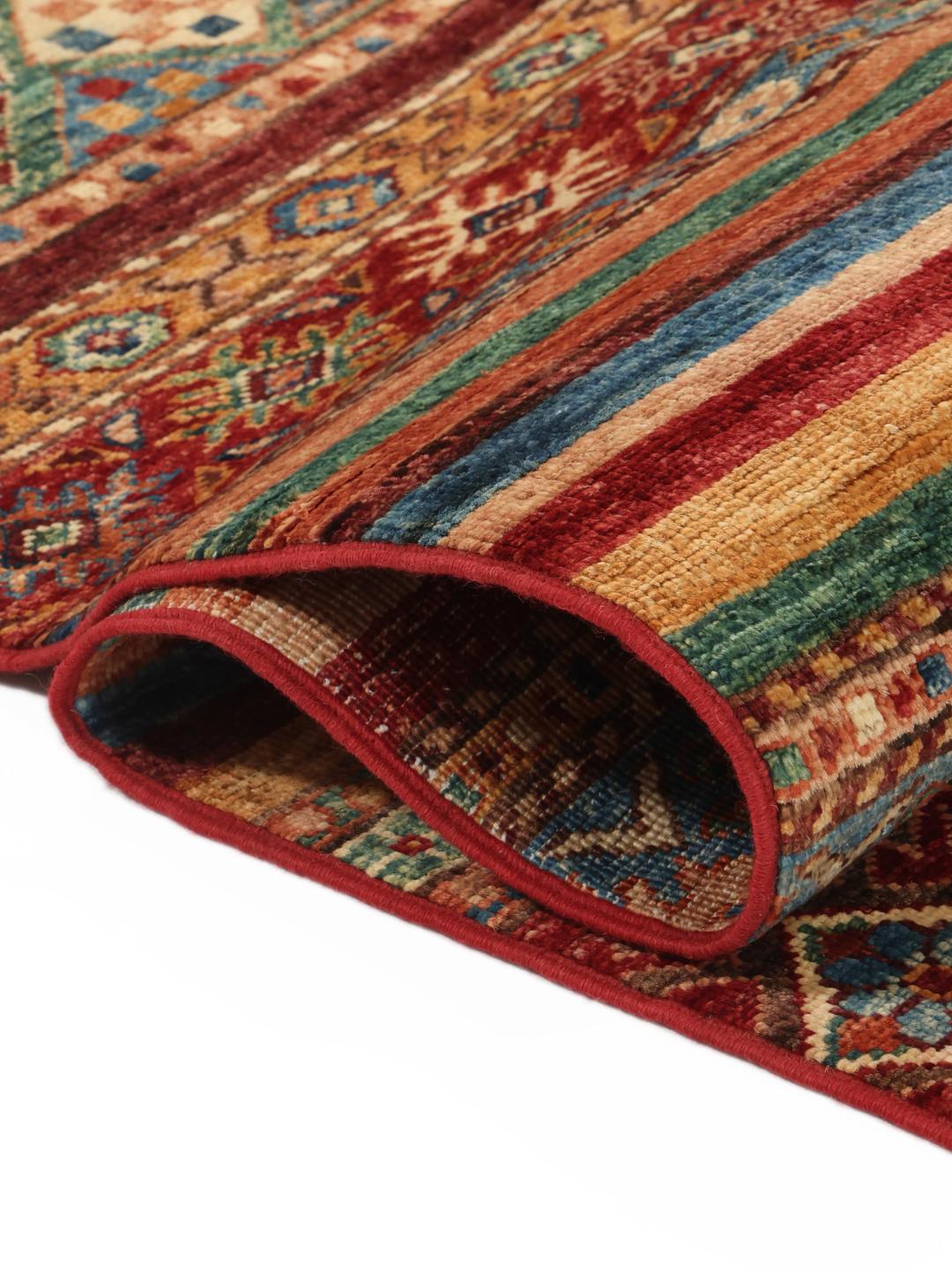
The tradition of rug weaving in Afghanistan is deeply rooted in the history of the Central Asian steppes, where nomadic and village cultures developed distinct styles that are still celebrated today. Often referred to as part of the broader Afghan weaving heritage, these rugs are known for their resilience and their ability to blend ancient tribal sensibilities with contemporary design needs.
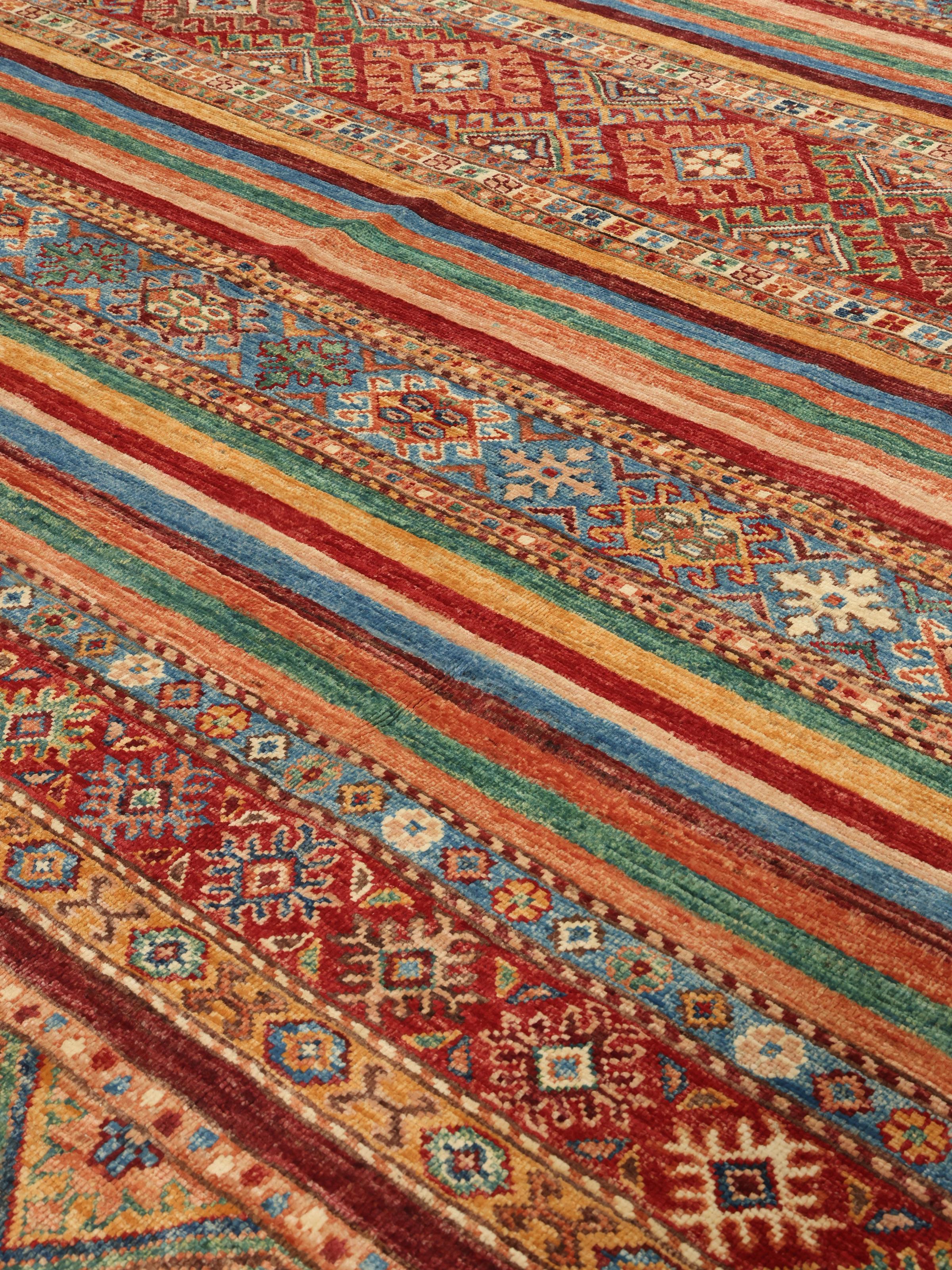
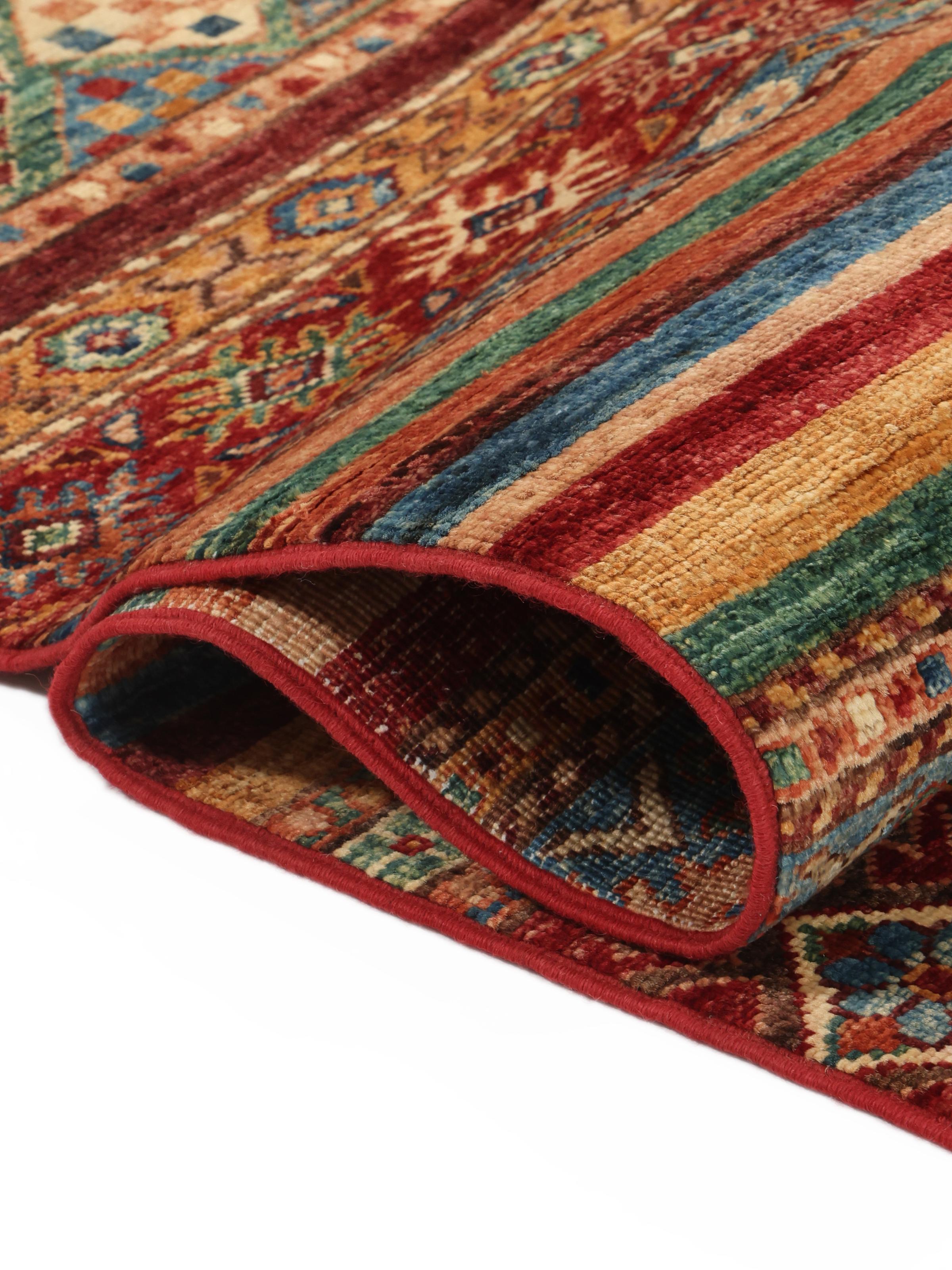
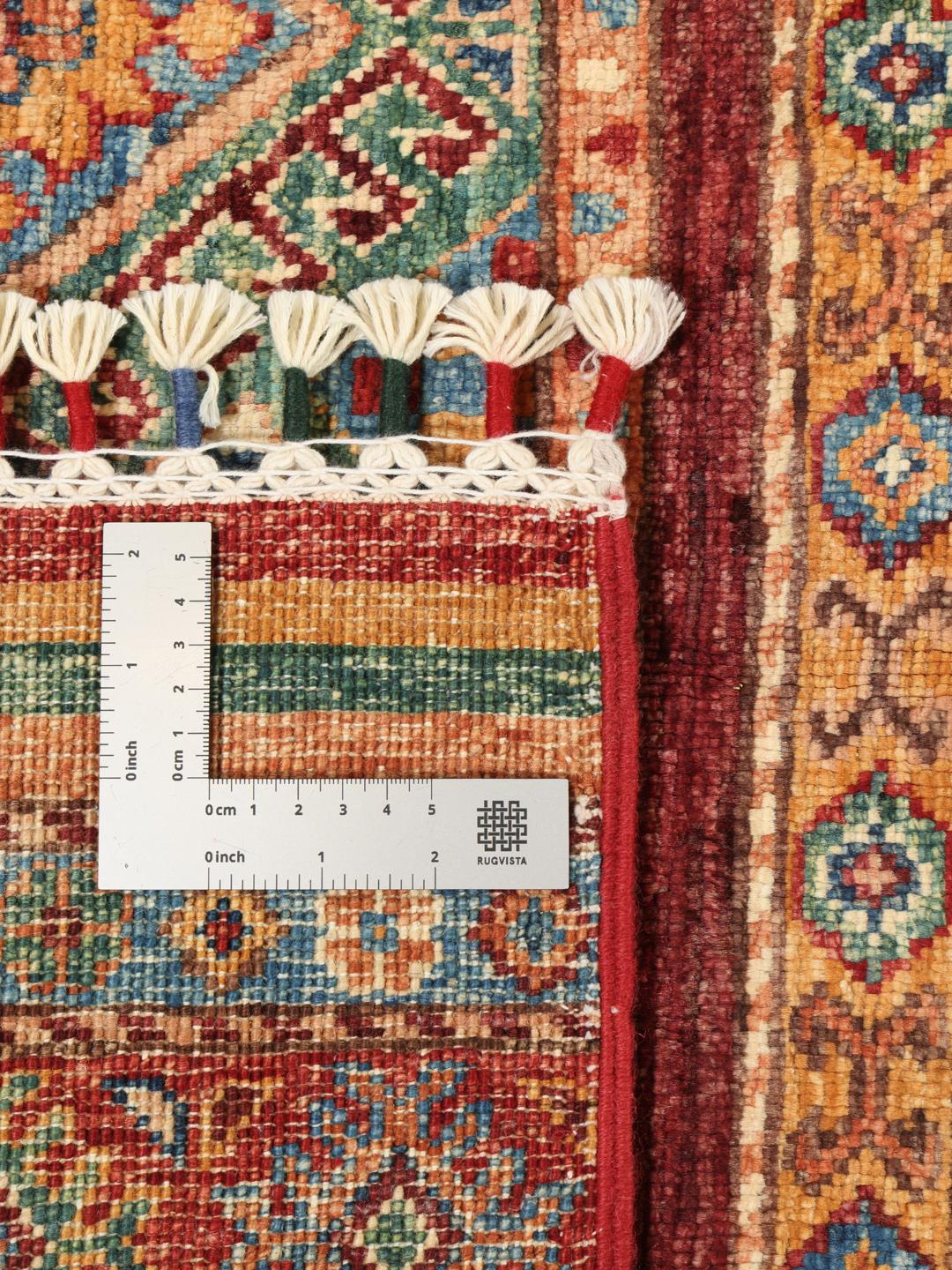
The terminology used to describe these pieces often reflects the specific tribal or regional techniques passed down through generations. When we speak of hand-knotted construction, we are referring to the tradition of tying individual knots onto a foundation, a method that creates a robust and long-lasting textile. This foundation, often made from cotton, provides the necessary stability for the dense wool pile, ensuring that the rug remains flat and durable over decades of wear.
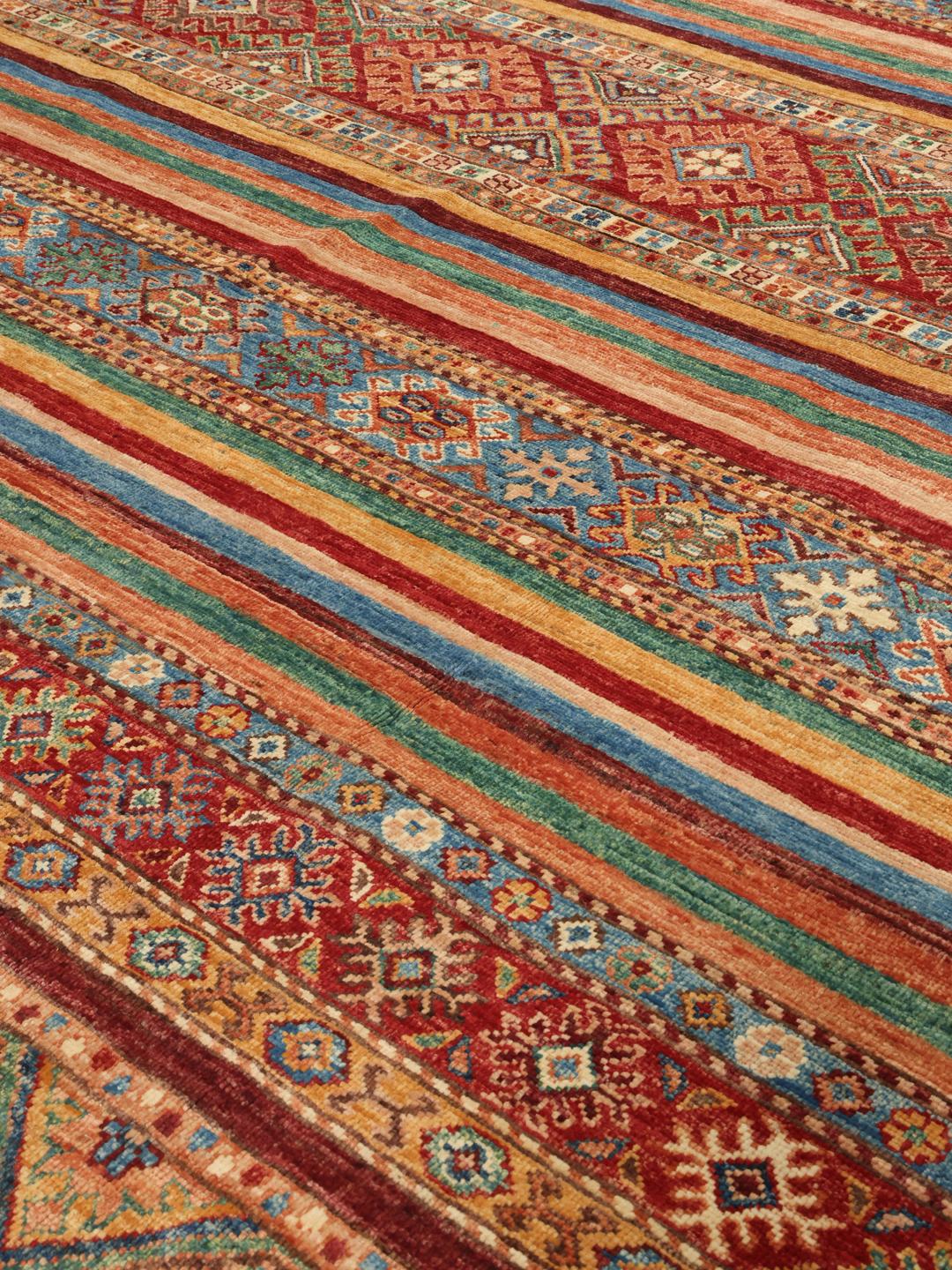
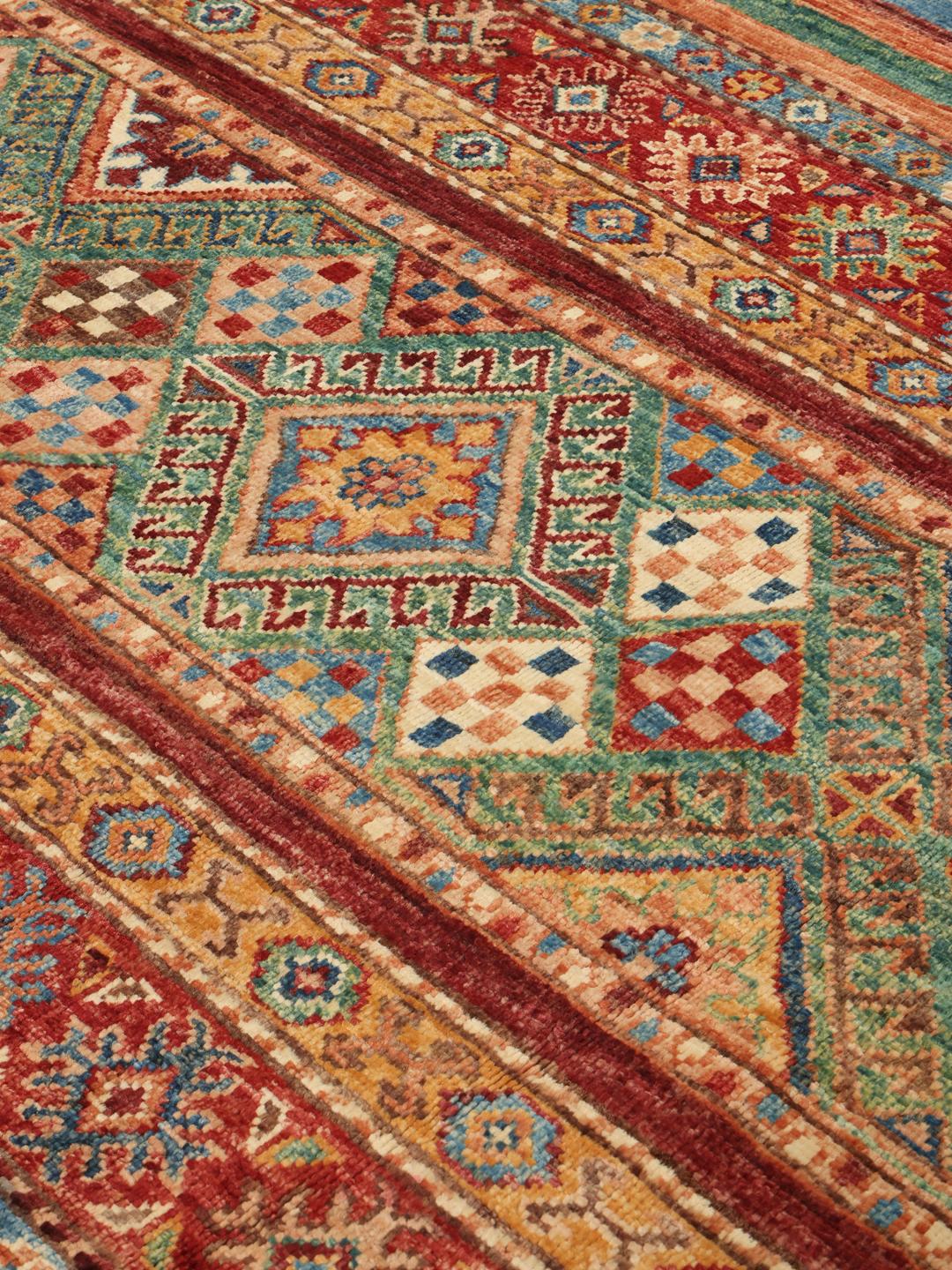
The visual language of this region is famous for its bold use of geometric forms, often incorporating guls, or tribal medallions, that hold cultural significance and tell stories of the weaver’s environment. While red is a traditional dominant colour derived from natural dyes, modern Afghan weaving has expanded to include a wider spectrum of earthy tones, blues, and greens, creating a sophisticated aesthetic that feels both historic and fresh.
Collecting a rug from this tradition is an investment in cultural preservation. These rugs are highly valued for their authenticity and the immense human effort required to create them. Owning such a piece allows you to connect with a long-standing craft tradition, bringing a sense of place and profound history into your own home environment.