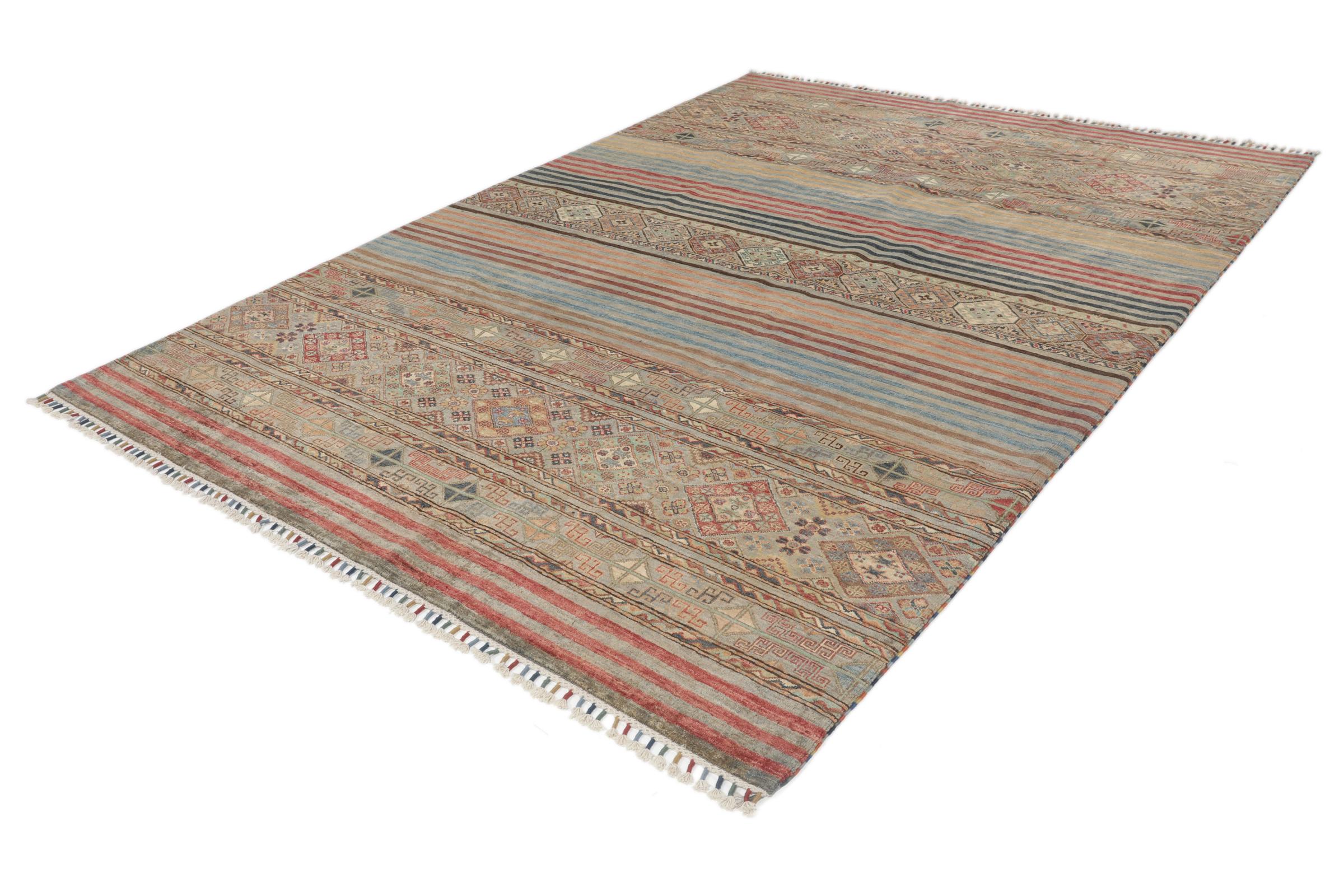
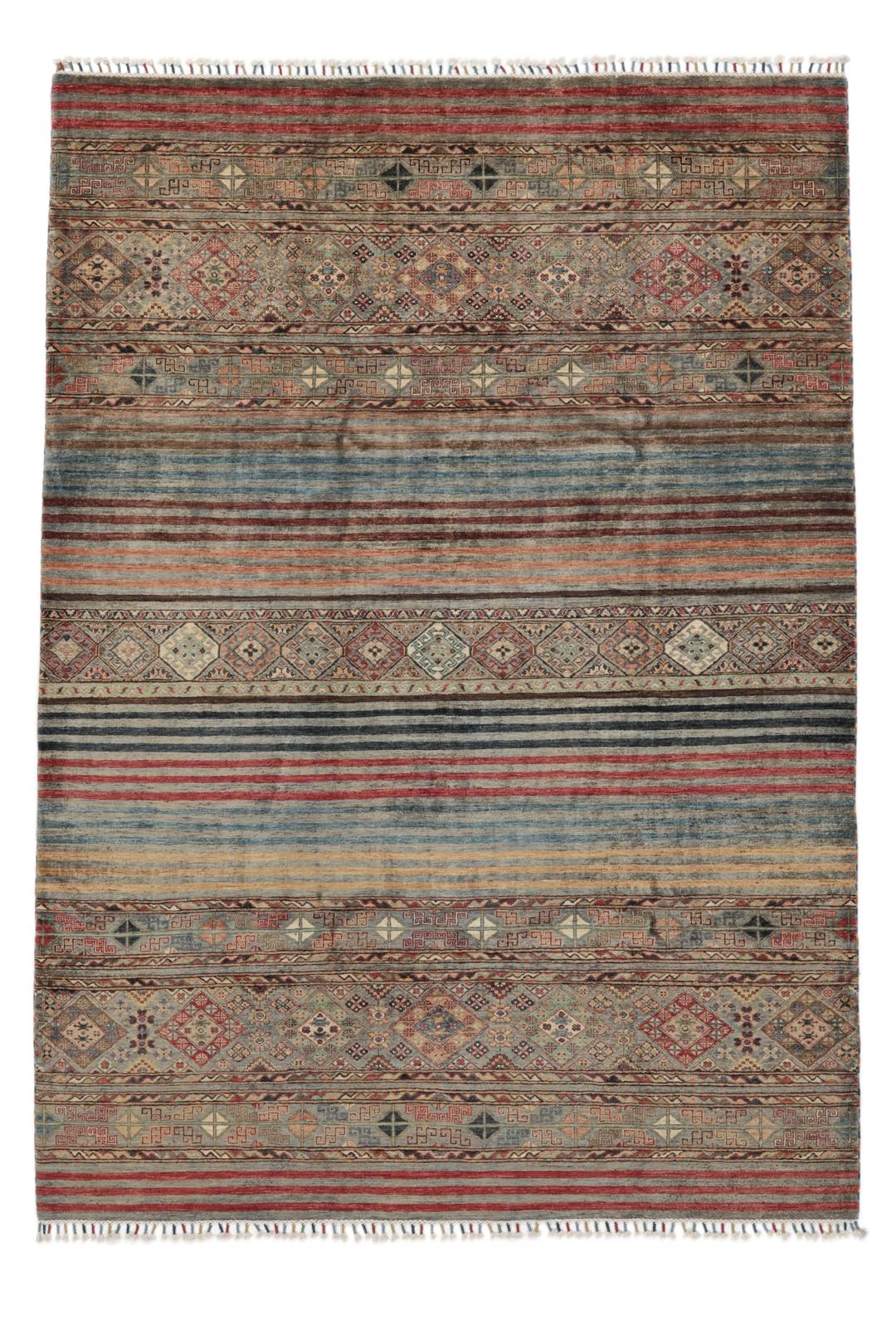
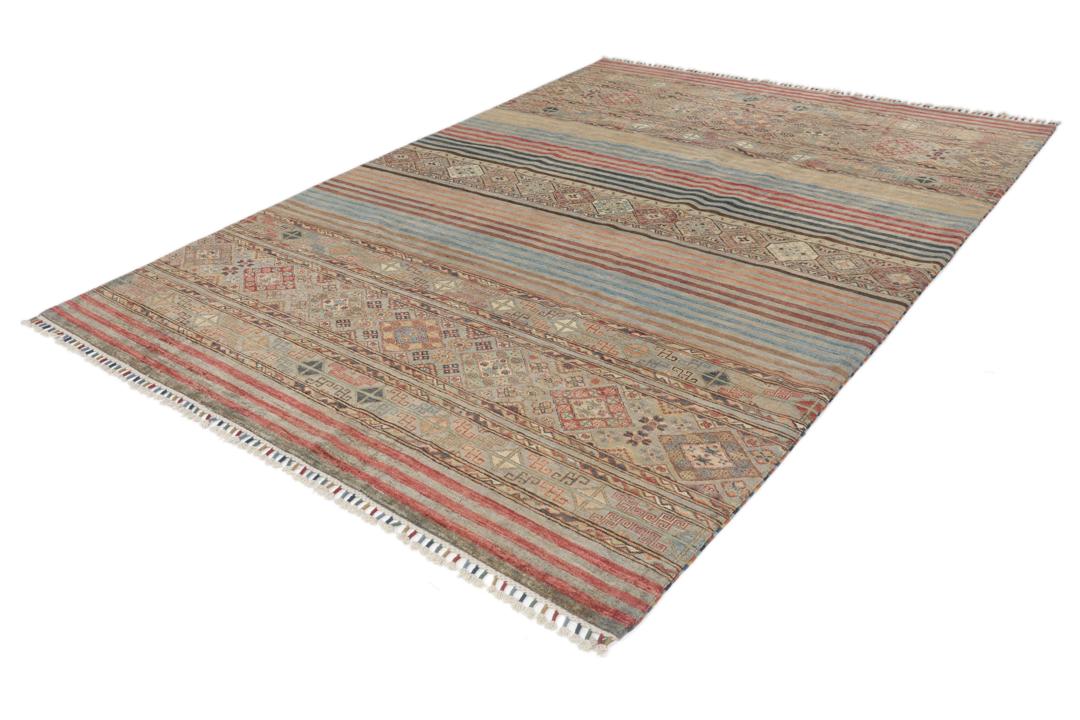
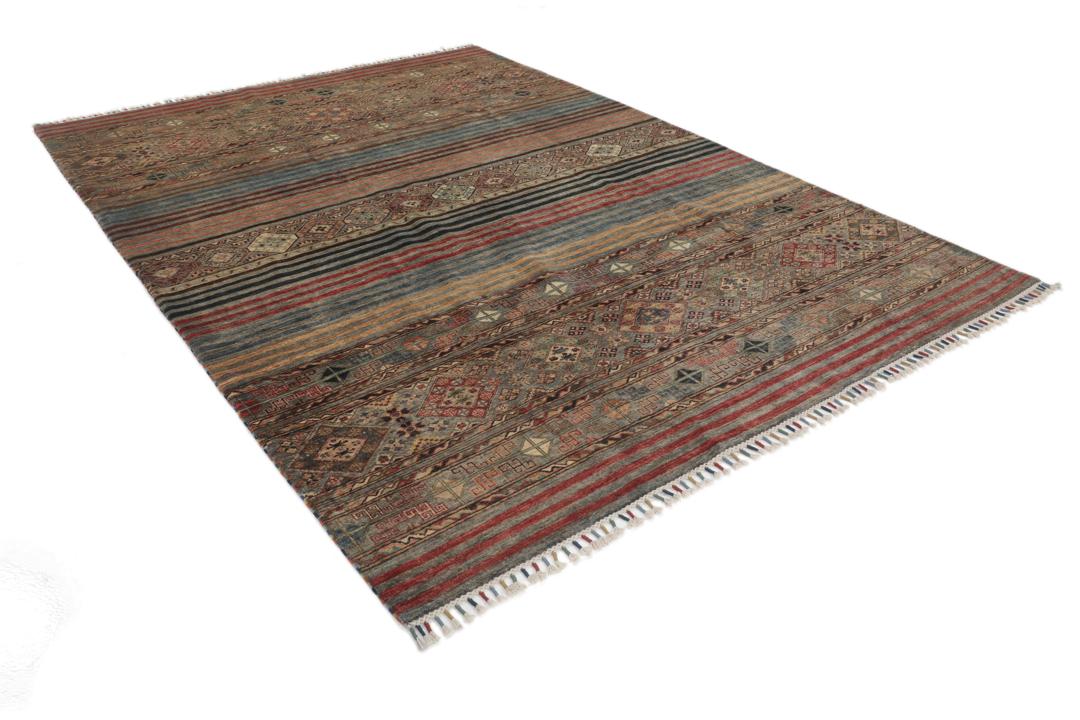
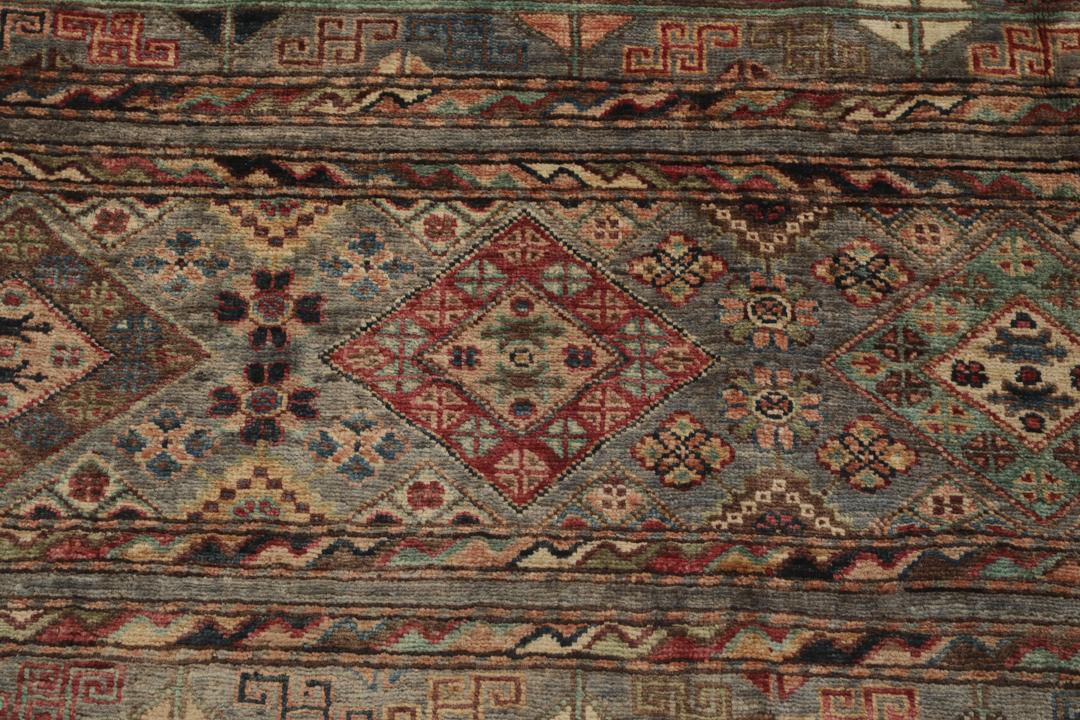
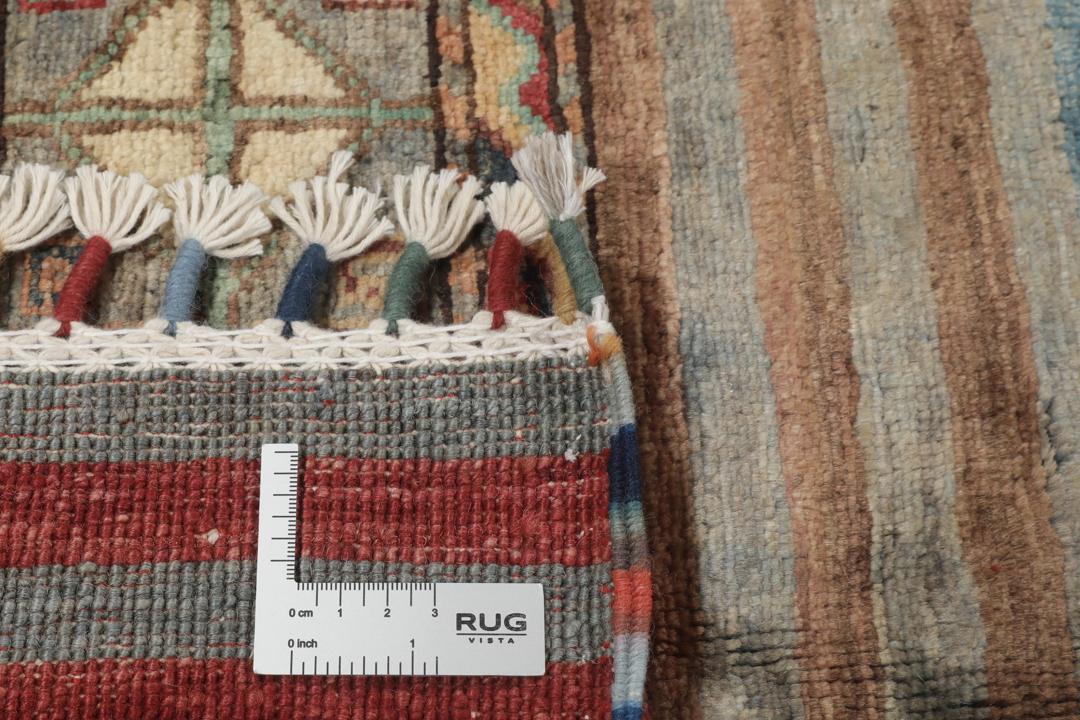
The Shabargan rug draws its inspiration from the rich weaving heritage of Afghanistan, a region with a deep-rooted tradition of tribal artistry that has been passed down through generations. These rugs often reflect the nomadic influences and the rugged, beautiful landscapes of Northern Afghanistan, where the craft is deeply integrated into daily life. The migration of these techniques across the region has led to a distinctive style that prioritises durability and bold, meaningful patterns.
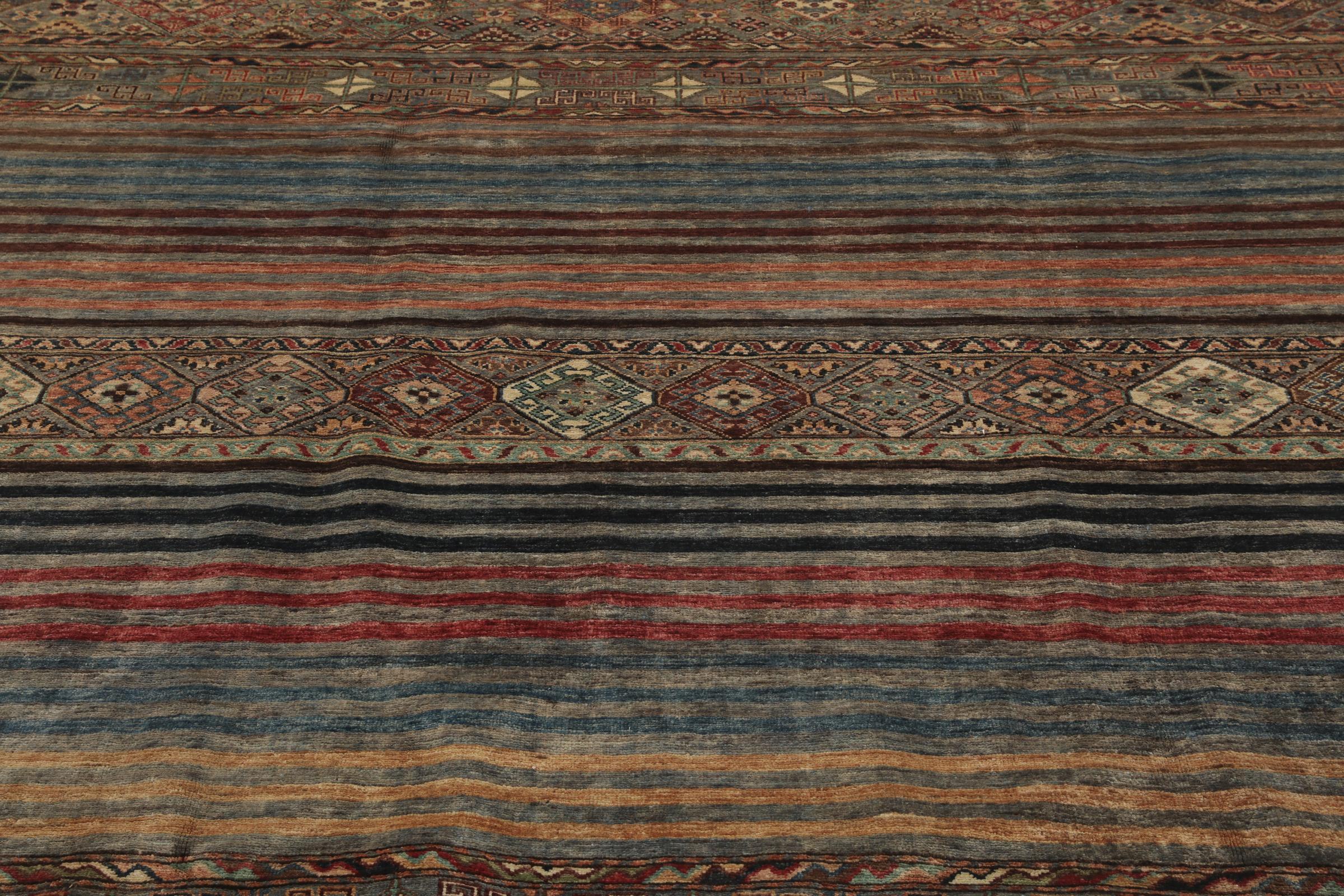
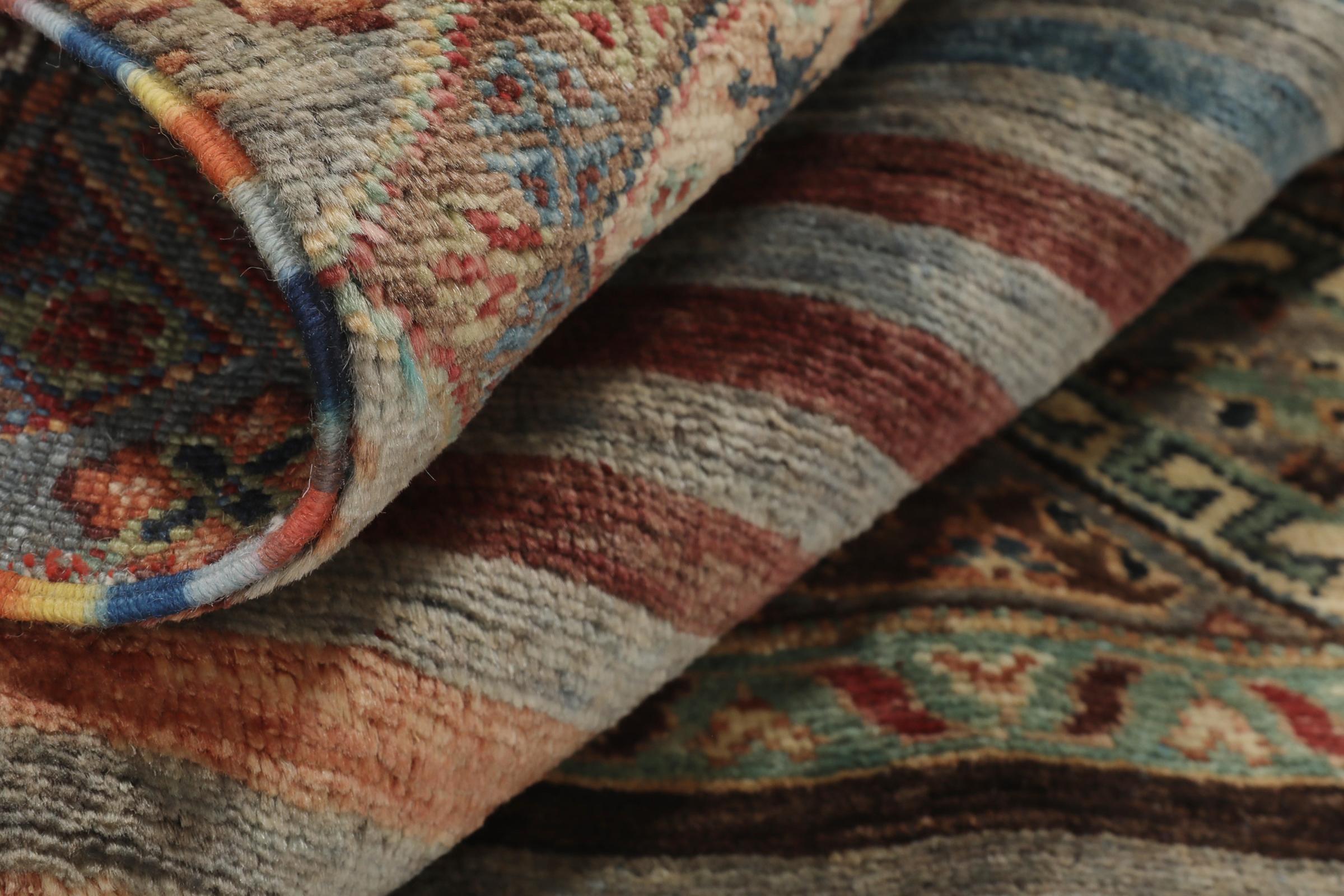
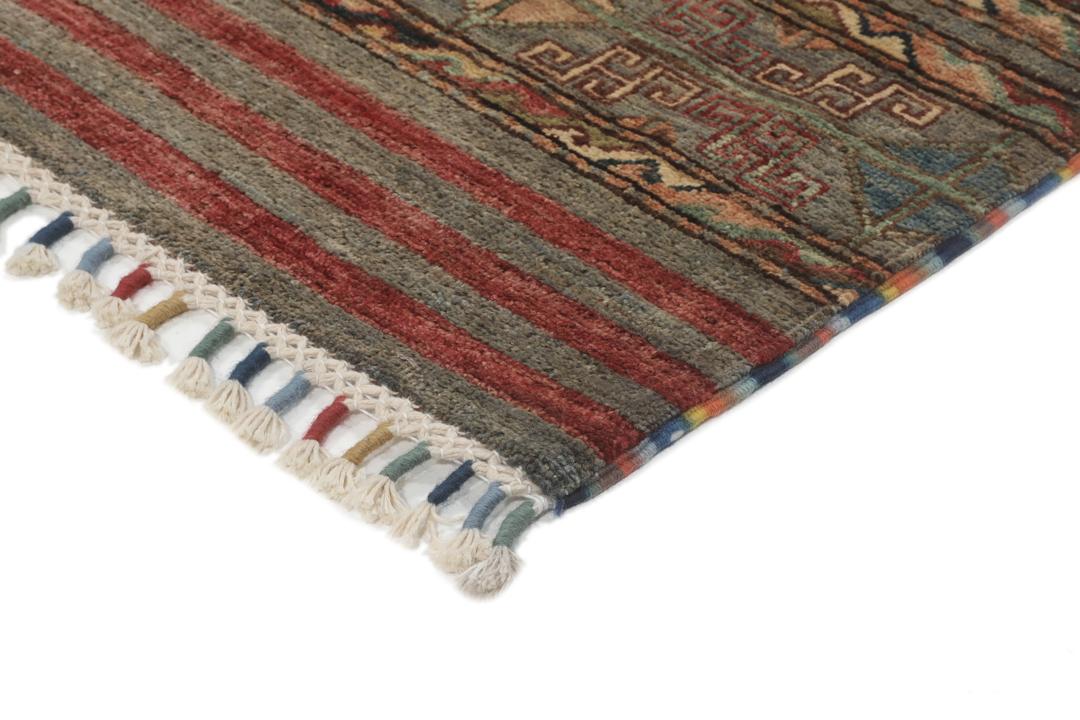
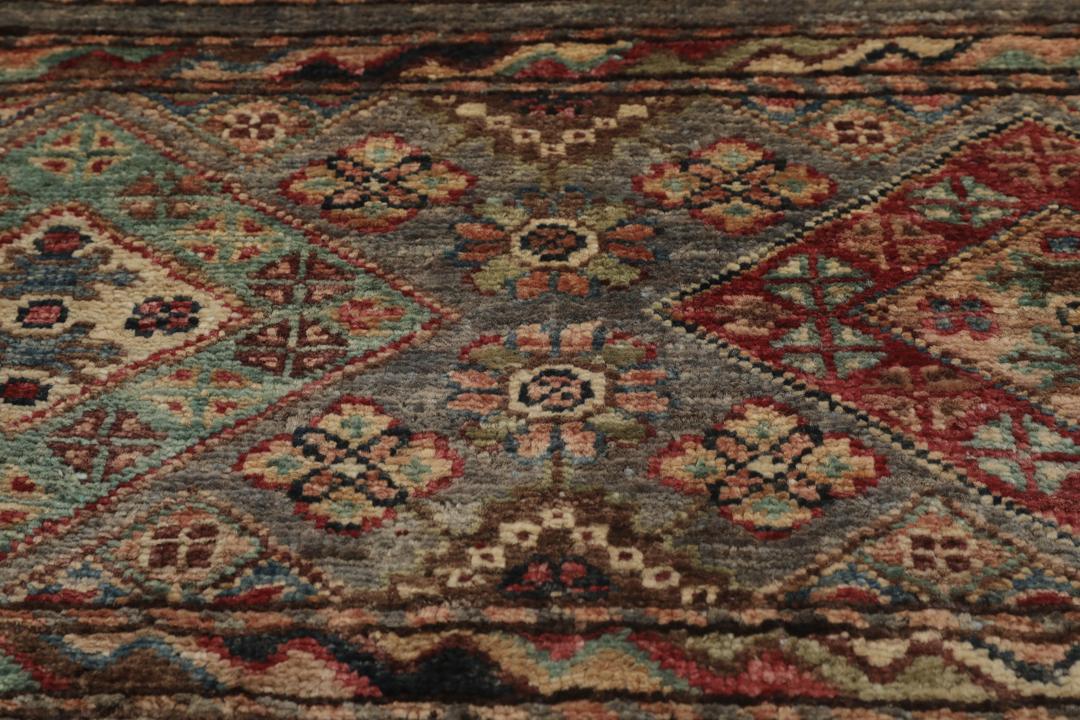
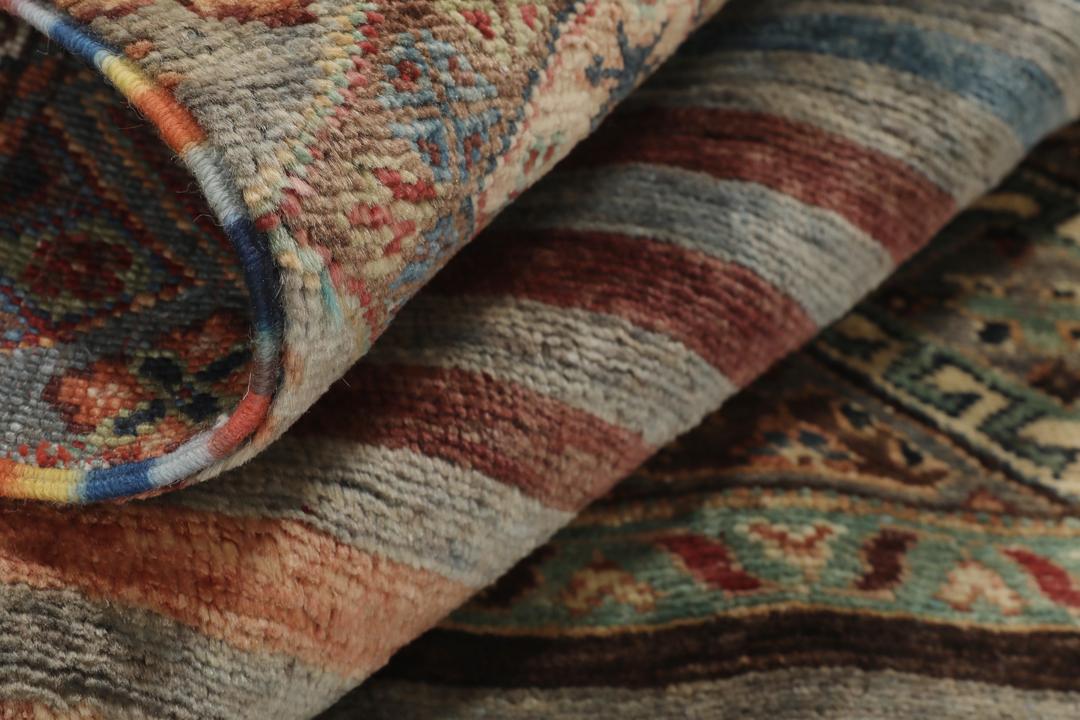
In the world of hand-knotted rugs, the term 'hand-knotted' signifies the most authentic form of production, where every single knot is tied by hand. This process is far more than a construction method; it is a commitment to quality that creates a dense, heavy pile capable of lasting for decades. The patience required for this level of detail is what distinguishes these rugs from standard machine-made versions, ensuring that the finished product has a depth and vibrancy that only natural materials and human skill can provide.
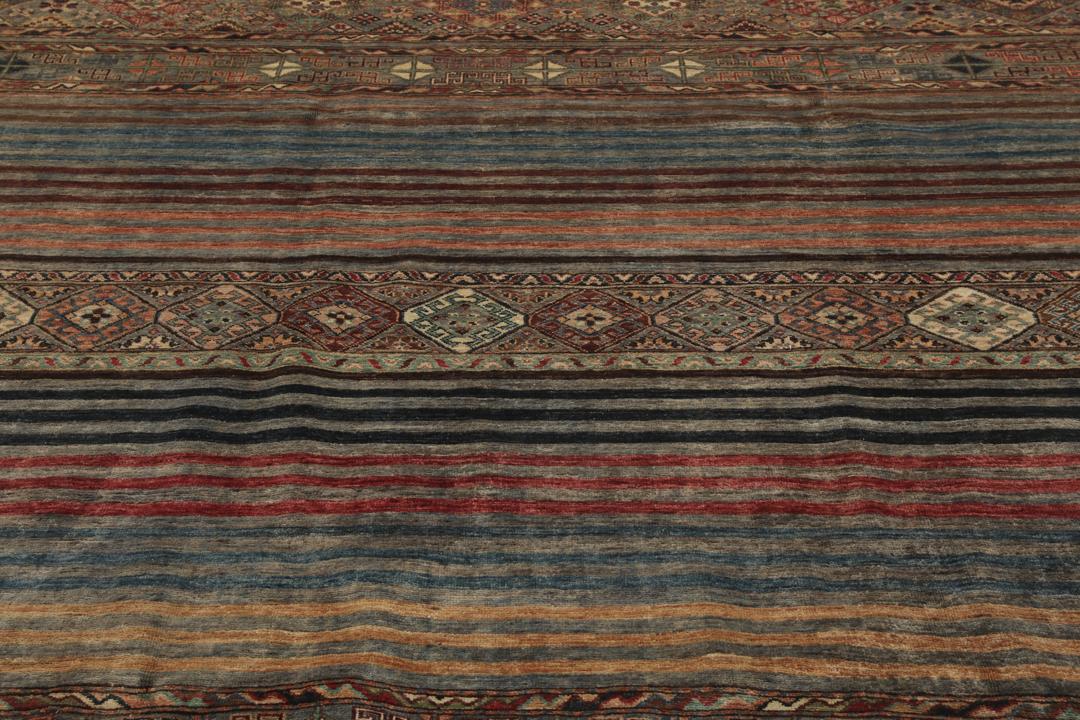
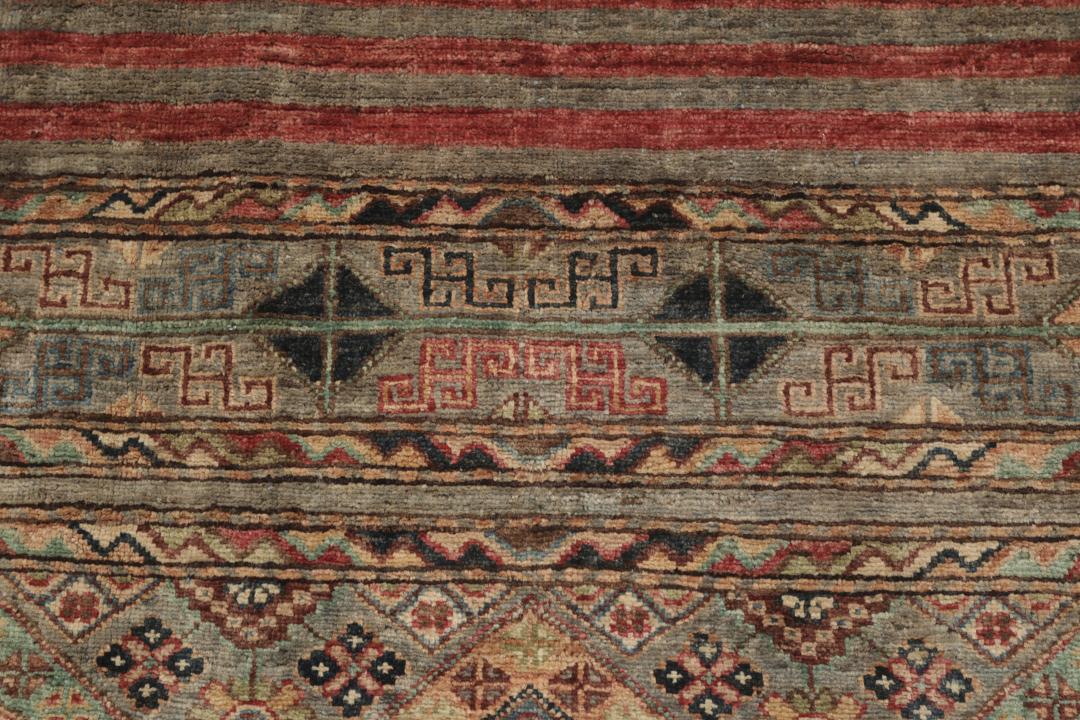
The design language of this tradition is characterised by a mix of bold geometric motifs and balanced, rhythmic stripes. The inclusion of intricate borders often serves as a frame for the central field, providing a sense of order and formality to the tribal patterns. The colour traditions are equally significant, often utilising natural dyes that produce subtle variations in shade, adding a unique, organic depth to the overall composition of the rug.
Owning a piece from this tradition is an act of supporting a long-standing cultural legacy. These rugs are highly valued by collectors not just for their aesthetic appeal, but for the skill and heritage they represent. By choosing a hand-knotted rug from Afghanistan, you are acquiring a piece of history that embodies the patience, expertise, and soul of the artisans who crafted it, ensuring that this tradition continues to thrive in homes around the world.