The Shabargan rug hails from the storied weaving traditions of Afghanistan, a region with a deep-rooted history in textile arts. Rug making here is a cultural pillar, deeply embedded in the daily lives of nomadic and settled communities. These designs often reflect the rugged beauty of the landscape and the ancestral stories of the people who weave them, serving as both functional floor coverings and expressions of cultural identity.
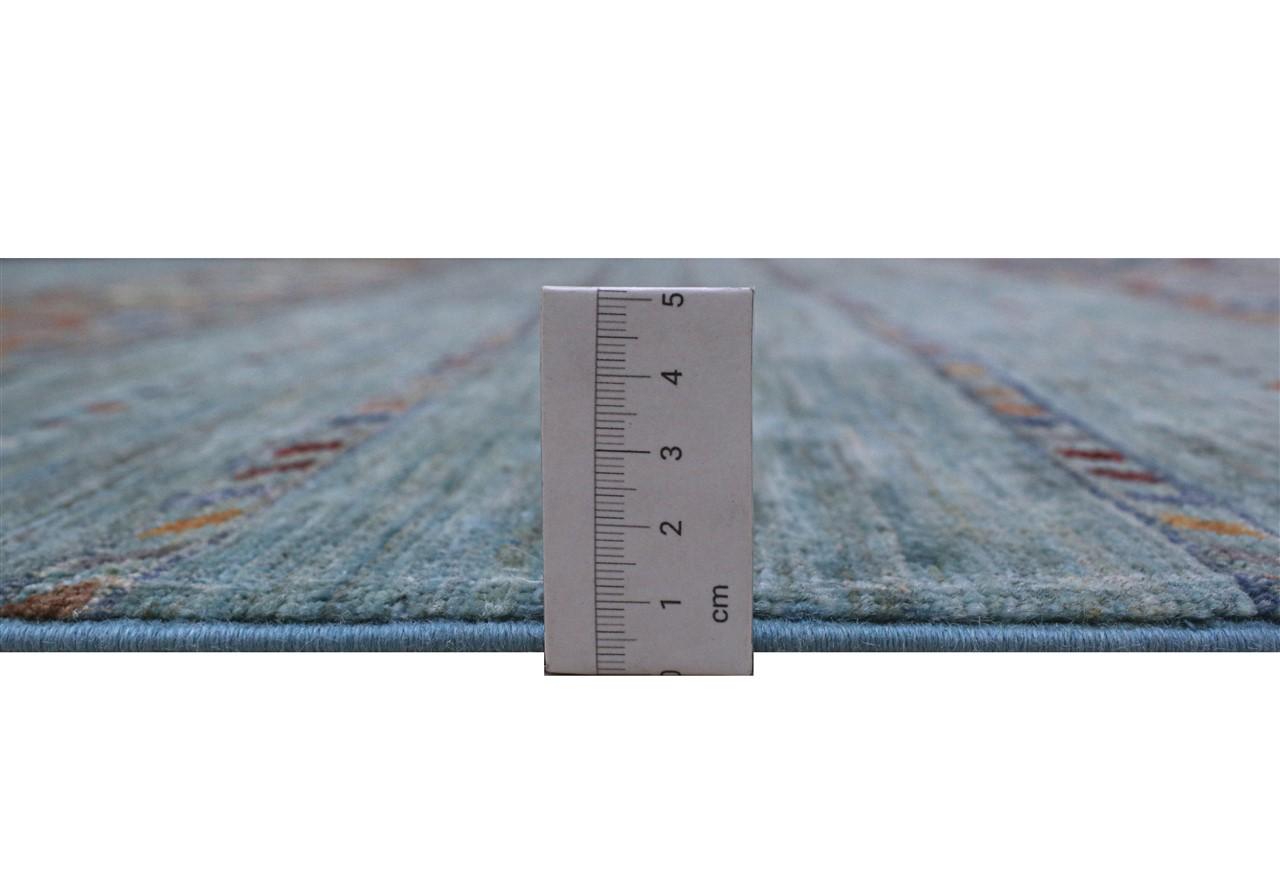
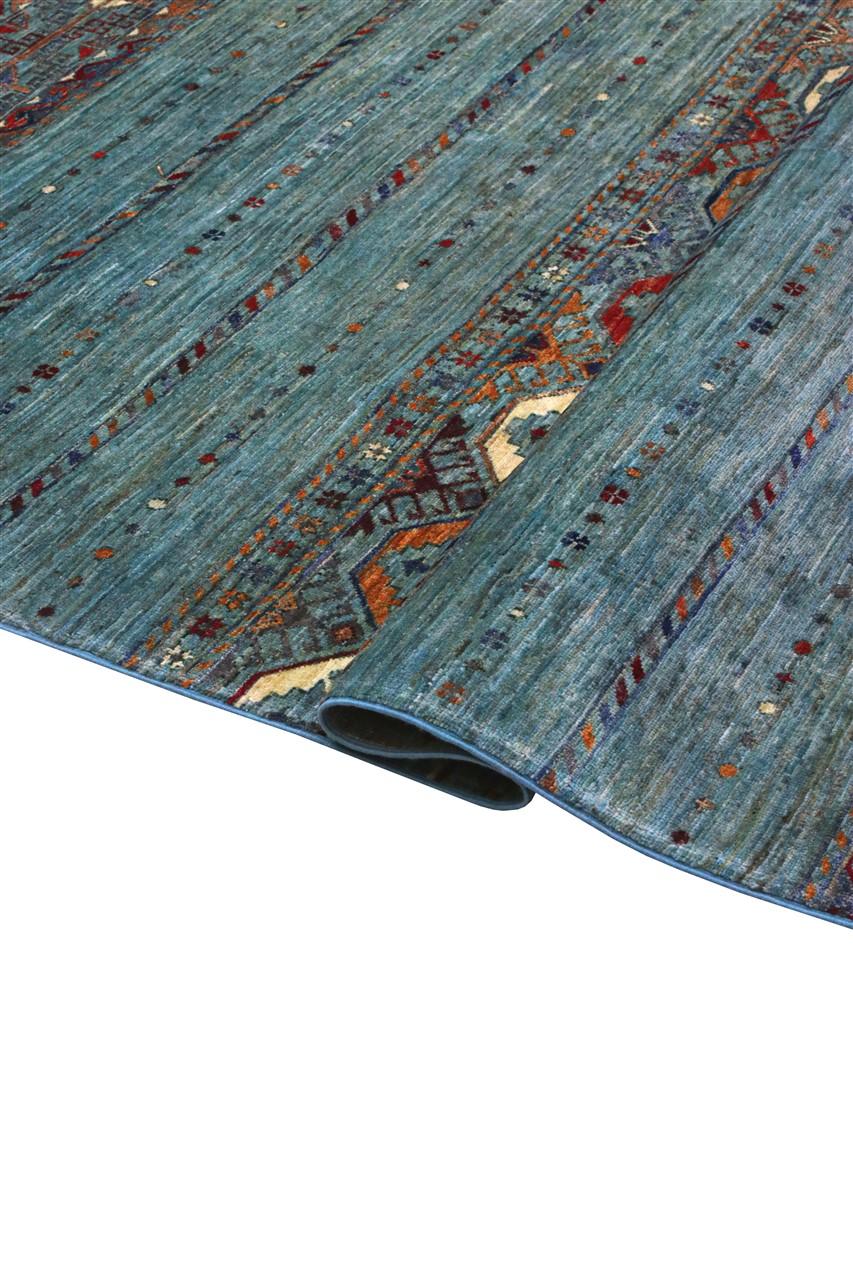
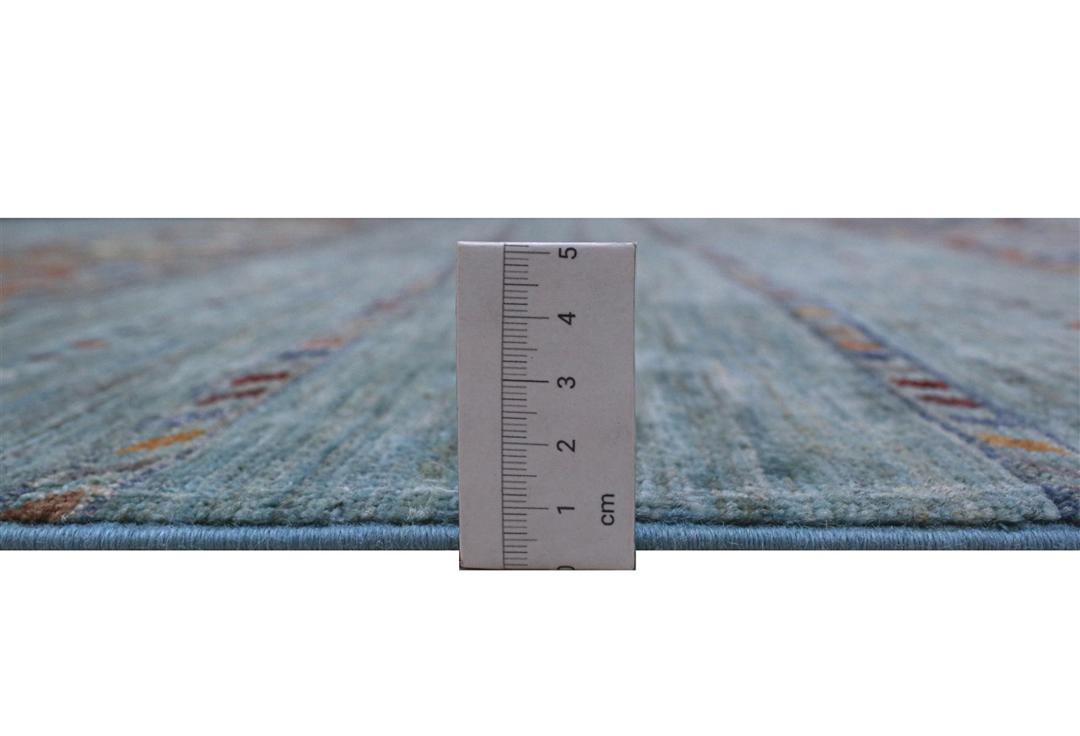
The term hand-knotted refers to the time-honoured practice of securing individual tufts of Wool to the foundation threads. This creates a dense, pile-rich surface that is both durable and incredibly soft. In the context of Afghan rugs, this process is particularly significant as it allows for the incorporation of complex, rhythmic patterns that are characteristic of the region’s long-standing design language, resulting in a product that is as resilient as it is beautiful.
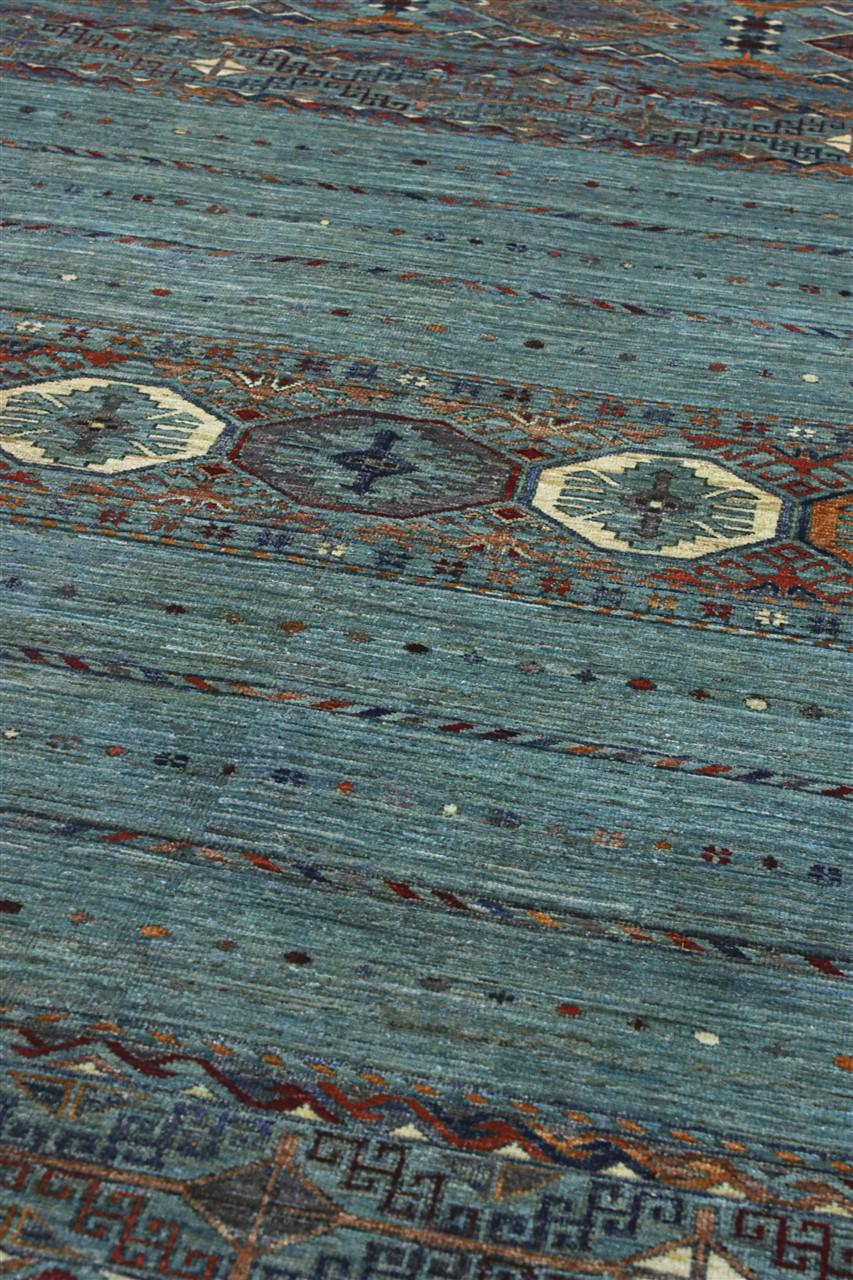
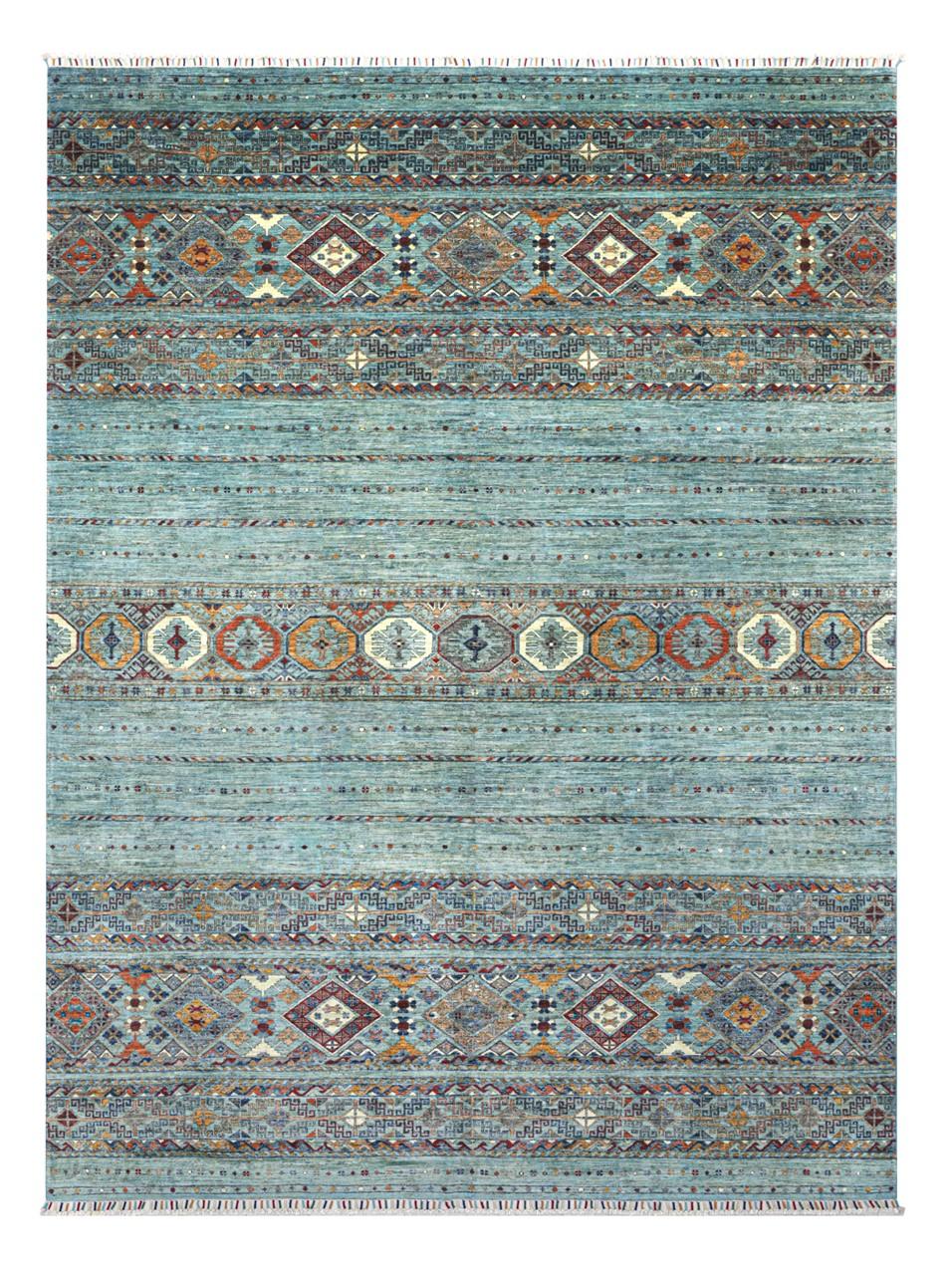
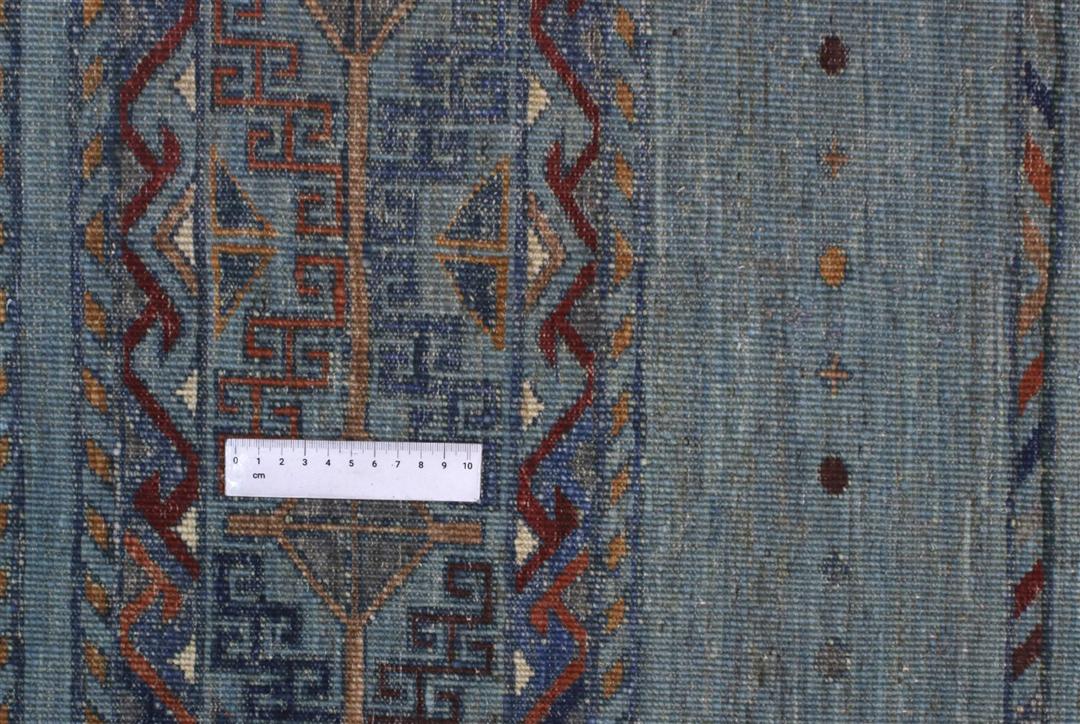
Visually, these rugs are known for their bold, geometric, and tribal motifs. Common elements often include repeated medallions, stylised floral forms, and intricate borders that frame the field. The use of deep, natural-looking blues and earthy tones is a hallmark of the tradition, often achieved through traditional dyeing techniques that give the Wool a rich, variegated appearance. Each rug is a canvas, reflecting the weaver's personal interpretation of these classic design symbols.
Collecting a rug from this tradition is an investment in human skill and historical continuity. These pieces are highly valued not only for their aesthetic appeal but for the dedication required to bring them to life. By choosing an authentic, hand-knotted rug from Afghanistan, you are connecting your home to a lineage of craftsmanship that prioritises quality, longevity, and the preservation of ancient artistic techniques.