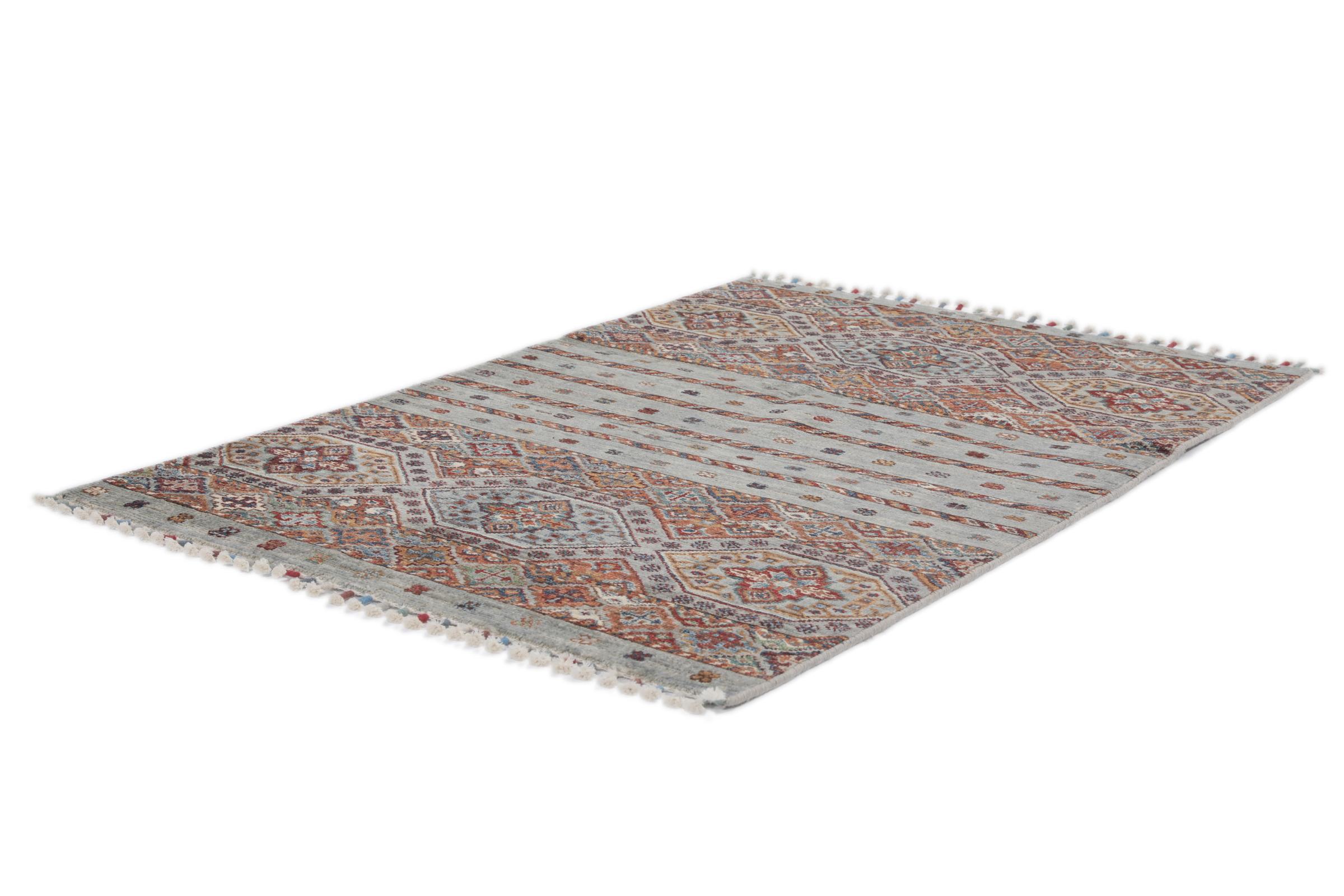
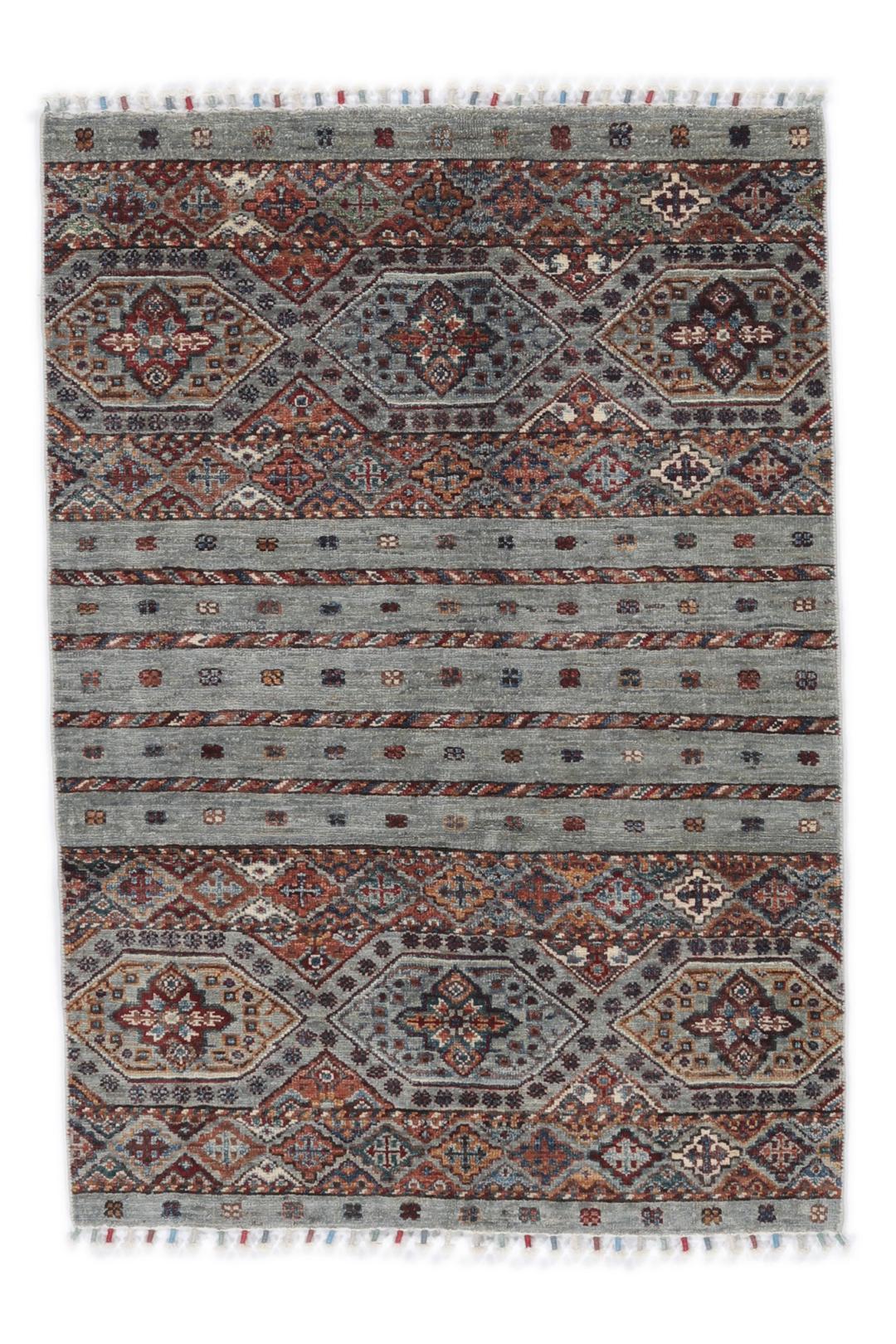
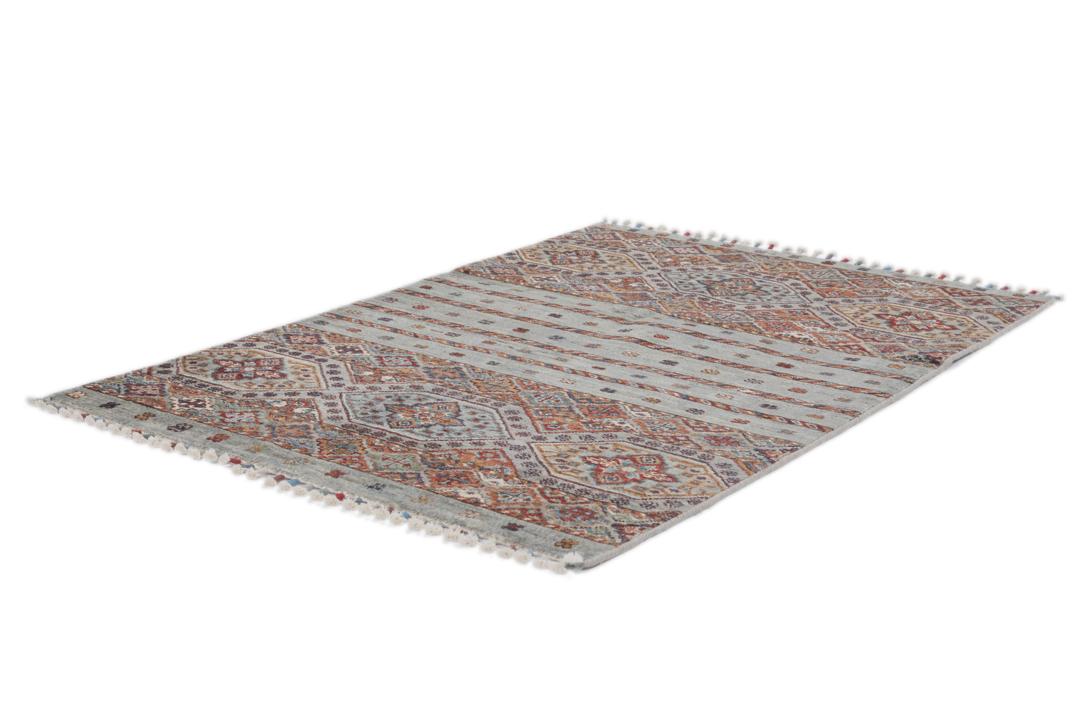
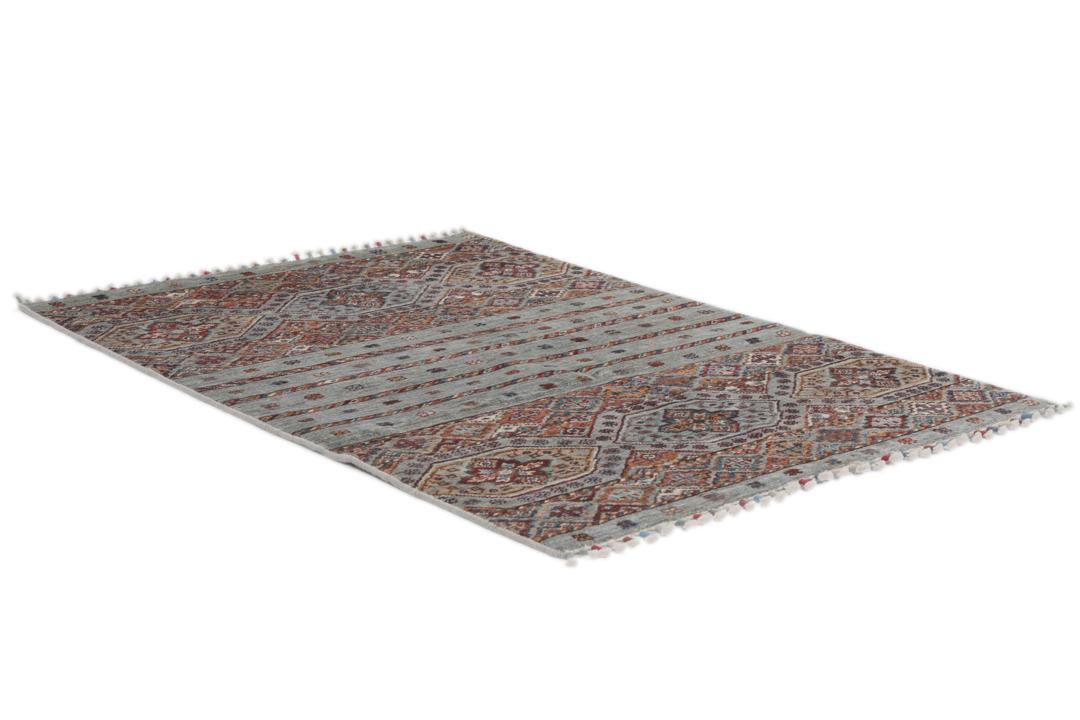
The Shabargan rug finds its roots in the rich, storied traditions of Afghanistan, a region known for its deep-seated history in carpet weaving. These rugs are often inspired by the nomadic and semi-nomadic tribes that have roamed the diverse landscapes of the Middle East for centuries. The craft is deeply embedded in the local culture, serving as a form of storytelling where motifs are preserved and passed down through generations of weavers.
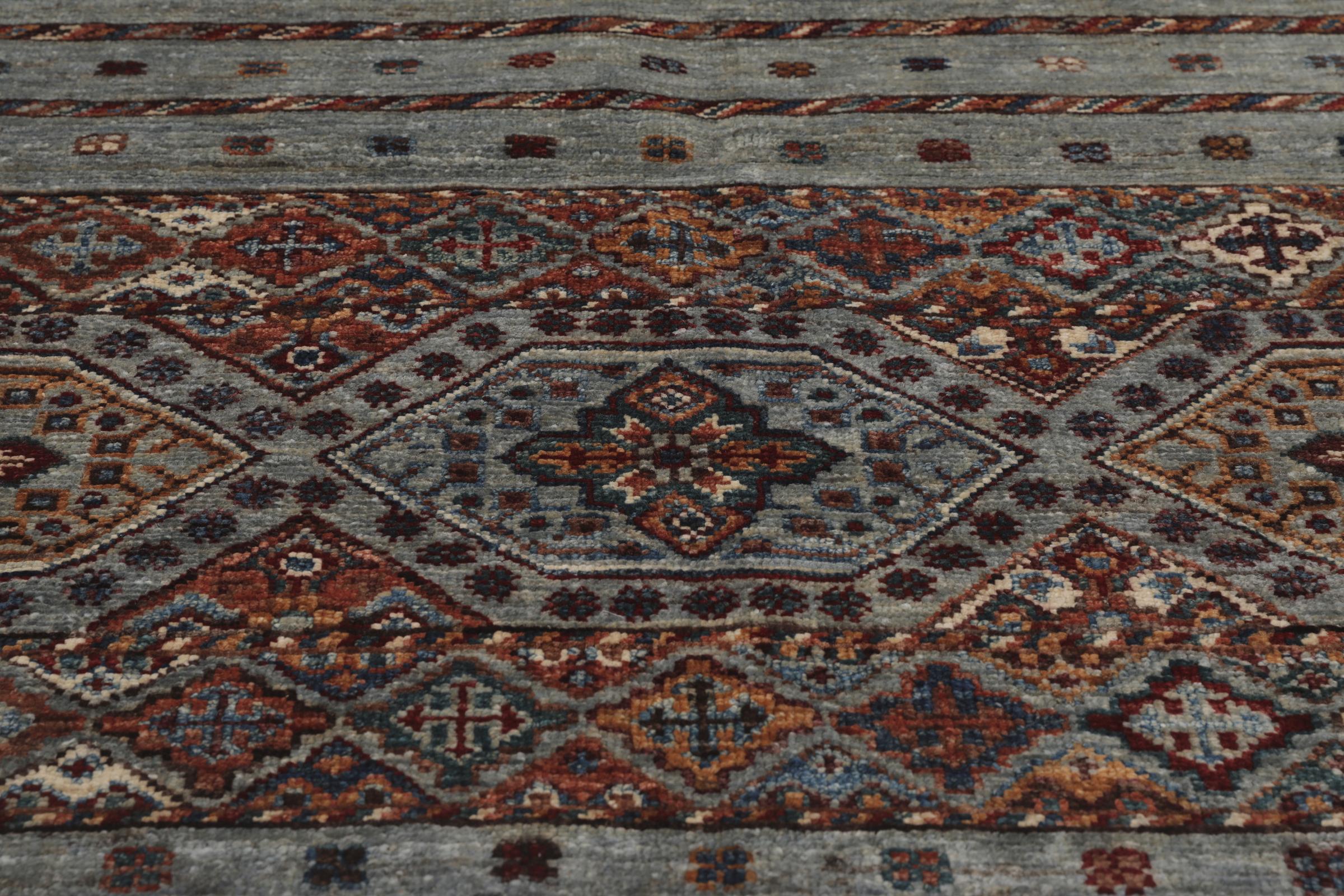
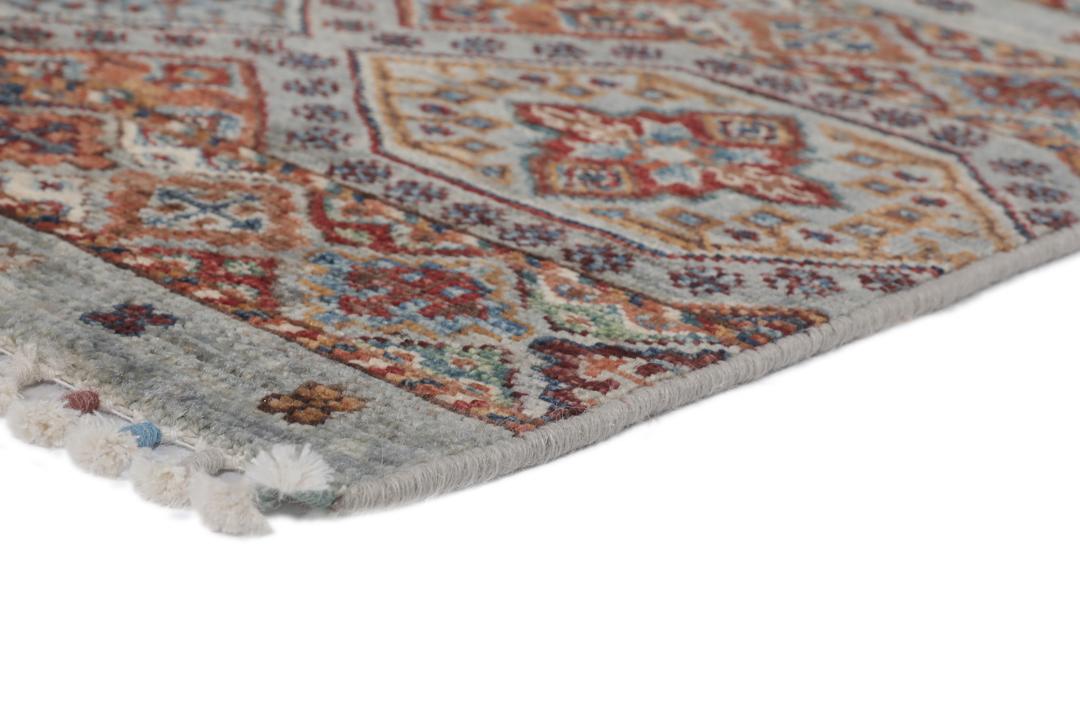
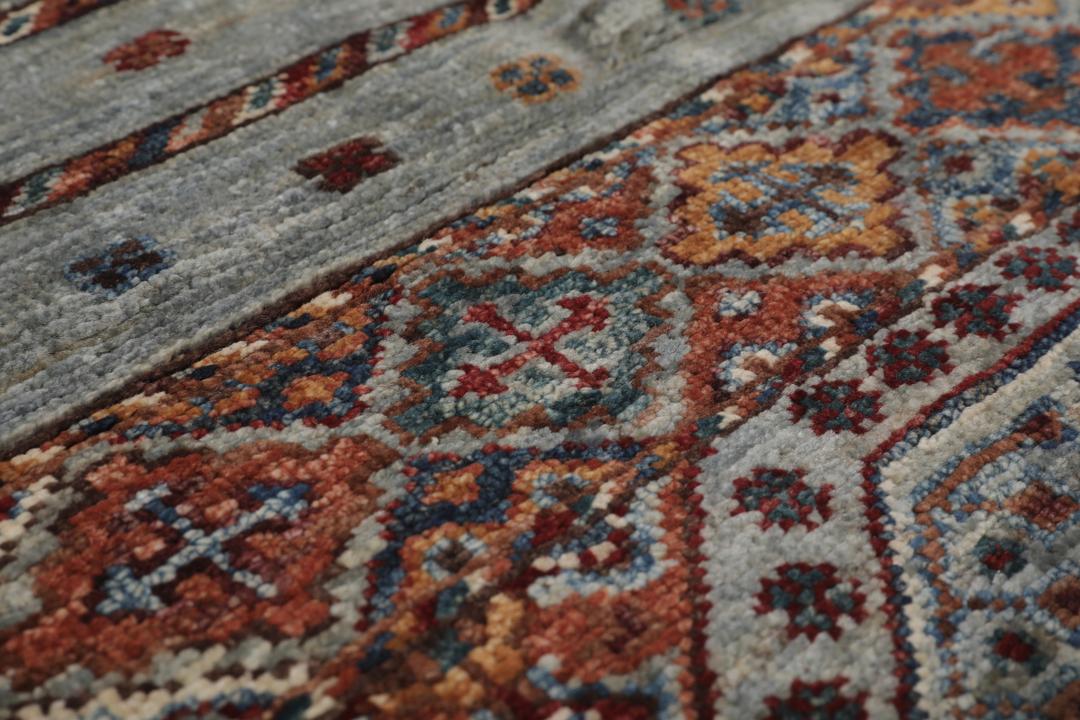
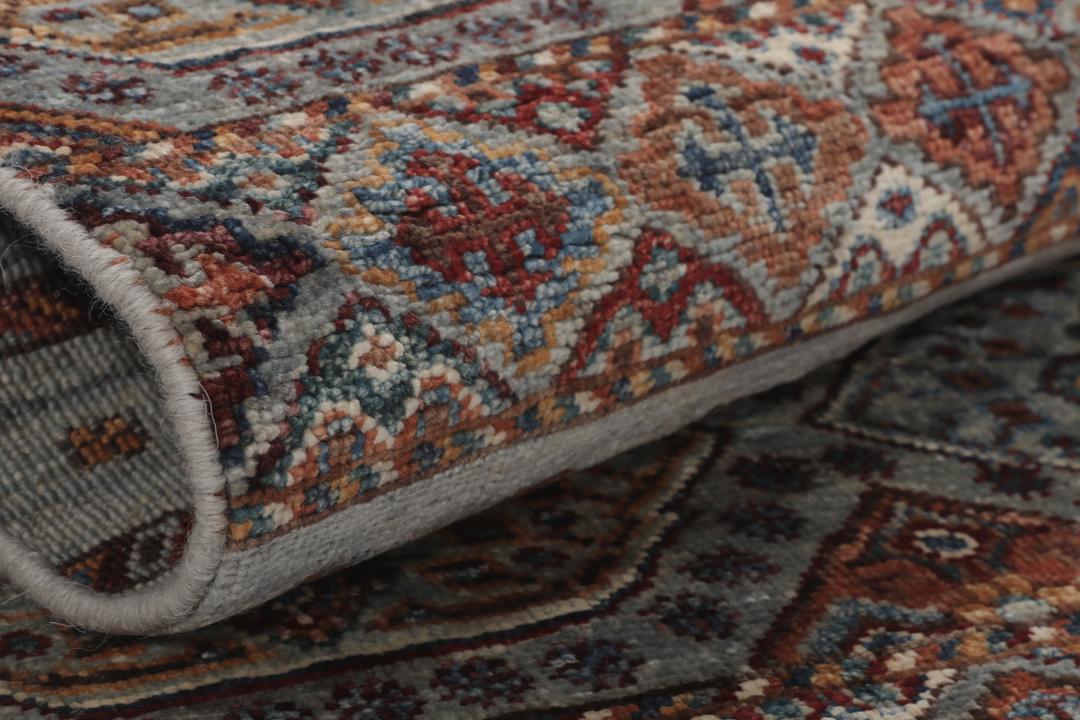
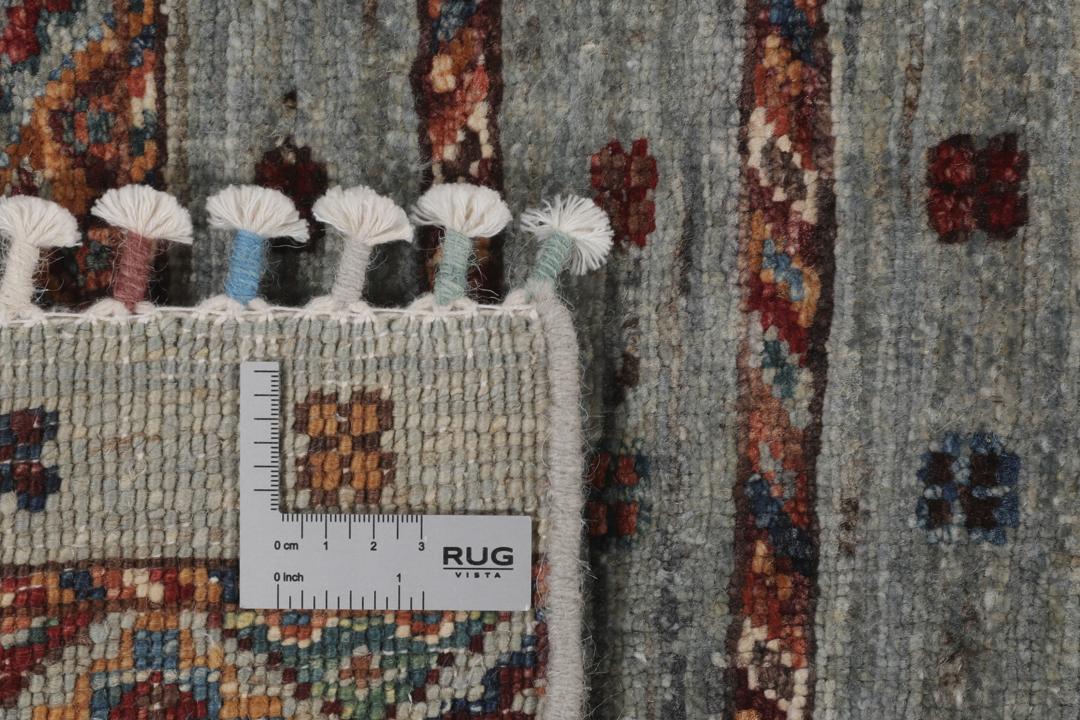
The term hand-knotted refers to the laborious and ancient technique of tying individual strands of wool onto a warp foundation. This process is far more than a construction method; it is a labour-intensive tradition that yields a superior, long-lasting pile. Because each knot is tied by hand, the resulting fabric possesses a natural variation and soul that mass-produced alternatives simply cannot replicate, making each rug inherently valuable.
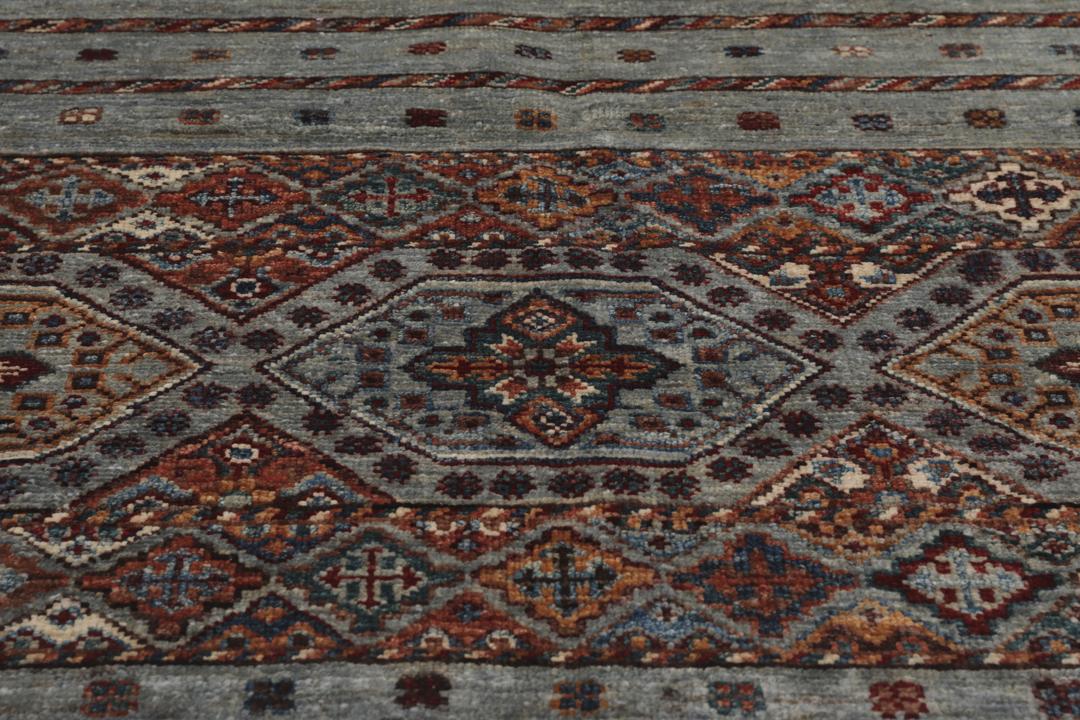
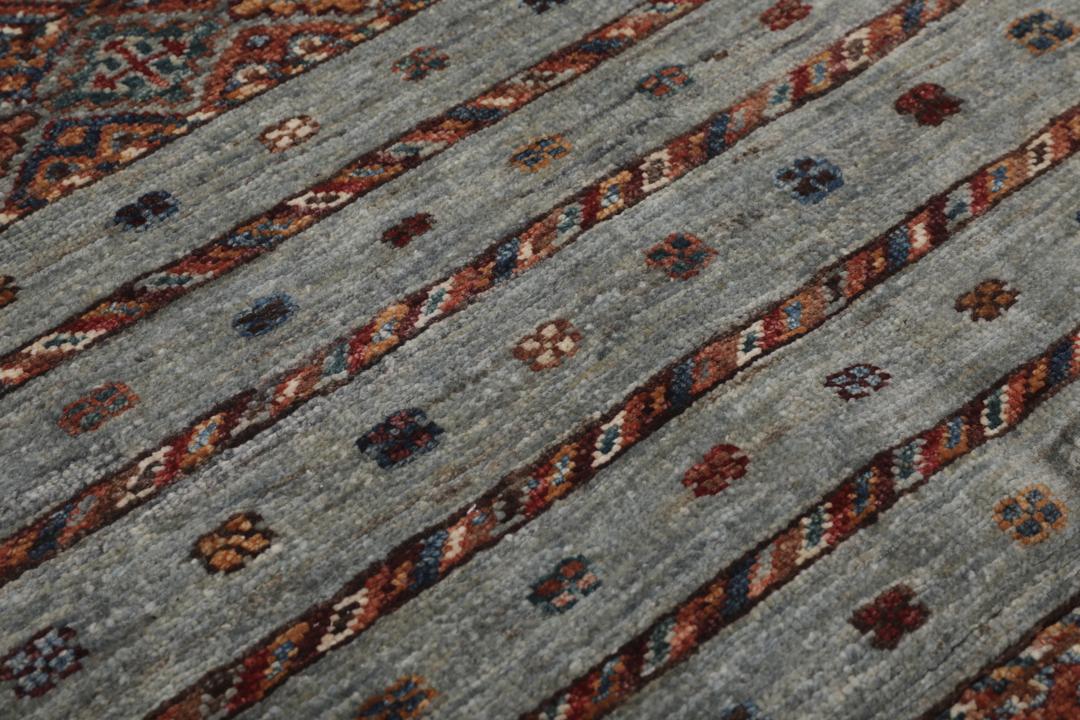
Visually, these rugs are celebrated for their geometric rigour and symbolic motifs. You will often see repeating patterns that draw from ancient tribal emblems, stylised floral elements, and protective symbols. The borders are typically formal and framing, designed to contain the rhythmic patterns within the field. The use of natural dyes and earthy palettes, often leaning into deep reds and muted greys, reflects the rugged beauty of the Afghan landscape.
Collecting a rug from this tradition is an investment in cultural heritage and craftsmanship. Each piece is a testament to the skill of the weaver and the endurance of an art form that has survived political and social shifts. When you bring a rug like this into your home, you are not just adding a decorative item; you are preserving a piece of history and celebrating the human effort required to create something of lasting beauty.