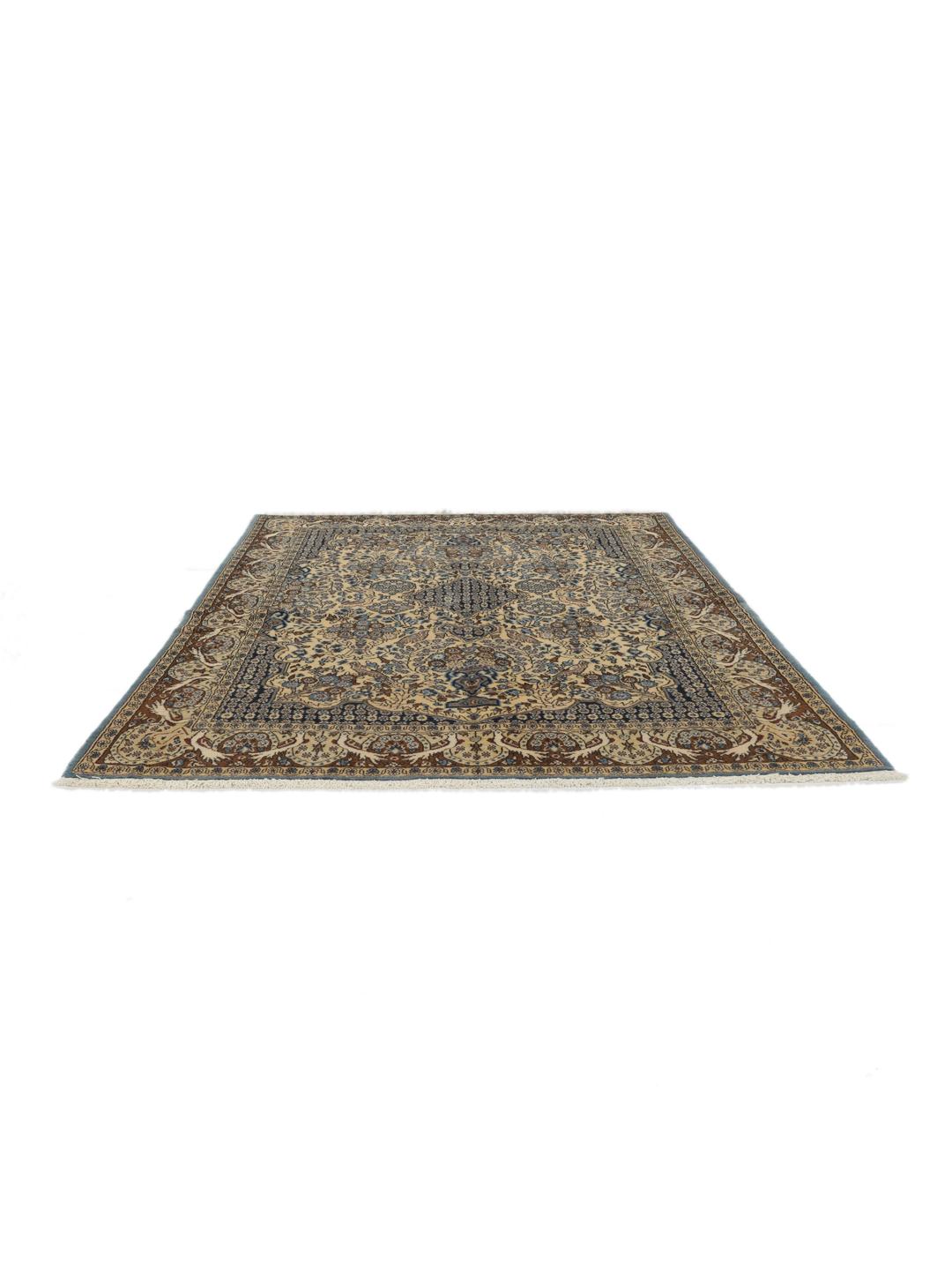
The Sarouk tradition originates from the village of Sarouk in the central part of the Middle East, a region renowned for its long-standing contribution to the textile arts. These rugs have historically been celebrated for their robustness and their ability to incorporate sophisticated, curvilinear designs that depart from the strictly geometric patterns found in nomadic weaving traditions.
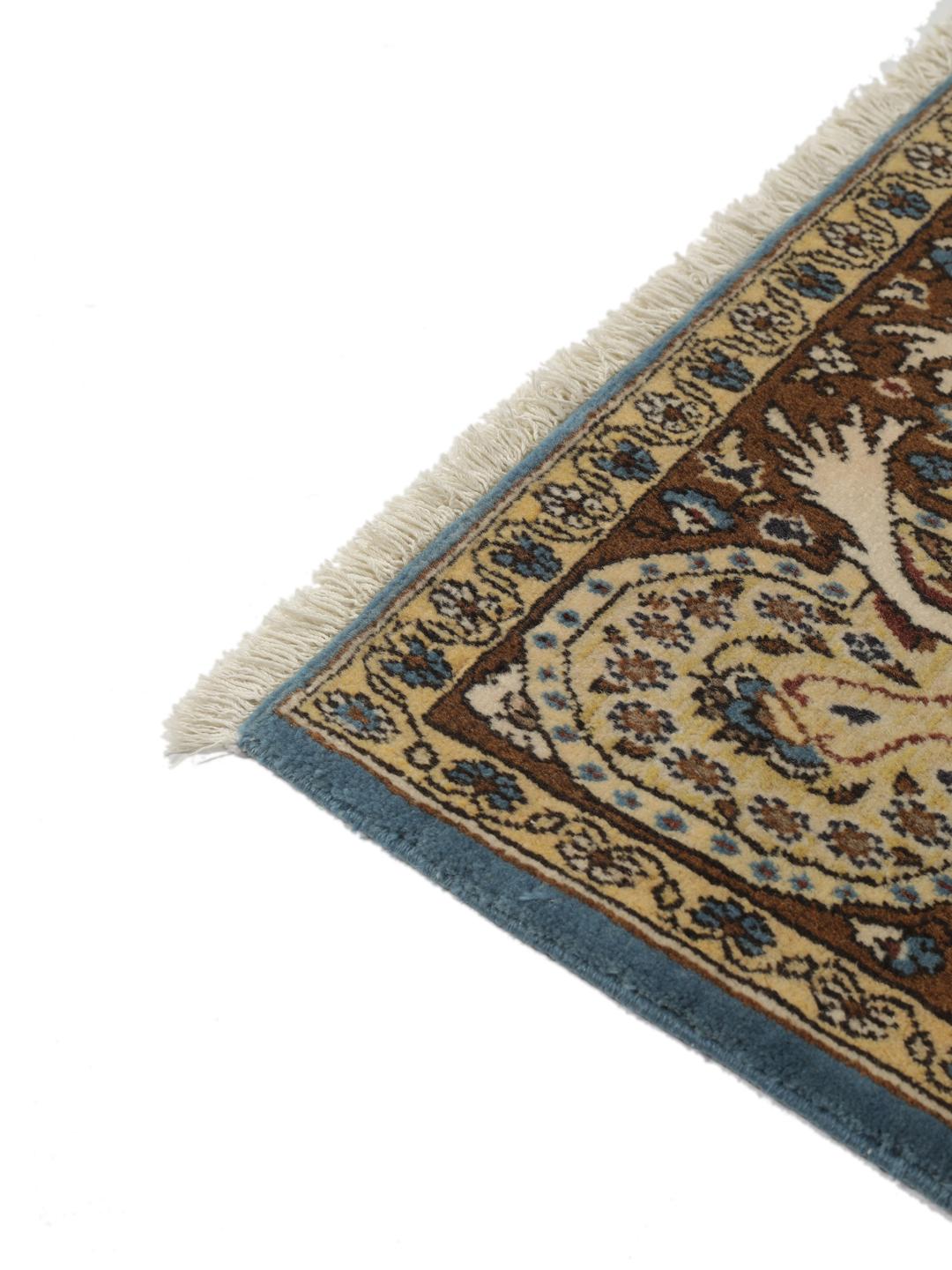
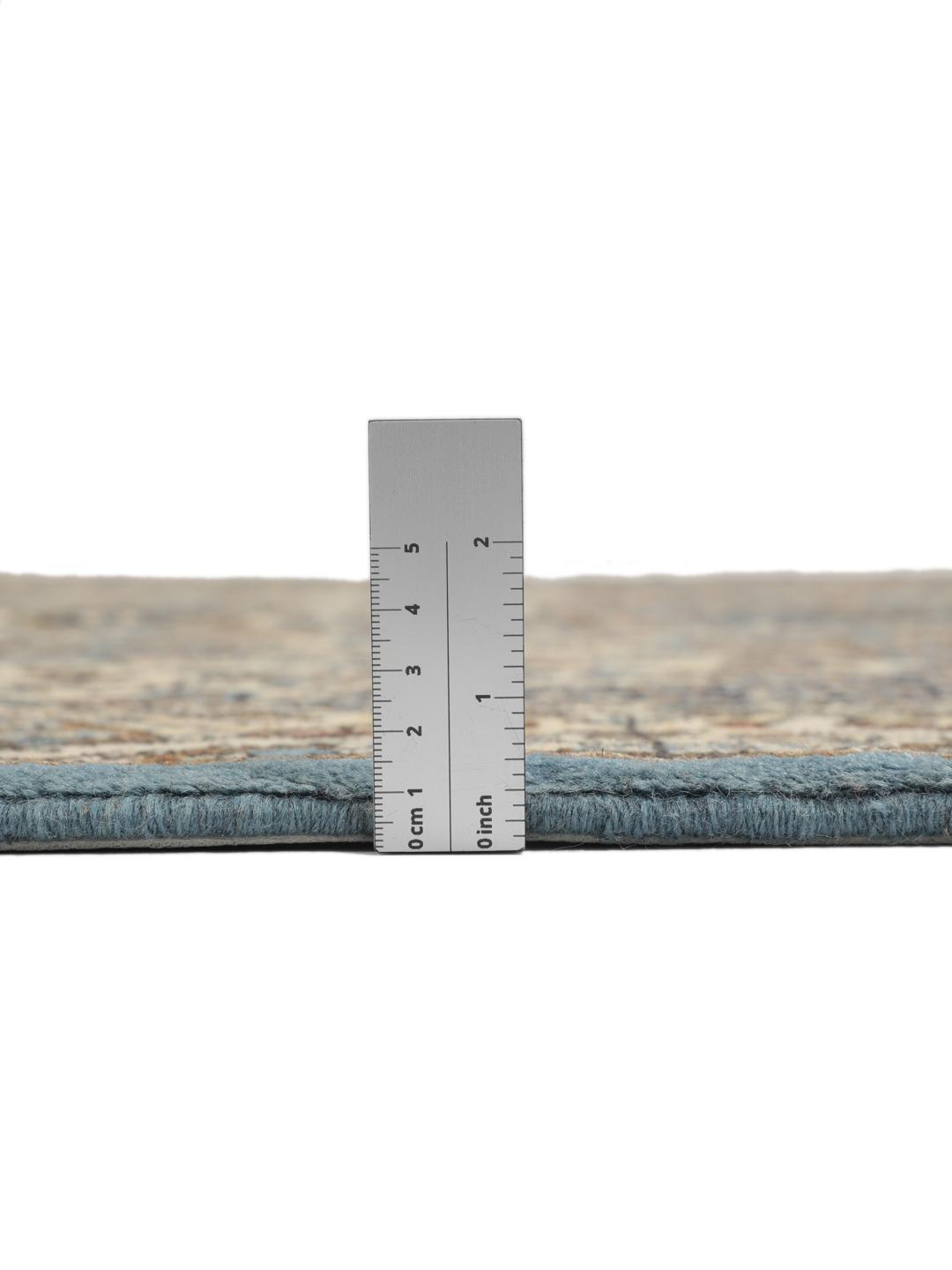
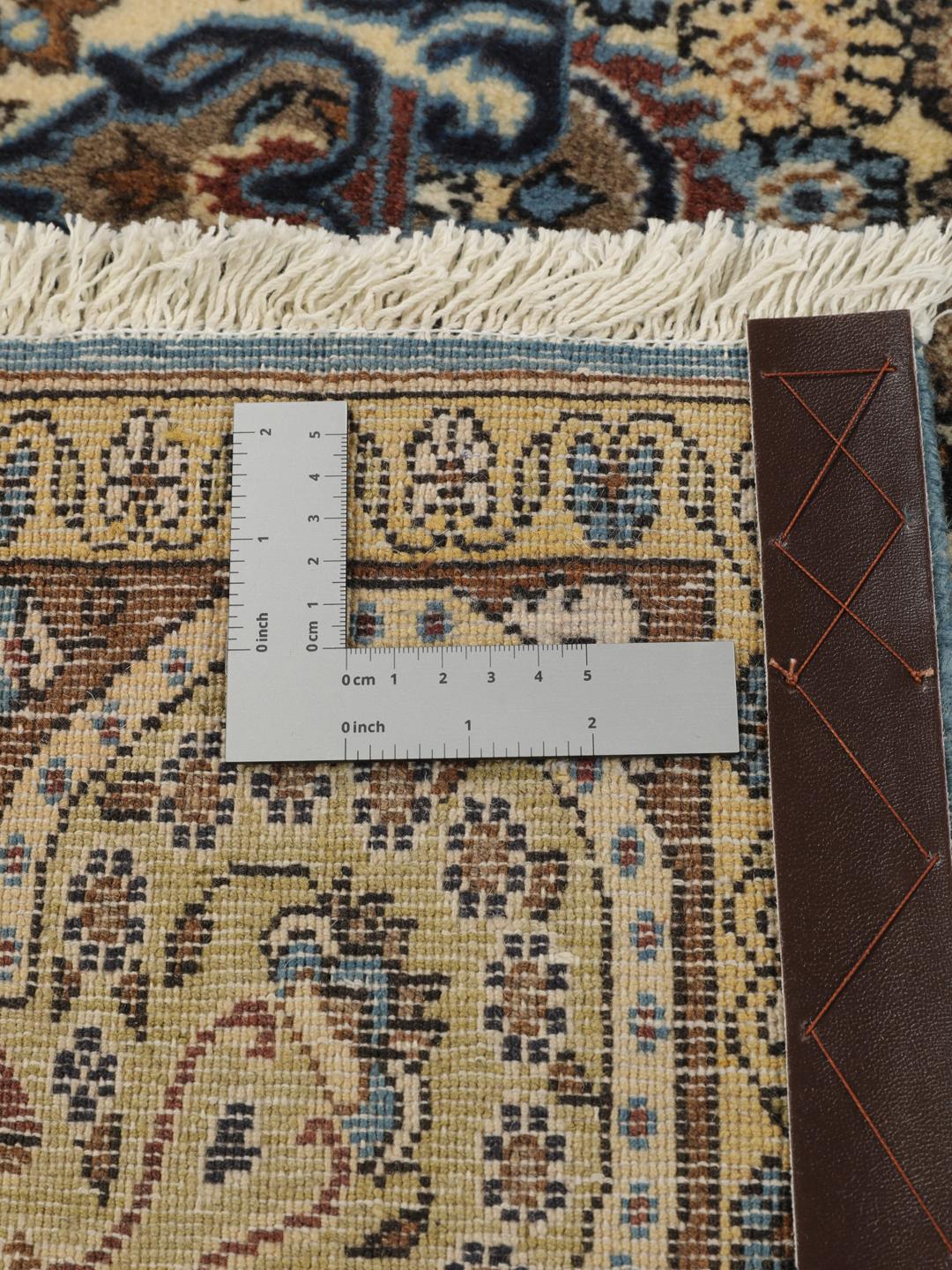
Technically, the Sarouk style is recognised for its use of high-quality, durable wool and a dense knotting technique that creates a firm, heavy, and long-lasting foundation. This specific construction method is what earned these rugs a reputation for being some of the most reliable and enduring pieces available, often sought after by those who appreciate the intersection of utility and beauty.
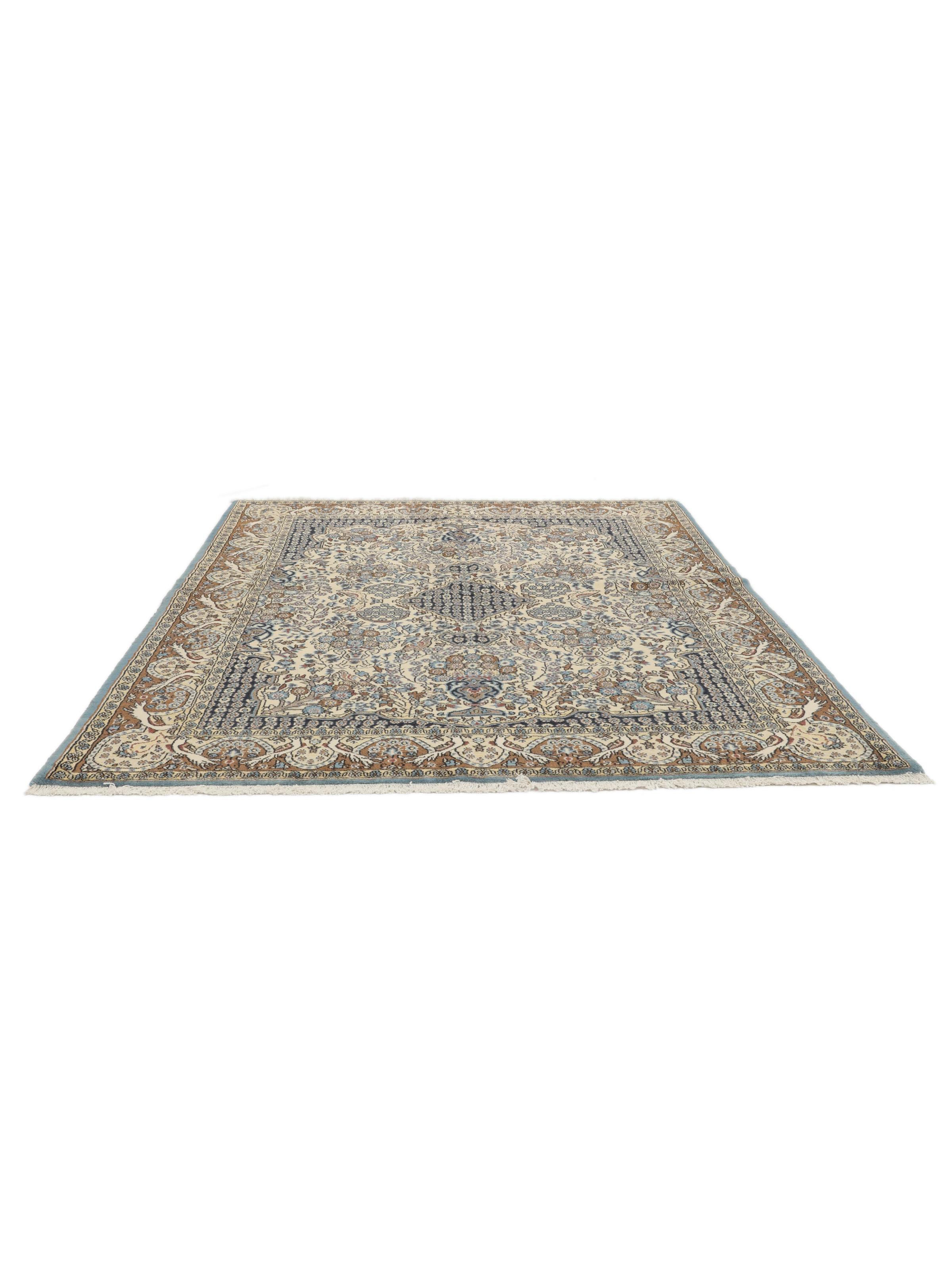
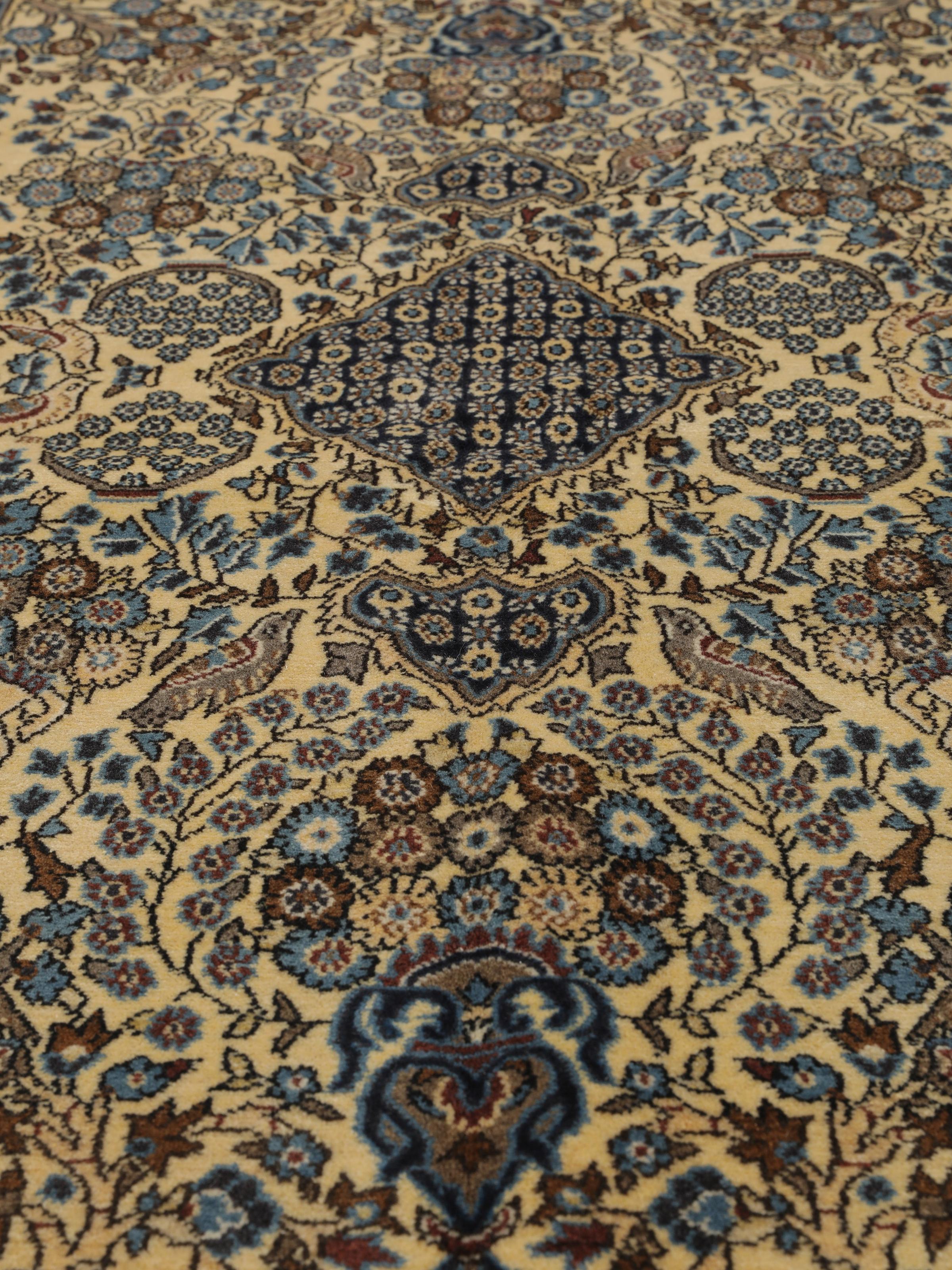
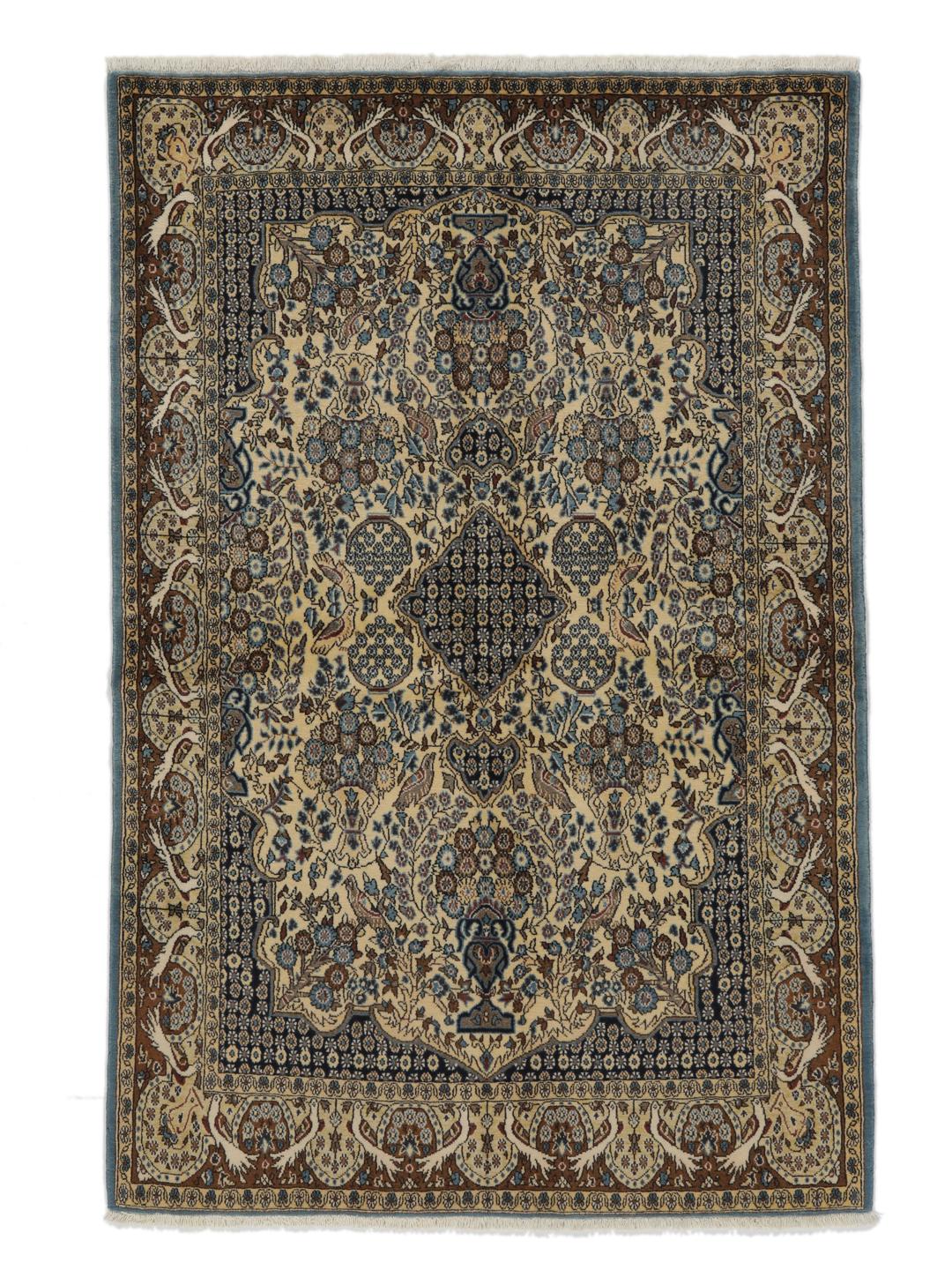
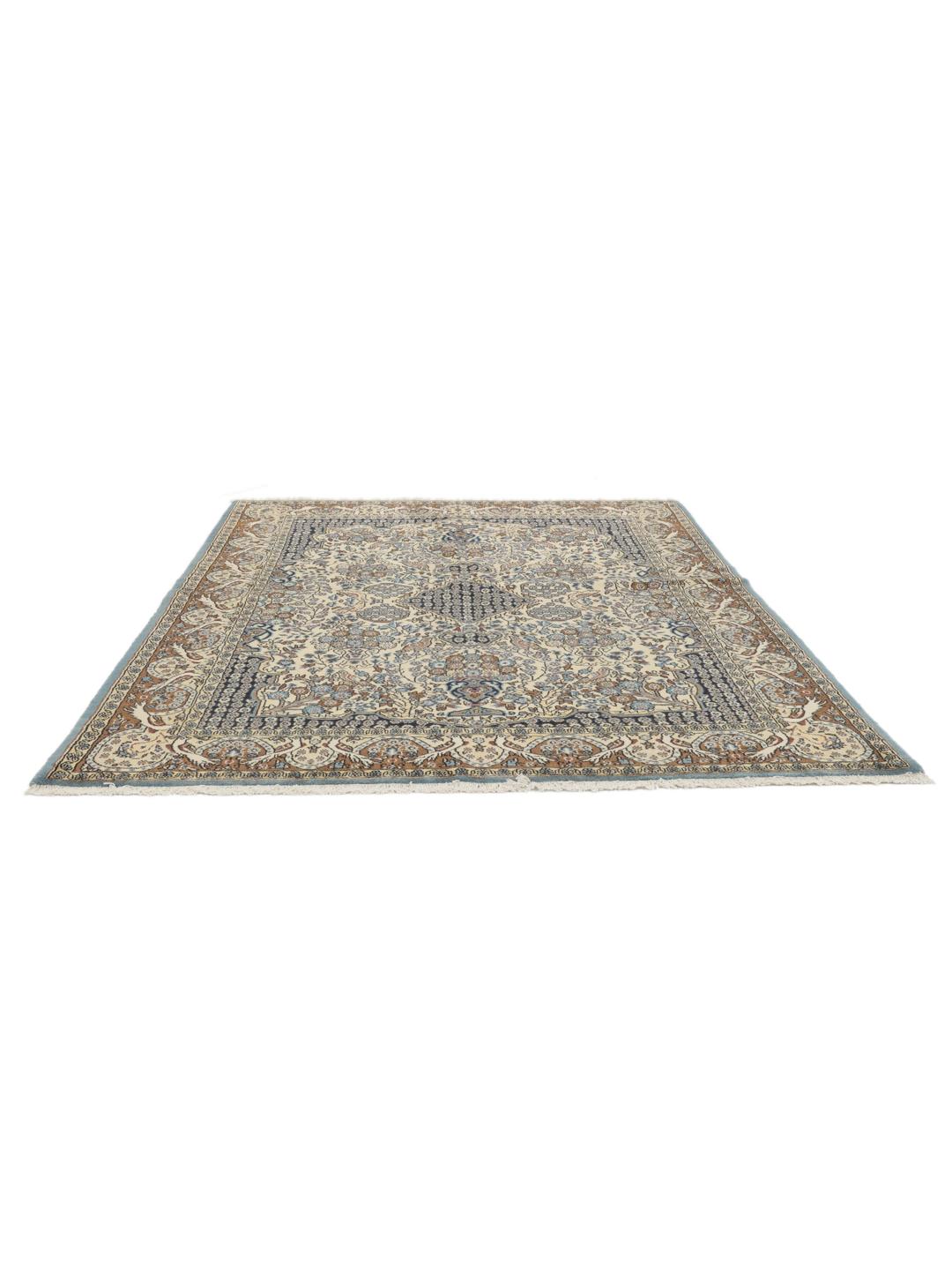
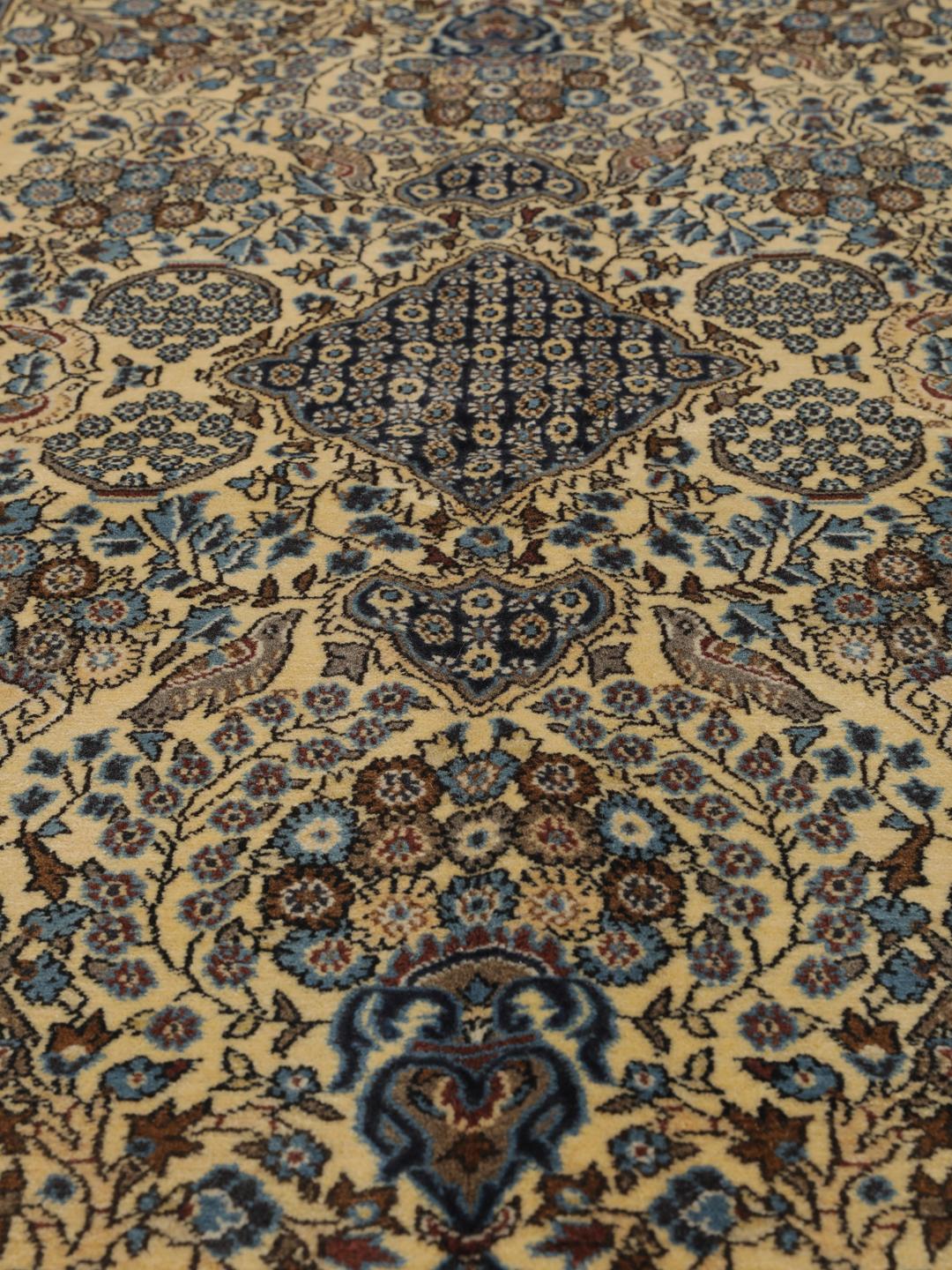
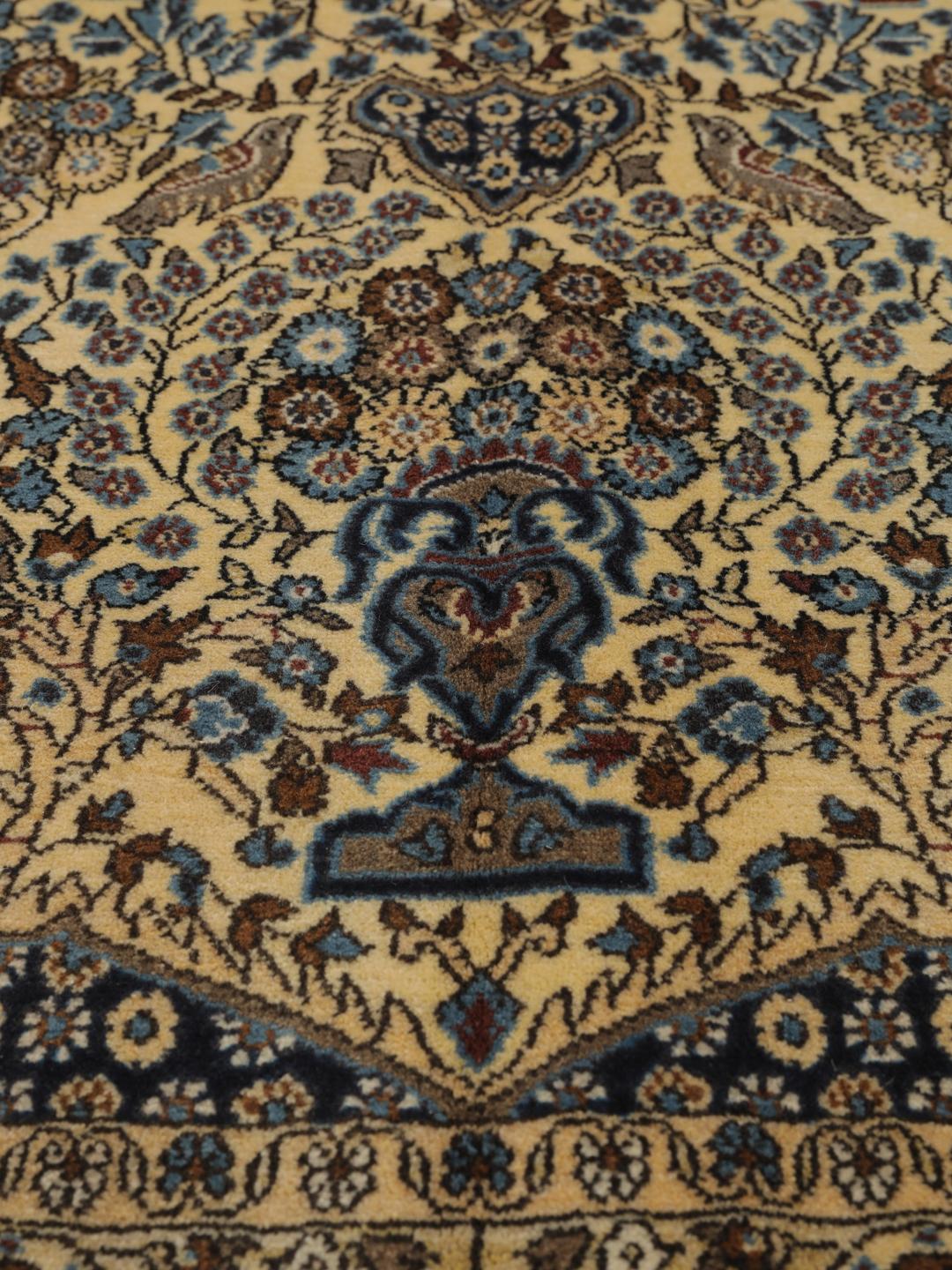
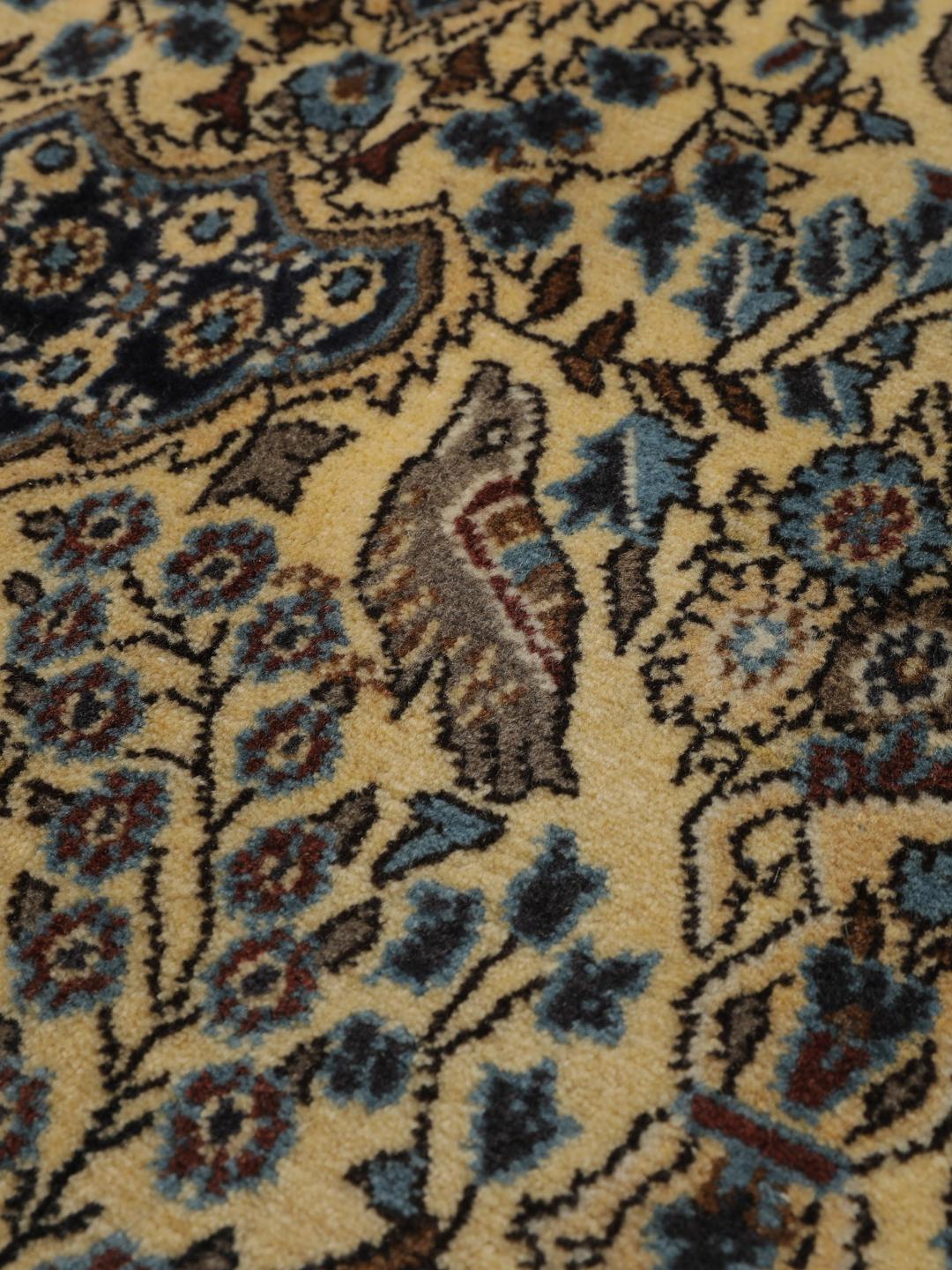
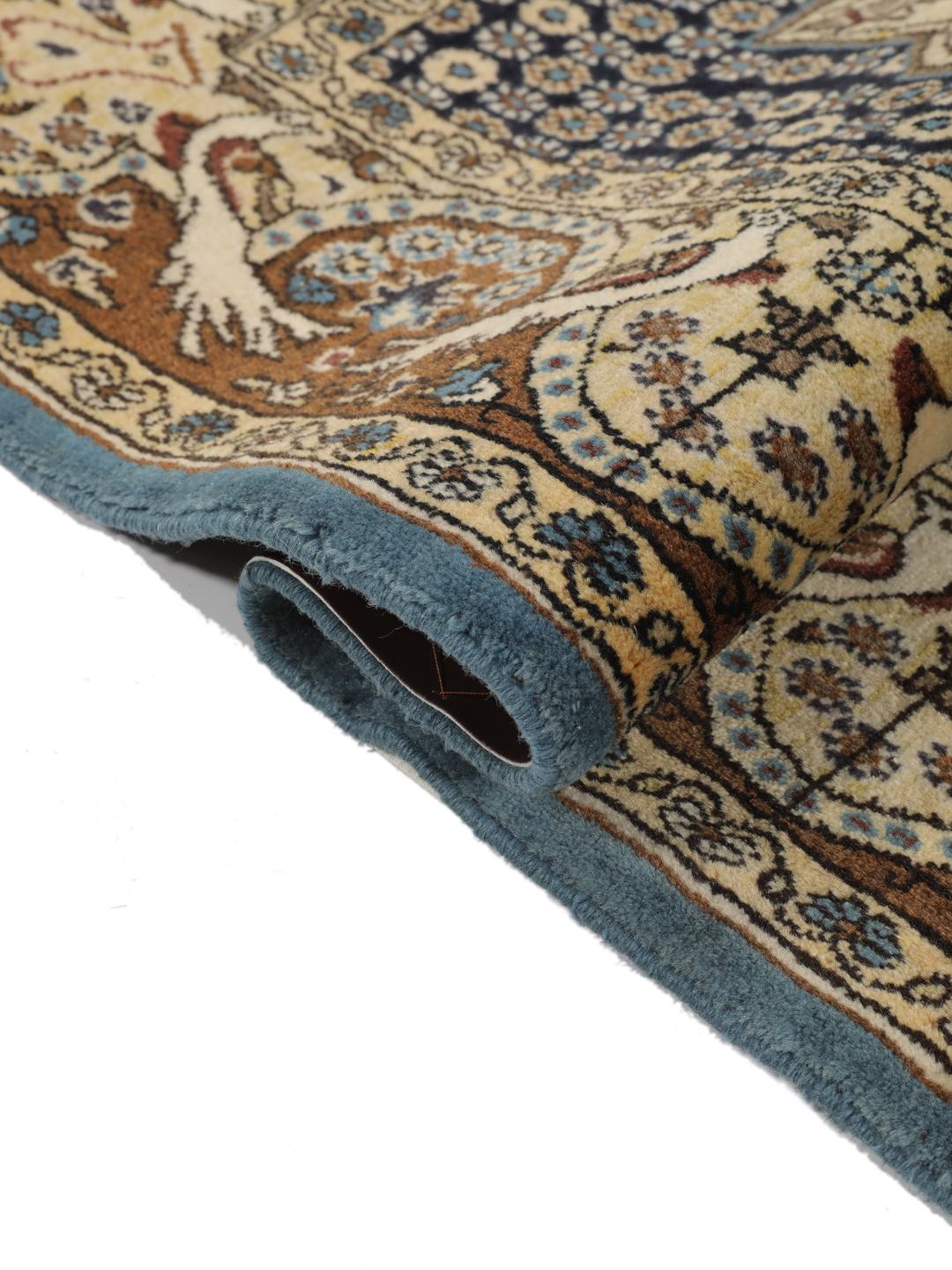
Visually, the signature design of a classic Sarouk often includes elaborate floral sprays, vines, and palmettes, frequently radiating from a central medallion. The colour palettes tend to be rich and saturated, often utilising deep blues, soft beiges, and warm earthy tones. This particular piece captures that quintessential aesthetic, offering a narrative of regional artistry in every curve and border motif.
Collecting a rug from this tradition is an investment in cultural heritage. Because each piece is created by hand, it carries the unique perspective of the weaver, serving as a tangible link to a centuries-old craft. Owning a Sarouk is not merely about covering a floor, but about preserving a legacy of skill and aesthetic refinement that has been cherished by collectors worldwide for generations.