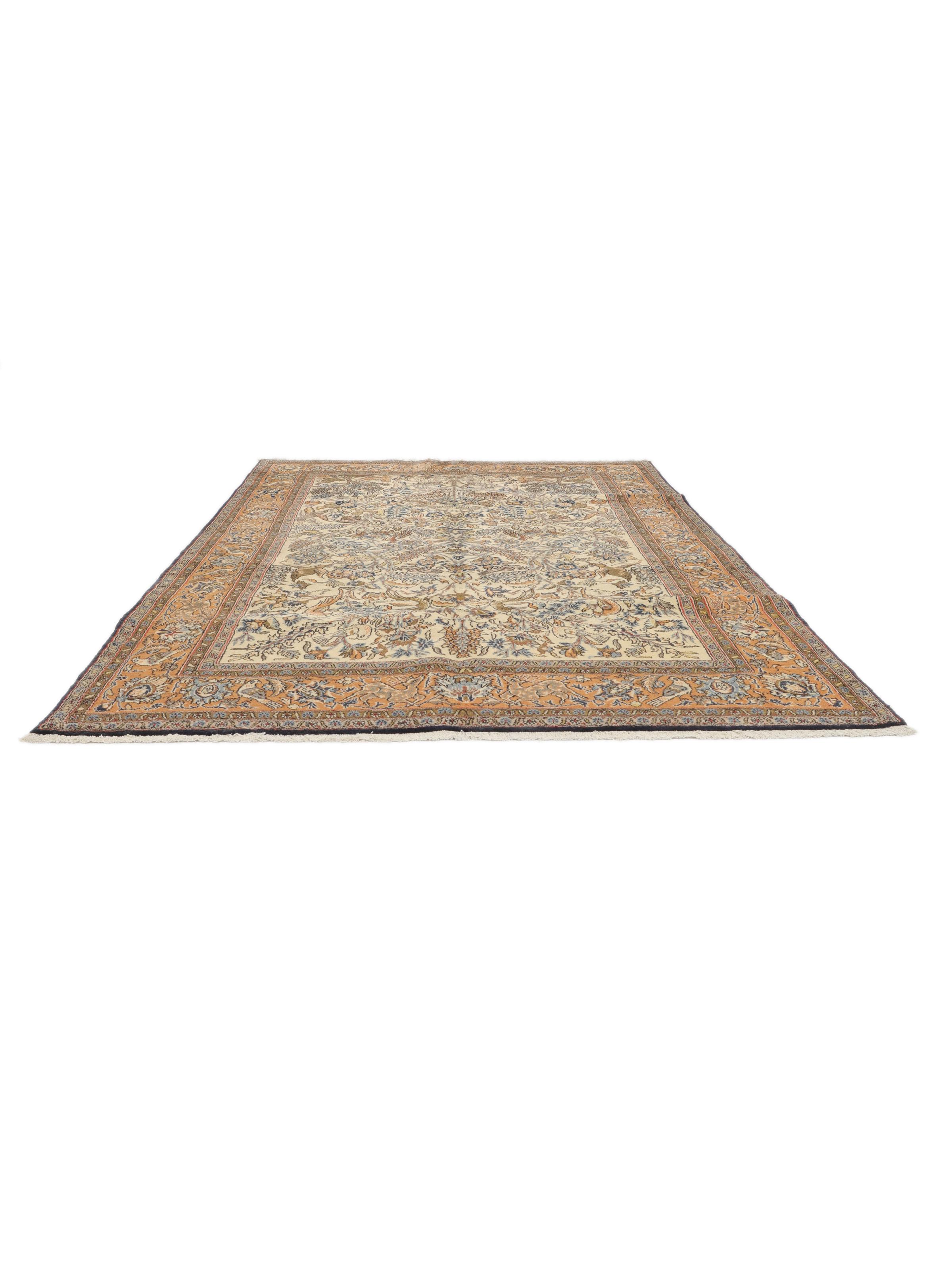
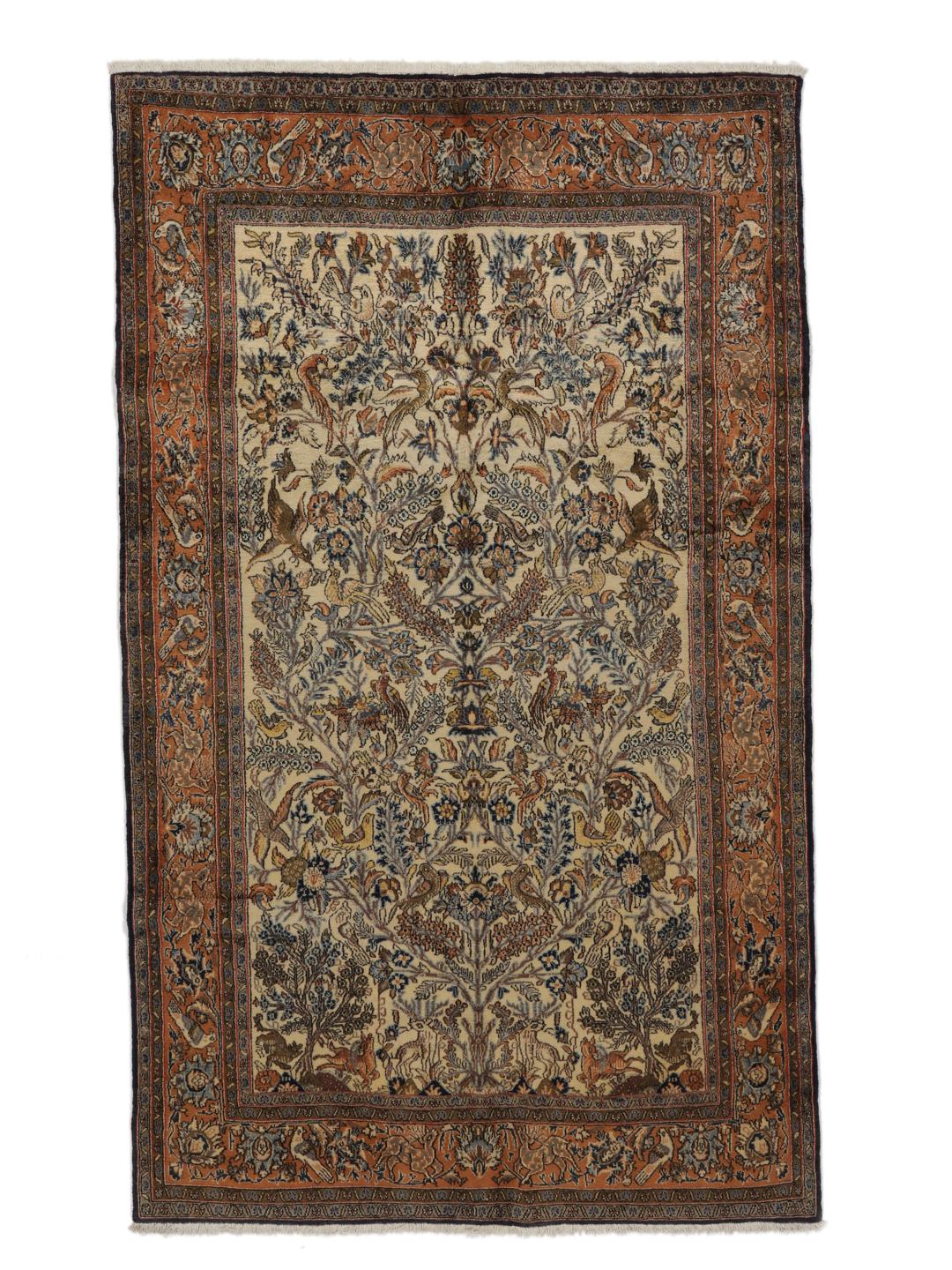
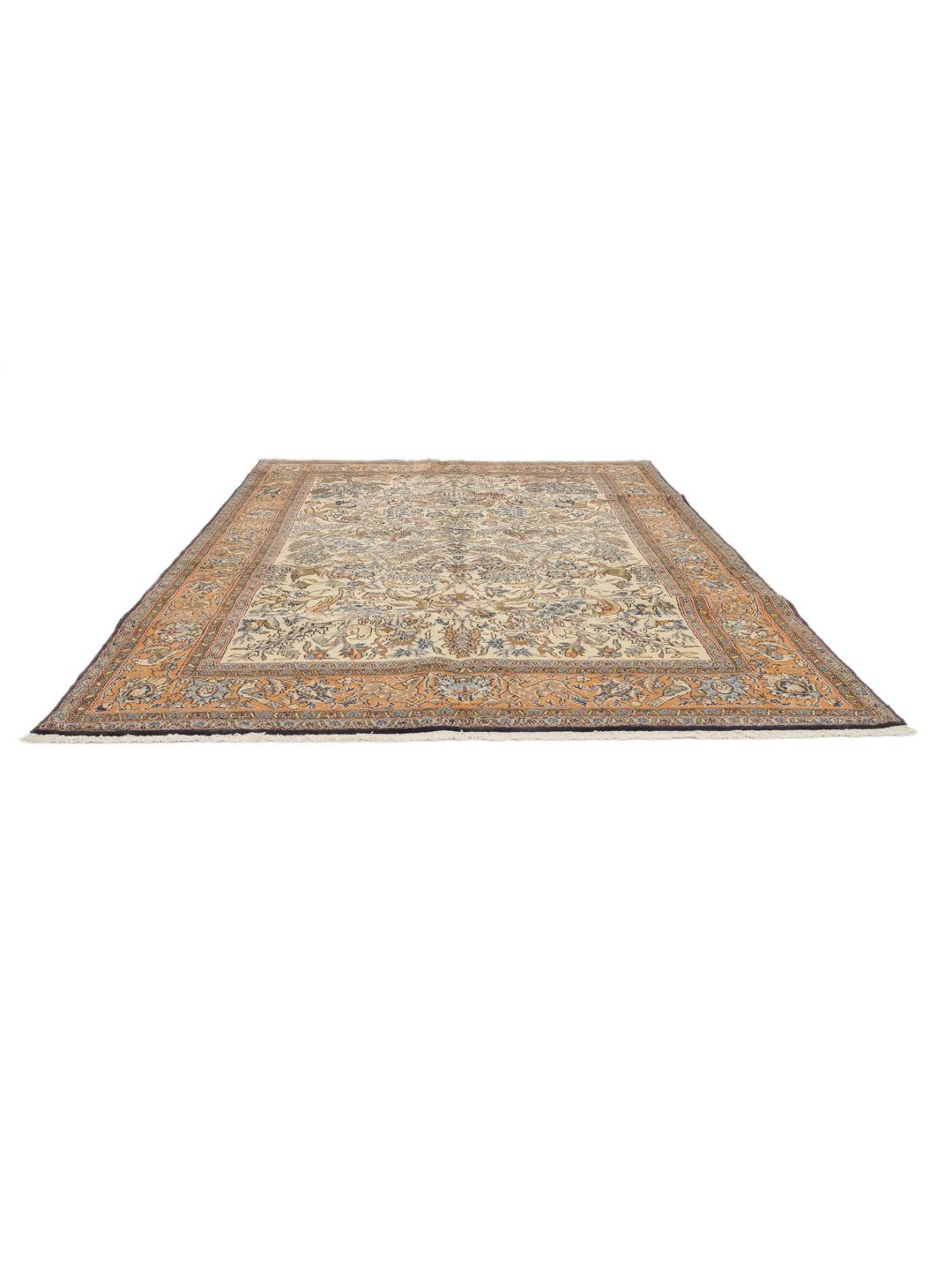
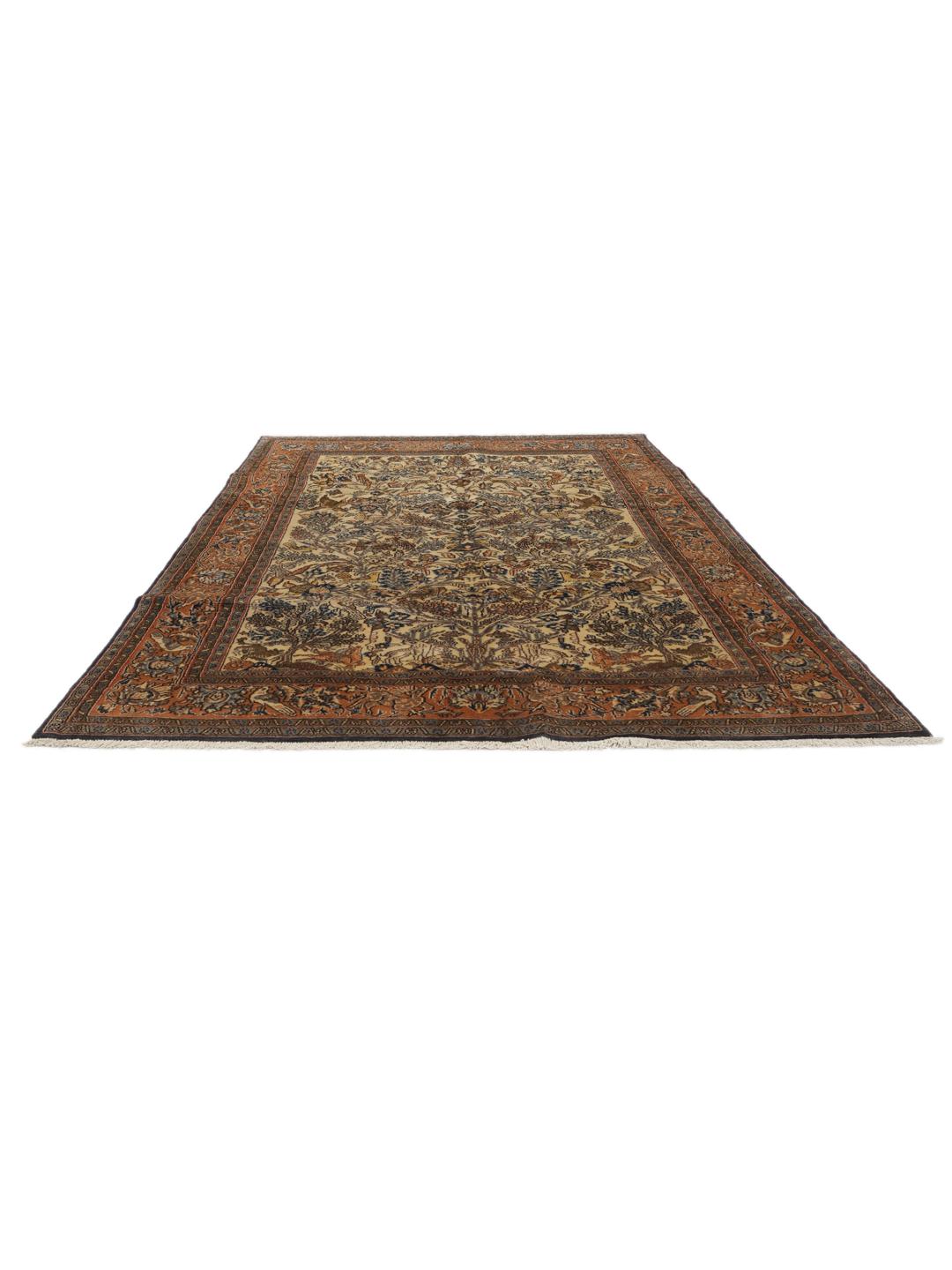
The Shahreza style is deeply rooted in the artistic traditions of the Middle East, particularly within the history of the Sarouk weaving region. These rugs are renowned for their sophisticated floral compositions and their connection to the classical garden motifs that have inspired weavers in this area for centuries. Each piece acts as a narrative, reflecting the local landscape and the cultural appreciation for beauty and harmony.
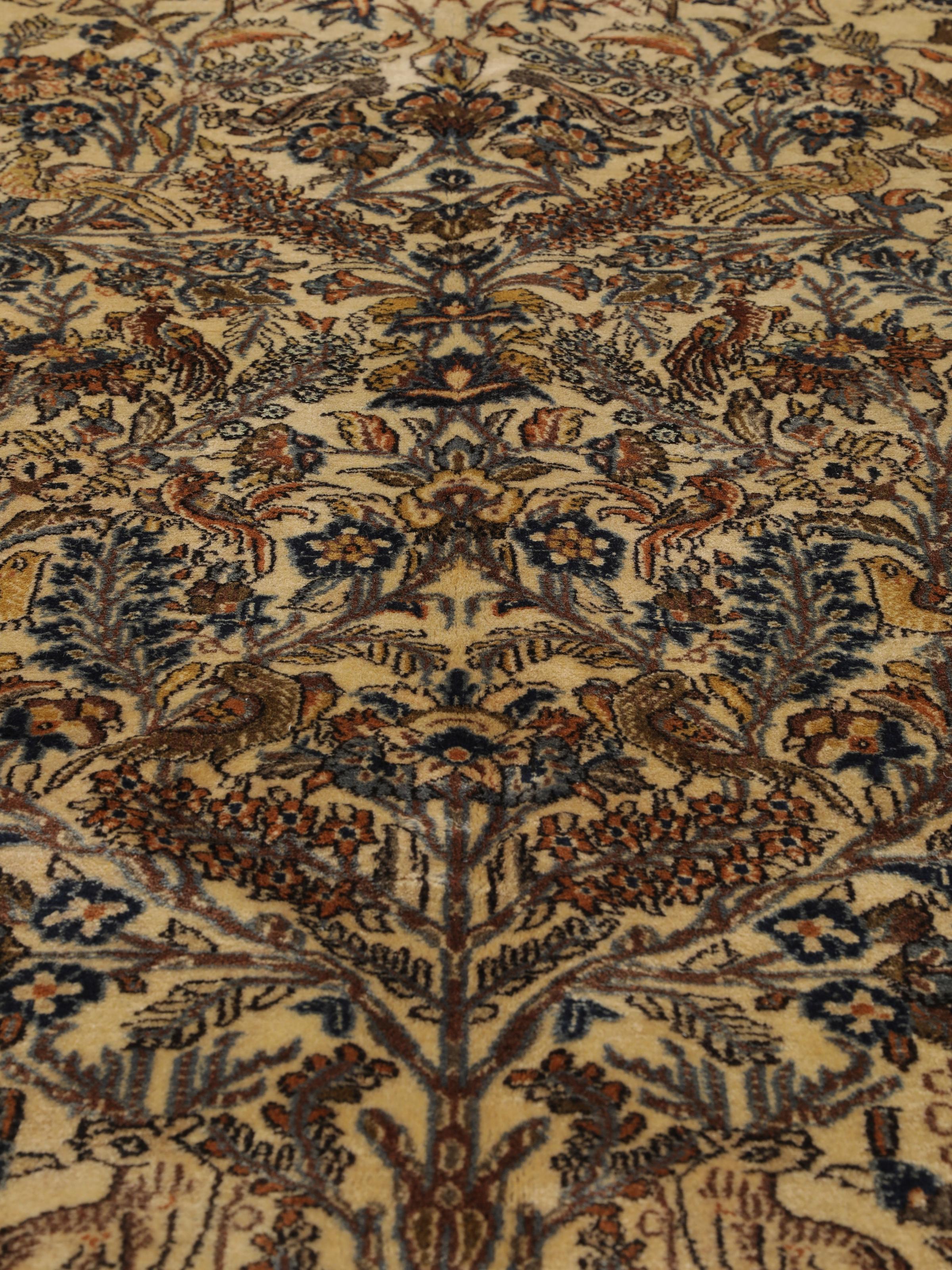
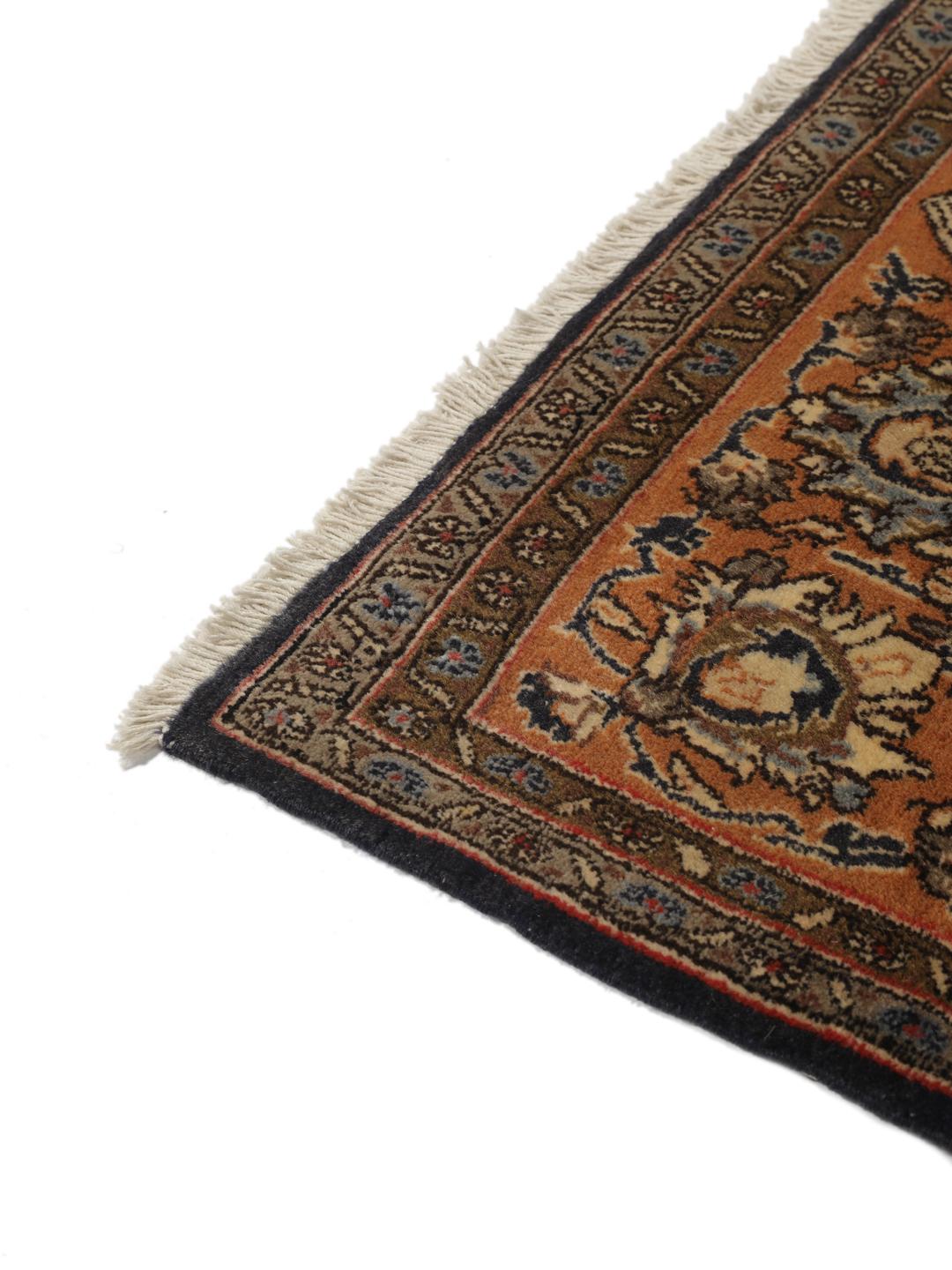
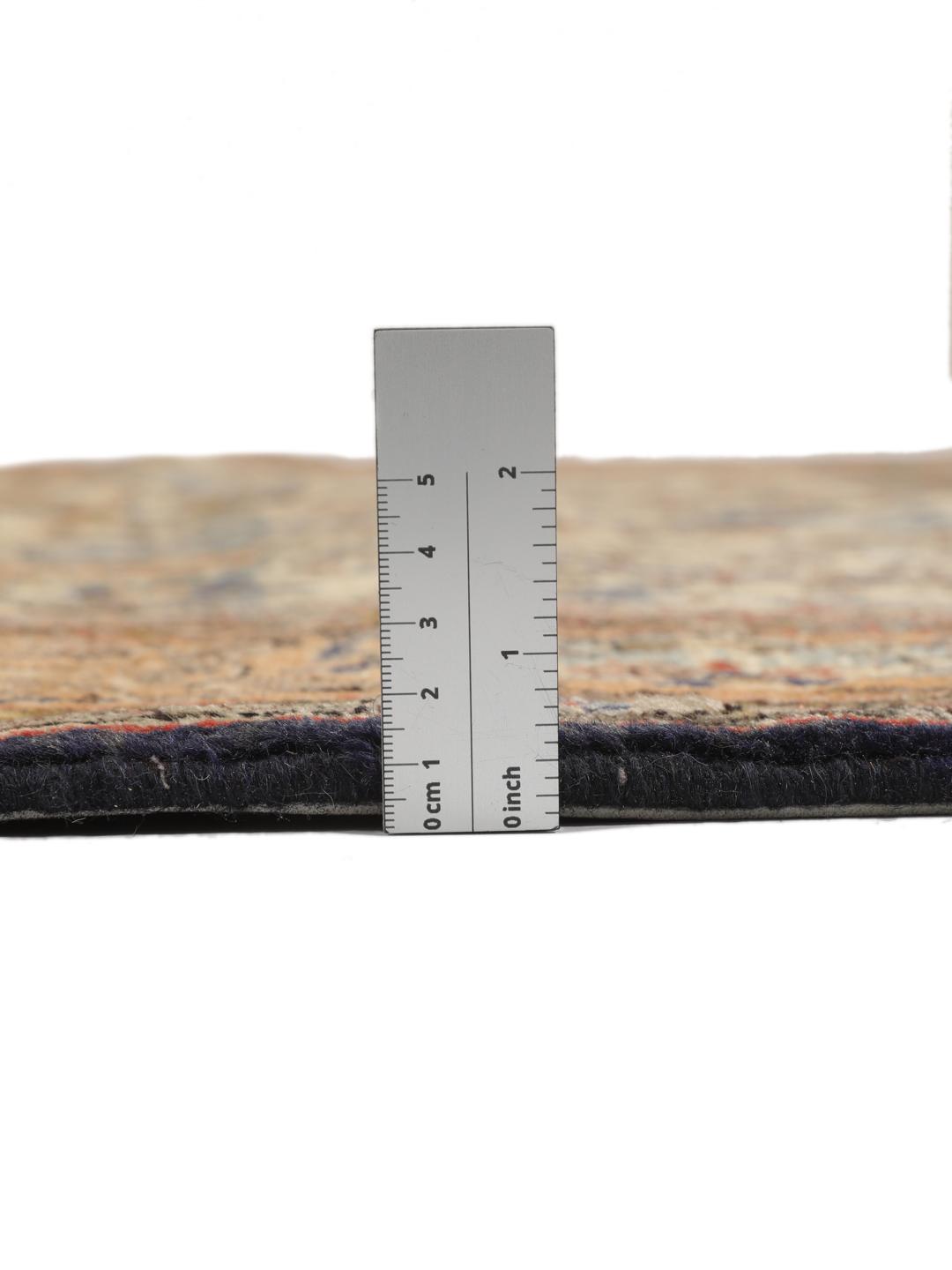
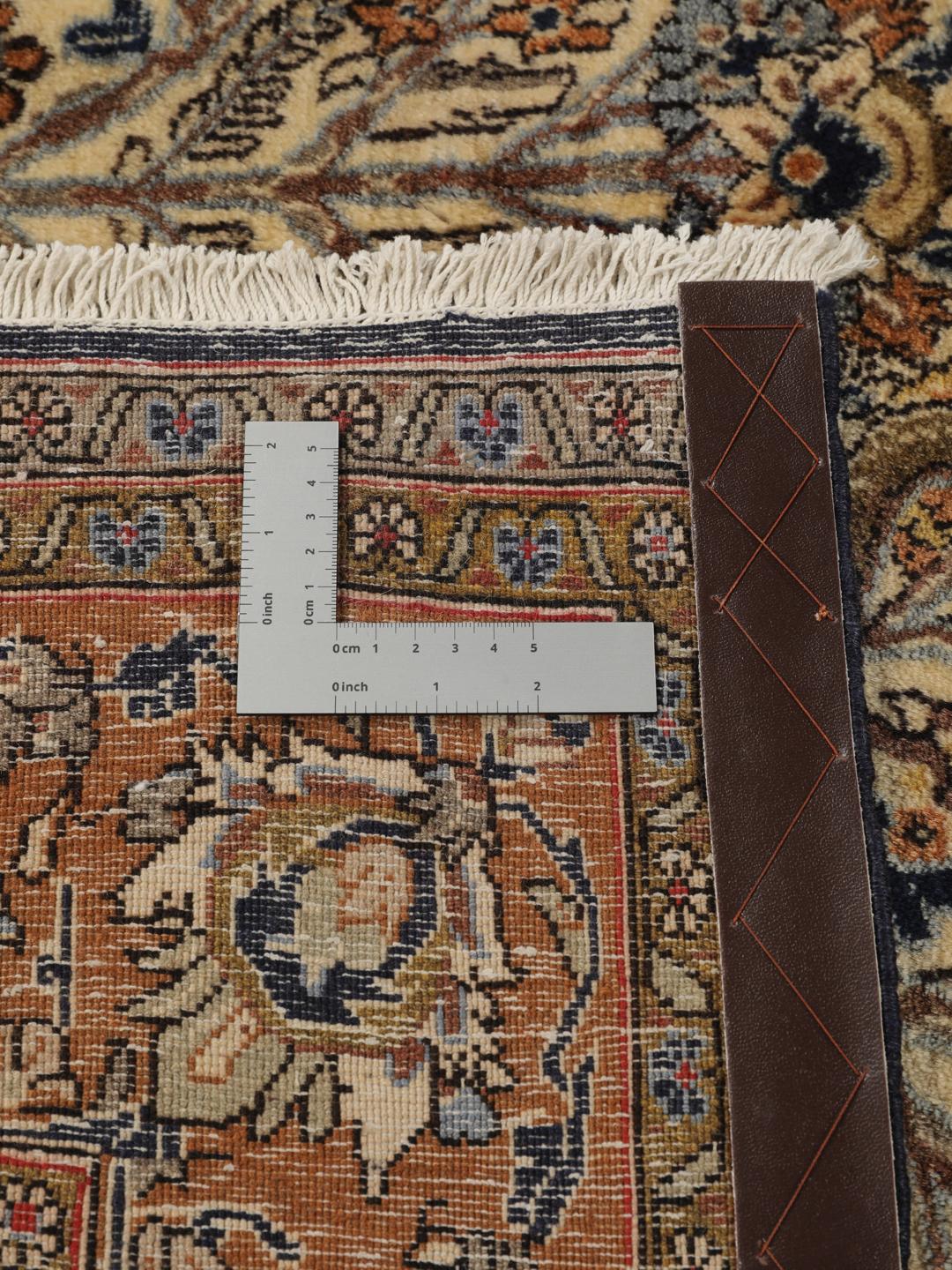
The term hand-knotted refers to the traditional method where individual strands of wool are tied onto a foundation. This technique allows for the creation of intricate, curved patterns that are impossible to achieve with simpler weaving methods. By using a dense arrangement of knots, the weaver ensures that the rug is not only visually complex but also structurally sound, capable of resisting wear in high-traffic areas.
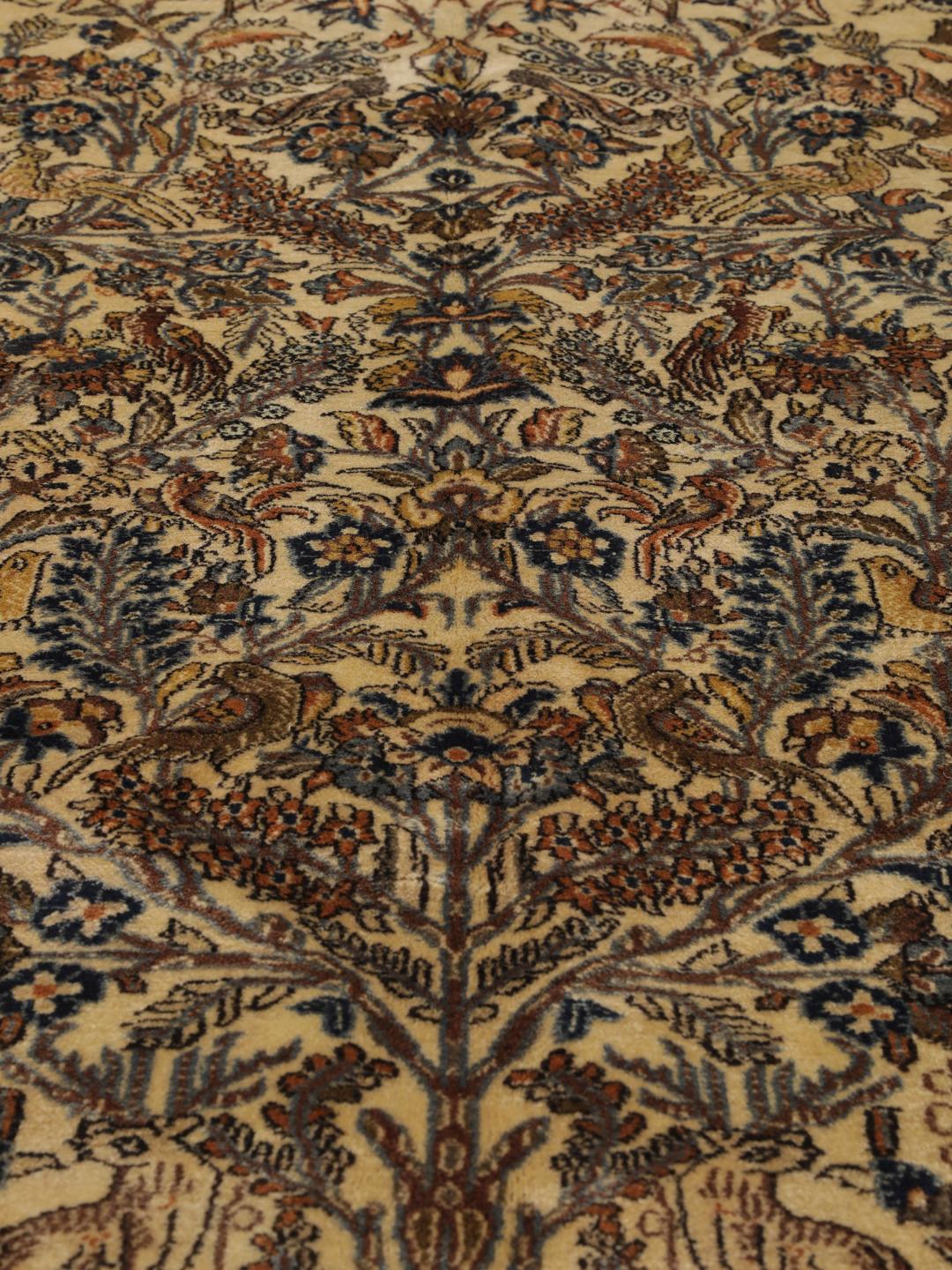
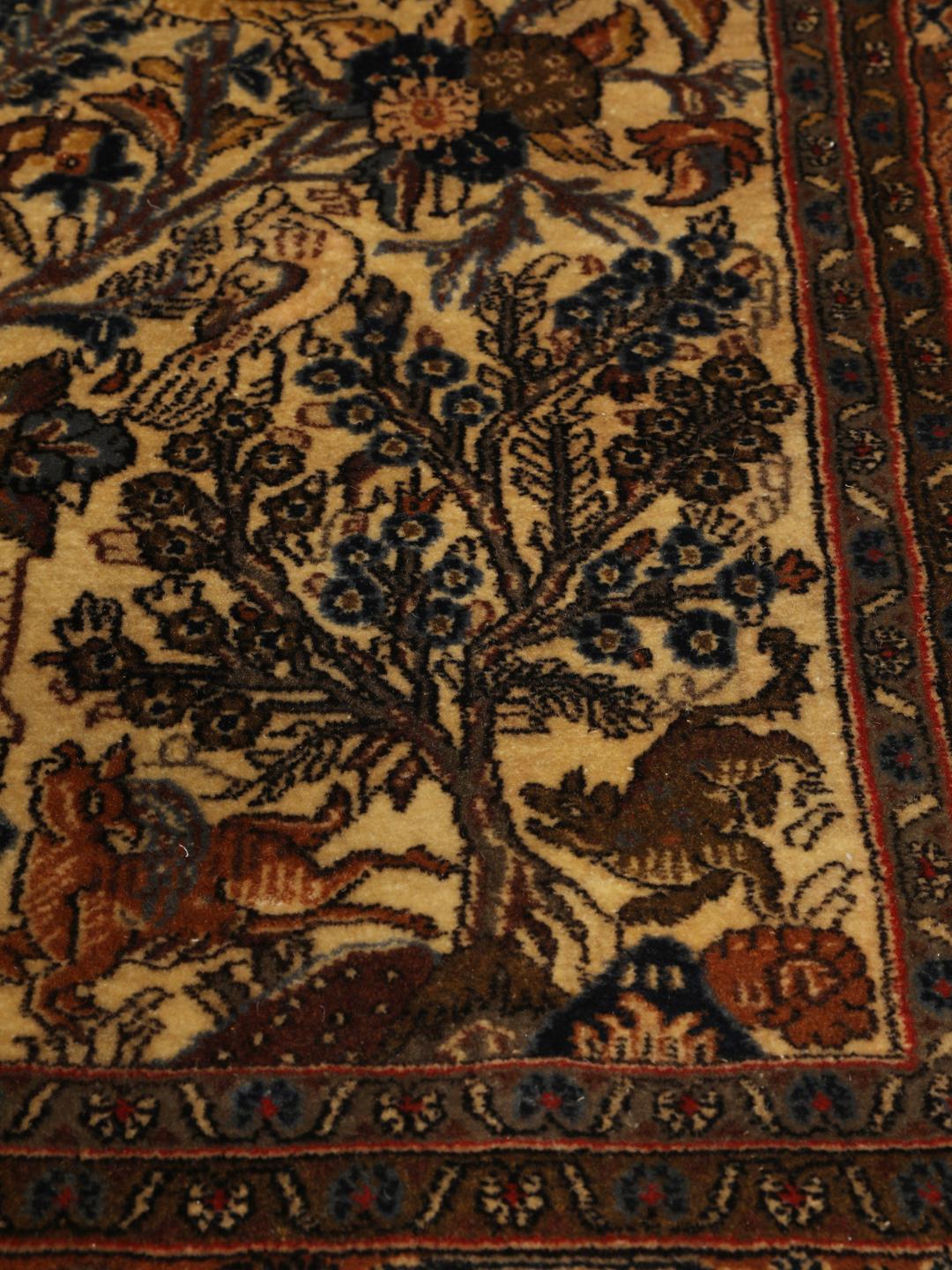
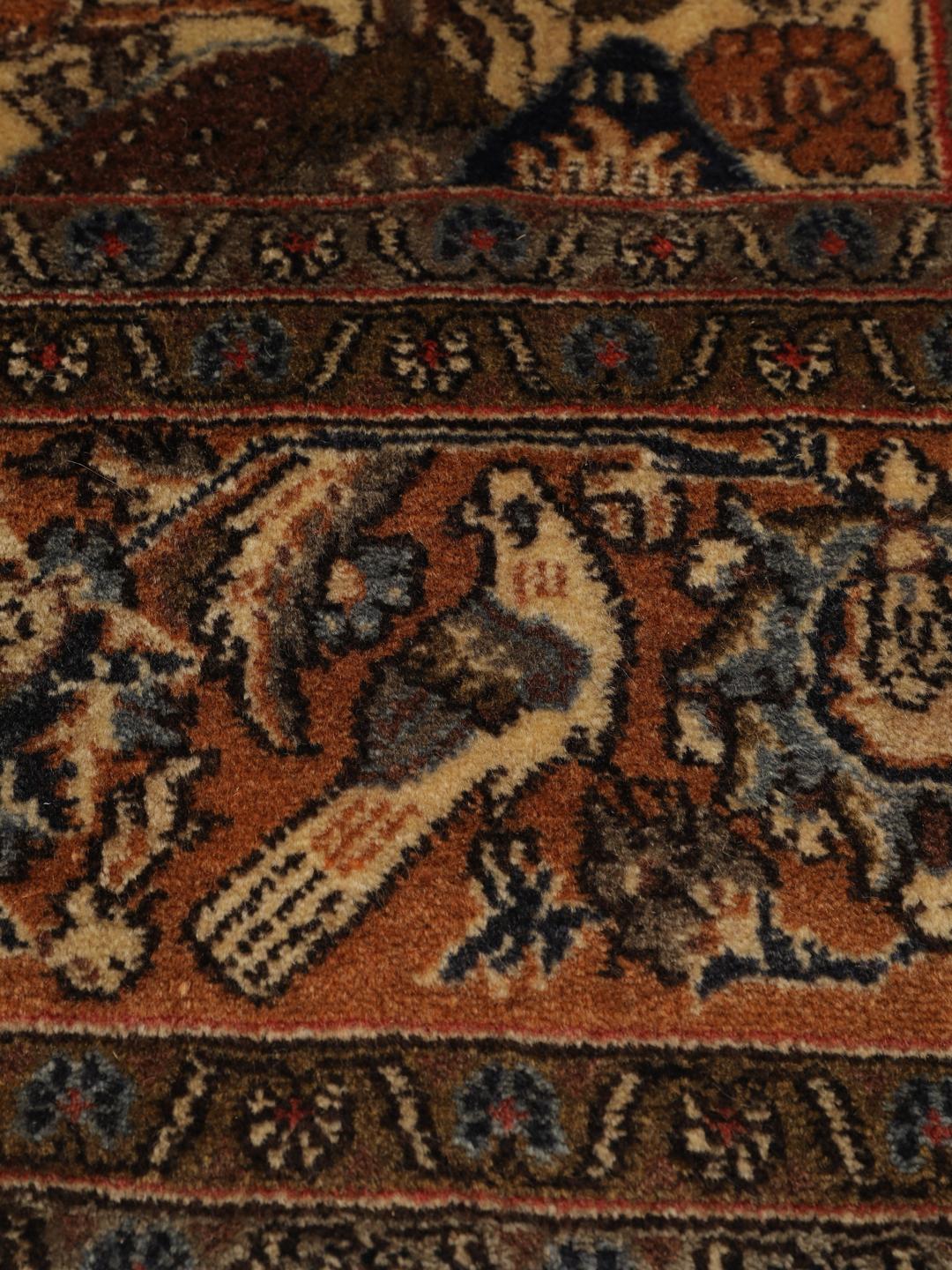
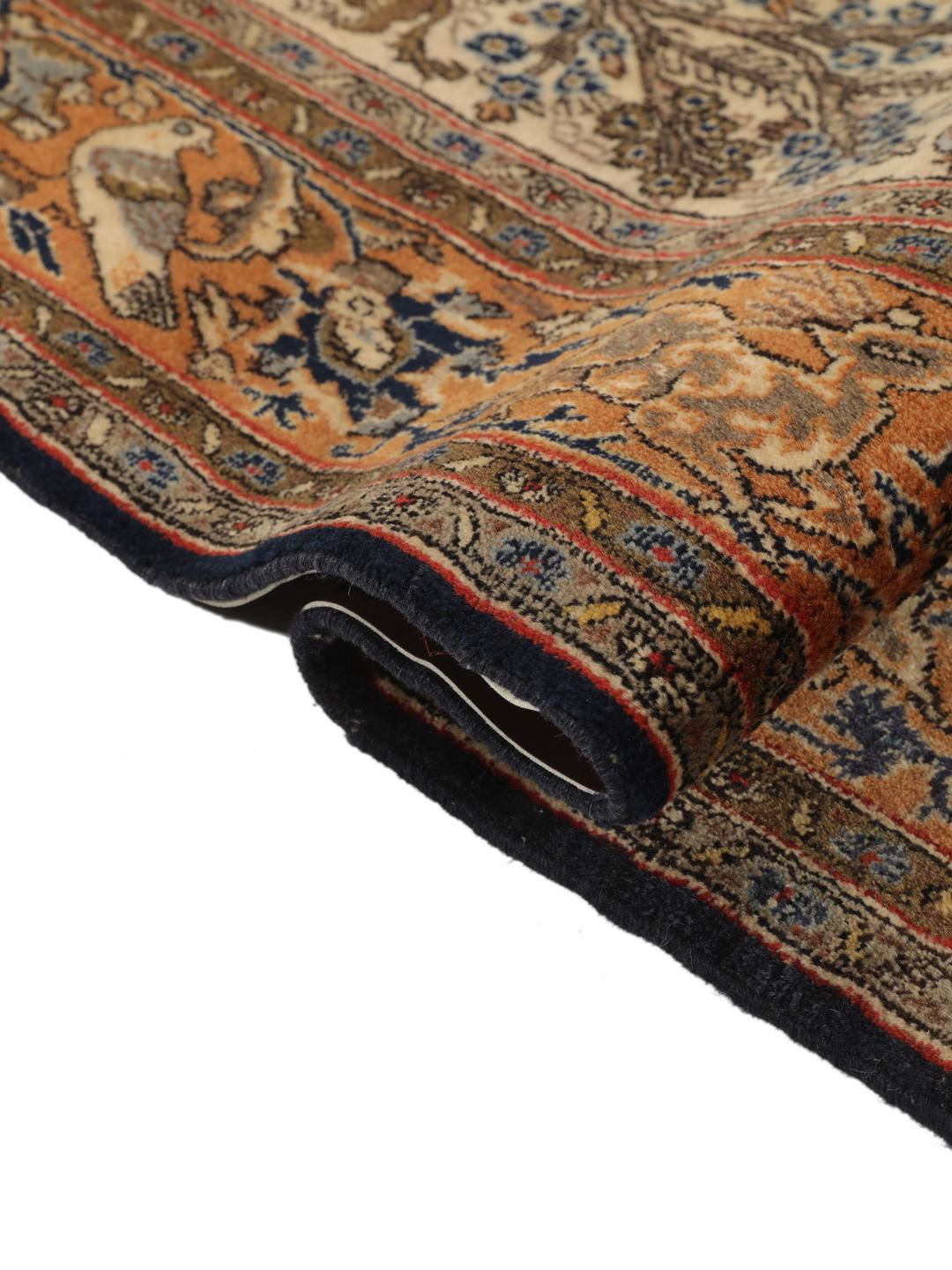
Visually, this tradition is defined by its ornate, curvilinear patterns. Unlike tribal rugs that rely on geometric abstraction, this style embraces a more naturalistic approach, often depicting blooming trees, birds, and expansive floral scrolls. The borders are typically formal and framing, serving to contain the narrative of the centre field and providing a sense of balance to the complex imagery.
Owning a piece from this tradition is an act of preserving a historic craft. Collectors value these rugs for their technical skill, the harmony of their colour palettes, and the enduring nature of their designs. They are more than just floor coverings; they are cultural artifacts that represent a legacy of patience, artistic vision, and a deep-seated commitment to quality that transcends changing trends.