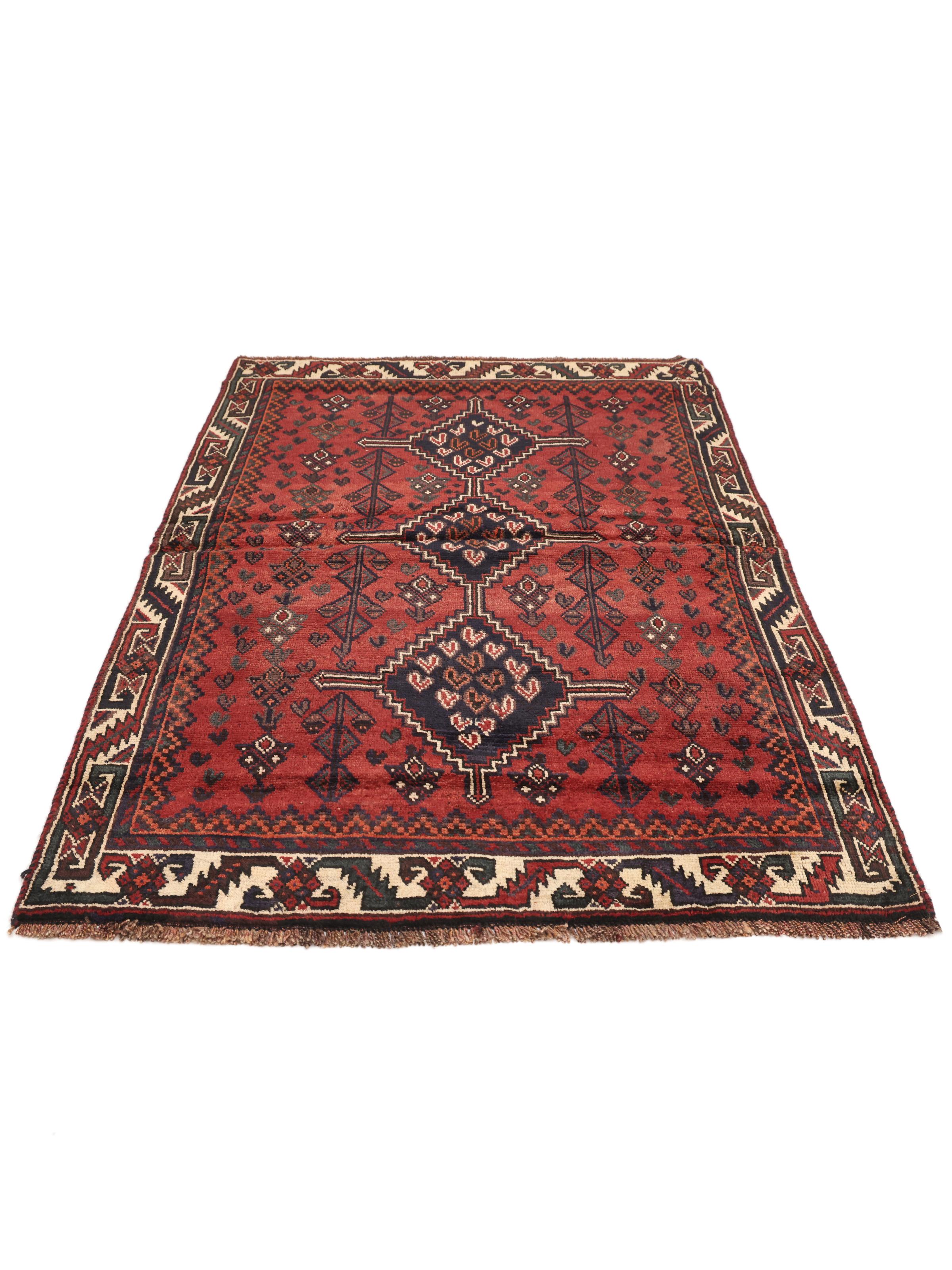
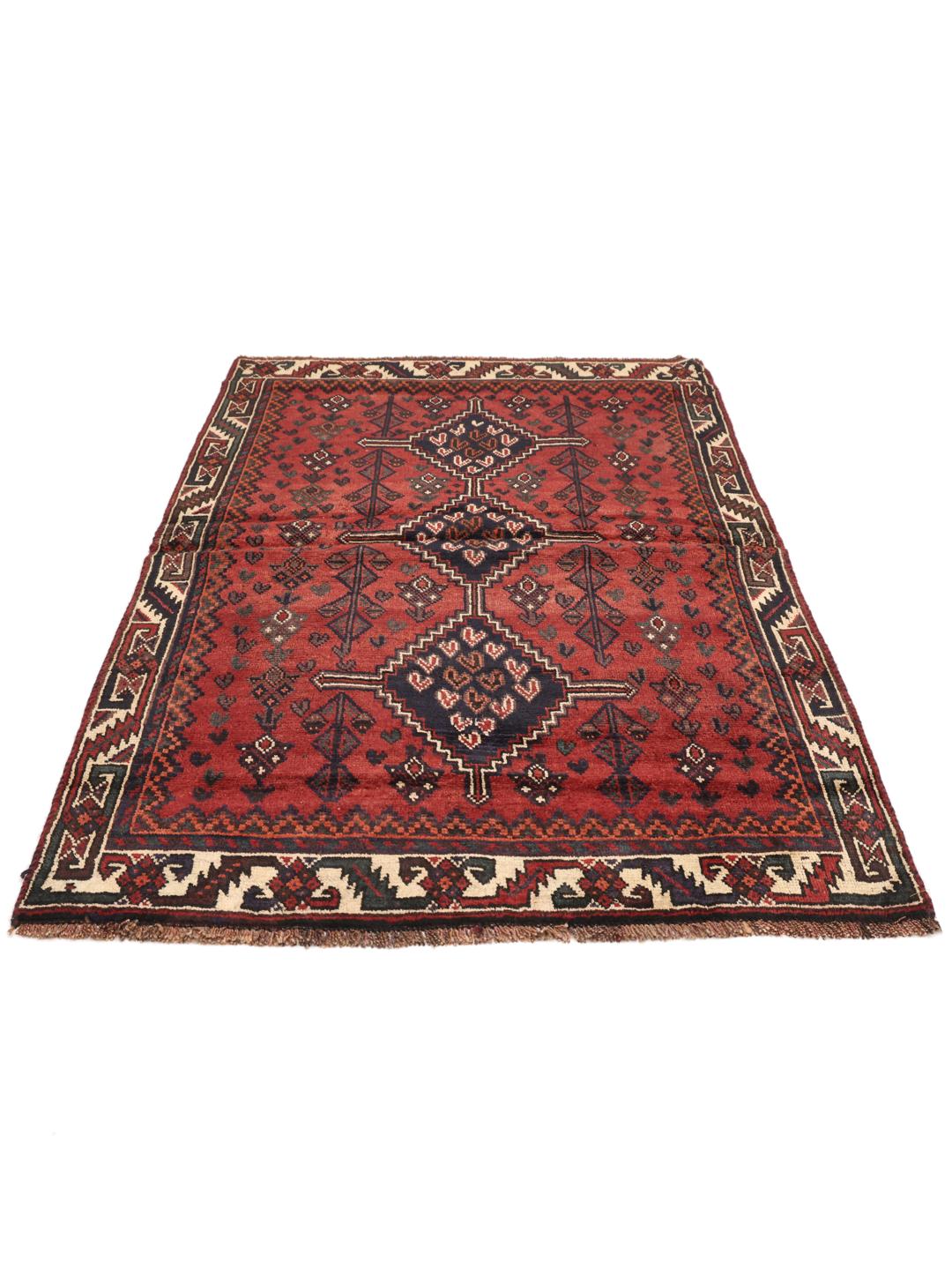
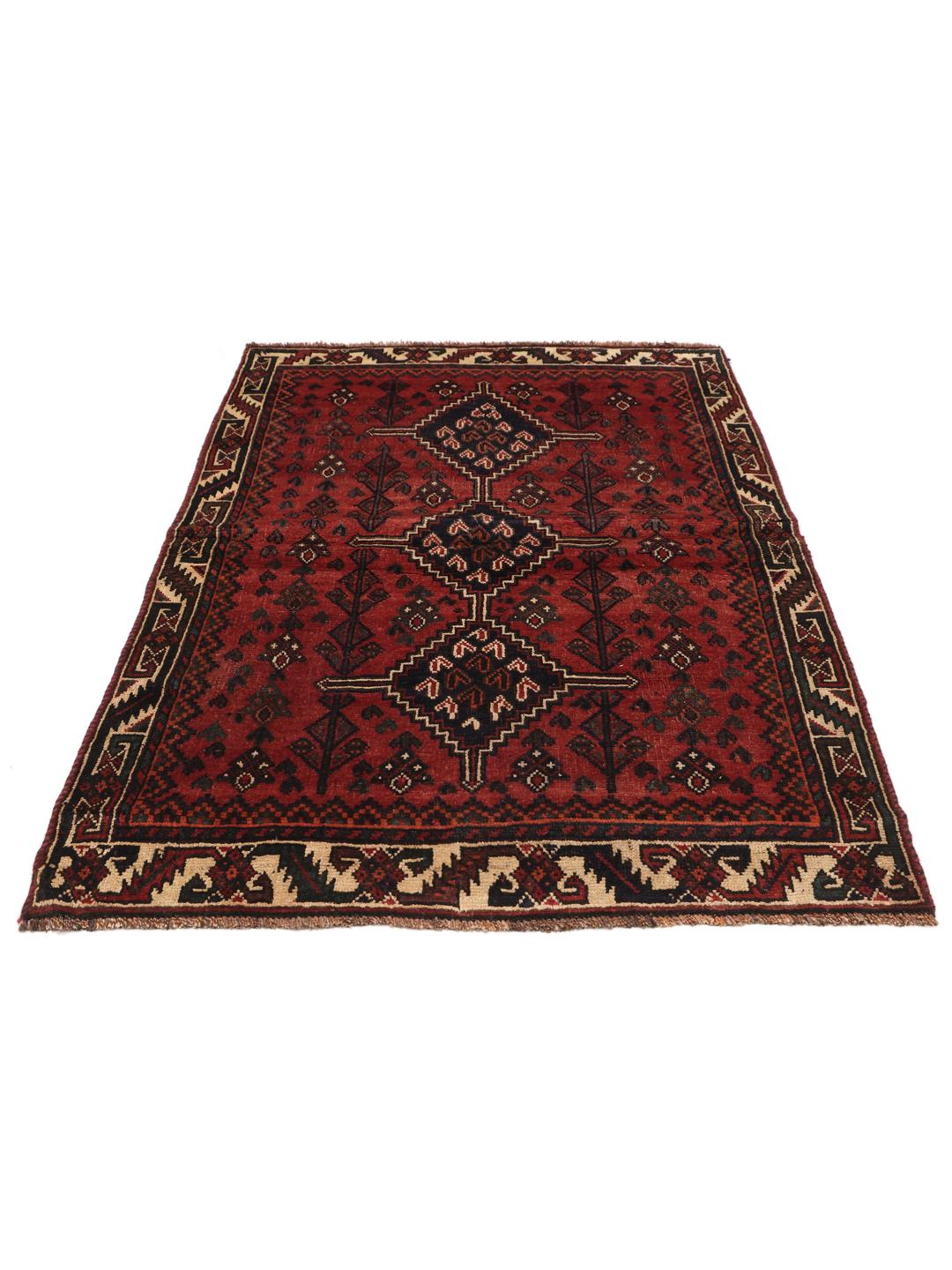
Shiraz rugs originate from the Fars province in the Middle East, a region with a deep-rooted history of nomadic and semi-nomadic weaving. These rugs are traditionally crafted by various tribal groups, such as the Qashqai and Khamseh, who have passed down their design heritage through generations.
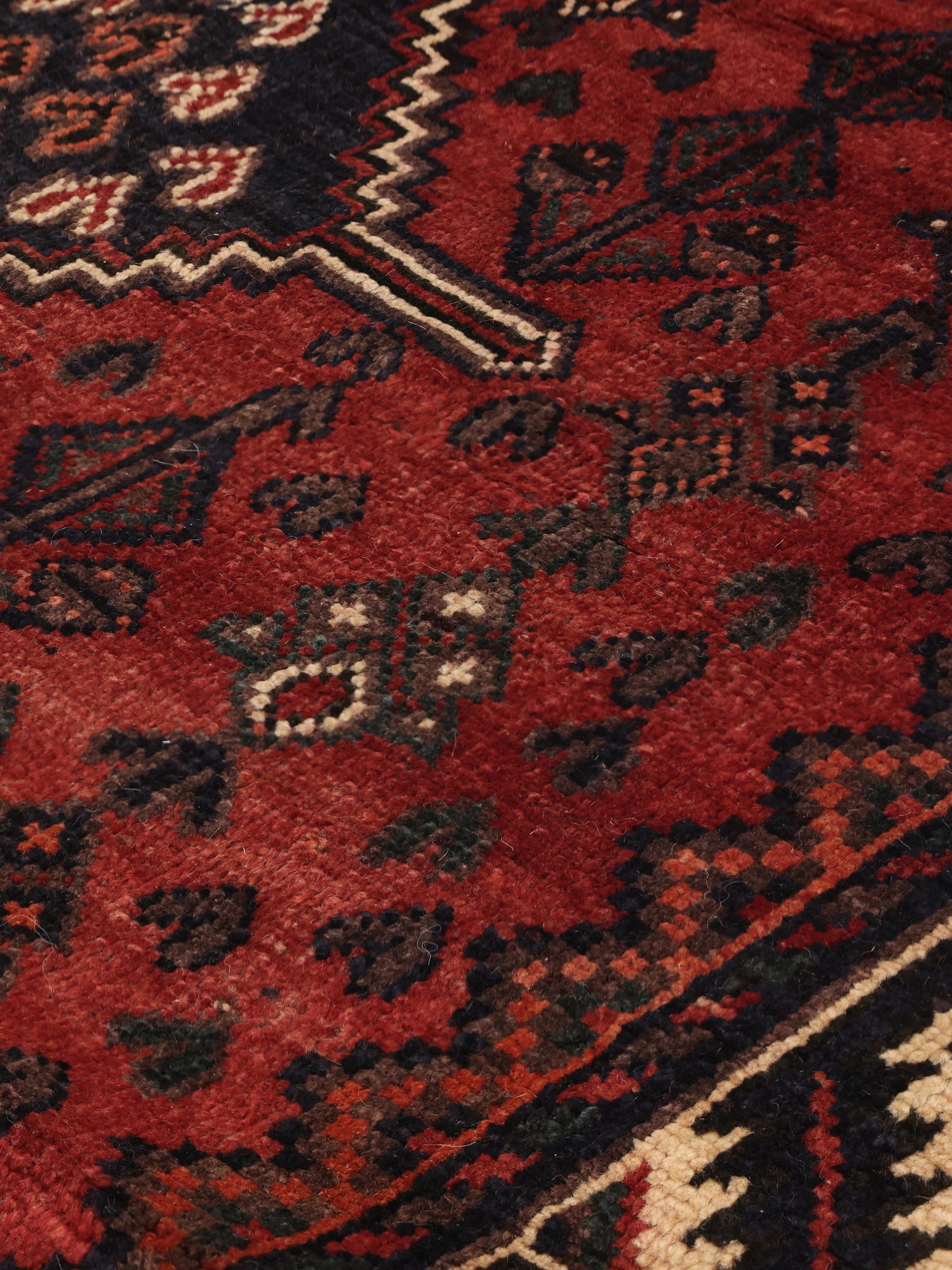
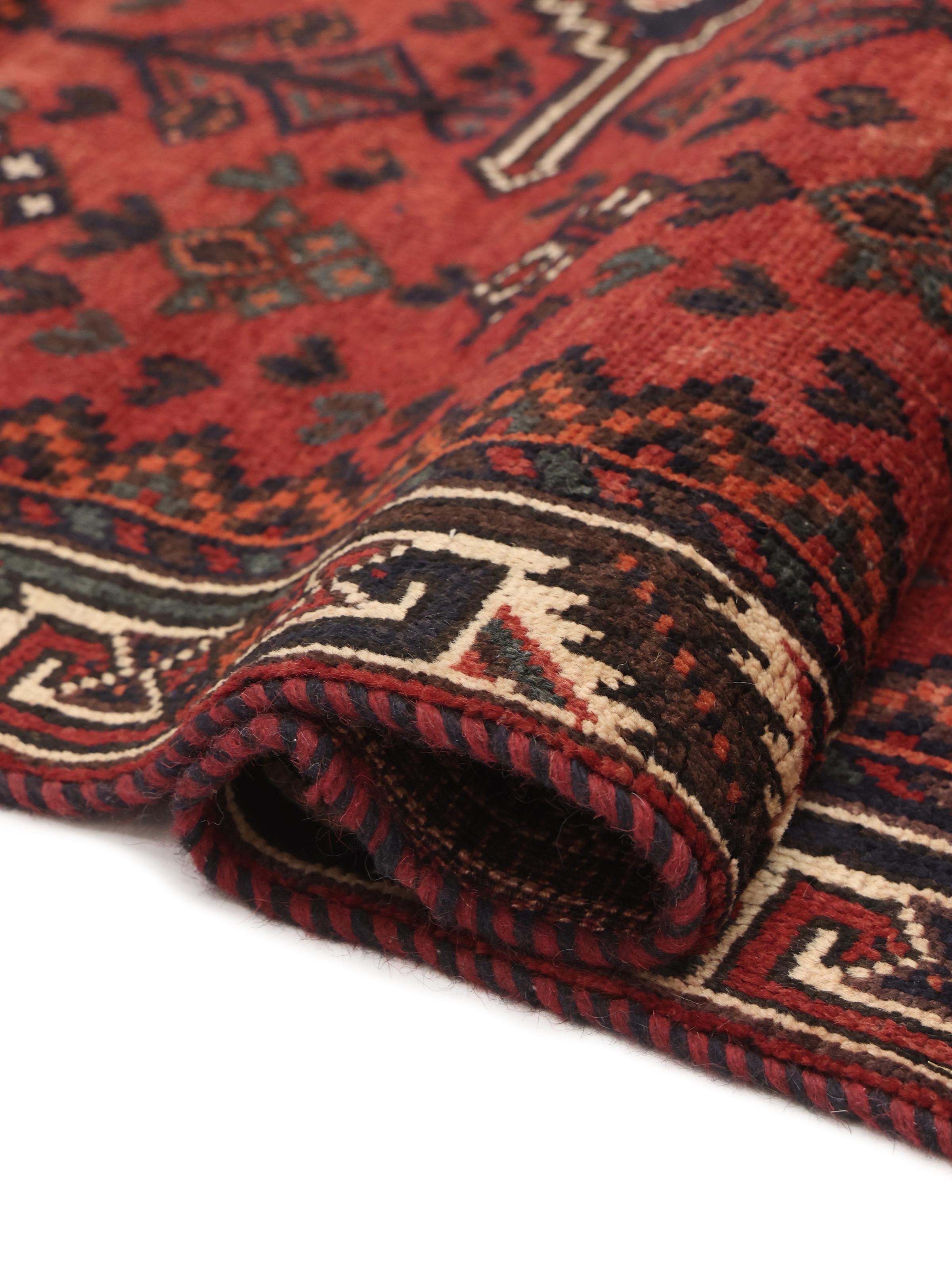
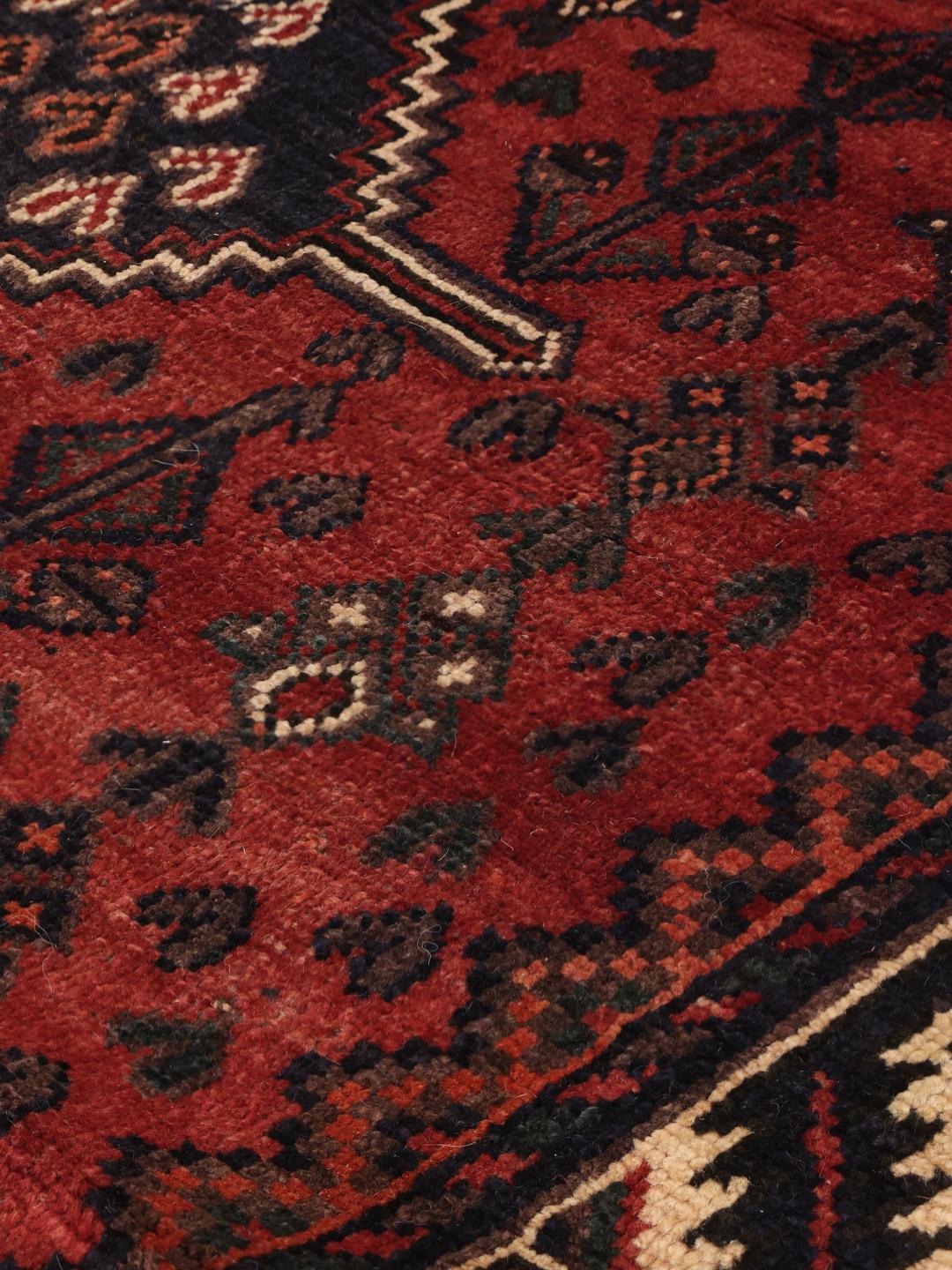
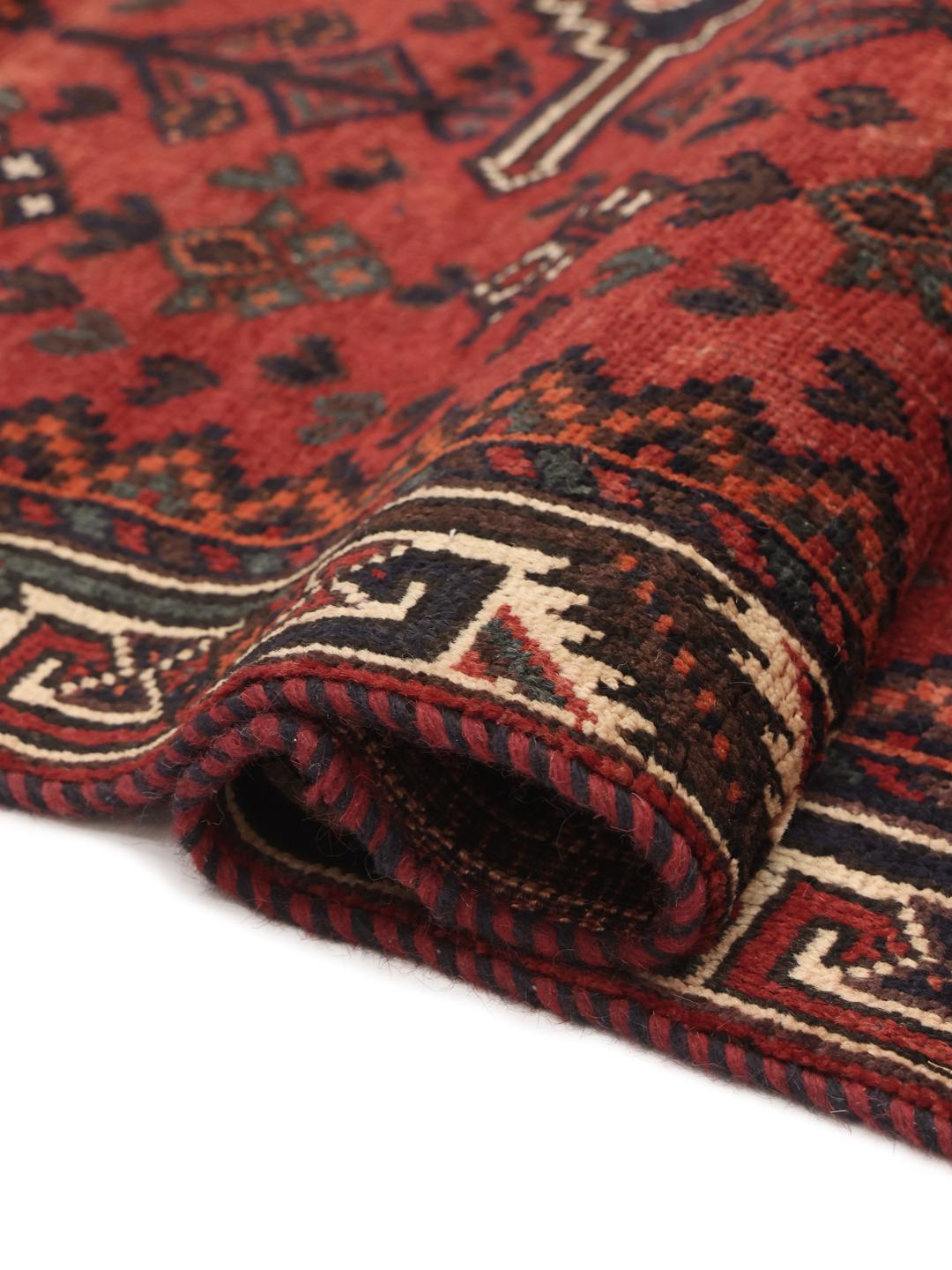
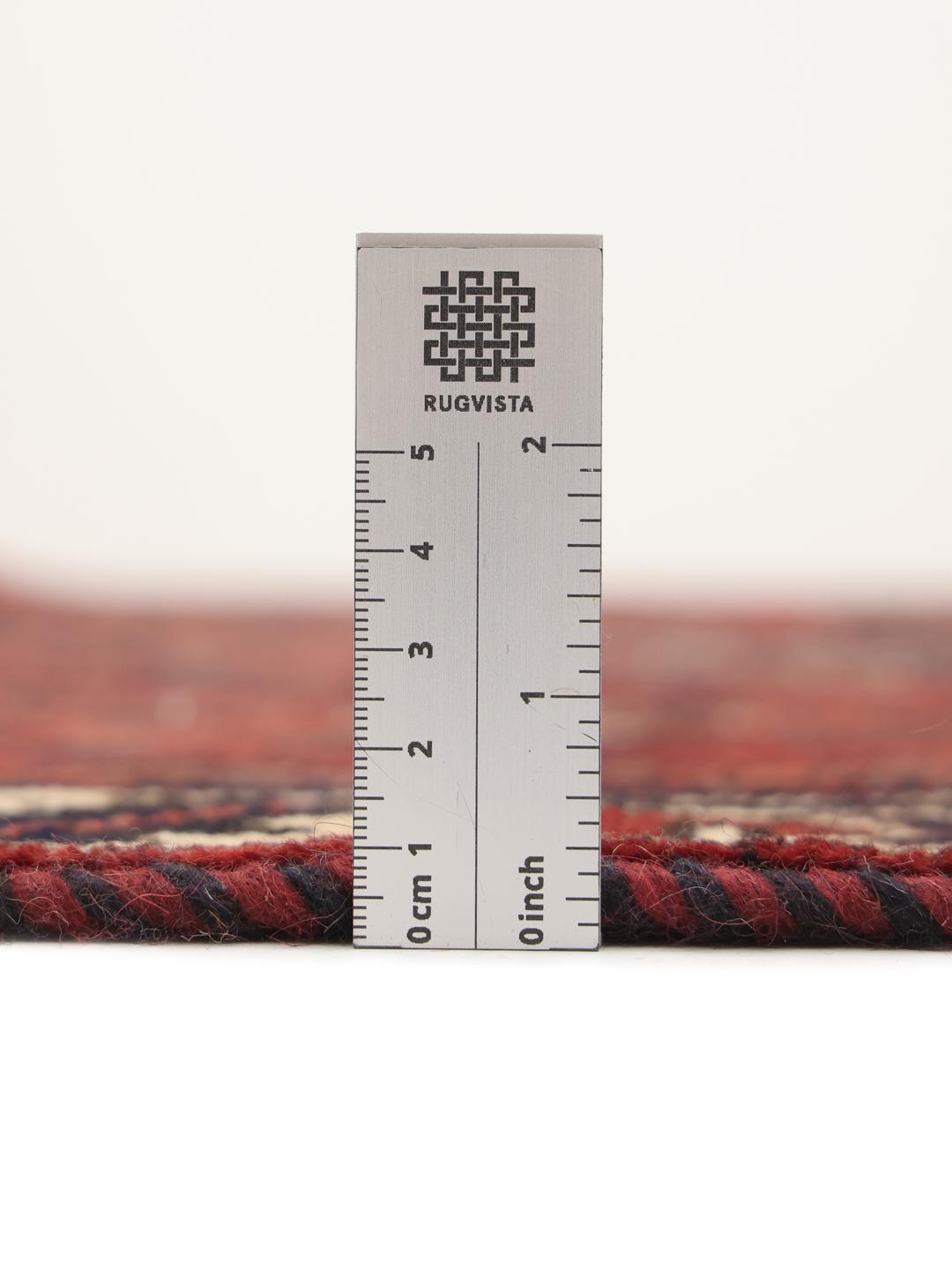
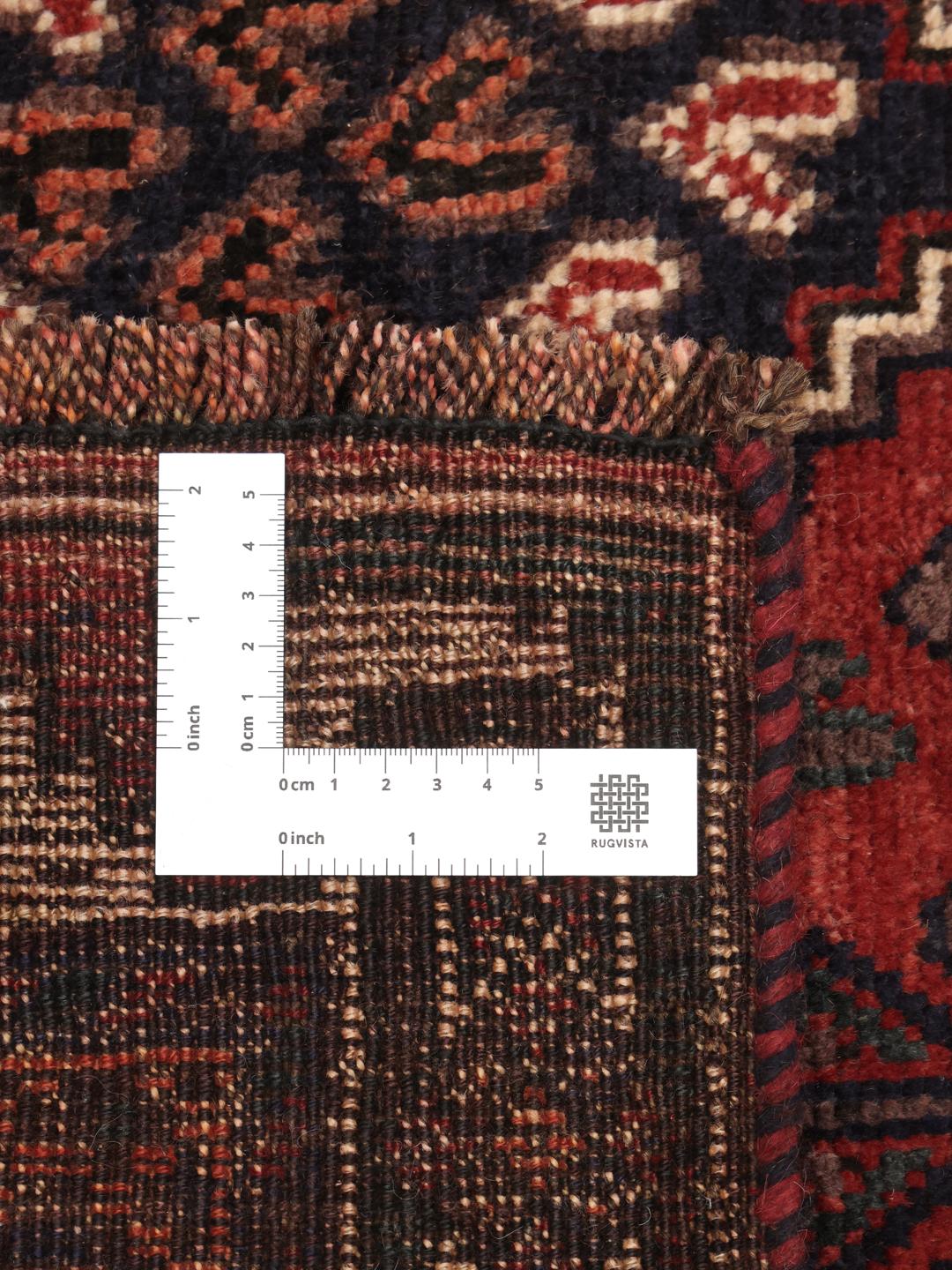
The construction of these rugs is defined by the use of local Wool, which is known for its resilience and ability to hold vibrant natural dyes. The weaving process often involves a sturdy foundation that allows for a durable, flexible rug, reflecting the nomadic lifestyle where these pieces were historically moved and used in various environments.
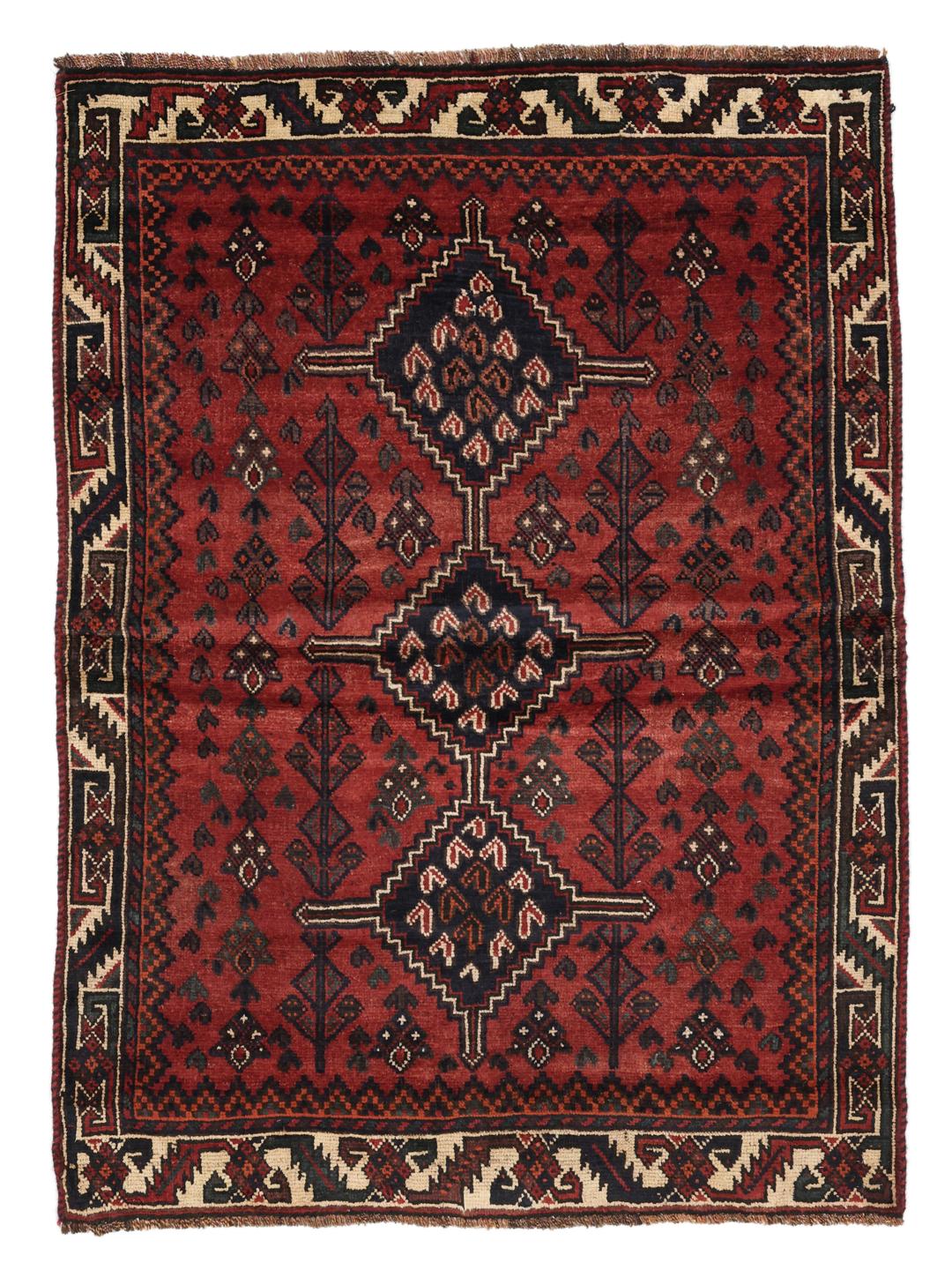
Visually, Shiraz rugs are celebrated for their bold, geometric language. They frequently feature central medallion motifs, stylized floral elements, and repeating geometric shapes that are arranged with a spontaneous, artistic flair. The borders often showcase intricate, angular patterns that frame the field, providing a balanced yet energetic composition.
Collectors value these rugs for their authenticity and the human story woven into every thread. Owning a Shiraz rug is an opportunity to connect with a centuries-old tradition of craft, as each piece serves as a cultural document that preserves the artistic spirit and regional identity of its makers.