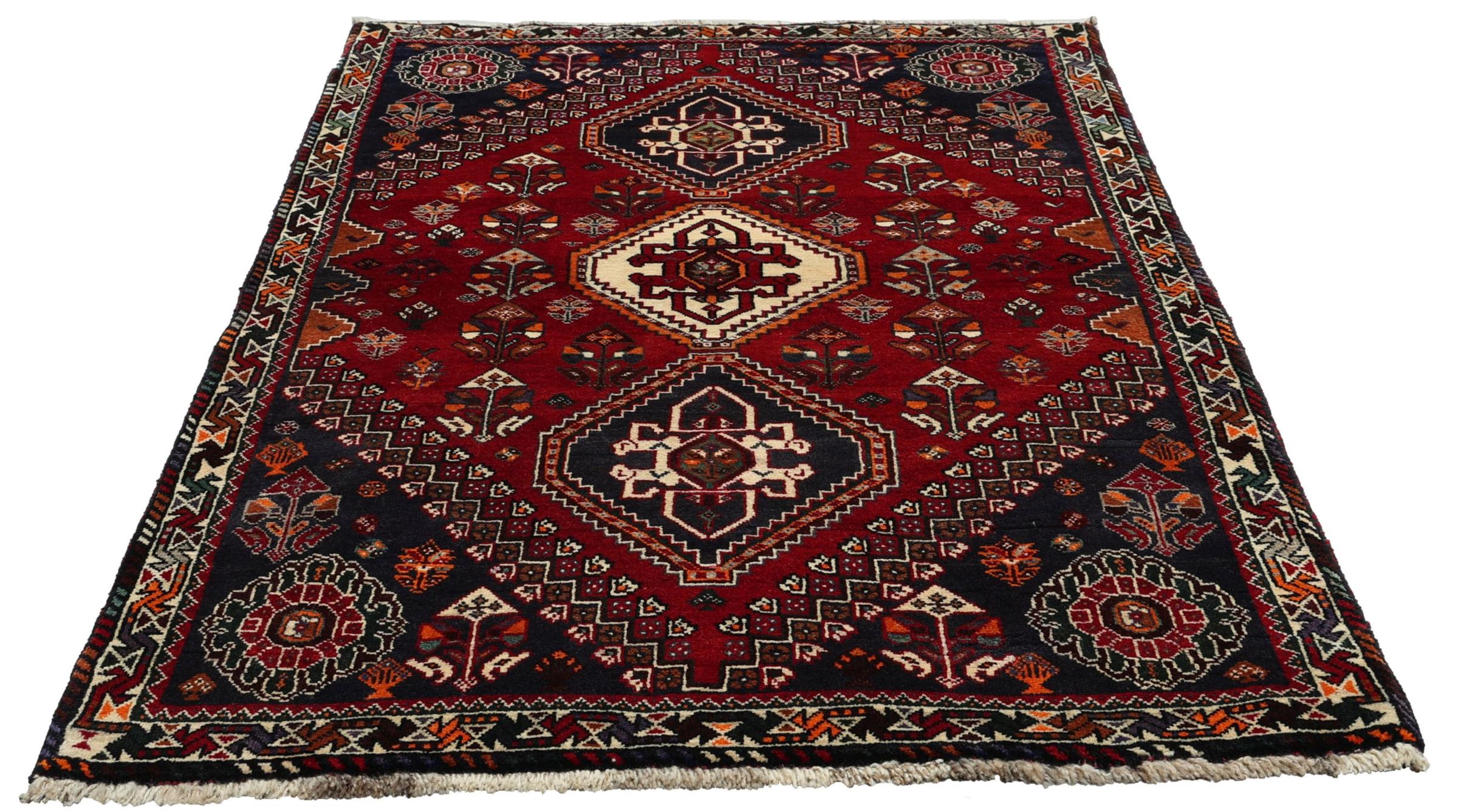
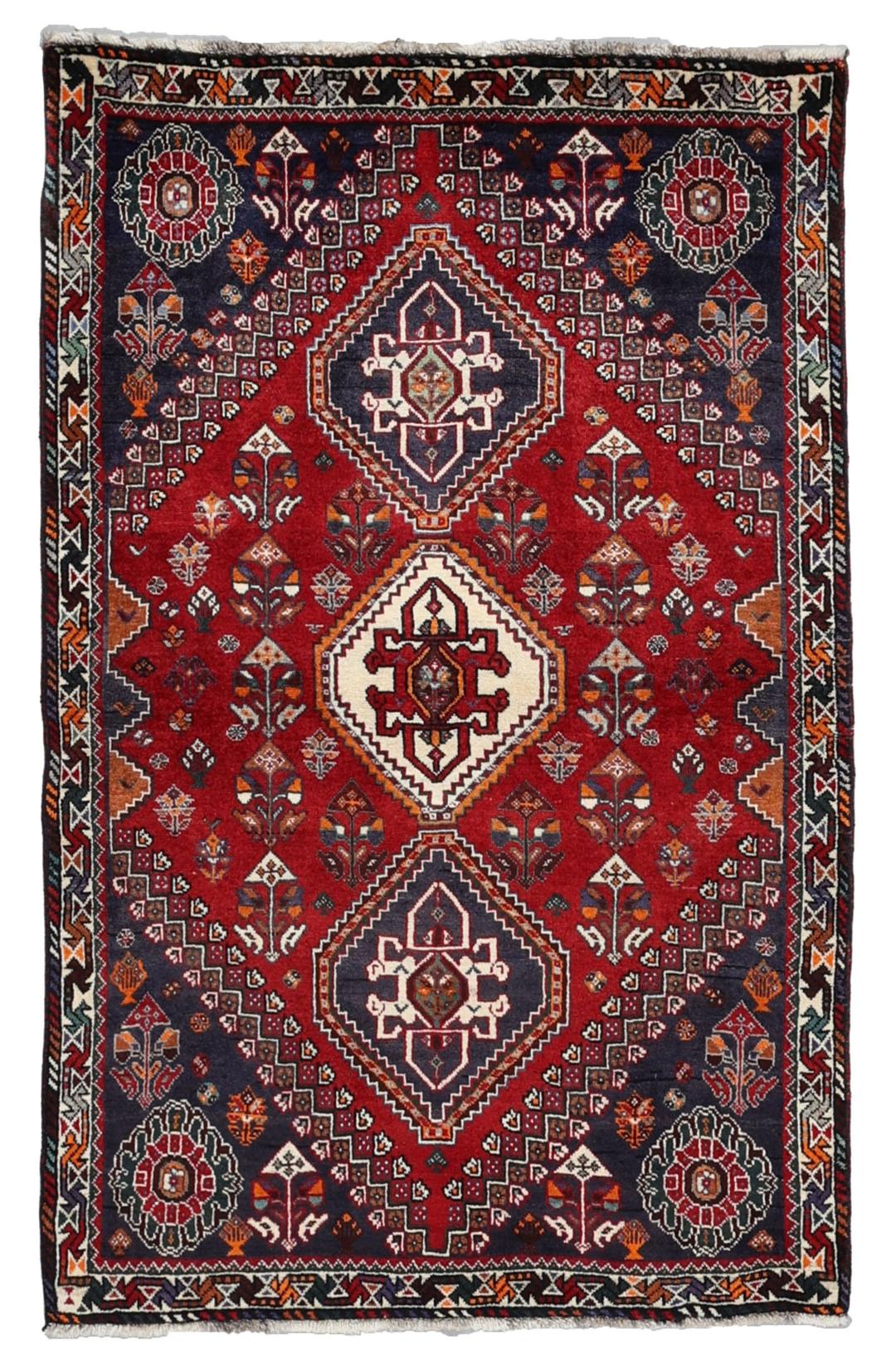
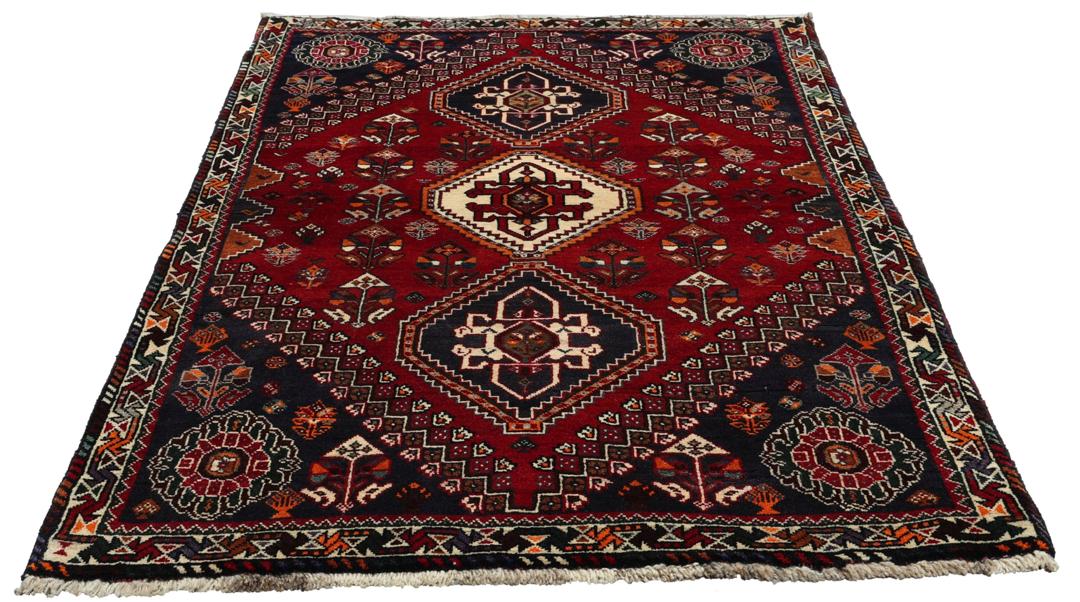
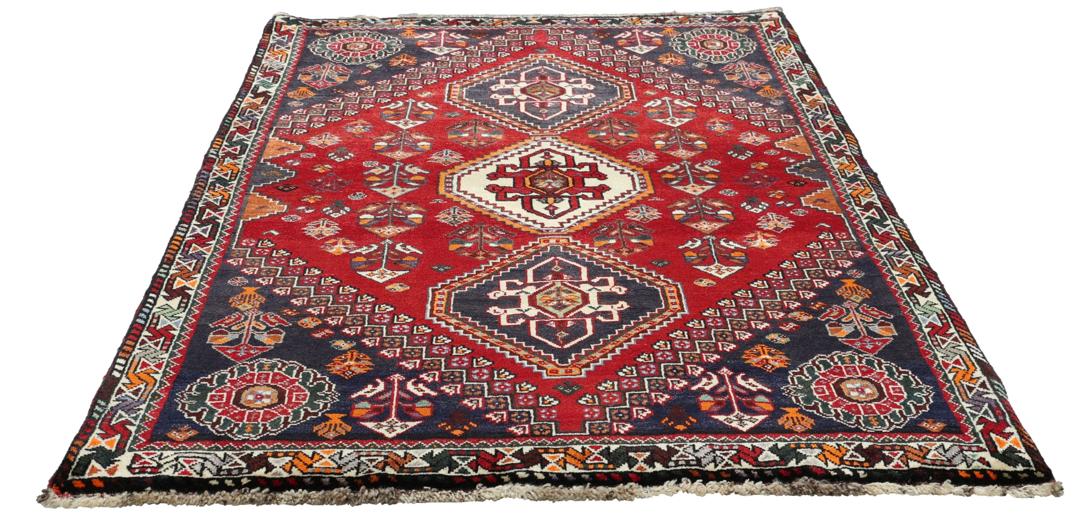
The Shiraz rug tradition originates from the nomadic and semi-nomadic tribes of the Fars province in the Middle East. These rugs are renowned for their authentic tribal aesthetic, which often reflects the cultural identity and environmental surroundings of the weavers. Unlike more formal urban workshop rugs, Shiraz pieces are celebrated for their spontaneous, creative nature and deep connection to ancient weaving lineages.
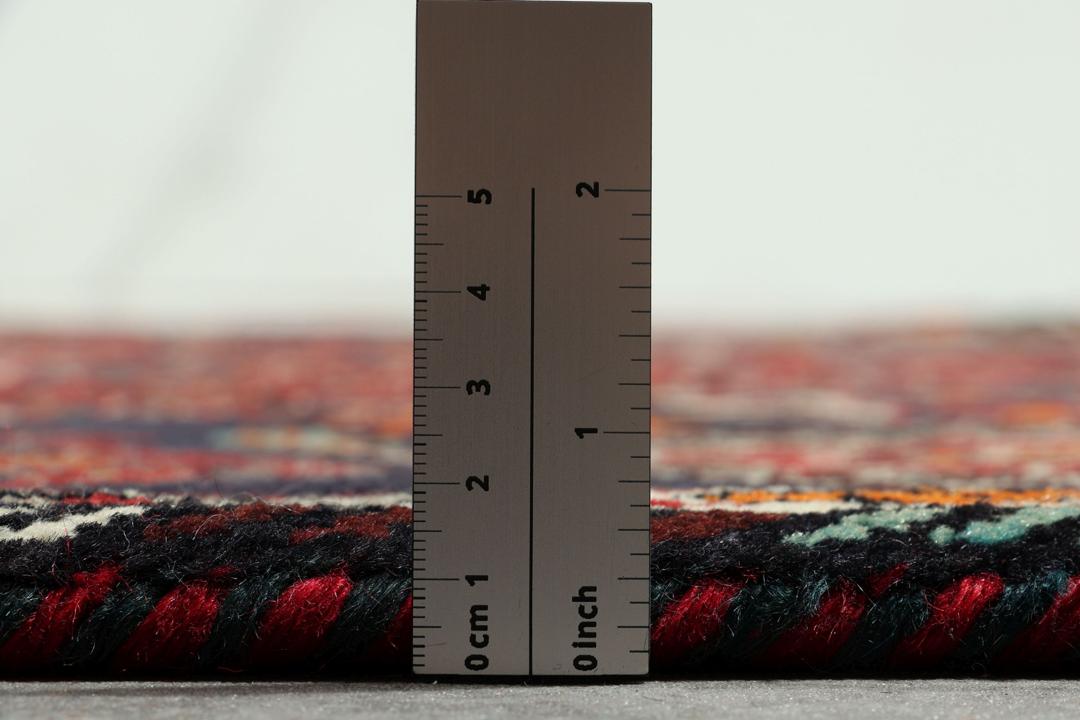
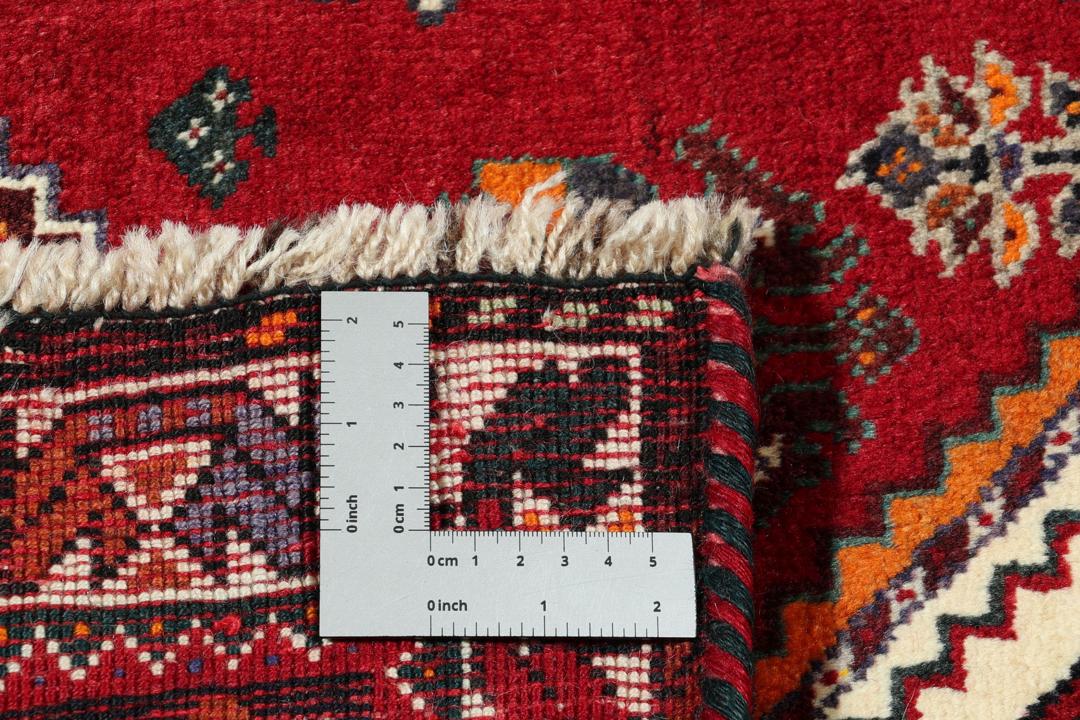
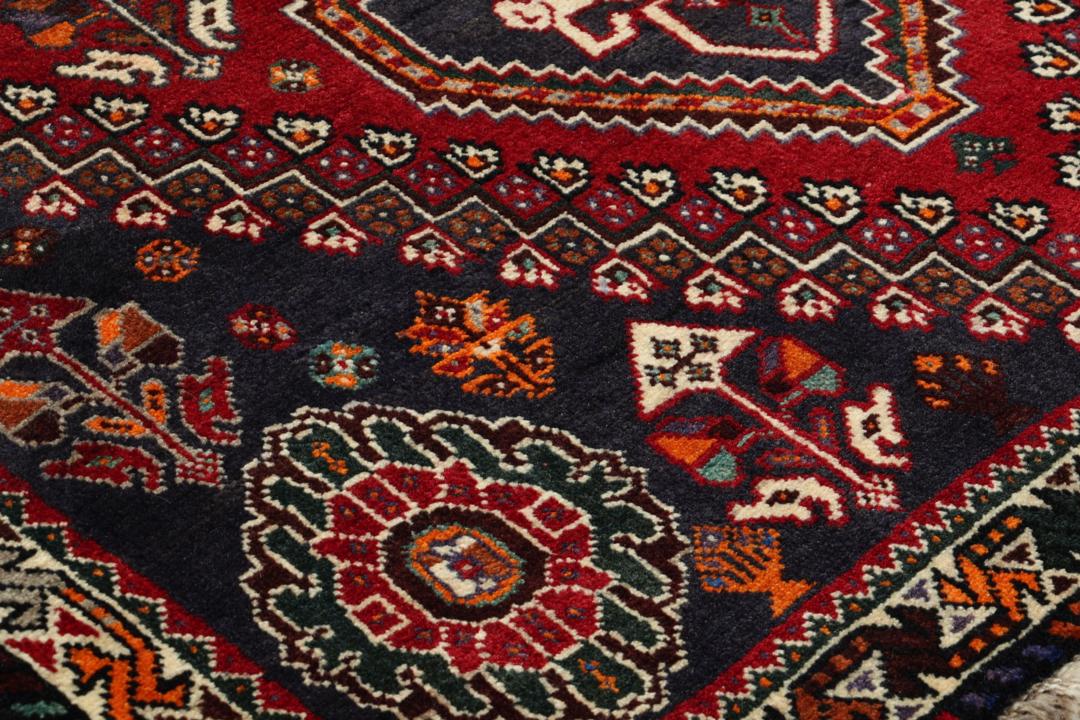
The technical quality of these rugs is rooted in their traditional construction methods. The use of natural materials and hand-knotting ensures that each piece possesses a unique character and resilience. By utilising traditional looms, artisans are able to incorporate intricate geometric patterns that have been passed down through generations, ensuring that each rug tells a story of its specific tribal heritage.
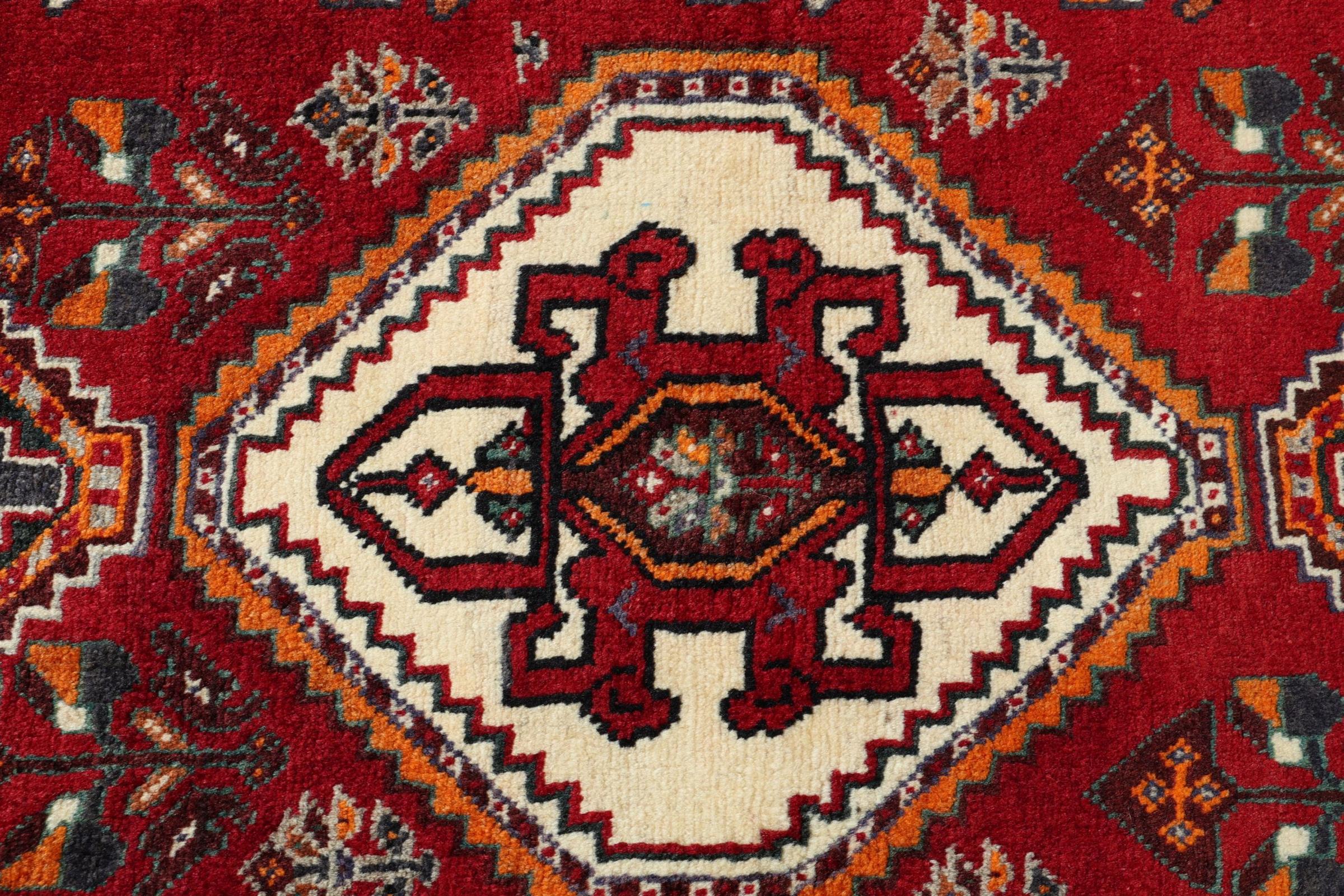
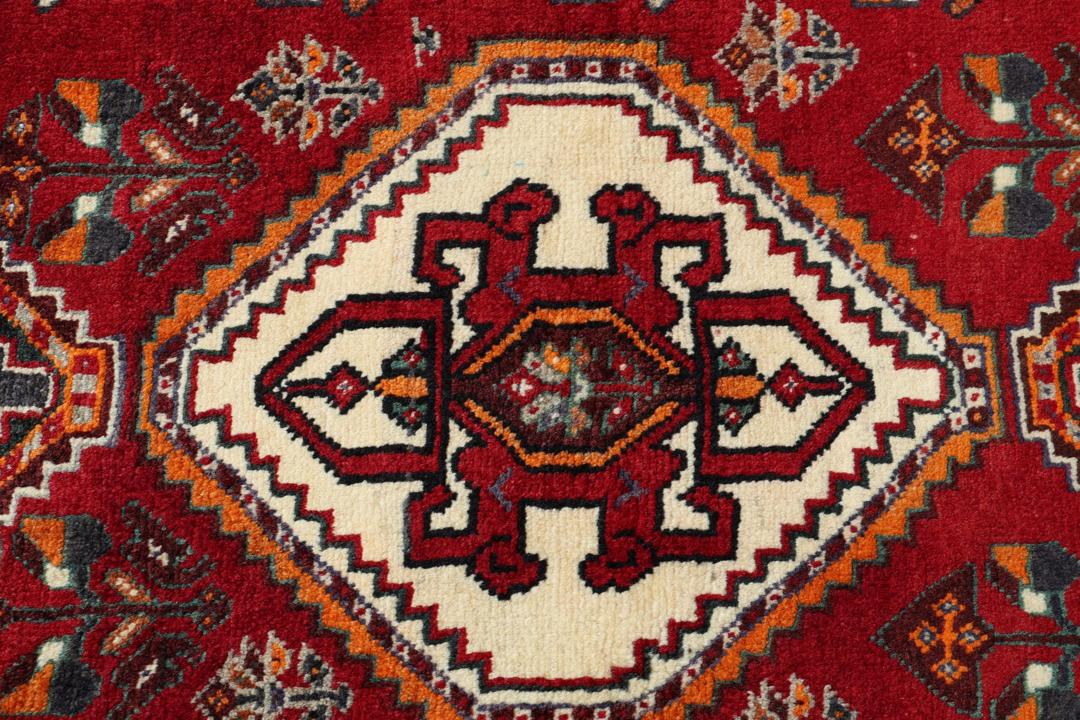
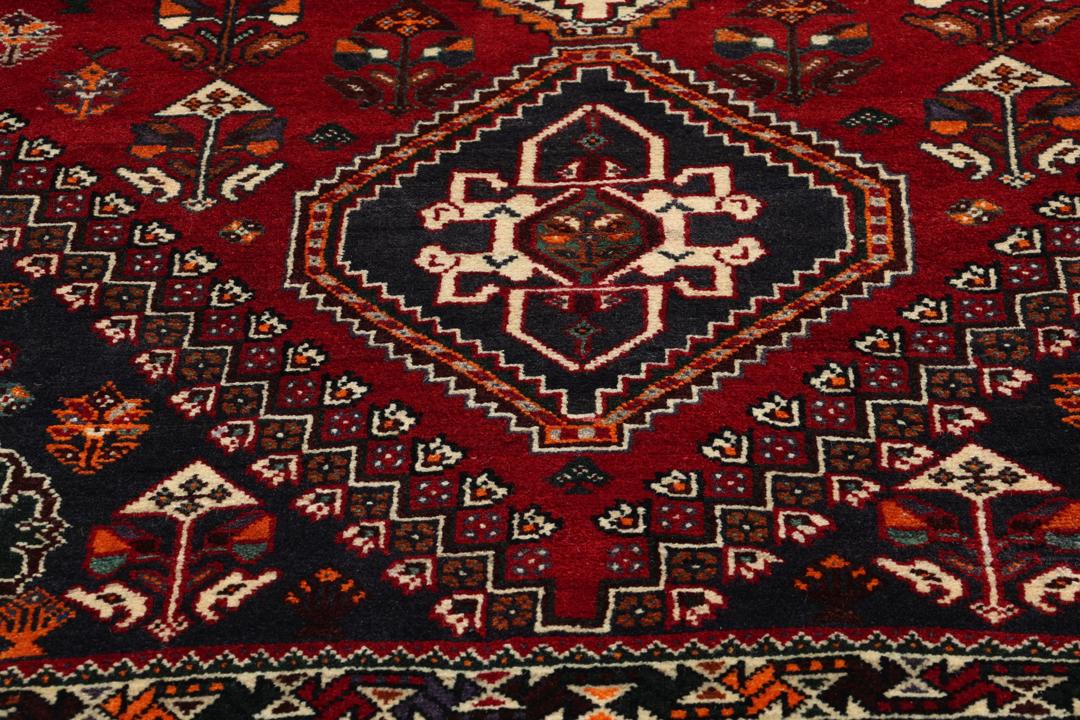
Signature design elements of these rugs typically include bold geometric medallions, stylized floral patterns, and diverse border designs that frame the central field. The use of a vibrant palette, particularly deep reds and blues, is a hallmark of the region, often accented with natural wool tones. These rugs are highly sought after by collectors for their expressive patterns and the way they embrace the occasional, charming irregularity of hand-woven work.
Collecting a rug from this tradition is an investment in human skill and cultural heritage. These pieces are valued not only for their durability but for their ability to bring a sense of warmth and history into a modern home. Owning one is a way to preserve a centuries-old craft, ensuring that these vibrant expressions of tribal art continue to be appreciated as valuable, functional treasures.