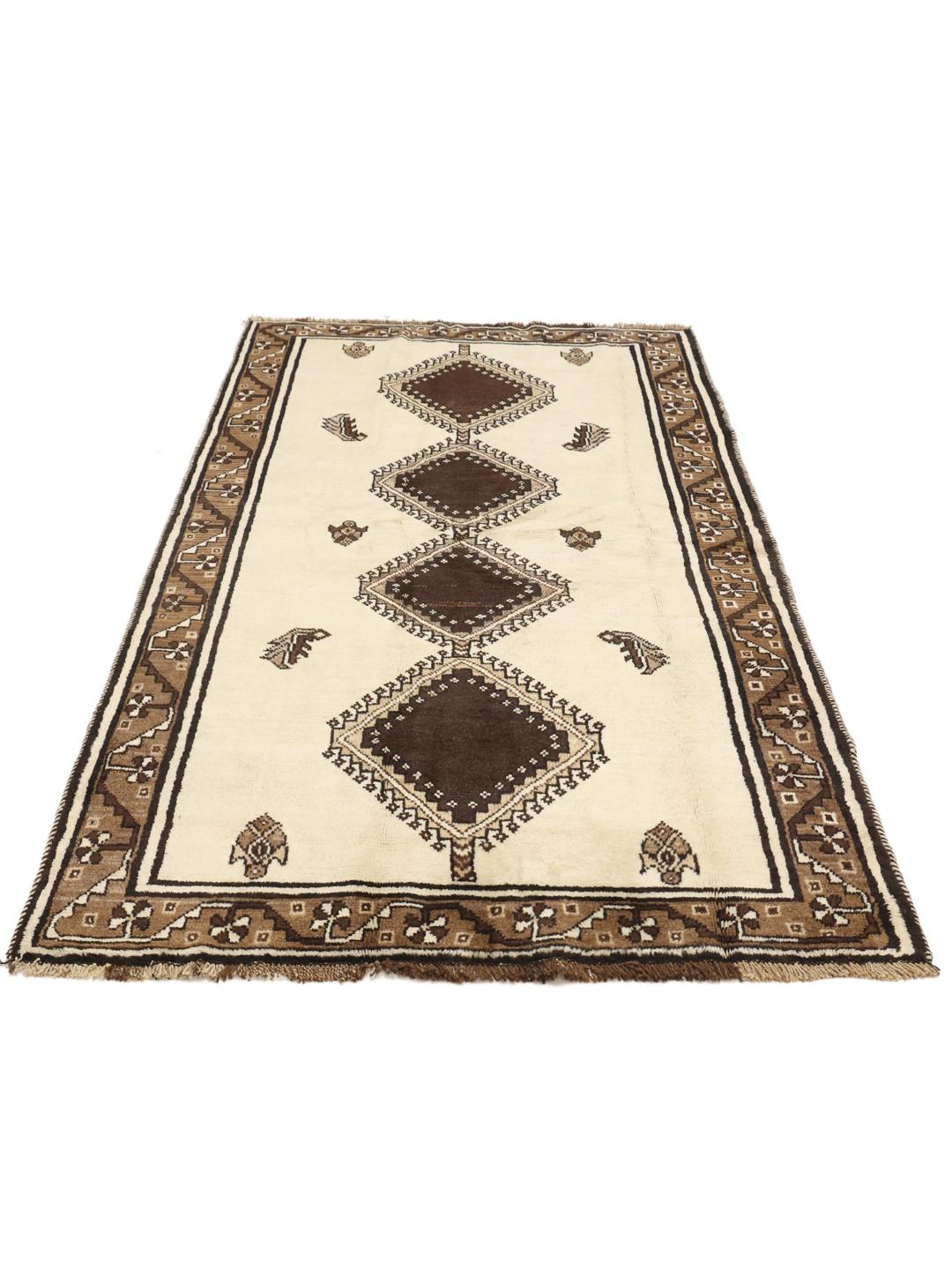
Shiraz rugs originate from the Fars province in the Middle East, a region with a long and storied history of nomadic and semi-nomadic weaving. These rugs are traditionally made by various tribal groups, including the Qashqai, who have influenced the aesthetic and technical development of the craft over centuries. The rugs are known for their lively and expressive designs, often created from memory rather than formal patterns.
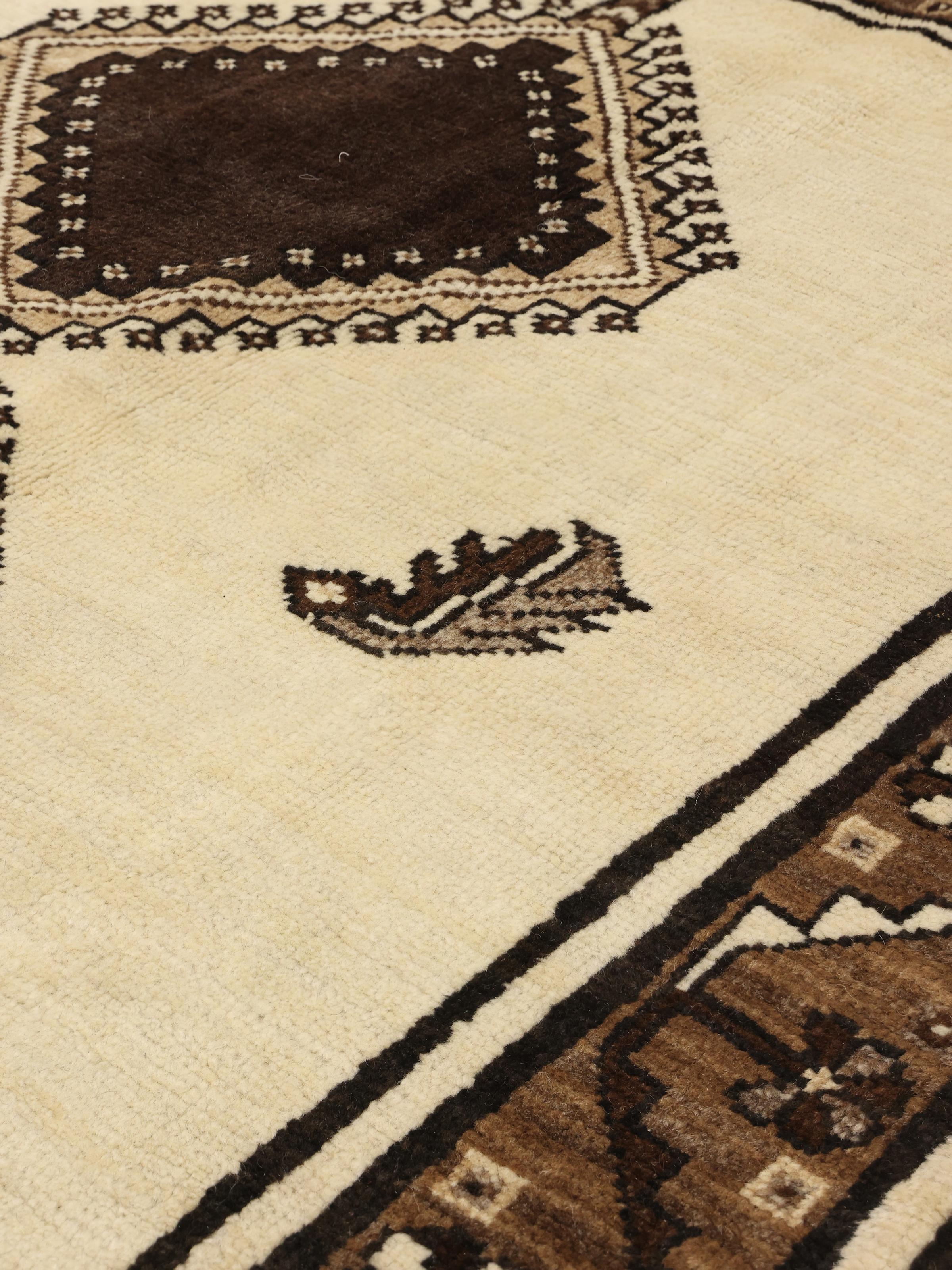
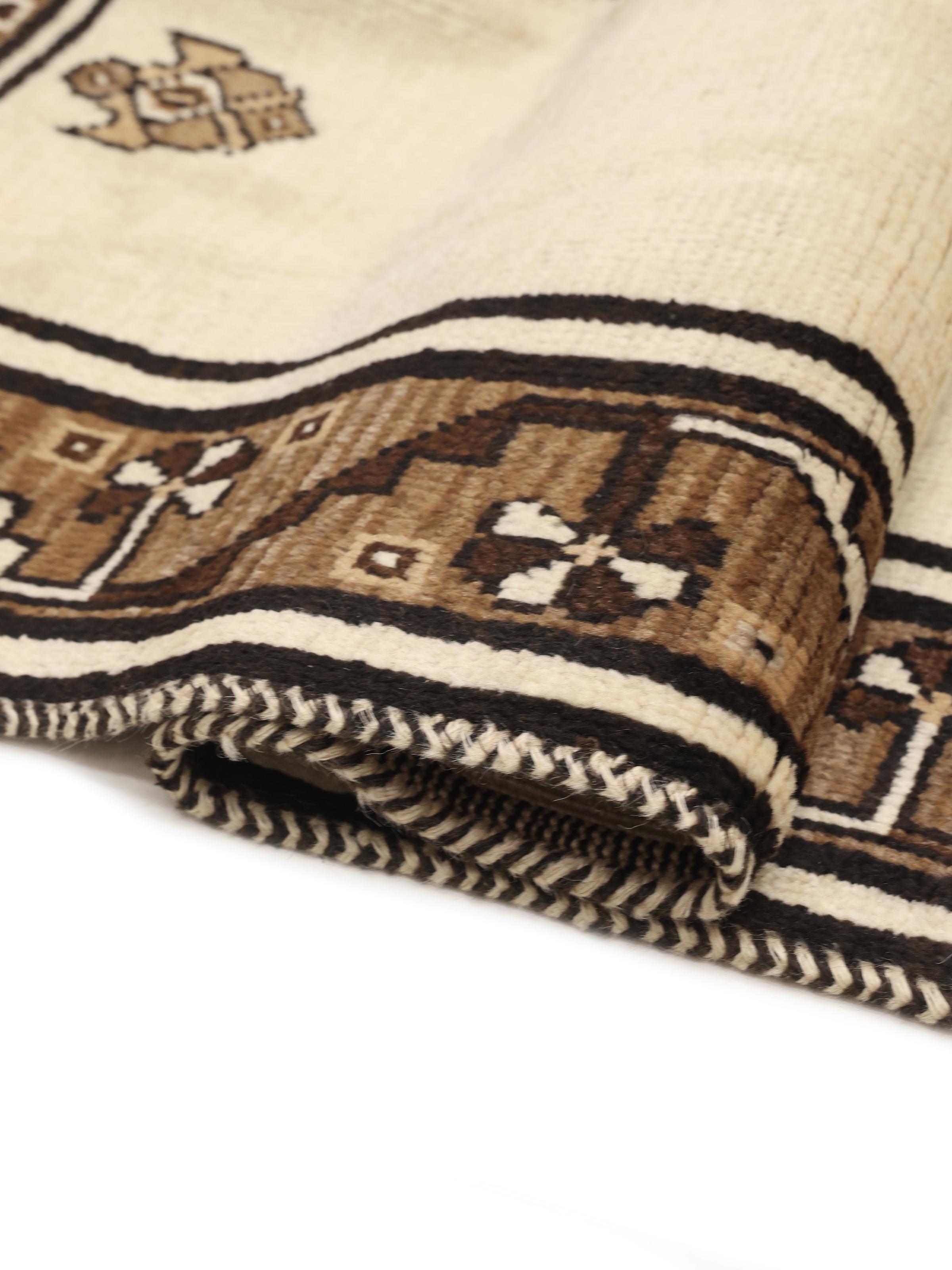
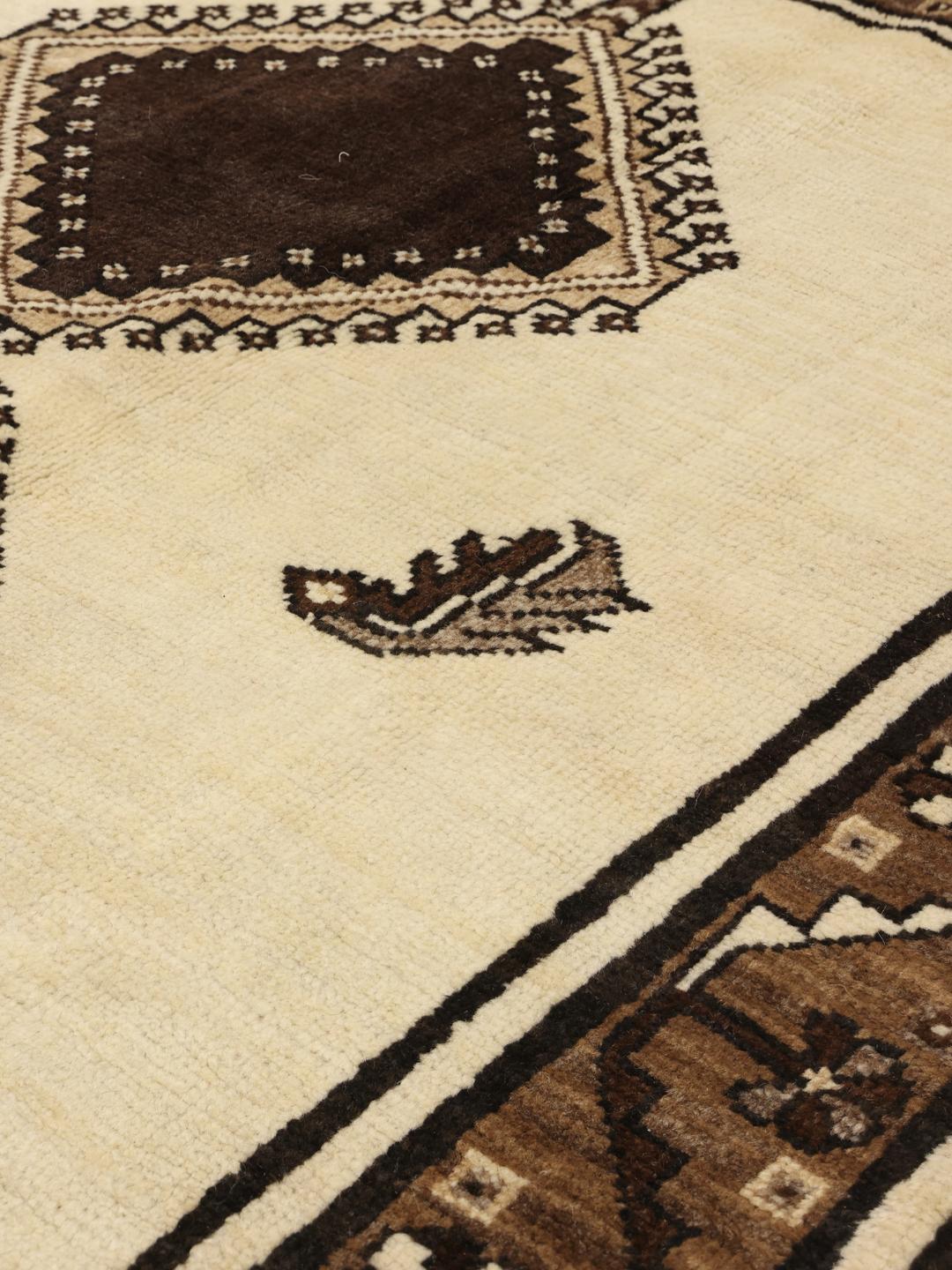
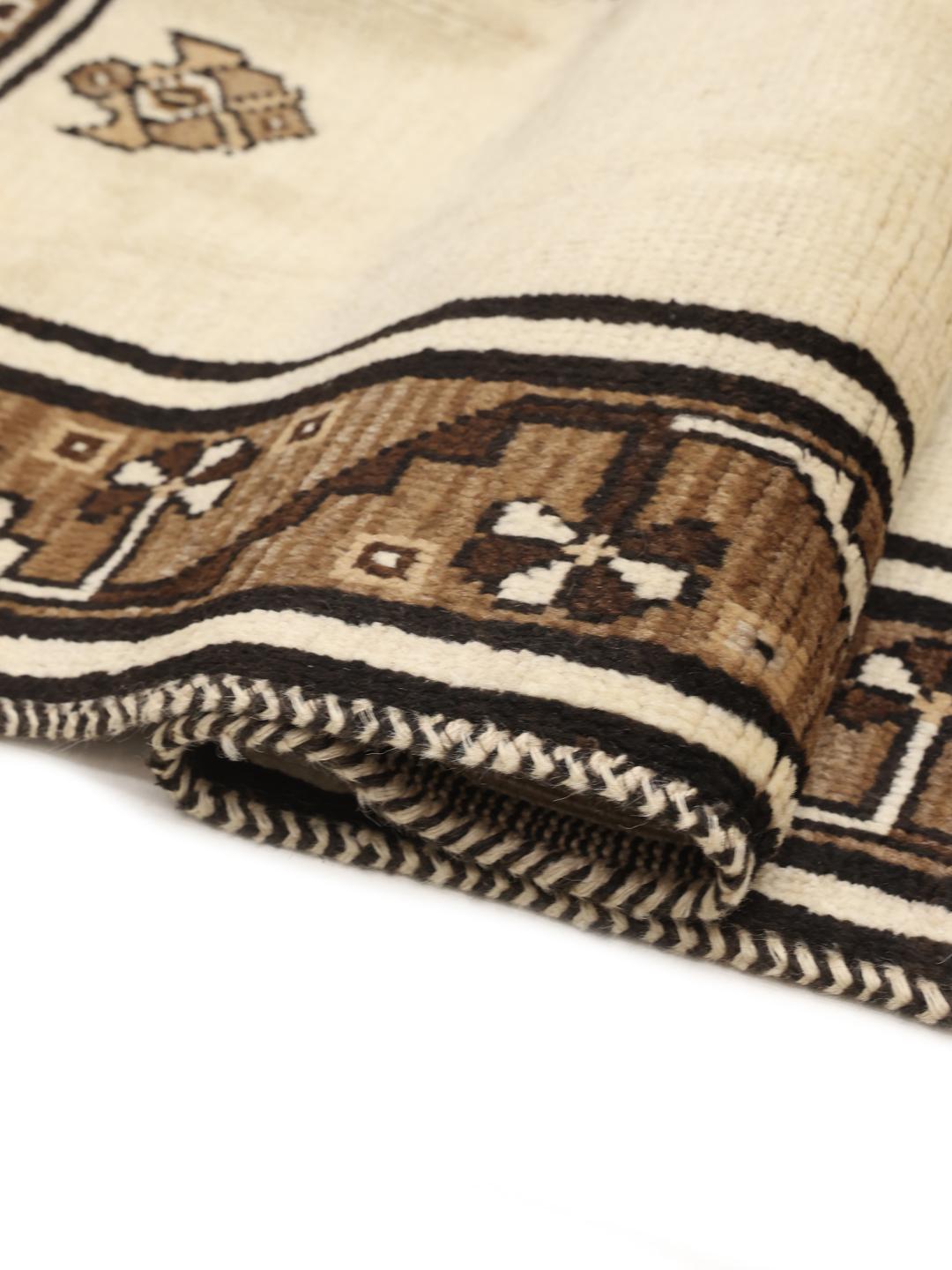
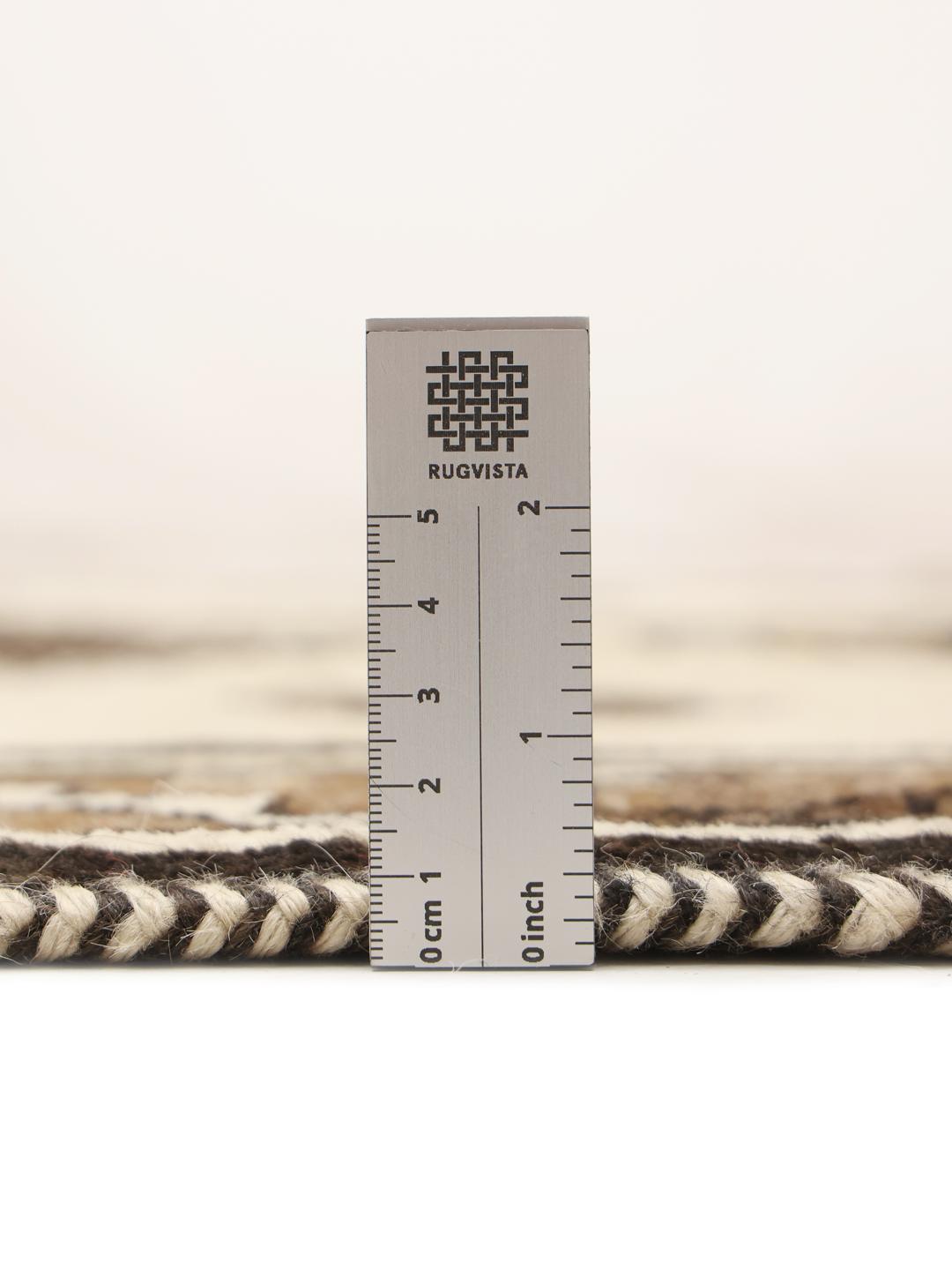
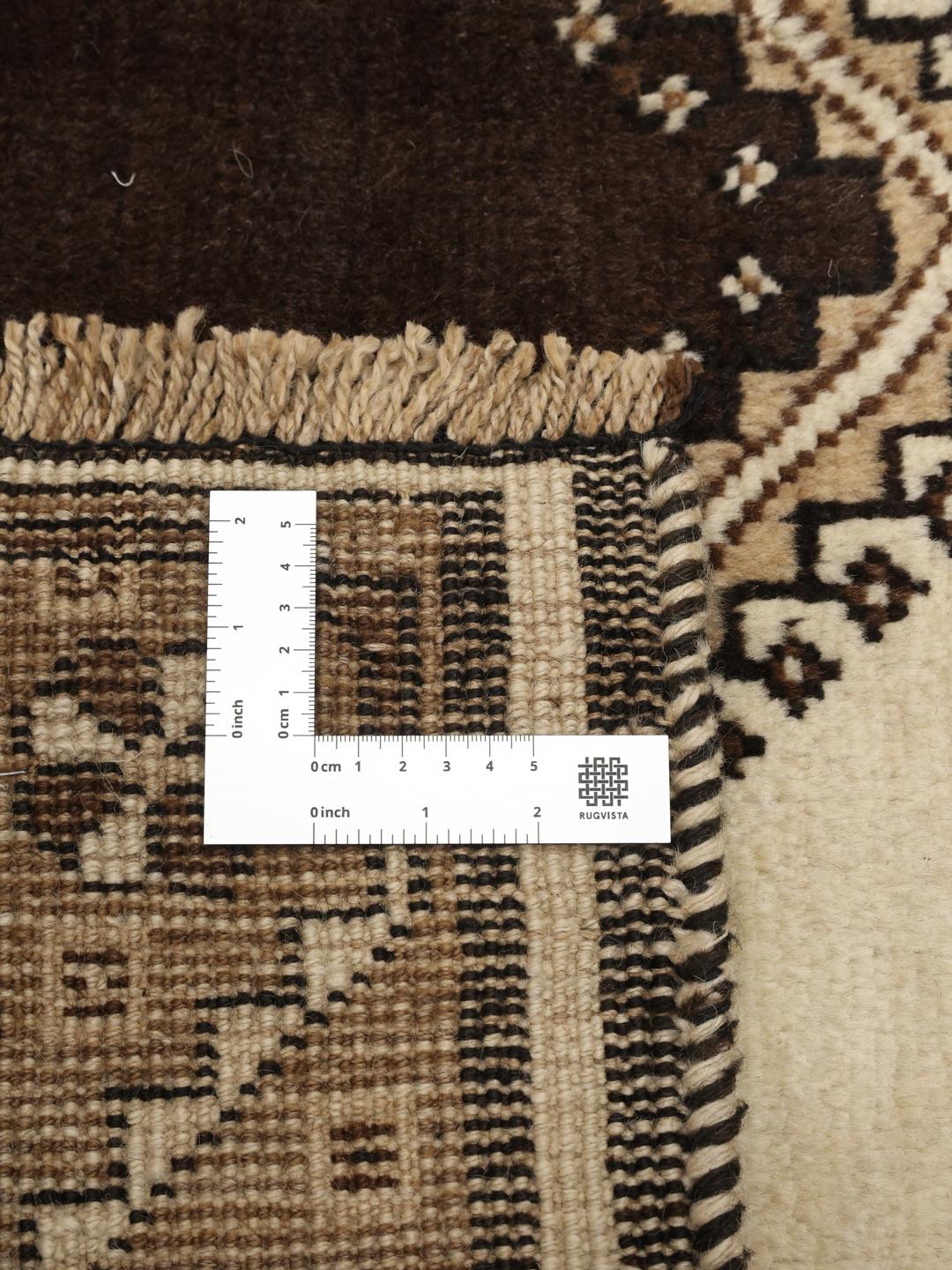
The term hand-knotted refers to the technique where individual strands of wool are tied to the warp and weft foundation by hand. This labor-intensive method allows for a high degree of control over the design, resulting in a pile that is not only dense and durable but also deeply lustrous. For the owner, this means a rug that maintains its shape and beauty, standing up to the demands of everyday use while retaining its soft texture.
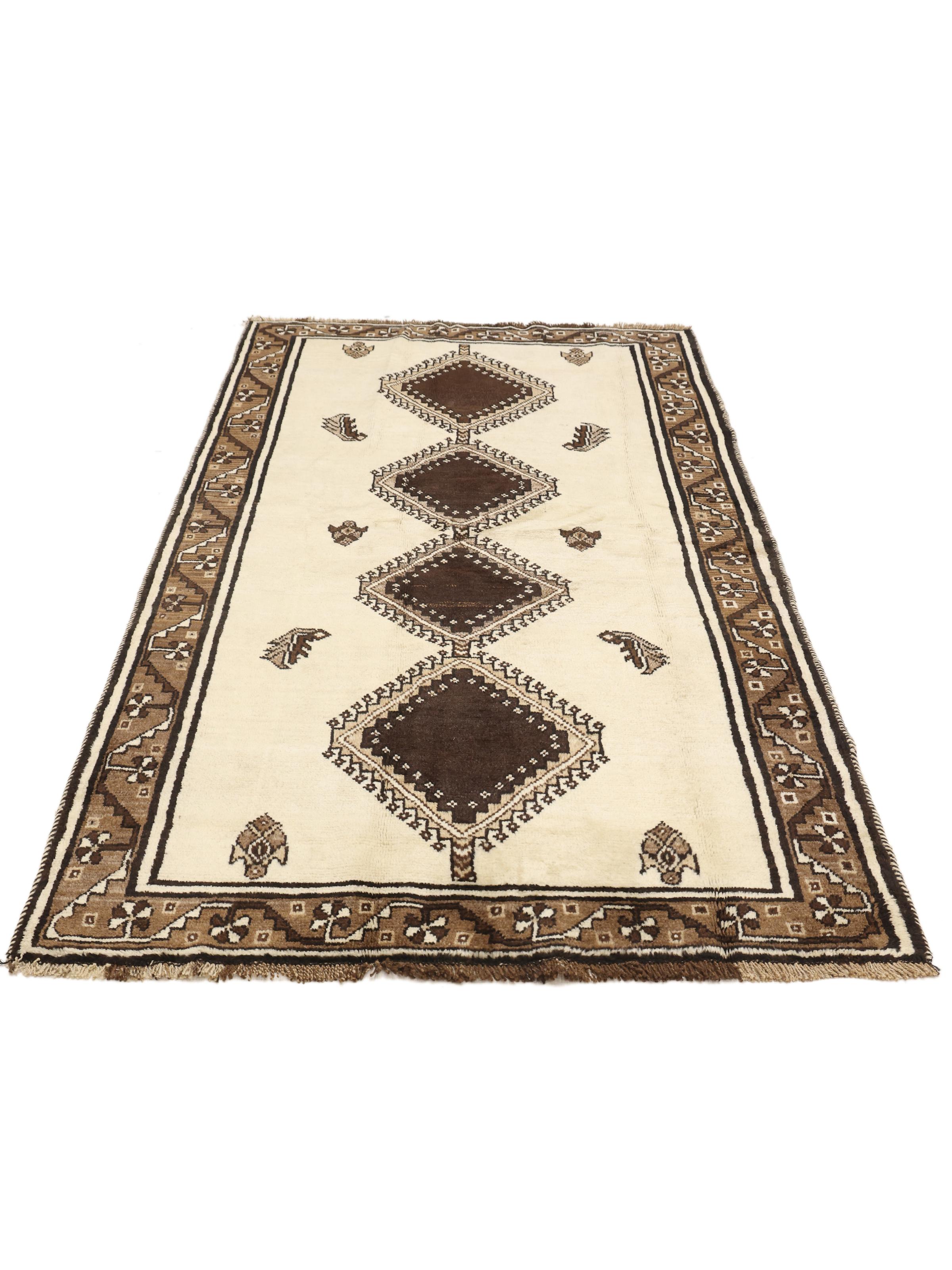
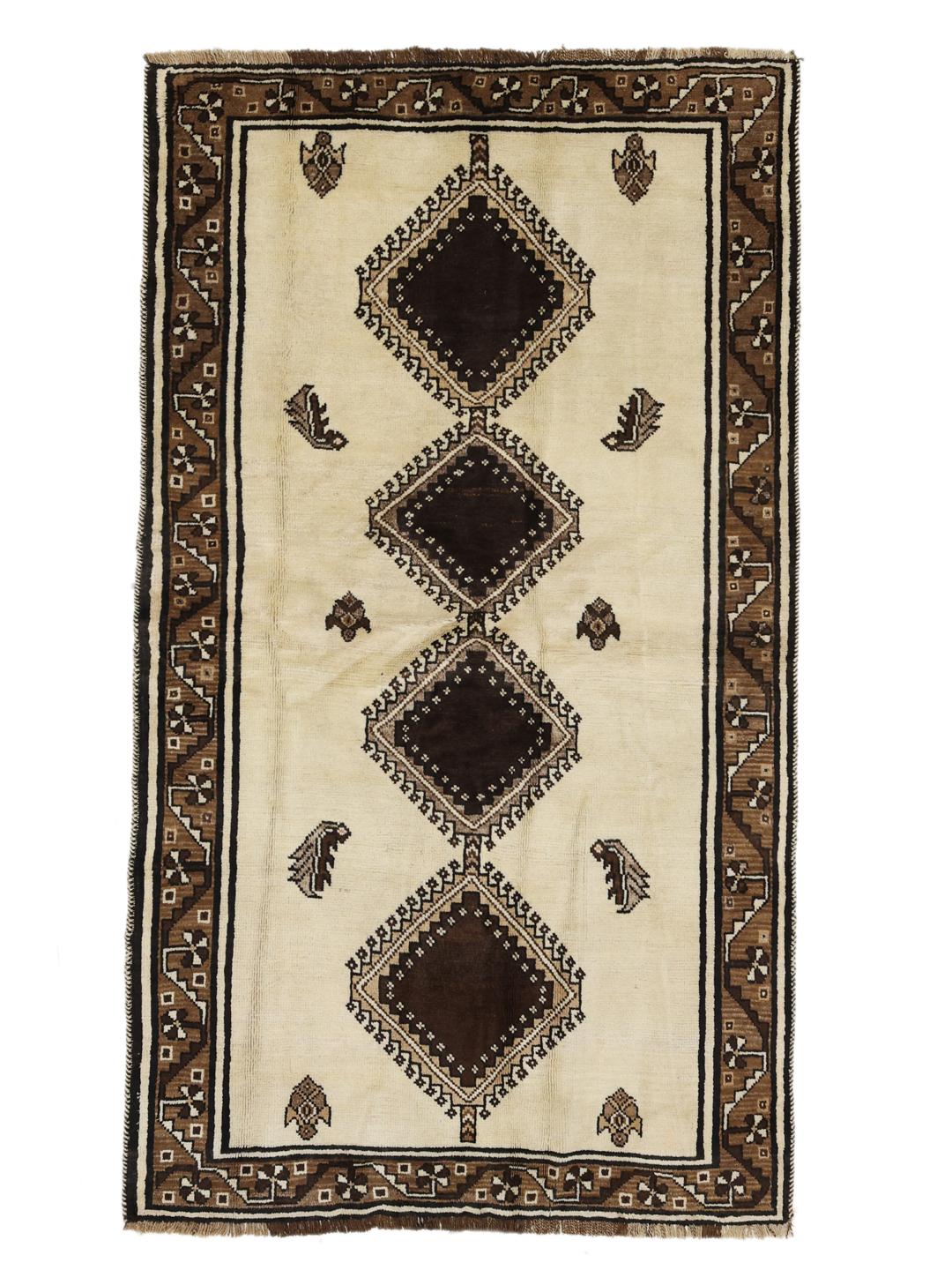
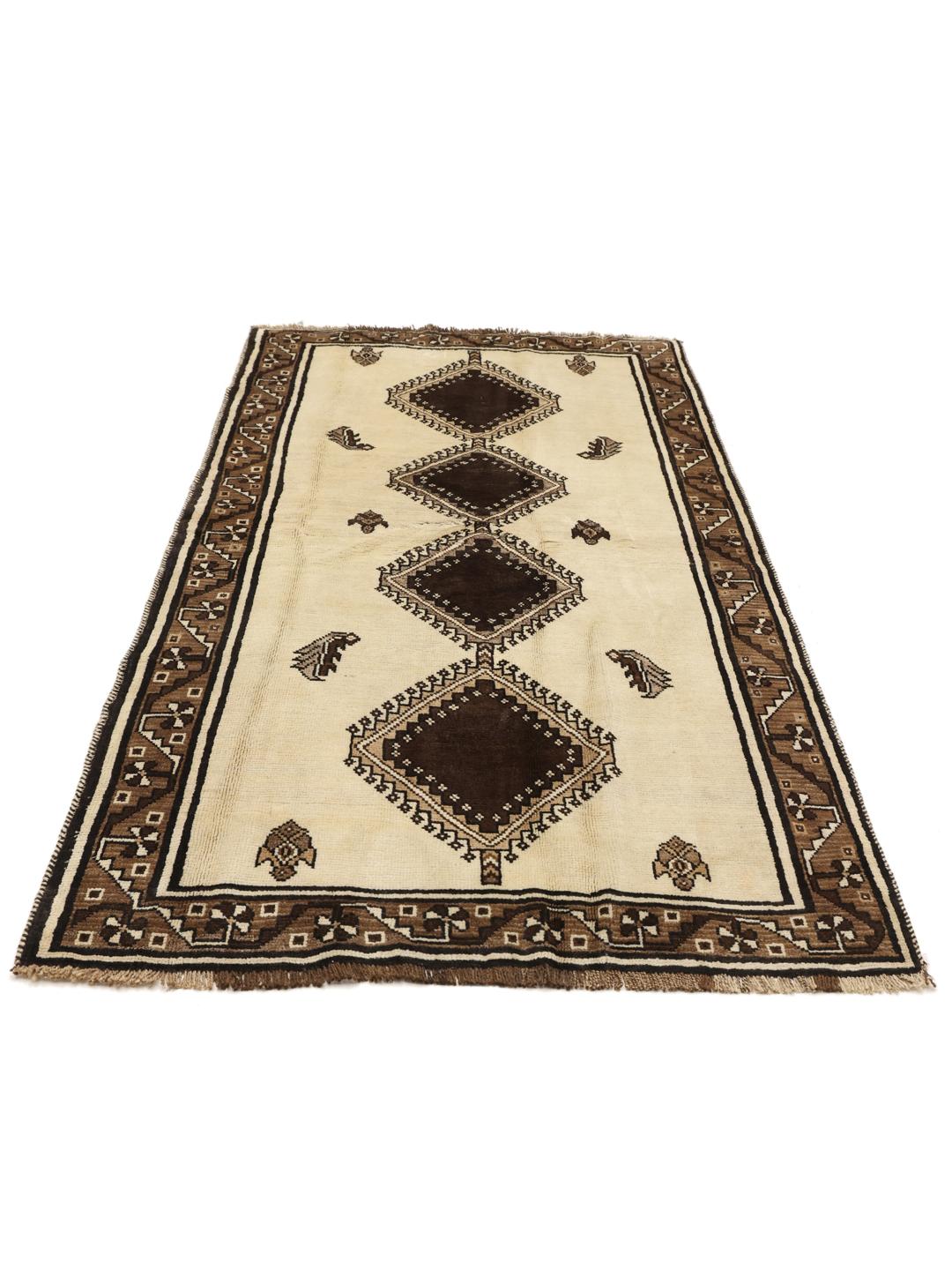
Signature elements of a Shiraz rug often include bold, geometric shapes, such as diamonds or medallions, and stylized floral or animal motifs. The color palette typically leans toward warm, earthy tones derived from natural dyes, which give the rugs their distinctive, organic look. This specific rug showcases these traditions through its clear, repeating patterns and a classic border that frames the central field with precision.
Collectors value Shiraz rugs for their authenticity and the tangible connection they provide to a rich cultural heritage. Because they are often produced by tribal weavers, they capture a unique perspective and a level of individual artistry that is rare in modern home goods. Owning a piece like this is an investment in human skill and historical tradition, offering a sense of depth and personality that mass-produced items simply cannot replicate.