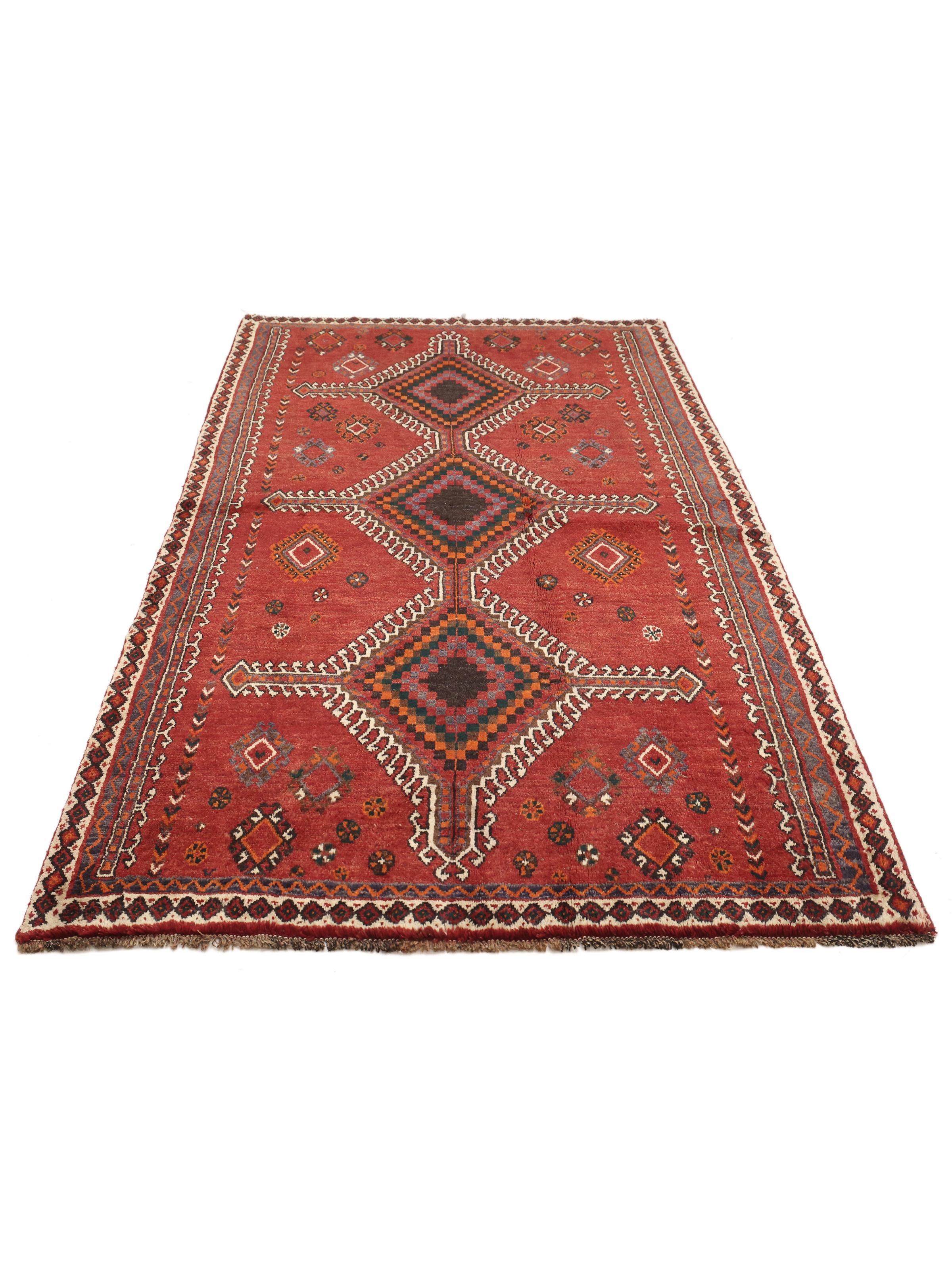
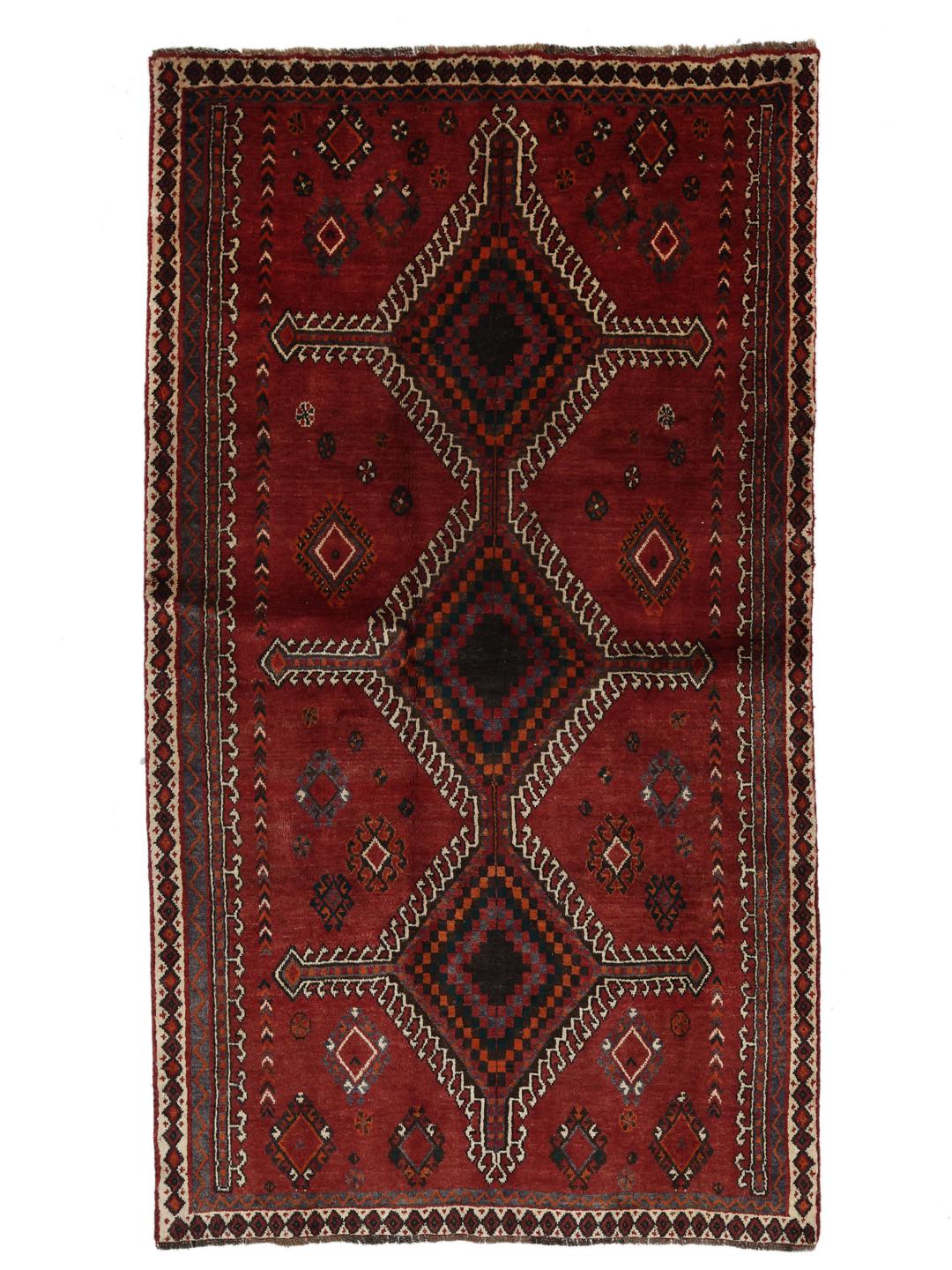
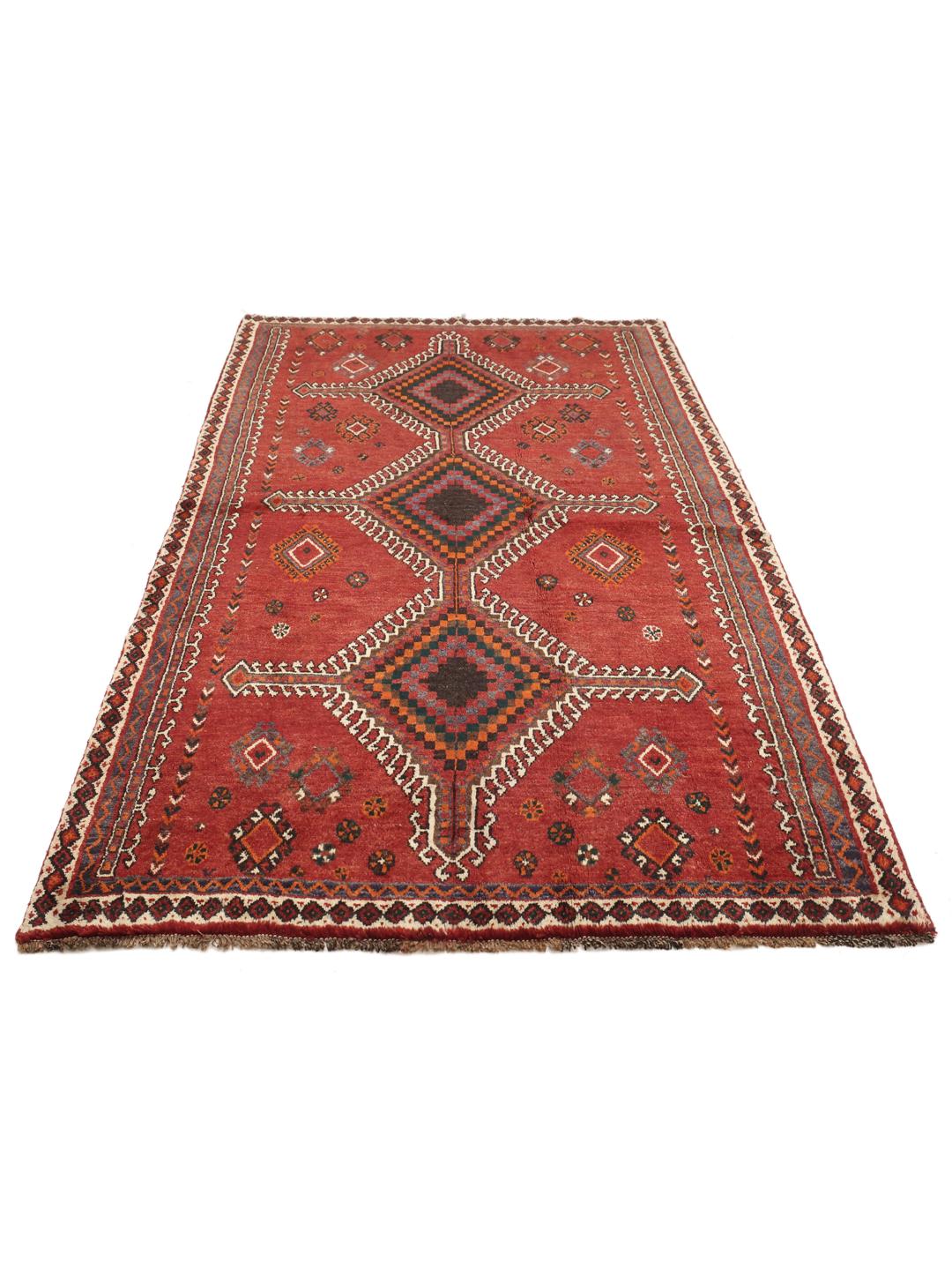
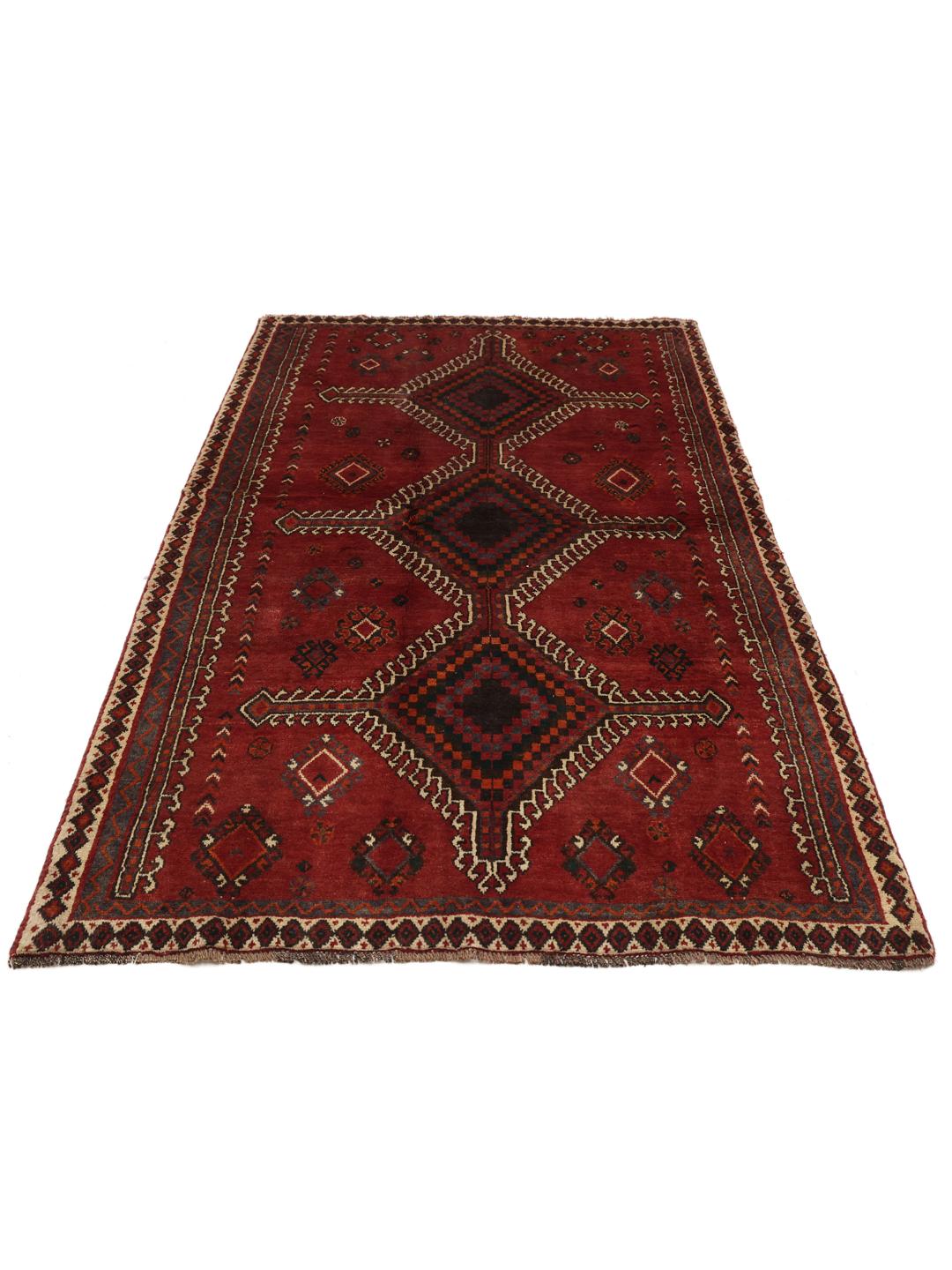
Shiraz rugs originate from the Fars province in the Middle East, a region with a long and storied tradition of nomadic weaving. These rugs are traditionally crafted by various tribal groups, including the Qashqai, who have passed down their design language through generations. The rugs reflect the landscape and the cultural identity of these communities, serving as both functional items for life in a tent and as expressions of artistic heritage.
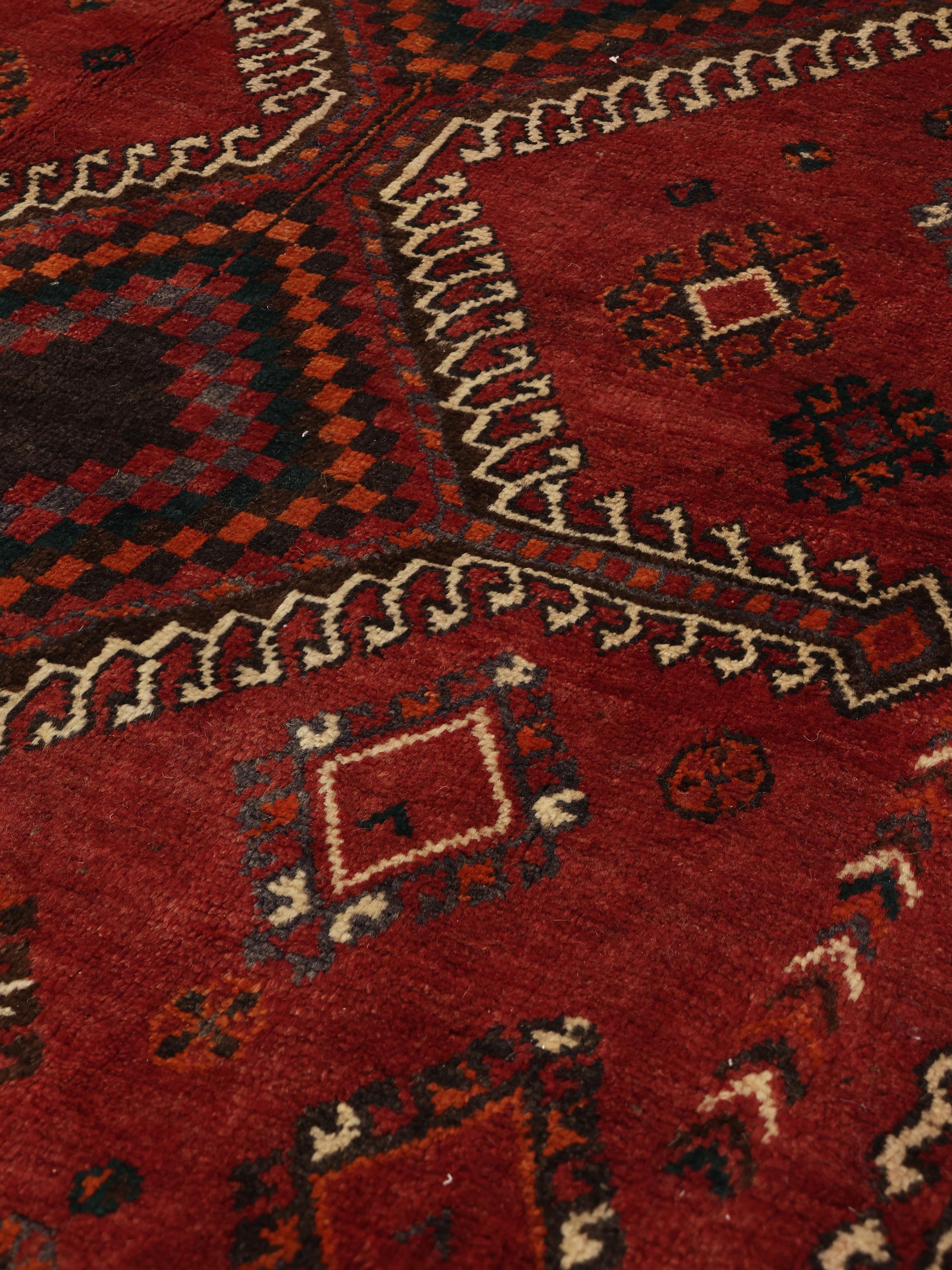
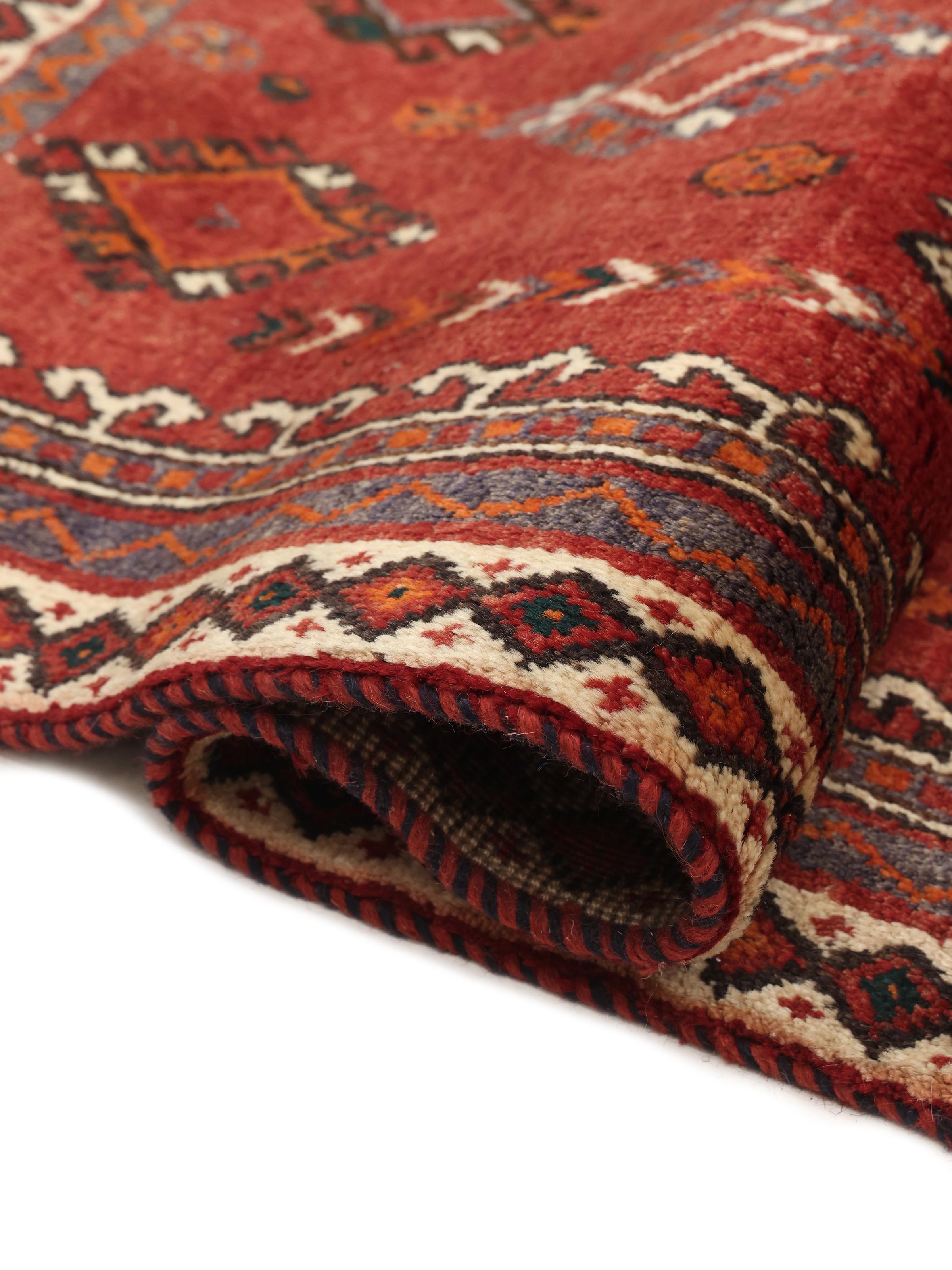
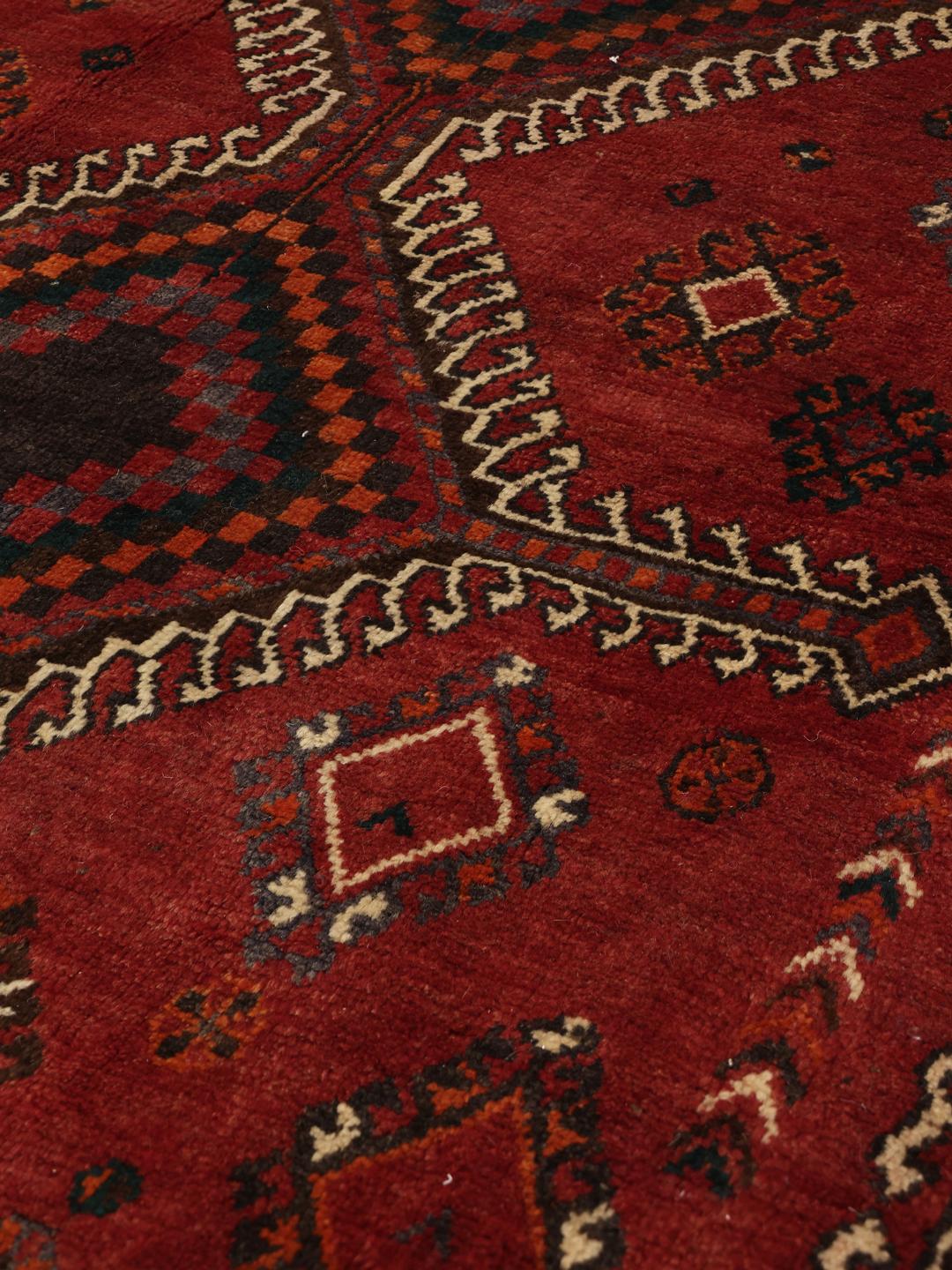
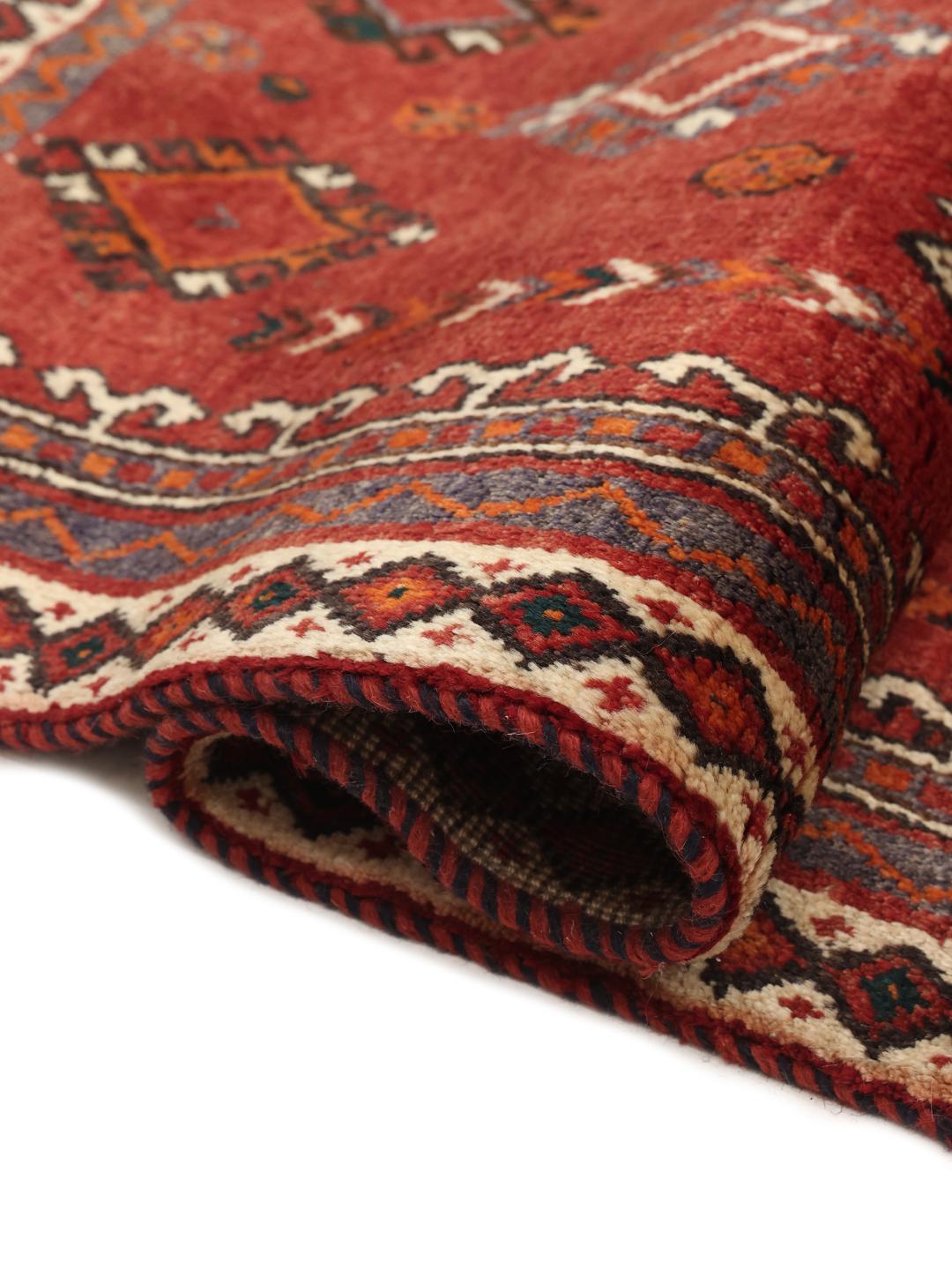
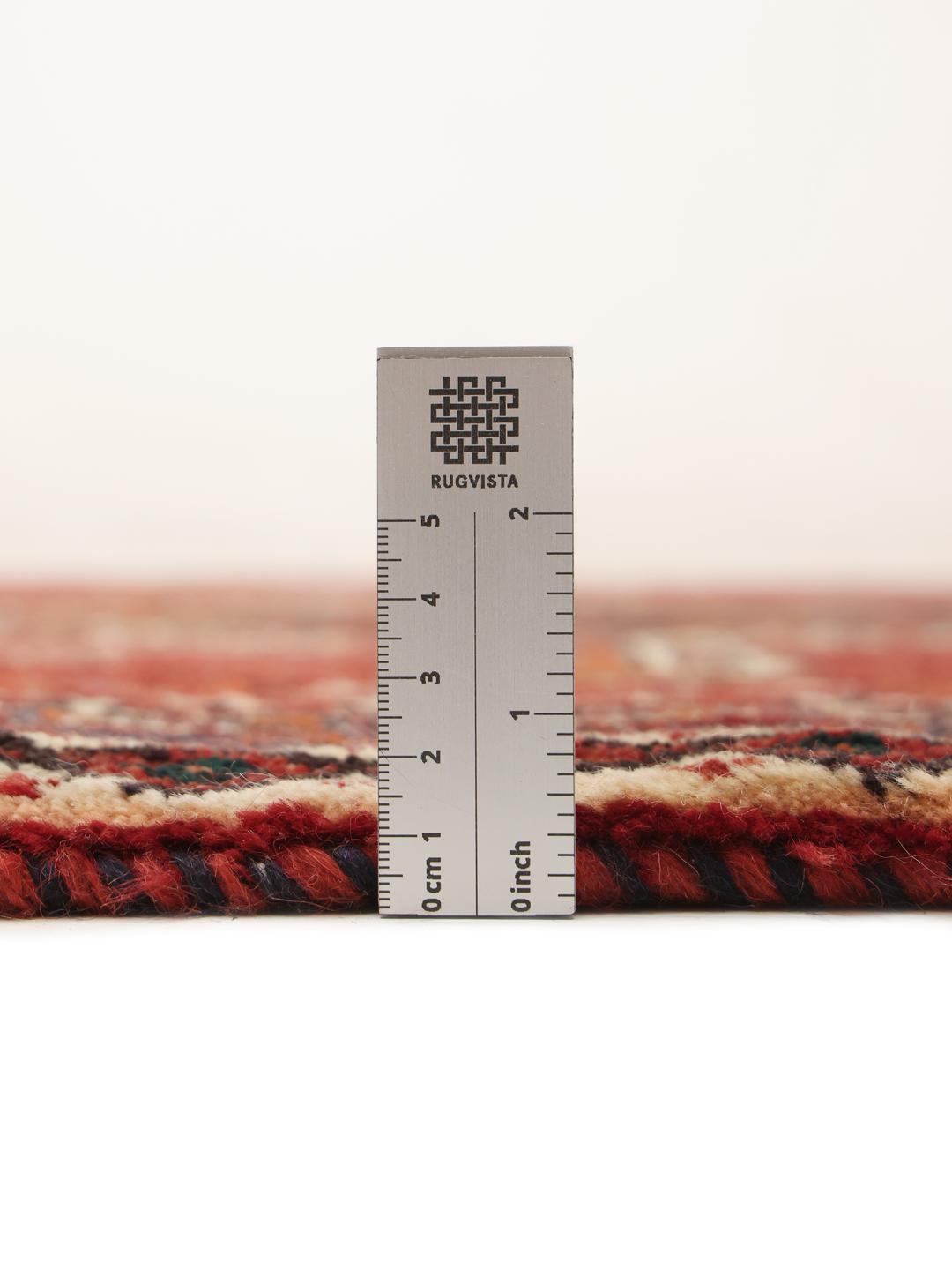
The term Shiraz refers to the major market city where these rugs were historically traded by nomadic tribes. Unlike rugs made in urban workshops, these pieces often feature a more spontaneous and expressive style. The construction typically involves a sturdy Wool foundation, which contributes to the long-lasting nature of these items. Their resilience is a hallmark of the nomadic lifestyle, where rugs were designed to be moved, used, and walked upon daily.
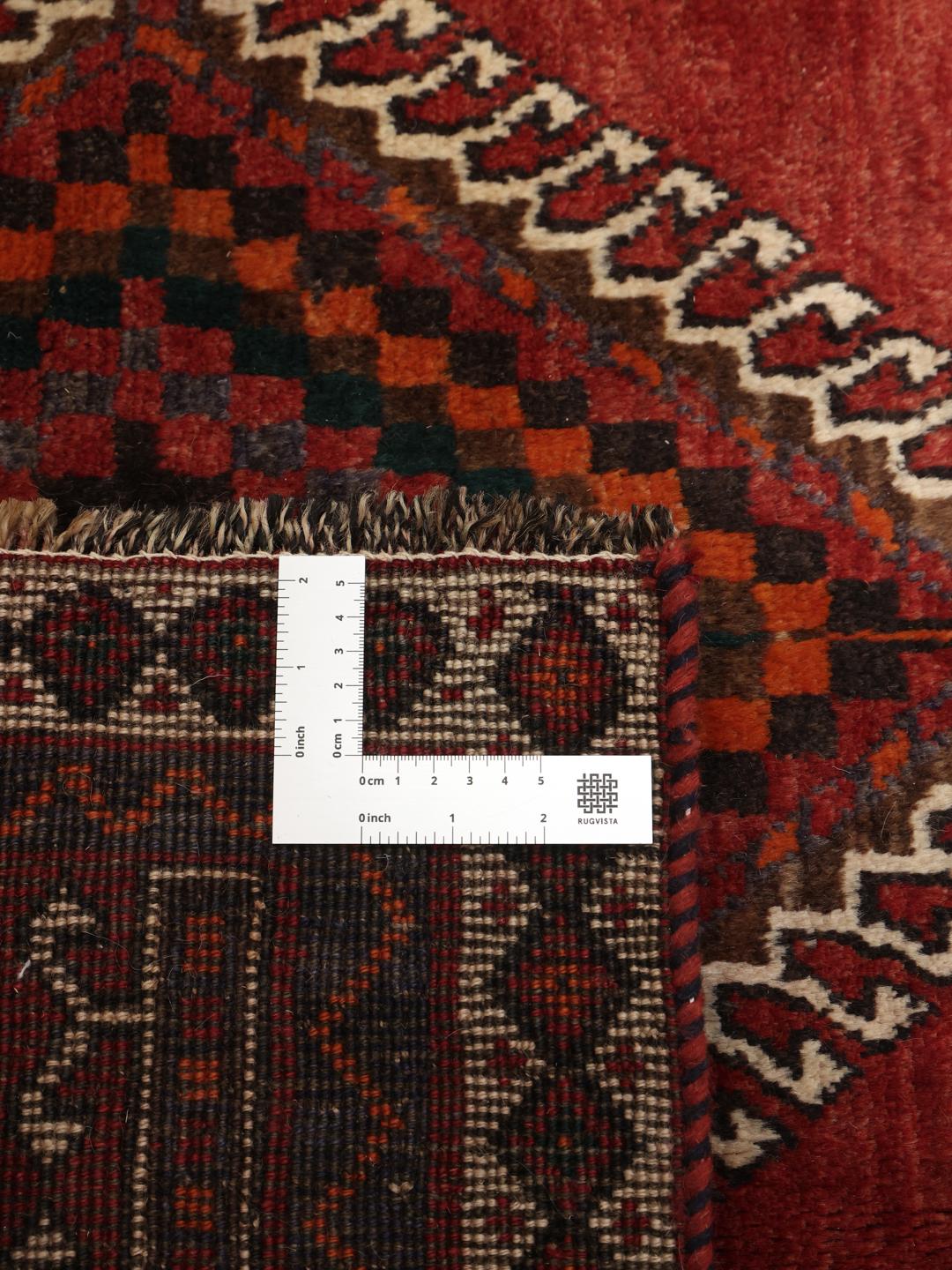
The visual language of a Shiraz rug is defined by its bold, geometric motifs. You will often see repeating diamond shapes, stylized animals, and hooked medallions that carry symbolic meaning within the tribal tradition. The borders are frequently decorated with intricate, repeating patterns that frame the field, providing a sense of order to the more free-form, imaginative designs found in the centre.
Owning a Shiraz rug is an invitation to connect with a centuries-old craft tradition. These pieces are highly valued by collectors for their authenticity and the human story behind every knot. By bringing one into your home, you are not just acquiring a floor covering but a piece of cultural history that celebrates the skill, ingenuity, and enduring spirit of nomadic artisans.