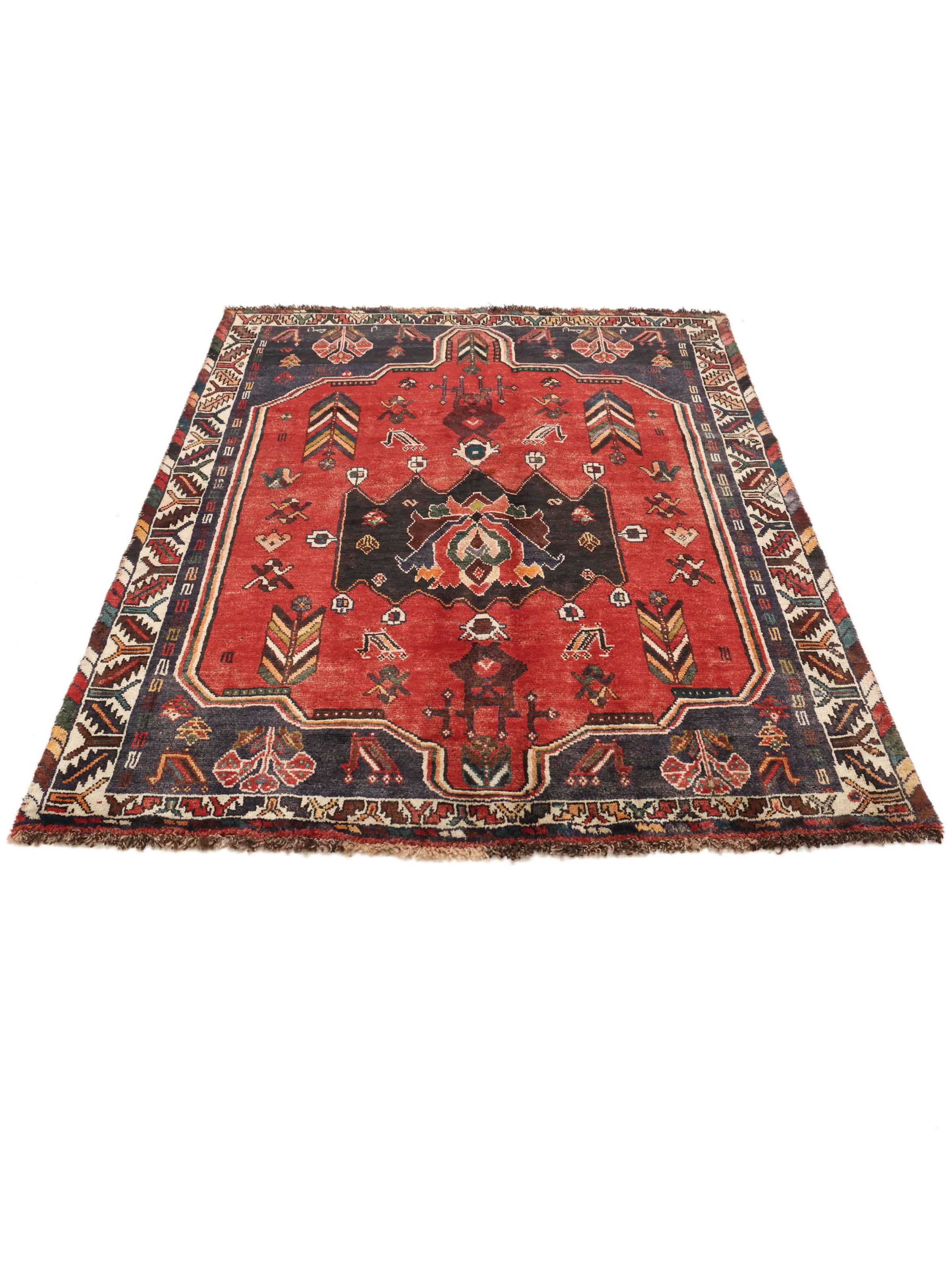
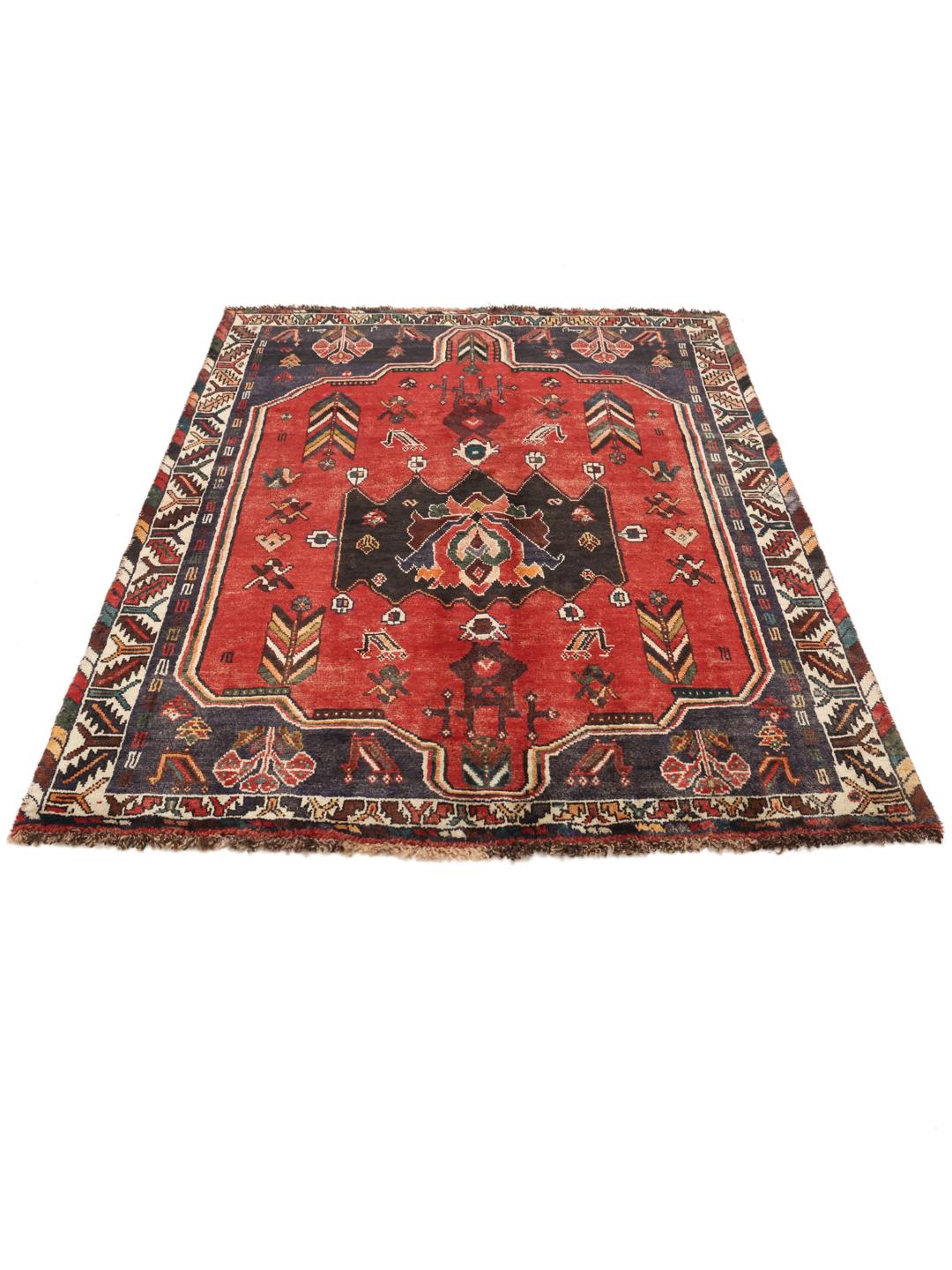
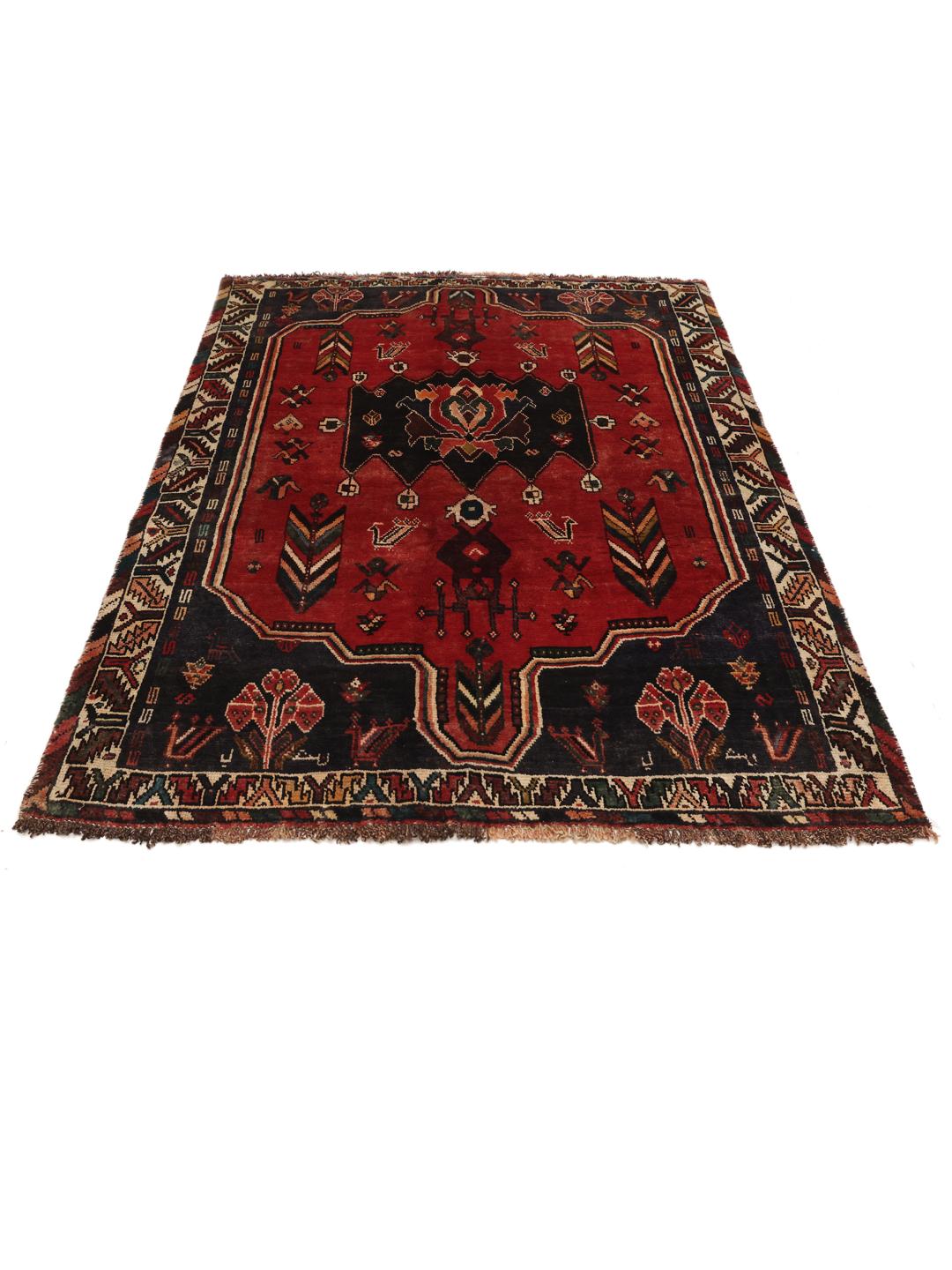
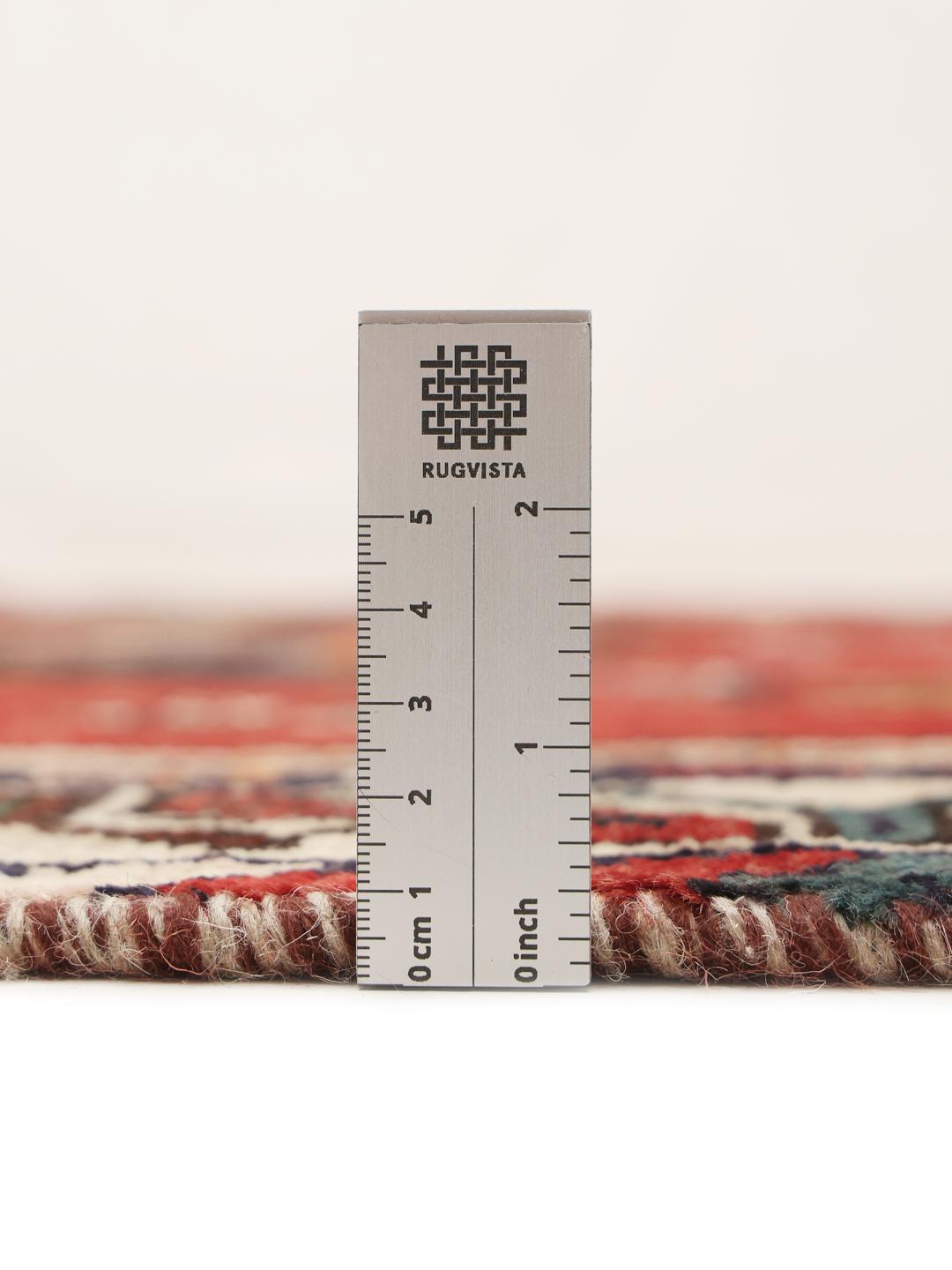
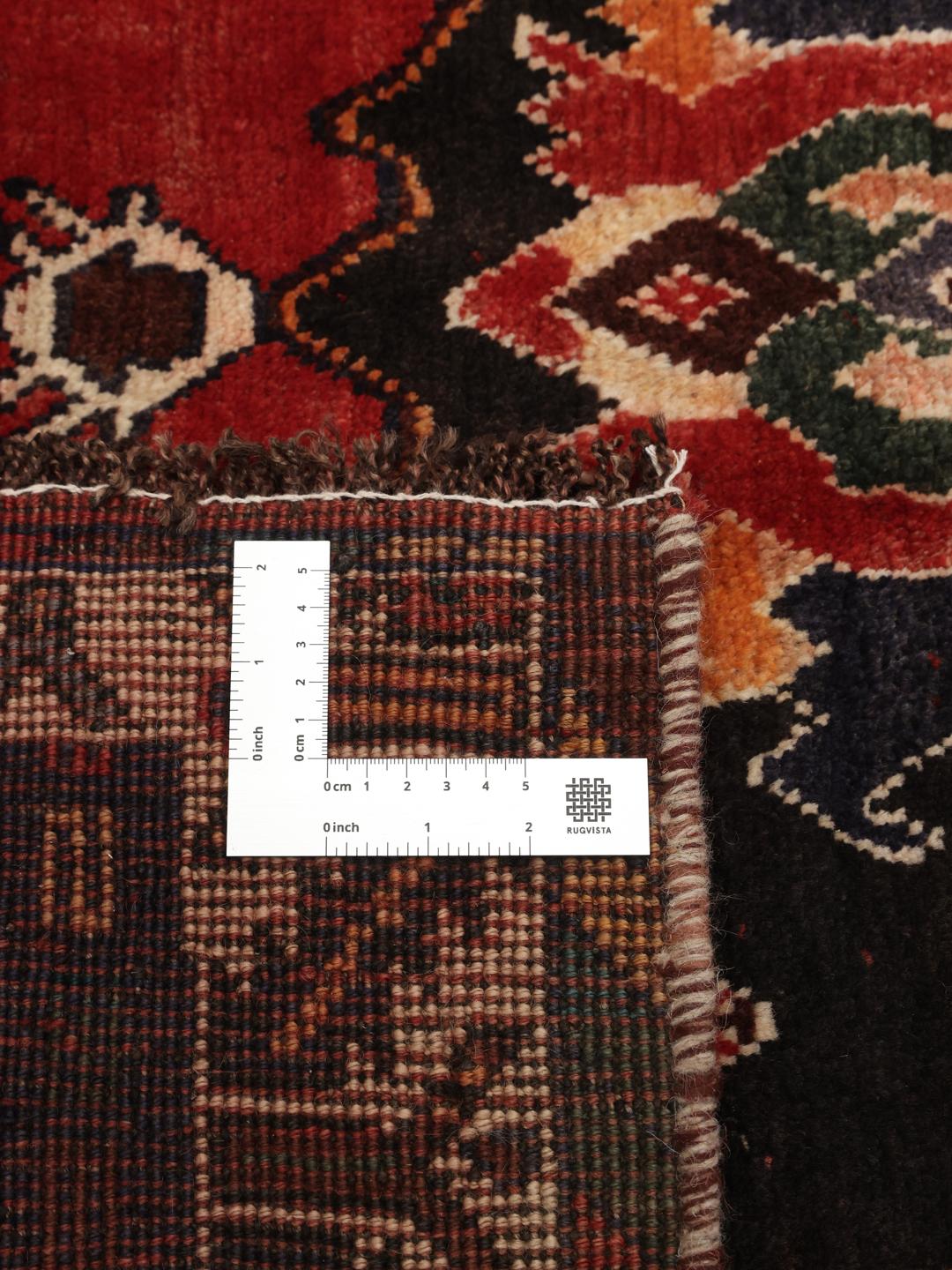
The Shiraz rug tradition originates from the Fars province in the Middle East, a region renowned for its nomadic tribes and their deep-rooted weaving heritage. These rugs are famously woven by the Qashqai and other tribal groups, who carry their looms with them as they migrate across the rugged landscape. This nomadic history is reflected in the spontaneous, often geometric designs that characterise these pieces.
Unlike the highly structured rugs found in urban workshops, these rugs are defined by their tribal, uninhibited style. The weavers often work from memory and tradition rather than pre-drawn patterns, allowing for small, charming variations in the motif placement. This creative freedom is what makes every single rug a unique reflection of the weaver's personal and cultural identity.
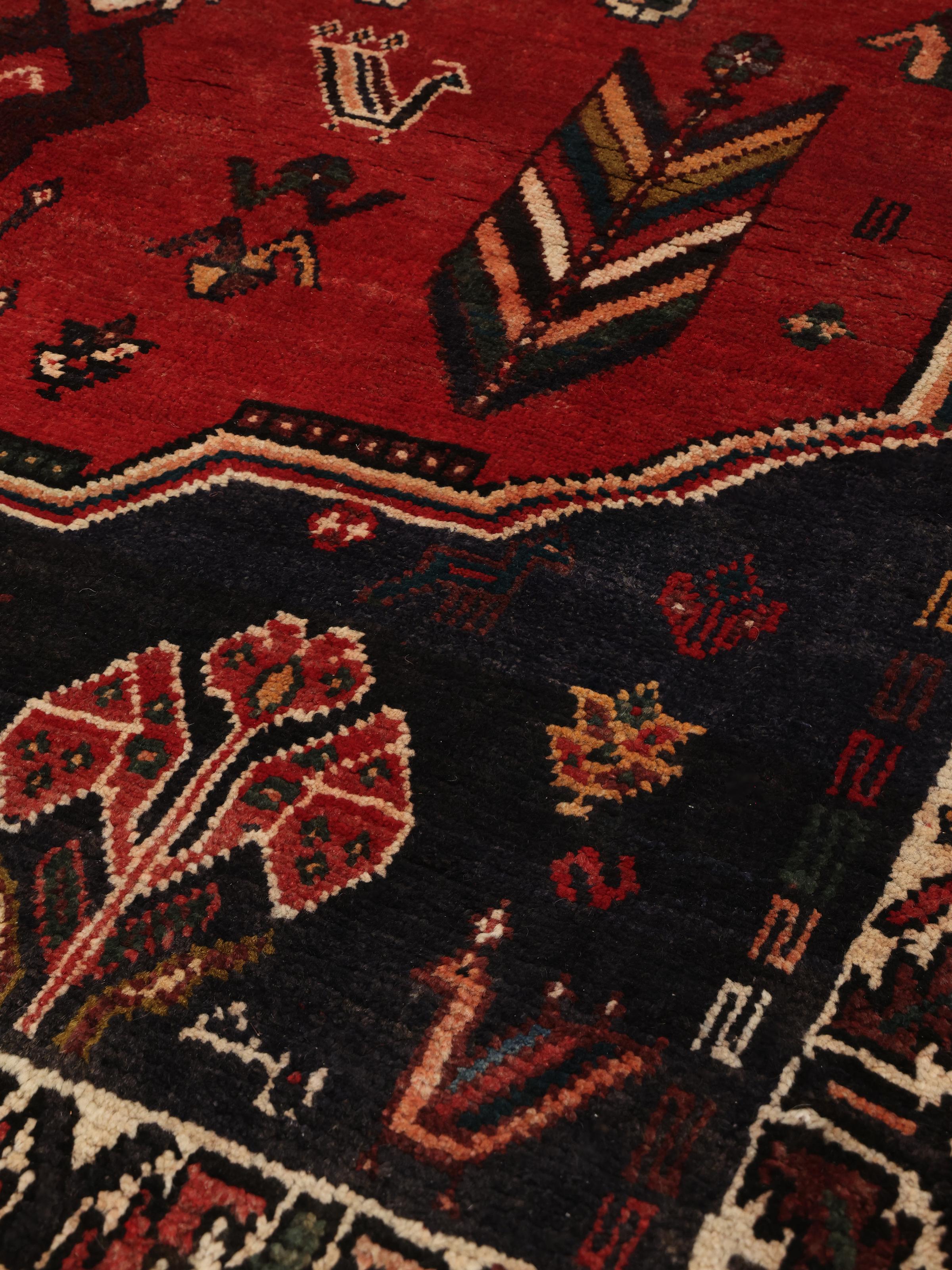
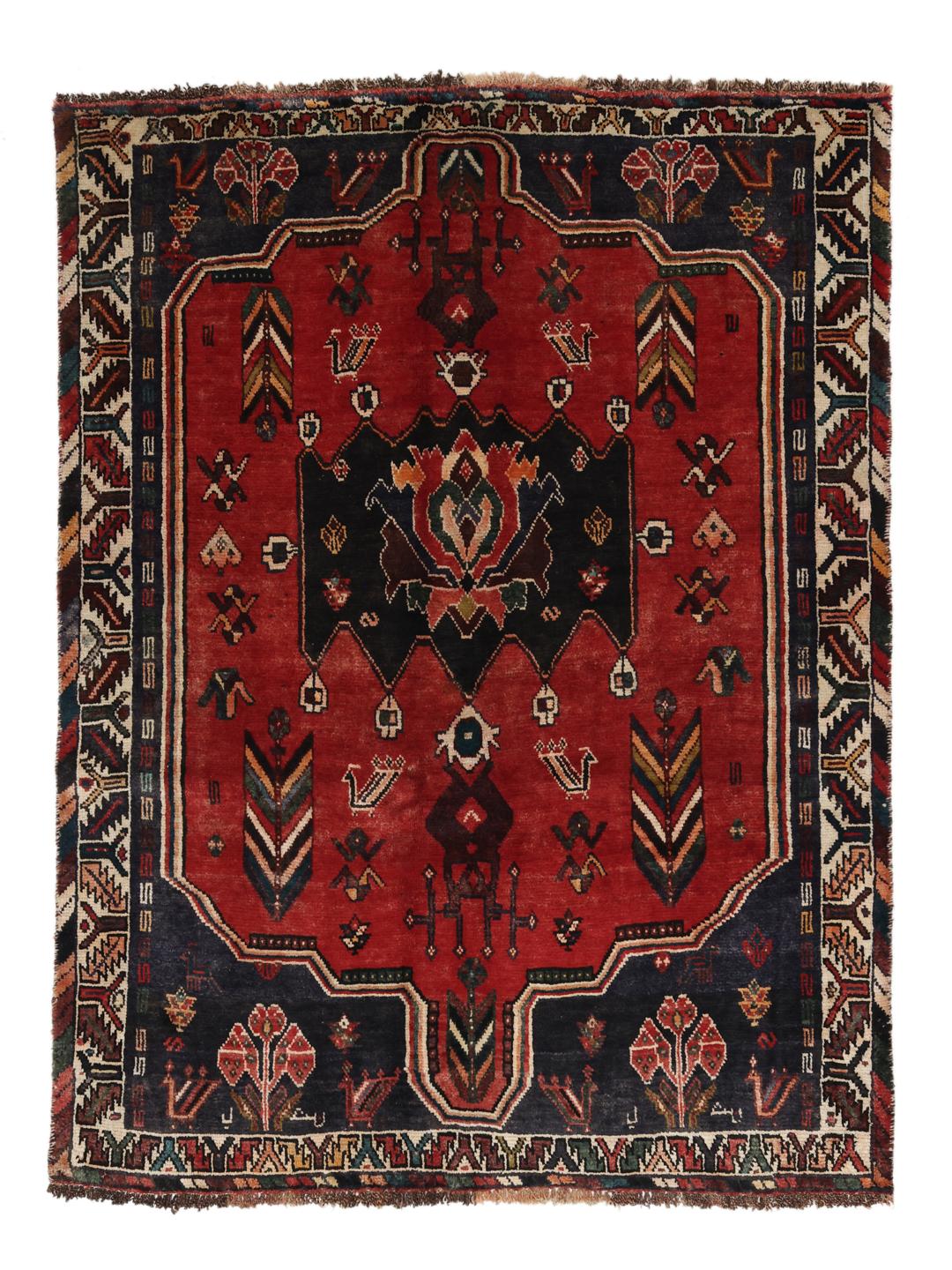
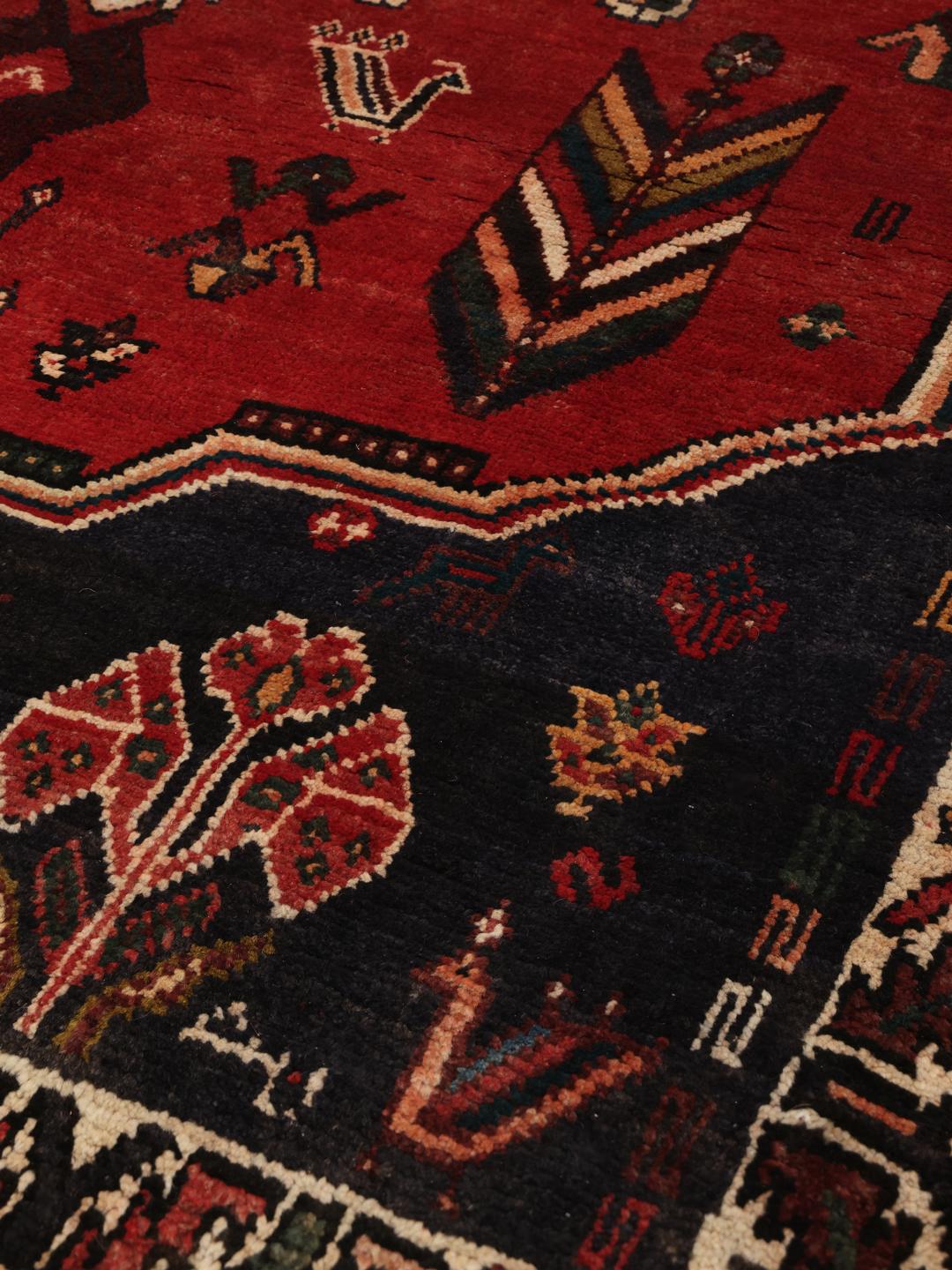
The signature design language of these rugs often includes stylised floral elements, birds, and geometric medallions known as guls. The colour palettes are typically dominated by deep reds, blues, and earthy tones derived from natural dyes. You will often see a central medallion surrounded by smaller, scattered motifs, a layout that provides a sense of organised chaos that is both visually stimulating and deeply rooted in tradition.
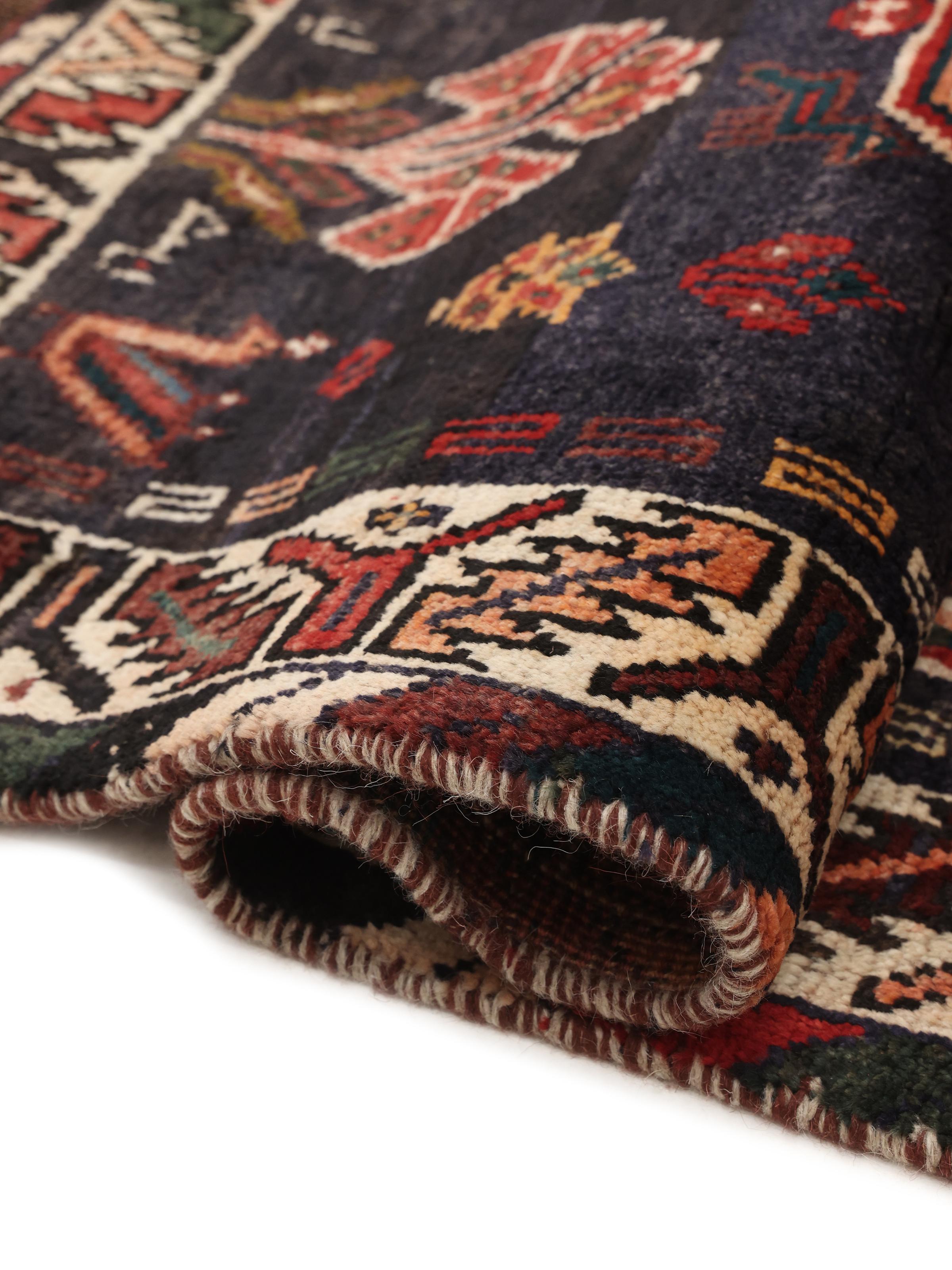
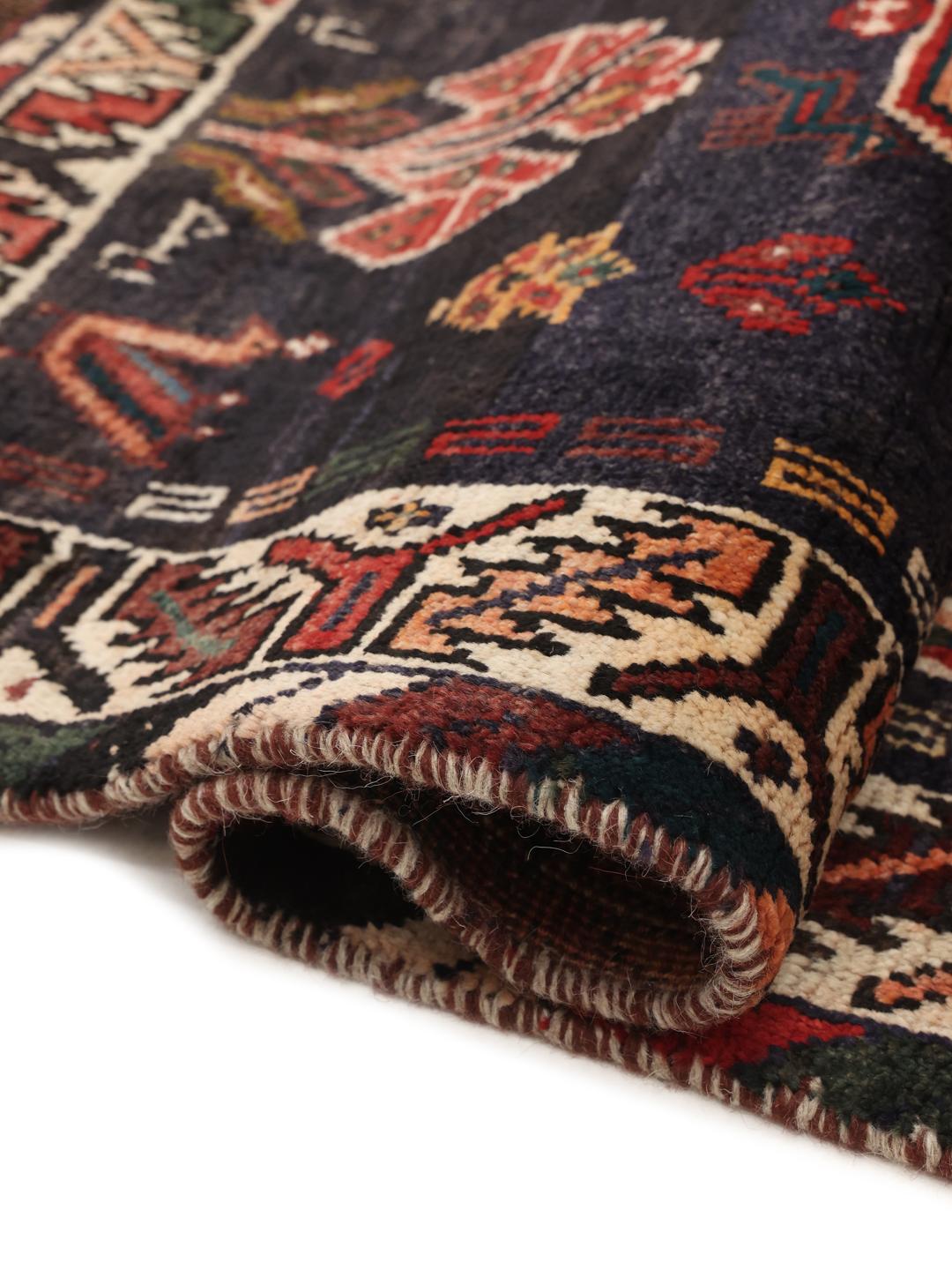
Collectors value these rugs for their authenticity and the human story they tell. Owning a piece from this tradition is an investment in a living craft that has survived for centuries. It represents a commitment to preserving traditional skills and an appreciation for the raw, tactile beauty that only a hand-woven, tribal rug can provide.