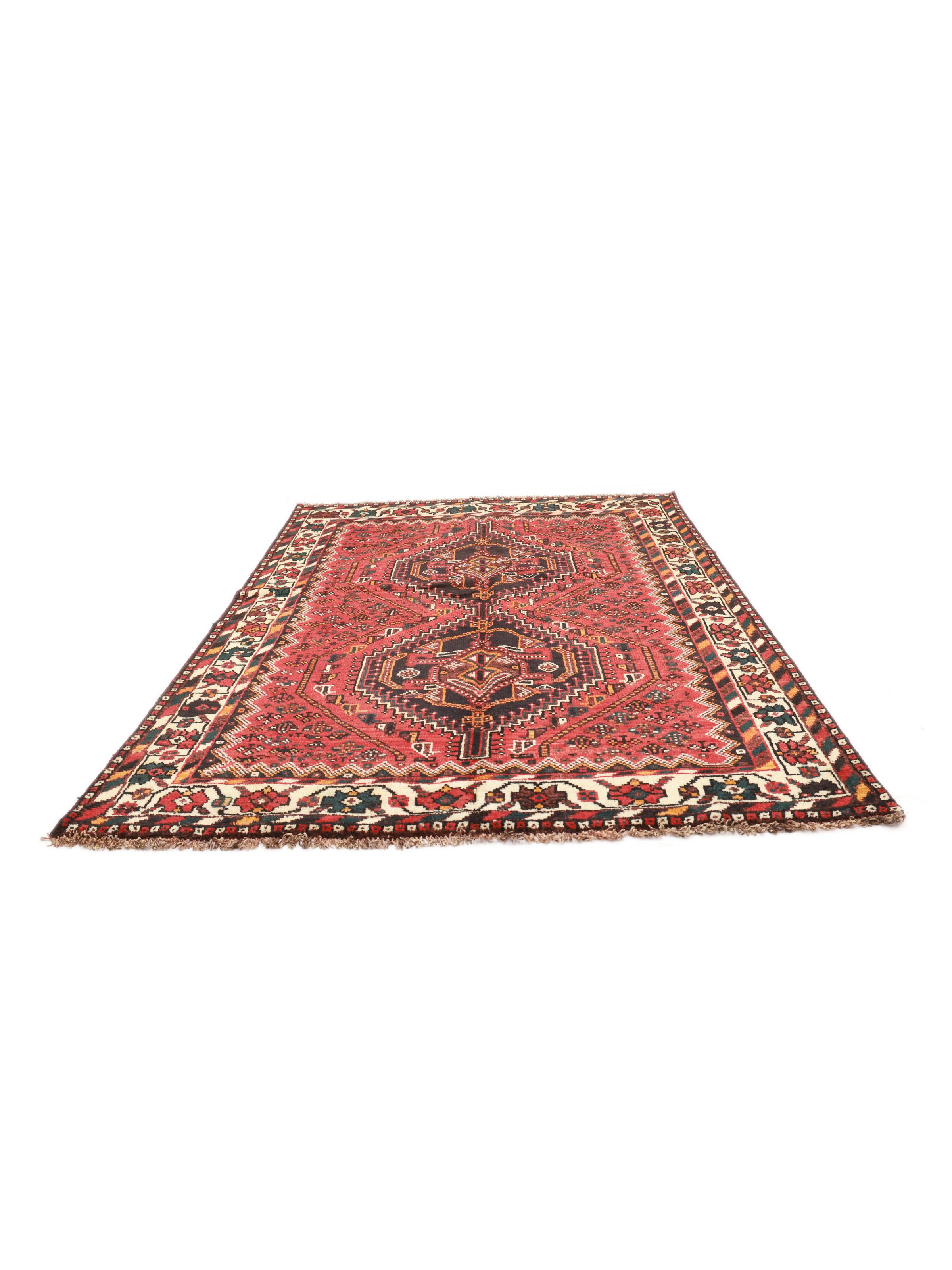
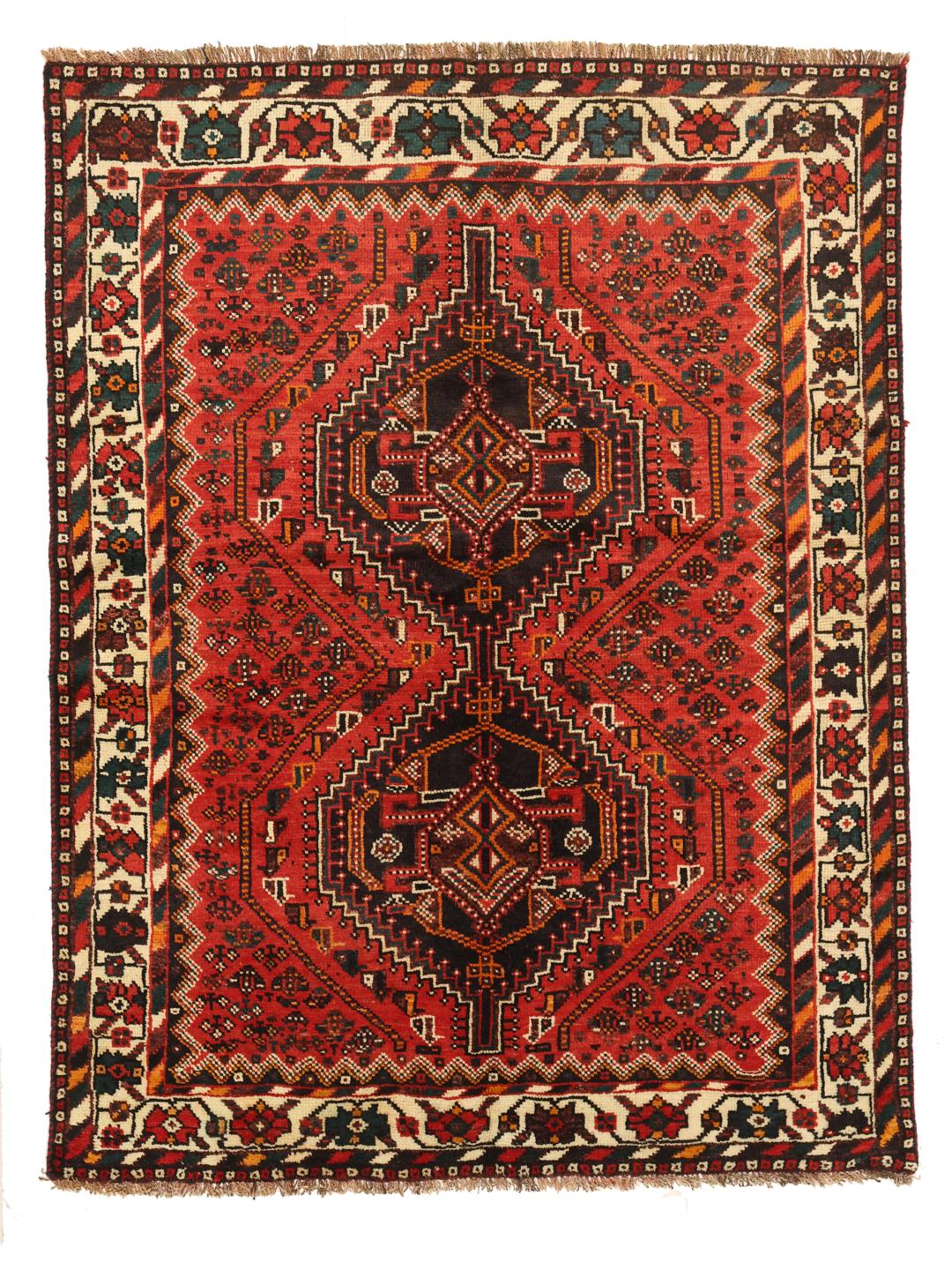
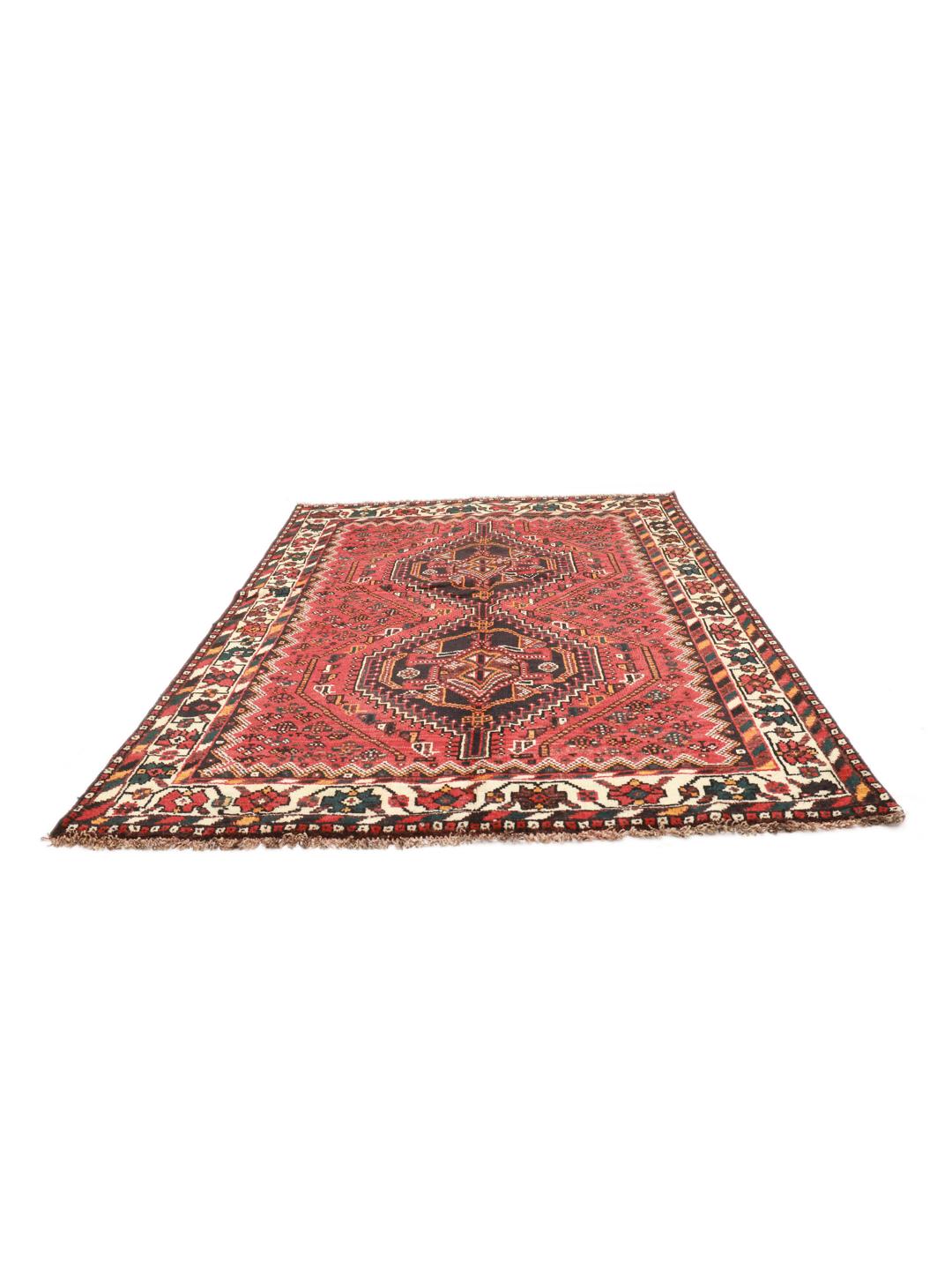
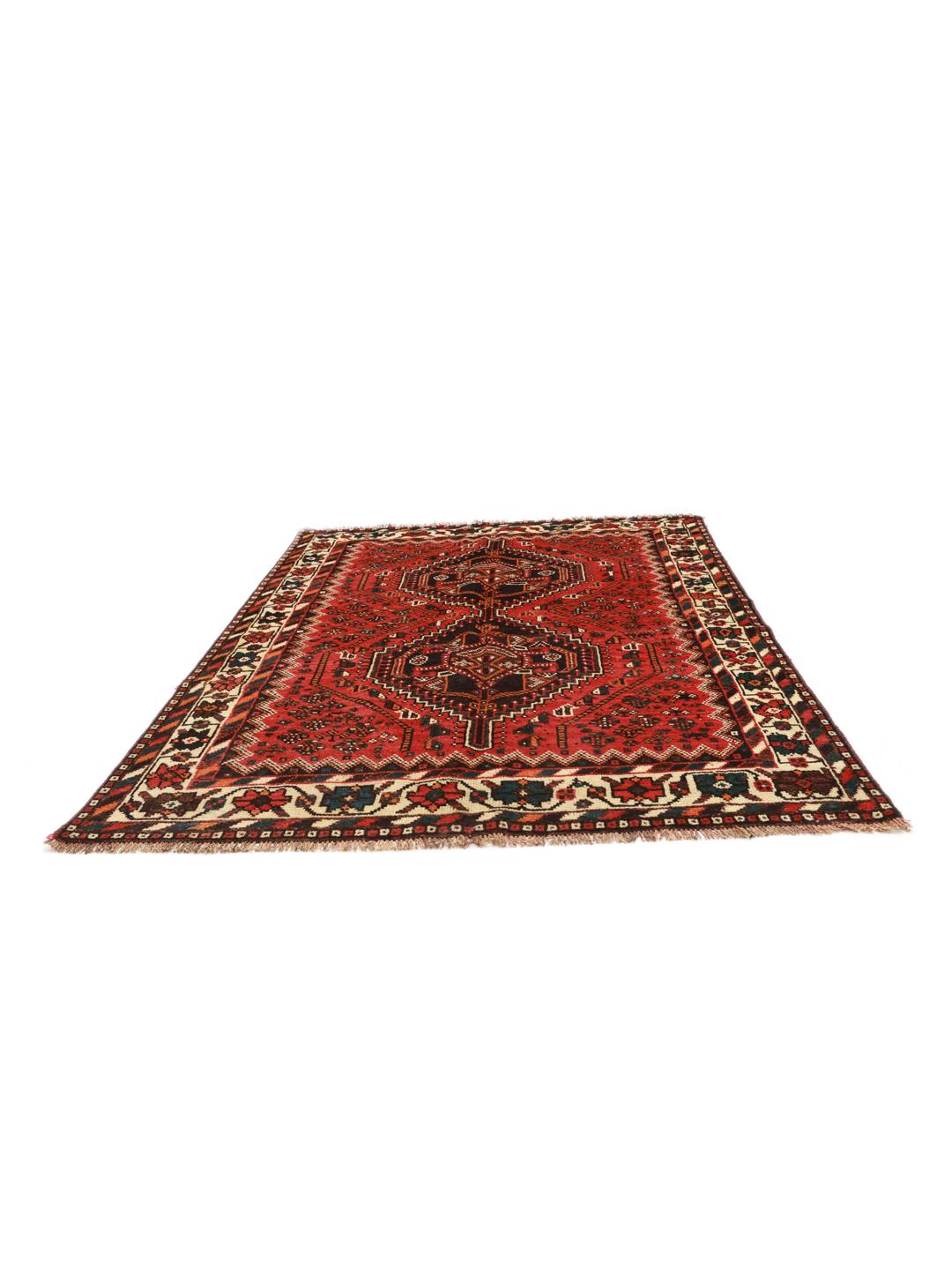
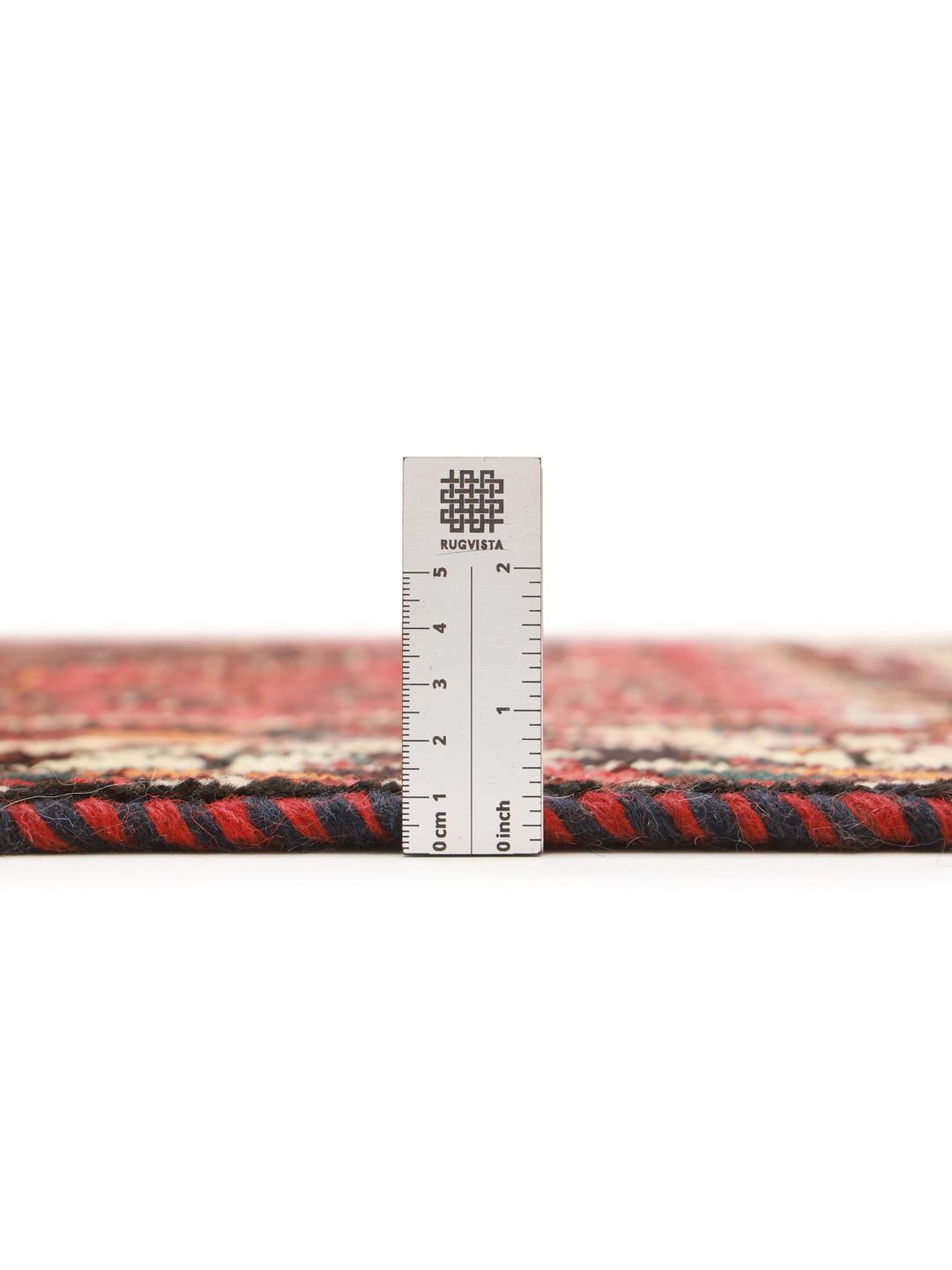
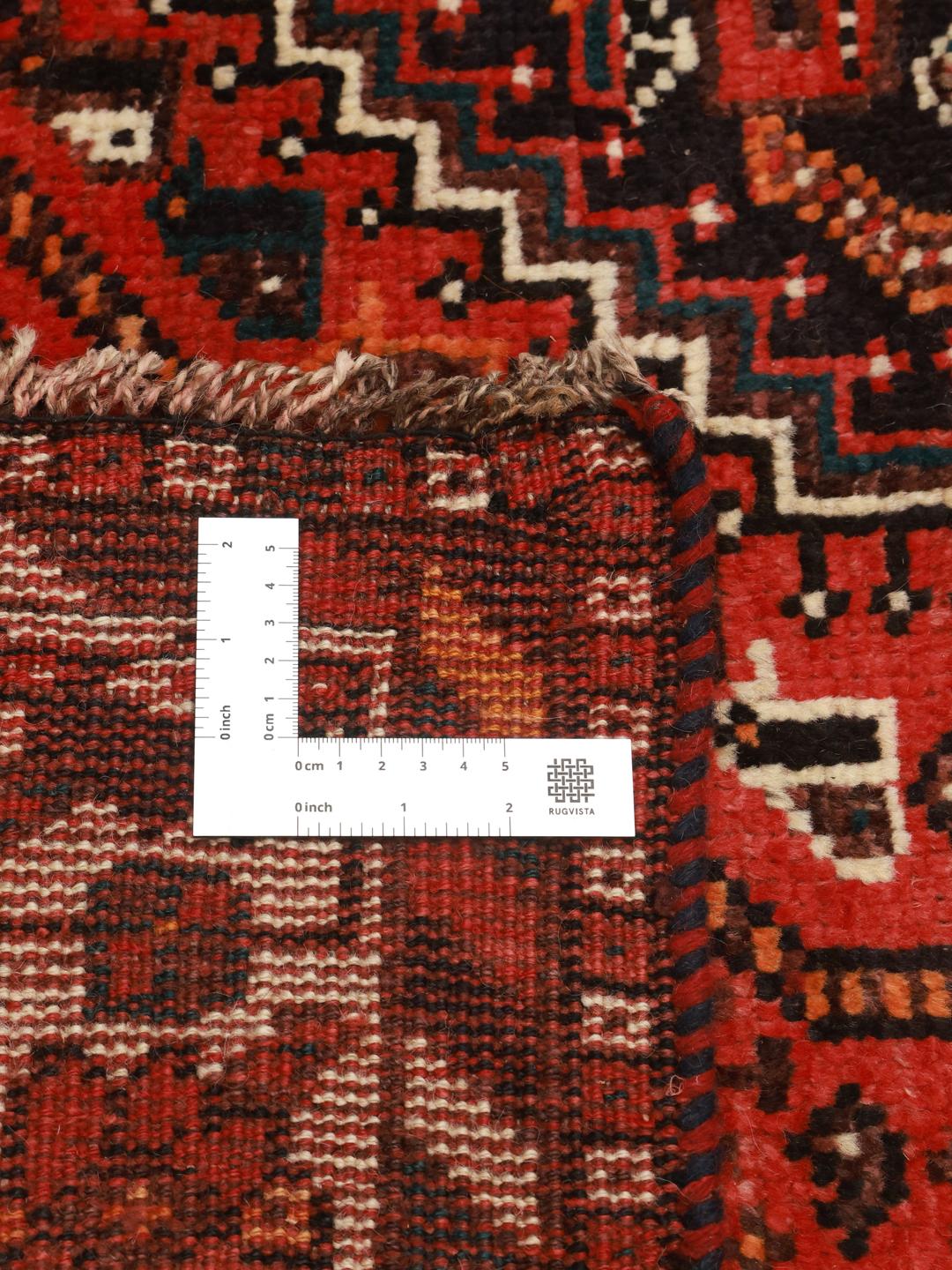
Shiraz rugs originate from the Fars province in the Middle East, a region with a deep-rooted nomadic heritage. These rugs are traditionally woven by tribal groups who move with the seasons, allowing them to create pieces that reflect their environment and cultural identity. The migration of these weaving traditions has led to a style that is celebrated for its earthy tones and expressive, geometric designs.
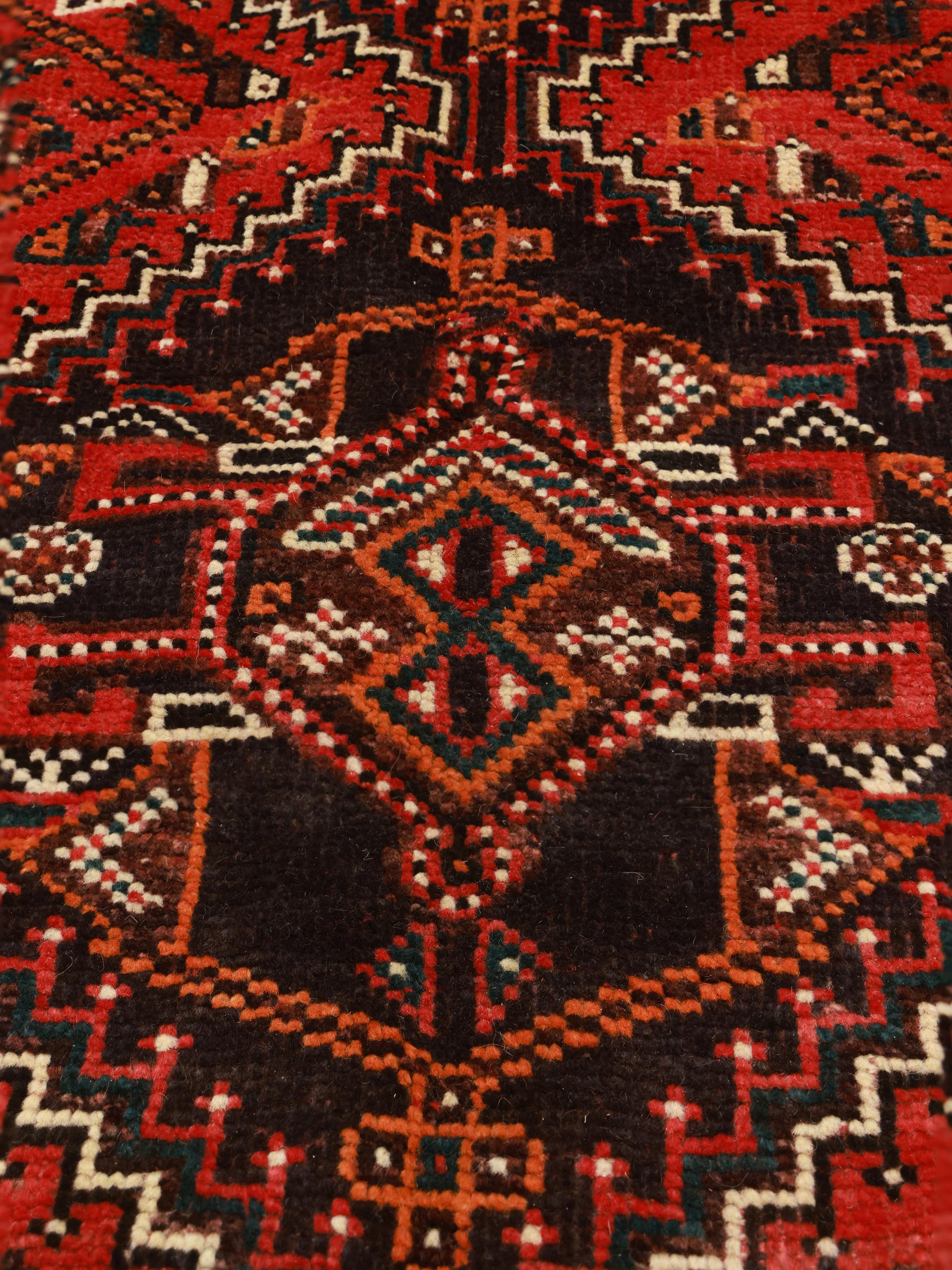
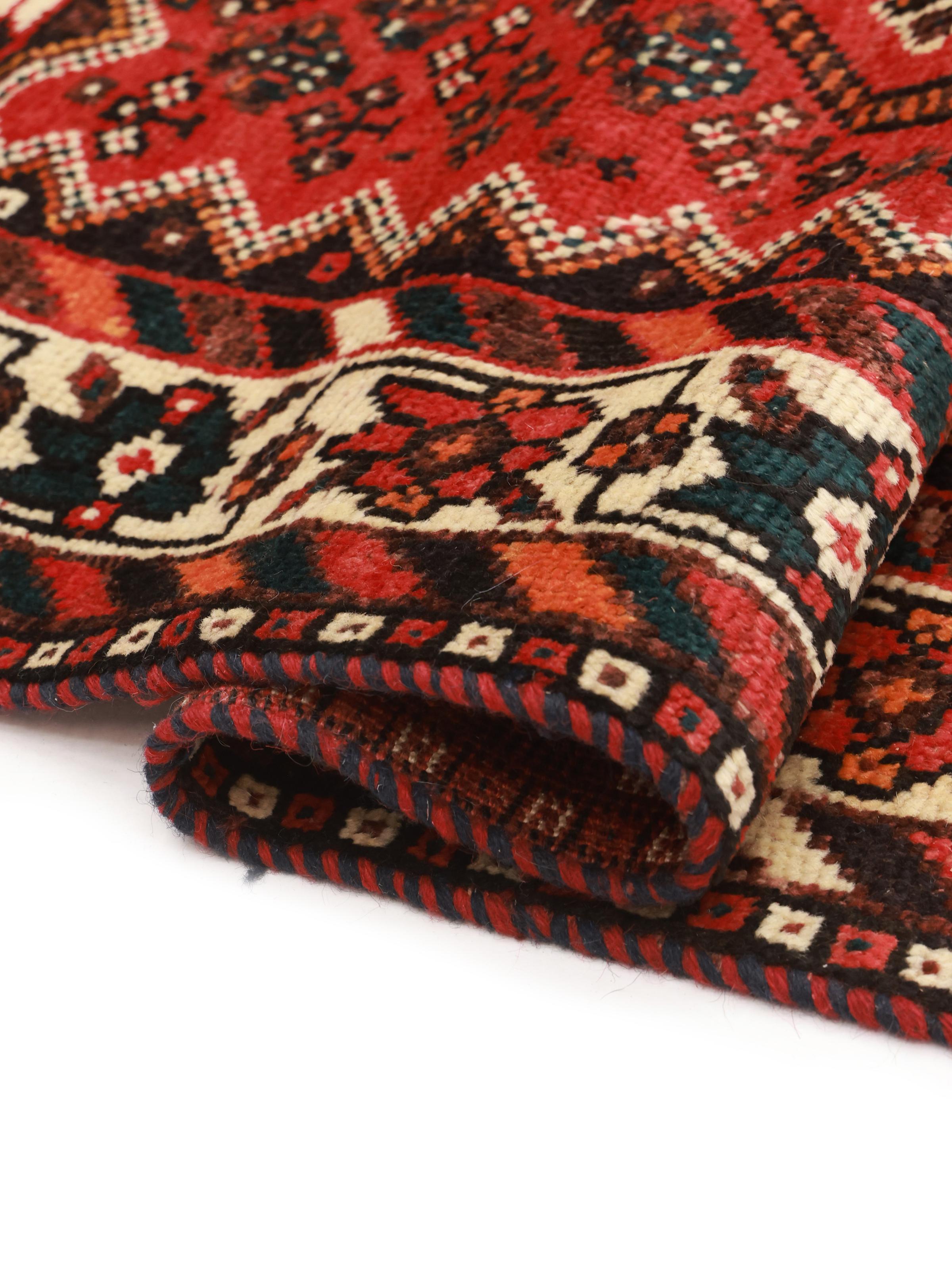
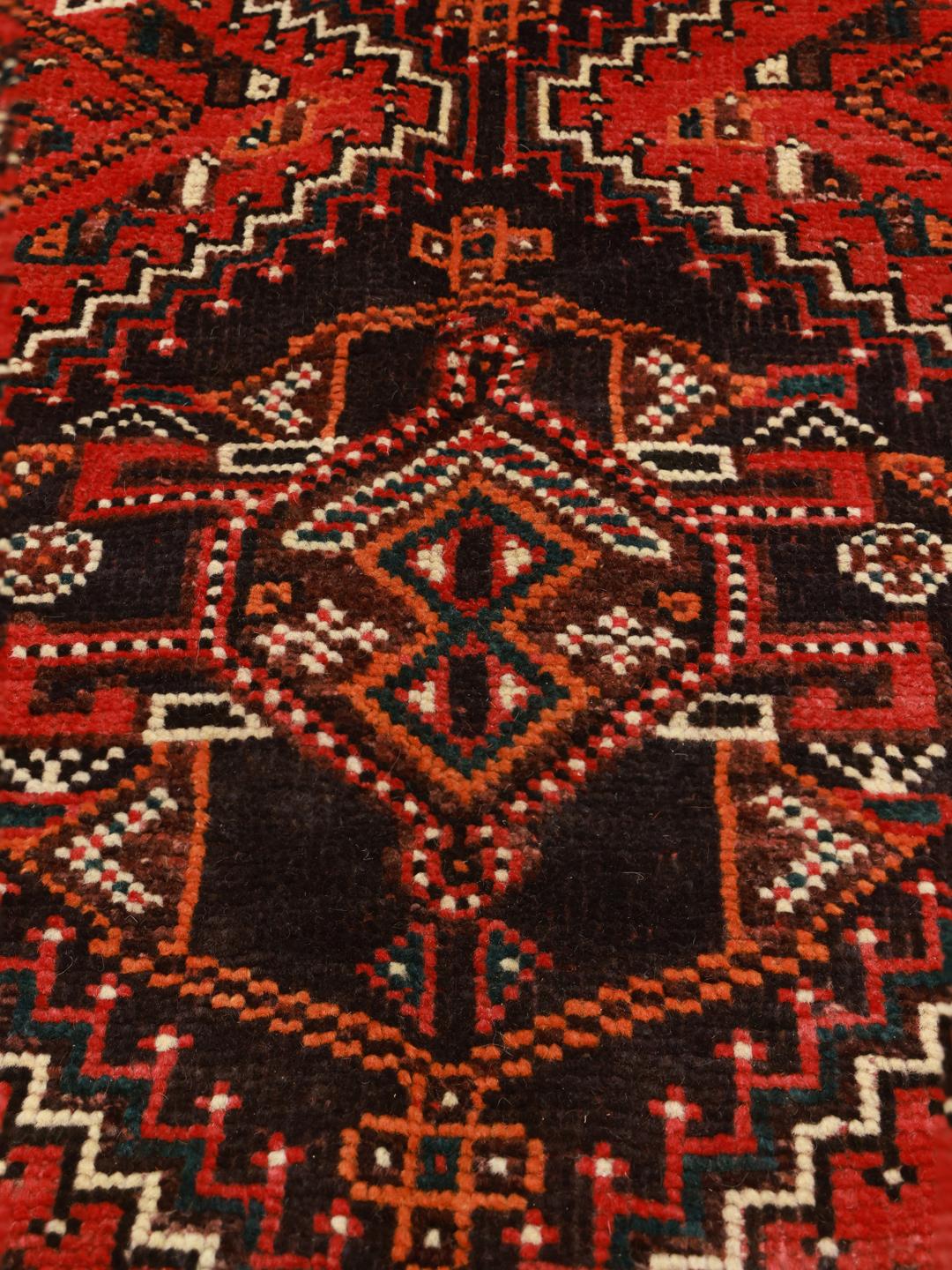
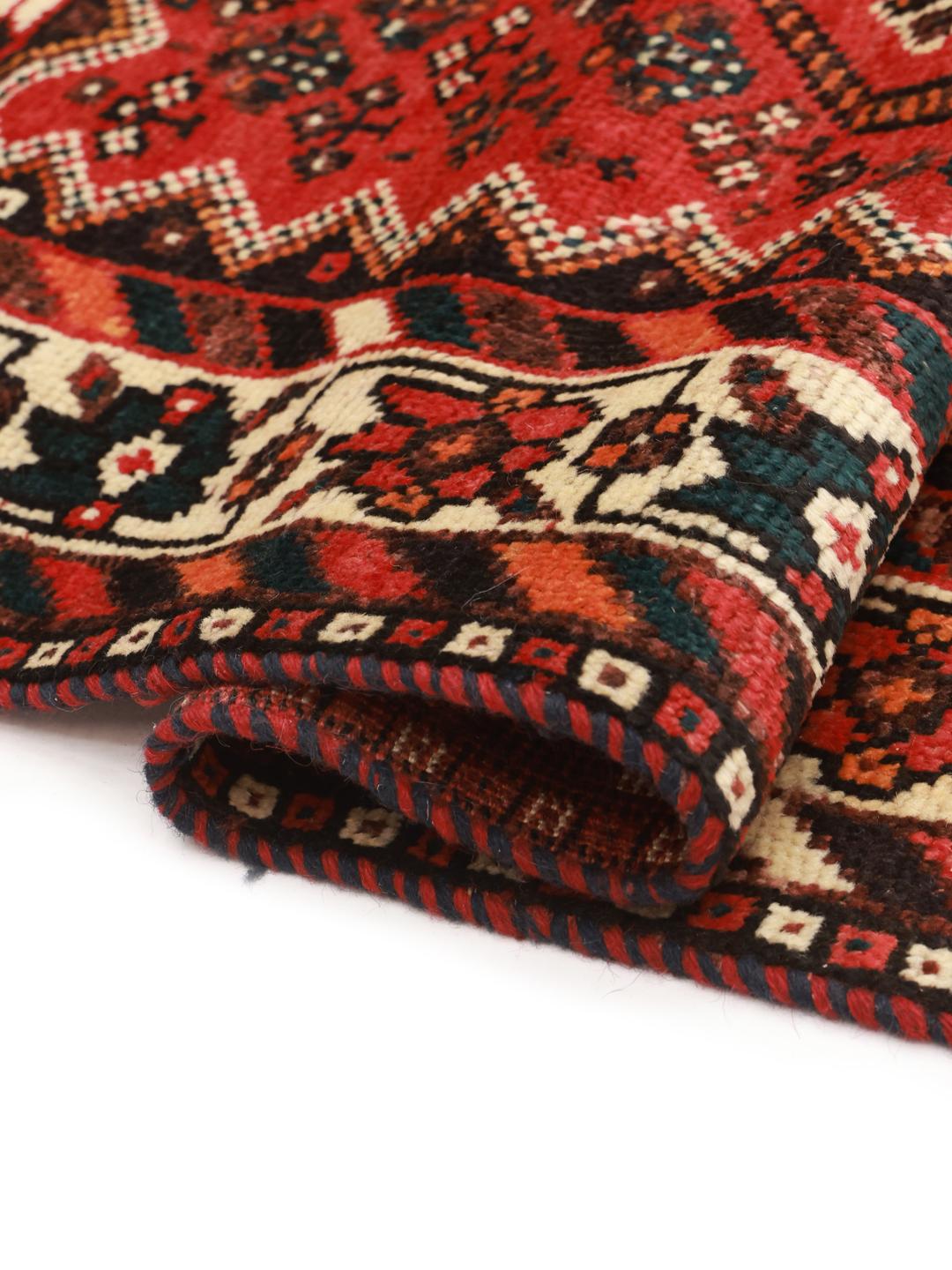
The term hand-knotted refers to the technique where individual strands of Wool are tied around the foundation warps to create the pile. This is a time-honoured craft that results in a rug of far greater durability and character than machine-made alternatives. The variation in the knots, while subtle, is what gives these rugs their soul and makes each one a unique work of art.
Signature design elements for this tradition often include geometric medallions, stylised floral motifs, and repeating patterns that tell a story of the weaver's life and surroundings. You will often see a bold use of colour, particularly deep reds and dark accents, framed by intricate borders that balance the central field. These motifs are not just decorative but are often symbolic, passed down through generations of families.
Owning a rug from this tradition is about more than just decor; it is about preserving a piece of cultural history. Collectors and enthusiasts value these rugs for their authenticity, the immense skill required to weave them, and the fact that they represent a way of life that remains deeply connected to the land. By bringing one into your home, you are continuing a legacy of craft that has endured for centuries.