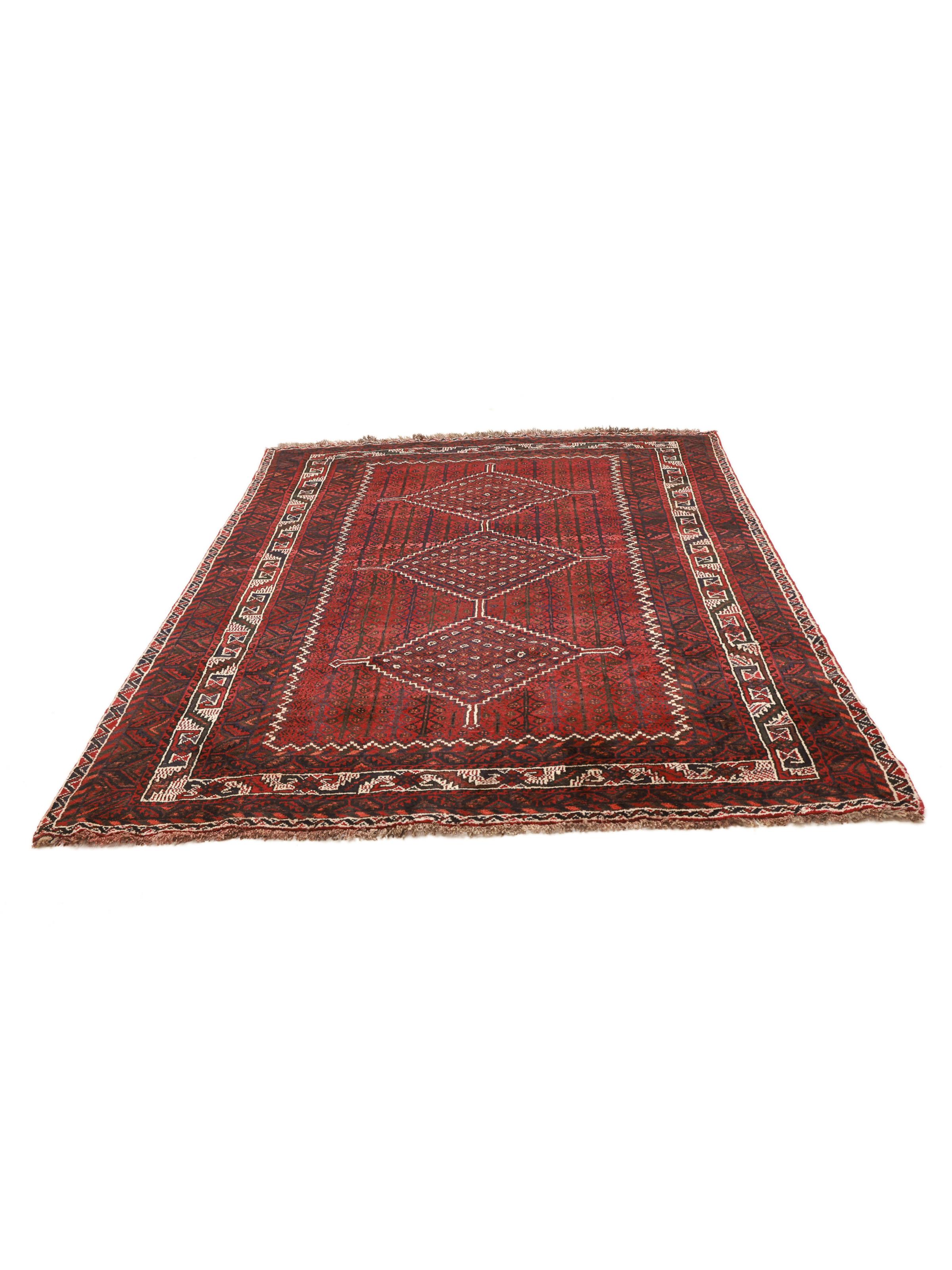
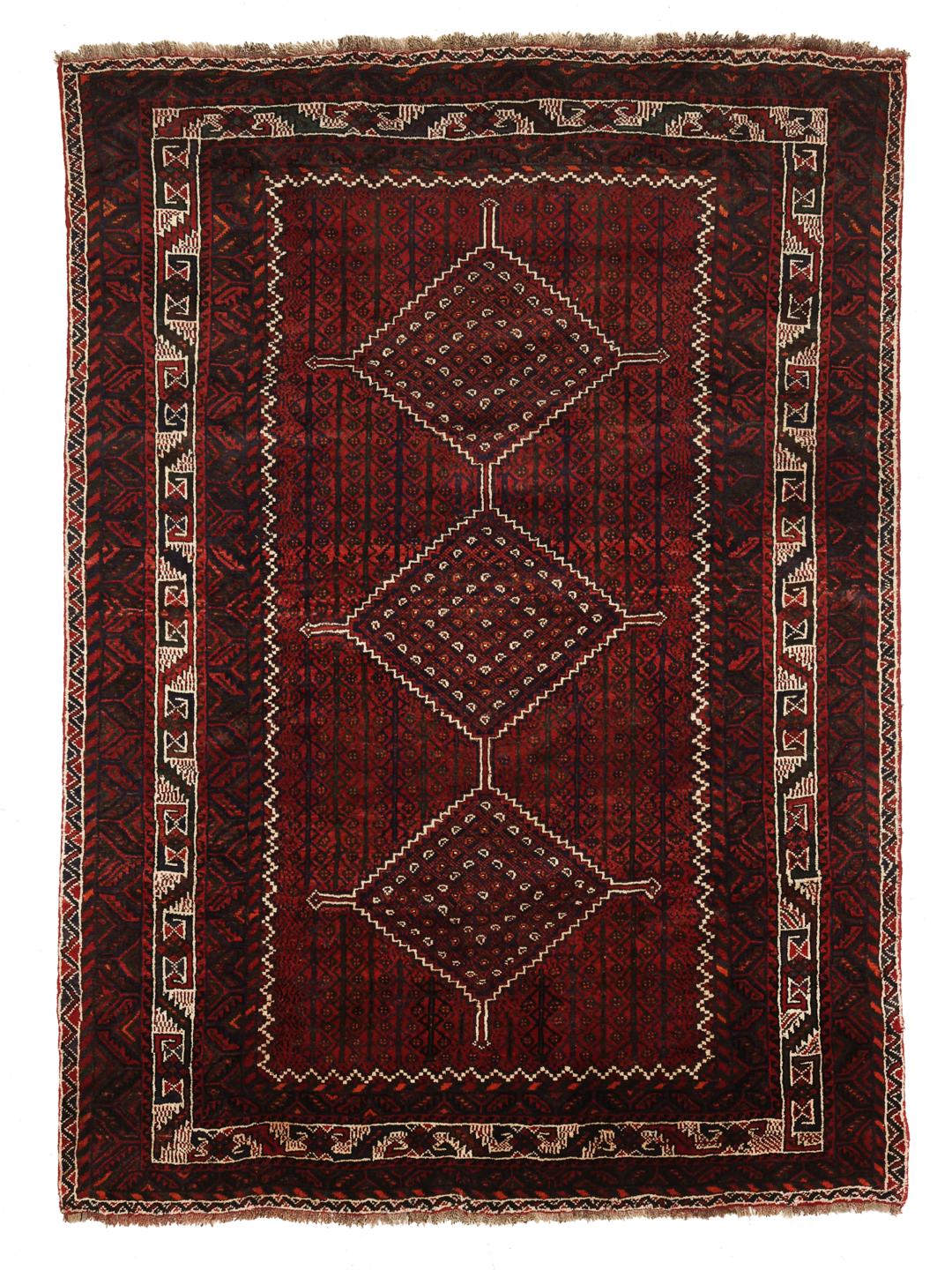
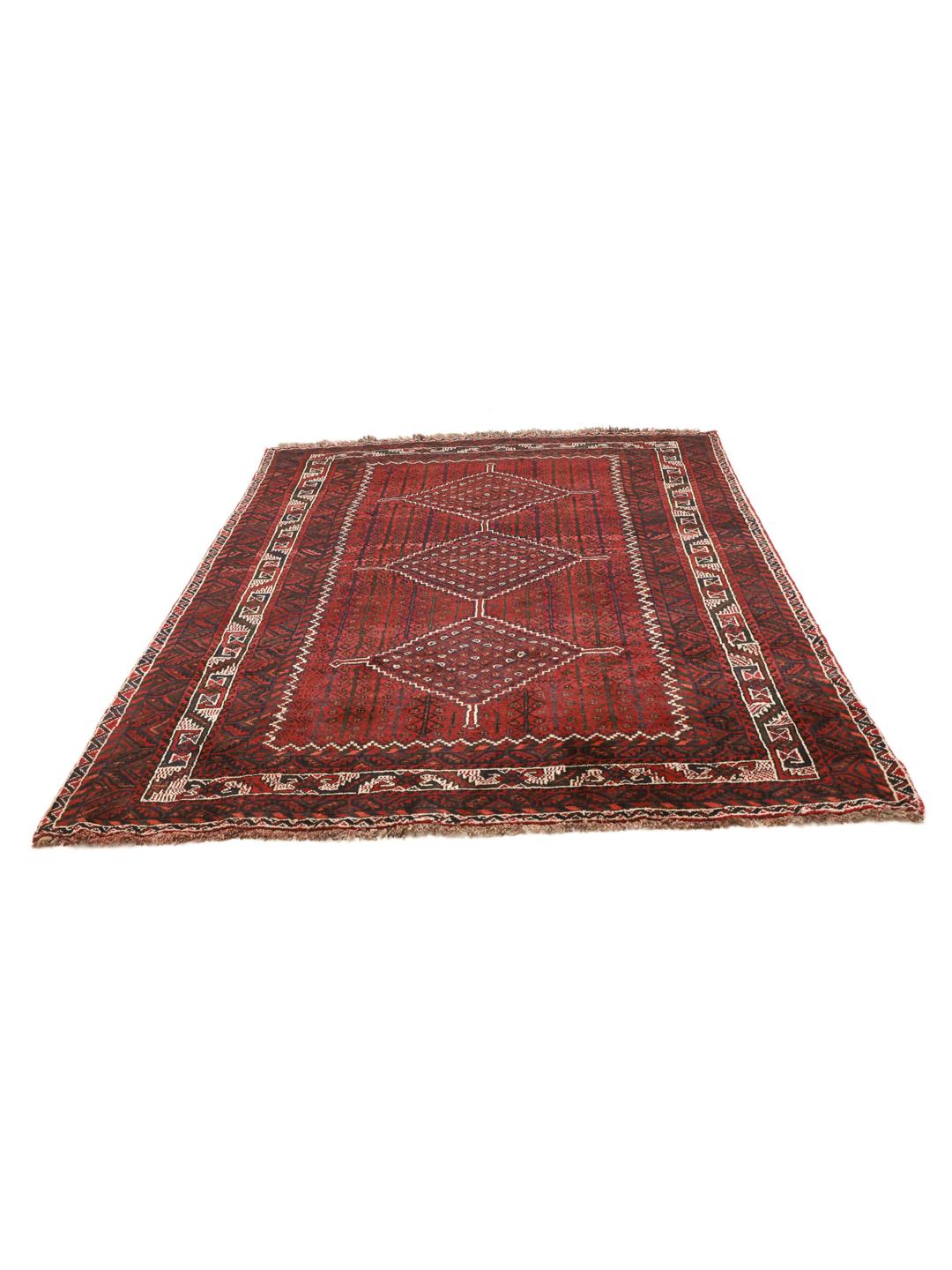
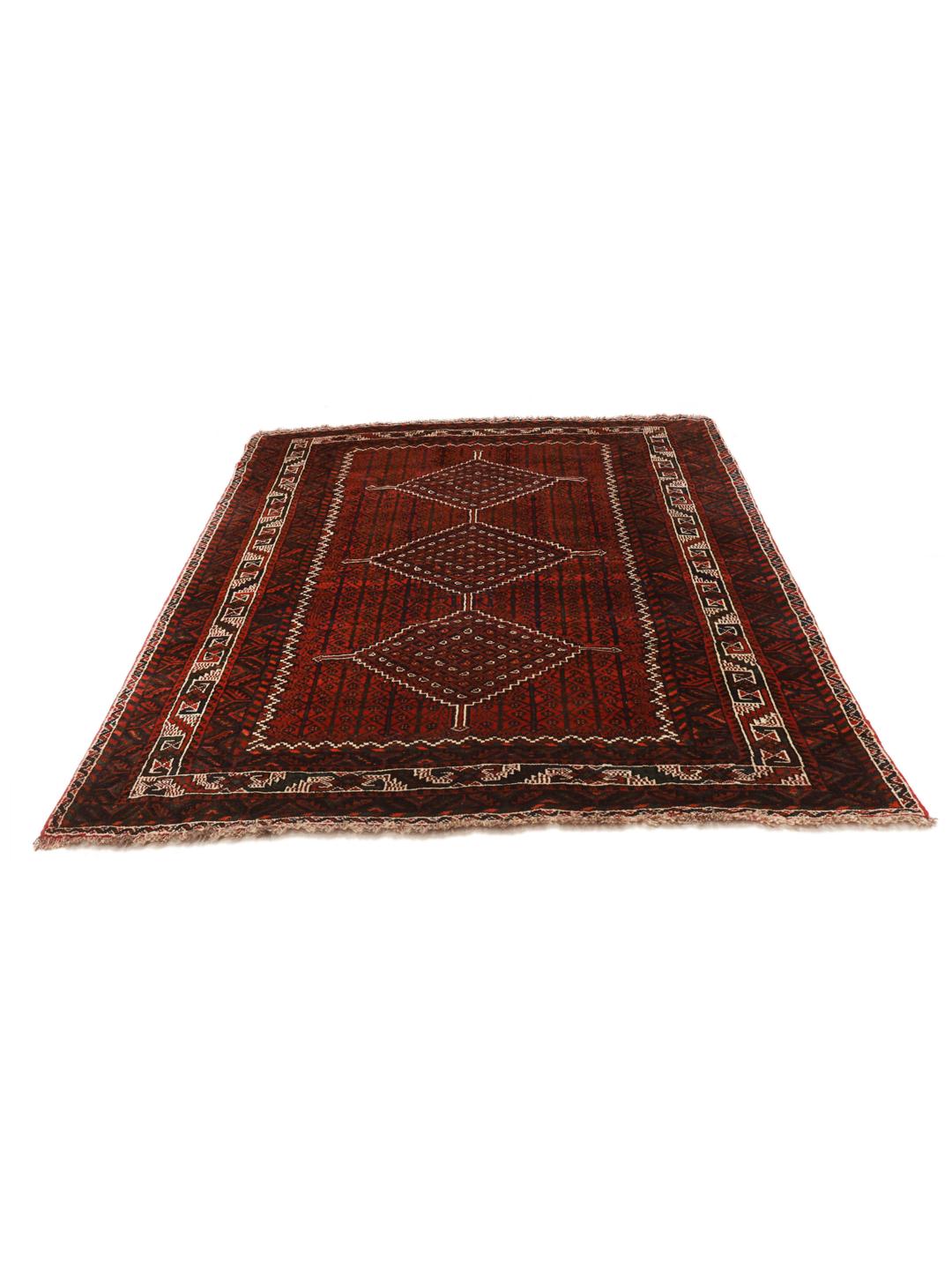
Shiraz rugs originate from the Fars province in the Middle East, a region known for its rich history of nomadic and semi-nomadic weaving. These rugs are traditionally crafted by various tribal groups, including the Qashqai and Khamseh confederations, who have preserved their unique design language for centuries. The rugs are not merely floor coverings; they are cultural documents that capture the aesthetics and symbols of the people who created them.
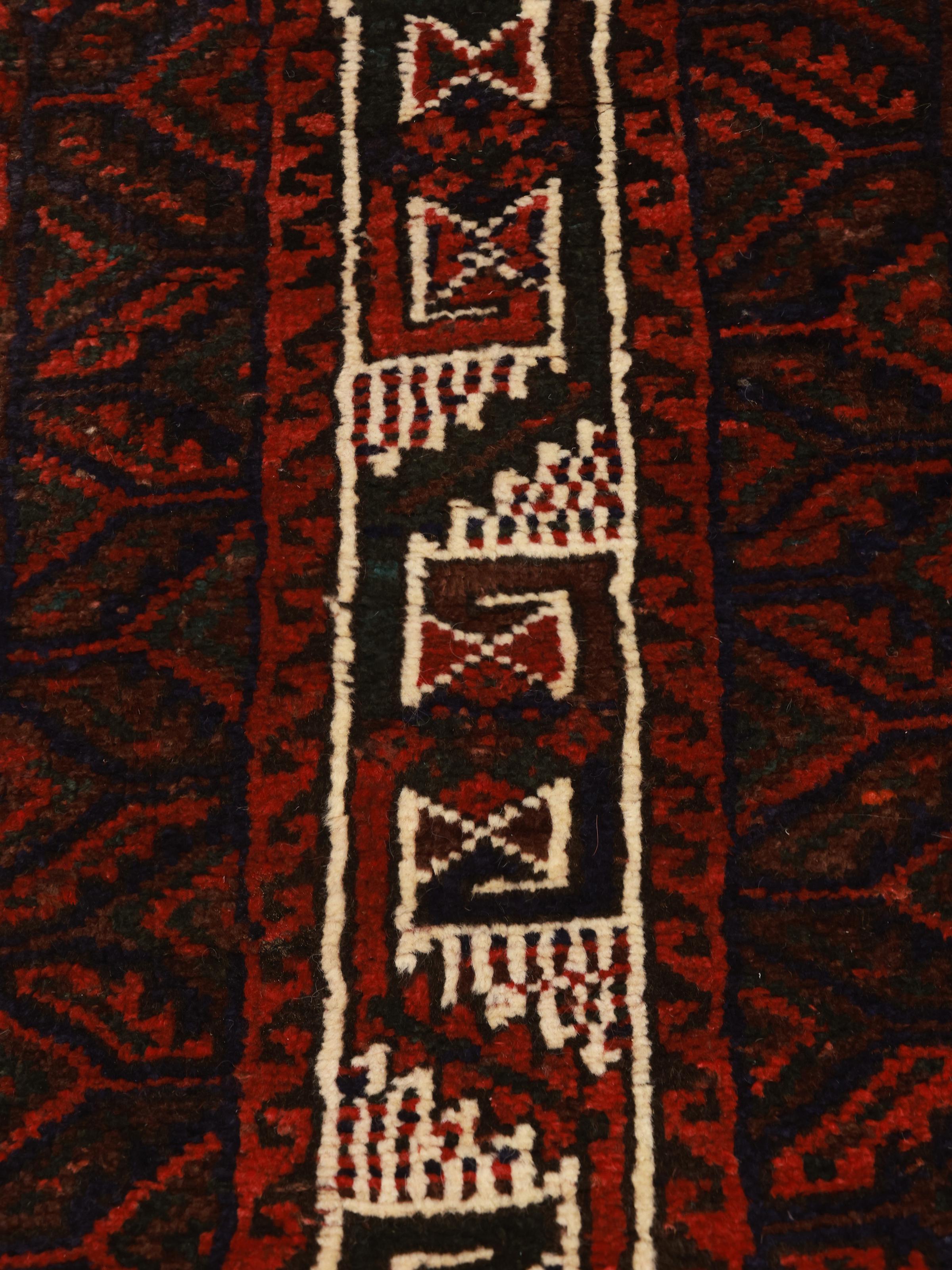
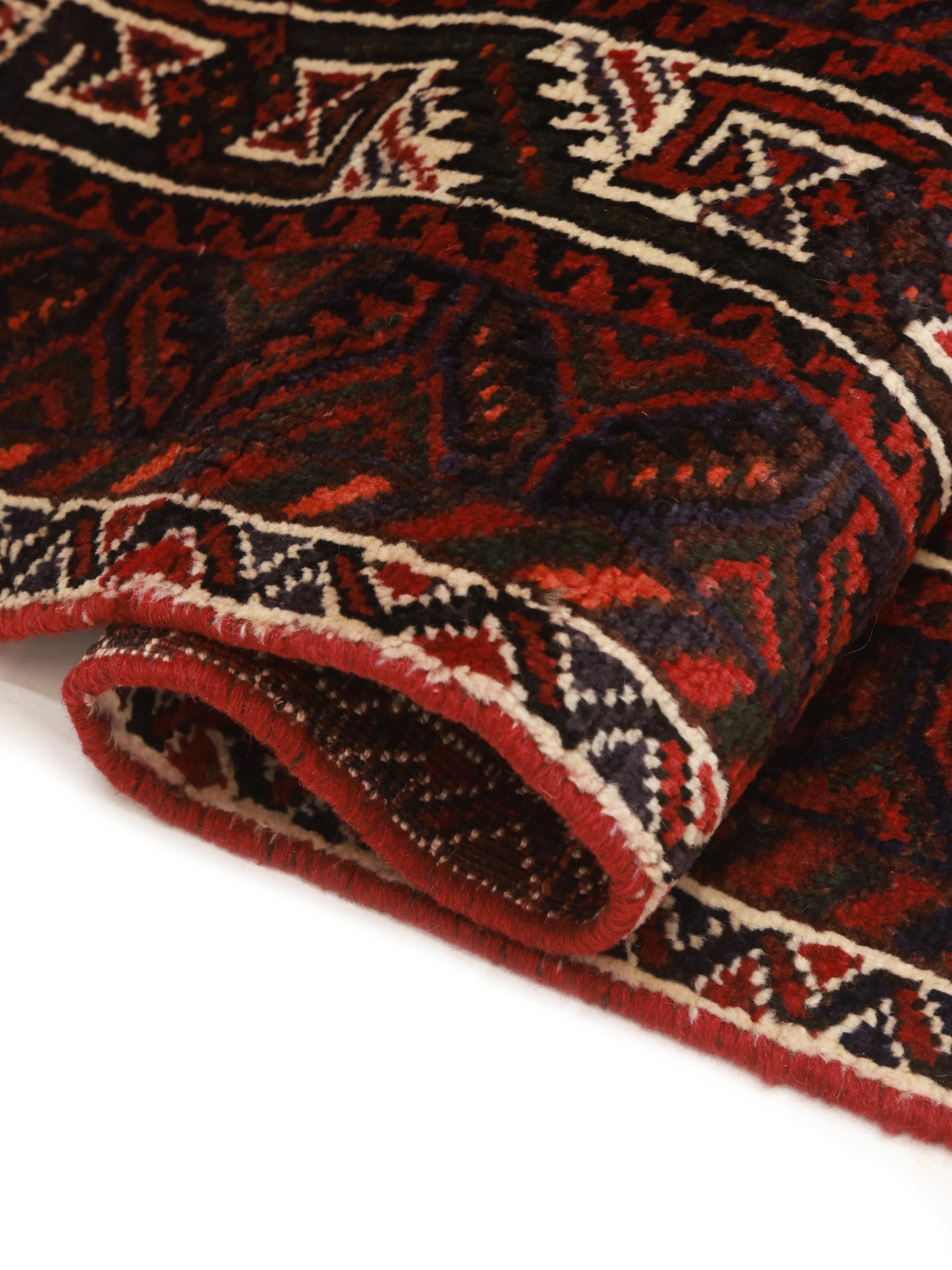
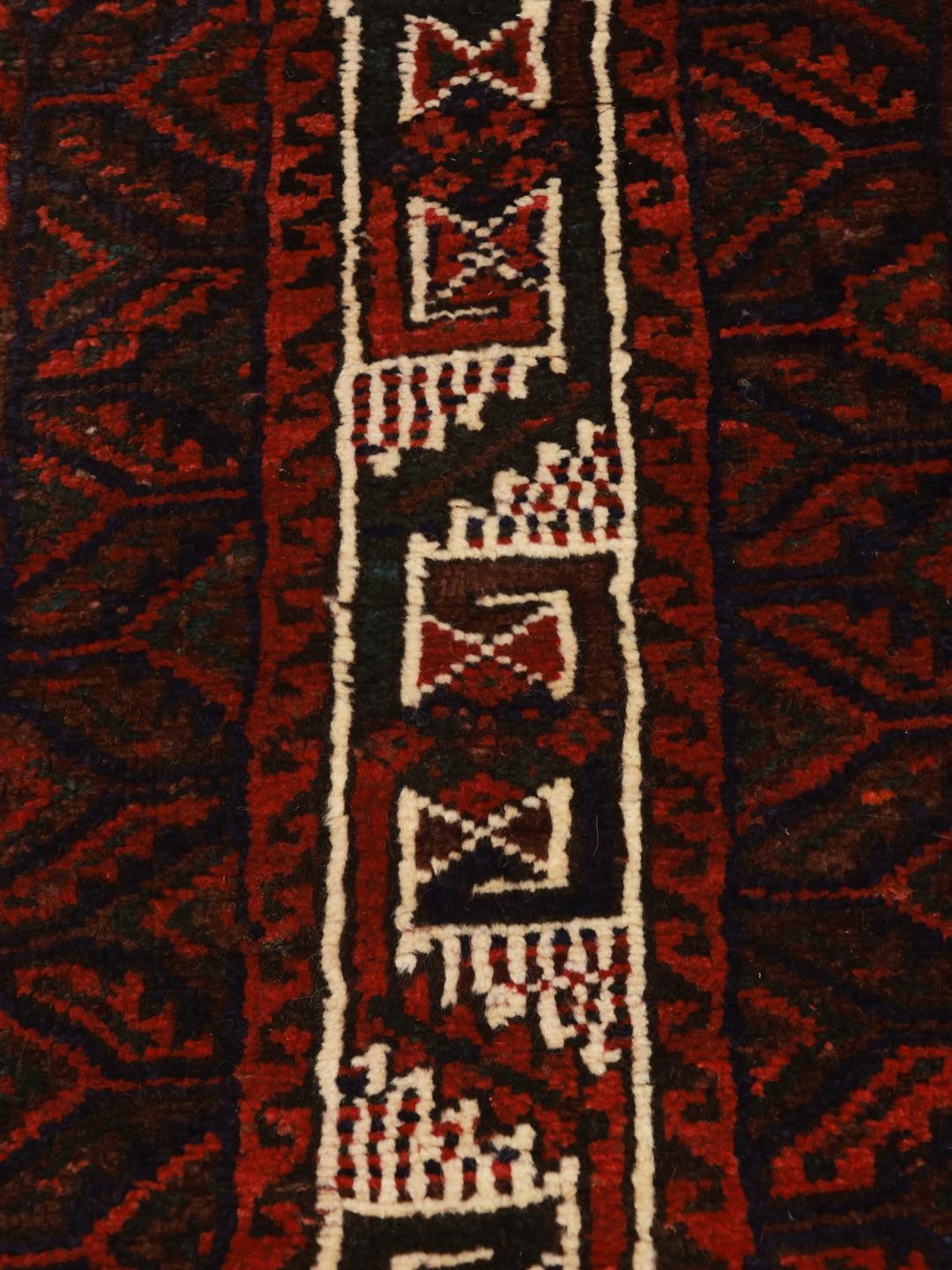
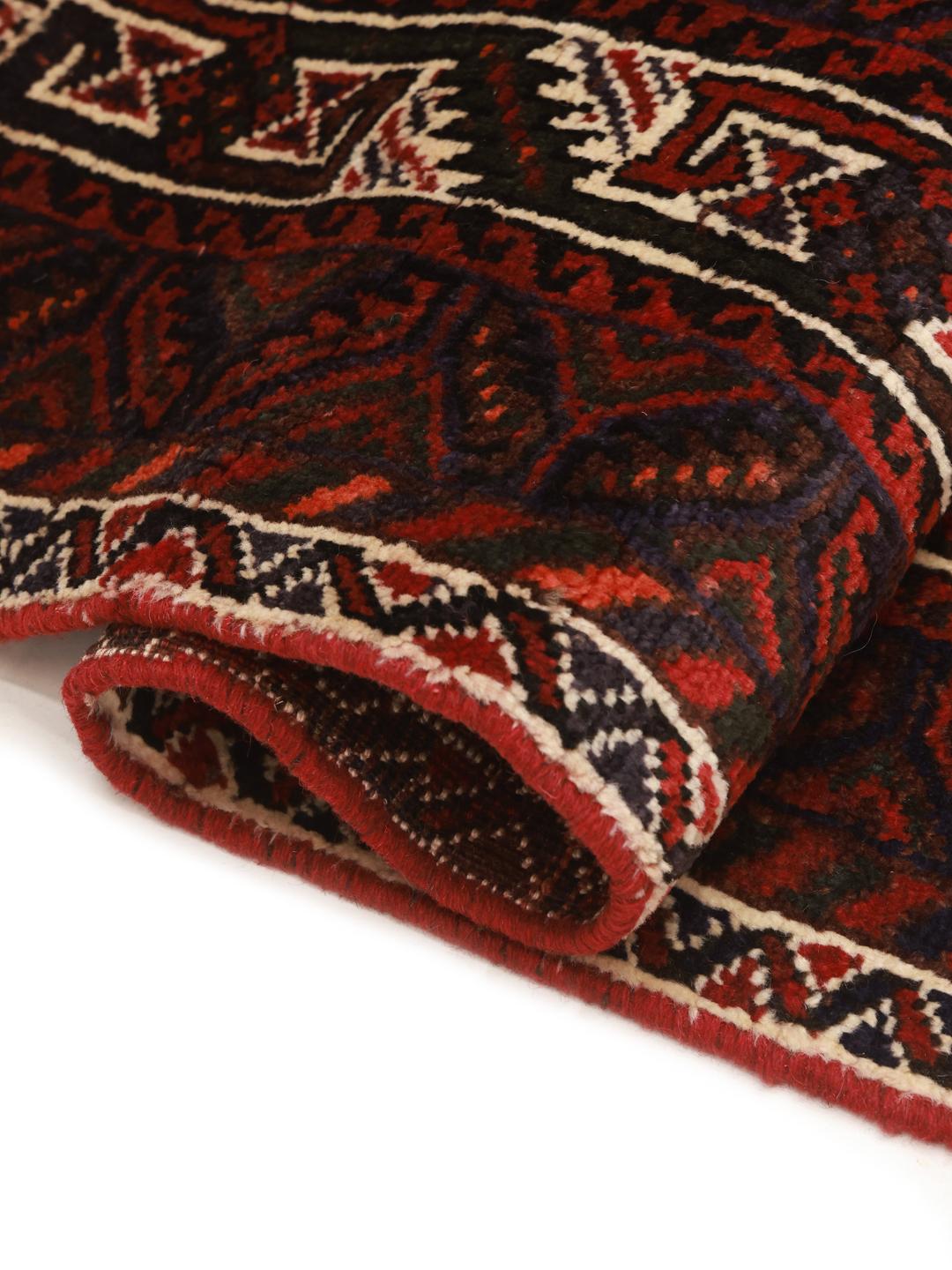
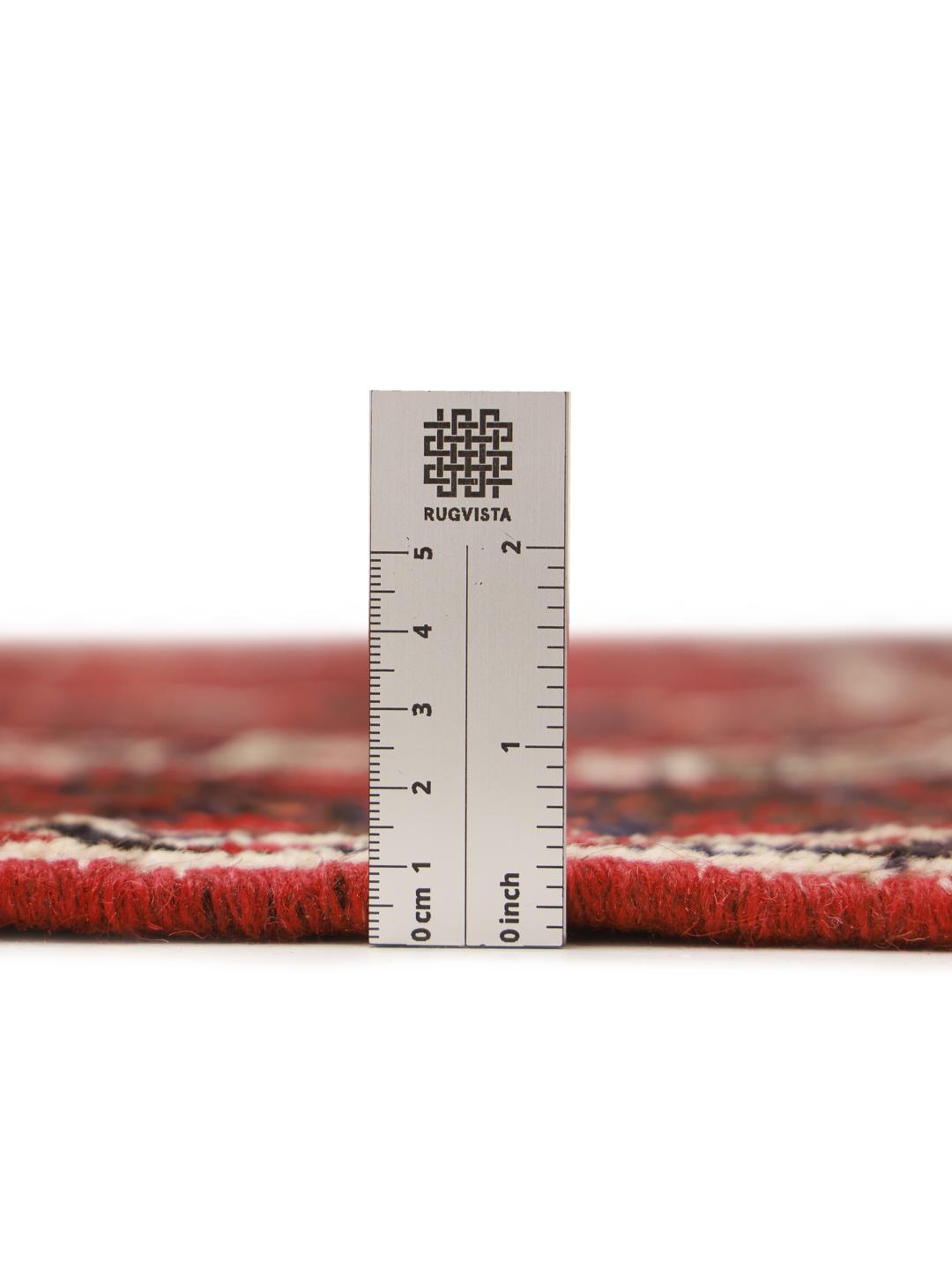
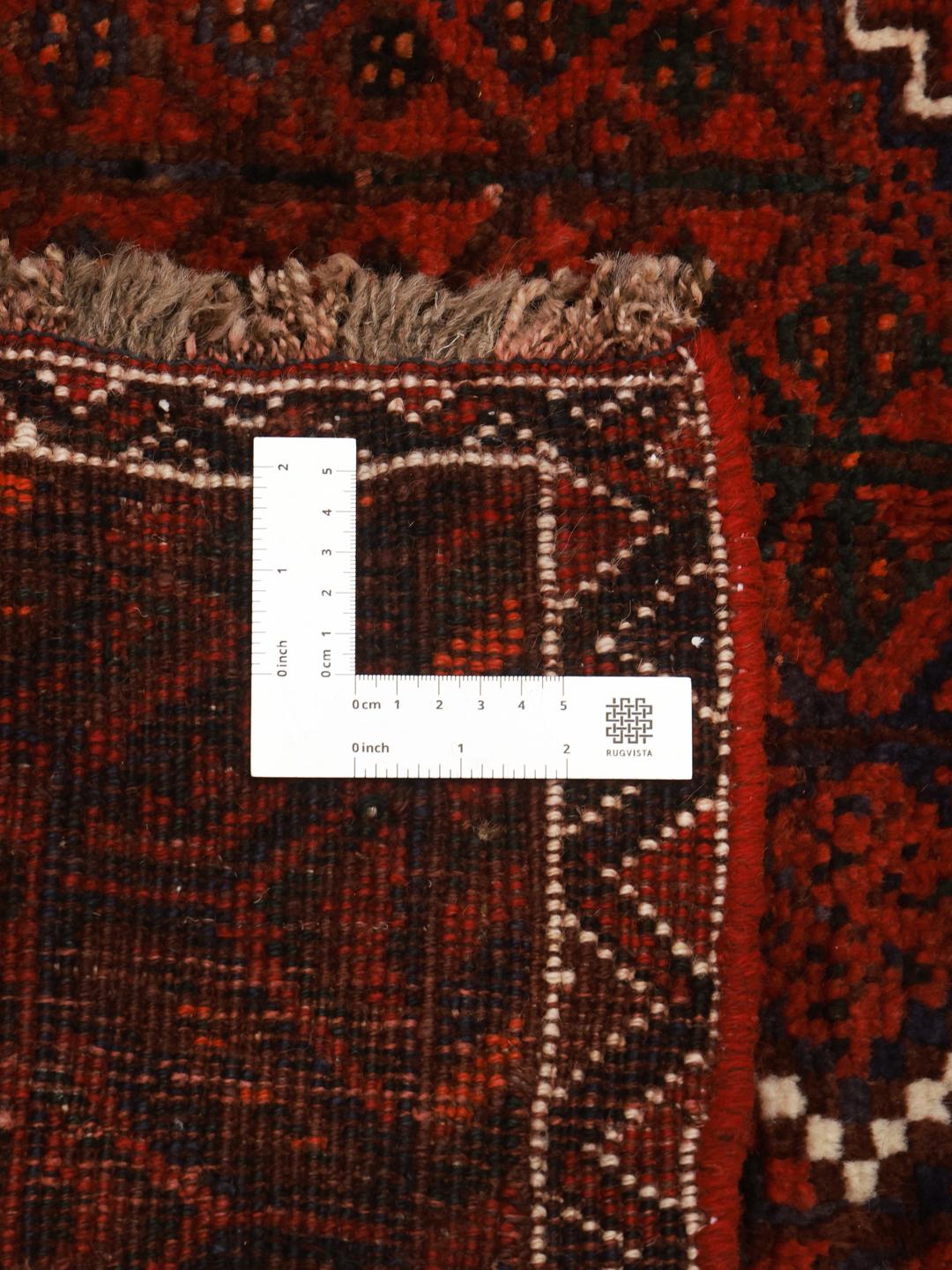
The craft of these rugs is defined by a commitment to traditional, hand-knotted construction. The artisans use local wool, which is known for its resilience and ability to hold deep, saturated colours. This specific construction technique results in a rug that is not only beautiful but also remarkably durable, capable of withstanding the rigours of both nomadic life and modern home environments.
Signature design elements of the Shiraz tradition often include repeating geometric motifs, such as diamonds, stylised flowers, and birds, often arranged in a symmetrical fashion. Unlike the more formal, court-designed rugs of the region, these pieces often feature a more spontaneous and expressive quality. The inclusion of subtle variations in the pattern is a testament to the artisan's individual expression and the nature of hand-crafted work.
Today, these rugs are highly valued by collectors and homeowners alike for their authenticity and the human story behind every knot. Owning a Shiraz rug is an opportunity to connect with a legacy of craftsmanship that has survived despite the pressures of industrialisation. It represents a commitment to supporting traditional skills and preserving a cultural heritage that values quality, patience, and beauty above all else.