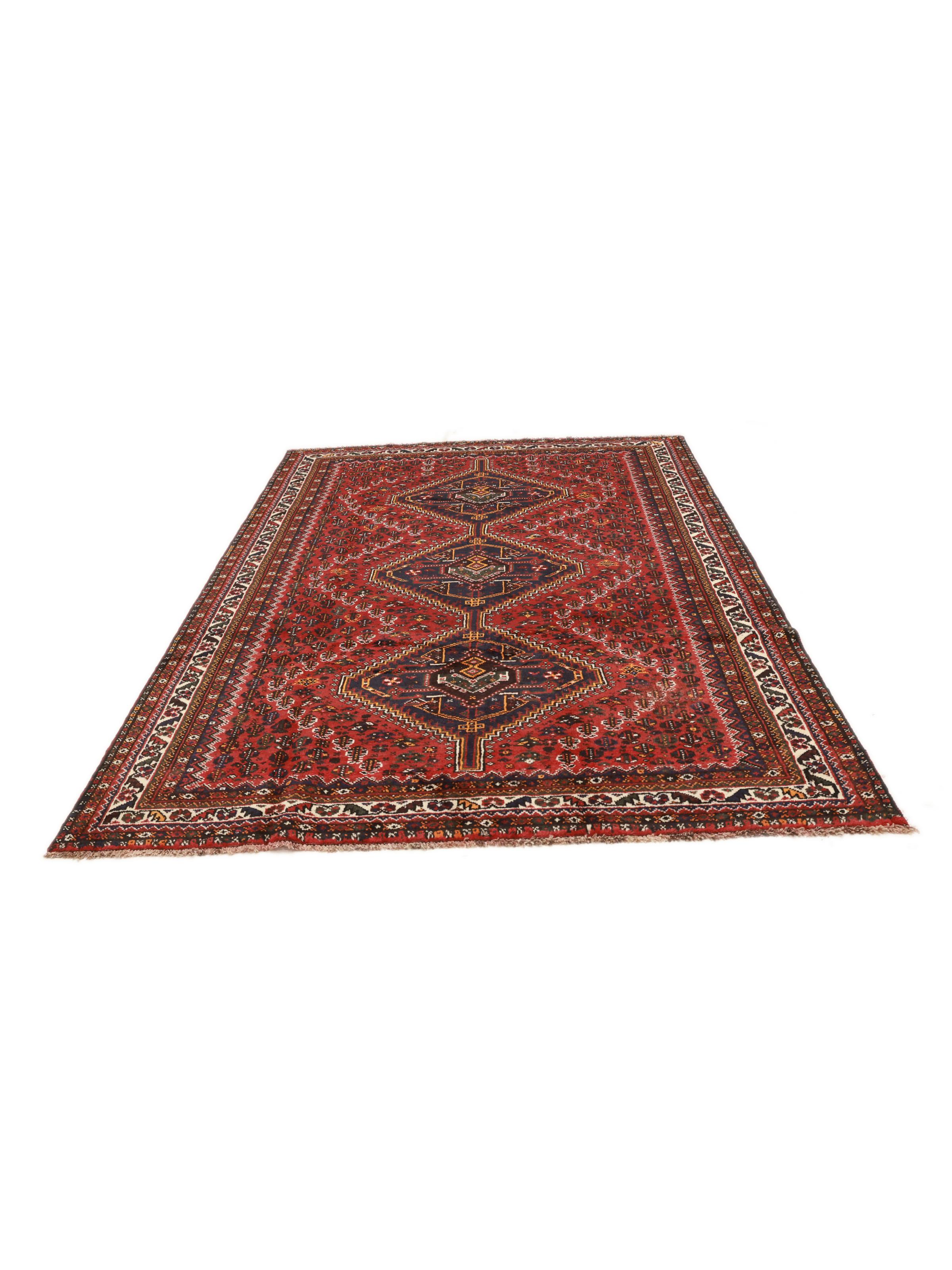
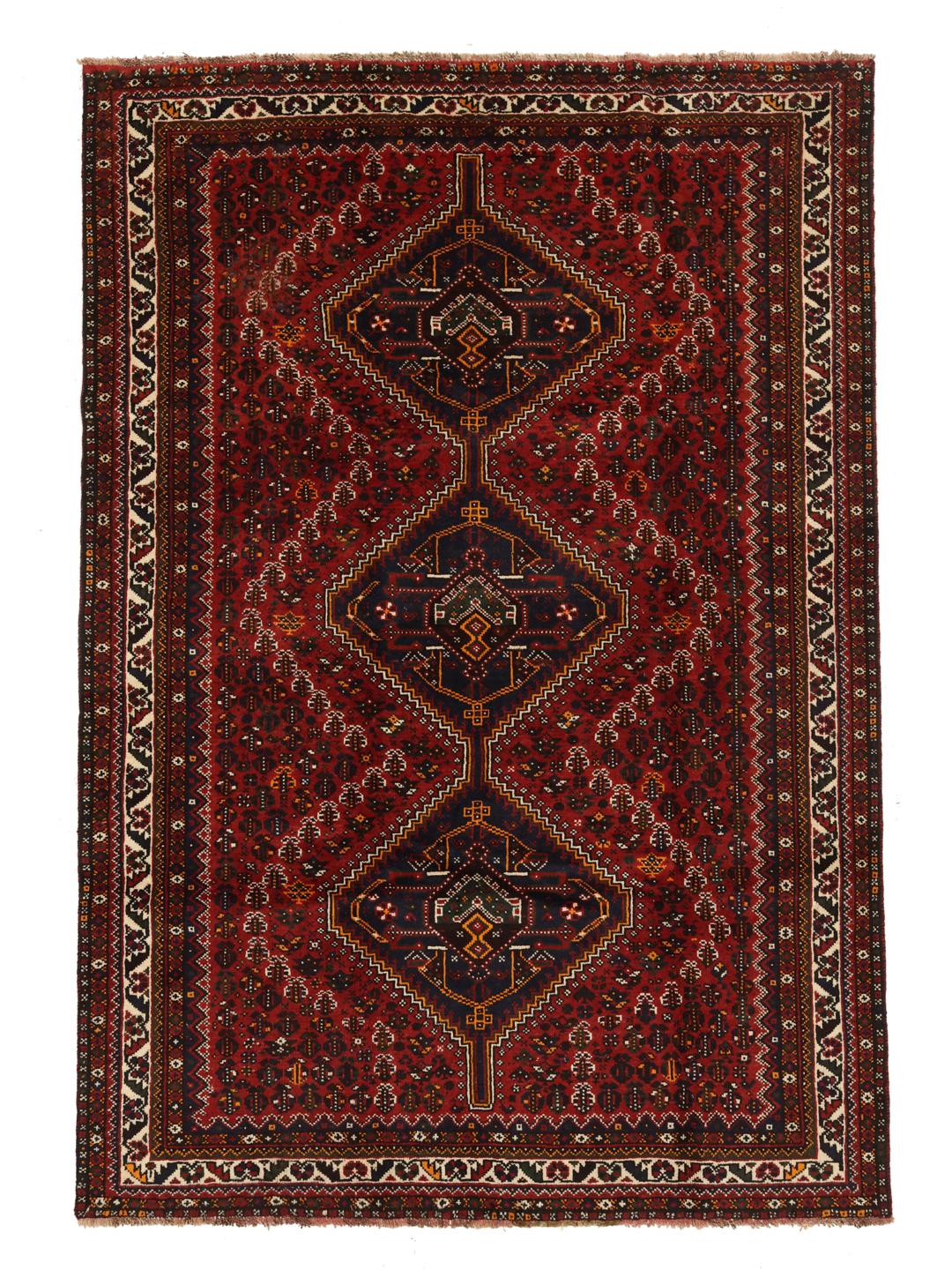
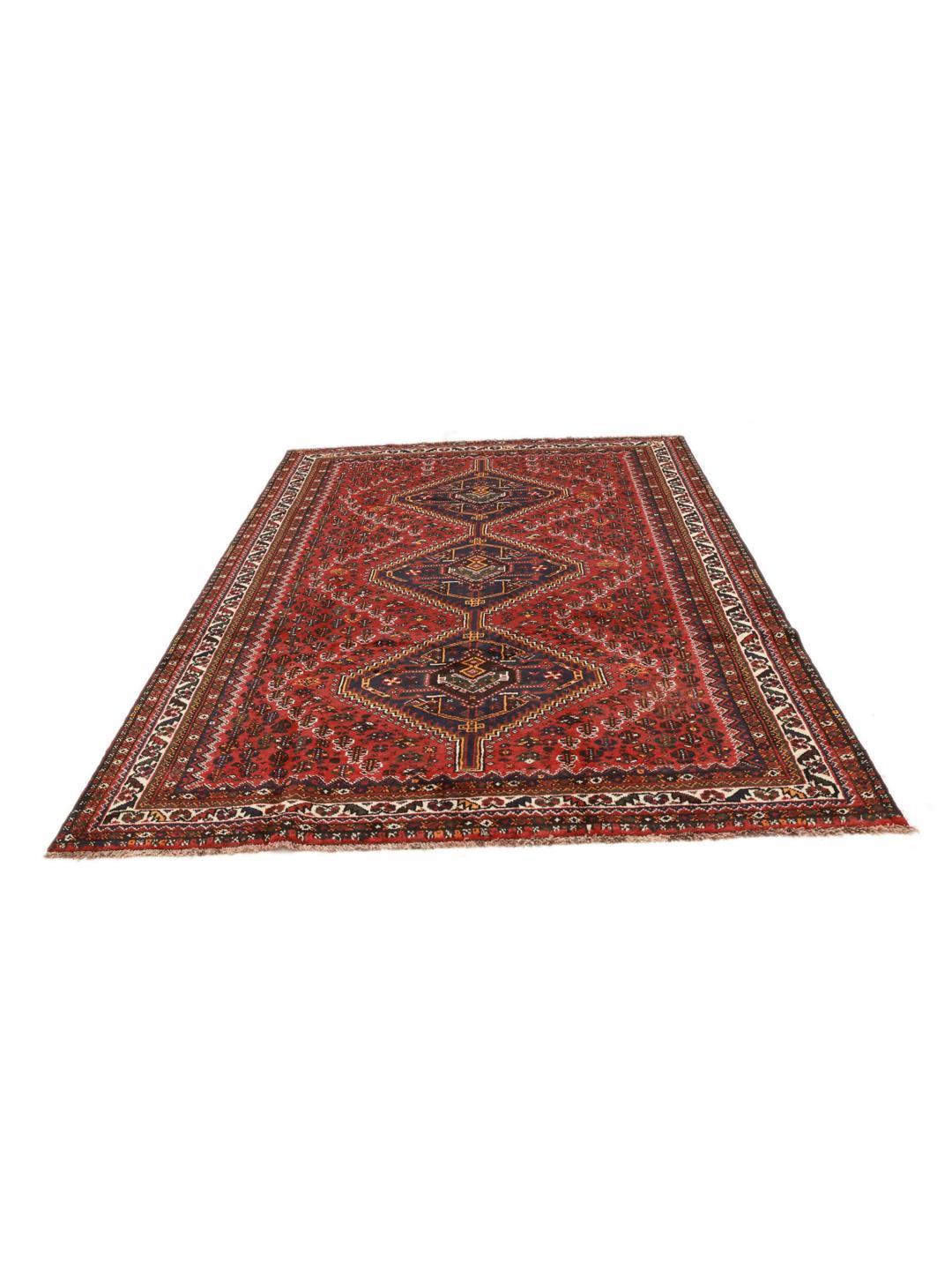
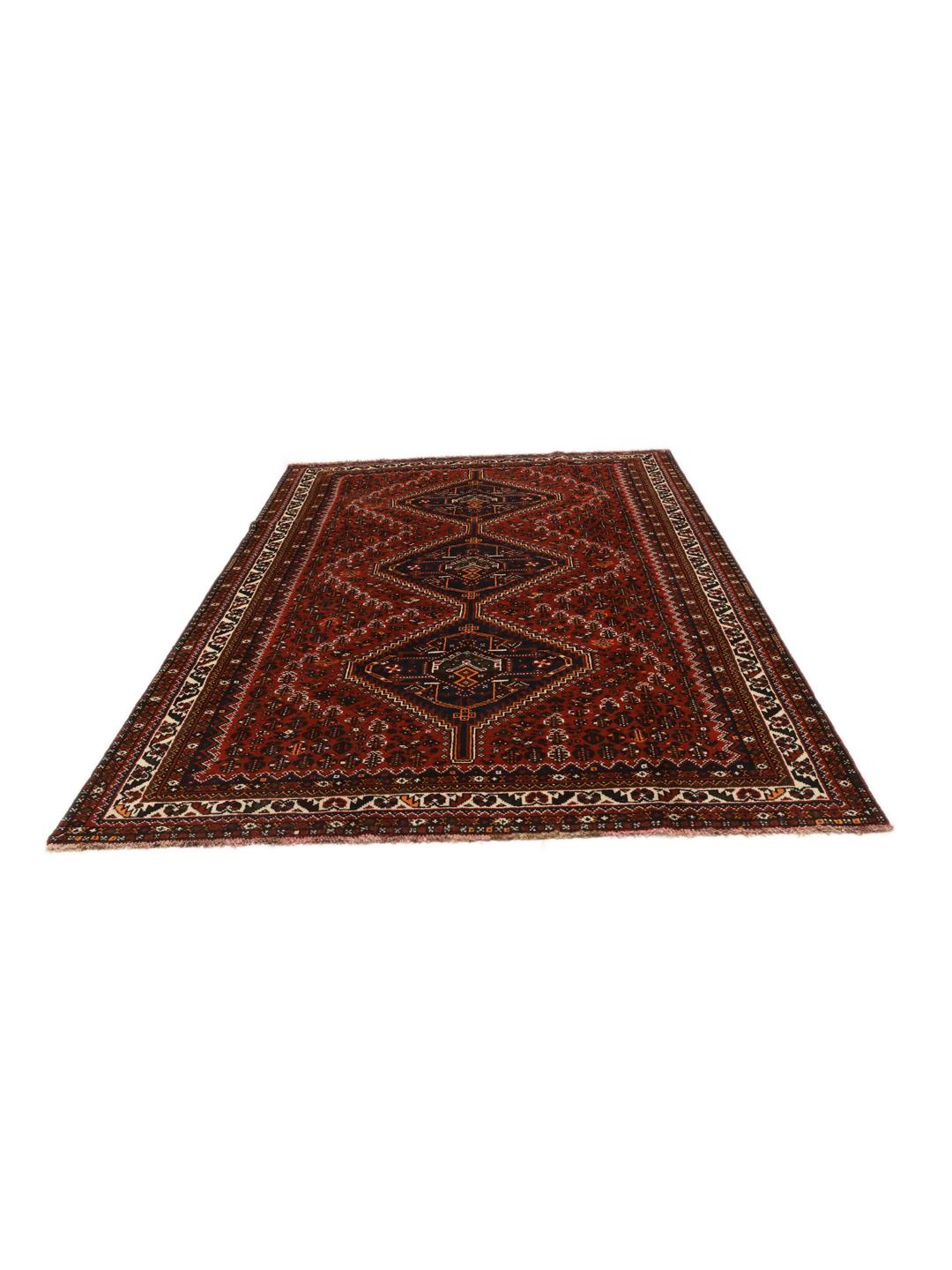
The Shiraz rug tradition originates from the Fars province in the Middle Eastern region, a territory historically associated with nomadic and semi-nomadic tribes. These rugs are deeply connected to the cultural identity of the Qashqai and other local tribal groups, who have passed down their weaving knowledge through generations, creating a tradition that is as much about storytelling as it is about utility.
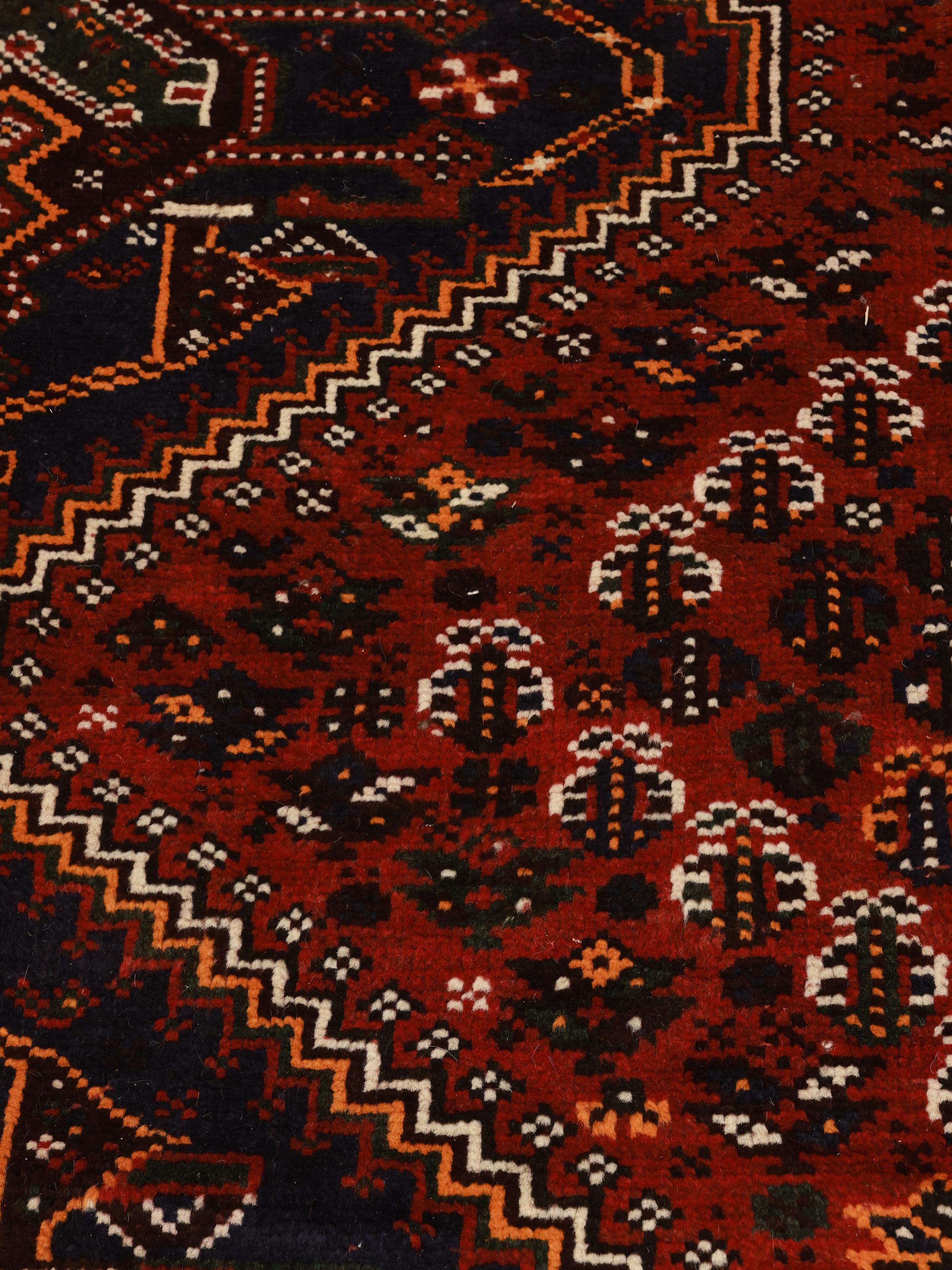
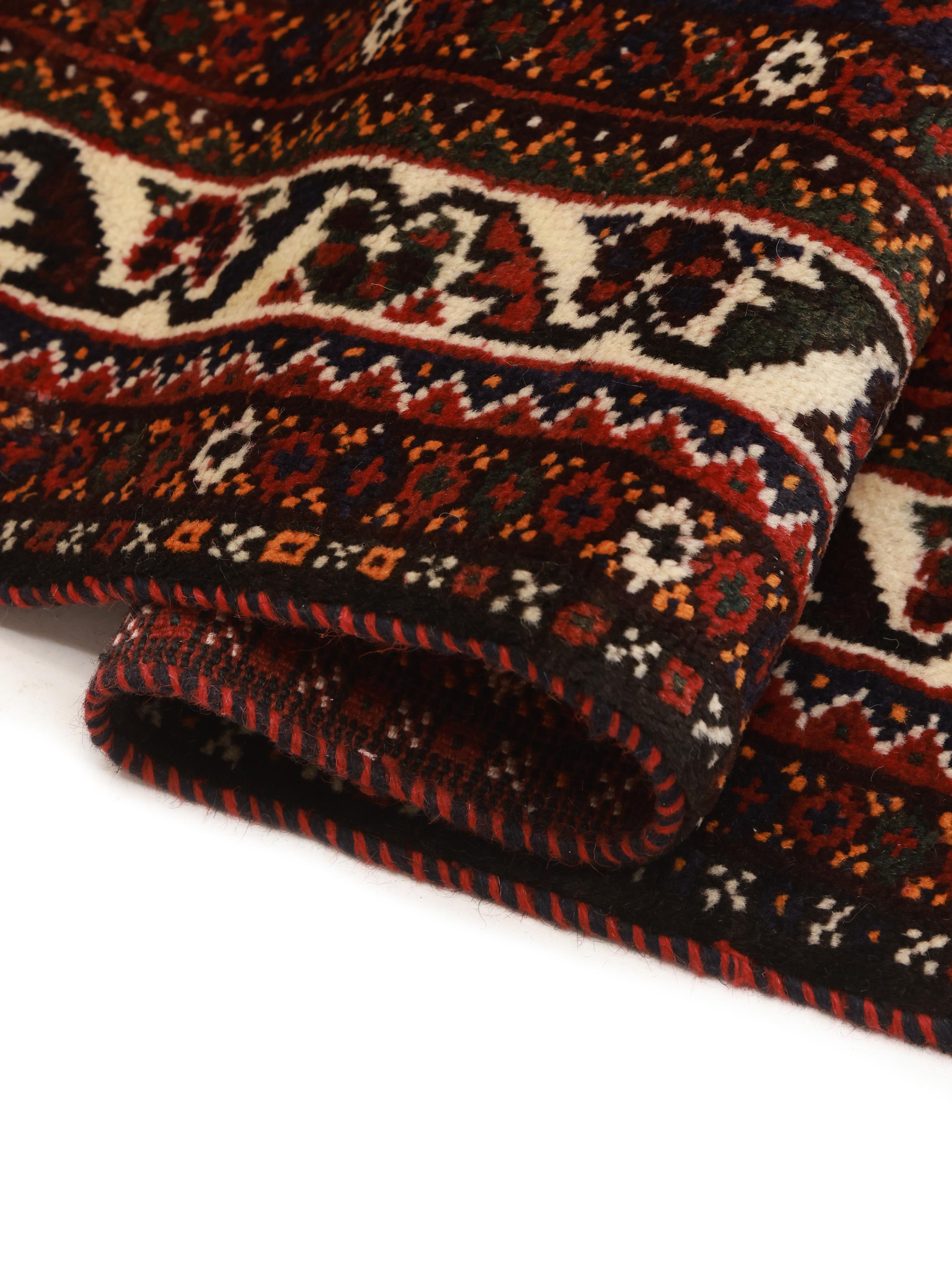
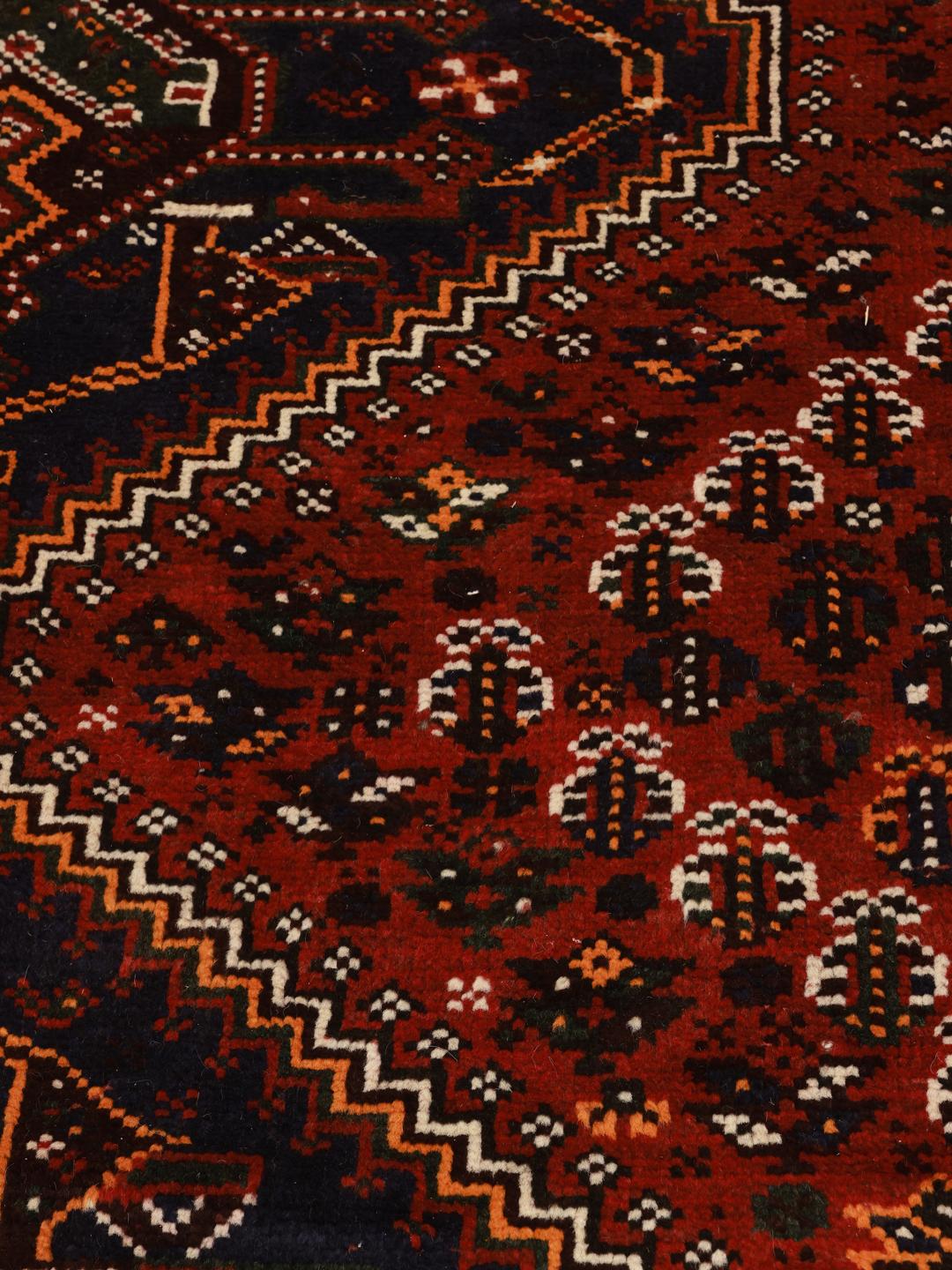
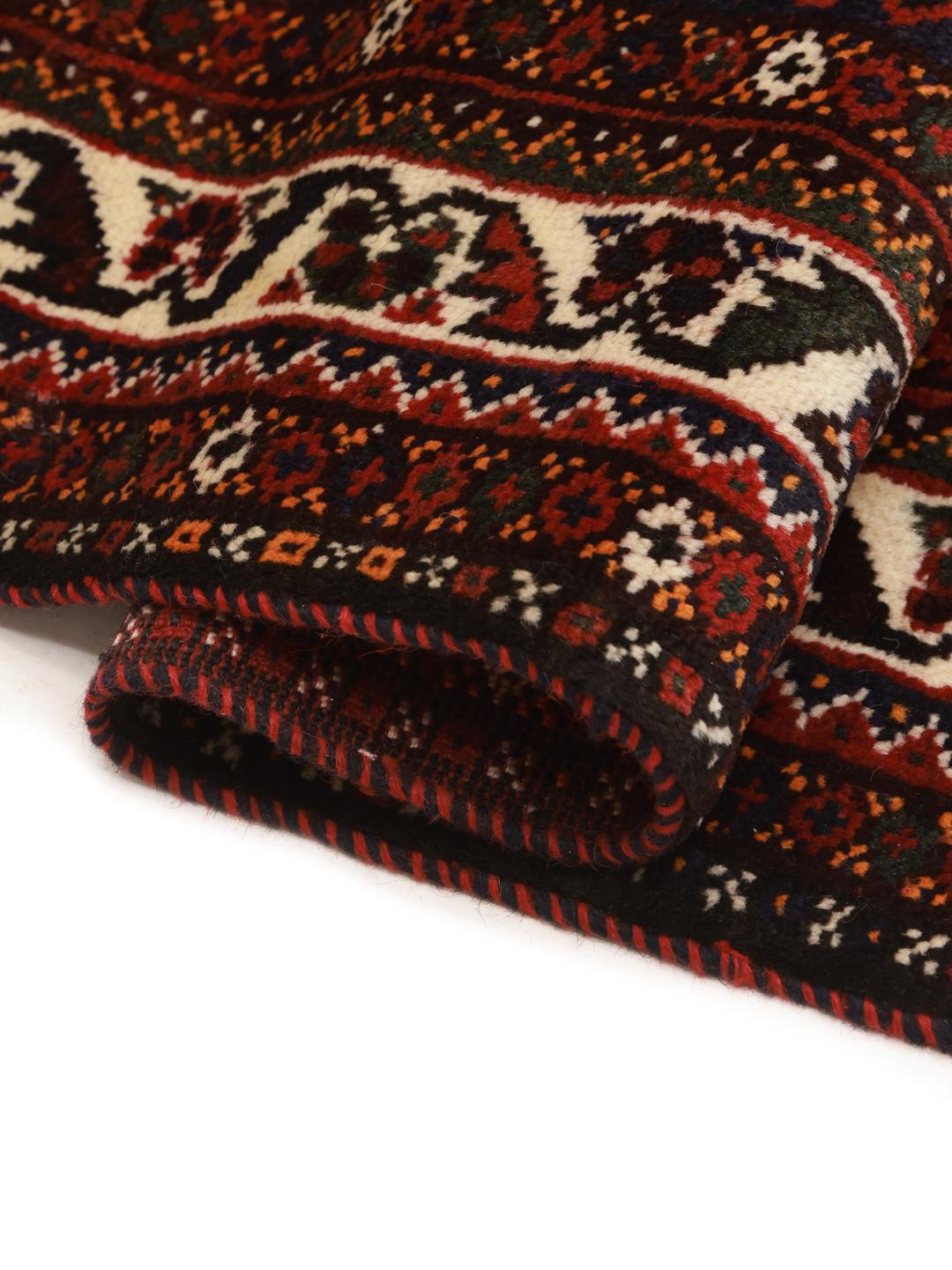
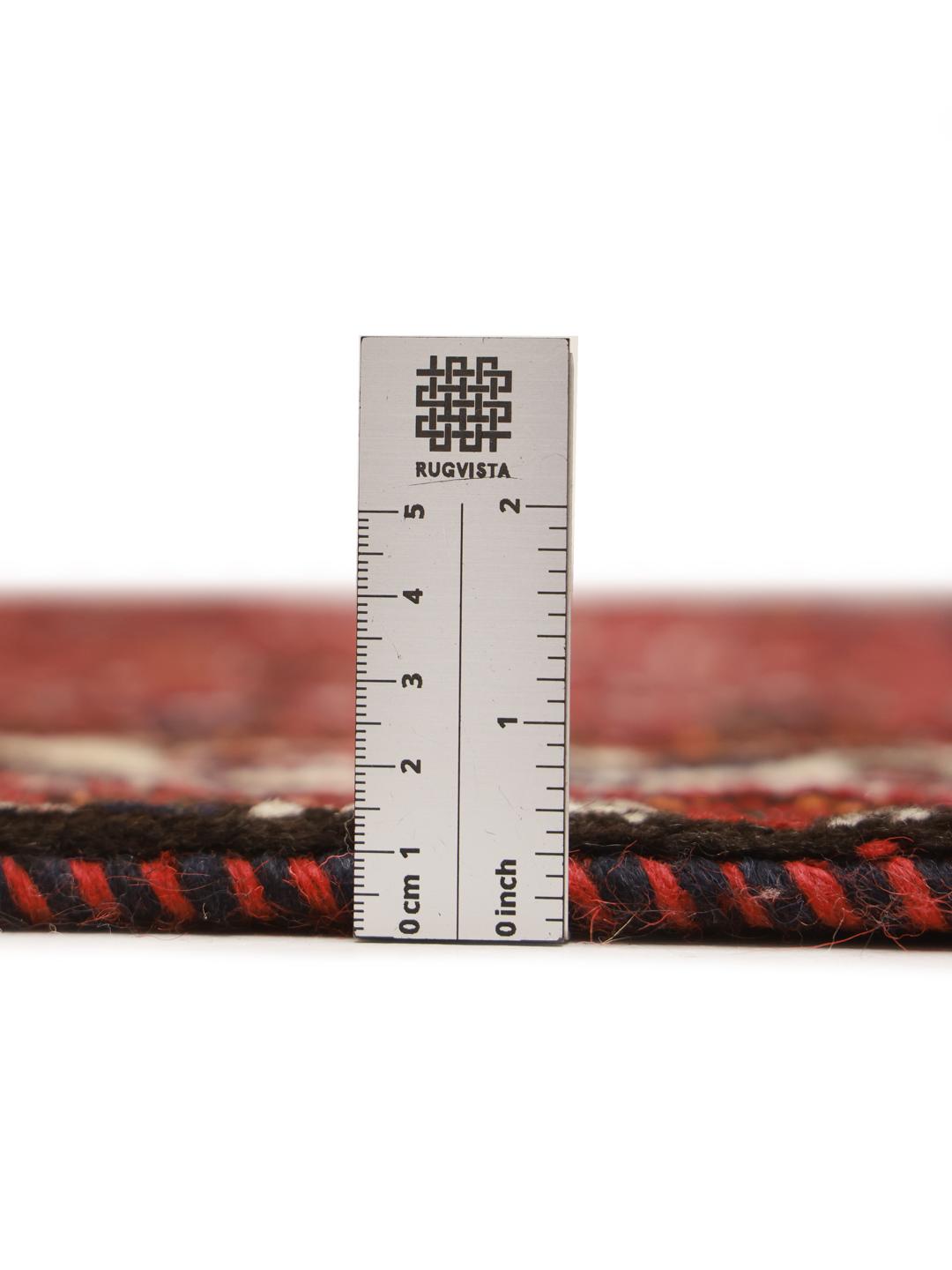
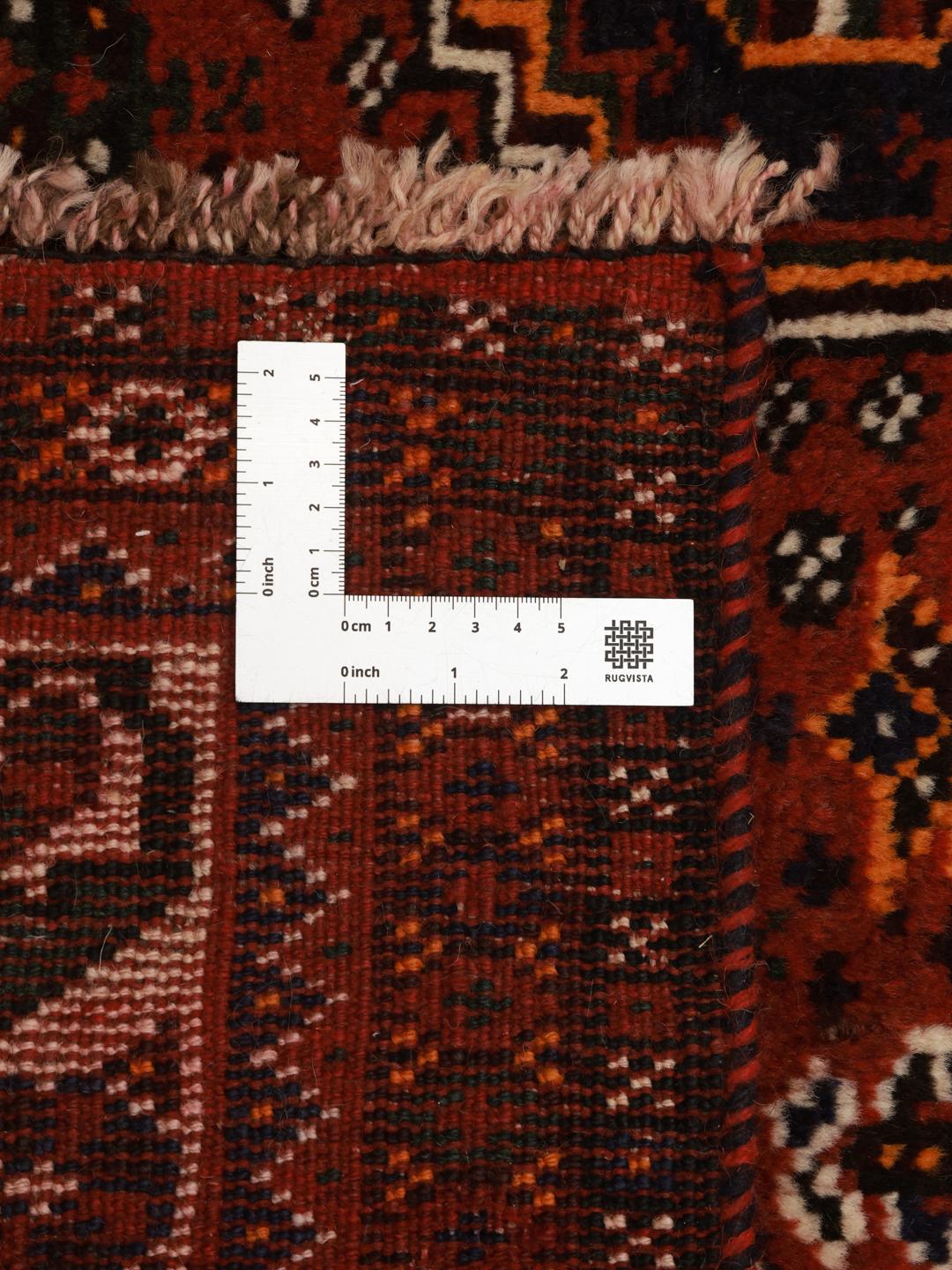
The term 'hand-knotted' refers to the essential craft process where each thread is carefully secured by hand. This labour-intensive method creates a more durable and textured surface compared to other types of weaving. The use of high-quality Wool, both for the pile and the foundation, is a hallmark of this tradition, selected for its natural resilience, lustre, and ability to hold vibrant dyes over time.
Shiraz rugs are immediately recognisable by their geometric visual language. You will often find bold, angular medallions, stylised floral elements, and repeating motifs that reflect the weavers' environment and heritage. The deep, warm colour palette, often dominated by earthy reds and rich blues, is derived from traditional dyeing methods that have been perfected over centuries, giving these rugs their iconic, saturated appearance.
Collecting a Shiraz rug is a way to honour a long-standing tradition of craftsmanship. These pieces are highly valued not only for their durability but for the way they preserve the artistic expressions of their creators. By bringing such a rug into your home, you are acquiring a piece with genuine cultural weight, ensuring that the legacy of this rich weaving tradition continues to be appreciated for years to come.