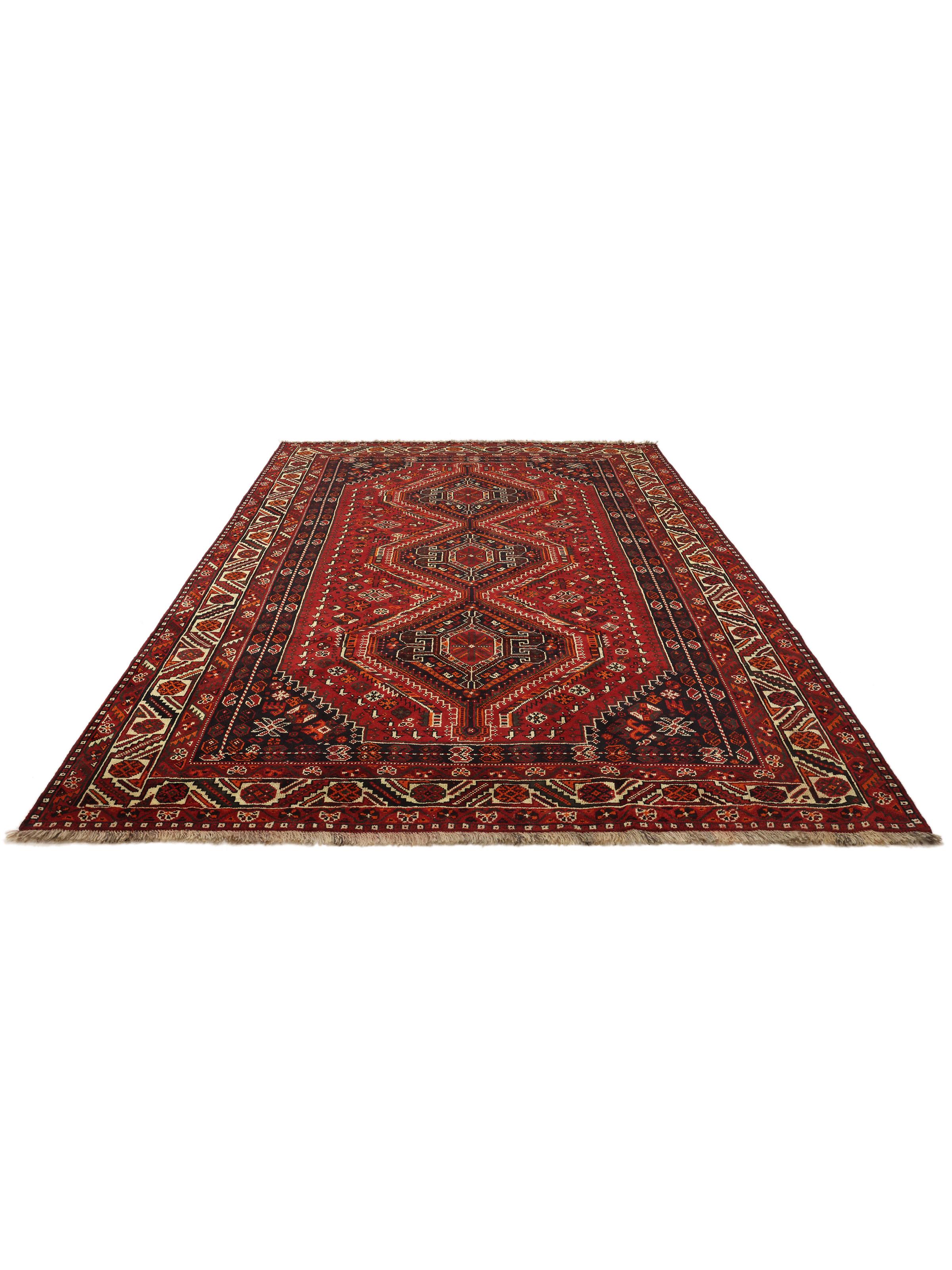
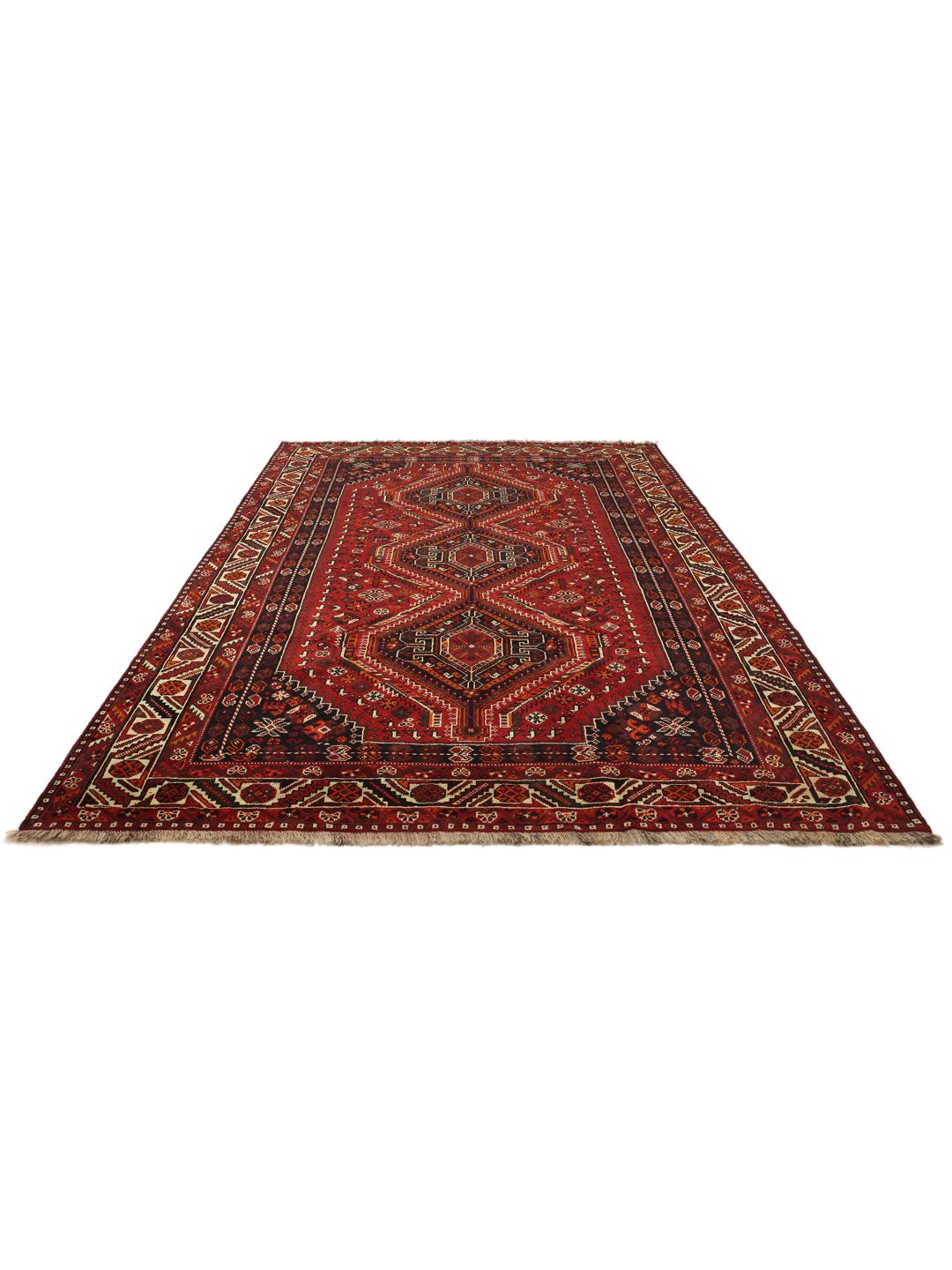
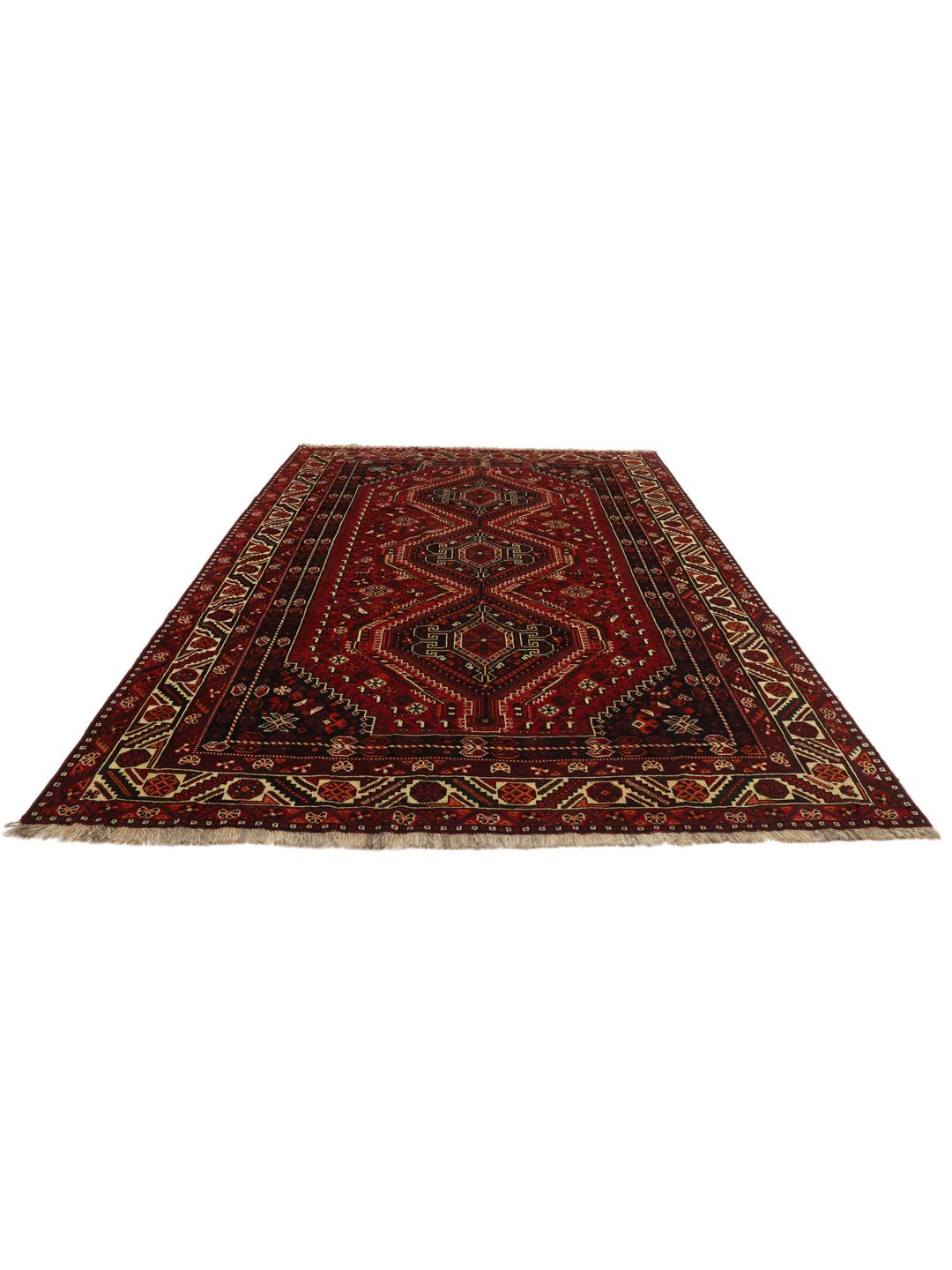
Shiraz rugs originate from the Fars province in the Middle Eastern region, a territory historically inhabited by nomadic and semi-nomadic tribes. These rugs are deeply rooted in the cultural traditions of these tribal groups, who have passed down their weaving techniques through generations, often working on horizontal looms that can be easily transported during seasonal migrations.
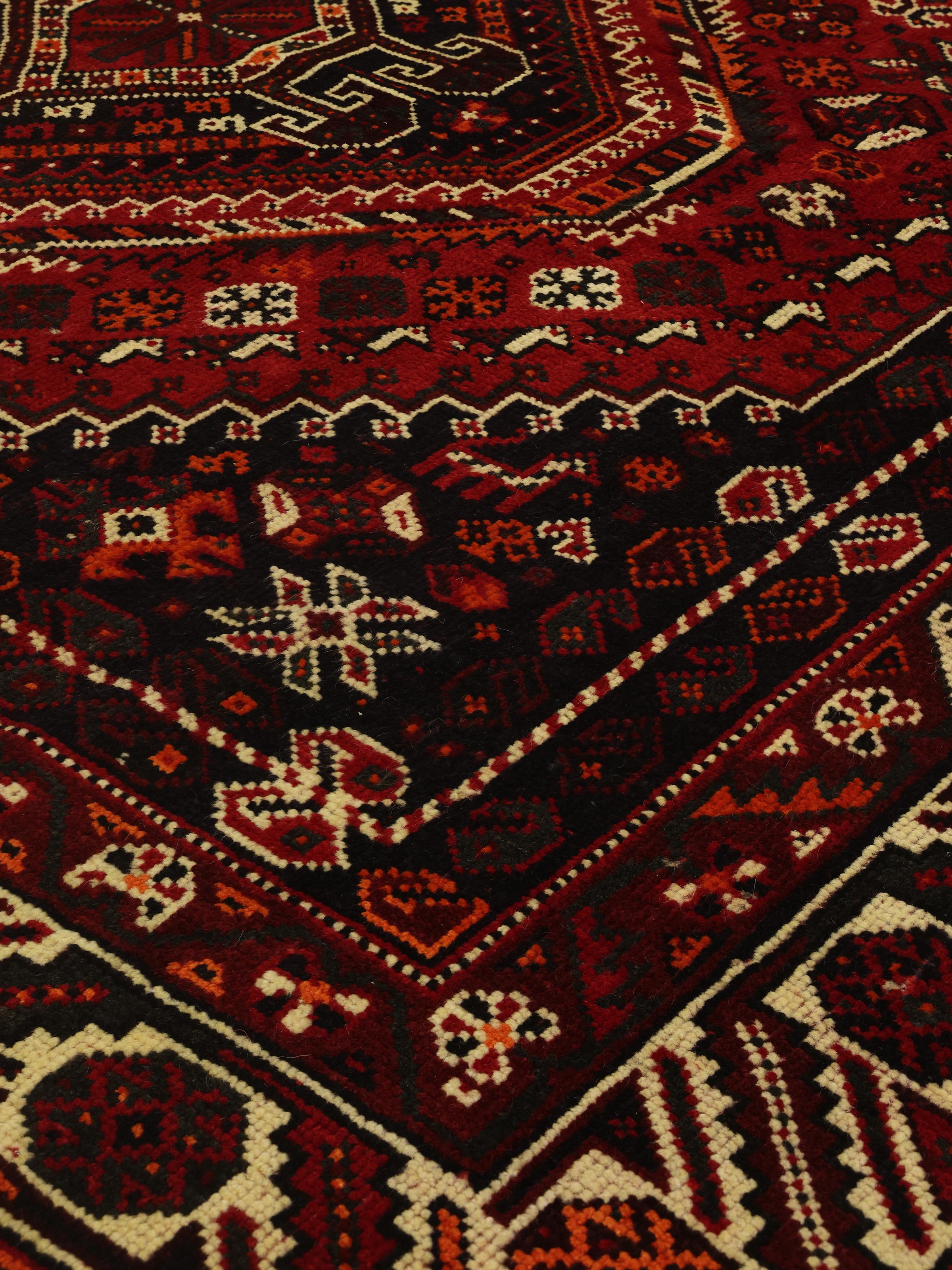
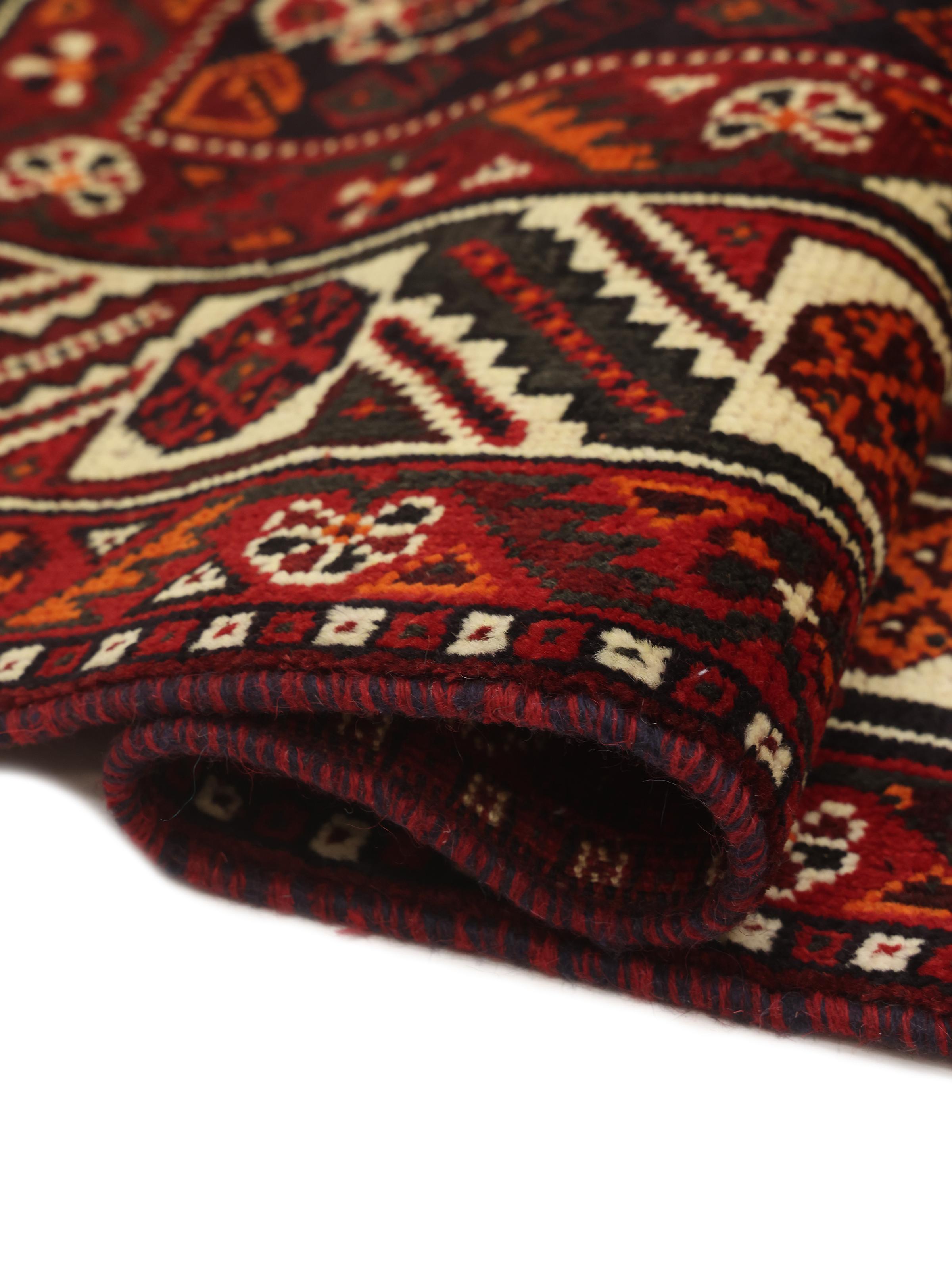
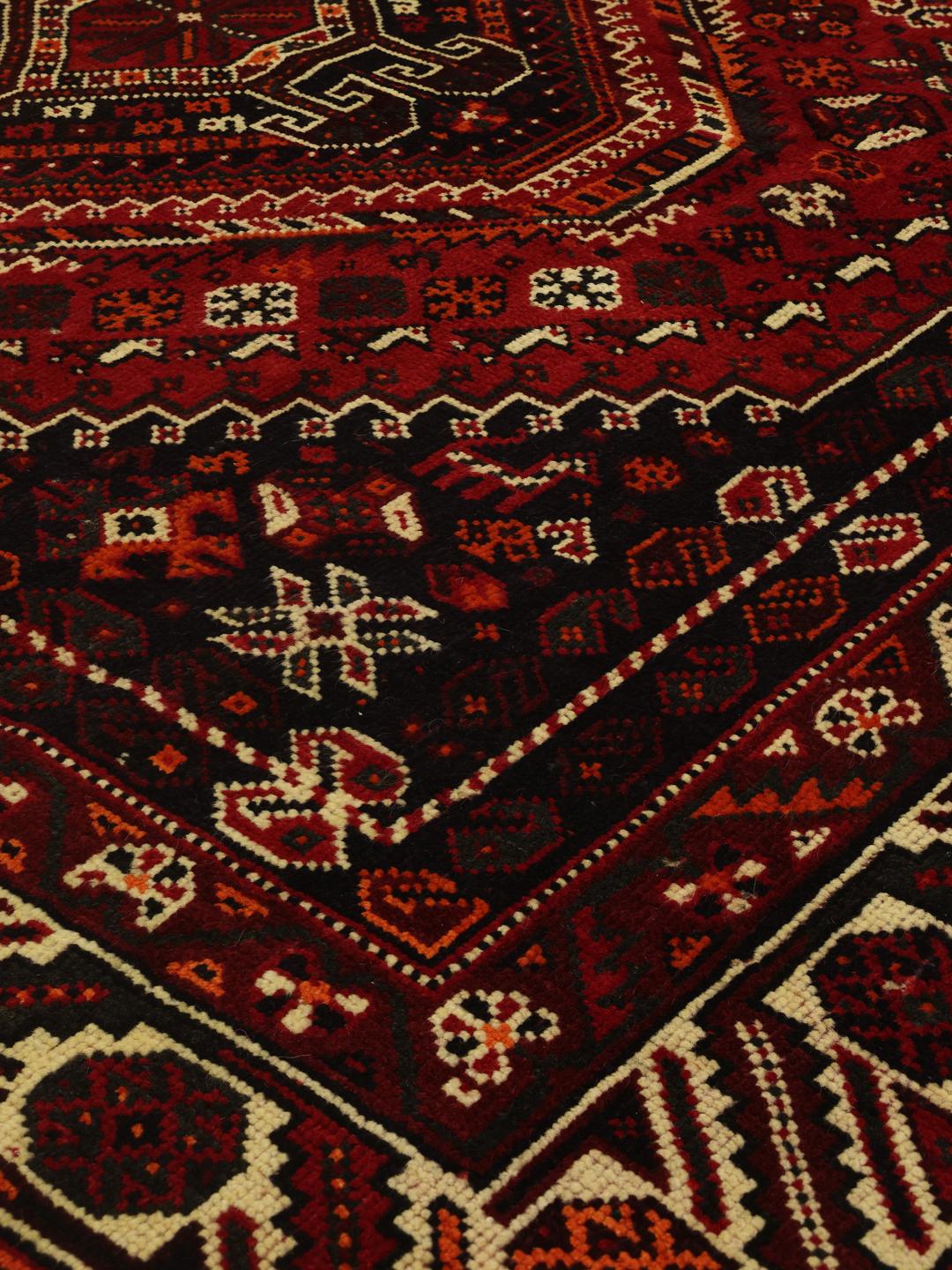
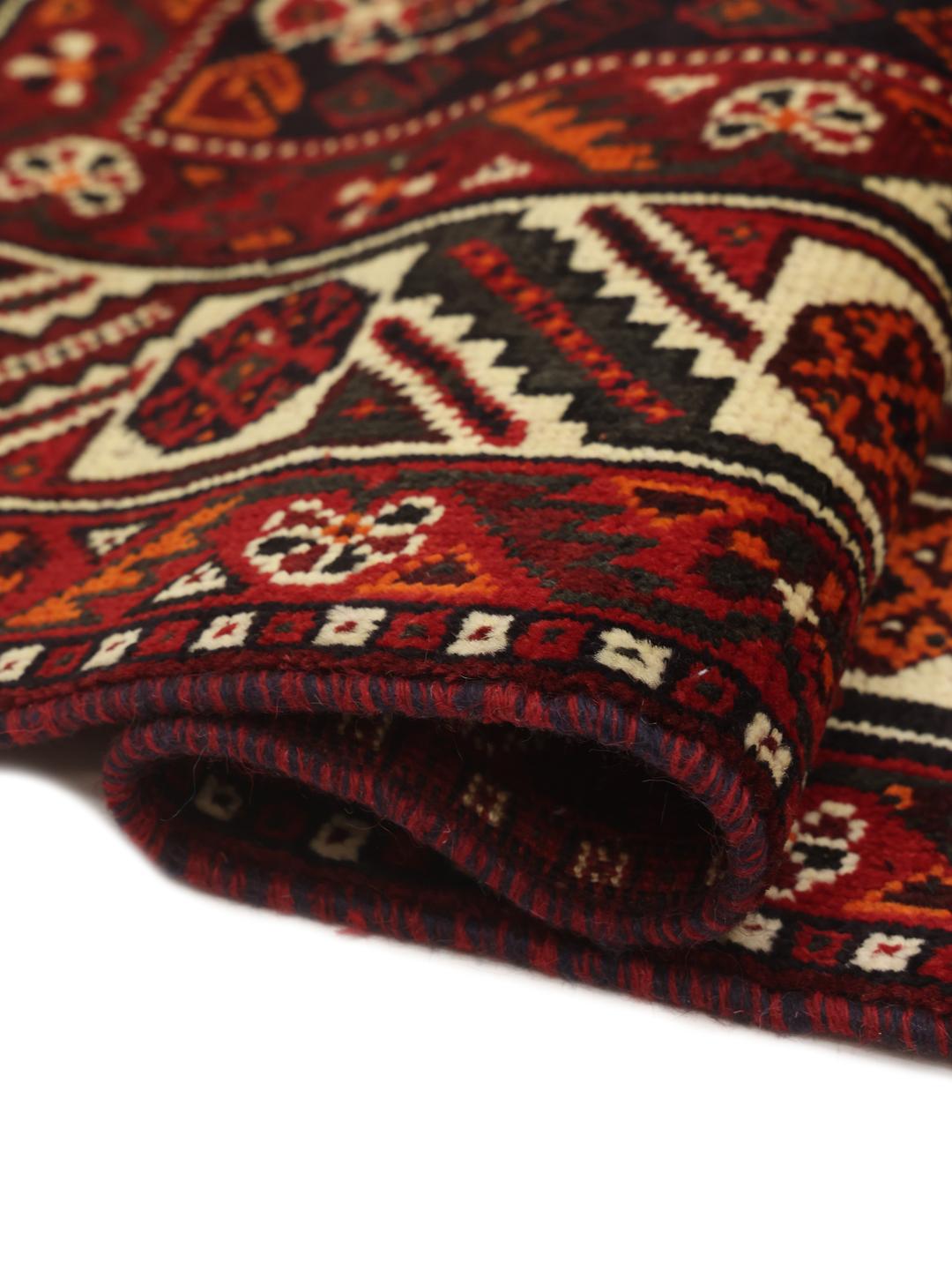
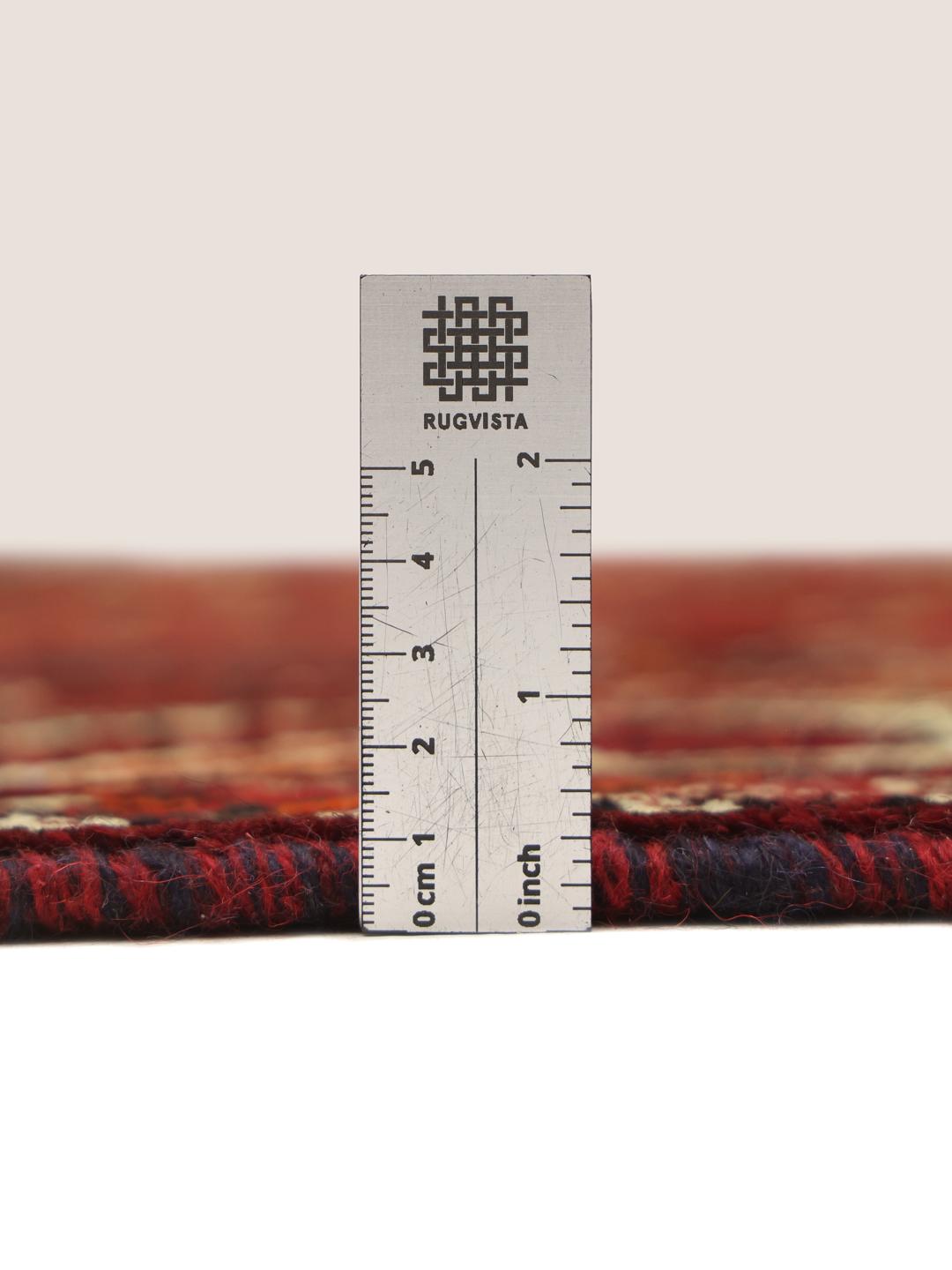
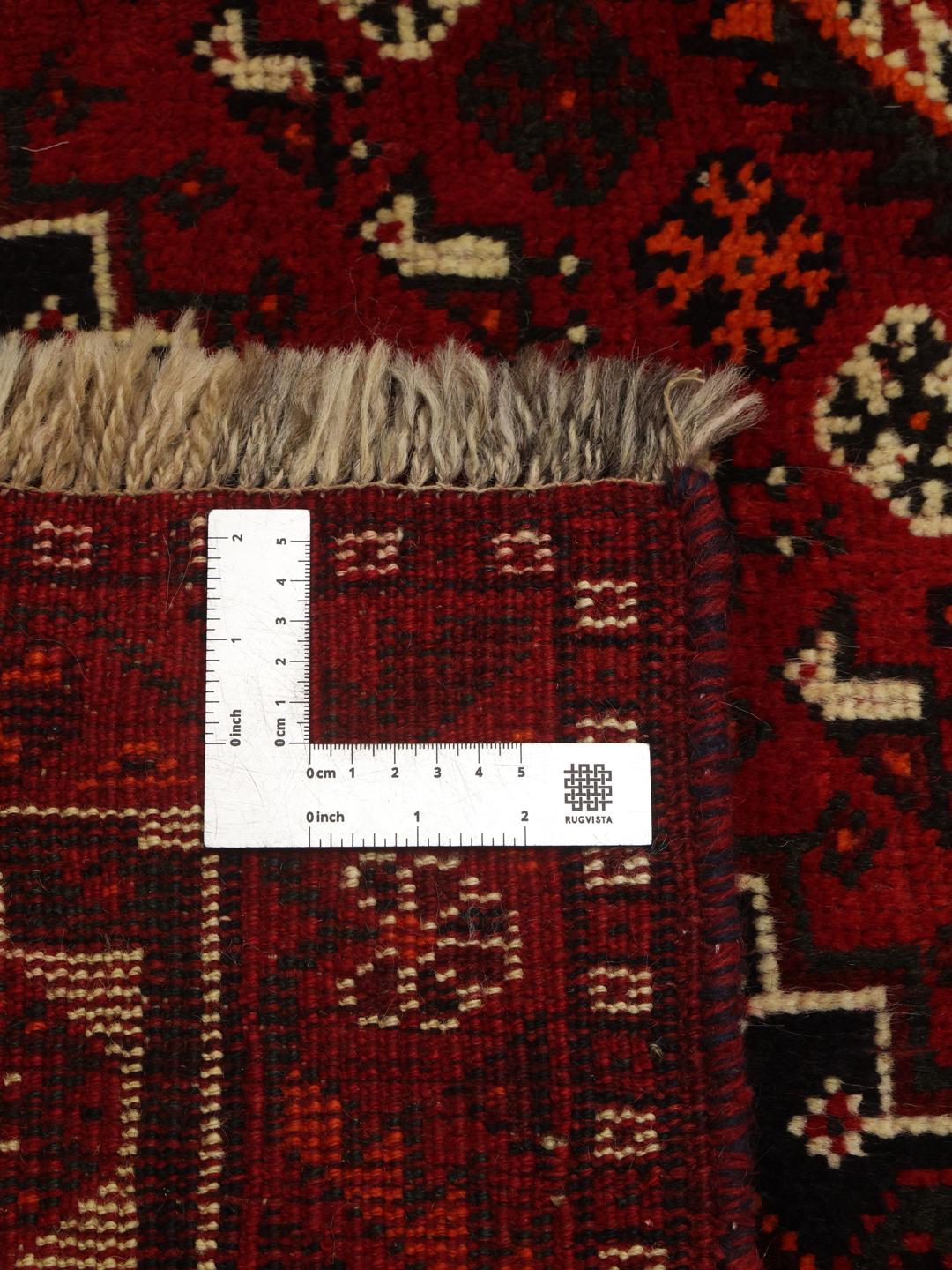
The term hand-knotted refers to the laborious process where each individual knot is tied by hand. This technique is essential for the durability and characteristic texture of these rugs. The construction allows for a flexibility and resilience that is rarely found in mass-produced alternatives, making these pieces highly valued for their ability to age gracefully.
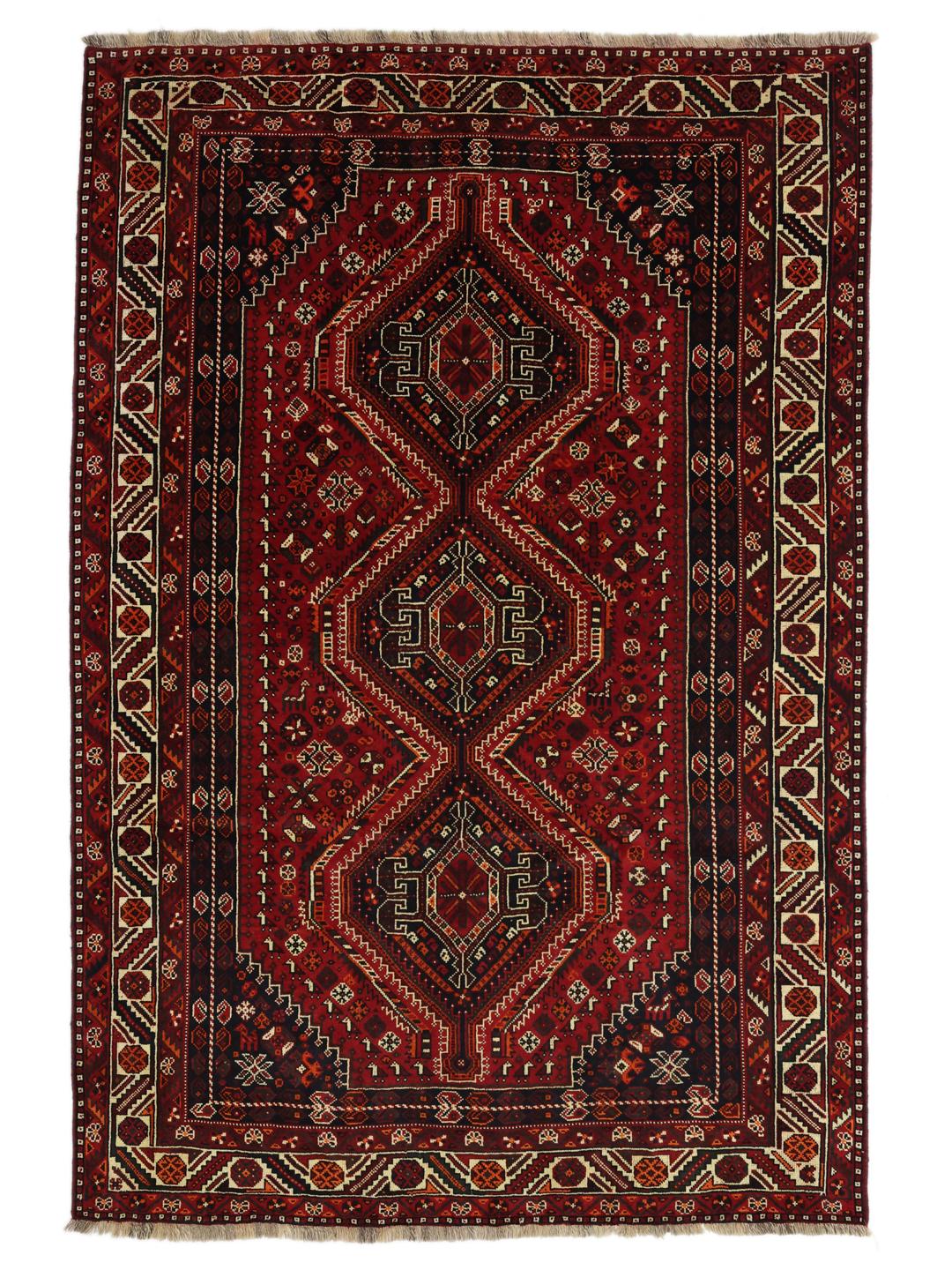
Design-wise, these rugs are known for their bold, geometric language. Common motifs include stylized animals, latch-hook diamonds, and repeating floral elements, often arranged in a central medallion format. The use of deep, earthy reds and dark accents is a hallmark of the region, creating a striking visual contrast that is instantly recognisable to collectors.
Collecting these rugs is an investment in cultural heritage. Because they are produced in small quantities by tribal weavers rather than in large factories, they possess an organic, human quality that feels authentic and deeply personal. Owning one is a way to preserve a living history of artistry and skill that continues to influence modern interiors.